
Reviewed · CYCLING TOURS
Seoul E-bike Tour
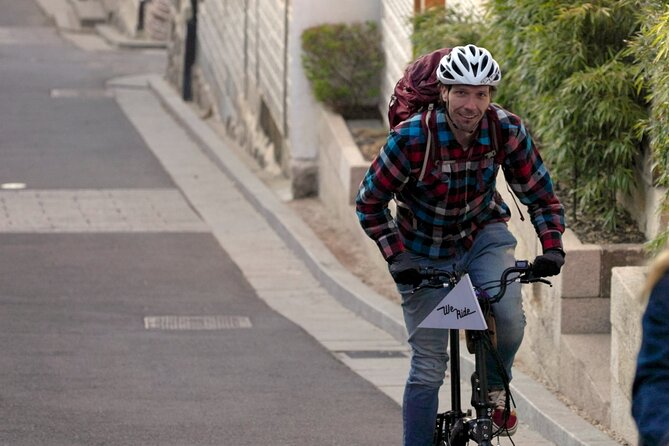
See Seoul before the crowds wake up. This three-hour ride links Gyeongbokgung Palace, Bukchon Hanok Village, the Blue House, and Jogyesa Temple without asking you to walk the whole way. I like the electric assist, which makes Seoul’s hills far less daunting, and I like the stop at Tongin Market for Korean snacks and local flavor. The main tradeoff is time: most sights receive only 10 to 15 minutes, so this is an overview rather than a slow palace or neighborhood visit.
The route is smartly planned, often using bike lanes and quieter back streets. I also like the small-group format, capped at 15 people and often much smaller in practice, with guides such as TJ, Taejin, Vincent, Jun, Hagar, Harry, and Limmi praised for careful riding, useful history, and friendly help. You need moderate fitness, must arrive 20 to 30 minutes early, and should bring a reusable water bottle.
In This Review
- What makes this Seoul e-bike tour worth considering
- Starting at Jongno with a careful bike fitting
- Cheonggyecheon Stream and Seoul’s old urban core
- Gyeongbokgung Palace and a chance to see the guards
- Tongin Market for tteokbokki and local snacks
- Seochon, old defenses, and a short hill climb
- The Blue House and Seoul’s recent political story
- Bukchon Hanok Village without the usual uphill struggle
- Jogyesa Temple brings the morning to a quieter close
- Why the three-hour timing works, and where it falls short
- Is $120 a fair price for this Seoul ride?
- Who should book this tour?
- Should you book the Seoul e-bike tour?
- FAQ
- How long is the Seoul e-bike tour?
- Where does the tour start and finish?
- How early should I arrive?
- What is included in the price?
- Do I need to bring water?
- How large is the group?
- What happens if the weather is bad?
What makes this Seoul e-bike tour worth considering
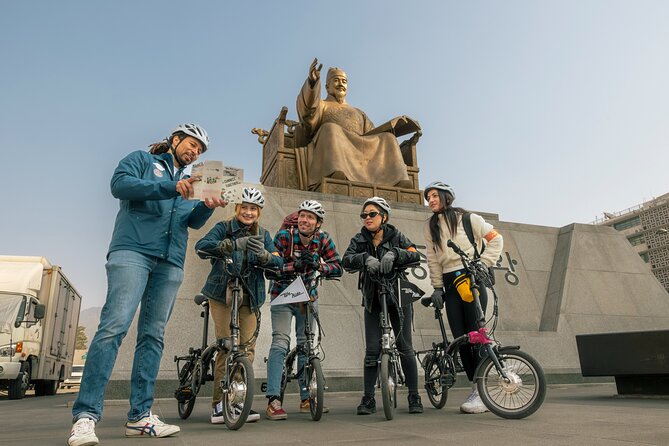
- Early riding beats the crowds: Morning timing can help you reach Gyeongbokgung Palace before traffic and heavy foot traffic build.
- Electric bikes tame Seoul’s hills: Bukchon and the older parts of Seochon are much easier with pedal assistance.
- Tongin Market adds a real food stop: Included Korean snacks, including rice cakes and tteokbokki, give the ride a tasty local pause.
- The route mixes famous and less obvious sights: You get major landmarks plus back lanes, traditional neighborhoods, parks, and small businesses.
- Guides handle the city riding carefully: Front and back riders help keep the group together and make busy crossings less stressful.
- Photos are part of the experience: Guides take pictures throughout the ride and share them afterward, helping you stay present instead of managing your phone.
Starting at Jongno with a careful bike fitting
The meeting point is We Ride Korea Bicycle Tours at Le Meilleur Jongno Town, 19 Jong-ro, in Seoul’s Jongno District. This central setting puts you close to the old royal and religious core of the city, so the route begins in a useful part of town rather than spending much of your three hours getting into position.
Arrive 20 to 30 minutes before departure. That early arrival is required, not a casual suggestion. The staff use the time to fit your bike, provide a helmet and vest, explain safe riding, and prepare the group. If you arrive at the advertised start time, you may already be behind schedule.
The bikes are electric assist models. You still pedal, but the motor takes much of the strain out of hills and longer stretches. That matters in Seoul, where a route that looks easy on a map can include sharp climbs around Bukchon and the old city neighborhoods.
The tour includes safety equipment, insurance, a local guide, and the bike itself. The group limit is 15, though several rides described groups of six or similarly small numbers. A small group lets the guides adjust the pace, answer questions, and keep an eye on riders more easily than a large bus or mass cycling group.
More bike tours:
- From Seoul: Nami Island, K-drama Garden & Rail Bike Day Tour
★ 4.6 · 724 reviews - Day Trip to Nami Island with Rail bike and The Garden of Morning Calm
★ 4.5 · 459 reviews - Nami+Alpaca+Garden of Morning Calm (+Rail Bike Option)
★ 5.0 · 300 reviews
Cheonggyecheon Stream and Seoul’s old urban core
The first sightseeing stop is Cheonggyecheon Stream, a long waterway running through central Seoul. You get about 10 minutes here, enough to see the stream and hear how it once served as a main watercourse in the city.
This is a brief orientation stop rather than a long stroll. I like its place near the beginning because it gives you a quick sense of how old and modern Seoul overlap. Tall commercial buildings and busy streets sit close to a calmer public waterway, while your guide supplies the historical background.
You should not expect time to walk a substantial length of the stream. The value is in seeing it as part of Seoul’s urban story, then moving on by bike.
Gyeongbokgung Palace and a chance to see the guards
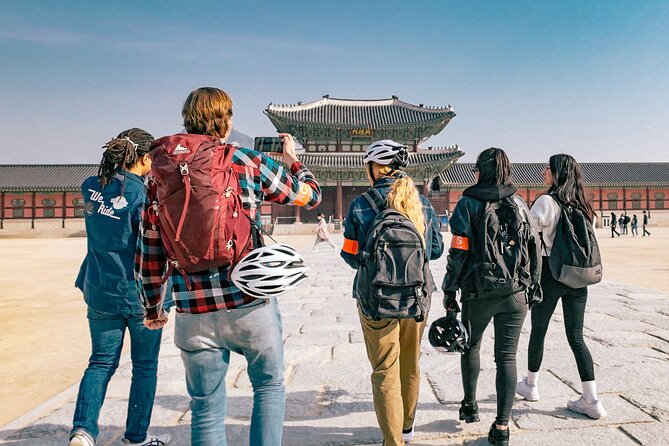
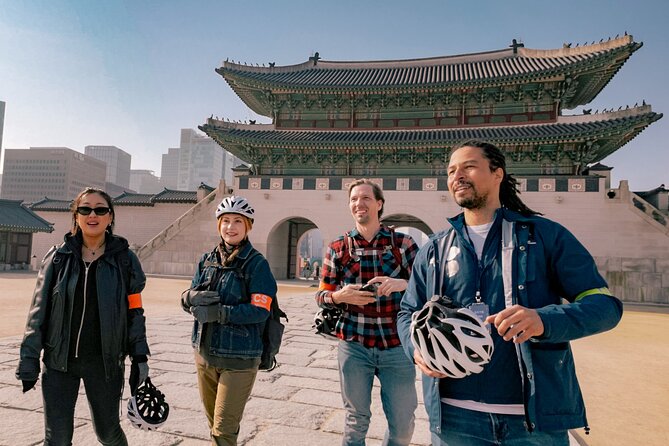
Next comes Gyeongbokgung Palace, Seoul’s most famous royal site and the oldest palace in the route’s description. The tour stops at the main gate for around 10 minutes, with a look at one of the city’s essential symbols.
The short visit works best as a first look. You can photograph the gate, hear the basic story of the palace, and mark it for a longer return visit later. If you want courtyards, throne halls, detailed architecture, and museum time, you will need a separate visit and admission.
Timing can be a real bonus here. Several rides arrived in time to watch the changing of the guard, sometimes from a good position for photographs. That ceremony is not guaranteed, since schedules and traffic affect the route, but an early start gives you a better chance than a late afternoon ride.
This stop also shows the tour’s basic method: use the bike to connect landmarks, then let the guide point out what deserves a longer visit. You see more of Seoul in one morning, but you do not linger at every sight.
Tongin Market for tteokbokki and local snacks
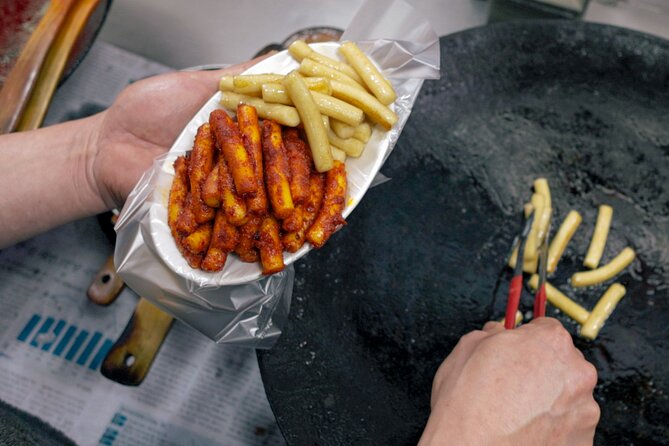
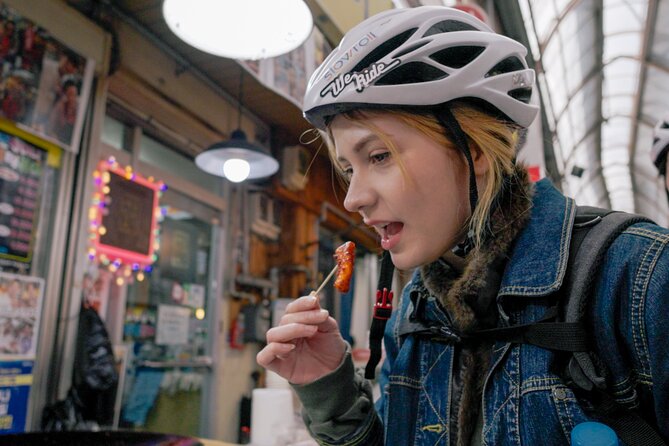
Tongin Market is where the tour shifts from sightseeing to eating. You receive Korean street food selected by the We Ride Korea guides, with food mentioned by name including tteokbokki and several kinds of rice cakes.
The food is included, but this is a snack stop, not lunch. That distinction matters. You should eat something before the tour or plan a proper meal afterward, especially if you tend to get hungry after cycling.
I like this part because it connects the historic sights with ordinary neighborhood life. A market gives you a more grounded taste of Seoul than a quick photograph outside a palace. Guides can also steer you toward foods that may be unfamiliar, including vegan snack options mentioned on some rides.
The stop lasts about 10 minutes, so think of it as a tasting pause. You will not have time to browse every stall or settle in for a long meal. Still, a little tteokbokki can do more for your understanding of Seoul than another hurried landmark photo.
A few more trips of this kind worth comparing:
- Afternoon E-bike tour and “Happy Hour” food and drinks
★ 5.0 · 46 reviews - Market Food Tour & Evening E-bike Ride in Seoul
★ 5.0 · 28 reviews - ENKO Electric Bike Ride on The Han River Bike Path in Seoul
★ 5.0 · 18 reviews - Seoul: Afternoon Ebike tour and “Happy Hour” food and drinks
★ 4.8 · 18 reviews
Seochon, old defenses, and a short hill climb
From Tongin Market, the ride continues through Seochon, an old neighborhood near the palace area. The group sees remnants of the city’s defenses and passes through the oldest surviving gate in the city wall, according to the tour description.
There is an optional hot drink and short walk here. That flexibility is useful because some people will want to stretch their legs, while others may prefer to keep the route moving. The stop is again around 10 minutes.
Seochon also gives you a taste of Seoul away from the grand palace approach. The lanes and older structures help explain how the city developed around its royal center. You might find the short stop too quick if traditional neighborhoods are your main interest, but the e-bike makes it easy to return later.
This portion can include a hill, as can Bukchon. The electric assist helps, but it does not turn the ride into a passive sightseeing vehicle. You still need to balance, pedal, brake, and follow city traffic instructions.
The Blue House and Seoul’s recent political story
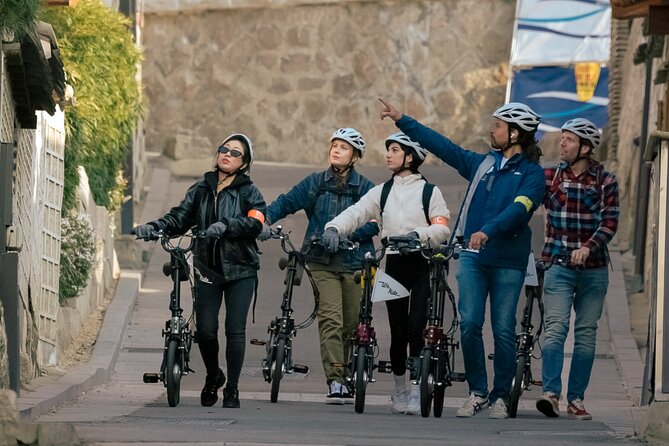
The route then reaches the Blue House, the former presidential residence. You receive about 10 minutes to see the exterior area and hear about its role in modern South Korea.
The Blue House gives the tour a useful change of subject. Gyeongbokgung and Bukchon take you into older Seoul, while this stop connects the city to its recent political life. It is not presented as a long interior visit, so keep your expectations focused on seeing the presidential compound and learning its place in the city.
The route may also include parks and other less familiar spots around this section. Seasonal adjustments are possible, which means the exact flow can change to take advantage of weather or local conditions.
Bukchon Hanok Village without the usual uphill struggle
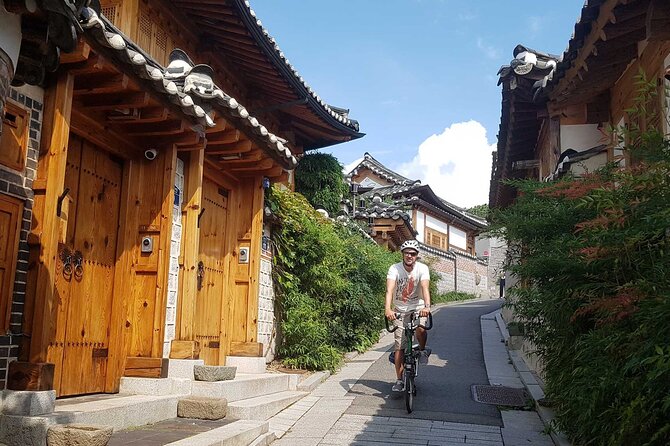
Bukchon Hanok Village is one of the tour’s most photogenic stops. Its traditional hanok houses line steep lanes between major palace sites, creating the classic Seoul scene of tiled roofs, narrow streets, and old-style architecture.
You get about 15 minutes for photographs and a short look around. That is enough for an introduction, but not enough for a full neighborhood walk. Bukchon is also a residential area, so respectful behavior matters. Keep your voice down, follow the guide’s route, and avoid treating doorways and private homes as photo props.
The e-bike is especially useful here. A climb that could leave you hot and tired on a standard bicycle becomes manageable with electric assistance. One ride described zipping through the hilly hanok area without much effort, which captures the practical advantage well.
A few rides also included a look at a traditional hanok home and an explanation of underfloor heating, known as ondol. That detail is not necessarily part of every departure, so treat it as a possible bonus rather than a promised stop. It shows the kind of everyday architectural detail that can make the neighborhood more meaningful than a quick photo.
Jogyesa Temple brings the morning to a quieter close
Jogyesa Temple is the final major stop before returning to the starting point. You have about 15 minutes to take in this Buddhist temple and its calm setting.
After several roads, markets, palace gates, and hills, the temple provides a welcome pause. Your guide can explain the religious and cultural importance of the site, while you get time to look around without the pressure of a long ride still ahead.
The tour ends back at We Ride Korea Bicycle Tours. That makes the final logistics simple. You do not need to arrange a pickup at a different neighborhood, and you can continue your Seoul day from the same Jongno area.
Why the three-hour timing works, and where it falls short
Three hours is a good length for a first morning in Seoul. The electric bikes let you cover several neighborhoods that would take much longer on foot, while the early start helps avoid some traffic and crowds. Several rides also used mostly bike lanes and quieter routes, which made the city feel less intimidating.
The guides may ride at the front and back of the group, helping keep everyone together. That matters in a city with busy roads and frequent changes in pace. Safety was repeatedly praised, along with clear explanations and practical help after the ride.
Still, this is not a relaxed cycling day. Stops are short, and the group must keep moving to reach all nine points. You will not have time for a full palace tour, a long market meal, or a careful exploration of every hanok lane.
The tour suits you best if you want a broad first look at central Seoul. It is less suited to you if you already know Jongno well or want deep time at one site. Think of it as a moving introduction, with a list of places to revisit.
Summer heat is another consideration. The motor reduces effort, but you are still outdoors and riding. Some departures included a cool bakery or coffee stop, and there is a refill station along the route, but you are responsible for bringing a reusable water bottle or buying one from the company. A bathroom break is built into the route.
Is $120 a fair price for this Seoul ride?
At $120 per person, this is not the cheapest way to see Seoul. You could walk between some sights or use public transportation for much less. The price makes more sense when you count the bike, helmet, vest, insurance, guide, safety support, market snacks, route planning, and the time saved between neighborhoods.
I see the strongest value in the transportation itself. Seoul’s central sights are close enough to look connected, but the hills, traffic, and distance between areas can make a walking day tiring. The e-bike lets you reach more places while saving your legs for later.
The guide is also part of the value. Good timing at the palace, explanations of local history, food suggestions, route changes for seasonal highlights, and help with onward plans can make a short visit more useful. Guides have also taken photos throughout the ride and shared them afterward, which is a thoughtful extra.
The price is harder to justify if you only want a quick palace photo or if you are traveling on a tight budget. But for a first Seoul visit with limited time, the combination of transport, food, and local direction is reasonable.
Who should book this tour?
I would choose this ride for a first or second day in Seoul, especially if you want to understand how the palace district, traditional neighborhoods, markets, and religious sites fit together. It also suits people who enjoy active sightseeing but do not want a demanding bicycle workout.
Families and mixed-age groups can work well if everyone has moderate physical fitness and can follow basic cycling instructions. One ride included people from about age 10 to 65, with electric assistance making the route manageable across ages. The tour is not described as wheelchair accessible, so anyone with specific mobility needs should confirm directly before booking.
Solo visitors and couples can benefit from the small group, since the guide provides company and practical orientation. Service animals are allowed, and the meeting point is near public transportation.
You get free cancellation if you cancel at least 24 hours before the local start time. Changes made later are not accepted, and late cancellations are not refunded. Since the ride requires good weather, a company cancellation for poor conditions brings the choice of another date or a full refund.
Should you book the Seoul e-bike tour?
Book it if you want to see a lot of central Seoul in one well-organized morning, especially if hills, heat, or limited time make a walking tour less appealing. The best parts are the electric bikes, careful route handling, market snacks, and guides who combine history with practical city advice.
Skip it if you want long visits inside palaces and temples, a full meal at Tongin Market, or a slow photographic walk through Bukchon. For everyone else, $120 buys a useful city orientation and a pleasant way to cover ground without spending the day on Seoul’s sidewalks.
FAQ
How long is the Seoul e-bike tour?
The tour lasts approximately three hours, including the route between stops and the preparation period before riding.
Where does the tour start and finish?
It starts at We Ride Korea Bicycle Tours at Le Meilleur Jongno Town, 19 Jong-ro, Jongno District, Seoul. The tour ends back at the same meeting point.
How early should I arrive?
You must arrive 20 to 30 minutes before the scheduled start time. This allows time for bike fitting, safety instructions, and preparation.
What is included in the price?
The price includes use of an electric bike, helmet, safety vest, insurance, a local guide, and Korean snacks from the traditional market visited during the tour.
Do I need to bring water?
Yes. You must bring a reusable water bottle or purchase one from the company. A refill station is available along the route.
How large is the group?
The maximum group size is 15 people. The tour is described as a small-group experience, and some departures have had only a handful of participants.
What happens if the weather is bad?
The tour requires good weather. If the company cancels because of poor conditions, you can choose another date or receive a full refund.
Just added around Seoul
- Seoraksan National Park & Nami Island★ 4.5 · 3 reviews
- Strawberry Picking, Winter Sled with Eobi Ice Valley from Seoul★ 4.5 · 3 reviews
- Seoul Full Day small group Tour★ 5.0 · 3 reviews
- Majang Meat Market Experience: Private Tour with Han-woo Beef BBQ★ 5.0 · 3 reviews
- Seoul Korean BBQ Dinner Experience with Secret Food Tours★ 5.0 · 3 reviews
- Rice Wine Tasting with Sommelier – Finest Makgeolli (& Soju)★ 5.0 · 3 reviews
- Max Out Seoul: Must Visit City Highlights Panoramic Day Tour★ 5.0 · 3 reviews
- Seongsu-dong Walking Tour: K-Pop, Culture, Cheer, Friends & Relax★ 4.5 · 3 reviews
Cycling Tours, compared.
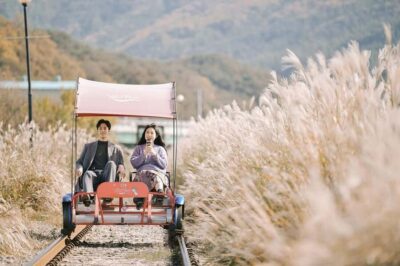
Nami Island, K-drama Garden & Rail Bike Day Tour
Read our review →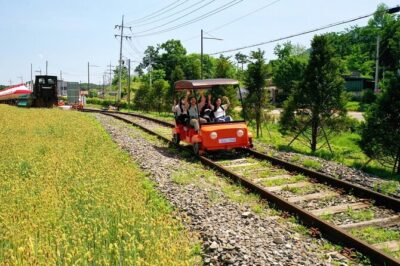
Day Trip to Nami Island with Rail bike and The Garden of Morning Calm
Read our review →
Nami+Alpaca+Garden of Morning Calm (+Rail Bike Option)
Read our review →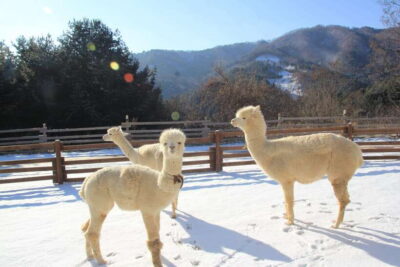
Alpaca, Nami, Morning Calm or Eobi (+Rail Bike)
Read our review →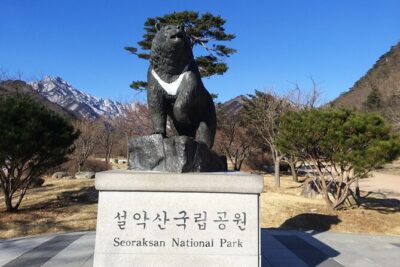
Full-Day Tour in Mt. Seorak & Nami (+Rail Bike Option)
Read our review →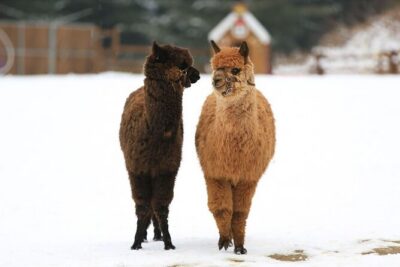
Alpaca World and Nami Island with Gangchon Rail Bike Tour
Read our review →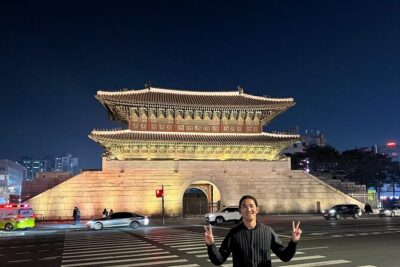
Morning Bike Tour along the Han River with a Local
Read our review →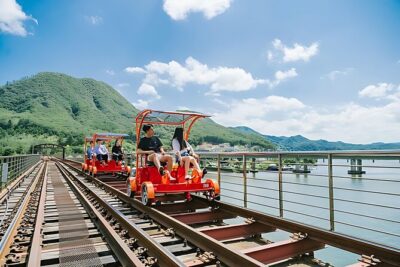
Nami Island & Petite France & Italian Village & Gangchon Rail Bike One-Day Tour
Read our review →Browse the lists this tour appears in