
Reviewed · JEJU ISLAND TOURS
Explore Spirited Garden a Cultural Gem in Jeju
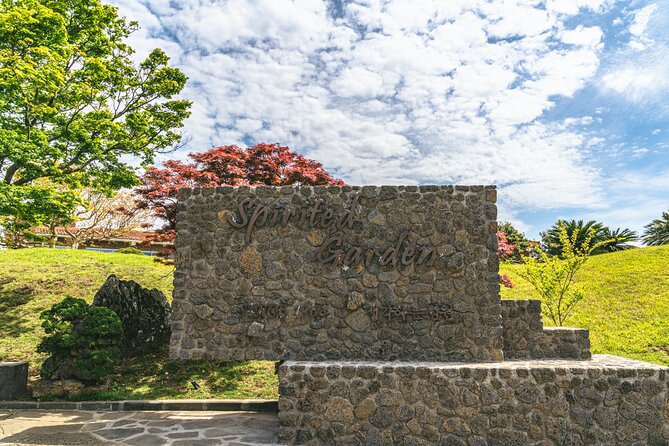
Some gardens ask you to slow down. Spirited Garden makes it easy. In Jeju City, this 40,000 to 43,000 square meter garden brings together old bonsai, volcanic basalt walls, ponds, streams, lawns, small hills, and thoughtful inscriptions. I like the calm atmosphere, which suits a quiet walk or a few minutes of meditation. I also like the chance to see a garden shaped over decades by farmer Sung Beom-Young, rather than a park built only for quick photographs.
The main consideration is size and pace. Although the grounds contain seven themed gardens, you can see the main route in about 30 minutes if you walk quickly. A slower visit can last around an hour, but you should not expect a huge flower park or a full-day attraction. One review also considered a 15,000 won entry fee high for a short visit, so check the current price before booking. The listed price for this experience is $8 per person.
In This Review
- Five things to know before you go
- What Makes Spirited Garden Different
- Entering Through the Seven Themed Gardens
- Bonsai, Native Trees, and the Art of Patience
- Water, Stone, and Small Places to Sit
- The Story of Sung Beom-Young
- How Long to Spend and What the $8 Means
- Practical Details for a Smooth Visit
- Who Will Enjoy This Garden Most
- Should You Book Spirited Garden?
- FAQ
- Where is Spirited Garden located?
- How long does the visit take?
- What are the opening hours?
- Is admission included?
- Are food and drinks included?
- Does the activity use a mobile ticket?
- Can I cancel for a refund?
Five things to know before you go
- Seven themed gardens: Ponds, lawns, small oreum-style hills, bridges, gates, and basalt walls give each section a slightly different feel.
- Bonsai is the main event: The collection focuses on native Korean garden trees and bonsai, including especially impressive fruit trees.
- A garden built by one person: Farmer Sung Beom-Young created the grounds through years of work and remains connected with the information center.
- Quiet rather than showy: You will find water, stone, trees, and inscriptions instead of a dense display of flowers.
- Easy one-hour stop: Admission is included, the activity begins and ends at the garden, and opening hours are 9 a.m. to 5 p.m.
What Makes Spirited Garden Different
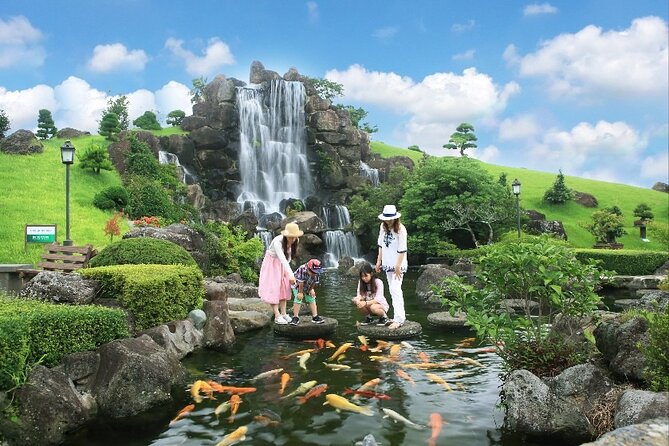
Spirited Garden, known in Korean as 생각하는정원, is not simply a collection of bonsai arranged around a path. Its appeal comes from the connection between the trees and the setting. Stone walls, gates, bridges, ponds, and water features make the trees feel part of a complete place rather than separate exhibits.
The garden covers roughly 12,000 pyeong, or about 40,000 square meters. The overview gives a figure closer to 43,000 square meters, so think of it as a medium-sized garden rather than a vast botanical park. You can cover it without exhausting yourself, yet there is enough variety to reward a slow walk.
I find the garden’s strongest quality is its restraint. It does not rely on bright color or a long list of attractions. Instead, it gives you time to look at the shape of a trunk, the line of a stone wall, or the reflection of a tree in still water.
This is also why the garden may not suit every visitor. If you want large flower beds, rare plants with detailed labels, or a busy program of activities, you may finish sooner than expected. If you enjoy bonsai, stonework, photography, and quiet places, the garden has much more to offer.
More Jeju trips:
- Jeju: Eastern Jeju UNESCO Spots Day Tour
★ 4.9 · 1,148 reviews - Jeju: Western and Southern Sightseeing Day Tour
★ 4.8 · 972 reviews - East Jeju Essentials – Seongsan Ilchulbong (UNESCO) & Haenyeo
★ 5.0 · 939 reviews
Entering Through the Seven Themed Gardens
Your visit begins at the ticket office, where admission for this activity is included. From there, you explore the garden at your own pace. There is no separate sightseeing schedule to follow, so you can pause whenever a tree, pond, or inscription catches your eye.
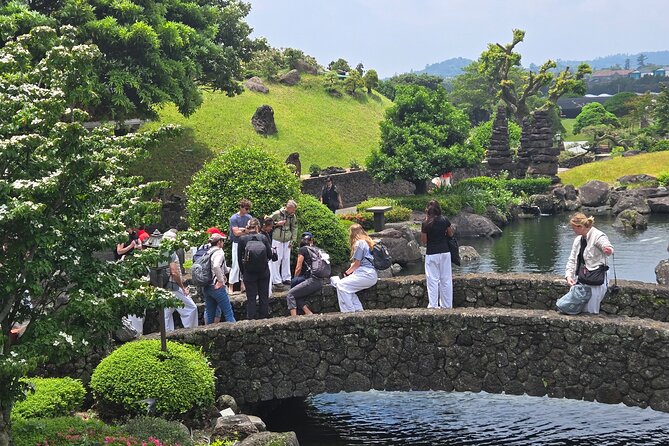
The seven themed gardens form the heart of the visit. Each one uses a similar visual language, but the combination of trees, water, grass, slopes, and stone changes from section to section. Clear ponds create reflective spaces, while lawns open the view and small hills add gentle height.
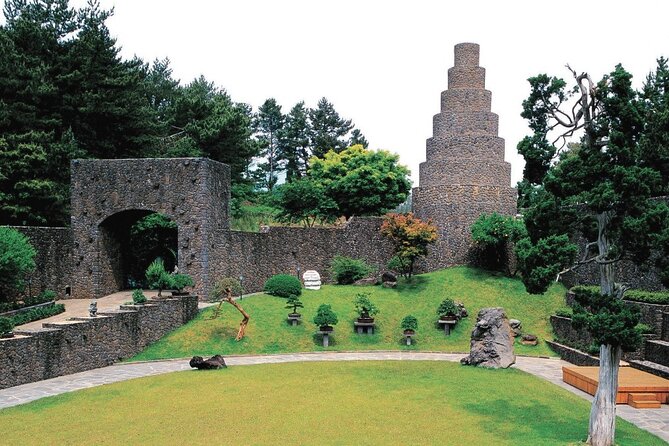
The volcanic basalt is especially important to Jeju’s sense of place. The dark stone appears in walls, gates, and bridges, giving the garden a strong local character. These features also help divide the grounds into rooms without making the paths feel closed in.
You might notice that the garden feels carefully framed at almost every turn. A bridge directs your view toward water. A gate marks a transition. A low wall makes a bonsai appear more isolated and important. These details are simple, but they give the walk a thoughtful rhythm.
Bonsai, Native Trees, and the Art of Patience
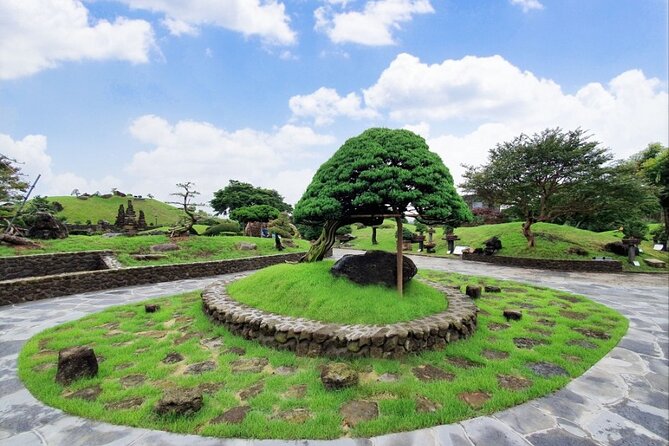
Bonsai is the main reason to visit. The collection includes native Korean garden trees and unusual tree forms, with fruit-bearing bonsai receiving particular praise. Their small size can make you look harder. You begin to notice twisted trunks, exposed roots, layered branches, and the way each tree has been shaped over time.
I would allow more than a quick circuit if bonsai interests you. A rushed visit turns the garden into a series of attractive snapshots. A slower visit lets you compare trees and see how each one fits its stone, pond, or planting bed.
The garden is not mainly about flowers. That point matters. There are tropical plants and ornamental stones, along with ponds and sculpture, but the visual focus remains trees and structure. In winter, the bare shapes of the branches can make the bonsai especially striking. One account described a snowy visit just after Christmas as particularly charming.
The setting also works well for photography. You have dark volcanic stone, water, old-looking wood structures, shaped trees, and open lawns. The quiet helps too. You are less likely to feel pushed along by crowds, and the one-hour visit gives you enough time to wait for a clear view or a calm reflection.
Water, Stone, and Small Places to Sit
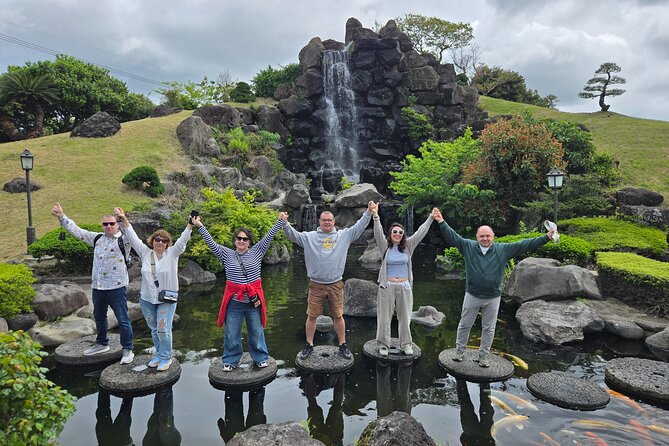
Several parts of the garden include waterfalls, pools, and koi carp. These water features add movement without breaking the peaceful mood. The sound of flowing water can soften the silence, while the ponds give the garden a changing surface as light and weather shift.
There are also many places to sit, including antique-looking wooden structures. That makes a real difference. Spirited Garden is not best enjoyed as a checklist. Sitting for five minutes beside a pond may be more worthwhile than hurrying to see one more path.
The garden’s design asks you to pay attention to small relationships. A tree may look ordinary from one direction and impressive from another. A stone may serve as a sculpture, a boundary, or a visual counterpoint to the branches behind it. The inscriptions add another layer, often encouraging reflection rather than supplying botanical facts.
The result can feel meditative, but you do not need to be deeply interested in philosophy to enjoy it. You can simply treat the writing as part of the garden’s atmosphere. I would read the signs slowly, especially if you have come because you want a break from Jeju’s busier sightseeing areas.
A completely different kind of day out in Jeju:
- Jeju: Southern Top UNESCO Spots Bus Tour
★ 4.9 · 648 reviews - South-West Jeju Essentials: Hallasan & Signature Highlights
★ 5.0 · 620 reviews - Jeju Island English Private & Flexible Tour any number anywhere
★ 5.0 · 561 reviews - East Jeju: Day Tour with Seongsan Peak & Haenyeo Performance
★ 4.9 · 478 reviews
The Story of Sung Beom-Young
The garden’s personal story gives it more character than a standard public park. Sung Beom-Young began the project as a farmer and shaped the grounds through persistence and long-term care. The place reflects one person’s idea of how trees, stone, water, and human reflection should fit together.
That background helps explain why the garden feels personal. It is not only a display of finished bonsai. It is also an expression of the founder’s outlook. The inscriptions, seating areas, and deliberate paths support the idea that a garden can prompt questions without giving a lesson.
You may also meet Sung Beom-Young at the information center. Several accounts describe him as still healthy, attentive, and willing to speak with people. Of course, meeting him is not guaranteed, but his continued presence adds a human connection to the visit when it happens.
The garden has received praise from international publications and has welcomed leaders from more than ten nations as a representative Korean garden. Those honors may interest dedicated garden lovers, but the real test is simpler: do you enjoy a place that rewards patience? If yes, its reputation makes sense.
How Long to Spend and What the $8 Means
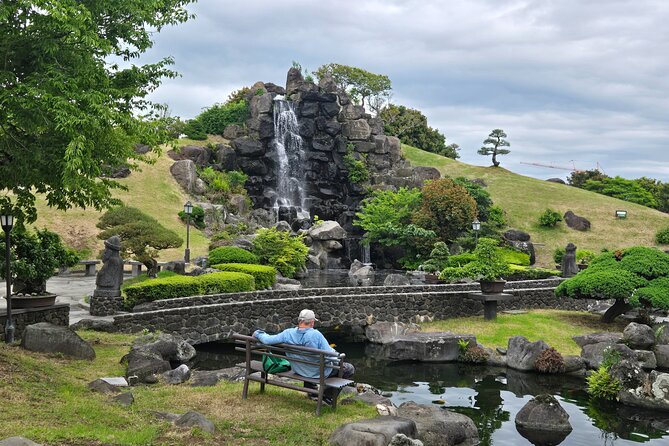
The advertised experience lasts about one hour. That is a sensible amount of time for a relaxed walk through the seven sections, with pauses for photographs, water views, and bonsai. You can see the main areas in less time, but rushing would weaken the garden’s greatest quality.
At $8 per person, the visit is reasonably priced for an attraction with a large site, maintained paths, water features, and a substantial bonsai collection. Admission is included in the activity price. Lunch, coffee, and tea are not included, so plan to eat and drink separately.
The value depends on your interests. For a person who loves bonsai and quiet garden design, $8 is easy to justify. For someone looking for colorful flowers or a packed schedule, the visit may feel short. A separate comment placed the admission at 15,000 won and considered that costly for a 30-minute stop, so price details may change. Check the current amount when you book.
I would treat Spirited Garden as a well-priced stop on a Jeju sightseeing day, not as the only activity you plan. Its one-hour format makes it easy to combine with other places in the Jeju City area, though the supplied information does not provide travel times between attractions.
Practical Details for a Smooth Visit
The meeting point is 1534 Jeoji-ri, Hangyeong-myeon, Jeju, Jeju-do, South Korea. The activity ends back at the same location. It operates Monday through Sunday from 9 a.m. to 5 p.m. during the stated operating period, which runs from June 17, 2025, through February 7, 2027.
A mobile ticket is available, and confirmation is sent at booking. The garden is near public transportation, which helps if you are not driving. The activity is private, meaning only your group participates, although the garden itself may contain other visitors.
Most people can take part, and service animals are allowed. Since the experience involves walking through gardens, ponds, bridges, and gently raised areas, comfortable shoes make sense. That is practical advice for any garden visit, not a claim about specific path conditions.
The best time to visit depends on what you want to see. Winter can highlight the structure of the bonsai and may bring snow, while warmer months give you fuller plant growth. Since the attraction closes at 5 p.m., leave enough time for the walk rather than arriving just before closing.
You can cancel for a full refund if you do so at least 24 hours before the start time. Changes or cancellations inside that 24-hour window are not accepted for a refund, and the cut-off follows local time.
Who Will Enjoy This Garden Most
I would recommend Spirited Garden to several types of visitors:
- Bonsai fans will find the greatest depth here, especially among the fruit trees and unusual forms.
- Photographers will appreciate the mix of trees, basalt, ponds, bridges, lawns, and quiet seating areas.
- Couples and solo visitors can use the garden as a calm pause between more active Jeju stops.
- Families with older children may enjoy the koi, water features, and unusual tree shapes, though the garden is more reflective than playful.
- Garden and design enthusiasts will notice how the walls, gates, stones, and paths shape each view.
I would be less eager to recommend it to someone who wants a major botanical collection, large-scale flower displays, or a full-day attraction. The garden is medium-sized and focused. Its strength is concentration, not sheer quantity.
Should You Book Spirited Garden?
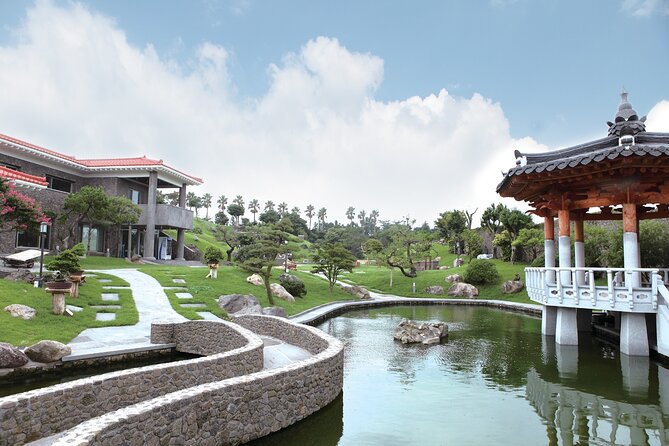
Book it if you want a peaceful hour with impressive bonsai, Korean stonework, ponds, and a sense of personal purpose. The price listed here is modest, the mobile ticket is convenient, and the garden offers a welcome change from crowded sightseeing stops.
Skip it if you are judging every attraction by size or by the number of flowers on display. Spirited Garden is best when you slow down. Give it an hour, read the inscriptions, sit beside the water, and let the trees do most of the talking.
FAQ
Where is Spirited Garden located?
It is located at 1534 Jeoji-ri, Hangyeong-myeon, Jeju, Jeju-do, South Korea.
How long does the visit take?
The experience lasts approximately one hour. A quicker visit may take around 30 minutes, while a slower walk with time for photographs and reflection can fill the full hour.
What are the opening hours?
The stated opening hours are 9 a.m. to 5 p.m., Monday through Sunday, during the listed operating period from June 17, 2025, through February 7, 2027.
Is admission included?
Yes. The admission fee for Spirited Garden is included in the experience.
Are food and drinks included?
No. Lunch, coffee, and tea are not included.
Does the activity use a mobile ticket?
Yes. A mobile ticket is available, and confirmation is provided when you book.
Can I cancel for a refund?
Yes. You can receive a full refund if you cancel at least 24 hours before the experience start time. Cancellations or changes made within 24 hours are not refunded.
Just added around Jeju
- East of jeju tour for Seogwipo Gangjeong Cruise Customers★ 4.5 · 3 reviews
- Seogwipo(the southern city of Jeju) Art Museum Walking Tour★ 5.0 · 3 reviews
- Private Tour in South Jeju including Yacht Cruise★ 5.0 · 3 reviews
- Jeju Island, Seongsan Ilchulbong, Discover Scuba Diving★ 4.5 · 3 reviews
- Jeju: Western & Southern Jeju Hydrangea Festival Tour★ 5.0 · 3 reviews
- Jeju: Small Group Tour w/Pink Muhly & Tangerine Picking★ 5.0 · 3 reviews
- Jeju: Hiking Mt. Hallasan, South Korea’s Highest Mountain★ 5.0 · 3 reviews
- Jeju: BTS Are You Sure?! Filming Locations Private Taxi Tour★ 5.0 · 3 reviews
Jeju Island Tours, compared.
East Jeju Essentials – Seongsan Ilchulbong (UNESCO) & Haenyeo
Read our review →
South-West Jeju Essentials: Hallasan & Signature Highlights
Read our review →Jeju Island English Private & Flexible Tour any number anywhere
Read our review →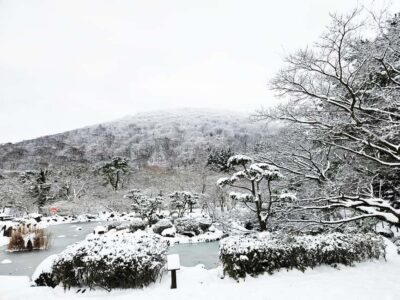
East Jeju: Day Tour with Seongsan Peak & Haenyeo Performance
Read our review →South-West Jeju Essentials: Hallasan & Signature Highlights
Read our review →Browse the lists this tour appears in