
Reviewed · HIKING & NATIONAL PARKS
Hiking Adventure Bukhansan Highest Peak & Old Buddhist temples visit (Lunch inc)
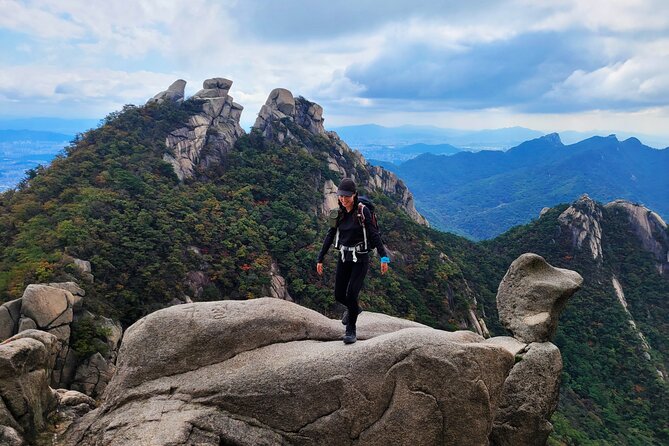
Seoul’s best escape may be uphill. This six-hour outing takes you from the edge of the city into Bukhansan National Park, where you hike to Baekundae, Seoul’s highest peak, with local guide Lee. I like the mix of mountain views and Korean history, especially the stop at Doseonsa Temple and the walk near Bukhansanseong Fortress. I also like that lunch is provided, which removes one small task from a fairly demanding morning.
The main consideration is fitness. This is described as the shortest route to the summit, but it is still a real mountain hike, not a gentle park stroll. You need comfortable shoes, enough water, and the stamina for roughly six hours on the trail. The group is limited to 15 people, which should make Lee’s guidance more useful than a large coach tour.
In This Review
- Key Points Before You Book
- Why Bukhansan Works So Well From Seoul
- Meeting at Bukhansan UI Station
- Doseonsa Temple and the First Layer of History
- The Climb Through Bukhansan National Park
- Bukhansanseong Fortress and Joseon-Era Defense
- Reaching Baekundae, Seoul’s Highest Peak
- Guide Lee’s Role in the Experience
- What the $97.27 Price Gets You
- Who Should Book This Hike
- Should You Book the Bukhansan Tour?
- FAQ
- Where does the Bukhansan hiking tour begin?
- Where does the tour end?
- How long does the experience last?
- Does the tour reach Seoul’s highest peak?
- Is lunch included?
- What should I wear?
- Which historic sites are visited?
- How large is the group?
- Is the tour suitable for beginners?
- What happens if the weather is poor?
Key Points Before You Book
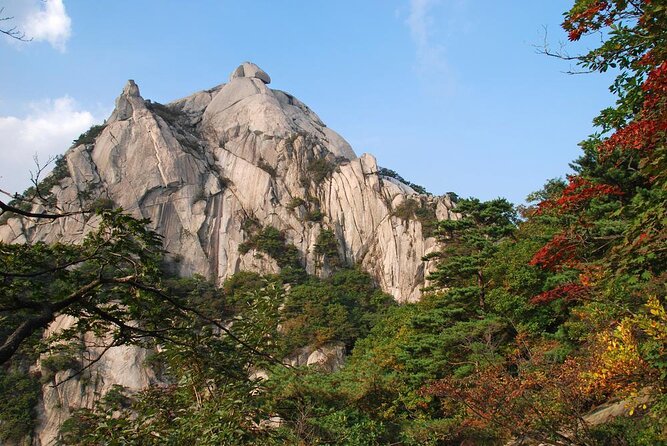
- Baekundae is the goal: You hike to the highest peak in Seoul for wide views over the city and surrounding mountains.
- Doseonsa dates to 862: This old Buddhist temple adds a strong cultural layer before the climb gets serious.
- Bukhansanseong was built in 1711: The fortress connects the hike to the Joseon dynasty and Korea’s military past.
- Guide Lee gets high marks: Her calm manner, mountain experience, safety awareness, and helpful Seoul advice are major strengths.
- Gimbab lunch is included: A seaweed roll is provided, but you must bring your own water.
- This is a small-group mountain day: A maximum of 15 people keeps the outing personal, but the physical demands remain.
Why Bukhansan Works So Well From Seoul
Bukhansan is unusual because you do not need to leave the capital to find serious mountain scenery. It is Seoul’s only national park and its highest mountain, yet the starting point is near public transportation. That makes this a practical choice when you want a break from palaces, shopping streets, and traffic without giving up half a day to a long transfer.
The mountain is also part of everyday Korean life. More than 10,000 local people hike here on an average day, and total visits reached more than six million in 2020. You are not being taken to an isolated sightseeing set piece. You are stepping into a favorite local habit.
That matters because the trail offers more than a view at the top. You get nature, Buddhist traditions, military history, and a look at how people in Seoul use their nearby national park. Guide Lee adds context as you walk, explaining local wildlife and the history around you instead of leaving you to guess what you are seeing.
More Hiking Trips in Seoul
- Private Hiking tour to Bukhansan Peak(Baegundae: 836.5m) with Mountain Expert
★ 5.0 · 113 reviews - Bukhansan National Park: The Summit Course
★ 5.0 · 53 reviews - Private Hiking to Bukhansan & Korean Style Spa(Include Lunch)
★ 5.0 · 32 reviews
Meeting at Bukhansan UI Station
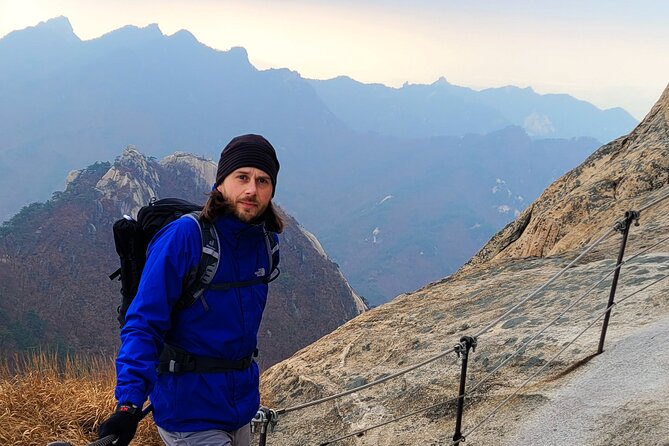
The tour begins at 9:00 a.m. near Bukhansan, with the exact meeting area described as being near public transportation. The supplied tour details and past outing notes point to Bukhansan UI station as the practical meeting point.
This station area is useful because you can find small shops selling last-minute snacks, food, and some hiking gear. If you forgot a snack or need a simple item before setting off, you may be able to buy it here. Gimbab, the Korean seaweed rice roll, is also available near the trail.
Still, do not treat those shops as a substitute for planning. Bring water with you, since water is not included. Wear shoes with a firm sole and clothing suited to active walking. The tour asks for a moderate level of physical fitness, and that wording deserves attention. The route may be the shortest way to Baekundae, but shortest does not mean easy.
Doseonsa Temple and the First Layer of History
Doseonsa Temple is one of the most memorable cultural stops because it gives the hike a sense of place before the climb reaches the rocks and higher viewpoints. The temple was established in 862 during the Silla Kingdom by the monk Doseonguksa.
The temple’s origin story is wonderfully dramatic. According to legend, the monk broke huge rocks with his bare hands and carved Buddha figures. Even more curious, the rock carvings are said to show no evidence of chisel marks. Lee can help explain this tradition and give the site meaning beyond a quick photo stop.
You should not expect a long temple tour with extensive indoor access. The appeal here is the setting, the age, the Buddhist connection, and the way the temple fits into the mountain route. It is an old place of worship encountered as part of a living hike, not a detached museum exhibit.
This stop also helps pace the morning. You begin with culture and religious history, then move into the national park. I like that progression because it gives you a reason to pay attention to the trail before the summit views take over.
The Climb Through Bukhansan National Park
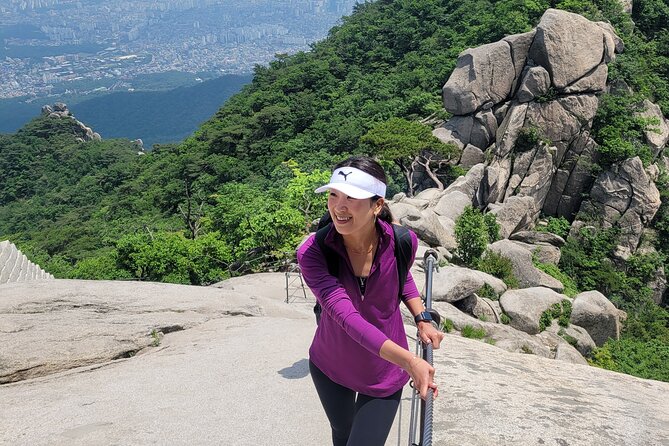
After the temple, the route continues toward Baekundae. The tour description calls this the shortest route to the summit, a useful detail for anyone trying to fit a mountain experience into a Seoul itinerary. You still need to allow about six hours for the full activity, including the historical stops and time on the mountain.
Lee leads the group and provides information about wildlife and local history along the way. Her role is important here. A mountain path can look like a series of slopes and rocks if you do not know what you are passing. With a guide, the climb becomes more than a physical test.
The hike has also been praised for its clear care and organized path. One outing included a visit to a small prayer spot in the rocks, adding another quiet religious detail between the temple and the peak. The exact rhythm of the walk can vary, but you can expect a route that combines forest, rock, historic sites, and open views.
The sensible approach is to keep your own pace and tell Lee if you need a short pause. The group size is capped at 15, so this is not a private hike, but it is small enough for a guide to keep track of the group more easily than on a large tour.
More hiking trips:
- Bukhansan Mountain Private Hike with Lunch
★ 5.0 · 26 reviews - Bukhansan National Park- The Summit Course
★ 4.9 · 20 reviews - Seoraksan National Park Ulsanbawi Hiking from Seoul
★ 5.0 · 15 reviews - Seoul: Mt. Seoraksan National Park Autumn Foliage Day Tour
★ 4.3 · 15 reviews
Bukhansanseong Fortress and Joseon-Era Defense
The route also brings you along Bukhansanseong Fortress, built in 1711 to protect the Joseon dynasty from foreign enemies. This is an excellent contrast with Doseonsa. The temple shows Korea’s spiritual traditions, while the fortress shows the practical fears and defenses of the royal state.
You may find the fortress more rewarding once you know why it was built. Its walls and mountain setting are not just scenic ruins. They reflect how the terrain around Seoul was used for protection. Lee’s explanations help connect the stonework to the wider story of the Joseon period.
The fortress is part of the hike rather than a separate stop with a long formal visit. That is both a strength and a limitation. You get history without giving up the mountain day, but anyone wanting a detailed military architecture tour may find the visit too brief.
For most people, the balance works. The historical details break up the climb, and the climb gives the fortress a dramatic setting that a city museum cannot match.
Reaching Baekundae, Seoul’s Highest Peak
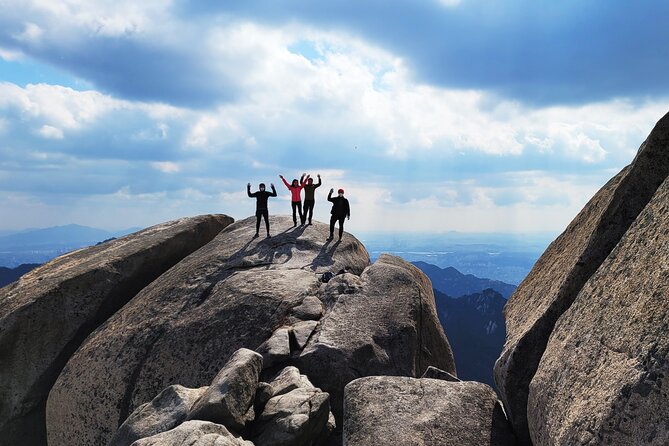
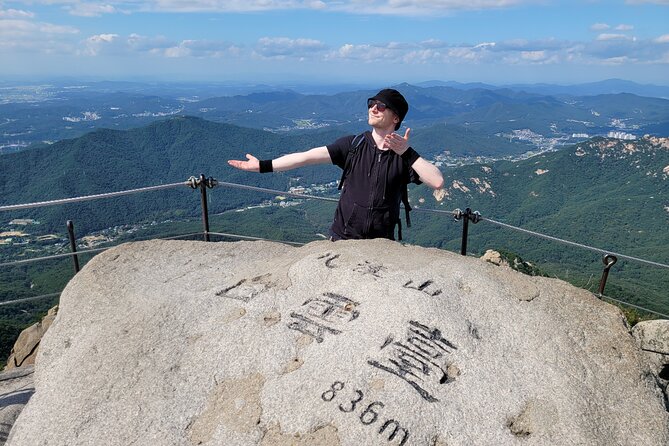
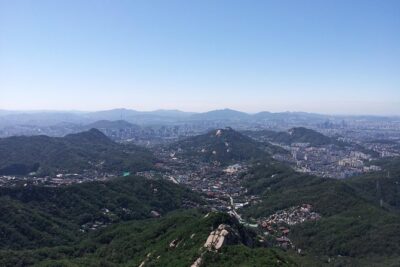
The reward is Baekundae, the highest peak in Seoul. From the summit, you get broad views of the city and the surrounding natural areas. The contrast is the point: dense urban Seoul lies below, while you are standing among mountain rock and open air.
The summit itself is described as spectacular, with appealing rock formations and a strong sense of achievement. A lunch break at or near the peak can make the stop feel especially satisfying. Gimbab is simple food, but it is exactly the sort of portable meal that suits a hike. It is filling, easy to handle, and more local than a packaged sandwich.
Because the meal is included, the price covers more than guiding. You are also getting a prepared lunch and a route that combines several major sights. Just confirm the day’s lunch timing with Lee, since the tour information says the seaweed roll is provided before hiking, while the outing description also places lunch during the mountain walk. Either way, bring extra food if you know you need a larger meal.
Do not expect a summit with café service, railings everywhere, or a soft walk to the viewpoint. This is a mountain peak reached by foot. The views are earned, and the rocky character is part of the appeal.
Guide Lee’s Role in the Experience
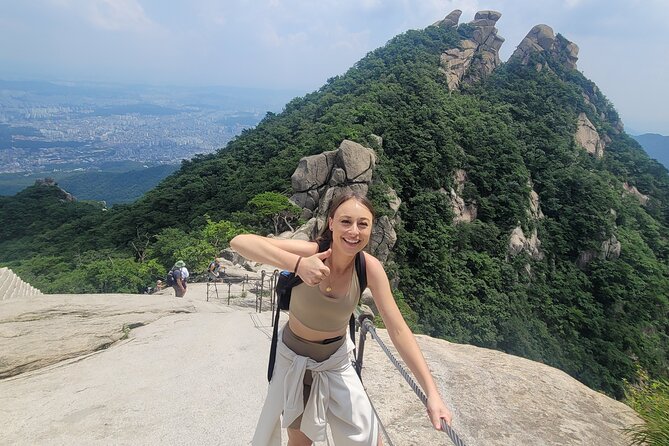
The guide is one of the strongest reasons to choose this outing. Lee is described as an experienced mountain guide who enjoys wild places and takes safety seriously. Her approach appears friendly rather than formal, with an easygoing manner that helps newcomers settle into the group.
That matters if you are hiking in Korea for the first time. Lee can answer questions about the trail, explain the history of sites along the way, and offer ideas for other places to visit in Seoul. Her help extends beyond simply pointing uphill.
Past comments also highlight her positive attitude, useful information, and ability to make the hike feel comfortable. One person described her as taking care of everything along the way, including lunch. Another found the outing informative and appreciated the chance to ask questions about Korean history.
You should still remember that a guide cannot remove the physical demands. Lee can lead, explain, and help you feel secure, but she cannot turn a mountain hike into a flat walk. Your shoes, water, fitness, and attitude will shape the day too.
What the $97.27 Price Gets You
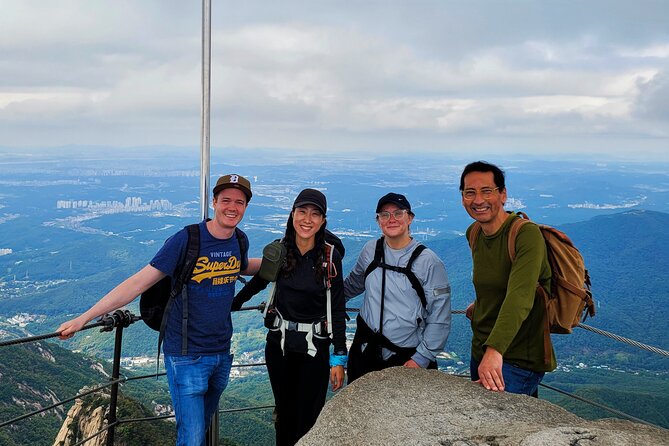
At $97.27 per person, this is not the cheapest way to walk in Bukhansan. You can reach the park on your own and hike without a paid guide. The value comes from the combination of guidance, history, safety support, small-group access, and included lunch.
For a confident local hiker who already knows Bukhansan, the price may feel high. You would be paying for interpretation and convenience more than for access to the mountain itself. For a first-time visitor, the calculation is better. You do not need to plan the shortest summit route, work out how to combine Doseonsa and the fortress, or figure out what the unusual rock and religious sites mean.
The maximum group size of 15 is another part of the value. It is not a private tour, but it avoids the feel of a large bus excursion. Group discounts may also lower the per-person cost if you are booking with companions.
The tour is booked an average of 34 days ahead, so planning early makes sense, especially if your Seoul dates are fixed. Free cancellation is available up to 24 hours before the start time. Poor weather can lead to a new date or a full refund, and the same applies if the minimum number of participants is not reached.
Who Should Book This Hike
I would recommend it to anyone who wants an active day with real cultural content. It suits first-time visitors who want a guided route, people who enjoy local history, and hikers who prefer a mountain experience over another indoor attraction.
It is also a good fit if you want to see how Seoul residents spend free time. Bukhansan is not simply a scenic backdrop. It is part of the city’s daily life, and the large number of local hikers makes that clear.
You should think twice if you dislike steep or sustained walking, have limited mobility, or want a relaxed sightseeing morning. The tour requires moderate physical fitness, and the six-hour duration is substantial. The exact trail conditions can also change with weather, so the guide’s good-weather requirement is sensible.
Bring your own water, wear comfortable hiking shoes, and consider a small extra snack even though lunch is included. If you have forgotten gear, check the shops near the meeting point, but do not depend on finding every item there.
Should You Book the Bukhansan Tour?
Book this tour if you want Seoul’s highest peak with a guide who can connect the trail to Buddhist tradition, Joseon defense, wildlife, and local life. The best parts are the mix of Doseonsa Temple, Bukhansanseong Fortress, summit views, and Lee’s attentive style.
Skip it if you want an effortless city excursion or already know the mountain well enough to manage the route yourself. For the right hiker, $97.27 is a fair price for a guided half-day that handles the route and lunch while giving you a much more memorable break from central Seoul.
FAQ
Where does the Bukhansan hiking tour begin?
The activity begins near Bukhansan in Seoul, close to public transportation. The practical meeting point is described as Bukhansan UI station, with a 9:00 a.m. start.
Where does the tour end?
The hike ends back at the meeting point.
How long does the experience last?
The activity lasts approximately six hours.
Does the tour reach Seoul’s highest peak?
Yes. The route goes to Baekundae, the highest peak in Seoul.
Is lunch included?
Yes. A seaweed roll, or gimbab, is provided. You need to bring your own water.
What should I wear?
Wear comfortable shoes suitable for a mountain hike. The tour requires a moderate level of physical fitness.
Which historic sites are visited?
The route includes Doseonsa Temple and Bukhansanseong Fortress. Doseonsa was established in 862, and Bukhansanseong was built in 1711.
How large is the group?
The maximum group size is 15 people.
Is the tour suitable for beginners?
The tour is guided and uses the shortest route to the summit, but it still requires moderate physical fitness. You should be comfortable with a six-hour mountain hike.
What happens if the weather is poor?
If poor weather causes cancellation, you can receive a different date or a full refund. If the minimum number of participants is not reached, you will also be offered another date or experience, or a full refund.
More Hiking & Trekking
- Seoul: Guided City Wall Sunset Hike with Korean Dinner
★ 4.9 · 227 reviews - Fortress Night Hike & Snack at a Local Market
★ 5.0 · 112 reviews - Seoul Mountain Hike: Temples, Folklore & Traditional Meal
★ 5.0 · 42 reviews - Private Bukhansan Hiking Tour (More Members Less Cost per Person)
★ 4.5 · 13 reviews
More Lunch Experiences
- Seoul City Private Full-Day Tour Including Lunch
★ 5.0 · 469 reviews - Premium Private DMZ Tour & (Suspension Bridge or N-Tower) include lunch
★ 5.0 · 348 reviews - Private DMZ Tour with North Korean Defector + N Korean Lunch
★ 5.0 · 122 reviews - From Seoul: Cheorwon DMZ and 2nd Tunnel Tour with Lunch
★ 4.9 · 116 reviews
Just added around Seoul
- Seoraksan National Park & Nami Island★ 4.5 · 3 reviews
- Strawberry Picking, Winter Sled with Eobi Ice Valley from Seoul★ 4.5 · 3 reviews
- Seoul Full Day small group Tour★ 5.0 · 3 reviews
- Majang Meat Market Experience: Private Tour with Han-woo Beef BBQ★ 5.0 · 3 reviews
- Seoul Korean BBQ Dinner Experience with Secret Food Tours★ 5.0 · 3 reviews
- Rice Wine Tasting with Sommelier – Finest Makgeolli (& Soju)★ 5.0 · 3 reviews
- Seongsu-dong Walking Tour: K-Pop, Culture, Cheer, Friends & Relax★ 4.5 · 3 reviews
- Seoul: Alpaca World and Nami Island (with Garden / Railbike)★ 5.0 · 3 reviews
Hiking & National Parks, compared.
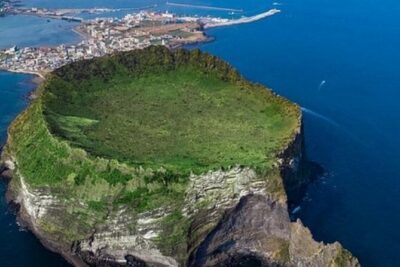
South-West Jeju Essentials: Hallasan & Signature Highlights
Read our review →
South-West Jeju Essentials: Hallasan & Signature Highlights
Read our review →
Jeju island Southern UNESCO Day Tour With Hallasan MT
Read our review →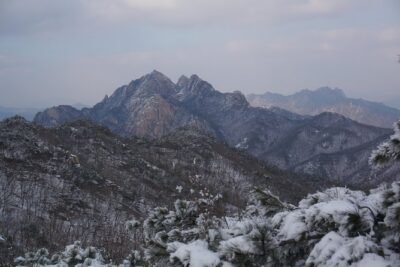
Private Hiking tour to Bukhansan Peak(Baegundae: 836.5m) with Mountain Expert
Read our review →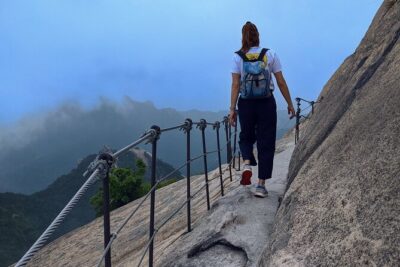
Private Hiking to Bukhansan & Korean Style Spa(Include Lunch)
Read our review →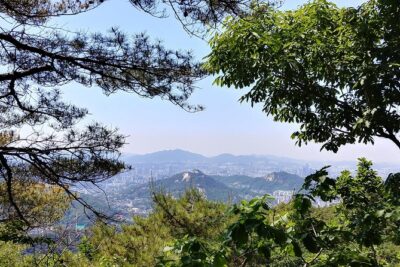
Browse the lists this tour appears in