
Reviewed · JEJU ISLAND TOURS
Jeju West: Small Group Healing Tour w/Caves & Dolphins
Jeju slows you down in the best way. This eight-hour western Jeju tour links Gotjawal forest, lava caves, tea fields, volcanic cliffs, dolphins, and Hyeopjae Beach without the rush of a big coach trip. I especially like the small-group format and the way the day gives quiet natural places as much attention as the famous sights.
I also like the local lunch recommendation and the personal guiding from June, who is praised for explaining both Jeju and wider Korean history clearly. The main caution is simple: this is a full day with several stops, and dolphin watching is never guaranteed. One booking saw only a dolphin’s back fin, so you should treat that stop as nature watching, not a show.
In This Review
- At a glance
- Why this western Jeju day works
- Gotjawal Provincial Park, Jeju’s lava forest
- A local lunch chosen for you
- O’Sulloc and Innisfree among the tea fields
- Conch Park and the patience of dolphin watching
- Suwolbong, a textbook volcanic coast
- Hyeopjae Beach and Biyangdo Island
- Hallim Park and the quiet below ground
- A small group that feels personal
- Is $105 a fair price?
- Who should book this day?
- Should you book it?
- FAQ
- How long does the Jeju West healing tour last?
- What places are included on the route?
- Is lunch included in the price?
- Can I be picked up from my hotel?
- Is dolphin watching guaranteed?
- Is the tour suitable for young children?
- Can wheelchair users or strollers join?
At a glance
- Gotjawal forest walk: A 1.8-kilometer, one-hour trail through Jeju’s unusual lava-rock woodland.
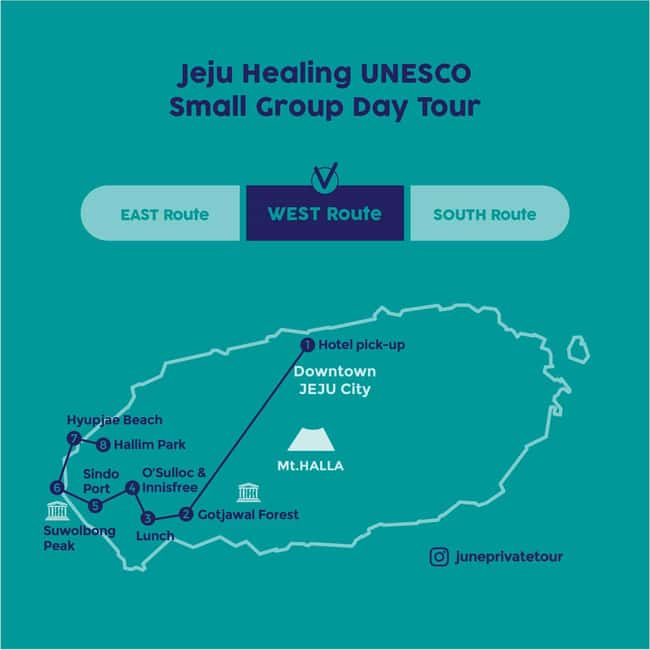
- Six major western Jeju stops: Suwolbong, Gotjawal, O’Sulloc, Hyeopjae, Hallim Park, and Conch Park fit into one day.
- Small van and English-speaking guide: A more personal setup than a large sightseeing bus.
- Two lava tubes at Hallim Park: Hyupjaegul and Ssangyonggul offer cool darkness after the outdoor stops.
- Dolphin watching at Conch Park: A calm pause with the chance to spot Jeju dolphins in open water.
- $105 per person: A useful value if you want transport, admissions, hotel pickup, and guiding bundled together.
Why this western Jeju day works
Jeju is easy to underestimate. On a map, the western sights seem close together, but arranging them independently means dealing with roads, parking, admission fees, meal planning, and the island’s wide spread-out geography. This tour takes care of the driving and connects several different kinds of places in one day.
The pace is gentler than the number of stops suggests. You walk in a forest, sit down for lunch, browse tea displays, wait by the coast for dolphins, visit a volcanic viewpoint, rest at the beach, and finish underground in lava tubes. That variety keeps the day from feeling like one long hike.
The group size matters. With a minivan or van and a certified English-speaking driving guide, you have a better chance to ask questions and adjust small details than you would on a full-size bus. June is repeatedly praised for being considerate, precise, friendly, and generous with explanations. If you enjoy learning as you go, the guide may be the strongest part of the experience.
The word healing is not just decoration here. Several stops are built around quiet scenery, shade, fresh air, and time to look rather than rush from photo to photo. Still, you should have comfortable shoes and clothes. The tour lasts eight hours, and the forest and park sections involve walking.
More Jeju trips:
- Jeju: Eastern Jeju UNESCO Spots Day Tour
★ 4.9 · 1,148 reviews - Jeju: Western and Southern Sightseeing Day Tour
★ 4.8 · 972 reviews - East Jeju Essentials – Seongsan Ilchulbong (UNESCO) & Haenyeo
★ 5.0 · 939 reviews
Gotjawal Provincial Park, Jeju’s lava forest
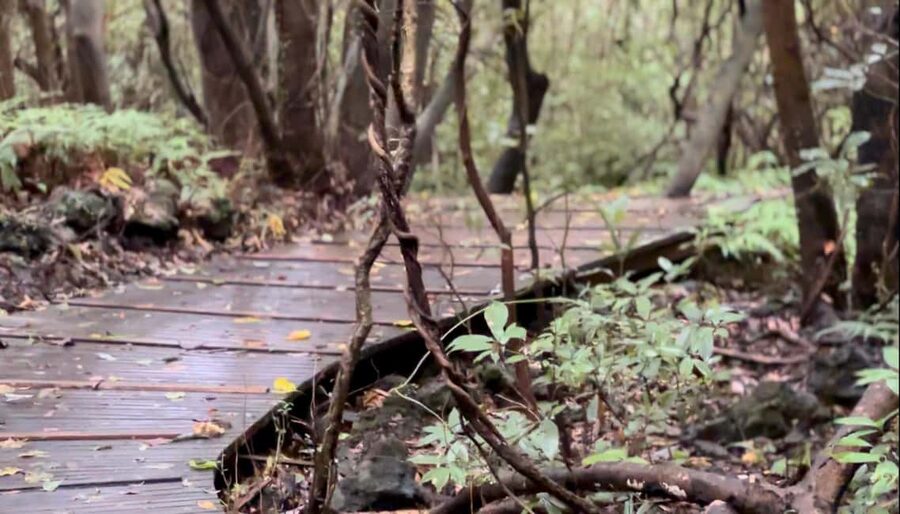
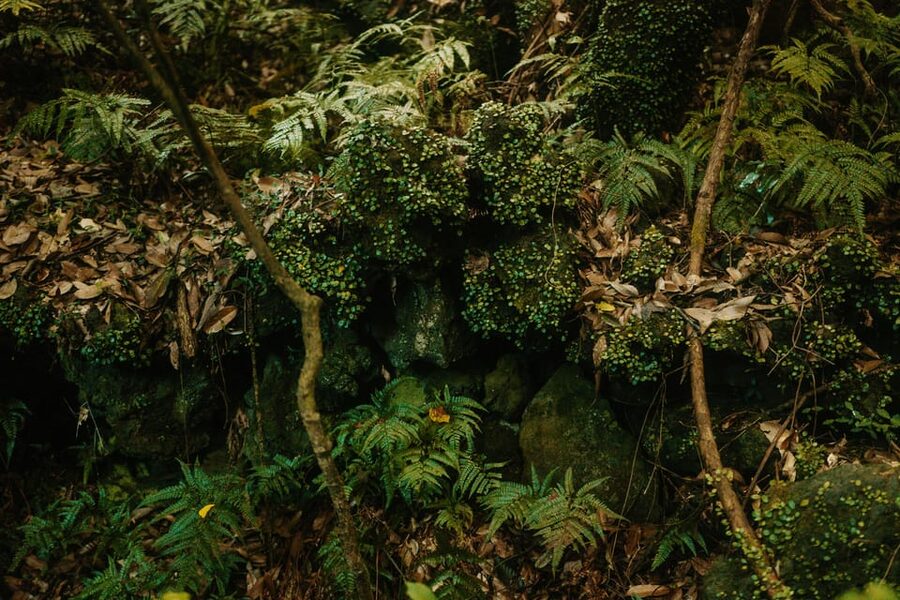
The first major stop is Jeju Gotjawal Provincial Park, where a one-hour guided walk covers about 1.8 kilometers. This is not a polished garden path in the usual sense. Gotjawal is a rough forest formed around lava-rock masses, with uneven ground and dense greenery.
The volcanic rock gives the forest unusual character. The porous terrain helps water move into underground aquifers, while the rock formations also affect warmth and humidity. You do not need a geology degree to enjoy this. The practical experience is enough: shade, damp air, thick plant growth, and a noticeable break from city streets.
I would put this near the top of the day for anyone who wants nature without a strenuous trek. The walk is long enough to feel worthwhile but short enough to leave energy for the rest of the route. In hot weather, the forest is also a smart early stop. One person specifically found the tour comfortable even in 30°C heat and high humidity because the route included forest, park, museum, and cave time.
The trail may be less suitable for anyone who has trouble on uneven surfaces. Wheelchair users cannot join this activity, and baby strollers are not allowed. Families with young children must include them in the passenger count and request compulsory car seats for children under six.
A local lunch chosen for you
Lunch is not included, but the guide suggests local restaurants that a large bus group could not easily use. That is a useful feature, not a minor footnote. It lets you eat in a smaller, more local setting and ask for recommendations based on your preferences.
Vegetarian choices can also be suggested. Since no fixed restaurant or menu is promised, you should think of lunch as flexible rather than a set culinary stop. Bring money for the meal, drinks, and personal purchases.
I like this arrangement because it avoids forcing every person into the same meal. It also leaves room for a proper pause after the forest. A full western Jeju day is better when lunch is treated as rest, not just fuel between attractions.
O’Sulloc and Innisfree among the tea fields
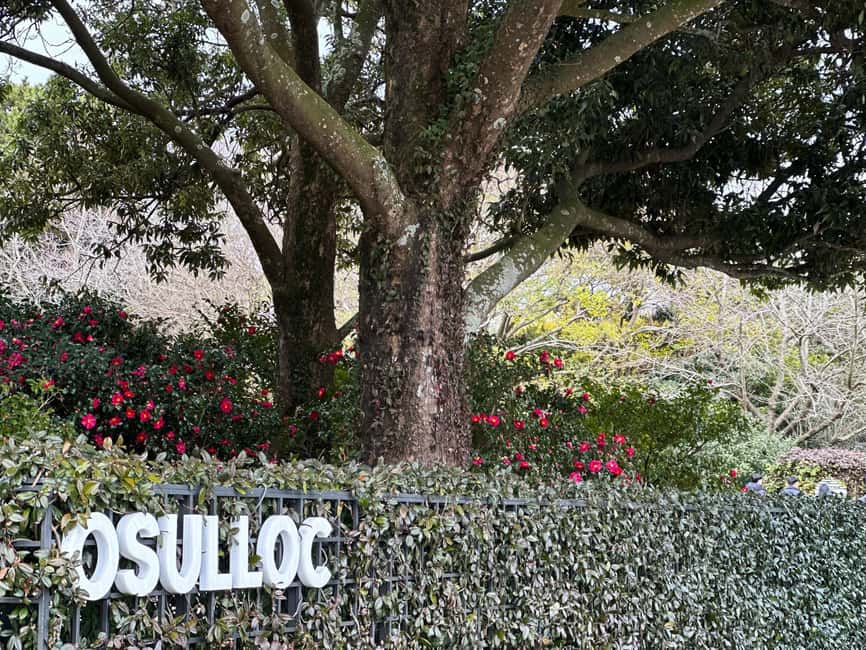
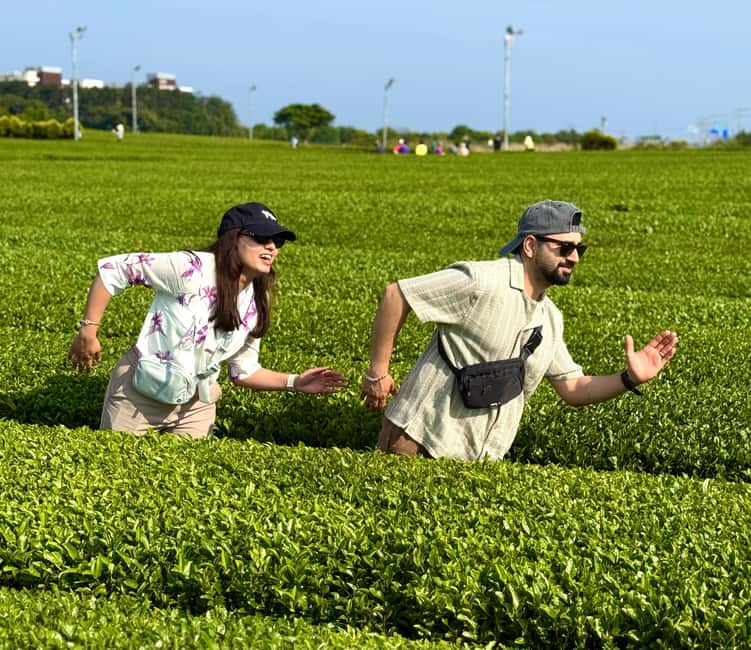
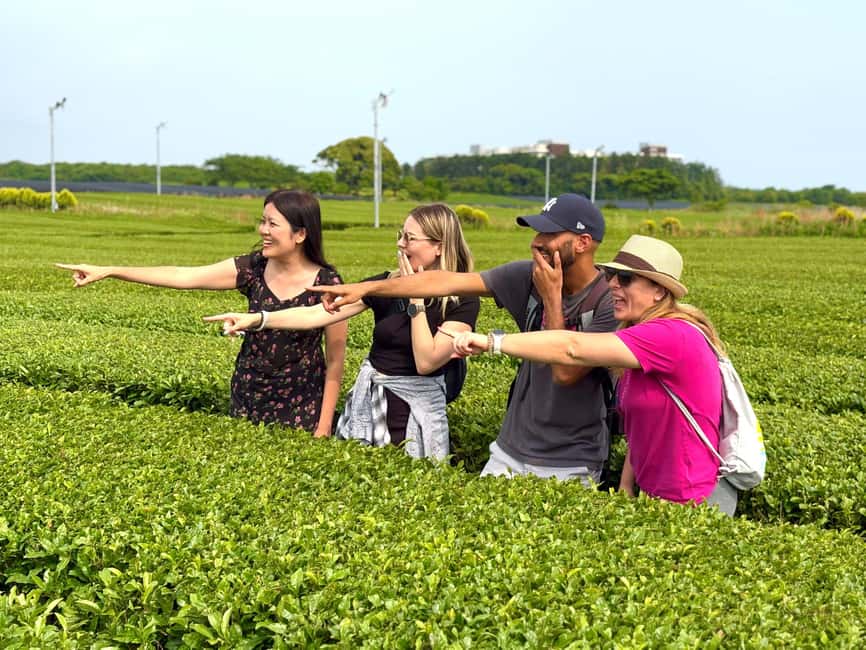
O’Sulloc Green Tea Museum offers a change of mood. After the forest, you move into a place focused on Jeju tea, with exhibitions, interactive displays, tastings, and tea products. The setting among green tea fields gives the stop a strong sense of place.
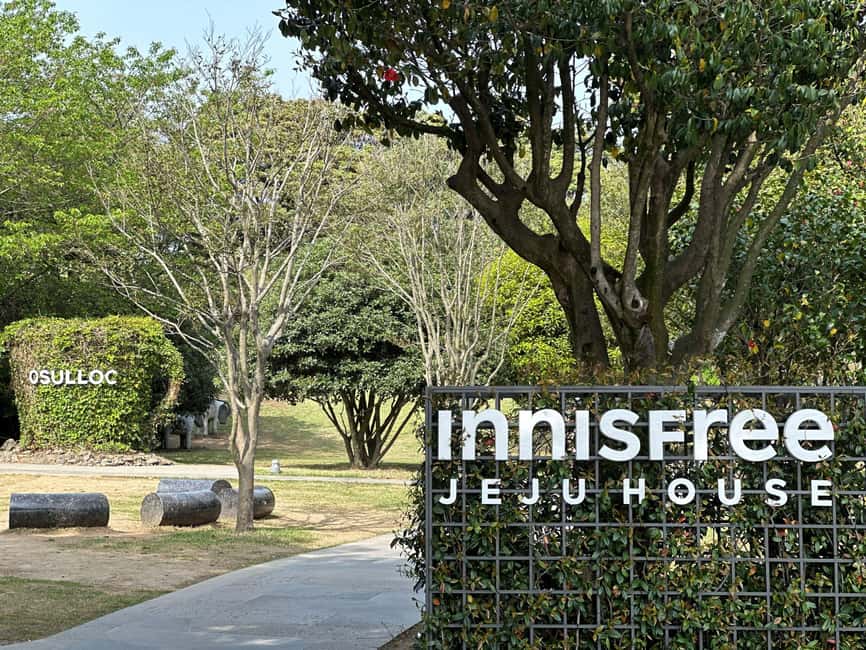
This is partly a cultural stop and partly a refreshment break. You can learn about tea, taste it, and browse products without needing to commit to a long museum visit. The adjacent Innisfree Jeju House adds skincare and beauty items made with ingredients sourced from Jeju.
The appeal depends on your interests. If you like tea, cosmetics, gardens, or attractive places for a short break, you will likely enjoy this stop. If you prefer only wild nature and historic sites, an hour here may feel more commercial. Still, the stop is well placed in the day. It gives you indoor time, restrooms, and a chance to cool down before returning to the coast.
The pretty gardens and tea-farm setting are also a useful reminder that Jeju’s appeal is not limited to beaches and volcanoes. The island’s products, plants, and food traditions are part of the experience too.
A completely different kind of day out in Jeju:
- Jeju: Southern Top UNESCO Spots Bus Tour
★ 4.9 · 648 reviews - South-West Jeju Essentials: Hallasan & Signature Highlights
★ 5.0 · 620 reviews - Jeju Island English Private & Flexible Tour any number anywhere
★ 5.0 · 561 reviews - East Jeju: Day Tour with Seongsan Peak & Haenyeo Performance
★ 4.9 · 478 reviews
Conch Park and the patience of dolphin watching
At Conch Park, the tour shifts from gardens and forest to open water. The idea is simple: watch the surface, notice ripples and splashes, and wait for Jeju dolphins to appear. The stop lasts about 30 minutes.
This is the least predictable part of the day. Dolphins are wild animals, not scheduled performers. One person had an otherwise excellent day and saw only the back fin of a dolphin. That is disappointing if you expect close, constant sightings, but it is also the honest reality of this stop.
I would keep your expectations modest. Think of Conch Park as a quiet coastal pause with a chance of wildlife, not a guaranteed dolphin cruise. The K-drama connection may make it especially appealing if you know Woo Youngwoo or Samdal, but the real value is the waiting and watching.
The short duration helps protect the rest of the schedule. You are not spending half a day on a boat with no guarantee. Instead, you get a brief chance to tune in to the water before continuing toward Suwolbong.
Suwolbong, a textbook volcanic coast
Suwolbong Observatory is one of the most important geology stops on the route. The visit lasts about 40 minutes, and the site is known for an excellent exposed section of pyroclastic surge deposits. In plain terms, volcanic material once moved across this area with enormous force, leaving layers that can still be read in the rock.
This is where a good guide adds real value. Without explanation, volcanic layers can look like ordinary cliff rock. With context, you begin to see the evidence of eruptions and the forces that shaped western Jeju.
The stop is especially rewarding if you enjoy places where science is visible outdoors. It also gives the tour a stronger educational side, balancing the softer forest, garden, and beach stops. Wear shoes with a firm grip, and keep in mind that coastal viewpoints can be exposed to sun and wind.
Suwolbong is not simply a photo stop. It is one of the places that explains why Jeju looks the way it does. I would pay close attention here, especially if June is guiding, since she has been praised for sharing detailed information about both local sites and Korean history.
Hyeopjae Beach and Biyangdo Island
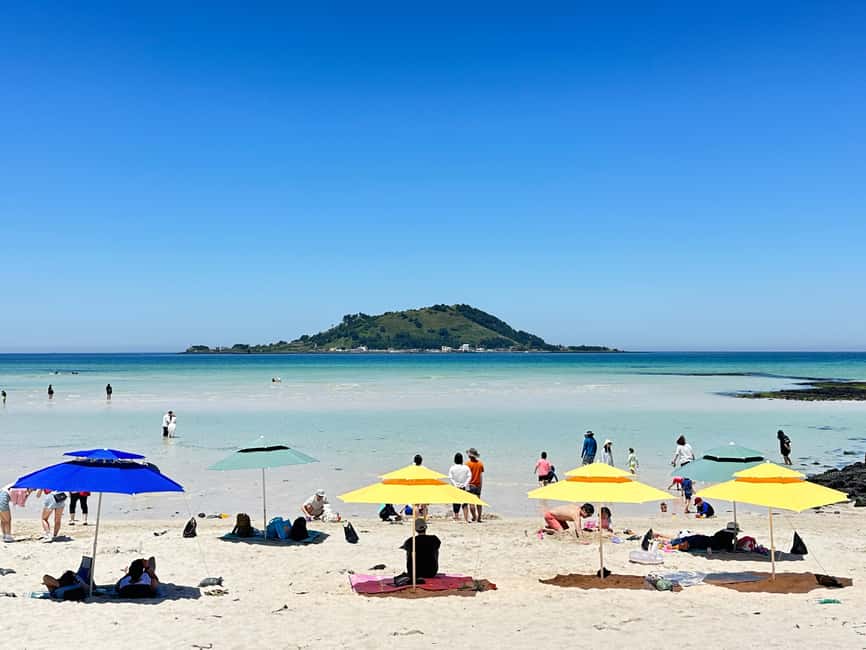
The half-hour at Hyeopjae Beach is built for looking, breathing, and slowing down. Silver-white sand meets clear water that can appear emerald in the light. Across the water, Biyangdo Island adds a distinctive shape to the view, described as a boa constrictor swallowing an elephant.
The beach stop is short, so you should not expect a long swim or a full afternoon by the sea. Instead, use it as a reset. After the geology explanation at Suwolbong and the earlier forest walk, the beach gives you open space and a chance to sit with the view.
This is one of the tour’s most attractive stops, but weather and conditions will affect the colors. The beach is also a popular Jeju sight, so the peaceful feeling can vary. The tour’s small-group style helps, but it cannot make a famous beach empty.
If you want a day centered on swimming, sunbathing, or beach time, this tour does not provide enough time. If you want a scenic coastal break as part of a broader route, 30 minutes is a sensible amount.
Hallim Park and the quiet below ground
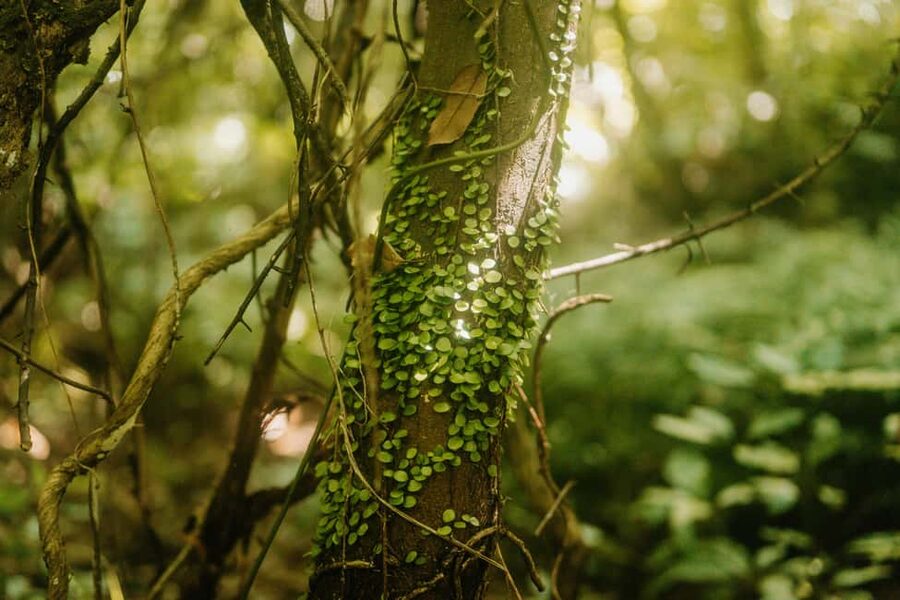
Hallim Park takes about 80 minutes and brings several different attractions together. Its nine themed areas include a subtropical botanical garden, bonsai garden, folk village, palm-tree road, bird safari, pond garden, rock displays, outdoor walking paths, and lava tubes.
That list explains both the strength and the weakness of Hallim Park. You get a lot in one place, but it can feel more arranged and tourist-friendly than Gotjawal or Suwolbong. The advantage is comfort and variety. You can walk through gardens, see plant collections, and finish with a very different underground experience.
The two lava tubes, Hyupjaegul and Ssangyonggul, are a highlight. Inside, the temperature drops, the light fades, and the sound changes. After a warm day outdoors, the cool darkness feels genuinely restful. The caves also help explain how fine sand acted on lava tubes over time, producing unusual formations and natural works of art.
You should watch your footing and allow time to move at a relaxed pace. Hallim Park is not a single quick viewpoint. Eighty minutes gives you a useful introduction, but not unlimited time in all nine areas. Follow the guide’s priorities rather than trying to see every corner.
A small group that feels personal
The tour requires at least four participants, but the group may be smaller than expected if bookings are light. On one occasion, the scheduled group ended up with only two people and the guide, creating a private-feeling day. That is not guaranteed, but it shows why the format can be more flexible than a standard coach trip.
June receives especially strong praise for her personal approach. She gives explanations, makes space when people want quiet, and recommends food based on the group. That combination matters on a day described as healing. A guide who talks constantly can spoil a peaceful forest or beach. A guide who says too little can leave geological sites flat and confusing. The best feedback points to a useful balance.
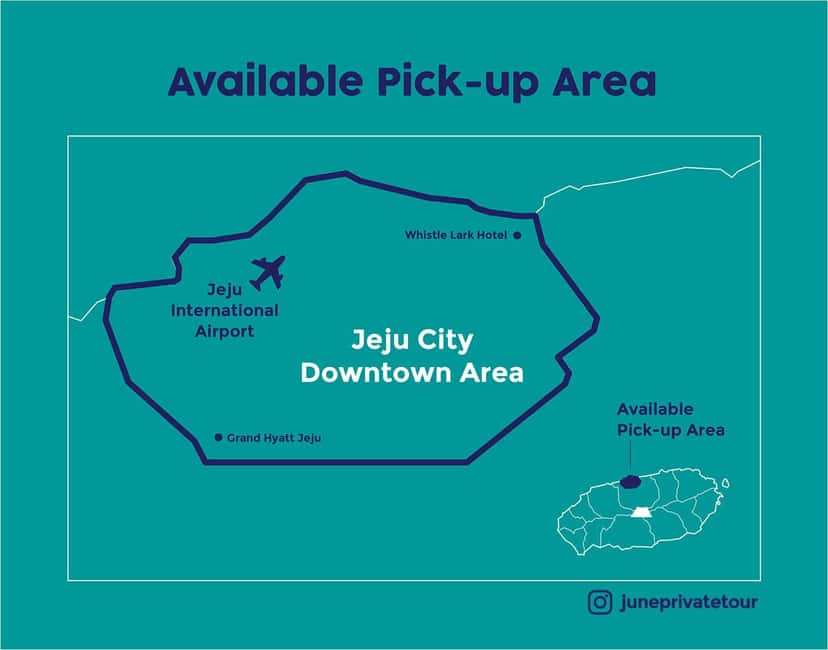
The vehicle is a minivan or van, with pickup and drop-off available within the downtown Jeju City area near Jeju International Airport. You will receive the exact pickup time, location, guide name, and vehicle details through WhatsApp the day before. Stay reachable there, since the operator may follow up by email if you do not respond.
The tour begins and ends at the listed Jeju City meeting point, with drop-off also possible at a preferred downtown hotel, traditional market, or restaurant. Confirm that your accommodation falls within the included pickup area before booking.
Is $105 a fair price?
At $105 per person, the tour is not the cheapest way to see Jeju. It is a fair price if you value convenience and interpretation. Transportation, admissions, hotel pickup and drop-off in the eligible Jeju City area, and a certified English-speaking driving guide are included.
You still pay for lunch, drinks, and personal expenses. Even so, independent visitors would need to arrange transport between six western Jeju stops and cover admission costs at places such as Hallim Park. The value improves if you are staying in Jeju City, do not want to rent a car, or prefer not to spend time working out the island’s roads.
The price is less attractive if you already have a rental car, want to spend much longer at one beach, or dislike fixed day schedules. This route covers a lot, so you trade complete freedom for a well-organized introduction to western Jeju.
Who should book this day?
I would recommend it to first-time Jeju visitors who want a broad western-island overview without a large group. It suits couples, solo visitors, and small families who enjoy scenery, light walking, geology, tea, and a little wildlife watching.
It is also a good choice for people who want a guide rather than a driver only. June’s detailed explanations and personal care are a major reason this experience receives such strong praise.
I would hesitate if you use a wheelchair, need a stroller, want guaranteed dolphin sightings, or plan to spend most of the day swimming. The route includes uneven walking and several stops with limited time.
Bring comfortable shoes, comfortable clothes, and realistic expectations about nature. If you can accept that dolphins may remain distant and that lunch costs extra, this is a thoughtful way to see Jeju’s western side.
Should you book it?
Book this tour if you want many different sides of Jeju in one calm, guided day: forest air, volcanic geology, tea culture, ocean views, lava caves, and a chance of dolphins. The strongest reasons are the small group, the thoughtful pacing, and the guide’s personal touch.
Skip it if you prefer a slow day devoted to one place or need fully accessible sightseeing. For most visitors staying near downtown Jeju City, $105 buys useful transport and a well-balanced route, with enough quiet moments to make the day feel restorative rather than hurried.
FAQ
How long does the Jeju West healing tour last?
The tour lasts eight hours, including transportation between stops, guided visits, lunch time, and breaks.
What places are included on the route?
The route includes Jeju Gotjawal Provincial Park, a local restaurant, O’Sulloc Green Tea Museum, Conch Park, Suwolbong Observatory, Hyeopjae Beach, and Hallim Park.
Is lunch included in the price?
No. Lunch is not included, but the guide recommends local restaurants, and vegetarian menu options can be suggested.
Can I be picked up from my hotel?
Pickup and drop-off are included for hotels within the downtown Jeju City area near Jeju International Airport. The exact location should be confirmed with the operator.
Is dolphin watching guaranteed?
No. The tour provides a chance to watch for Jeju dolphins at Conch Park, but sightings are not guaranteed.
Is the tour suitable for young children?
Children and infants must be included in the passenger headcount. Car seats are compulsory for infants and children under six, and you must provide the child’s birth month and year so the correct seat can be arranged.
Can wheelchair users or strollers join?
The activity is not suitable for wheelchair users, and baby strollers are not allowed. Comfortable shoes are recommended because the route includes walking at forest and park sites.
Just added around Jeju
- East of jeju tour for Seogwipo Gangjeong Cruise Customers★ 4.5 · 3 reviews
- Seogwipo(the southern city of Jeju) Art Museum Walking Tour★ 5.0 · 3 reviews
- Private Tour in South Jeju including Yacht Cruise★ 5.0 · 3 reviews
- Jeju Island, Seongsan Ilchulbong, Discover Scuba Diving★ 4.5 · 3 reviews
- Jeju: Western & Southern Jeju Hydrangea Festival Tour★ 5.0 · 3 reviews
- Jeju: Small Group Tour w/Pink Muhly & Tangerine Picking★ 5.0 · 3 reviews
- Jeju: Hiking Mt. Hallasan, South Korea’s Highest Mountain★ 5.0 · 3 reviews
- Jeju: BTS Are You Sure?! Filming Locations Private Taxi Tour★ 5.0 · 3 reviews
Jeju Island Tours, compared.
East Jeju Essentials – Seongsan Ilchulbong (UNESCO) & Haenyeo
Read our review →
South-West Jeju Essentials: Hallasan & Signature Highlights
Read our review →Jeju Island English Private & Flexible Tour any number anywhere
Read our review →
East Jeju: Day Tour with Seongsan Peak & Haenyeo Performance
Read our review →South-West Jeju Essentials: Hallasan & Signature Highlights
Read our review →Browse the lists this tour appears in