
Reviewed · WALKING TOURS
Gangnam Walking Tour on Youth and Society in Seoul Korea
Gangnam has more stories than shopping. This 2.5-hour walk uses Seoul’s famous district to explain the pressures behind South Korea’s economic success, from housing and school competition to plastic surgery, dating, and falling birth rates. I like the tour’s honest subject matter and its small maximum of 15 people, which gives you room to ask questions. I also like that guides such as June and Jessica connect big social issues to ordinary streets and businesses. The main drawback is simple: this is a discussion-led walk, not a sightseeing tour packed with grand monuments.
You will walk through modern Gangnam with a local guide, then cross the district by subway once before finishing near the Han River. The 1,800 won transportation fee is not included, and the route can feel demanding for older walkers. Still, if you want a more candid look at present-day South Korea, this offers far more than another polished tour of Seoul’s bright side.
In This Review
- Key points to know before booking
- Why this Gangnam walk feels different
- Starting at Gangnam Station and the story of development
- Love hotels and changing dating culture
- Gangnam Daeseong Cram School and the pressure to succeed
- Sinsa-dong, plastic surgery, and lookism
- Crossing to the Han River and the cost of success
- How the walking and subway logistics work
- What you are paying for at $31.98
- The guides and the tone of the experience
- Who should book this walk
- Should you book the Gangnam youth and society tour?
- FAQ
- Where does the tour start?
- What time does the tour begin?
- How long does the tour last?
- Where does the tour finish?
- Is transportation included?
- How large is the group?
- What subjects does the guide discuss?
- Is the tour suitable for most people?
- What happens if the weather is poor?
Key points to know before booking
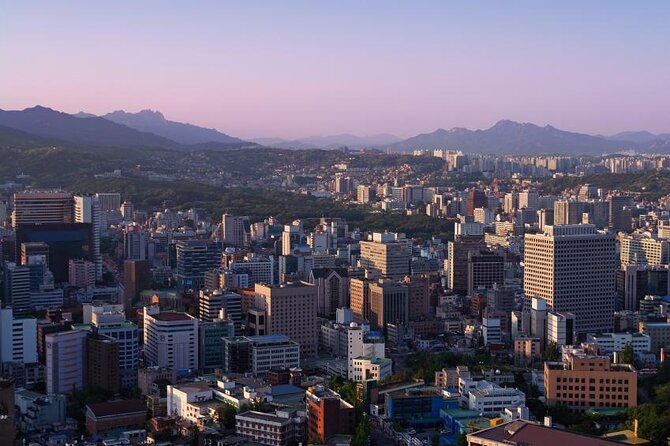
- Gangnam becomes a classroom: The route turns subway exits, academy streets, clinics, hotels, and river paths into examples of social change.
- The difficult subjects are the point: Expect frank discussion of education pressure, lookism, housing, love motels, marriage, birth rates, and suicide.
- June and Jessica receive especially strong praise: Both guides are described as warm, clear, patient, and good at explaining complex issues in English.
- The group stays small: With a maximum of 15 people, questions are easier to ask and the conversation can feel personal.
- You will see everyday Gangnam, not classic Seoul sights: Much of the route involves streets, commercial areas, and places viewed from the outside.
- Plan for walking and weather: The tour requires good weather, and rain may lead to a changed route or cancellation.
Why this Gangnam walk feels different

Many first-time visits to Seoul focus on palaces, markets, temples, K-pop, and glossy shopping streets. Those experiences matter, but they can leave you with a carefully polished picture of the country. This tour asks what daily life costs beneath that success.
Gangnam is a smart setting. It is one of South Korea’s richest and most developed areas, yet its streets also reveal intense competition and social pressure. A luxury district can tell you about housing problems. A cram school can open a discussion about childhood. A cosmetic clinic can lead to questions about appearance, class, and opportunity.
I like this approach because the guide does not need a museum display to make a point. The places are part of ordinary Seoul life. You may walk past an academy or a plastic surgery clinic without giving it a second thought, but the guide supplies the social background that makes these locations meaningful.
The tone is serious, though not necessarily gloomy. Several guides have been praised for keeping the conversation engaging, entertaining, and human. June is often singled out for his historical context, while Jessica is described as friendly, relatable, patient, and good at making difficult material accessible.
More Walking Tours in Seoul
- Seoul moonlight walking tour with local historian
★ 5.0 · 940 reviews - Seoul: Nighttime Hidden Gems Walking Tour
★ 5.0 · 775 reviews - Seoul: Evening Dark History, Folklore & Ghost Story Walking Tour
★ 5.0 · 593 reviews
Starting at Gangnam Station and the story of development
The walk begins at 820-10 Yeoksam-dong in Gangnam District at 10:30 am. The first stop is Gangnam Station Intersection, where the guide sets up the story of Korea’s rapid development and the housing problems tied to it.
This is not simply a place to take a photograph. The lesson here is how Gangnam became associated with wealth, opportunity, and status. The guide uses the area to explain the growth of modern Korea and the unequal pressures that came with it.
You will spend about 15 minutes here. That may sound brief, but it gives the rest of the tour a useful frame. Education, beauty, dating, marriage, and work all connect back to the competition for a successful life in a high-cost city.
June has received particular praise for explaining Seoul’s dramatic development over the past seven decades. If you enjoy history, ask questions at this opening stop. The social topics make more sense when you understand how quickly the country changed.
Love hotels and changing dating culture
The next stop is the Hotel Seattle area, part of a love hotel district. The walk uses this setting to discuss Korean dating culture and changing ideas about relationships and privacy.
This part may surprise you, especially if your image of Seoul comes mostly from television dramas or palace visits. Love motels are not presented as a cheap joke or a sensational stop. Instead, they help the guide talk about relationships, marriage, personal space, and the social expectations placed on young adults.
The stop lasts roughly 10 minutes. You should expect explanation more than a formal attraction. You may see hotels and signs from public streets, but the value lies in the context provided by the guide.
This is one of the tour’s less conventional subjects, and it suits people who want an unfiltered look at modern society. It may feel uncomfortable for some families or for anyone expecting a light cultural walk. The experience deals with adult social topics directly, so consider the group you bring.
Gangnam Daeseong Cram School and the pressure to succeed
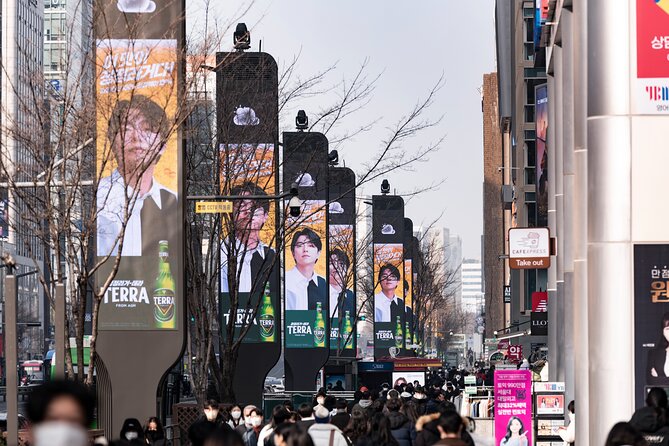
At Gangnam Daeseong Cram School, the tour turns to private education, youth pressure, and South Korea’s low birth rate. The academy is described as one of the country’s best-known private institutes, making it a useful place to discuss the competition surrounding school and university entrance.
This stop lasts about 20 minutes. You may find that the building itself is less important than what it represents. The guide explains how extra classes and private institutes affect young people and families. Education is not treated as an isolated issue. It connects to money, parental expectations, employment, marriage, and the decision to have children.
I consider this one of the strongest parts of the walk because it gives you a way to read the city after the tour ends. When you pass an academy elsewhere in Seoul, you will have a better sense of what may happen behind the sign.
The discussion also helps explain the birth-rate question included in the tour. The guide links the expense and pressure of raising children with wider choices about adulthood. The subject is not reduced to a single cause, which makes the conversation more useful.
More walking tours:
- Seoul: Dark Side of the City and Ghost Stories Walking Tour
★ 4.8 · 484 reviews - Seoul: Gyeongbok Palace and Bukchon Hanok Walking Tour
★ 4.8 · 157 reviews - Best Walking Tour to Gyeongbok Palace Bukchon Hanok Village
★ 5.0 · 138 reviews - Highlights & Hidden Gems With Locals: Best of Seoul Private Walking Tour
★ 4.5 · 83 reviews
Sinsa-dong, plastic surgery, and lookism
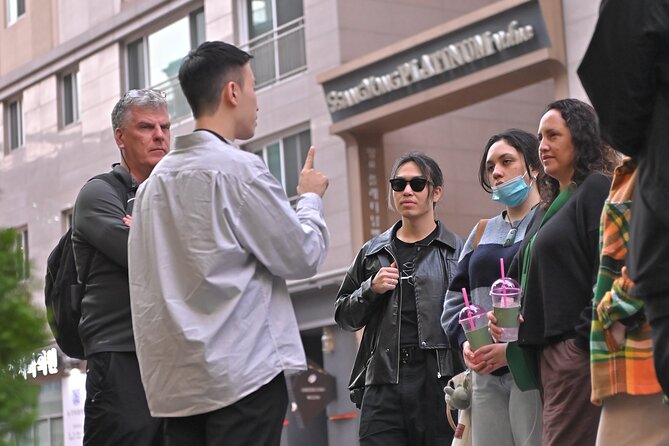
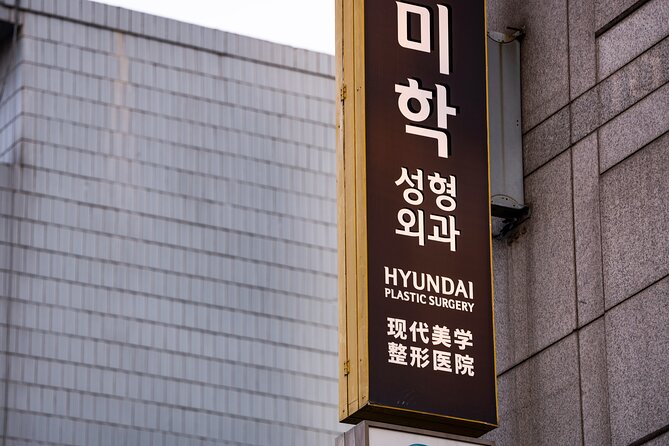
The route continues to Sinsa-dong, described as Seoul’s leading area for plastic surgery. Here, the guide addresses beauty culture and the importance placed on appearance in Korean society.
The stop lasts around 20 minutes. Expect to see clinics and commercial streets rather than enter a medical facility. The experience focuses on what the area says about social expectations, confidence, competition, and the idea that appearance can affect opportunity.
This is another place where the physical setting does much of the work. A visitor can easily stroll through Sinsa-dong and see only polished storefronts. The guide adds the harder questions: Who feels pressure to change their appearance? How does lookism shape young people? What happens when beauty becomes linked to work, dating, and status?
The subject can be disturbing, but that is also why it feels useful. One strong feature of the tour is its willingness to discuss the less attractive parts of Korean life without pretending they are the whole story.
Jessica has been praised for presenting these themes honestly while remaining approachable. If you have an interest in Korean dramas, pop culture, or beauty trends, this section may help you separate entertainment from everyday social reality.
Crossing to the Han River and the cost of success
The final major stop is Hangang Park Playground, near the Han River. The guide uses the river to discuss development and suicide, two subjects that show the darker cost of rapid change and social pressure.
You will spend about 20 minutes here. After crowded commercial streets, the river offers a different setting for reflection. The contrast matters. Seoul’s development created wealth and impressive public spaces, but material success does not erase stress, isolation, or mental health struggles.
This is the most emotionally serious part of the walk. The subject is handled as part of a broader discussion about Korean society, not as a sightseeing novelty. Still, you should know before booking that the tour addresses suicide openly. It may not suit anyone seeking a cheerful morning activity.
The tour finishes at the Han River park. The closest subway station is Apgujeong Station, Exit 4. The directions also identify Apgujeong as the end point, so allow time to walk from the river area to the station after the formal tour ends.
How the walking and subway logistics work
The experience lasts about two hours and 30 minutes and includes one subway ride. You pay the 1,800 won transportation cost separately, so keep that amount available. The mobile ticket makes arrival straightforward, and the starting point is near public transportation.
The route is not a gentle stroll with long pauses at indoor attractions. You move through several parts of Gangnam, and the tour’s own description notes that good weather is required. One participant found the amount of walking difficult for senior citizens, which is useful advice for anyone with limited stamina.
Rain does not always end the experience. Jessica has adjusted the route during wet weather while keeping the main topics in place. Even so, the official policy allows a new date or a full refund if poor weather causes cancellation. Comfortable shoes and weather protection are sensible choices.
The group maximum of 15 is another practical advantage. A smaller group lets you hear the guide more easily on city streets and makes it less awkward to ask about sensitive subjects. It also means the tour can respond to the interests of the people present.
What you are paying for at $31.98

At $31.98 per person, this tour is priced above a basic free walking tour but below a private cultural guide. Gratuities are included, while the subway fare is extra.
The value depends on your goal. If you want famous buildings, entrance tickets, or a long list of photo stops, the price may feel high because much of the route involves public streets and discussion. One direct criticism of the experience was that the group spent much of the time walking through Gangnam or sitting at a cafe rather than seeing unusual attractions.
If you want social context and a guide who can answer questions, the cost is easier to justify. You are paying for interpretation, not admission. The best guides connect history with present-day life and explain topics you would probably miss on your own.
The tour has a 99 percent recommendation rate and a rating of 5 from 401 reviews, with more than 10 bookings recorded in the previous month. Those figures suggest consistent demand, but your satisfaction will still depend on whether you enjoy discussion-based touring.
The guides and the tone of the experience
June and Jessica are the names most closely associated with the strongest praise. June is described as especially good with history, modern youth culture, education, dating, marriage, birth rates, plastic surgery, and lookism. He also keeps to the schedule and speaks clear English.
Jessica is praised for warmth, patience, honesty, and her ability to make difficult topics engaging. She has been described as relatable and willing to adjust the walk when conditions are poor. Another useful strength is her ability to compare Korean and American culture when that helps explain a social point.
The experience is not politically polished or designed to flatter. It presents both the success of South Korea and the pressure behind it. That balance is important. You will hear about ambition and development alongside loneliness, beauty standards, housing problems, and education stress.
The tour also benefits from personal perspective. A guide’s interpretation is not the only possible view of Korea, but it gives you a starting point for further questions. Listen critically, ask for examples, and remember that no single walk can describe every young Korean person.
Who should book this walk
I would choose this tour if you have already seen Seoul’s main sights or if you want cultural context before exploring more of the city. It is especially well suited to people interested in sociology, education, modern history, youth culture, dating, beauty standards, or the forces shaping marriage and family life.
It also works well for adults who prefer conversation to attractions. K-drama and K-pop fans may find the beauty and relationship discussions particularly useful, since the walk helps connect familiar media images with real social questions.
I would think twice if you want a relaxed photo walk, a traditional Seoul itinerary, or a route with many indoor stops. The subjects can be heavy, and the amount of walking may challenge older participants. It is also wise to avoid booking it as your only activity on a rainy day.
Free cancellation is available until 24 hours before the 10:30 am start time. Changes made inside that window are not accepted, and a refund is not available for a late cancellation. The tour also requires a minimum number of participants, so a provider cancellation may result in a new date, another experience, or a full refund.
Should you book the Gangnam youth and society tour?
Book it if you want to understand what lies behind Seoul’s polished image. The route will not give you grand monuments, but it will give you a sharper way to interpret the city’s academies, clinics, hotels, housing, and river spaces.
For the best fit, arrive ready to walk, listen, and ask direct questions. At $31.98, it is good value for a small-group social and cultural discussion, but poor value if your main aim is sightseeing. Choose it for insight, not a checklist of attractions.
FAQ
Where does the tour start?
The tour starts at 820-10 Yeoksam-dong in Gangnam District, Seoul.
What time does the tour begin?
The start time is 10:30 am.
How long does the tour last?
The tour lasts approximately two hours and 30 minutes.
Where does the tour finish?
The walk finishes at the Han River park area. The closest station is Apgujeong Station, Exit 4.
Is transportation included?
No. The tour includes one subway ride, but the 1,800 won transportation fee is paid separately.
How large is the group?
The tour has a maximum of 15 participants.
What subjects does the guide discuss?
Topics include housing and development, love hotel culture, private education, birth rates, plastic surgery, lookism, youth pressure, relationships, and suicide.
Is the tour suitable for most people?
Most people can participate, but the walk involves a fair amount of walking. One part of the route may be difficult for senior citizens or anyone with limited stamina.
What happens if the weather is poor?
The experience requires good weather. If it is canceled because of poor weather, you can receive a different date or a full refund.
Just added around Seoul
- Seoraksan National Park & Nami Island★ 4.5 · 3 reviews
- Strawberry Picking, Winter Sled with Eobi Ice Valley from Seoul★ 4.5 · 3 reviews
- Seoul Full Day small group Tour★ 5.0 · 3 reviews
- Majang Meat Market Experience: Private Tour with Han-woo Beef BBQ★ 5.0 · 3 reviews
- Seoul Korean BBQ Dinner Experience with Secret Food Tours★ 5.0 · 3 reviews
- Rice Wine Tasting with Sommelier – Finest Makgeolli (& Soju)★ 5.0 · 3 reviews
- Seongsu-dong Walking Tour: K-Pop, Culture, Cheer, Friends & Relax★ 4.5 · 3 reviews
- Seoul: Alpaca World and Nami Island (with Garden / Railbike)★ 5.0 · 3 reviews
Walking Tours, compared.
Seoul moonlight walking tour with local historian
Read our review →
Evening Dark History, Folklore & Ghost Story Walking Tour
Read our review →Dark Side of the City and Ghost Stories Walking Tour
Read our review →
Gyeongbok Palace and Bukchon Hanok Walking Tour
Read our review →
Best Walking Tour to Gyeongbok Palace Bukchon Hanok Village
Read our review →
Highlights & Hidden Gems With Locals: Best of Seoul Private Walking Tour
Read our review →
Street photoshoot and Seoul Hidden gem History Walking Tour
Read our review →Browse the lists this tour appears in