
Reviewed · HIKING & TREKKING
Korean Cemetery and Folklore Trek
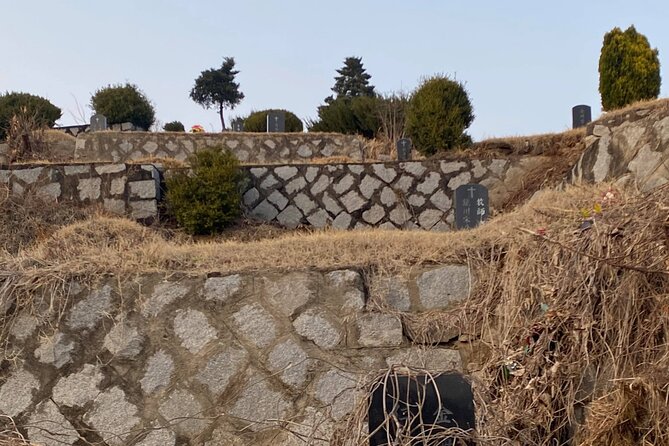
A quiet hillside changes how you see Seoul. The Korean Cemetery and Folklore Trek leaves the city’s busy streets for Yongmi-ri Cemetery, an active burial ground where your guide explains Korean customs, legends, and ideas about the afterlife. I like the rare access to an everyday cultural place and the fact that bus fare between the cemetery and the Seoul meeting point is included. The main drawback is timing: this tour runs only from September through November.
I also like the small six-person limit, which gives the walk a more personal feel and leaves room for questions. The guide Shawn is praised for combining careful research with personal experience, a useful mix for a subject that calls for both facts and tact. You should know that this is a four-hour outdoor outing requiring moderate physical fitness, not a quick cemetery visit.
In This Review
- Key details about the cemetery trek
- Why this quiet outing feels different from Seoul
- Meeting at Samsong Station Exit 8
- Taking the bus toward Yongmi-ri Cemetery
- Entering an active Korean cemetery respectfully
- Folklore, burial customs, and the Korean afterlife
- A four-hour walk for people with moderate fitness
- Why six people makes a difference
- Is the $66 price fair?
- Who should book this experience
- Should you book the Korean Cemetery and Folklore Trek?
- FAQ
- Where does the Korean Cemetery and Folklore Trek begin?
- What time does the tour start?
- Where does the tour end?
- How long does the experience last?
- Is transportation included?
- What cemetery does the tour visit?
- Is the cemetery active?
- How many people can join the tour?
- When does the tour operate?
Key details about the cemetery trek
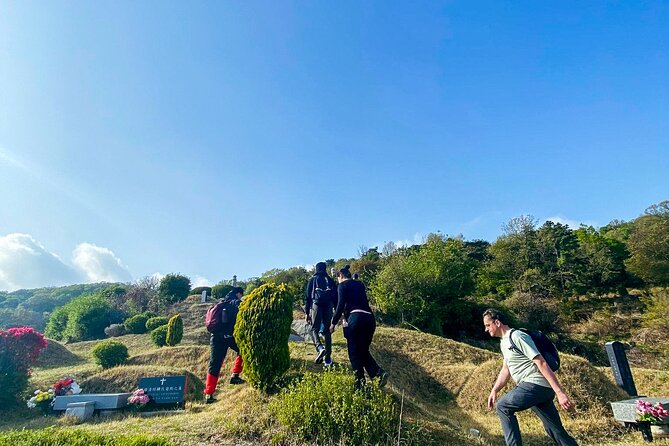
- Yongmi-ri Cemetery is an active burial place, not a staged attraction or museum.
- Korean folklore and burial traditions are explained during a respectful guided walk.
- The group is limited to six people, making conversation easier than on a large coach tour.
- Public bus fare is included between the meeting point and the cemetery.
- The tour begins at 2:30 p.m. at Samsong Station Exit 8 and returns there.
- The season is short, with departures offered only from September through November.
Why this quiet outing feels different from Seoul
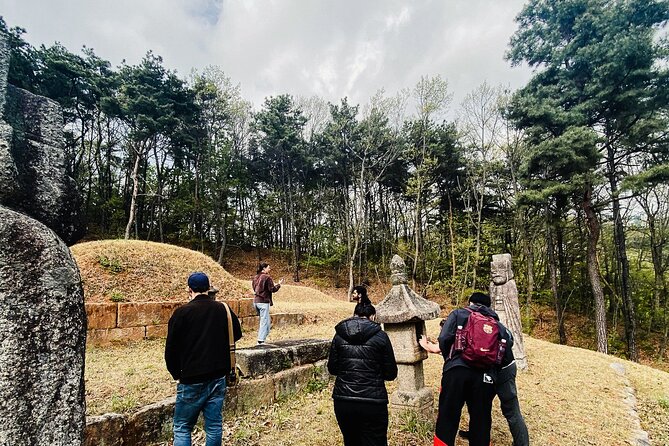
Seoul is famous for energy, crowds, towers, markets, and late-night streets. This outing gives you a very different view of South Korea. Instead of seeing culture presented inside a palace or museum, you visit a place connected to ordinary family life and local customs.
That change matters. Burial grounds can tell you how a society thinks about family, memory, nature, and the afterlife. At Yongmi-ri Cemetery, the focus is not simply on seeing graves. Your guide helps explain the beliefs and stories connected with them, giving the walk a human and reflective quality.
I would choose this tour if you want a quieter afternoon and have already seen some of Seoul’s major sights. It adds a thoughtful pause to a city trip. The setting in the mountains also creates a clear break from the city, even though the tour begins and ends within reach of Seoul’s public transportation.
The subject may not suit every holiday mood. If you want food tastings, entertainment, or a packed schedule of famous sights, this will feel slow. If you are curious about customs that are usually kept out of the tourist spotlight, it offers something much less ordinary.
A few more trips of this kind worth comparing:
- Seoul: Guided City Wall Sunset Hike with Korean Dinner
★ 4.9 · 227 reviews - Private Hiking tour to Bukhansan Peak(Baegundae: 836.5m) with Mountain Expert
★ 5.0 · 113 reviews - Fortress Night Hike & Snack at a Local Market
★ 5.0 · 112 reviews
Meeting at Samsong Station Exit 8
The tour starts at Samsong Station Exit 8 in Goyang-si at 2:30 p.m. That detail is important because the meeting point is not the cemetery itself. You need to reach the station on your own, then join the group for the public bus journey.
Bus fare between the meeting point and the cemetery is included. This keeps the cost easier to understand and removes the need to work out the fare for the tour’s shared transportation. The tour does not include private transportation, so you should expect a public bus rather than a door-to-door ride.
The return is also to the meeting point at Samsong Station Exit 8. That makes the plan tidy: begin at the station, visit Yongmi-ri Cemetery, and finish back where you started. Still, give yourself enough time to find the correct exit and arrive ready for a 2:30 p.m. departure.
The meeting point is near public transportation, which helps if you are staying in Seoul without a car. Since the tour stays outside the city center for part of the afternoon, check your own route to Samsong Station before booking. The provided information confirms the station and exit, but not a pickup service from your hotel.
Taking the bus toward Yongmi-ri Cemetery
The public bus is not just a transfer detail. It helps frame the outing as a visit to a real local place rather than a packaged attraction built for sightseeing. You leave the urban setting and travel toward the cemetery area with the guide and a very small group.
Because the bus fare is covered, the $66 price includes more than the talk at the cemetery. It also covers the shared public transportation and all listed fees and taxes. Private transportation is not part of the deal, but many people will see that as a reasonable trade-off for a lower-cost, more local-style outing.
You should keep your expectations practical. The bus ride is part of the route, not a private scenic transfer with guaranteed comfort. Public transportation can be less controlled than a private vehicle. The benefit is that you are using the same kind of transport that local residents use.
The tour lasts about four hours in total. That includes the journey to and from the cemetery as well as the guided visit, so the time at the burial ground will not equal the full four hours. The exact division is not provided, and it can depend on transportation and walking conditions.
Entering an active Korean cemetery respectfully
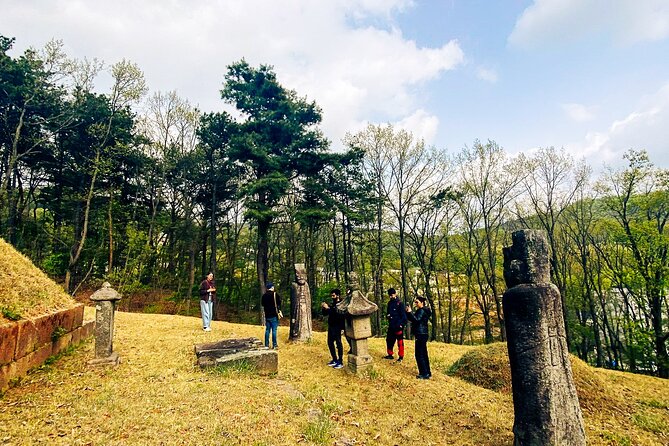
Yongmi-ri Cemetery is the heart of the outing. This is an active cemetery, so you are visiting a place where families continue to honor the dead. That makes respectful conduct essential. You are not entering a theme park, a historical ruin, or a photo stop designed around dramatic scenery.
Your guide leads the visit and explains Korean folklore and traditions surrounding death and burial. The subject can include ideas about the afterlife and the customs connected with graves. The supplied details do not list each story or belief covered, which is sensible for a tour built around conversation rather than a fixed museum script.
I appreciate that the experience treats the cemetery as a cultural place first. A good guide can help you notice details while keeping the tone appropriate. Shawn, the named guide praised in the feedback, is described as bringing personal experience together with his own research. That combination seems especially useful here, since folklore can easily become either too vague or too academic.
The word active also sets a boundary for what you should expect. You may encounter a place of ongoing remembrance, so quiet attention matters more than taking photographs at every turn. The tour description emphasizes respect, and you should follow your guide’s lead about where to walk, what to photograph, and when to pause.
A completely different kind of day out in South Korea:
- Best DMZ Tour Korea from Seoul (Red Suspension Bridge Optional)
★ 5.0 · 41,422 reviews - DMZ Tour: 3rd Tunnel, Option(Suspension Bridge, Boat) from Seoul
★ 5.0 · 21,373 reviews - DMZ tour south Korea from Seoul (NK experience hall, defector)
★ 5.0 · 20,599 reviews - DMZ Insider Tour: 3rd Tunnel, NK Defector Meet & Red Bridge
★ 4.9 · 15,214 reviews
Folklore, burial customs, and the Korean afterlife
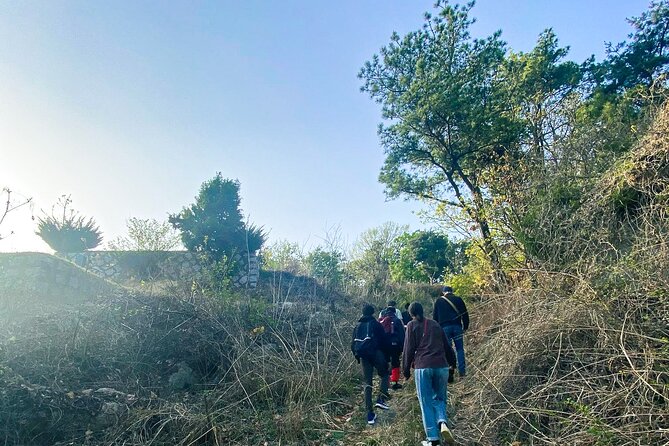
This is not mainly a hike with a little cultural commentary added on. The folklore is the reason to choose it. You learn about Korean burial customs and local traditions concerning the dead, then connect those ideas to the place around you.
That approach gives the tour value beyond sightseeing. Seoul has plenty of opportunities to see old buildings, but fewer chances to hear how people understand death and remembrance in a setting where those traditions still have meaning. The conversation may also help you place other Korean cultural experiences in context.
The tour is likely to appeal most to people who enjoy learning through stories. You do not need to be an expert in Korean history or religion. You do need to be comfortable with a serious subject and willing to listen. This is a reflective cultural walk, not a light folklore show.
The guide’s role matters greatly. Shawn’s personal and research-based approach received particular praise, and that is the strongest human detail available about the tour. A small group gives you a better chance to ask about points that interest you, rather than simply listening from the back of a crowd.
A four-hour walk for people with moderate fitness
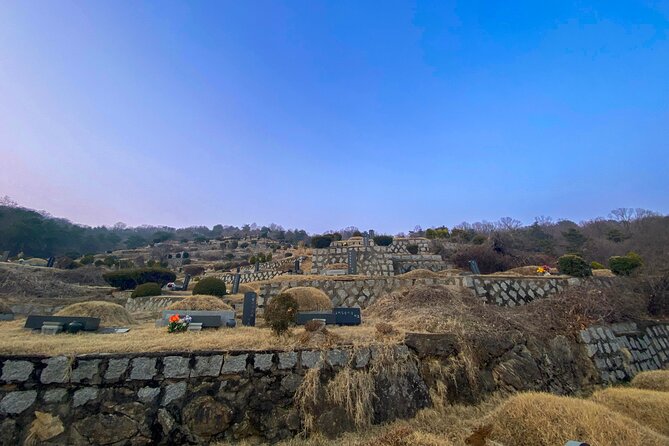
The outing requires a moderate level of physical fitness. The description does not provide a distance, elevation gain, or detailed trail surface, so I would not book it expecting a completely flat or effortless visit. The cemetery is in a mountainous area, and the activity is described as a hiking tour.
You should be ready to walk for part of the afternoon and spend time outdoors. Comfortable clothing and footwear suited to walking are sensible choices, though the tour information does not specify required equipment. If hills or extended walking are difficult for you, ask the provider for current route details before paying.
The weather also affects the schedule. The experience requires good weather, and poor conditions may lead to a different date or a full refund. That policy is reassuring for an outdoor visit, especially during a seasonal period when rain can change the feel and safety of a mountain walk.
The September through November window is both a strength and a limitation. The cooler season should make outdoor walking more appealing than the hottest part of the year, but you cannot build this tour into a winter or spring itinerary. If it is important to you, plan your Seoul visit around the available months.
Why six people makes a difference
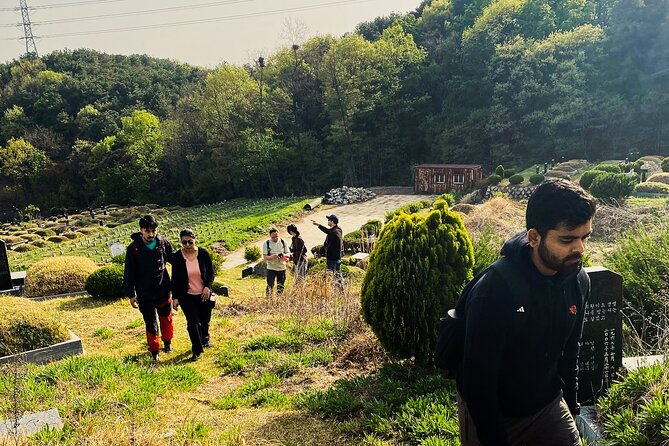
A maximum group size of six is one of the tour’s best practical features. In a cemetery, a smaller group is not only more comfortable. It also helps preserve the quiet character of the place.
With six people or fewer, you can hear the guide more easily and ask questions without holding up a large crowd. Sensitive subjects also work better in a group that feels conversational rather than anonymous. The small size supports the intimate quality praised in the feedback.
There is a trade-off. Small tours can sell out earlier than large outings, and this one is booked an average of 73 days in advance. That does not guarantee every date will fill, but it is a strong reason to plan ahead, especially because the season lasts only three months.
The small group does not make the tour private. You will still share the experience with other people, and the route remains subject to public transportation and weather. Still, six is a useful limit for a guide-led cultural walk.
Is the $66 price fair?
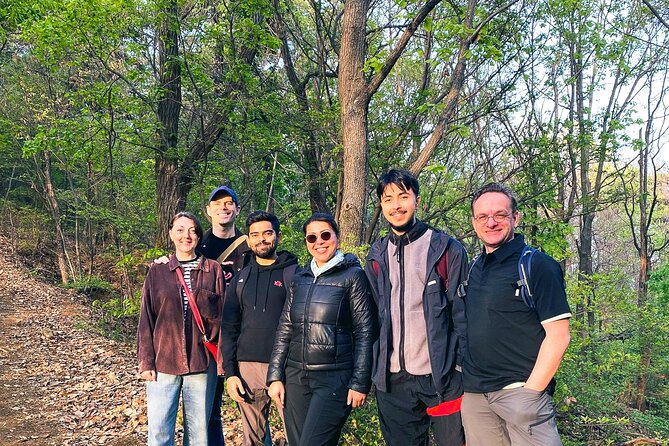
At $66 per person, this is not the cheapest way to spend an afternoon in the Seoul area. You are paying for a four-hour guided outing, bus fare to and from the cemetery, all fees and taxes, and access to a place that is not normally part of a standard sightseeing route.
The value depends on what you want from a tour. If you only want a mountain walk, you could find less expensive ways to spend time outdoors. If you want a guide to explain Korean burial traditions and folklore at an active cemetery, the price is easier to justify.
The six-person limit also matters when judging the cost. A small group usually gives you more direct access to the guide than a large bus tour. The bus transfer keeps the outing local and practical, though anyone expecting private transport should note that it is not included.
I see this as a specialist cultural tour rather than a general Seoul bargain. Its value is strongest for you if the subject genuinely interests you. The tour’s perfect five-star rating from 41 ratings and 100 percent recommendation mark is encouraging, with Shawn’s thoughtful approach receiving particular praise, but the experience remains personal and subject-specific. A cemetery visit will not appeal to everyone.
Who should book this experience
I would recommend it to you if you:
- Want to see a less familiar side of Korean culture
- Enjoy folklore, customs, and stories about the afterlife
- Prefer small groups to large guided tours
- Have moderate fitness for a mountain-area walk
- Can visit South Korea between September and November
- Are comfortable visiting an active cemetery respectfully
- Want an afternoon away from Seoul’s crowded streets
I would think twice if you need private transportation, avoid uneven or hilly walks, or want a tour filled with many separate attractions. The four-hour schedule focuses on one cemetery and its cultural meaning. That focus is the point, but it also narrows the appeal.
Service animals are allowed. The experience is near public transportation, and confirmation is received when you book. Free cancellation is available up to 24 hours before the start time. Cancellations or changes made within 24 hours are not accepted for a refund, and the local-time cutoff applies.
Should you book the Korean Cemetery and Folklore Trek?
Book it if you want a quiet, unusual cultural experience and you are willing to give an afternoon to one serious subject. The active cemetery, small group, included bus fare, and folklore focus make this more personal than a standard city tour.
I would especially consider it during a September to November visit when you have already seen Seoul’s headline sights. Just confirm that a moderate hike and a cemetery setting suit you, then reserve early because the six-person limit and short season work against last-minute plans.
FAQ
Where does the Korean Cemetery and Folklore Trek begin?
It begins at Samsong Station Exit 8 in Goyang-si, South Korea.
What time does the tour start?
The tour starts at 2:30 p.m.
Where does the tour end?
It ends back at the meeting point at Samsong Station Exit 8.
How long does the experience last?
The experience lasts approximately four hours.
Is transportation included?
Public bus fare between the meeting point and the cemetery is included. Private transportation is not included.
What cemetery does the tour visit?
The tour visits Yongmi-ri Cemetery 1.
Is the cemetery active?
Yes. It is an active Korean cemetery, so the visit is conducted respectfully.
How many people can join the tour?
The maximum group size is six people.
When does the tour operate?
This seasonal experience operates from September through November. If poor weather causes a cancellation, you can receive a different date or a full refund.
Just added around South Korea
- Seoraksan National Park & Nami Island★ 4.5 · 3 reviews
- East of jeju tour for Seogwipo Gangjeong Cruise Customers★ 4.5 · 3 reviews
- Strawberry Picking, Winter Sled with Eobi Ice Valley from Seoul★ 4.5 · 3 reviews
- Seoul: Seohaerang Cable Car, Gwangmyeong Cave, etc (EG Tour)★ 5.0 · 3 reviews
- Seoul Full Day small group Tour★ 5.0 · 3 reviews
- Seoul: Seorak Mountain, East DMZ, and Sokcho Tour★ 5.0 · 3 reviews
- Seoul Korean BBQ Dinner Experience with Secret Food Tours★ 5.0 · 3 reviews
- Rice Wine Tasting with Sommelier – Finest Makgeolli (& Soju)★ 5.0 · 3 reviews
Hiking & Trekking, compared.
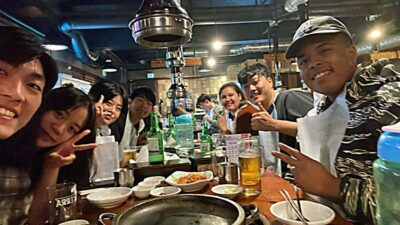
Guided City Wall Sunset Hike with Korean Dinner
Read our review →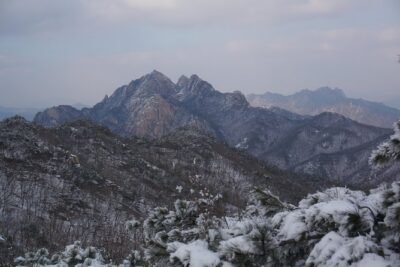
Private Hiking tour to Bukhansan Peak(Baegundae: 836.5m) with Mountain Expert
Read our review →
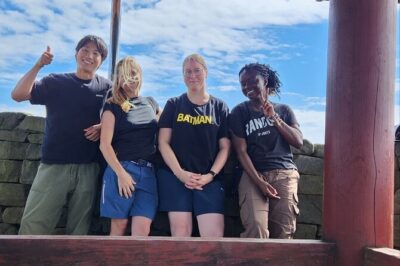
4-Hours Hiking and Tasting Rice Wine in the Mountain of Busan
Read our review →
Hiking and Tasting Rice Wine in the Hidden Village
Read our review →
Seoul Mountain Hike: Temples, Folklore & Traditional Meal
Read our review →
Private Hiking to Bukhansan & Korean Style Spa(Include Lunch)
Read our review →
Browse the lists this tour appears in