Reviewed · PRIVATE
Boseong Tour : Green Tea Field, Mountain & Lake Trail (Private)
Tea hills, quiet water, and a good lunch. This private day trip from Gwangju brings together Boseong’s famous Daehan Dawon tea fields, a hands-on Korean tea ceremony, a lakeside walk, and a mountain trail tied to traditional ondol heating. I especially like the mix of beautiful scenery and local culture, plus the freedom of a private guide who can adjust the day to your interests. The main drawback is the long schedule: ten hours, several drives, and a moderate hike make this better for active sightseers than for anyone wanting a slow, easy outing.
The tour costs $190 per person, but that price covers private transport, lunch, admissions, tea ice cream, a tea ceremony with tasting, and a rice-vinegar drink. Guide Veronica receives repeated praise for her friendly English, flexibility, and care, including helping solo visitors and explaining Korean food and history in a personal way. Plan for roughly 70 minutes from Gwangju to Boseong, and remember that the outdoor portions depend on good weather.
In This Review
- Key points to know before booking
- Why Boseong makes a rewarding day from Gwangju
- Walking the famous tea rows at Daehan Dawon
- A local lunch in Boseong-eup
- Learning Korean tea manners at the Korea Tea Museum
- The Nokcha-ro viewpoint and the road to the lake
- Haepyeong Lake’s 3.9-kilometer woodland path
- Mt. Obongsan and the old ondol cart trail
- What the $190 price really covers
- Who should book this Boseong day trip
- Should you book it?
- FAQ
- Where does the Boseong tour start?
- How long does the experience last?
- Is this a private tour?
- How long is the drive from Gwangju to Boseong?
- What is included in the price?
- What lunch choices are available?
- How long is the Haepyeong Lake Trail?
- How demanding is the walking?
- What happens if the weather is poor?
Key points to know before booking
- Daehan Dawon takes center stage: Walk uphill through Boseong’s famous tea rows to a lookout, then cool off with green tea ice cream.
- The day goes beyond tea: A Korean tea ceremony, local lunch, lake walk, vinegar stop, and mountain route give the outing real variety.
- Haepyeong Lake offers a gentler pause: The 3.9-kilometer trail passes cedar, bamboo, maple, and cherry trees, along with stone towers.
- Mt. Obongsan adds a cultural story: Its cart trail once helped move flat stones used in ondol underfloor heating systems.
- The private format matters: Only your group joins, so the guide can respond to your interests and walking pace.
- The price is fairly inclusive: Transport, food, entrance fees, tastings, and drinks are included, while alcoholic beverages are not.
Why Boseong makes a rewarding day from Gwangju
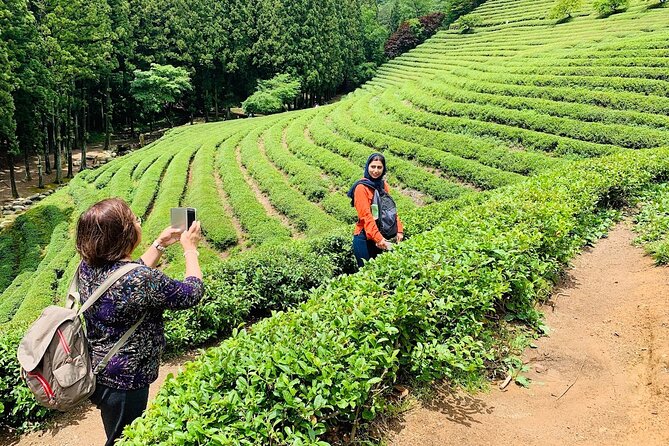
Boseong is known as Korea’s green tea capital for good reason. Tea bushes cover broad, rolling hills, creating one of the country’s most recognizable rural scenes. Daehan Dawon is the best-known plantation in the area, with paths climbing through carefully planted rows toward a higher viewing point.
The trip begins in Gwangju at 9:30 a.m. and takes about 70 minutes by road to Boseong. That transfer is not a minor detail. You spend much of the day outside the city, so the tour works best if you want a full change of pace rather than a quick half-day attraction.
I like the way this experience uses the drive to reach places that are difficult to combine without a private vehicle. The tea plantation, tea museum, Haepyeong Lake, Mt. Obongsan, and Choroo Vinegar Park are spread across the area. Public transport may get you to some of them, but fitting all six stops into one day would be awkward.
The private setup also changes the feel of the outing. You are not waiting for a large group to finish photographs or rushing to match an unfamiliar pace. Guide Veronica is repeatedly praised for being warm, reliable, and attentive, with strong English and a useful grasp of Korean history. A solo visitor can book the tour without being folded into a group, while couples and families can keep the day more personal.
More private tours:
- Busan Private Tour with licensed tour guide + private vehicle
★ 5.0 · 1,143 reviews - Private DMZ Tour (No Shopping): 3rd Tunnel & Suspension Bridge
★ 5.0 · 607 reviews - Jeju Island English Private & Flexible Tour any number anywhere
★ 5.0 · 561 reviews
Walking the famous tea rows at Daehan Dawon
The first major stop is Daehan Dawon, where you have about two hours. The visit is built around a walk on paths through the plantation, with the option to continue uphill toward an observatory.
The appeal is visual, but it is not only about taking a photograph. The rows of tea bushes follow the hills, giving you changing views as you climb. From above, the plantation opens into layered slopes rather than a single flat field. The air, greenery, and open views make this a pleasant first stop after the drive.
The plantation remains green through the year, so the visit is not limited to one season. Still, outdoor conditions will affect how much you enjoy the climb. Wear shoes that can handle an uphill path, and bring protection from sun or rain as needed. The tour requires moderate physical fitness, and the day includes another walking section later.
Your reward at the end of the plantation visit is green tea ice cream. It is included in the price and gives you a simple, enjoyable taste of the region without turning the stop into a formal tasting session.
Two hours is enough to walk, pause for photographs, and enjoy the view without making the plantation the entire day. If you have difficulty with slopes, ask the guide about adjusting the walking plan. The tour is private, which gives you more room to make that request than a fixed group excursion would.
A local lunch in Boseong-eup
After Daehan Dawon, the tour allows about one hour and ten minutes for lunch in Boseong-eup. The standard meal is grilled pork patties prepared with green tea powder and served with rice.
That menu is a useful part of the experience because it connects the local crop with ordinary Korean cooking. Tea here is not treated only as a souvenir or a museum subject. It appears in a savory dish, giving you another way to understand how the region uses its most famous product.
There are alternatives. Cockle bibimbap, another local specialty, can replace the standard meal, and Italian pasta is available for vegetarians. The supplied details do not specify every dietary arrangement, so it is sensible to explain your needs when booking or before the tour begins.
Alcoholic beverages are not included. Everything else listed for lunch is covered in the tour price, which makes budgeting easier. You are not left to find a restaurant on your own during a tightly timed rural itinerary.
Learning Korean tea manners at the Korea Tea Museum
The Korea Tea Museum gives the day some context. You have about one hour and ten minutes to see displays on tea cultivation and production, including graphic panels, images, and dioramas.
The museum was established in 2010 to present Korean tea culture and its development. The displays help explain what happens between the tea bush and the cup, which is useful after you have just walked through a working tea-growing area.
The best part is the tea ceremony class. In a dedicated tea ceremony room, you learn how Korean tea is prepared and drunk, then take part in a tasting. This is more engaging than simply looking at museum displays, especially if you have little experience with Korean tea customs.
I would give this stop your full attention rather than treating it as a quick indoor break. The ceremony adds a human scale to the plantation visit. You see the crop outdoors, eat it at lunch, and then learn how tea is handled as a drink.
The museum is included, as are the class and green tea tasting. That inclusion strengthens the value of the tour, since a private day at this price would feel less convincing if the cultural activities required constant extra payments.
A completely different kind of day out in South Korea:
- Best DMZ Tour Korea from Seoul (Red Suspension Bridge Optional)
★ 5.0 · 41,422 reviews - DMZ Tour: 3rd Tunnel, Option(Suspension Bridge, Boat) from Seoul
★ 5.0 · 21,373 reviews - DMZ tour south Korea from Seoul (NK experience hall, defector)
★ 5.0 · 20,599 reviews - DMZ Insider Tour: 3rd Tunnel, NK Defector Meet & Red Bridge
★ 4.9 · 15,214 reviews
The Nokcha-ro viewpoint and the road to the lake
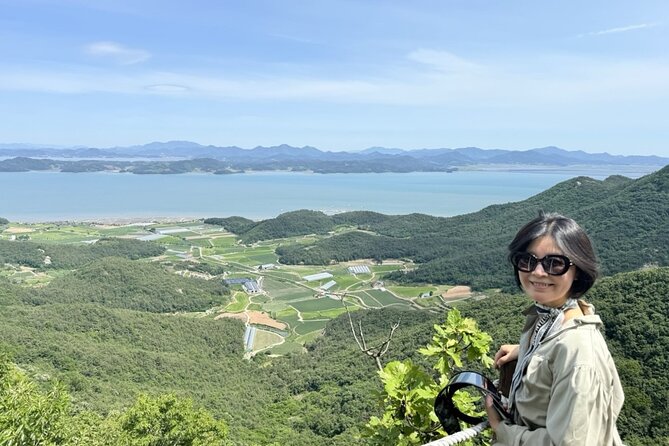
A short 20-minute stop at Nokcha-ro provides a change in rhythm. From this viewpoint, you can see a tea farm with a lake nearby, rest, and enjoy another broad view of Boseong’s countryside.
This is not a long attraction, and that is part of its value. After the plantation walk, lunch, and museum, you get a brief chance to sit or take photographs without another major activity. Do not expect a full guided visit here. Think of it as a scenic pause between the tea-focused part of the day and the walking route at Haepyeong Lake.
The drive from the Korea Tea Museum to Haepyeong Lake takes about 40 minutes. That transfer helps explain why this is a full-day tour. You are covering several separate areas, not visiting a single compact complex.
Haepyeong Lake’s 3.9-kilometer woodland path
Haepyeong Lake Trail is one of the tour’s strongest features for anyone who likes gentle outdoor walks. The route covers 3.9 kilometers, or about 2.4 miles, around the lake.
The path includes cedar, bamboo, maple, and cherry trees, along with stone towers. The setting offers a quieter contrast to Daehan Dawon. At the tea plantation, the view is wide and shaped by cultivated hills. Around the lake, the experience is slower and more enclosed by trees and water.
The trail is described as easy, but the overall day is not effortless. You have already spent time walking at the plantation, and Mt. Obongsan follows this stop. I would treat the lake walk as a comfortable pace-setting section, not as proof that the entire itinerary is physically light.
The route connects with Choroo Vinegar Park, where naturally fermented grain vinegar is produced. The park includes a café with specially made vinegar drinks, and one rice-vinegar beverage is included. This is a pleasant local touch because it gives you something beyond the usual tea products and lets you sample a regional food tradition in a relaxed setting.
The vinegar stop also gives the guide another chance to tailor the day. If you are more interested in food than strenuous walking, you can discuss how much time to spend around the café and trail. The exact balance depends on your group and the day’s conditions, but a private tour gives you a better chance of making that balance work.
Mt. Obongsan and the old ondol cart trail
The final major stop is Mt. Obongsan. This section gives the tour its most unusual story.
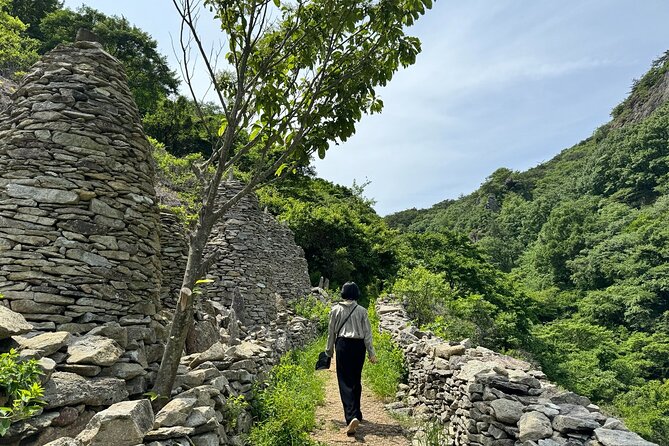
The mountain was once an important source of Goodeuljang, flat stone used in ondol, Korea’s traditional underfloor heating system. Quarrying took place actively from the 1940s through the 1980s, and the site accounted for about 70 percent of national production. The stones were moved downhill on carts pulled by cows, and part of that cart route remains preserved.
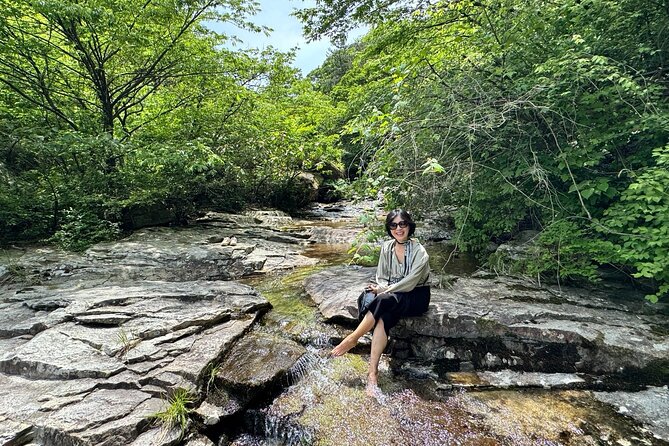
You can hike along the cart trail to a waterfall in about 15 minutes or continue toward the peak in about 40 minutes. The route includes a rocky ridge, rock formations, stone pagodas, and waterfalls. That makes the walk more than a generic mountain stroll. You are following an old working route and seeing how local geology connected to daily life in Korean homes.
The choice between the waterfall and peak is important. The shorter option suits anyone who has enjoyed the rest of the day but feels tired. The longer climb is better for people who want a stronger finish and are comfortable with rocky terrain. Ask the guide to help match the route to your energy and footwear.
This stop is also where the tour’s physical demands are clearest. Moderate fitness is required, and the trail descriptions include rocky ground and a ridge. It is wise to wear proper walking shoes rather than casual street footwear.
What the $190 price really covers
At $190 per person, this is not a budget day trip. The private format is the main reason for the higher cost. You are paying for a dedicated vehicle and guide rather than simply buying admission to a plantation.
The included items add up:
- Private transportation
- All listed fees and taxes
- Lunch
- Green tea ice cream
- Tea ceremony class and green tea tasting
- Rice-vinegar beverage
You also avoid the work of linking several rural sites yourself. The tour includes long transfers, a meal, cultural instruction, and multiple outdoor stops. For a solo visitor, the cost may feel steep, but the private service solves the common problem of finding company for an out-of-town day. For two or more people, the value becomes easier to judge because the same private vehicle and guide serve your group.
The current score is 5 out of 5 from 12 ratings, with a 100 percent recommendation rate. The praise focuses less on one spectacular sight than on the guide’s personal service. Veronica is described as friendly, efficient, flexible, and willing to help with unfamiliar food and Korean customs. One solo visitor called it the best tour in Gwangju, while another appreciated being able to choose between options and spend enough time at each stop.
Those comments point to the real selling point: the day feels adaptable. You are not buying a simple transport package. You are buying a guide who can explain, translate, adjust, and make a long rural itinerary easier to manage.
Who should book this Boseong day trip
I would choose this tour if you are staying in Gwangju and want a full day in the countryside without arranging several connections. It suits couples, families, solo visitors, and small groups who prefer a private day and enjoy mixing scenery with food and cultural activities.
It is particularly good for you if:
- You like walking but do not want a demanding mountain expedition.
- You are interested in Korean tea beyond buying a packet in a shop.
- You want a guide who can explain food, history, and local customs in English.
- You prefer a flexible private schedule to a large organized group.
- You want several different settings in one day: tea fields, museum, lake, forest, and mountain.
I would think twice if you dislike long drives, uphill paths, or a packed schedule. The day includes approximately 70 minutes from Gwangju to Boseong, 40 minutes between the museum and lake area, and another 70 minutes back to Gwangju. Poor weather can also affect the outing, since the experience requires suitable conditions.
Free cancellation is available up to 24 hours before the start time for a full refund. Changes or cancellations within 24 hours are not accepted for a refund, and bad weather may lead to a different date or a full refund.
Should you book it?
Book this tour if you want Boseong to be more than a quick tea-field photograph. Daehan Dawon is the visual highlight, but the tea ceremony, green tea lunch, lake trail, vinegar drink, and ondol stone story give the day substance.
The best reason to book is Veronica’s reported personal service combined with private transport. The main caution is the pace and price. If you want a relaxed café day, this is too active. If you want a well-filled day that links Boseong’s tea, food, nature, and local history without logistical headaches, it is a strong choice.
FAQ
Where does the Boseong tour start?
The tour starts from Gwangju Metropolitan City, with pickup offered. The stated start time is 9:30 a.m.
How long does the experience last?
The experience lasts approximately 10 hours.
Is this a private tour?
Yes. Only your group participates in the activity.
How long is the drive from Gwangju to Boseong?
The drive from Gwangju to Boseong takes about 70 minutes.
What is included in the price?
Private transportation, all fees and taxes, lunch, green tea ice cream, a tea ceremony class with green tea tasting, and a rice-vinegar beverage are included.
What lunch choices are available?
The standard lunch is grilled pork patties with green tea powder and rice. Cockle bibimbap is another option, and Italian pasta is available for vegetarians.
How long is the Haepyeong Lake Trail?
The trail is 3.9 kilometers, or about 2.4 miles.
How demanding is the walking?
A moderate level of physical fitness is recommended. At Mt. Obongsan, you can walk about 15 minutes to the waterfall or about 40 minutes toward the peak.
What happens if the weather is poor?
The experience requires good weather. If it is canceled because of poor weather, you can choose a different date or receive a full refund.
Just added around South Korea
- Seoraksan National Park & Nami Island★ 4.5 · 3 reviews
- East of jeju tour for Seogwipo Gangjeong Cruise Customers★ 4.5 · 3 reviews
- Seoul: Seohaerang Cable Car, Gwangmyeong Cave, etc (EG Tour)★ 5.0 · 3 reviews
- Strawberry Picking, Winter Sled with Eobi Ice Valley from Seoul★ 4.5 · 3 reviews
- Seoul Full Day small group Tour★ 5.0 · 3 reviews
- Seoul: Seorak Mountain, East DMZ, and Sokcho Tour★ 5.0 · 3 reviews
- Majang Meat Market Experience: Private Tour with Han-woo Beef BBQ★ 5.0 · 3 reviews
- Seoul Korean BBQ Dinner Experience with Secret Food Tours★ 5.0 · 3 reviews
Private, compared.
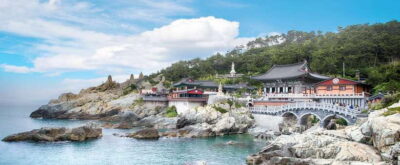
Busan Private Tour with licensed tour guide + private vehicle
Read our review →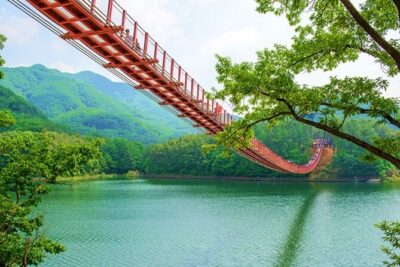
Private DMZ Tour (No Shopping): 3rd Tunnel & Suspension Bridge
Read our review →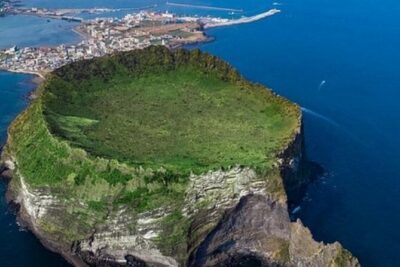
Jeju Island English Private & Flexible Tour any number anywhere
Read our review →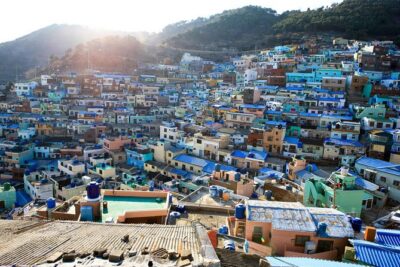
Private Busan Tour -Explore Cultural Landmarks with a Local Guide
Read our review →
Seoul City Private Full-Day Tour Including Lunch
Read our review →
Private DMZ the 3rd Tunnel Tour from Seoul (optional Red Bridge)
Read our review →
Jeju Island Popular Sightseeing Private Car Charter Tour 5/9hours
Read our review →