
Reviewed · 3-DAY EXPERIENCES
Essence Korea 3days Ptivate Tour(West/East)
Korea rewards leaving Seoul. This private three-day tour links royal tombs, old capitals, coastal scenery, traditional villages, and local food in one ambitious road trip. I like the freedom to choose a West, East, or combined route, and I like that your own group travels together rather than joining a large coach.
The strongest points are the excellent variety and the helpful guides. Johnny, Jun, and George have all been praised for prompt service, clear explanations, custom routing, and good local food choices. The main concern is pace: combining both sides of the country creates long driving days, and the full itinerary can feel rushed.
In This Review
- Key points before you book
- What the $800 price really buys you
- Day 1: Baekje history in Gongju, then Jeonju’s hanok streets
- Day 2: Yeosu’s sea views meet Gyeongju’s royal tombs
- Day 3: Mokpo, Busan, and the long road home
- A private guide can make or break the pace
- Who will get the most from this tour?
- Booking details worth checking first
- FAQ
- How long is the Essence Korea private tour?
- Where does the tour take place?
- Can I choose a West or East course?
- Is this a private activity?
- Is pickup offered?
- Is accommodation included?
- Are meals included?
- Are admission fees included?
- Is the tour suitable for most people?
- What happens if bad weather cancels the tour?
- Should you book it?
Key points before you book
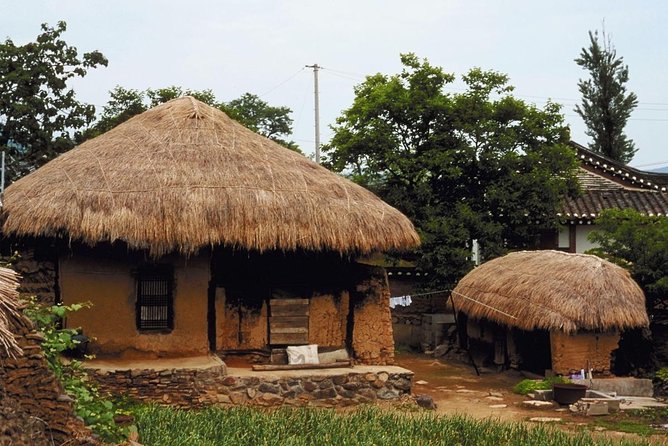
- Gongju and Jeonju give the West route real historical depth: You visit Baekje-era sites, a traditional village, and one of Korea’s best-known food cities.
- Gyeongju is the East route’s major prize: Royal tombs, the National Museum, and ancient capital sites give the day a strong cultural focus.
- The combined course covers a huge amount of ground: Yeosu, Mokpo, Busan, Andong, and coastal temples all appear in the wider plan.
- Lunch is included for all three days: This adds useful value, especially when the guide selects local places.
- Accommodation is not included: You need to arrange and pay for your overnight stay, including the night in Jeonju if you follow the West itinerary.
- Private touring makes customization possible: The guide can adjust the plan, but you should discuss the exact route and pace before departure.
What the $800 price really buys you
At $800 per person, this is not a budget sightseeing trip. The price makes more sense if you value private transport, guide time, parking, fuel, admission fees, and three included lunches. You are paying to reach places that are spread across the country without piecing together several train and bus connections.
The private format matters most here. The route covers old capitals, southern ports, mountain and coastal areas, and major cities. With only your group aboard, you can ask questions, adjust the timing, and avoid the fixed rhythm of a large bus. A private vehicle also saves you from carrying luggage through multiple transfers.
The price does not include accommodation. That is an important cost to add before you compare this tour with a package. The description says you stay one night in Jeonju on the West route, but the wider combined itinerary includes several regions, so confirm the exact overnight plan with Tour n Korea before paying.
I also see value in the included admissions. Gongju’s Gongsanseong Fortress, King Muryeong’s tomb, Andong Hahoe Folk Village, Odongdo, the Daereungwon Tomb Complex, and other paid sites are covered. The three lunches are useful too, particularly because food is part of the point of leaving Seoul.
More three-day trips:
- 3-Day Korea Western course by K-shuttle Tour from Seoul to Busan
★ 4.5 · 4 reviews - Jeju English Private Taxi Tour(1day, 2days, 3days & 1 to 12pax)
★ 5.0 · 118 reviews - 3 days Private Taxi Tour in Jeju Island
★ 5.0 · 6 reviews
Day 1: Baekje history in Gongju, then Jeonju’s hanok streets
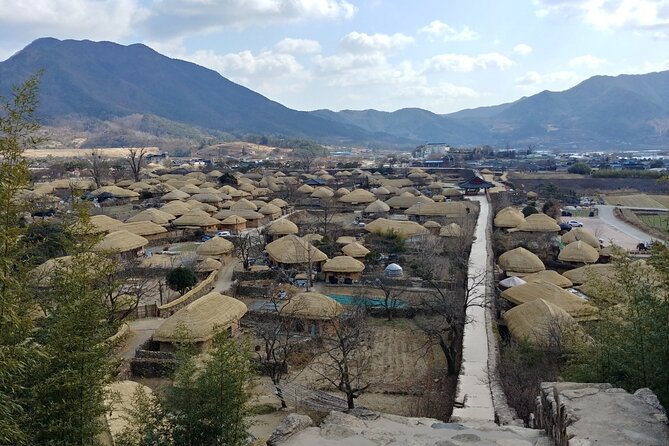
Gongju begins the West route with a clear historical purpose. It was the capital of the Baekje dynasty about 1,400 years ago, and the city still gives you several ways to understand that period.
At Gongsanseong Fortress, you have about 40 minutes to see the old defensive site and look down over the city. Archery is also available, adding a hands-on touch to what could otherwise be a quick photo stop. The visit is brief, so do not expect a full walk around every section of the fortress.
The Gongju National Museum follows with about 40 minutes. It helps explain royal life during the Baekje period, which is useful because ruins alone can be hard to read. The museum admission is free.
King Muryeong’s tomb gives the day a more personal royal connection. The tomb site includes a small museum devoted to King Muryeong, and you have about an hour there. Admission is included. This is one of the better stops for travelers who want more than broad views and quick city visits.
The schedule lists three hours for Gongju overall, in addition to the individual fortress, museum, and tomb visits. That suggests the precise order and length can shift. Ask your guide how much walking is planned, especially if you want time for the fortress rather than only the main viewpoints.
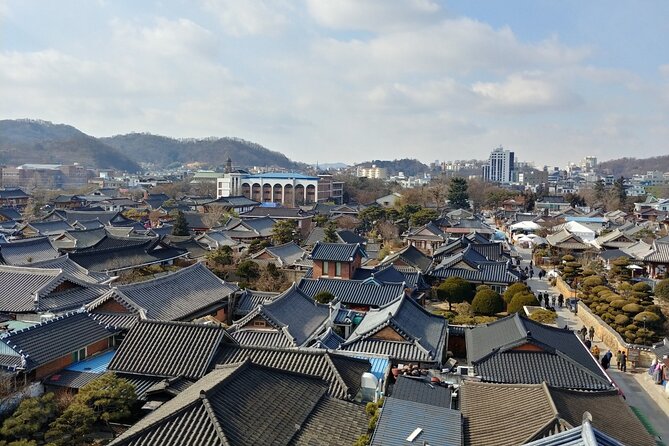
You then continue to Jeonju, a city known for traditional hanok houses and Korean food. Jeonju Hanok Village began during the Japanese occupation as an effort to protect Korean society and traditional homes. Today it is also well known for street food, so this is a good place to balance the serious history of Gongju with a more relaxed evening.
The stated visit to the village is one hour, while the wider Jeonju stop is listed as three hours. I would use your free time here for food and a slow look at the lanes rather than trying to collect too many photographs. You are meant to stay overnight in Jeonju on the West course, but accommodation is your responsibility.
The itinerary also includes Andong Hahoe Folk Village under the East course on Day 1. That makes the combined route especially ambitious. Hahoe is presented as one of Korea’s most authentic cities, and Queen Elizabeth II visited Andong in 1999, including a birthday celebration. The village visit lasts about 90 minutes and admission is included.
If Andong is added to Gongju and Jeonju on the first day, expect very little slack. The route may be customized, but you should ask for a written day-by-day plan if the combined West and East option is your goal.
Day 2: Yeosu’s sea views meet Gyeongju’s royal tombs
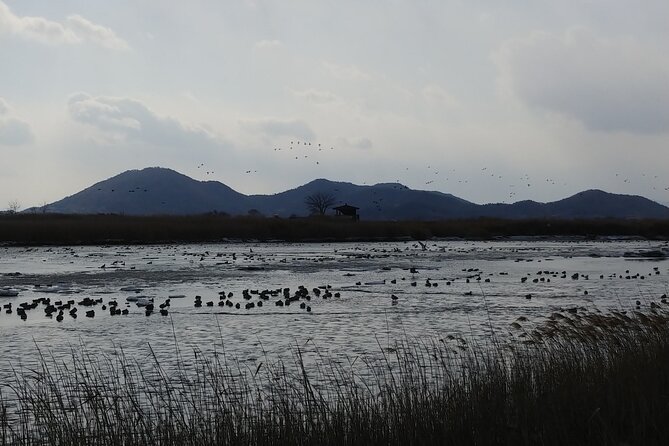
Yeosu is the major southern coastal stop on the West route. You have around three hours to enjoy its ocean views, scenery, and fresh seafood. The description does not prescribe a single attraction within Yeosu, which gives your guide room to shape the visit around the weather and your interests.
Odongdo adds a more defined outdoor stop. It is a walking route known for camellia flowers, with about an hour allotted and admission included. This is a pleasant change after time in the vehicle, though you should be ready for a walking visit rather than a purely scenic lookout.
The East route brings you to Gyeongju, the ancient capital of the Silla dynasty for 1,000 years. The city itself is designated as a world cultural heritage area, and the itinerary gives it three hours. Gyeongju is the cultural center of the East course, so I would protect this time rather than treating it as a quick stop between other attractions.
Daereungwon Tomb Complex is a compact way to see the scale of Silla royal burial grounds. The huge complex includes royal tombs, and you have about 40 minutes there. Admission is included. The short allocation should be enough for a focused visit, but not for a long wander through every part of the grounds.
The Gyeongju National Museum gives you one hour to see Silla objects and learn about a dynasty with a 1,000-year story. Admission is free. This museum is especially valuable if you want context for the tombs and monuments outside. I would ask the guide to connect what you see indoors with the royal sites visited earlier.
Haedong Yonggungsa completes the East route with a coastal temple. It is located beside the East Sea, creating one of the tour’s strongest scenic combinations. The visit is about 50 minutes and admission is free.
The West and East stops on Day 2 do not form a light itinerary when combined. Yeosu and Odongdo alone take several hours, while Gyeongju and the temple require substantial driving between regions. You can see a great deal, but you will need to accept short visits and limited unscheduled time.
Day 3: Mokpo, Busan, and the long road home
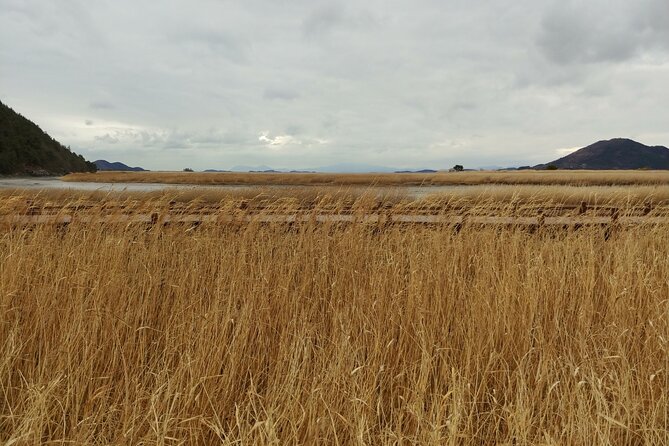
Mokpo sits at the western end of Korea and gives the West course another strong coastal stop. You have about two hours for local food, scenery, and the city view. The appeal here is less about one famous monument and more about seeing a different part of the country than Seoul.
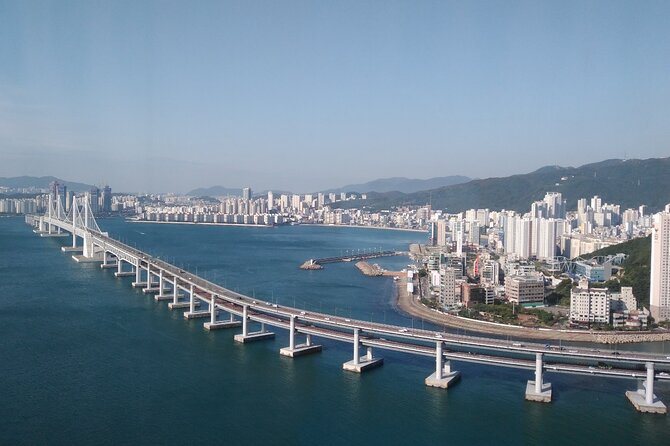
On the East route, APEC Naru Park in Busan recalls the 2005 APEC meeting. It is also selected for its scenic location, with about an hour to look around. The stop offers a calmer contrast to Busan’s better-known hillside attraction later in the day.
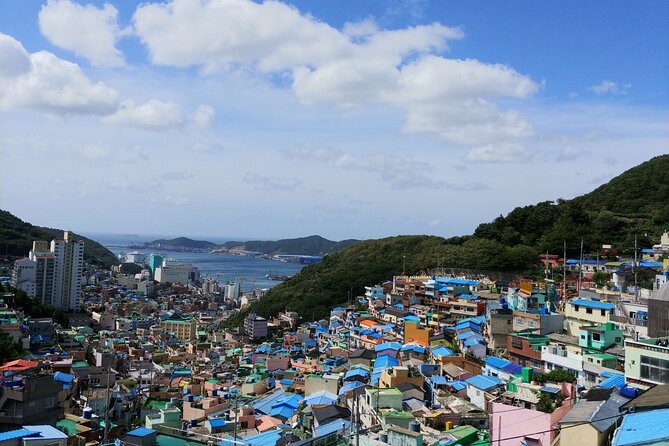
Busan Gamcheon Culture Village is the final listed stop. The village was created to house refugees from across Korea and later became known for its distinctive culture. The planned visit is only 40 minutes, so you will get an introduction and some views rather than a full exploration of the area.
One practical warning matters here: the last day can be taken up largely by the return journey to Busan, particularly on a route combining both sides of the country. If you want time to enjoy Busan itself, do not assume this tour leaves a free afternoon. Clarify the finish point and expected arrival time before booking flights, trains, or another activity.
A few more trips of this kind worth comparing:
- Best DMZ Tour Korea from Seoul (Red Suspension Bridge Optional)
★ 5.0 · 41,422 reviews - DMZ Tour: 3rd Tunnel, Option(Suspension Bridge, Boat) from Seoul
★ 5.0 · 21,373 reviews - DMZ tour south Korea from Seoul (NK experience hall, defector)
★ 5.0 · 20,599 reviews - Seoul: DMZ Tour with Optional Suspension Bridge
★ 4.8 · 5,277 reviews
A private guide can make or break the pace
The strongest praise goes to the guide service. Johnny has been described as punctual, cheerful, eager to help, and able to provide a comfortable luxury vehicle. Jun received praise for explaining the importance of each place and for giving clear background on popular local sights. George is noted for customizing the route, fitting in more cities, and taking his group to good local food.
Those details matter more than polished transport alone. This itinerary contains many historical names and dynasties, and a guide who explains the connections can turn a string of stops into a coherent trip. A guide who also knows local restaurants can help you spend your lunch allowance on something more useful than a generic roadside meal.
Still, guide quality cannot remove the basic geography. A private vehicle makes the schedule easier, but it does not shorten the roads. Tell the company what matters most before departure: Baekje history, traditional villages, seafood, coastal views, Silla sites, or Busan. Then ask which stops should be dropped if time becomes tight.
Who will get the most from this tour?
I would recommend it to a small group that wants to see beyond Seoul but does not want to manage Korea’s intercity transport alone. It is also a good match for families or friends who value a private vehicle, personal explanations, and the ability to adjust the route.
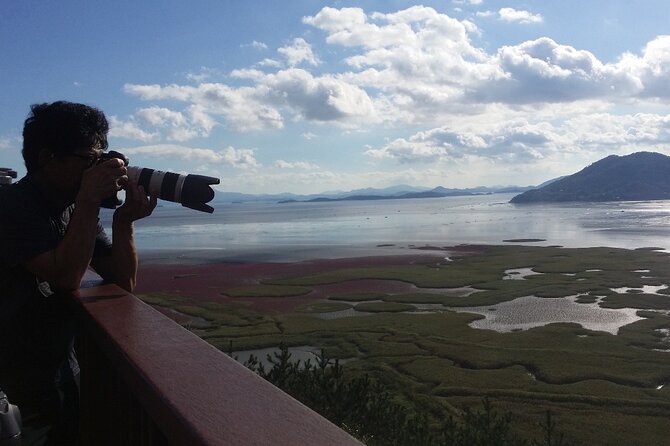
History-focused visitors will appreciate Gongju and Gyeongju. Food-minded visitors have Jeonju, Yeosu, Mokpo, and the included lunches. Photographers get fortresses, tombs, hanok streets, ocean views, a coastal temple, and Gamcheon’s hillside setting.
I would be cautious if you prefer slow travel. The combined option tries to join West and East Korea in only three days. The four-star rating for the experience reflects the tradeoff well: you see a lot, but the pace can be hectic. A six-day version covering both sides would be more comfortable, according to the practical criticism attached to the trip.
The activity is described as suitable for most people and near public transportation, though it is still a road-based tour with walking at fortresses, villages, museum grounds, and Odongdo. Ask about the exact vehicle, walking distances, and luggage arrangements if anyone in your group has mobility concerns.
Booking details worth checking first
Confirmation is provided at booking, and pickup is offered. The activity is private, so only your group participates. Group discounts may be available, which could improve the per-person value for a larger party.
Free cancellation is available until 24 hours before the local start time. Changes or cancellations inside that window are not accepted for a refund. The tour requires good weather, and poor conditions may lead to a different date or a full refund.
Before you commit, confirm four things:
- Which course you are taking: West, East, or combined
- Where each night is spent, since accommodation is excluded
- The final drop-off point and expected time on Day 3
- Which stops will be shortened if the schedule runs late
FAQ
How long is the Essence Korea private tour?
The experience lasts approximately three days.
Where does the tour take place?
The tour is based in Seoul, South Korea, with visits to destinations across the West and East sides of the country.
Can I choose a West or East course?
Yes. You can choose the West course, the East course, or ask to combine both.
Is this a private activity?
Yes. Only your own group participates.
Is pickup offered?
Yes, pickup is offered.
Is accommodation included?
No. Accommodation is not included in the price.
Are meals included?
Three lunches are included.
Are admission fees included?
Yes. Admission is included for the covered paid attractions. Some listed museums and other sites have free admission.
Is the tour suitable for most people?
The tour information says most people can participate. The route does include walking at places such as fortresses, villages, tomb complexes, and Odongdo.
What happens if bad weather cancels the tour?
If poor weather causes cancellation, you will be offered a different date or a full refund.
Should you book it?
Book this tour if your main goal is to cover a large part of Korea efficiently, with a private guide, included lunches, and less transport planning. The mix of Gongju, Jeonju, Gyeongju, Yeosu, Mokpo, Andong, and Busan gives you far more regional variety than a Seoul-only visit.
Choose the West or East course alone if you want a calmer three days. Choose the combined option only if you accept long drives and quick stops. For the best value, travel with a small group, confirm the overnight plan, and tell your guide which three or four experiences matter most. That small bit of planning should help this ambitious tour feel like a rewarding look at Korea beyond the capital, rather than a race between map pins.
Just added around Seoul
- Seoraksan National Park & Nami Island★ 4.5 · 3 reviews
- Strawberry Picking, Winter Sled with Eobi Ice Valley from Seoul★ 4.5 · 3 reviews
- Seoul Full Day small group Tour★ 5.0 · 3 reviews
- Seoul Korean BBQ Dinner Experience with Secret Food Tours★ 5.0 · 3 reviews
- Rice Wine Tasting with Sommelier – Finest Makgeolli (& Soju)★ 5.0 · 3 reviews
- Majang Meat Market Experience: Private Tour with Han-woo Beef BBQ★ 5.0 · 3 reviews
- Seongsu-dong Walking Tour: K-Pop, Culture, Cheer, Friends & Relax★ 4.5 · 3 reviews
- Seoul: Alpaca World and Nami Island (with Garden / Railbike)★ 5.0 · 3 reviews
3-Day Experiences, compared.
Jeju English Private Taxi Tour(1day, 2days, 3days & 1 to 12pax)
Read our review →
3days Private Free Schedule Tour a lot of Experience Driver
Read our review →
All inclusive Jeju island English private taxi tour(1 to 3days)
Read our review →
3-Day Korea Western course by K-shuttle Tour from Seoul to Busan
Read our review →Browse the lists this tour appears in