
Reviewed · HANOK VILLAGE & FOLK CULTURE
Jeonju Hanok Stay & Mt. Jiri Hiking from Seoul
Trade Seoul’s traffic for mountain air. This two-day trip pairs Jeonju’s 700 hanok houses with a quieter stay in Korea’s traditional countryside, then adds a refreshing outing in Jirisan National Park. I like the mix of food, architecture, and outdoor time, and I especially like that the small group size, capped at seven, should make the long drive south feel more personal. The main catch is simple: you cover a lot of ground in two days, so expect substantial time in the vehicle and bring enough energy for hiking.
At $690 per person, the price is not light, but it includes round-trip transport from Seoul, accommodation, meals, entrance fees, a licensed English-speaking guide, and travel insurance. I also like the useful comforts built into the trip, including a smooth coach with reclining seats, plenty of legroom, free Wi-Fi, and thoughtful touches such as hot packs for outdoor activities. You need moderate physical fitness, and the 8 a.m. start at Namsan Yejang Public Parking Lot leaves little room for a slow Seoul morning.
In This Review
- Key points before you book
- Why this two-day escape works from Seoul
- Oseong Hanok Village and the BTS connection
- Three hours in Jeonju Hanok Village
- What the hanok stay adds
- Jirisan National Park and the morning mountain outing
- Gurye Sansuyu Village and Ssangsanje
- Meals, guide support, and the small group format
- Is $690 a fair price?
- Who should book this experience?
- Practical details for a smoother trip
- Should you book Jeonju and Jirisan from Seoul?
- FAQ
- How long is the Jeonju Hanok Stay and Mt. Jiri Hiking experience?
- Where does the tour begin and end?
- How many people can join the tour?
- What meals are included?
- Is accommodation included?
- Do I need to be fit for this tour?
- What happens if bad weather cancels the tour?
Key points before you book
- Oseong Hanok Village links tradition with BTS history: The Wanju village became known internationally after BTS stayed there for a week while filming their 2019 Summer Package.
- Jeonju gives you Korea’s largest traditional village: Around 700 preserved hanok houses create a rewarding setting for walking, eating, and taking your time.
- Jirisan adds real fresh air and movement: Korea’s first national park provides a very different experience from Seoul’s streets and Jeonju’s lanes.
- The food is part of the attraction: Meals include local-style dishes such as bibimbap, grilled short ribs, and seasonal ingredients.
- The group is genuinely small: A minimum of four people is required, and the maximum is seven, a helpful size for a two-day guided trip.
- The schedule balances guided time and free time: You get structure at each stop without being shepherded through every minute.
Why this two-day escape works from Seoul
Seoul is exciting, but it can also be tiring. This trip gives you a quick change of pace without asking you to arrange trains, regional buses, accommodation, meals, and park visits yourself.
The route has a pleasing rhythm. Day one focuses on traditional villages and food. Day two shifts toward mountain air, a short hiking experience, morning meditation, and a rural village known for its spring flowers and television connection.
I would not choose this trip if you want an unhurried stay in one town. You visit four main places in two days, and the distance from Seoul means the coach journey matters. But if you want to see parts of Korea that are awkward to reach independently, the arrangement has real value.
The vehicle helps. It has reclining chairs, good legroom, free Wi-Fi, and broad views along the way. The guide may also keep the ride lively with occasional questions about Korea. That is a small touch, but it helps break up the road time.
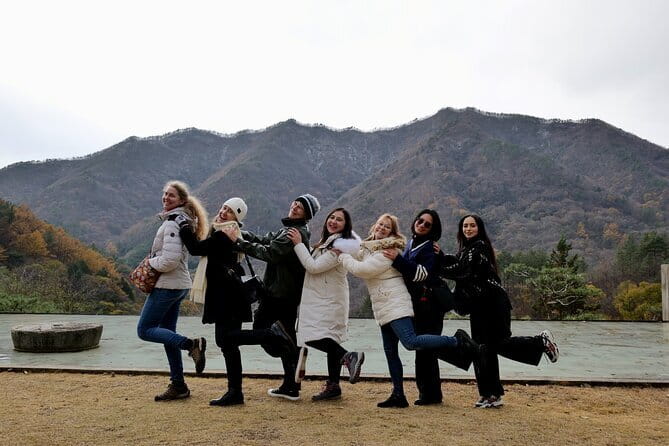
Because the group ranges from four to seven people, you are not dealing with a large tour bus. That makes it easier to ask questions, hear the guide, and move through smaller traditional areas without feeling lost in a crowd.
More hanok village visits:
- Seoul: Gyeongbok Palace, Bukchon Village, and Gwangjang Tour
★ 4.9 · 2,321 reviews - Seoul City Sightseeing Tour Including Gyeongbokgung Palace, N Seoul Tower, and Namsangol Hanok Village
★ 5.0 · 1,423 reviews - Seoul: Gyeongbok Palace, Bukchon Village, and Gwangjang Tour
★ 5.0 · 1,044 reviews
Oseong Hanok Village and the BTS connection
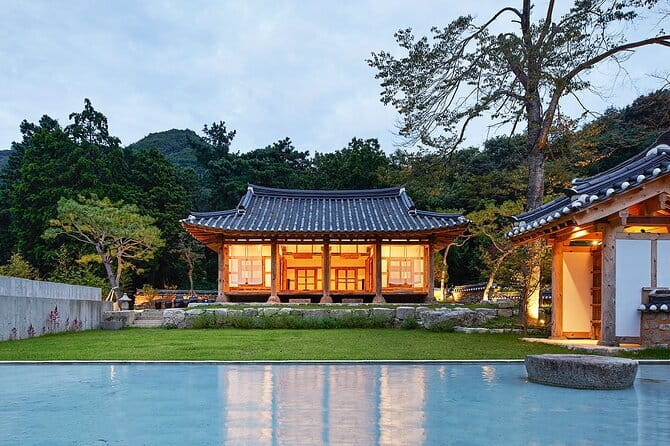
Your first stop is Oseong Hanok Village in Wanju, with about three hours to explore. The appeal is not only the traditional buildings. Oseong also has a natural setting, giving you a first taste of the quieter countryside beyond Seoul.
BTS fans have an extra reason to come. The group stayed here for a week while filming the 2019 Summer Package, which brought the village wider attention. You do not need to be a fan to enjoy the stop, though. The main attraction is the contrast between old-style Korean homes and the surrounding scenery.
Three hours is enough to walk, take photographs, and settle into the slower pace of the trip. It is also a sensible first stop because you are not asked to hike immediately after leaving Seoul.
I would keep expectations realistic. Oseong is a village visit, not a full museum complex with a long list of formal attractions. Its charm comes from the setting and the feeling of being away from the capital. If you prefer busy shopping streets and major monuments, this stop may feel quiet.
For me, that quiet is part of the point. The trip is designed around places that can be difficult to find and connect on your own. Oseong offers a gentle start before Jeonju becomes the day’s larger cultural stop.
Three hours in Jeonju Hanok Village
Jeonju Hanok Village is the centerpiece of day one. With around 700 traditional hanok homes, it is the largest traditional village in Korea, and three hours gives you enough time to get a good introduction without trying to see every lane.
A hanok is a traditional Korean house, usually built with strong attention to wood, tile, courtyards, and the relationship between rooms and outdoor space. In Jeonju, these homes form a broad walkable area rather than a single historic building. You can spend your time looking up at tiled roofs, turning down side streets, and noticing how old forms sit alongside modern cafés and shops.
Food is a major reason to value this stop. Jeonju is closely associated with bibimbap, and the trip also highlights juicy grilled short ribs and seasonal dishes. The meals are not just fuel between sightseeing stops. They help explain why Jeonju is such a useful place to visit when you want culture you can taste as well as photograph.
The three-hour window will suit you if you want a clear introduction and some freedom. It may feel short if you plan to shop, eat several times, rent traditional clothing, and explore every corner. The best approach is to avoid an overambitious checklist. Walk first, then choose a few places to pause.
The hanok setting also prepares you for the night’s accommodation. Staying in traditional surroundings gives the trip more continuity than a standard hotel near a highway. Exact room arrangements are not provided, so you should confirm any specific accommodation questions before booking.
What the hanok stay adds
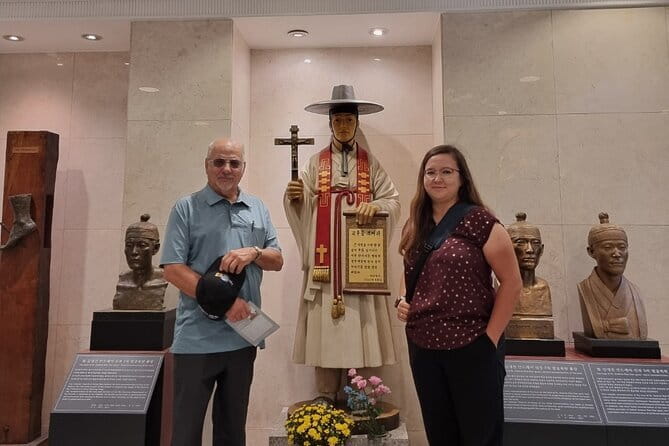
Accommodation is included, and the experience is built around a hanok stay rather than a regular city hotel. That matters because the trip is not only showing you traditional architecture during daylight. It gives you a chance to spend the night in that setting.
I like this part of the plan because it slows the trip down. You move from Seoul’s dense urban environment into villages and older homes, then remain in that atmosphere overnight.
At the same time, a traditional stay may not suit someone seeking standard hotel features. The supplied information does not specify room style, private bathroom arrangements, bedding, or other facilities. If those details affect your decision, ask the provider before paying.
Meals are included, with dinner, breakfast, and two lunches listed in the package. Dietary requirements should be provided when you book. That is particularly useful here because the food is one of the tour’s strongest features, and advance notice gives the operator a chance to plan appropriately.
A few more trips of this kind worth comparing:
- Seoul: Guided City Wall Sunset Hike with Korean Dinner
★ 4.9 · 227 reviews - Private Hiking tour to Bukhansan Peak(Baegundae: 836.5m) with Mountain Expert
★ 5.0 · 113 reviews - Fortress Night Hike & Snack at a Local Market
★ 5.0 · 112 reviews - Seoul Mountain Hike: Temples, Folklore & Traditional Meal
★ 5.0 · 42 reviews
Jirisan National Park and the morning mountain outing
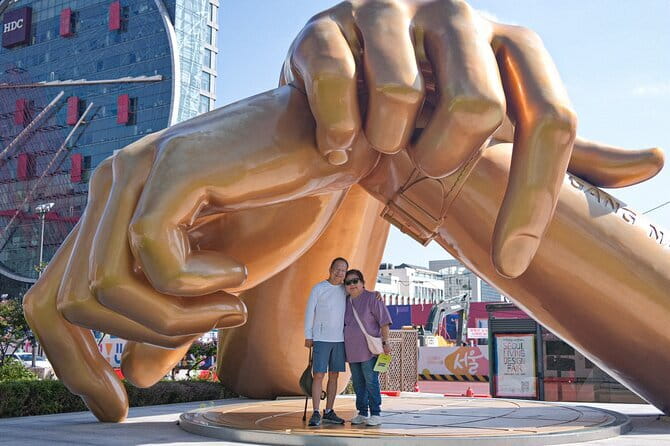
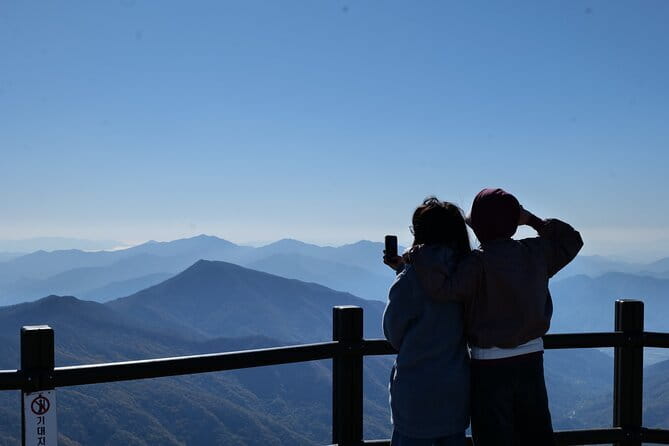
Day two takes you to Jirisan National Park, Korea’s first national park. The mountain is also known as Mother Mountain, a name that reflects its importance in Korean culture and its long-standing place in the country’s outdoor life.
The planned visit lasts about three hours and includes a sunrise meditation experience amid mist-covered peaks. The exact timing and trail details are not given, so you should not assume a strenuous summit hike or a particular sunrise viewpoint. Still, the format clearly aims for a calm, nature-focused start rather than a rushed photo stop.
The park is where the trip changes character. Jeonju asks you to look at roofs, streets, food, and buildings. Jirisan asks you to walk, breathe cooler air, and pay attention to the mountain surroundings.
You need moderate physical fitness. That wording matters. This is not presented as an extreme climbing trip, but it is still an outdoor activity, and the surface, weather, or pace may make it tiring. Wear sturdy walking shoes and layers. That advice is practical rather than dramatic, especially since the tour operates in conditions that can change enough to affect the outing.
The weather policy is also important. If poor weather cancels the activity, you are offered another date or a full refund. That protects you from paying for a mountain experience that cannot safely run, though it also means your schedule may change.
Gurye Sansuyu Village and Ssangsanje
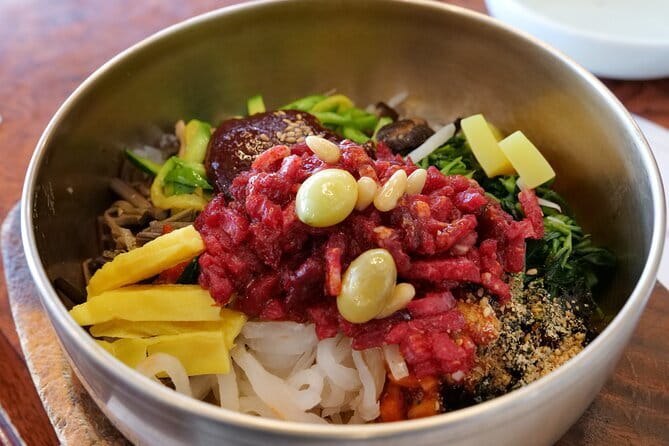
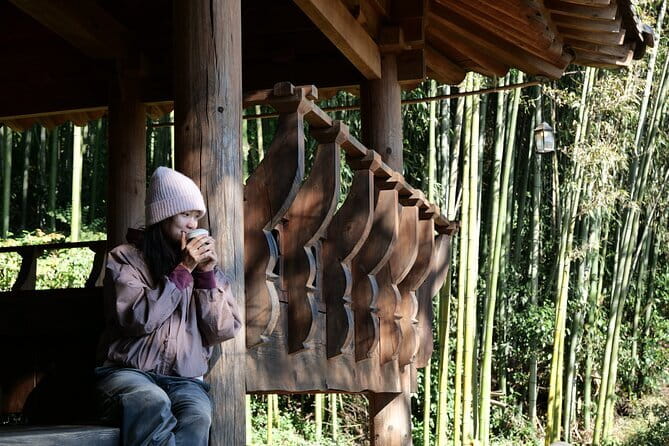
The final stop is Gurye Sansuyu Village, with about two hours to explore. The visit includes Ssangsanje, a setting connected with the television program Youn’s Stay.
This stop offers another version of Korean traditional architecture. The description contrasts it with Awon Old House, presenting Ssangsanje as a more modest hanok experience. That is useful context. You are not being promised a grand palace or polished resort. The value lies in the quieter atmosphere and the chance to see how traditional homes can feel in a more modest rural setting.
Sansuyu Village is especially associated with yellow sansuyu flowers, though the timing and appearance will depend on the season. Since the tour highlights seasonal food and changing countryside scenery, the time of year can affect what you see.
Two hours is enough for a relaxed visit, but not a full study of the area. The stop works well near the end of the trip because it is gentler than a second major hike. You can look around, take photos, and enjoy a final rural setting before returning to Seoul.
Meals, guide support, and the small group format
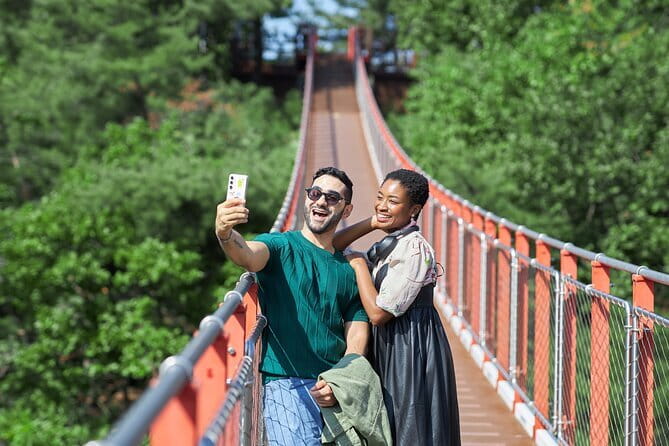
Food is one of the strongest reasons to consider this experience. The trip highlights bibimbap, grilled short ribs, and seasonal ingredients, and the included meals remove the need to search for restaurants while moving between rural stops.
That convenience has a second benefit. Regional travel can become stressful when you are watching the clock, checking menus, and trying to explain dietary needs in an unfamiliar setting. Here, the guide and operator handle much of that planning. You should still state dietary requirements at booking.
A licensed English-speaking guide accompanies the trip. The guide’s role matters most during transitions, at cultural sites, and when the schedule needs explaining. The small group makes that support more useful than it would be on a coach carrying dozens of people.
The tour also includes travel insurance and entrance fees. Tips, drinks, laundry, telephone, fax, pay television, and other personal costs are not included. Those exclusions are ordinary, but it is worth carrying some extra money for drinks and personal purchases.
The reviews praise the staff’s preparation and friendly service. Hot packs provided during outdoor activities are a nice example of the operator thinking beyond the basic program. You should still dress properly, but small comforts like this can make a cool mountain morning easier.
Is $690 a fair price?
At $690 per person, this is a premium short trip. The value depends on how much planning you want to avoid and how important the combination of culture, food, nature, and accommodation is to you.
The price includes:
- Round-trip transfer from Seoul
- Accommodation
- Dinner, two lunches, and two breakfasts as listed
- Entrance fees
- Licensed English-speaking guide
- Travel insurance
- Mobile ticket access
If you arrange the same elements yourself, you would need to coordinate transport to Wanju, Jeonju, Jirisan, and Gurye, then find a suitable traditional stay and plan meals around a tight schedule. The operator also handles the return to Seoul and manages weather or minimum-group issues.
The value is weaker if you only want Jeonju. A separate day trip would likely give you more time in the hanok village. The value is stronger if you specifically want the rural villages, the hanok night, and Jirisan without managing the connections yourself.
The average booking lead time is 72 days, which suggests you should not leave this until the last minute if your dates are fixed. Confirmation is normally provided at booking, but reservations made within two days of departure may take up to 48 hours and remain subject to availability.
Who should book this experience?
I would recommend it to solo visitors, couples, and small groups who want to see more of South Korea than Seoul but do not want to build a regional itinerary from scratch.
It is especially suitable for you if you enjoy:
- Traditional architecture and village walks
- Korean food and seasonal dishes
- Small-group tours
- Light to moderate outdoor activity
- A planned overnight stay
- Less obvious stops connected with local culture and television or music
It may not suit you if you dislike road journeys, need a slow pace, or want a highly flexible schedule. The two-day format is efficient, but it is not leisurely at every point.
Solo visitors should find the small group helpful. One direct review described the trip as a good fit for solo travel because it opened up places that would have been difficult to reach alone. That is one of the strongest practical reasons to choose this tour.
Practical details for a smoother trip
The meeting point is Namsan Yejang Public Parking Lot in Yejang-dong, Jung District, Seoul. Departure is at 8 a.m., and the tour returns to that same meeting point.
Wear comfortable shoes for village walking and the Jirisan outing. Bring layers for the mountain, and use the seatbelts provided on the vehicle. The operator specifically asks you to follow general safety practices throughout the trip.
The experience needs at least four participants to operate and accepts no more than seven. If the minimum is not reached, the provider offers another date or experience, or a full refund.
You can cancel for a full refund up to 24 hours before the local start time. Cancellations or changes made less than 24 hours before departure are not refunded or accepted under the stated policy.
Should you book Jeonju and Jirisan from Seoul?
Book it if you want a compact, well-supported taste of Korea beyond the capital. The best parts are the combination of Jeonju’s traditional streets, a hanok night, regional food, and a mountain morning in Jirisan. The small group and comfortable coach also make the distance easier to manage.
Skip it if you want to settle into one destination or avoid physical activity. Two days cannot provide a full experience of Jeonju, Jirisan, and the surrounding villages, so you will need to accept a brisk pace.
For the right person, this is a valuable short escape. It gives you old homes, good food, quiet countryside, and mountain air in one carefully connected route, with enough guide support to keep the logistics from taking over your holiday.
FAQ
How long is the Jeonju Hanok Stay and Mt. Jiri Hiking experience?
The experience lasts approximately two days.
Where does the tour begin and end?
It begins at Namsan Yejang Public Parking Lot in Yejang-dong, Jung District, Seoul, at 8 a.m. It ends back at the same meeting point.
How many people can join the tour?
The tour requires a minimum of four participants and has a maximum group size of seven travelers.
What meals are included?
Dinner, two lunches, and two breakfasts are listed as included. You should provide any dietary requirements when booking.
Is accommodation included?
Yes. Accommodation is included as part of the experience, with the trip arranged around a traditional hanok stay.
Do I need to be fit for this tour?
You should have a moderate level of physical fitness. The itinerary includes outdoor activity and hiking at Jirisan National Park.
What happens if bad weather cancels the tour?
If poor weather causes cancellation, you are offered a different date or a full refund. If the minimum number of participants is not reached, you are offered another date or experience, or a full refund.
Just added around Seoul
- Seoraksan National Park & Nami Island★ 4.5 · 3 reviews
- Strawberry Picking, Winter Sled with Eobi Ice Valley from Seoul★ 4.5 · 3 reviews
- Seoul Full Day small group Tour★ 5.0 · 3 reviews
- Majang Meat Market Experience: Private Tour with Han-woo Beef BBQ★ 5.0 · 3 reviews
- Seoul Korean BBQ Dinner Experience with Secret Food Tours★ 5.0 · 3 reviews
- Rice Wine Tasting with Sommelier – Finest Makgeolli (& Soju)★ 5.0 · 3 reviews
- Max Out Seoul: Must Visit City Highlights Panoramic Day Tour★ 5.0 · 3 reviews
- Seongsu-dong Walking Tour: K-Pop, Culture, Cheer, Friends & Relax★ 4.5 · 3 reviews
Hanok Village & Folk Culture, compared.

Gyeongbok Palace, Bukchon Village, and Gwangjang Tour
Read our review →
Seoul City Sightseeing Tour Including Gyeongbokgung Palace, N Seoul Tower, and Namsangol Hanok Village
Read our review →Gyeongbok Palace, Bukchon Village, and Gwangjang Tour
Read our review →
Suwon Hwaseong Fortress & Korean Folk Village Tour
Read our review →
Gyeongbok Palace and Bukchon Hanok Walking Tour
Read our review →
Best Walking Tour to Gyeongbok Palace Bukchon Hanok Village
Read our review →
Experience Korean Cooking in Modern Hanok Kitchen
Read our review →
Royal Seoul Cooking Class in a 100-Year-Old Hanok
Read our review →Browse the lists this tour appears in