
Reviewed · HANOK VILLAGE & FOLK CULTURE
Jeonju Hanok Village and Maisan Tapsa Temple Day Tour From Seoul
Old Korea meets a mountain of stones. This compact day tour pairs hanbok photos and Jeonju culture with the strange, beautiful stone pagodas of Maisan Tapsa Temple. I like the included 1.5-hour hanbok experience, and I like the small maximum of nine people, which gives the day a more personal feel. The main drawback is the long outing from Seoul, with lunch not included and only about three hours of listed sightseeing time.
I also like the range of the day. You get a royal shrine, a traditional neighborhood, a Catholic cathedral, an old city gate, and a Buddhist temple without having to arrange separate transport. Guide Dos of Dream Journey Korea has also shown real flexibility, including operating the tour when one participant remained after others canceled. Still, you should be ready for a full 8 to 10 hours and a moderate amount of walking.
In This Review
- Key things to know before booking
- Why this Jeonju day trip works from Seoul
- Gyeonggijeon Shrine and the royal beginning
- Wearing a hanbok in Jeonju Hanok Village
- Jeondong Catholic Church and Korea’s Catholic past
- Pungnammun Gate and the old city boundary
- Maisan Tapsa Temple and its upside-down stone pagodas
- How the guide affects the experience
- Timing, transport, and physical effort
- Who will get the most from this tour
- Booking value and practical details
- Should you book the Jeonju and Tapsa day tour?
- FAQ
- How long does the Jeonju Hanok Village and Tapsa Temple tour last?
- Is the hanbok rental included?
- Is lunch included in the tour price?
- How many people can join the tour?
- Are entrance fees included?
- Can I cancel for a full refund?
Key things to know before booking
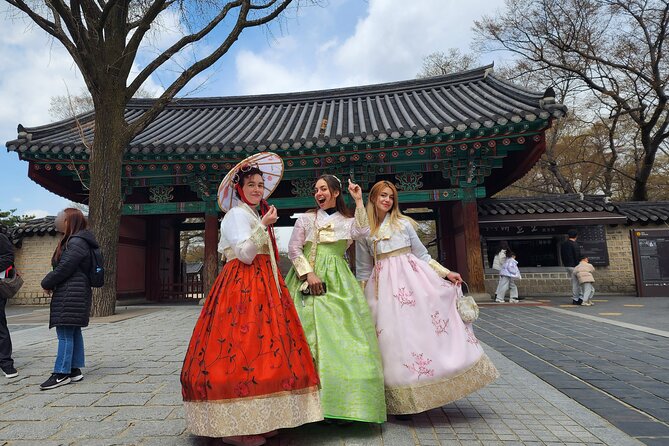
- Hanbok time is included: You receive a basic traditional outfit for 1.5 hours, though hair accessories and hats cost extra.
- The group is capped at nine people: This is a useful size for a guide-led cultural day, and it may feel more relaxed than a large coach tour.
- Jeonju gives you several sights in one compact area: Gyeonggijeon Shrine, Hanok Village, Jeondong Catholic Church, and Pungnammun Gate are all part of the visit.
- Maisan Tapsa is the visual surprise: Its unusual stone pagodas look like upside-down icicles and sit among peaceful mountain scenery.
- The $60 price covers the costly basics: Round-trip transport, admission fees, the hanbok session, and car accident insurance are included.
- Bring money and energy for the day: Lunch, travel insurance, hair accessories, and hats are not included, and you need moderate physical fitness.
Why this Jeonju day trip works from Seoul
Jeonju is a strong choice if you want traditional Korean culture without spending several nights outside Seoul. The tour brings you to the city’s best-known old quarter, then adds Maisan Tapsa Temple for a change of pace. That combination matters: Jeonju supplies architecture, food, clothing, and royal history, while Tapsa brings quiet, nature, and an unusual Buddhist site.
The tour lasts about 8 to 10 hours, so this is not a quick side trip. You give up most of a day, but round-trip transportation removes the need to work out intercity connections and local transfers yourself. For a first visit to Korea, that can be worth a great deal.
The group limit of nine is another practical advantage. A small group does not guarantee a private tour, but it should make it easier to hear explanations, ask Dos questions, and move through the day without the stop-and-start feel of a large bus group. The tour is also mobile-ticketed, and confirmation arrives when you book.
The $60 price is reasonable for what is covered. Admission to Gyeonggijeon Shrine and Tapsa Temple is included, as is the basic hanbok rental and round-trip transport. Lunch remains your responsibility, so the final cost depends on what you eat in Jeonju. You should also budget separately for travel insurance and any hair accessories or hats you want with the hanbok.
More hanok village visits:
- Seoul: Gyeongbok Palace, Bukchon Village, and Gwangjang Tour
★ 4.9 · 2,321 reviews - Seoul City Sightseeing Tour Including Gyeongbokgung Palace, N Seoul Tower, and Namsangol Hanok Village
★ 5.0 · 1,423 reviews - Seoul: Gyeongbok Palace, Bukchon Village, and Gwangjang Tour
★ 5.0 · 1,044 reviews
Gyeonggijeon Shrine and the royal beginning
The day starts at Gyeonggijeon Shrine, where the portrait of the first king of the Joseon dynasty was housed. The shrine gives the visit a clear historical opening, rather than dropping you straight into shops and food stalls.
You can expect about an hour here, with admission included. The appeal is visual as well as historical. Traditional buildings, open courtyards, and formal wooden details provide a natural setting for photographs, especially once you are dressed in a hanbok.
I would pay attention to the change in mood. The shrine is not simply a photo stop. Its purpose connects Jeonju to the Joseon royal line and gives meaning to the old buildings you see later in the Hanok Village. If you rush through only looking for the next picture, you will miss the reason this place matters.
The one-hour allocation is useful but not lavish. You should get a good look and take photographs, but you will not have unlimited time for every corner. If your priority is photography, use the early part of the visit well and keep an eye on the schedule.
Wearing a hanbok in Jeonju Hanok Village
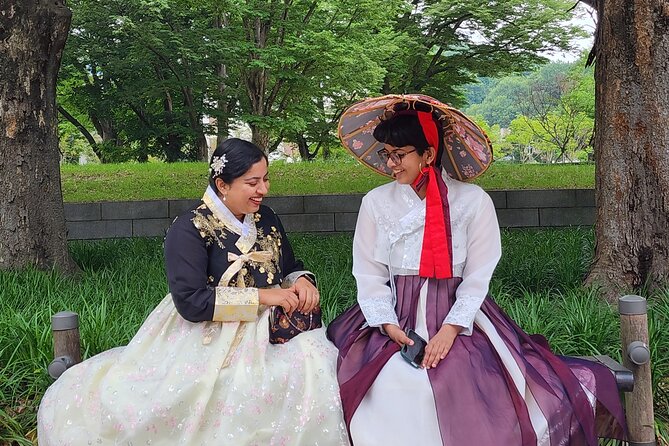
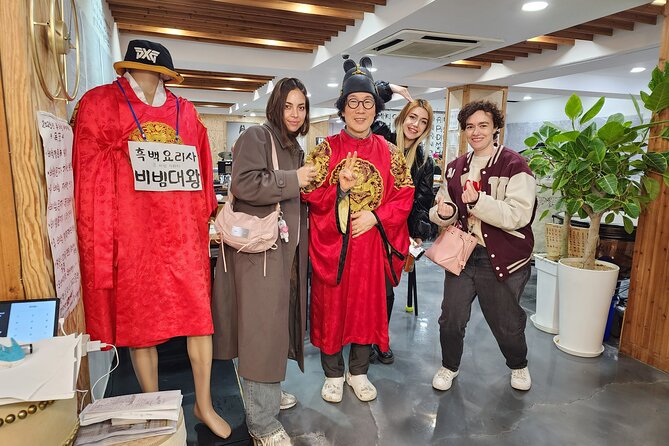
The hanbok experience is one of the tour’s best features because it changes how you see the village. Instead of simply walking past traditional homes, you get to move through the setting in Korean dress and take photographs that feel tied to the place.
The included package is basic and lasts 1.5 hours. Hair accessories and hats are not included, so you should not assume the outfit comes with every possible finishing touch. That is a small but important detail if you have a particular photo style in mind.
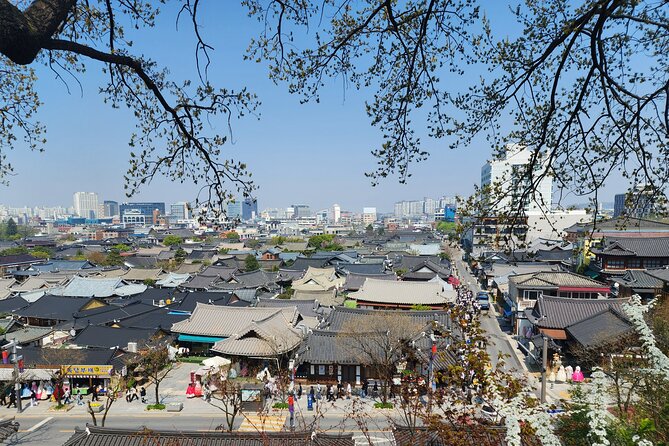
Jeonju Hanok Village is made up of roughly 700 to 800 traditional houses, and the entire area has become one of Korea’s most visited cultural attractions. The size of the old quarter is what gives the stop its value. You are not looking at one preserved building. You are walking through a broad district where traditional homes shape the streetscape.
The scheduled village sightseeing time is listed as one hour, while the hanbok experience itself lasts longer. That may mean your cultural activities overlap, but you should still expect a fairly brisk introduction rather than hours to wander without a clock. Ask Dos how much free time is available if shopping or food is important to you.
Food is another reason to come prepared. Jeonju is closely associated with bibimbap, and the tour specifically encourages you to try local dishes. Lunch is not included, so you choose what and where to eat. That gives you freedom, but it also means the group schedule may limit how long you can sit down.
I like this arrangement for visitors who want a taste of local food without booking a separate cooking class or food tour. You get enough time to look around, take photographs, and sample something in the old quarter. I would not book this day solely as a food trip, since the main purpose is the combination of culture, clothing, and sightseeing.
Jeondong Catholic Church and Korea’s Catholic past
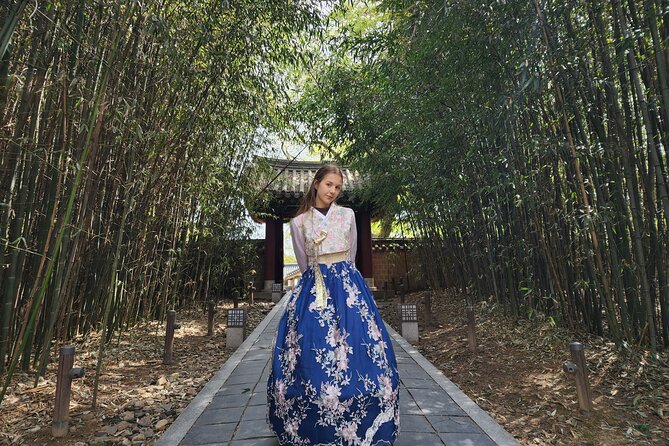
The next stop is Jeondong Catholic Church, visited for about 10 minutes. That sounds brief, and it is. You will see the church’s exterior and learn about its place in Korean Catholic history.
Jeondongseongdang Cathedral is described as Korea’s first Catholic martyrium. Its importance comes from the early Catholic story attached to the site, which adds a different religious tradition to a day already featuring a Joseon shrine and a Buddhist temple.
Ten minutes is enough for a quick look and explanation, but not for a long visit inside or a detailed study of the building. Treat this as a compact historical stop between larger attractions. It works well because it broadens the day without taking time away from Jeonju Hanok Village.
If church architecture is your main interest, the short timing may feel limiting. If you want a quick introduction to an important part of Korea’s religious past, it earns its place.
More temple visits:
- Seoul: Mt Seorak + Naksansa Temple or Nami Island Group Tour
★ 4.7 · 422 reviews - Best Things to Do – Half Day Seoul Trip (Seoul Palace & Temple)
★ 5.0 · 190 reviews - Mount Seorak and Naksansa Temple One Day Tour from Seoul
★ 4.5 · 167 reviews - Busan Tour: Gamcheon Village & Haedong Yonggungsa Temple + Lunch
★ 5.0 · 119 reviews
Pungnammun Gate and the old city boundary
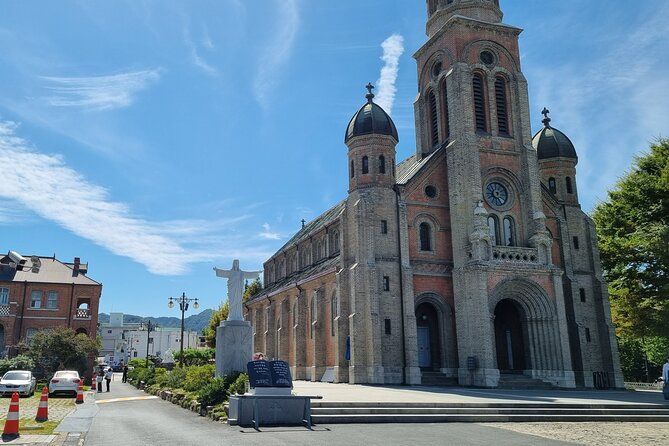
Pungnammun Gate gets another 10-minute stop. It was the main gate of Jeonju’s city fortress, so it helps you picture how the old city was once organized and protected.
This is a short photo and explanation stop, not a full fortress visit. The value is in connecting the gate to the larger story of Jeonju. The shrine represents royal authority, the village shows traditional urban life, and Pungnammun marks the defensive edge of the historic city.
You should keep your expectations in proportion. Ten minutes will not allow a detailed architectural examination. Still, the stop is easy to appreciate because it gives you a recognizable landmark and a quick sense of Jeonju’s former city limits.
Maisan Tapsa Temple and its upside-down stone pagodas
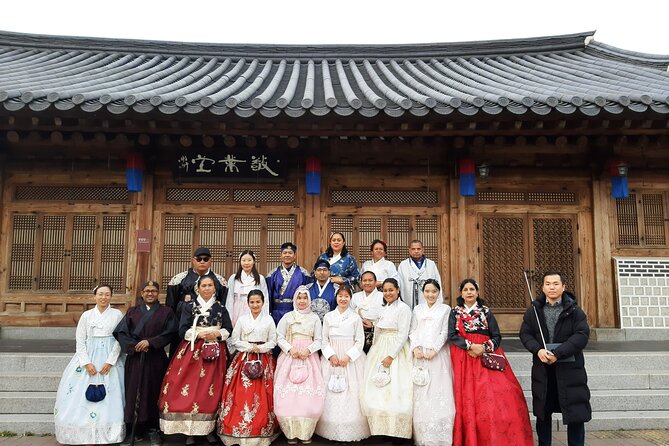
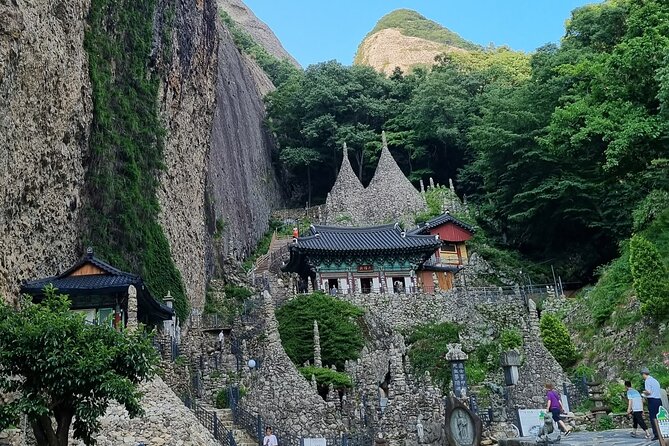
Tapsa Temple is the day’s most unusual sight. The visit lasts about 1 hour and 10 minutes, with admission included. Its stone pagodas are shaped like upside-down icicles, creating a scene unlike the neat wooden architecture of Jeonju.
The pagodas are the reason this temple is included. They give the site a mysterious quality without needing grand buildings or elaborate decoration. You can spend time looking at the way the stones rise in narrow forms, then shift your attention to the quiet surroundings and mountain views.
CNN has selected Tapsa as one of South Korea’s most beautiful temples, but you do not need a media label to understand its appeal. The site offers a strong visual contrast with the city. After the old houses, clothing, food, and historic landmarks, the temple supplies open space and a slower mood.
The one-hour-and-10-minute visit should let you appreciate the pagodas and scenery without turning the temple into a rushed photo stop. You should still expect some walking, and the moderate fitness requirement matters here. The tour information does not give a detailed route or step count, so anyone with mobility concerns should ask the operator before booking.
I especially like the way Tapsa prevents the tour from becoming only a built-heritage outing. You see Korean tradition in several forms: royal, residential, Catholic, and Buddhist. That variety makes the day more memorable than a simple walk through one old neighborhood.
How the guide affects the experience
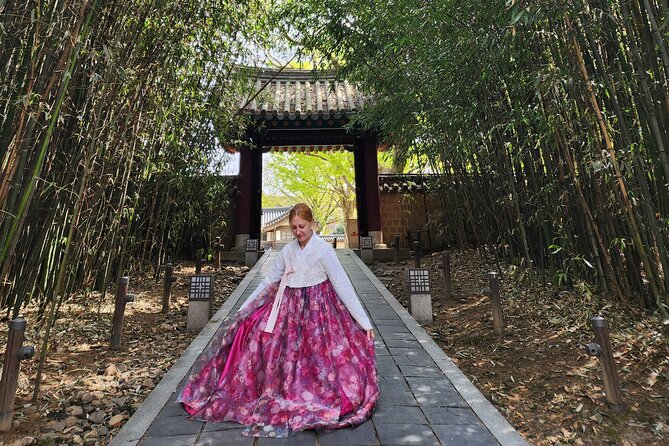
The tour is operated by Dream Journey Korea, and guide Dos is specifically associated with the experience. Direct feedback gives him strong praise for guiding the Jeonju and Tapsa portions and for explaining the history along the way.
The most useful detail is his flexibility. The tour continued even when other participants canceled and one person remained. That suggests a personal approach, though you should not assume every departure will operate under identical circumstances.
A small group also gives you a better chance to shape the day with questions. You can ask for help understanding the Joseon connection at Gyeonggijeon, the Catholic story at Jeondong, or the meaning of the Tapsa pagodas. The experience appears best suited to someone who values explanation and company rather than simply being dropped at a list of sights.
The strong overall rating and full recommendation rate support the idea that the guiding is a major strength. The sample size is small, with 12 ratings, so I would treat that as encouraging rather than absolute proof. The structure, guide, and personal attention appear to be the main reasons this tour earns high marks.
Timing, transport, and physical effort
The tour runs about 8 to 10 hours. That makes transportation a key part of the value. You do not have to arrange the round trip yourself, and the package includes car accident insurance.
The day still requires stamina. You move between several sites, spend time outdoors, wear a rented outfit, and visit a temple area that may require walking. The operator recommends moderate physical fitness, so I would not choose this as a low-effort sightseeing day.
Lunch is not provided. That is neither good nor bad by itself, but it affects your planning. Jeonju is known for bibimbap, and the village is a sensible place to look for food, yet the available meal time may depend on the day’s pace. Carrying a small snack could be wise, although the tour information does not specify food or drink arrangements.
The maximum group size is nine. That is small enough to avoid the scale of a standard coach excursion, while still keeping the cost down compared with a private vehicle. Service animals are allowed, and the tour is near public transportation, though exact meeting and drop-off details are not provided here.
Who will get the most from this tour
I would recommend this day to you if you want several kinds of Korean culture in one organized outing. It works especially well for first-time visitors who want a traditional neighborhood, a royal site, a hanbok session, local food options, and a temple without managing a complicated route.
Families may appreciate the variety, since the clothing and unusual pagodas give the day clear visual highlights. The positive feedback includes a family that found the experience accommodating. Couples and solo visitors can also benefit from the small group, particularly if they want photographs in hanbok and a guide to provide context.
You should think twice if you want a slow, unstructured day. The schedule includes five stops, and the two 10-minute visits are necessarily brief. You may enjoy the range, but you will not have unlimited time at every location.
This also is not the right pick if your main goal is an extended temple stay or a serious food tour. Tapsa receives the longest single sightseeing block, but the outing is built around variety. Jeonju food is encouraged, not included or explored in depth.
Booking value and practical details
At $60 per person, the package offers solid value if you would otherwise need to pay separately for transport, entrance fees, and hanbok rental. The included basic hanbok session is especially useful because it turns a normal village walk into a more distinctive cultural activity.
The price is less attractive if you already have transport to Jeonju, do not want to wear traditional clothes, or prefer to choose your own pace. In that case, an independent visit may give you more freedom, though you would need to organize the route to Tapsa yourself.
Book with the day’s length in mind. Free cancellation is available up to 24 hours before the start time for a full refund. Cancellations or changes made less than 24 hours before departure are not accepted for a refund, and the cut-off follows local time.
The basic hanbok package does not include hair accessories or hats. If photographs matter to you, decide in advance if those extras are worth paying for. You should also arrange separate travel insurance because the included insurance is specifically for car accidents, not general trip coverage.
Should you book the Jeonju and Tapsa day tour?
I would book this tour if you want a well-rounded Korean culture day and prefer a guide and included transport over a do-it-yourself trip. The hanbok session, Jeonju’s historic sights, local food opportunity, and Tapsa’s stone pagodas give you a lot of variety for $60.
I would skip it if you need a relaxed schedule, dislike organized transport, or want to spend a full day at only one site. The outing is long, lunch is extra, and the shorter stops leave little room for lingering.
For most first-time visitors with moderate fitness, the balance is persuasive. You get the strongest parts of Jeonju in one day, then finish with one of Korea’s most unusual temple settings. Guide Dos’s personal approach and the nine-person limit add value, especially if you want more than a bus ride and a series of photo stops.
FAQ
How long does the Jeonju Hanok Village and Tapsa Temple tour last?
The experience lasts approximately 8 to 10 hours.
Is the hanbok rental included?
Yes. A basic hanbok-wearing experience lasting 1.5 hours is included. Hair accessories and hats are not included.
Is lunch included in the tour price?
No. Lunch is not included, so you need to pay for your own meal.
How many people can join the tour?
The tour has a maximum of nine participants.
Are entrance fees included?
Yes. The included package covers every entrance fee, including Gyeonggijeon Shrine and Tapsa Temple.
Can I cancel for a full refund?
Yes, if you cancel at least 24 hours before the experience start time. Cancellations or changes made less than 24 hours before the start time are not accepted for a refund.
Just added around South Korea
- Seoraksan National Park & Nami Island★ 4.5 · 3 reviews
- East of jeju tour for Seogwipo Gangjeong Cruise Customers★ 4.5 · 3 reviews
- Strawberry Picking, Winter Sled with Eobi Ice Valley from Seoul★ 4.5 · 3 reviews
- Seoul: Seohaerang Cable Car, Gwangmyeong Cave, etc (EG Tour)★ 5.0 · 3 reviews
- Seoul Full Day small group Tour★ 5.0 · 3 reviews
- Seoul: Seorak Mountain, East DMZ, and Sokcho Tour★ 5.0 · 3 reviews
- Seoul Korean BBQ Dinner Experience with Secret Food Tours★ 5.0 · 3 reviews
- Rice Wine Tasting with Sommelier – Finest Makgeolli (& Soju)★ 5.0 · 3 reviews
Hanok Village & Folk Culture, compared.

Gyeongbok Palace, Bukchon Village, and Gwangjang Tour
Read our review →
Seoul City Sightseeing Tour Including Gyeongbokgung Palace, N Seoul Tower, and Namsangol Hanok Village
Read our review →Gyeongbok Palace, Bukchon Village, and Gwangjang Tour
Read our review →
Suwon Hwaseong Fortress & Korean Folk Village Tour
Read our review →
Gyeongbok Palace and Bukchon Hanok Walking Tour
Read our review →
Best Walking Tour to Gyeongbok Palace Bukchon Hanok Village
Read our review →
Experience Korean Cooking in Modern Hanok Kitchen
Read our review →
Royal Seoul Cooking Class in a 100-Year-Old Hanok
Read our review →Browse the lists this tour appears in