
Reviewed · HANBOK & PALACE EXPERIENCES
Layover tour to Gyeongbokgung-Folk Museum-Bukchon-Insadong
Seoul rewards a well-planned stopover. This private six-hour outing links Gyeongbokgung Palace with the Folk Museum, Bukchon Hanok Village, Insadong, and a guided return to Seoul Station. I like the smart airport-to-city plan, and I like the way the guide explains Confucian ideas behind Joseon architecture instead of leaving you with pretty buildings and no context.
The tour also uses Seoul’s AREX train, making the journey part of the experience rather than a costly private transfer. Guide Paul Koo receives especially strong praise for his local knowledge, clear explanations, photo-taking, and calm help with public transport. The main caution is time: six hours goes quickly, and the $254 price for a private group of up to one person is a serious spend for a solo stopover.
In This Review
- Key points at a glance
- Why this layover tour works
- From Incheon Airport to Seoul Station by AREX
- Gyeongbokgung Palace and the Joseon idea of order
- The National Folk Museum: Joseon life beyond the court
- Bukchon Hanok Village and the old-new Seoul view
- Insadong and Jogyesa Buddhist Temple
- The return to Seoul Station
- What the $254 price really covers
- Who should book this six-hour Seoul stopover
- FAQ
- Where does the tour begin?
- Where does the tour finish?
- How long does the tour last?
- Which places are included?
- Is transportation included?
- Will the tour use the express airport train?
- Is admission included?
- Is the tour private and what language is available?
- Should you book it?
Key points at a glance
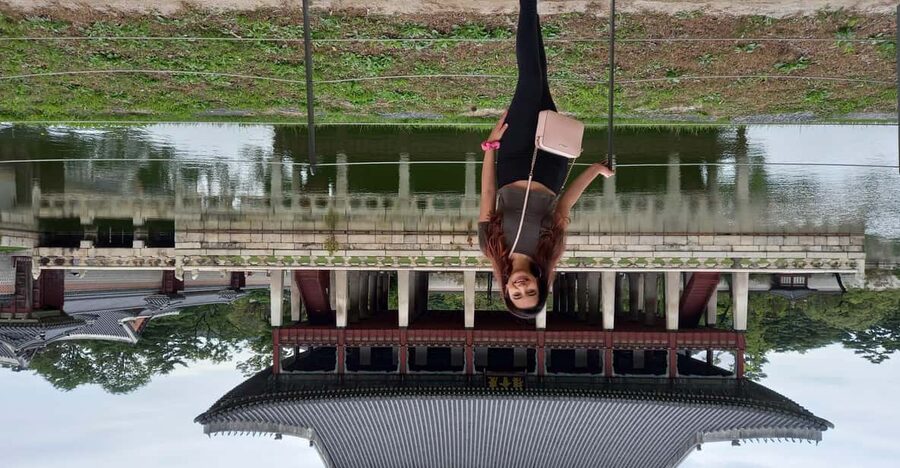
- Gyeongbokgung gives you Korea’s cultural starting point: The palace was built in 1395 as the main palace of the Joseon Dynasty.
- The Folk Museum shifts the focus from rulers to ordinary life: Exhibits cover birth, marriage, work, illness, aging, death, seasonal customs, and ceremonial events.
- Bukchon connects old Seoul with modern Seoul: About 1,000 traditional hanoks form the heart of this historic village, with city buildings and N Seoul Tower visible beyond.
- Jogyesa adds a Buddhist counterpoint: This small temple in Insadong is the headquarters of Korea’s major Buddhist organization.
- AREX keeps the airport connection practical: You begin at Incheon Airport and finish at Seoul Station, where you continue to the airport.
- Paul Koo’s guiding style is a major strength: He explains Confucian culture, helps with trains, knows good photo spots, and can send tour photographs afterward.
Why this layover tour works
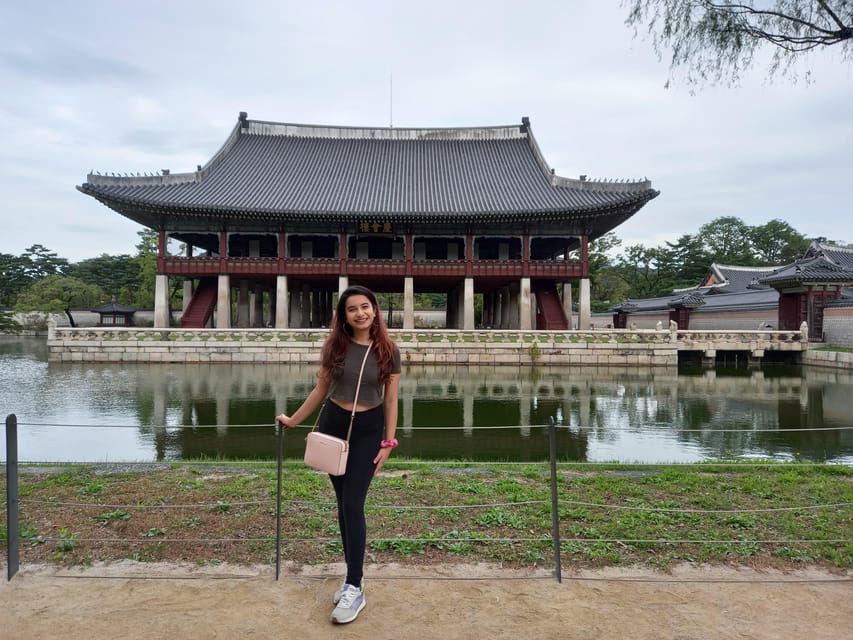
A Seoul layover can look longer on paper than it feels in practice. Immigration, luggage, airport transfers, train departures, and the need to return before your flight all eat into the day. This tour removes much of that guesswork by meeting you at Incheon Airport, taking you into Seoul, showing you several central sights, and escorting you back to Seoul Station for the airport train.
The route has a clear cultural theme. You begin with the royal world of Joseon at Gyeongbokgung, move into everyday customs at the National Folk Museum, walk through the traditional homes of Bukchon, and finish around Insadong, where Jogyesa represents Korean Buddhism and the surrounding streets offer art, crafts, food, and shopping.
I like that the experience does not treat Korean architecture as decoration alone. The guide explains how architecture reflects the values of its time, especially Confucianism during the Joseon Dynasty. That background gives the palace gates, courtyards, rooflines, and formal spaces a purpose. You will get more from the buildings if you understand the ideas behind them.
This is a private group tour, so the pace and meeting time can be arranged after booking. That matters during a layover. A fixed departure may force you to wait around the airport or hurry through customs, while a chosen start time can fit your arrival more closely. You still need a sensible buffer before your onward flight. The tour ends at Seoul Station, not back inside the airport.
More hanbok and palace experiences:
- Seoul: Gyeongbok Palace, Bukchon Village, and Gwangjang Tour
★ 4.9 · 2,321 reviews - Best Seoul City Tour (Gyeongbokgung Palace,Insadong,Namsan Tower)
★ 5.0 · 1,647 reviews - Small-Group Royal Palace and Seoul City Tour (hotel pick-up)
★ 5.0 · 1,474 reviews
From Incheon Airport to Seoul Station by AREX
The first practical task is reaching central Seoul. The guide meets you at Incheon International Airport and accompanies you to Seoul Station by AREX, the Airport Railroad. Depending on the schedule, you may use the express train or the regular train.
The express service has designated seats and runs about once an hour. In busy periods, seats can sell out, so the guide plans ahead and buys the return ticket for your journey from Seoul Station back to Incheon Airport. This is useful if you are unfamiliar with the airport rail system or do not want to work out the Korean ticket machines while watching the clock.
The regular train takes about one hour. The stated difference between the two services is about 20 minutes, and the regular train may be used if waiting for the next express would take longer than that. I consider this a sensible choice. A slightly slower train that leaves soon is often better than standing around for an express departure.
The full transport section is listed as about 1.5 hours. That reflects the airport-to-city movement and related train arrangements, not just time spent sitting on the train. Keep your passport, onward boarding information, and flight schedule easy to reach. You are making a real airport connection, not taking a casual day trip.
Gyeongbokgung Palace and the Joseon idea of order
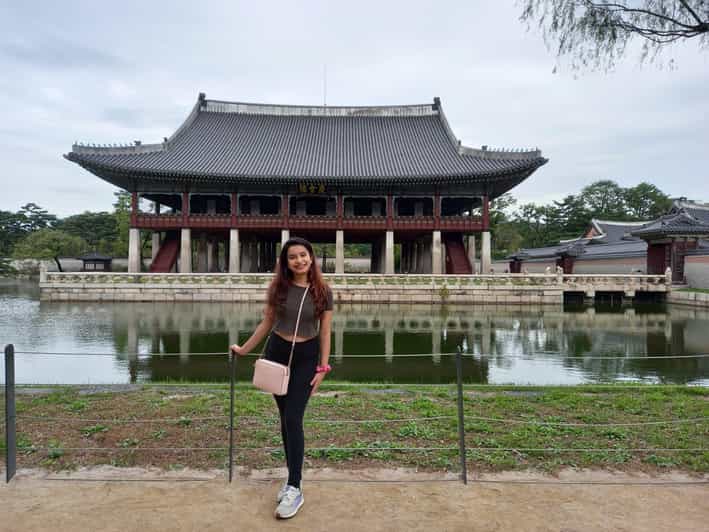
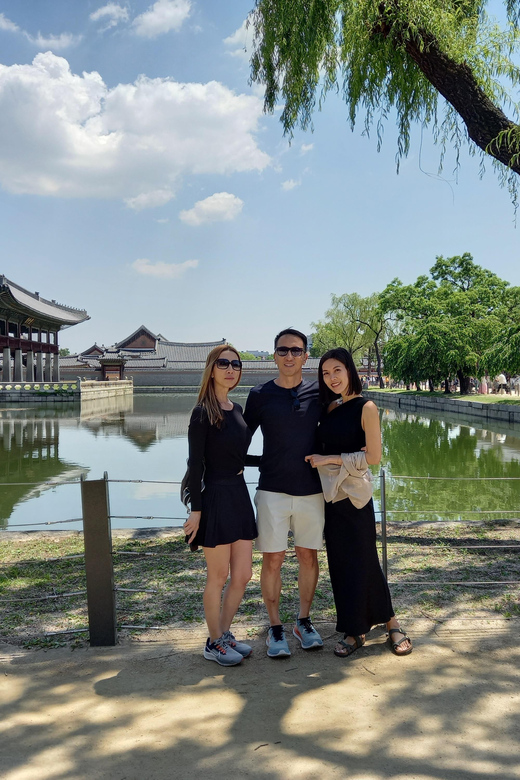
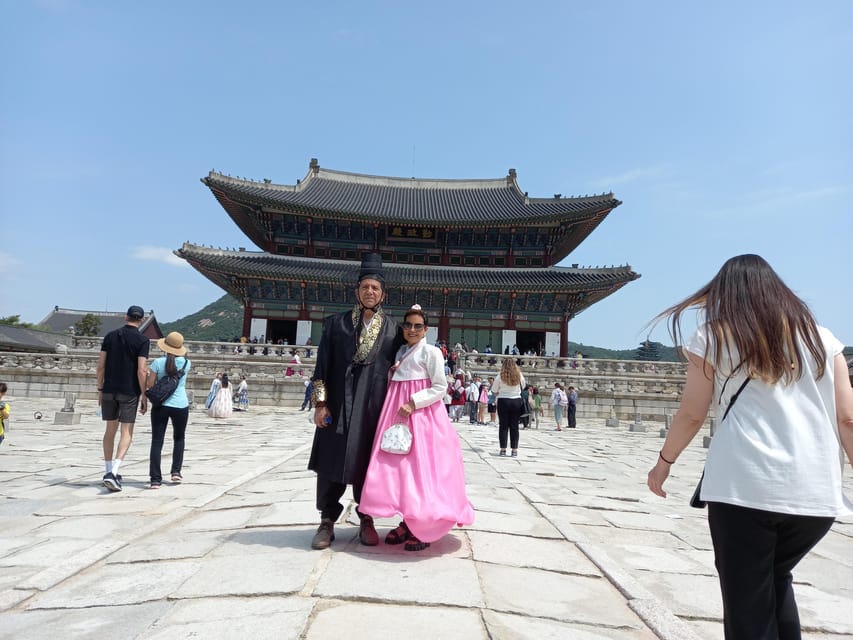
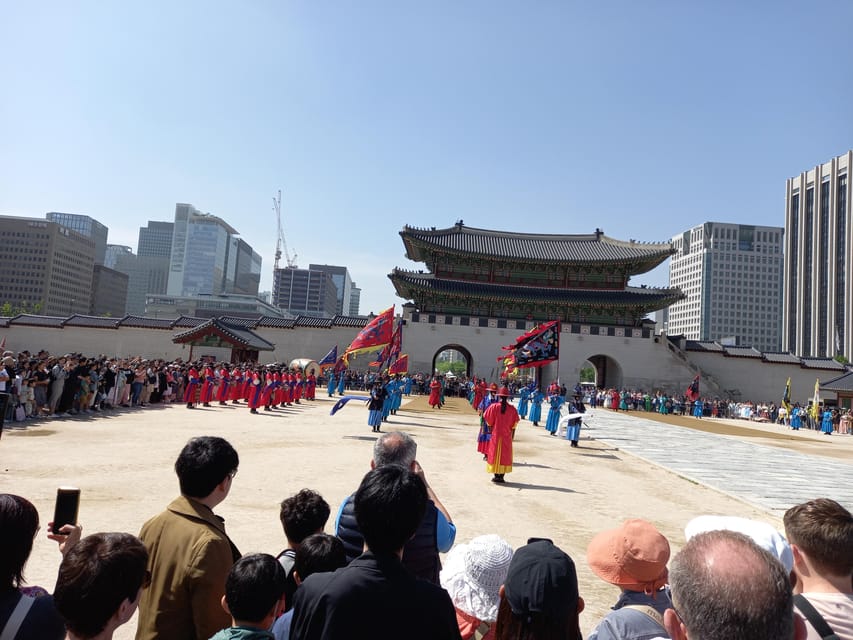
Gyeongbokgung is the main event. Built in 1395 as the first and largest palace of the Joseon Dynasty, it represents Korea’s royal and cultural identity more clearly than any other stop on this route.
The palace is also unusual in its setting. It was built on flat land and follows traditional palace planning, with formal spaces arranged to express rank, order, and authority. The architecture is worth seeing on its own, but the guide’s explanation of Confucian thought gives the visit more weight.
Confucianism shaped Joseon government, family life, education, etiquette, and ideas about duty. At the palace, those values appear in the arrangement of buildings and the separation between public and private spaces. Instead of simply photographing a colorful roof, you can begin to understand why the palace looks and functions as it does.
The guided visit is scheduled for two hours, enough time to make Gyeongbokgung the clear center of the outing. That length is welcome because the palace grounds are extensive. You will not need to race through every corner, though the actual balance depends on your meeting time, train schedule, and walking pace.
The drawback is that two hours at one major site leaves limited room for wandering. If you are fascinated by royal architecture, you may wish you had longer. If this is your first taste of Seoul and you want several cultural sights in one stop, the schedule makes sense.
Admission to Gyeongbokgung is included. The Folk Museum is located within the palace grounds, so the next stop does not require a major transfer.
The National Folk Museum: Joseon life beyond the court
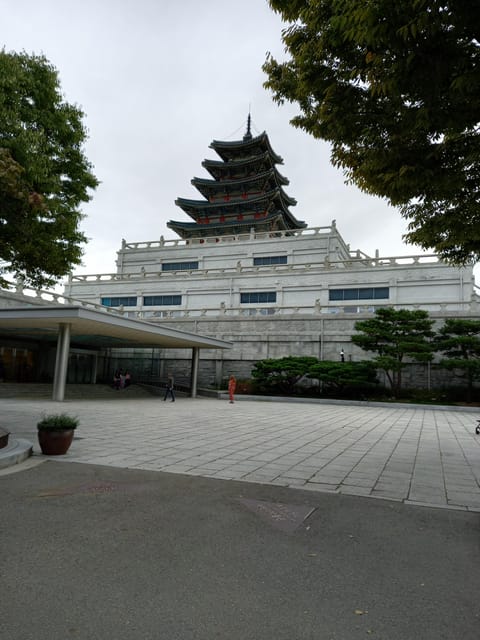
The National Folk Museum changes the subject from palace ceremony to ordinary people. Its exhibitions present folk culture and the stages of life, from birth and childhood through marriage, aging, illness, treatment, and death.
That shift is important. Gyeongbokgung shows how the court expressed power and order. The Folk Museum helps explain how customs shaped daily life for the wider population. Exhibits also cover seasonal activities, rituals, commemorations, and events connected with important moments in life.
The visit lasts about 30 minutes. That is short, but it works as a guided introduction. You can use the time to ask focused questions about family customs, festivals, ceremonies, or the social values that still influence Korean culture.
I would not treat this as a full museum afternoon. It is a compact stop that supports the palace visit. The guide’s explanations matter here because museum displays can feel abstract if you do not know what role a ritual or object played in everyday life.
More hanok village visits:
- Seoul City Sightseeing Tour Including Gyeongbokgung Palace, N Seoul Tower, and Namsangol Hanok Village
★ 5.0 · 1,423 reviews - Seoul: Gyeongbok Palace, Bukchon Village, and Gwangjang Tour
★ 5.0 · 1,044 reviews - Seoul: Suwon Hwaseong Fortress & Korean Folk Village Tour
★ 4.7 · 214 reviews - Seoul: Gyeongbok Palace and Bukchon Hanok Walking Tour
★ 4.8 · 157 reviews
Bukchon Hanok Village and the old-new Seoul view
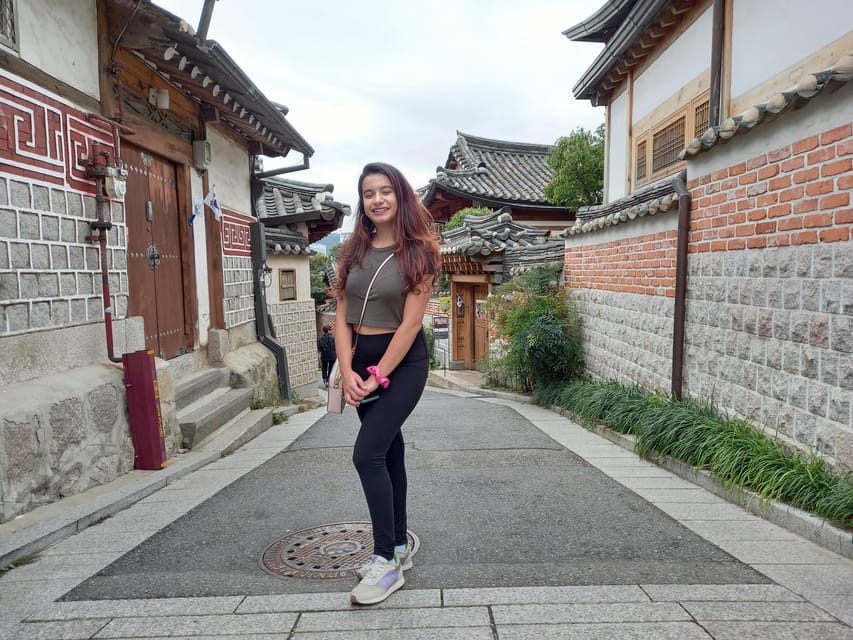
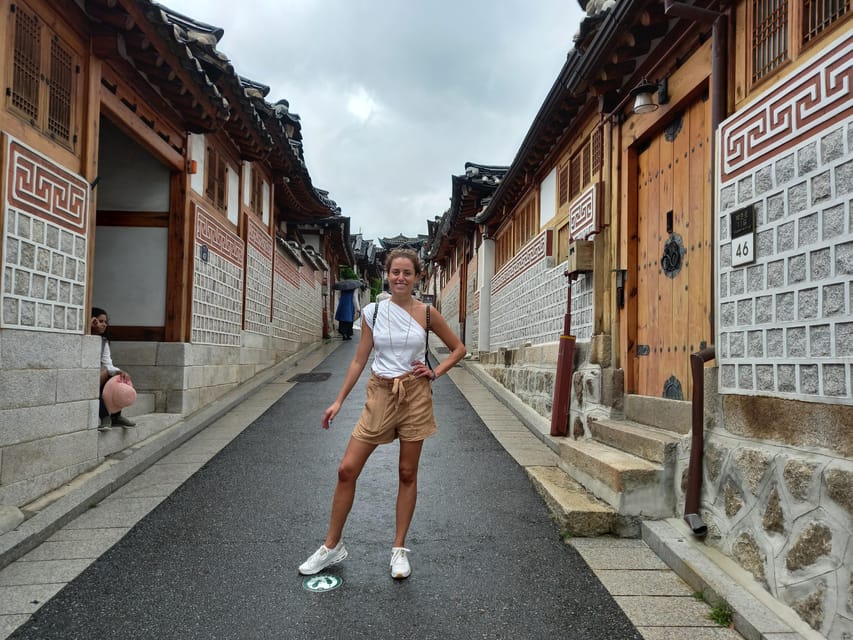
From the palace area, the tour continues to Bukchon Hanok Village. Hanok means traditional Korean house, and Bukchon contains the largest cluster of these homes, about 1,000 in total.
Bukchon is valuable because it is not an isolated reconstruction. Traditional houses occupy a real urban district, and the view combines old roofs and narrow streets with modern Seoul buildings and N Seoul Tower in the distance. That contrast is one of the clearest ways to see how Seoul developed without losing every trace of its earlier form.
The guided walk lasts around 40 minutes. Expect a visual stop rather than a long neighborhood exploration. You will see the traditional character of the area and learn how the homes fit into the city, but you will not have unlimited time to browse every lane or shop.
Bukchon is also a lived-in residential area. Keep your voice low, stay aware of local signs, and remember that the attractive streets are also home to residents. The tour format helps because a guide can direct you through the main points without sending you off alone in a confusing network of uphill lanes.
The village can be a highlight for photography. Paul Koo is praised for knowing good picture locations and for taking photographs during the outing at no extra charge, then sending them afterward. That is a useful bonus for a solo visitor who may otherwise struggle to get a good picture with the palace or hanok roofs behind them.
Insadong and Jogyesa Buddhist Temple
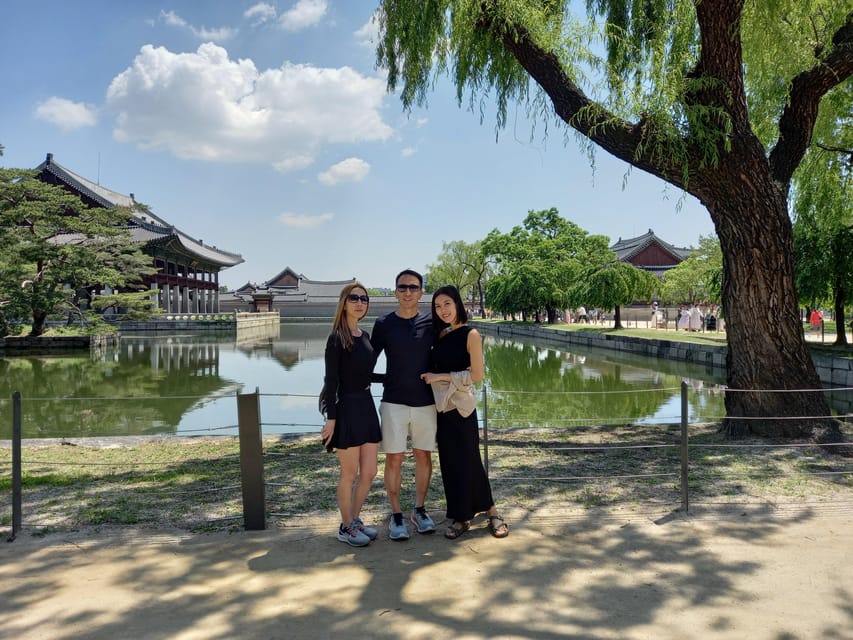
The final major sightseeing area is Insadong, with about one hour set aside for a guided visit. Insadong is a natural place to end a cultural route because it brings together traditional Korean arts, shops, food, and street life in a central Seoul setting.
Jogyesa Buddhist Temple is close to Gyeongbokgung and sits within the Insadong area. The temple itself is small, but its institutional role is significant: it serves as the headquarters of Korea’s major Buddhist organization. That makes it a useful contrast with Gyeongbokgung.
At the palace, you are learning about Confucian values and royal authority. At Jogyesa, you encounter an important Buddhist center within the modern city. The short distance between these places makes the contrast especially effective. You can see two major strands of Korean culture within one compact route.
The hour in Insadong gives the guide room to explain Jogyesa and introduce the surrounding streets. Food and drinks are not included, so any snack or meal is your own expense. Time may be limited for serious shopping, but you should have a chance to get a feel for the area and perhaps buy a small traditional item if the schedule allows.
The return to Seoul Station
After Insadong, the tour uses public transport for roughly 30 minutes and finishes at Seoul Station’s airport railroad area. The guide escorts you there rather than simply pointing toward a station entrance.
This final handoff is one of the tour’s most practical features. Seoul Station is large, and the airport train process can feel less obvious when you are tired or watching the time. You leave the guide at the station and continue to Incheon Airport using the return train ticket.
The listed example is simple: a 7 a.m. meeting at Incheon Airport ends at about 1 p.m. at Seoul Station. Your actual time depends on the meeting time you choose and the train schedule. Since the tour does not take you all the way back to your airport gate, allow plenty of time for the train ride, airport procedures, and your airline’s check-in deadline.
What the $254 price really covers
At $254 per private group of up to one person, this is expensive if you compare it with a self-guided palace visit and ordinary train fares. The value comes from combining a guide, airport coordination, transport, palace admission, cultural interpretation, and a private schedule in one package.
The included transport covers the movement from Incheon Airport to Seoul, the tour route, and the return journey to Seoul Station for the airport train. Gyeongbokgung admission is also included. Food, drinks, and insurance are not.
For a solo visitor with only a few hours, the price may be worthwhile if avoiding transport confusion matters to you. It is also easier to justify if Paul Koo’s guiding style is important to your trip. His strength is not just pointing out buildings. He explains Confucianism, connects the sites, handles the train plan, suggests photo spots, and helps you feel comfortable using public transport in a new country.
For a larger private booking, check the exact pricing carefully because the supplied price is specifically shown for a group of up to one person. The cost structure may make more sense when shared, but you should confirm the final amount before paying.
Free cancellation is available up to 24 hours before the tour, and you can reserve now and pay later. Those terms help if your flight schedule is not fully settled, but they do not remove the need to confirm your guide and meeting time in advance.
Who should book this six-hour Seoul stopover
I would choose this tour if you want a guided introduction to Korea’s cultural foundations rather than a broad city sampler. It suits you particularly well if you have never used Seoul’s airport rail system, want a private English-speaking guide, or prefer to spend your layover seeing major sights instead of waiting at Incheon.
It is also a good fit for anyone curious about the ideas behind Korean architecture. The combination of palace, museum, hanok village, and Buddhist temple gives you a useful framework for understanding traditional Korea in a short time.
You may want something else if your main goal is shopping, modern architecture, nightlife, or a long restaurant stop. The schedule is tightly packed, and the price is high for a solo participant. You should also be comfortable with public transport and walking between cultural sites, since the route is designed around Seoul’s train and local transit network.
FAQ
Where does the tour begin?
The tour begins at Incheon International Airport, where the English-speaking guide meets you.
Where does the tour finish?
It finishes at Seoul Station, specifically at the airport railroad area. The guide escorts you there so you can continue to Incheon Airport.
How long does the tour last?
The stated duration is six hours. For example, a 7 a.m. airport meeting ends at about 1 p.m. at Seoul Station.
Which places are included?
The route includes Gyeongbokgung Palace, the National Folk Museum of Korea, Bukchon Hanok Village, Insadong, and Jogyesa Buddhist Temple.
Is transportation included?
Yes. Transportation from Incheon Airport to Seoul and onward to Seoul Station for the airport return is included. The route uses AREX and public transport.
Will the tour use the express airport train?
The guide aims to use the AREX express train when practical. It runs about once an hour and uses designated seats. If waiting more than 20 minutes would be necessary, the regular train may be used instead.
Is admission included?
Admission to Gyeongbokgung Palace is included. Food, drinks, and insurance are not included.
Is the tour private and what language is available?
It is a private group tour with a live English-speaking guide. The experience provider is Paul Koo.
Should you book it?
Book this tour if your Seoul layover is long enough for a six-hour outing and you want the cultural essentials explained by a private guide. Gyeongbokgung, Bukchon, and the Folk Museum make a strong first visit, while the airport train plan removes much of the stress from a short stopover.
Think twice if $254 feels steep for one person, or if you need a generous margin before your flight. For a solo visitor who values clear history, easy train transfers, useful photographs, and a carefully connected route, this is a practical way to turn airport waiting time into a real introduction to Seoul.
More Museums
- Seoul: War Memorial of Korea Private Guided Museum Tour
★ 4.9 · 29 reviews - DMZ Tour + The War Memorial of Korea Museum
★ 5.0 · 28 reviews - Color Pool Museum
★ 4.0 · 22 reviews - SEOUL: Gugak – Korean Traditional Music Museum&Concert Tour
★ 4.7 · 17 reviews
More Insadong Craft Experiences
- Seoul Highlights: Gyeongbok Palace, Insadong & N Seoul Tower
★ 4.7 · 726 reviews - Korean Palace and Market Tour in Seoul Including Insadong and Gyeongbokgung Palace
★ 4.0 · 174 reviews - Carve Your Personal Korean Stone Seal with Jeongju in Insadong
★ 5.0 · 134 reviews - Write a Meaningful Korean Calligraphy Scroll in Insadong
★ 5.0 · 36 reviews
Just added around Seoul
- Seoraksan National Park & Nami Island★ 4.5 · 3 reviews
- Strawberry Picking, Winter Sled with Eobi Ice Valley from Seoul★ 4.5 · 3 reviews
- Seoul Full Day small group Tour★ 5.0 · 3 reviews
- Seoul Korean BBQ Dinner Experience with Secret Food Tours★ 5.0 · 3 reviews
- Rice Wine Tasting with Sommelier – Finest Makgeolli (& Soju)★ 5.0 · 3 reviews
- Majang Meat Market Experience: Private Tour with Han-woo Beef BBQ★ 5.0 · 3 reviews
- Seongsu-dong Walking Tour: K-Pop, Culture, Cheer, Friends & Relax★ 4.5 · 3 reviews
- Seoul: Alpaca World and Nami Island (with Garden / Railbike)★ 5.0 · 3 reviews
Hanbok & Palace Experiences, compared.

Gyeongbok Palace, Bukchon Village, and Gwangjang Tour
Read our review →
Best Seoul City Tour (Gyeongbokgung Palace,Insadong,Namsan Tower)
Read our review →
Small-Group Royal Palace and Seoul City Tour (hotel pick-up)
Read our review →
Seoul City Sightseeing Tour Including Gyeongbokgung Palace, N Seoul Tower, and Namsangol Hanok Village
Read our review →Gyeongbok Palace, Bukchon Village, and Gwangjang Tour
Read our review →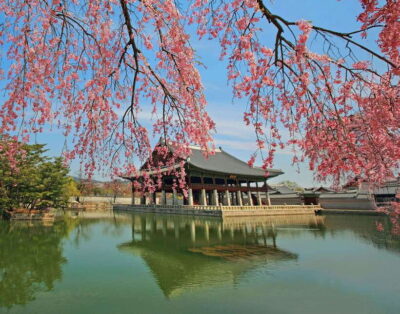
Seoul Highlights: Gyeongbok Palace, Insadong & N Seoul Tower
Read our review →
Seoul City Half Day Tour-Gyeongbok Palace Guard Changing Ceremony
Read our review →Browse the lists this tour appears in