
Reviewed · MUSEUMS
SEOUL: Gugak – Korean Traditional Music Museum&Concert Tour
Let Korean music tell its own story. This 140-minute experience pairs the Korean Traditional Music Museum with a live Gugak concert at the National Gugak Center, giving you both context and performance in one compact outing. I like the small group limit of 10, which should make the museum explanation easier to follow, and I like the clear split between a 40-minute guided visit and an 80-minute concert.
The main consideration is location and transport. The experience takes place in Gyeonggi Province, and getting to the museum is not included. You receive detailed meeting information before the tour, but you should allow extra time to reach the starting point and confirm the arrangements in advance.
In This Review
- Key points to know before booking
- Why this Gugak experience works
- Starting at the Korean Traditional Music Museum
- From instruments to the concert hall
- What the guide adds to the visit
- Is the $49 price fair?
- The small group advantage
- Who will enjoy this most?
- Practical planning for the 140-minute visit
- What the high rating tells you
- Should you book this Gugak tour?
- FAQ
- Where does the Gugak museum and concert tour take place?
- How long does the activity last?
- Is transportation included?
- Is the tour conducted in English?
- How large is the group?
- What is included in the price?
- Are meals and drinks included?
- Can I cancel for a refund?
Key points to know before booking
- Museum first, music second: The 40-minute guided visit helps you understand Gugak before you hear it performed.
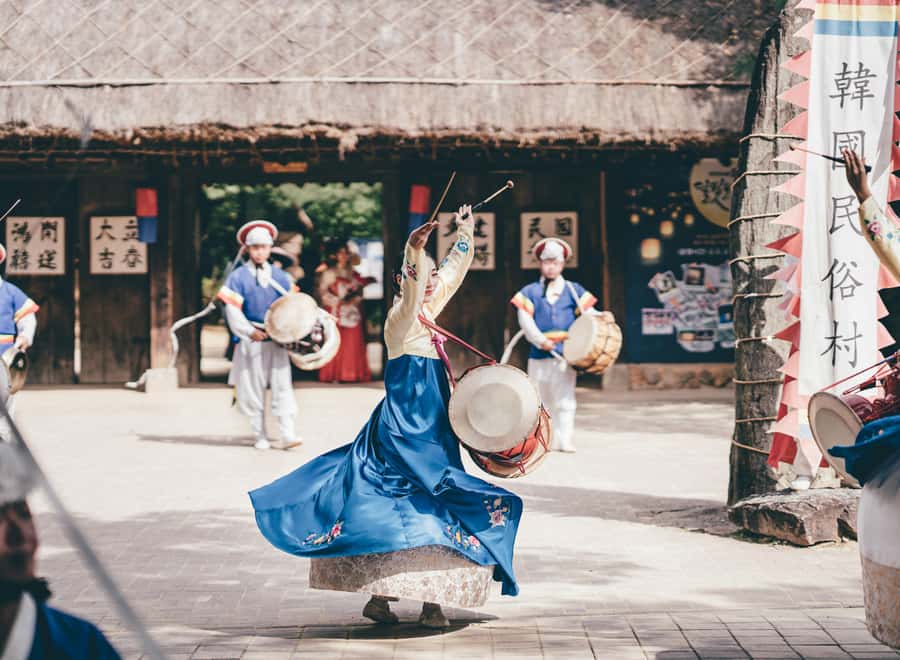
- An 80-minute live concert: The performance takes place in the National Gugak Center’s Performance Rehearsal Hall.
- English-speaking guidance: Your guide explains the instruments and the background of Korean traditional music.
- Small group setting: The tour is limited to 10 participants, a useful size for questions and conversation.
- A focused cultural experience: The activity lasts 140 minutes and does not include meals, drinks, or transport.
- Strong guest satisfaction: The experience has a 4.7 rating from 17 reviews, with special praise for guide Elisa and the concert.
Why this Gugak experience works
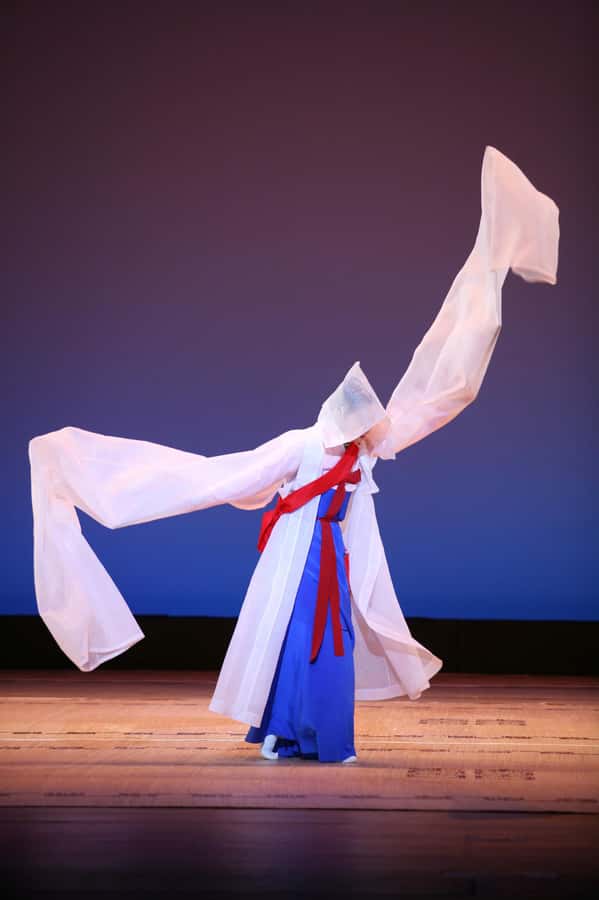
Many cultural activities ask you to watch a performance without explaining what you are hearing. This tour takes a better route. You begin at the Korean Traditional Music Museum, then move into a concert with some basic understanding of the instruments, musical forms, and place of Gugak in Korean culture.
I like that order. A gayageum can be beautiful on first hearing, but a short introduction gives your ears more to listen for. You may begin noticing the contrast between soft plucked sounds and the fuller force of ensemble pieces. The concert becomes more than background music. It becomes a performance you can follow.
The format also suits a short stay in Seoul. At 140 minutes, it is long enough to feel substantial but short enough to fit around other plans. You are not committing an entire day to a single museum or performance.
The experience is also a useful choice for anyone who wants something beyond palaces, shopping streets, and food tours. It focuses on an important part of Korean culture that can be easy to miss if your schedule stays centered on major sights.
A few more trips of this kind worth comparing:
- Seoul: War Memorial of Korea Private Guided Museum Tour
★ 4.9 · 29 reviews - DMZ Tour + The War Memorial of Korea Museum
★ 5.0 · 28 reviews - Color Pool Museum
★ 4.0 · 22 reviews
Starting at the Korean Traditional Music Museum
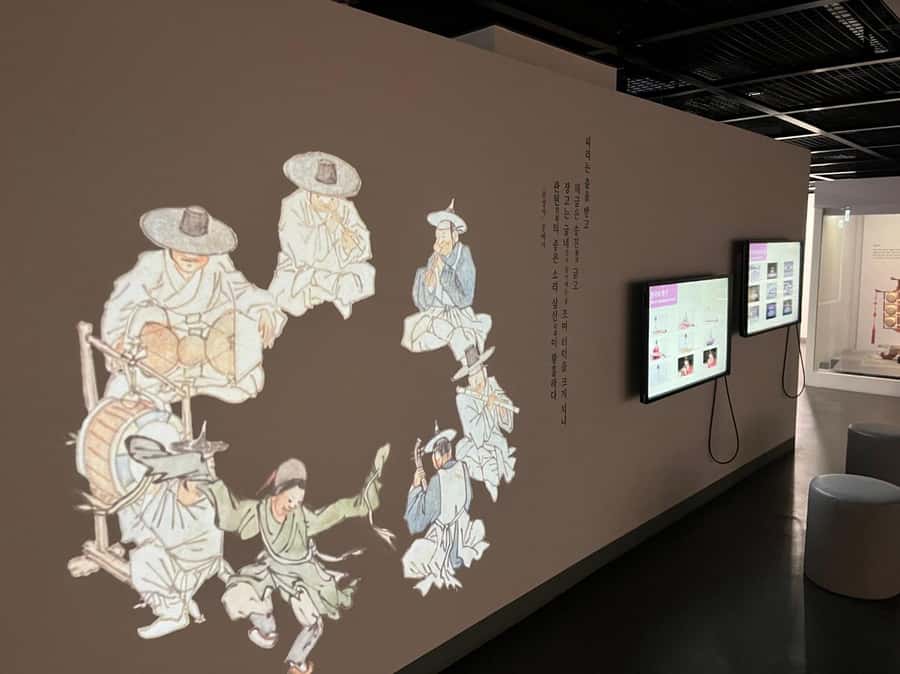
The first main stop is the Museum of Korean Traditional Music. The guided portion lasts about 40 minutes, so you should expect a focused introduction rather than hours of independent browsing.
The museum’s displays cover Gugak, its instruments, and the development of Korean traditional music. Your guide helps connect the objects and information, which matters because musical instruments can look unfamiliar when you encounter them without context. Instead of simply walking past cases, you get an explanation of what you are seeing and why it matters.
I especially like the chance to learn about the instruments before the concert. The gayageum receives special mention in the experience description, with its gentle plucking forming one of the sounds you may hear during the performance. The museum visit gives you a useful reference point before you enter the hall.
A 40-minute tour also keeps the visit moving. If you prefer a slow museum visit with time to read every panel, this may feel brief. If you want a clear introduction before live music, the timing is sensible.
The small group format should help here. With no more than 10 people, it is easier for a guide to keep the explanation conversational and respond to questions. Elisa is praised for explaining things clearly and warmly, so if she leads your group, you can expect an approachable introduction rather than a dry lecture.
From instruments to the concert hall
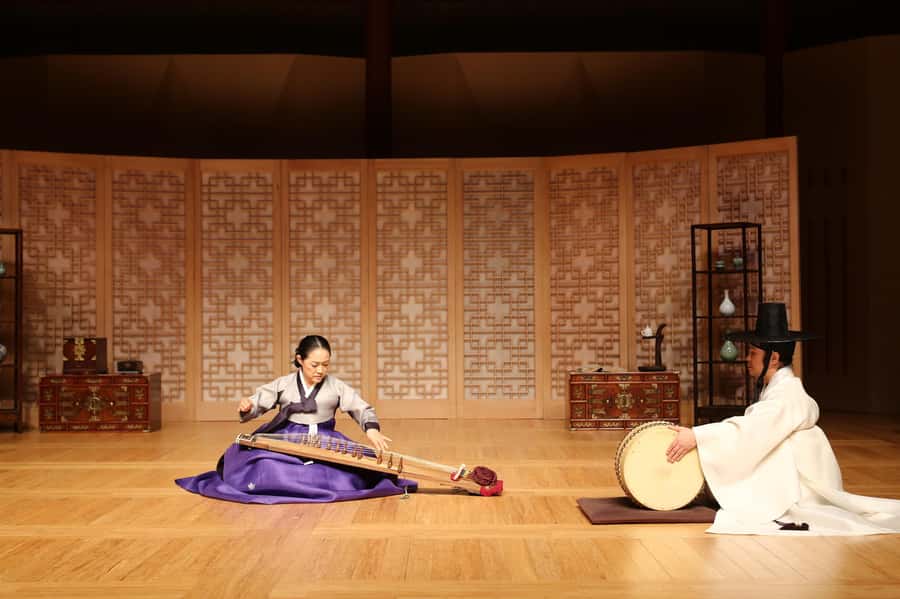
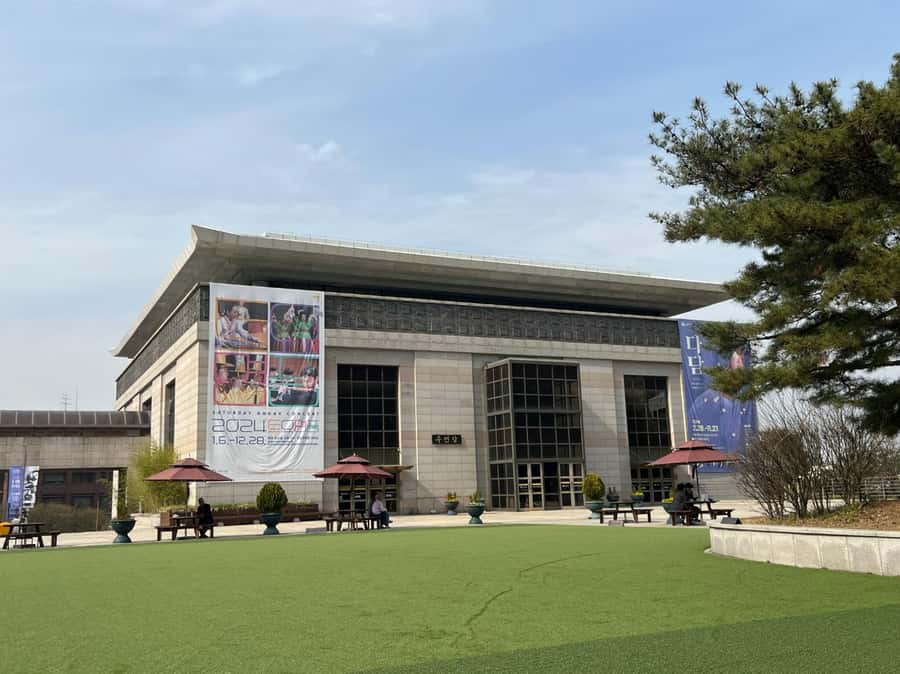
The second stop is the National Gugak Center’s Performance Rehearsal Hall. Here, the emphasis shifts from explanation to listening, and the concert lasts about 80 minutes.
That longer performance is the heart of the experience. You have time to settle into the music instead of receiving only a short sample. The program can include the soft sound of the gayageum as well as more dynamic ensemble performances. This contrast is important because Gugak is not one single sound or mood.
Some pieces may feel quiet and delicate. Others can have greater energy and rhythmic force. The experience description points to both intimate plucked passages and larger group performances, so you should expect some variety rather than an uninterrupted style of playing.
I like the fact that the concert takes place at the National Gugak Center. It gives the performance a fitting setting and makes the outing feel connected to Korea’s traditional music institutions, not simply like a tourist demonstration arranged in a random venue.
The performance is also a good reason to book this activity even if you are not a museum person. The museum gives you useful background, but the live music provides the emotional payoff. You hear the instruments in use, played by skilled musicians, and gain a sense of how the sounds work together in real time.
What the guide adds to the visit
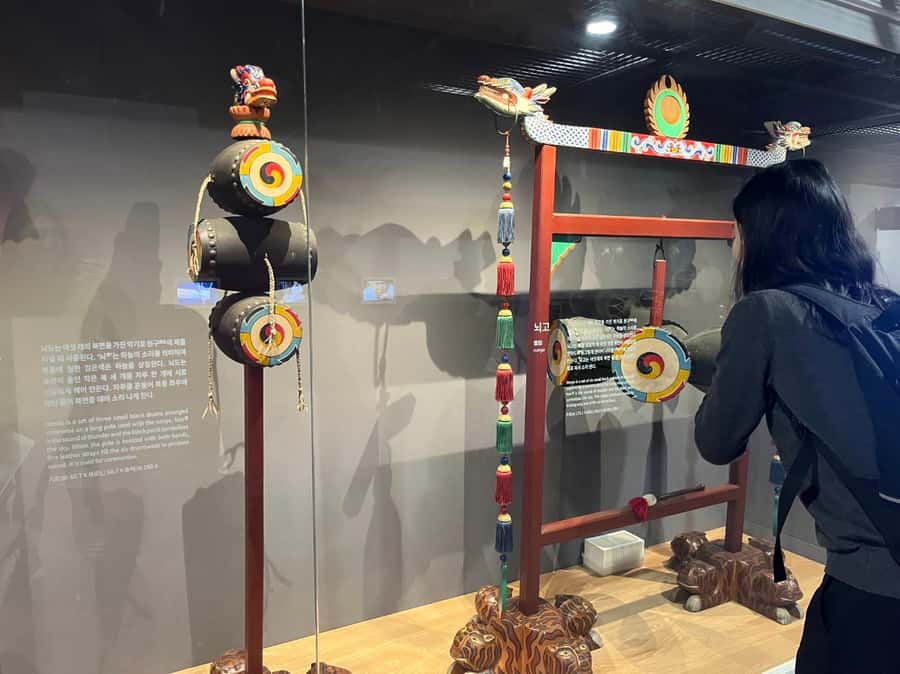
The guide is not just there to point you toward the next stop. The tour specifically includes explanations of Gugak’s background and instruments, and this is where the experience earns much of its value.
I would pay close attention during the museum portion and ask questions while the group is still together. Once the concert begins, there may be less opportunity to clarify what you are hearing. A good question about an instrument or musical style can make the performance easier to appreciate.
The tour is offered in English, which makes it suitable for English-speaking visitors who want more than a self-guided museum visit. The available information does not give a detailed script or identify every instrument in the performance, so you should not expect a complete academic course in Korean music. Think of the guide’s role as giving you a clear foundation.
That level may be just right for a first introduction. You get enough information to listen with purpose, without spending the entire outing on dates and technical terms.
A completely different kind of day out in Seoul:
- Best DMZ Tour Korea from Seoul (Red Suspension Bridge Optional)
★ 5.0 · 41,422 reviews - DMZ Tour: 3rd Tunnel, Option(Suspension Bridge, Boat) from Seoul
★ 5.0 · 21,373 reviews - DMZ tour south Korea from Seoul (NK experience hall, defector)
★ 5.0 · 20,599 reviews - Seoul: DMZ Tour with Optional Suspension Bridge
★ 4.8 · 5,277 reviews
Is the $49 price fair?
The price is $49 per person. To judge the value, I would look at what is included: admission to the Korean Traditional Music Museum, the guided visit, the live Gugak concert, and an English-speaking guide.
For a two-hour-and-20-minute cultural experience, that is a reasonable price if you value the live performance. The 80-minute concert is a substantial part of the outing, and you also receive a guided museum visit rather than handling the museum alone.
The price is less attractive if you mainly want a quick look at traditional instruments. In that case, the concert is doing most of the work, and you may want to compare the cost with other performance options available during your stay.
Remember that meals, drinks, and transport to and from the museum are not included. Those costs may be modest, but they affect the total budget. I would also avoid booking this too tightly against another activity, since the meeting point and local transport require planning.
The strongest value comes from the combination. You are paying for an explanation, a museum visit, and a full live performance in one booking. If you already plan to attend a Gugak concert separately, this tour may duplicate part of your schedule. If you have not yet encountered Korean traditional music, it offers a tidy introduction.
The small group advantage
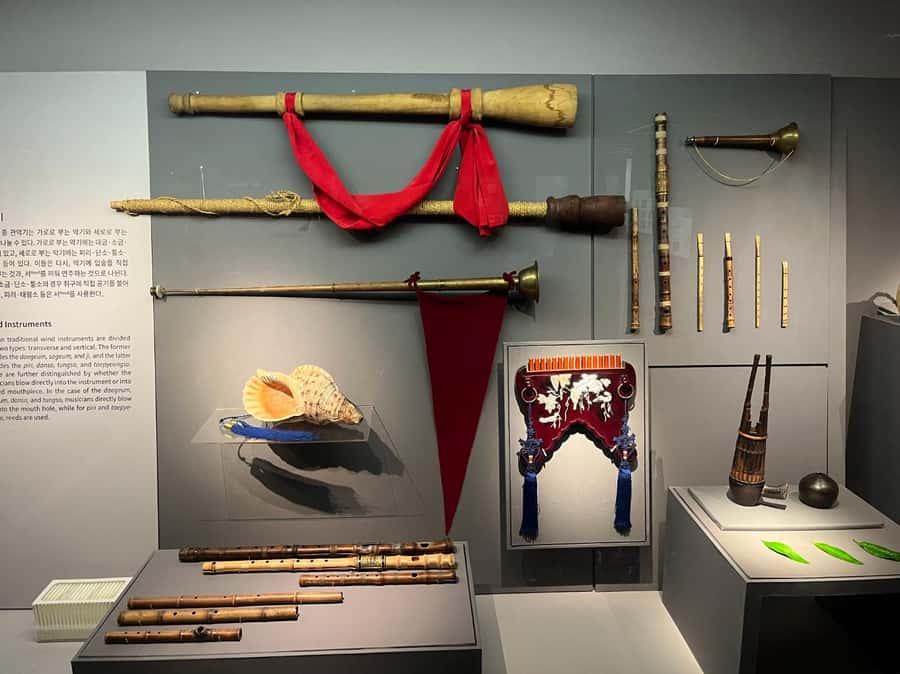
The group is limited to 10 participants. That number is small enough to make the guided museum visit feel more personal, while still allowing you to meet other people interested in Korean culture.
I prefer this format for a subject like Gugak. A large group can make it harder to hear explanations or ask questions, especially in a museum where people naturally spread out. A group of 10 gives the guide a better chance to keep everyone together.
The small group does not guarantee a private tour. You will still be sharing the experience, and the pace may be set by the guide and the venue. But it is a useful middle ground between going alone and joining a large coach group.
The tour ends back at the meeting point. Since the exact starting information is sent before the activity, check those details carefully. If you need help, the provider gives a WhatsApp contact number: 82-10-6263-5744.
Who will enjoy this most?
I would recommend this experience to first-time visitors who want a direct introduction to Korean traditional music. It is also a good fit if you enjoy concerts but want some context before the first note.
It suits people with a half-day schedule, couples looking for a quieter cultural activity, and families or friends who prefer a structured outing. The English guide makes it easier to understand the museum without preparing in advance.
Music fans may appreciate the 80-minute concert most. The activity also works for curious visitors who do not know the names of Korean instruments but want to hear them in a proper performance setting.
You may want to skip it if you dislike scheduled activities or prefer to explore museums entirely at your own pace. The museum portion is guided and limited to 40 minutes, so there is not much room for lingering. You should also think twice if reaching Gyeonggi Province is inconvenient from your accommodation, since transport is your responsibility.
Practical planning for the 140-minute visit
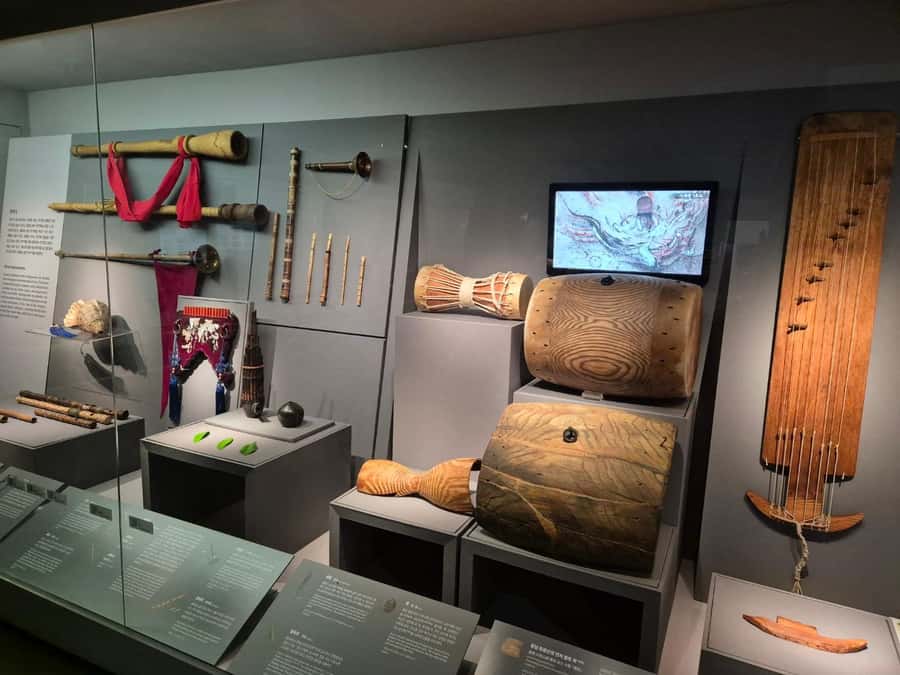
The total duration is 140 minutes, but you should plan more time around it for getting to and from the meeting point. The tour itself includes the museum visit and concert, while transport is not provided.
Starting times vary, so check availability before booking. The exact meeting details are sent before the activity, and the provider advises using WhatsApp for questions. I would confirm the meeting point, arrival time, and route before the day of the tour.
There is no meal break listed, and food and drinks are not included. Have anything you need before meeting the group, especially if you prefer not to go straight from the museum into an 80-minute performance.
The activity offers free cancellation up to 24 hours before the start for a full refund. You can also reserve now and pay later, which is useful if your Seoul schedule is still changing.
What the high rating tells you
The experience has a 4.7 rating from 17 reviews. The most consistent praise centers on two things: the guide’s manner and the quality of the concert.
Elisa receives specific praise for being kind and clear in her explanations. That detail matters because the quality of a short cultural tour often depends on how well the guide turns unfamiliar material into something understandable.
The concert is also described as incredible, and the activity receives strong approval as an introduction to traditional Korean music. I would place the greatest weight on those points when deciding. The value is not only in entering the museum. It is in having someone help you understand the displays, then hearing the music performed live.
One comment refers to World Heritage sites and historical details, which does not match the Gugak itinerary described here. I would not use that part to judge this specific music experience. The more relevant praise is for the guide’s clear explanations and the traditional music performance.
Should you book this Gugak tour?
Book it if you want a compact, guided introduction to Korean traditional music with a proper live concert at the center. The museum visit gives you context, the small group makes questions easier, and the 80-minute performance gives the experience real substance.
I would be especially inclined to book if you have never heard Gugak before. You will leave with a better sense of the instruments, the sound of the gayageum, and the difference between quiet solo passages and fuller ensemble music.
Skip it if transport to the meeting point is difficult, if you want a long self-guided museum visit, or if you already have a Gugak performance booked elsewhere. For most culture-minded visitors, though, $49 is a fair price for a guided museum visit plus a substantial concert, provided you plan the journey carefully.
FAQ
Where does the Gugak museum and concert tour take place?
The experience takes place in Gyeonggi Province, South Korea. The museum stop is the Museum of Korean Traditional Music, followed by a concert at the National Gugak Center’s Performance Rehearsal Hall.
How long does the activity last?
The full activity lasts 140 minutes. The museum guided tour takes about 40 minutes, and the live concert lasts about 80 minutes.
Is transportation included?
No. Transportation to and from the museum is not included. Detailed meeting information is sent before the tour.
Is the tour conducted in English?
Yes. The activity includes a live English-speaking tour guide.
How large is the group?
The experience is limited to 10 participants, making it a small group activity.
What is included in the price?
The price includes the visit to the Korean Traditional Music Museum, the live Gugak concert, and a guide.
Are meals and drinks included?
No. Meals and drinks are not included.
Can I cancel for a refund?
Yes. You can cancel up to 24 hours in advance for a full refund. The activity also offers a reserve-now-and-pay-later option.
Just added around Seoul
- Seoraksan National Park & Nami Island★ 4.5 · 3 reviews
- Strawberry Picking, Winter Sled with Eobi Ice Valley from Seoul★ 4.5 · 3 reviews
- Seoul Full Day small group Tour★ 5.0 · 3 reviews
- Seoul Korean BBQ Dinner Experience with Secret Food Tours★ 5.0 · 3 reviews
- Rice Wine Tasting with Sommelier – Finest Makgeolli (& Soju)★ 5.0 · 3 reviews
- Majang Meat Market Experience: Private Tour with Han-woo Beef BBQ★ 5.0 · 3 reviews
- Seongsu-dong Walking Tour: K-Pop, Culture, Cheer, Friends & Relax★ 4.5 · 3 reviews
- Seoul: Alpaca World and Nami Island (with Garden / Railbike)★ 5.0 · 3 reviews
Museums, compared.
Gyeongju UNESCO Legacy Tour with National Museum
Read our review →
From Busan to Gyeongju UNESCO Legacy Tour with National Museum
Read our review →
War Memorial of Korea Private Guided Museum Tour
Read our review →

Gyeongju UNESCO Sites Tour by KTX train; The Museum Without walls
Read our review →
Layover tour to Gyeongbokgung-Folk Museum-Bukchon-Insadong
Read our review →
Time Travel in Seoul: Gyeongbokgung Palace, Folk Museum & Bukchon
Read our review →Browse the lists this tour appears in