
Reviewed · HANBOK & PALACE EXPERIENCES
Seoul: 4-Hour Guided Tour to Palace, Bukchon, Jogyesa Temple
Seoul’s old soul is hiding in plain sight. This private four-hour tour links Gyeongbokgung Palace, the National Folk Museum, Bukchon Hanok Village, and Insadong, while guide Paul Koo explains the Confucian ideas behind Joseon architecture and daily life. That extra context is what makes the buildings more than photo stops.
I like the private format, priced at $152 for up to two people, and I like the way the tour connects palace design with Korean religious and social traditions. Paul also earns strong praise for explaining difficult history in clear English and for finding good photo angles. The main consideration is cost: the fee covers the guide only, so admission tickets, transport, food, and other expenses come separately.
In This Review
- Five things to know before booking
- Why Confucian ideas matter at Gyeongbokgung
- The National Folk Museum and ordinary Joseon life
- Bukchon Hanok Village above the modern city
- Insadong and the place of Jogyesa
- What Paul Koo adds to the experience
- Price, timing, and extra costs
- Who will get the most from this tour?
- A few practical questions to settle first
- FAQ
- How long does the tour last?
- Is this a private tour?
- What language is the tour conducted in?
- Where does the tour start?
- Are admission tickets and transportation included?
- Can I cancel for a full refund?
- Should you book this Seoul culture tour?
Five things to know before booking
- Paul Koo focuses on Confucian culture: His specialty is explaining how Confucian values shaped Joseon palaces, ceremonies, homes, and public life.
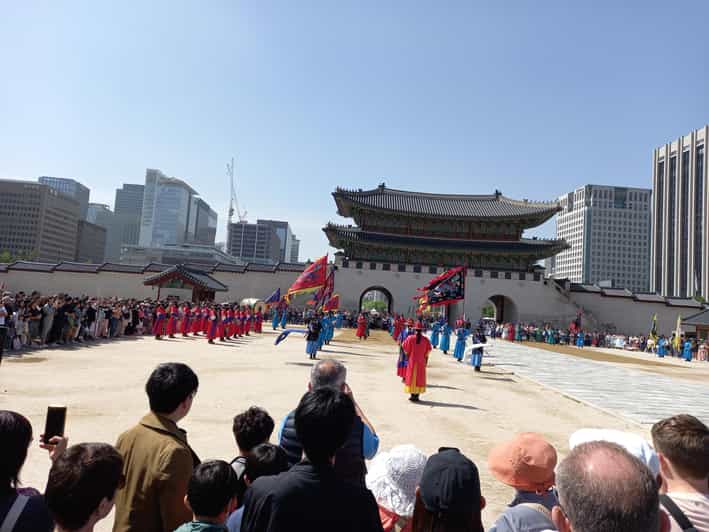
- Gyeongbokgung gets the largest share of time: About 2 hours and 20 minutes are assigned to Korea’s grandest royal palace, making it the heart of the experience.
- The route is built for two: The $152 price covers a private group of up to two people, which can be good value for a couple or two friends who want focused attention.
- You walk through several layers of Seoul: The route moves from royal architecture to ordinary Joseon life, traditional homes, Buddhist practice, and modern city views.
- Confirm the exact stops before paying: The main timed route names Gyeongbokgung, the Folk Museum, Bukchon, and Insadong, while the wider description also discusses Jogyesa and Bongeunsa temples. Ask Paul which places will be included on your chosen date.
Why Confucian ideas matter at Gyeongbokgung
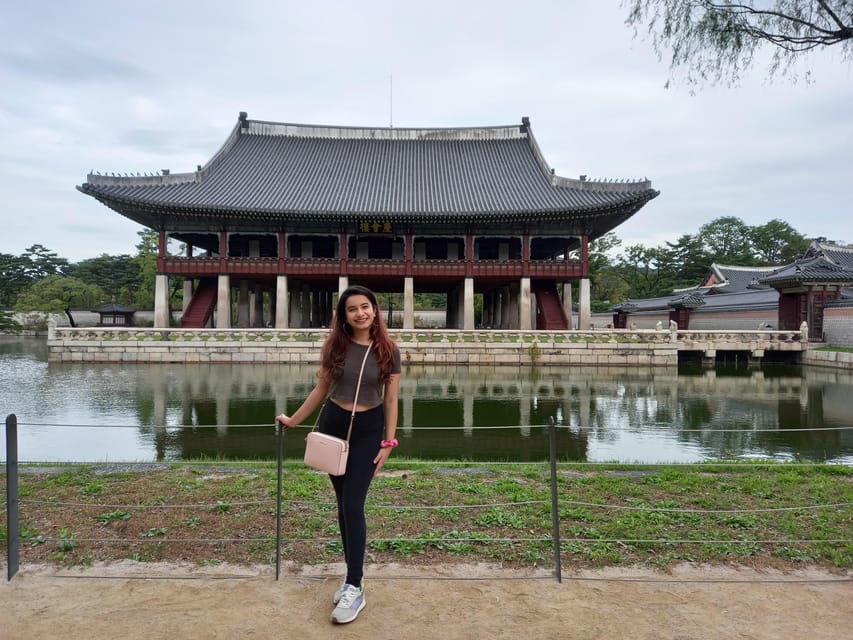
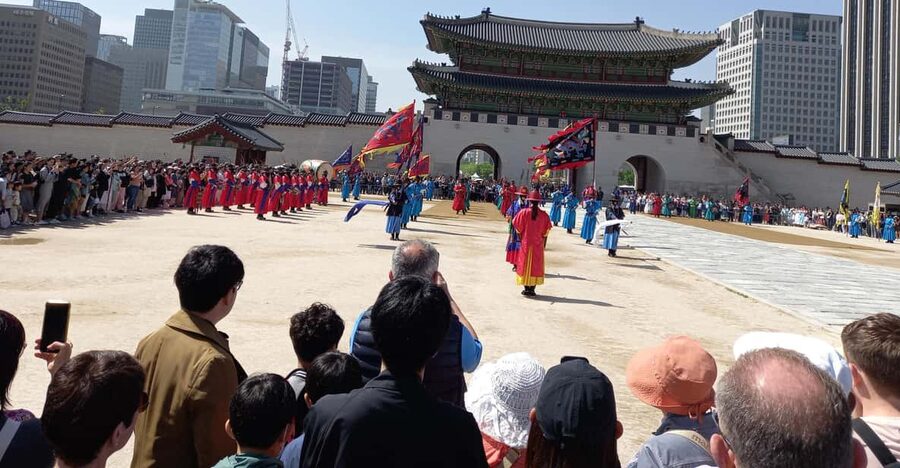
Gyeongbokgung is not simply an attractive palace with painted gates. It was built in 1395 as the main royal palace of the Joseon Dynasty, and its design reflects Confucian ideas about order, duty, rank, and government.
That is the central strength of this tour. Instead of treating Korean architecture as a collection of decorative roofs and courtyards, Paul explains the beliefs that shaped it. You begin to see why buildings sit where they do, why formal spaces feel so carefully arranged, and how architecture expressed the values of the ruling state.
Gyeongbokgung is the largest and most imposing of Seoul’s palaces. It is also described as the only one built on flat ground according to an authentic Confucian palace structure. That detail gives the visit a useful point of comparison with other royal sites in the city.
You should expect to spend about 2 hours and 20 minutes here, so this is not a rushed palace photo stop. The long palace segment gives Paul room to explain the site’s purpose and design, while giving you time to look closely at gates, halls, courtyards, and the relationship between royal buildings and the surrounding city.
The tradeoff is simple: if you prefer a quick overview, nearly half the tour may feel palace-heavy. If you want the setting explained rather than merely photographed, this is exactly where the time pays off.
Admission is not included. You will need to budget separately for the palace ticket, and the tour does not provide transportation between stops. Ask for current ticket details when you confirm the booking.
More Temple Visits in Seoul
- Seoul: Mt Seorak + Naksansa Temple or Nami Island Group Tour
★ 4.7 · 422 reviews - Best Things to Do – Half Day Seoul Trip (Seoul Palace & Temple)
★ 5.0 · 190 reviews - Mount Seorak and Naksansa Temple One Day Tour from Seoul
★ 4.5 · 167 reviews
The National Folk Museum and ordinary Joseon life
After the palace, the National Folk Museum of Korea changes the scale of the story. Gyeongbokgung presents the royal world. The Folk Museum looks at how ordinary people lived.
The planned museum visit lasts about 30 minutes. That is enough for a guided introduction, though not enough for a slow examination of every display. Paul’s role here is especially useful because the museum covers subjects that can otherwise feel disconnected: seasonal customs, family ceremonies, work, illness, treatment, aging, marriage, and death.
The exhibitions show the life cycle from birth through old age and death, along with ceremonial and commemorative events. They also cover seasonal activities and folk practices. This helps you understand that Joseon culture was not only about kings, officials, and grand halls. It was also about household rituals, community duties, and the rhythm of the year.
I find this stop important because it keeps the palace from becoming an isolated monument. After hearing about royal Confucian order, you get a clearer sense of how tradition reached into everyday life.
The short duration means you should listen closely to the guide rather than try to read every label. If you are especially interested in social history, ask Paul before the tour begins if there is a particular exhibition or subject he can emphasize.
Bukchon Hanok Village above the modern city
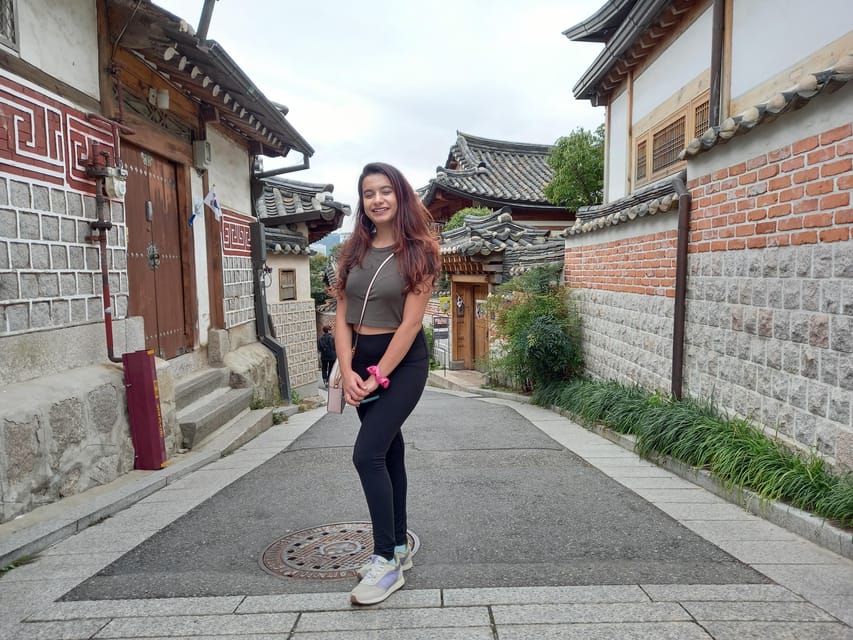
Bukchon Hanok Village is the tour’s best place to see traditional Korean homes in a living urban setting. The area contains about 1,000 hanoks, traditional Korean houses, making it one of Seoul’s largest concentrations of this kind of architecture.
The appeal is the contrast. You may look across traditional tiled roofs and narrow streets toward modern buildings and N Seoul Tower in the distance. Old residential forms and a huge contemporary city occupy the same view. That mixture explains why Bukchon photographs so well, but the neighborhood is more than a scenic backdrop.
A guided walk helps you notice how hanoks differ from palace buildings. The palace was designed for state ceremony and royal authority. A hanok served family life. The change from formal royal courtyards to residential architecture gives the tour a natural progression.
The planned visit lasts about 40 minutes. That is enough for a focused walk and photographs, but it is not a full neighborhood exploration. Bukchon has a long history and many lanes, so you will see only part of it within the tour’s schedule.
Paul’s eye for photographs is a practical advantage here. One verified account specifically praised his help with finding good spots and angles, as well as taking many pictures. That can matter when you are trying to frame traditional roofs, city towers, and modern Seoul in one shot.
Keep in mind that Bukchon is a residential area, not just an outdoor museum. You should follow the guide’s lead, keep noise low, and avoid treating private doorways as photo props. The supplied information does not promise a particular route through the village, so confirm how much walking is planned.
Insadong and the place of Jogyesa
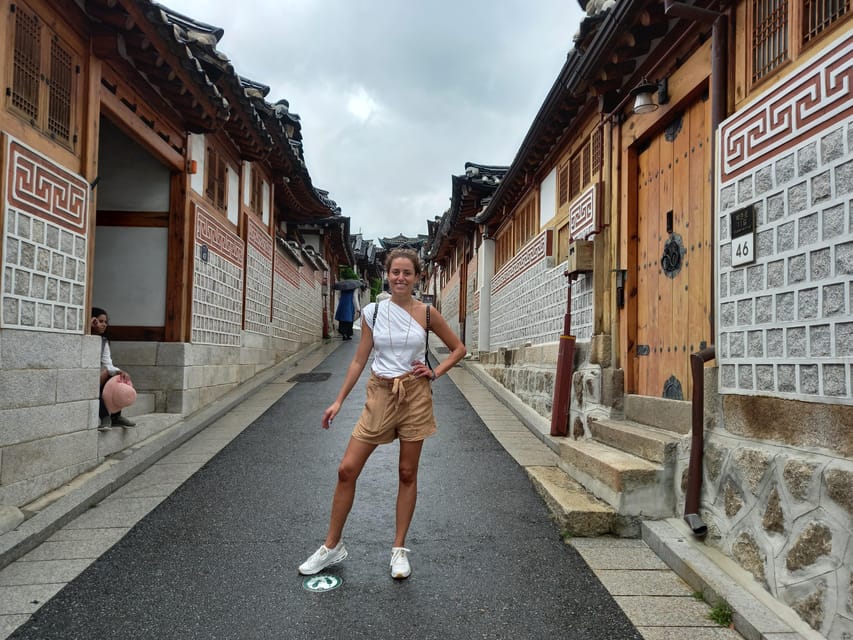
The listed route gives Insadong about 30 minutes. This is a sensible final stop because the area connects traditional culture with the present-day city. It also provides a change from royal grounds and residential lanes.
The description of the experience places special attention on Jogyesa Buddhist Temple, the headquarters of Korea’s main Buddhist organization. The temple is described as small, built in 1926 in Insadong, and located close to Gyeongbokgung.
That makes Jogyesa a useful counterpoint to the Confucian palace. Gyeongbokgung represents the state ideology of the Joseon Dynasty. Jogyesa presents Korean Buddhist life in a more recent urban setting. Seeing both helps you understand that Korean culture cannot be reduced to one belief system or one period.
There is an important planning detail here. The timed route specifically names Insadong but does not separately assign a duration to Jogyesa. The broader description also mentions Bongeunsa Buddhist Temple, a site noted for its striking meeting of old religious architecture and the modern city. Since Bongeunsa does not appear in the four listed timed stops, you should confirm whether it is an optional discussion, a substitution, or part of a different version of the tour.
This is not a minor question. Four hours is a tight schedule, and adding another temple would affect time at the palace, museum, or Bukchon. Get the final route in writing if Jogyesa or Bongeunsa is a priority.
More hanbok and palace experiences:
- Seoul: Gyeongbok Palace, Bukchon Village, and Gwangjang Tour
★ 4.9 · 2,321 reviews - Best Seoul City Tour (Gyeongbokgung Palace,Insadong,Namsan Tower)
★ 5.0 · 1,647 reviews - Small-Group Royal Palace and Seoul City Tour (hotel pick-up)
★ 5.0 · 1,474 reviews - Seoul City Sightseeing Tour Including Gyeongbokgung Palace, N Seoul Tower, and Namsangol Hanok Village
★ 5.0 · 1,423 reviews
What Paul Koo adds to the experience
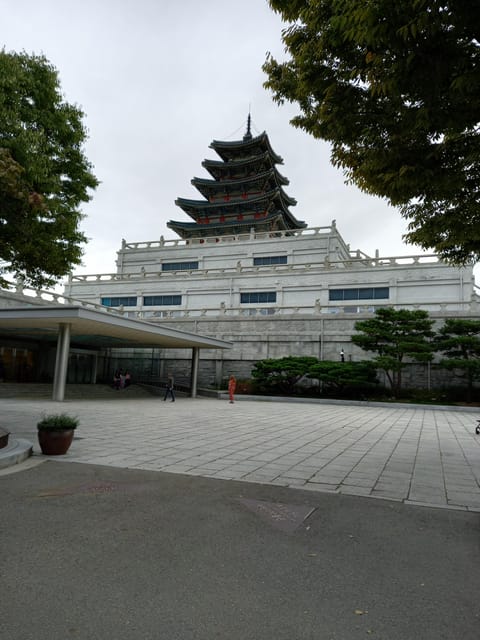
The guide is the main reason to choose this tour over simply visiting the sites with an audio guide or map. Paul Koo is presented as a specialist in Confucian culture, and his explanations are the focus of the experience.
The strongest praise centers on three things:
- He explains Korean history in clear, engaging English.
- He connects architecture to Confucian beliefs and social structure.
- He helps with photographs, including angles and locations that are easy to miss.
That approach suits you if you like to understand why a place looks and functions as it does. Paul’s explanations cover cultural, historical, and religious background, with particular attention to Confucianism.
The tour may be less suitable if you want a casual stroll with only light commentary. The description promises serious cultural interpretation, not just a list of dates. You should expect ideas about philosophy, ritual, hierarchy, and architecture to receive real attention.
The private format helps. With only you and one other person, you can ask questions, slow down at a particular building, or request more explanation about a topic. A large group would make that harder. The cost is higher than joining a shared walking tour, but it may be reasonable if two people split the $152 guide fee and value personal attention.
Price, timing, and extra costs
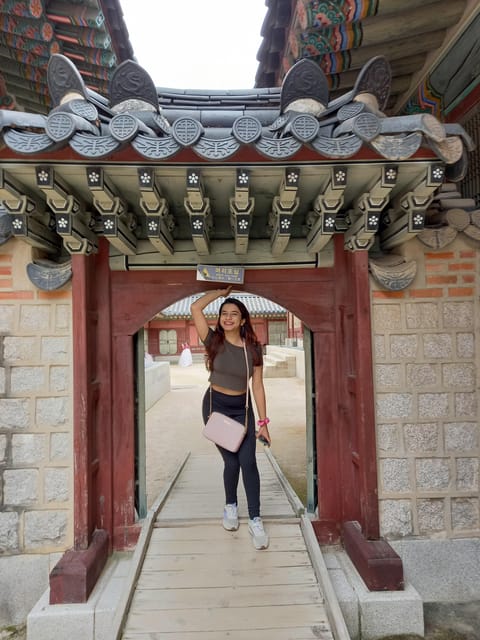
The advertised price is $152 per private group of up to two people for four hours. That works out to $76 per person for two people, before admissions and other expenses.
The value depends on how you use the guide. If you are mainly looking for transportation or a quick list of famous sights, the price is harder to justify. If you want one person to explain the cultural logic behind the palace, temple, homes, and museum, the private service offers a more focused experience.
The fee includes the guide and four hours of information. It does not include:
- Palace admission
- N Seoul Tower admission, if that site is part of your confirmed plan
- Transportation between locations
- Food and drinks
- Insurance
Because transportation is not included, you should ask how the group will move between stops and what costs you should expect. The meeting point and starting time can be chosen after booking, and meeting at your hotel is possible. That flexibility is useful if you are staying in Seoul and want to avoid crossing the city before the tour begins.
The tour is conducted in English. You should request the reservation and wait for confirmation from the guide before treating the schedule as final.
Free cancellation is available up to 24 hours in advance for a full refund. You can also reserve now and pay later, which gives you some flexibility while your Seoul plans are still changing.
Who will get the most from this tour?
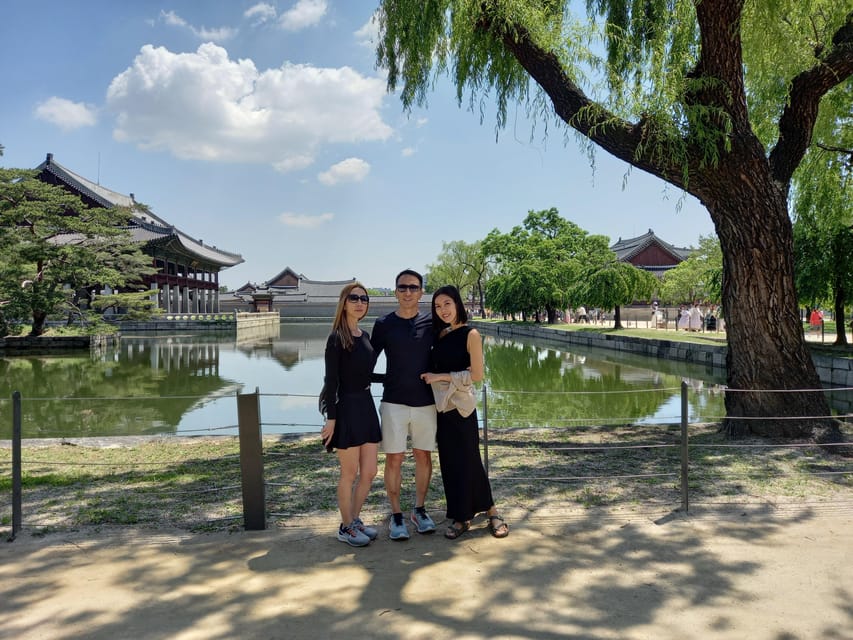
I would recommend this experience to couples, friends, or families of two who want a private cultural introduction rather than a simple sightseeing circuit.
It is especially suited to you if:
- You are visiting Seoul for the first time.
- You want the Joseon Dynasty explained in plain English.
- You care about architecture and the ideas behind it.
- You prefer a private guide to a large group.
- You want help taking better photographs.
- You are happy to pay separately for tickets and transportation.
Families should note the long palace segment. Younger children may find nearly two and a half hours of architectural explanation tiring, especially if they are not interested in history. The private format does give you more control, so you can ask for shorter explanations or more visual storytelling.
This tour also suits repeat visitors who saw Gyeongbokgung before but felt they missed the meaning behind it. A palace can look familiar after a few photographs. Confucian context changes what you notice.
A few practical questions to settle first
Before booking, I would send Paul three clear questions:
- Will Jogyesa be visited, or is Insadong the final stop?
- Is Bongeunsa included on this four-hour route?
- Which admissions and transportation costs should I prepare for?
These questions matter because the advertised highlights and the timed stop list are not identical. Gyeongbokgung, the National Folk Museum, Bukchon, and Insadong are the clearly timed elements. Jogyesa and Bongeunsa are discussed in the experience description but need confirmation.
Also ask where you will meet. You may choose the meeting place and time after booking, and a hotel meeting is possible. That can make the start easier, but the exact meeting arrangement should be confirmed in advance.
FAQ
How long does the tour last?
The tour lasts four hours.
Is this a private tour?
Yes. It is a private group experience for up to two people.
What language is the tour conducted in?
The live tour guide provides the experience in English.
Where does the tour start?
The listed starting location is Gwanghwamun Square, but the meeting place and time can be chosen after booking. Meeting at your hotel is also possible.
Are admission tickets and transportation included?
No. Palace admission, N Seoul Tower admission if applicable, transportation, food and drinks, and insurance are not included.
Can I cancel for a full refund?
Yes. You can cancel up to 24 hours in advance for a full refund. You may also reserve now and pay later.
Should you book this Seoul culture tour?
Book it if you want Seoul’s major traditional sites explained through Confucian culture, rather than visited as isolated monuments. Gyeongbokgung receives enough time to make the palace worthwhile, and the Folk Museum, Bukchon, and Insadong add daily life, homes, and Buddhist context to the picture.
Paul Koo is the key advantage. His clear explanations, attention to historical detail, and help with photographs make this a strong choice for a private introduction to traditional Seoul.
I would pause only if you need an all-inclusive tour with transport and tickets, or if Jogyesa and Bongeunsa are essential stops. Confirm the exact route first. For two people who value a thoughtful guide and want to understand what they are seeing, the $152 private fee can be fair value.
More Temple Visits
- Day Tour of Suwon Hwaseong Fortress Starfield Waujeongsa Temple
★ 5.0 · 61 reviews - Half day Morning Seoul City Tour(Temple & Gyeongbok Palace)
★ 5.0 · 54 reviews - Korean Palace and Temple Tour in Seoul: Gyeongbokgung Palace and Jogyesa Temple
★ 4.5 · 38 reviews - Private Seoul City Tour Palace, village, temple, market
★ 5.0 · 21 reviews
More Hanok Village Visits
- Seoul: Gyeongbok Palace, Bukchon Village, and Gwangjang Tour
★ 5.0 · 1,044 reviews - Seoul: Suwon Hwaseong Fortress & Korean Folk Village Tour
★ 4.7 · 214 reviews - Seoul: Gyeongbok Palace and Bukchon Hanok Walking Tour
★ 4.8 · 157 reviews - Best Walking Tour to Gyeongbok Palace Bukchon Hanok Village
★ 5.0 · 138 reviews
Just added around Seoul
- Seoraksan National Park & Nami Island★ 4.5 · 3 reviews
- Strawberry Picking, Winter Sled with Eobi Ice Valley from Seoul★ 4.5 · 3 reviews
- Seoul Full Day small group Tour★ 5.0 · 3 reviews
- Majang Meat Market Experience: Private Tour with Han-woo Beef BBQ★ 5.0 · 3 reviews
- Seoul Korean BBQ Dinner Experience with Secret Food Tours★ 5.0 · 3 reviews
- Rice Wine Tasting with Sommelier – Finest Makgeolli (& Soju)★ 5.0 · 3 reviews
- Max Out Seoul: Must Visit City Highlights Panoramic Day Tour★ 5.0 · 3 reviews
- Seongsu-dong Walking Tour: K-Pop, Culture, Cheer, Friends & Relax★ 4.5 · 3 reviews
Hanbok & Palace Experiences, compared.

Gyeongbok Palace, Bukchon Village, and Gwangjang Tour
Read our review →
Best Seoul City Tour (Gyeongbokgung Palace,Insadong,Namsan Tower)
Read our review →
Small-Group Royal Palace and Seoul City Tour (hotel pick-up)
Read our review →
Seoul City Sightseeing Tour Including Gyeongbokgung Palace, N Seoul Tower, and Namsangol Hanok Village
Read our review →Gyeongbok Palace, Bukchon Village, and Gwangjang Tour
Read our review →
Seoul Highlights: Gyeongbok Palace, Insadong & N Seoul Tower
Read our review →
Seoul City Half Day Tour-Gyeongbok Palace Guard Changing Ceremony
Read our review →Browse the lists this tour appears in