
Reviewed · FOOD & DRINK
Seoul Food Tours, Eat Like a Local : 100% Personalized & Private
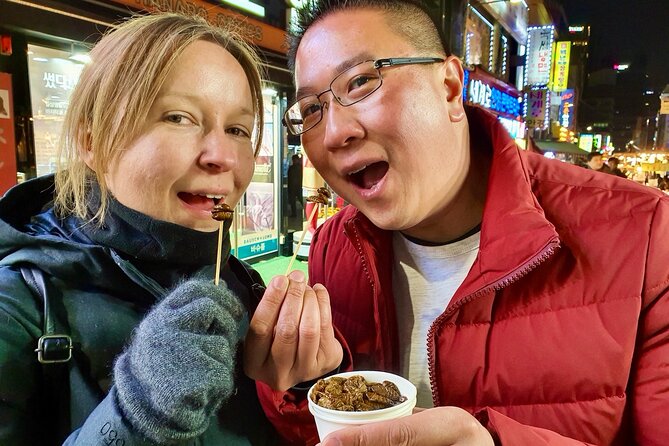
Come hungry, leave curious. This three-hour private food tour gives you a personal route through Seoul’s food scene, from small local eateries and Korean barbecue to mandu, market snacks, and tea. I like the custom itinerary, which can match your food interests, and I like the chance to taste six to eight Korean specialties rather than settle for one restaurant meal.
The private format also makes it easy to ask questions, adjust the pace, or request dishes you might not order alone. Guides such as Andrew, Ben, and Van have been praised for friendly conversation, cultural background, and encouraging first bites. The drawback is price: at $221.45 per person, this is expensive for three hours, especially since transport, extra food, and gratuities cost more.
In This Review
- Key Points Before You Book
- A Three-Hour Introduction to Seoul’s Food Culture
- Starting with Small Local Eateries
- Mandu, Noodles, and Garlic Chicken Stew
- Ikseondong’s Hanok Cafés
- Gwangjang Market and Seoul’s Street Snacks
- What the Private Format Really Gives You
- Walking, Public Transport, and Taxis
- Is $221.45 Per Person Fair?
- Who Will Enjoy This Most?
- Booking Details That Matter
- Should You Book Seoul Food Tours, Eat Like a Local?
- FAQ
- How long does the Seoul food tour last?
- Is this a private tour?
- How many food tastings are included?
- Are drinks included?
- Where does the tour start?
- Where does the tour end?
- Can the tour begin at my hotel?
- Is transportation included?
- Can I request certain Korean dishes or neighborhoods?
- Can I cancel for a refund?
Key Points Before You Book
- Six to eight tastings in three hours: You get a broad introduction to Korean food instead of a single sit-down meal.
- Your food preferences shape the route: You may request dishes such as galbijjim, kalguksu, mandu, barbecue, or tea.
- Ikseondong adds atmosphere: Hanok cafés and narrow streets give the food walk a strong neighborhood feel.
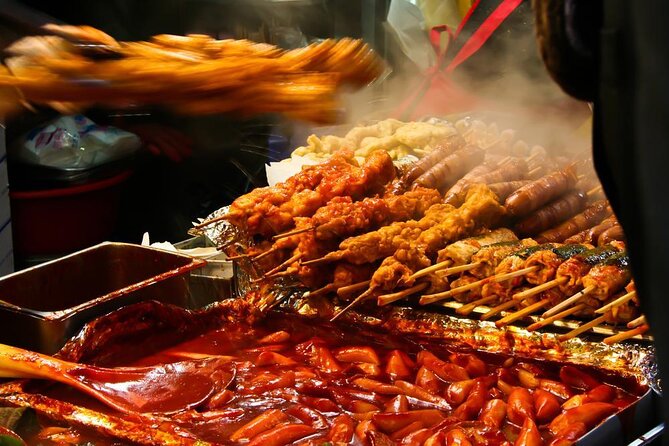
- Gwangjang Market brings street food into the plan: Rice cakes, pancakes, and other snacks may appear along the way.
- The tour is private: Only your group participates, with a host focused on your interests.
- The value depends on your priorities: Personal attention is strong, but the short duration and high price deserve a careful look.
A Three-Hour Introduction to Seoul’s Food Culture
This experience works best as an opening chapter to Seoul. You are not signing up for a fixed restaurant crawl with every stop guaranteed. Instead, you meet a host and follow a route built around your tastes, with possible stops in local eating houses, traditional markets, café lanes, and neighborhood restaurants.
The advertised meeting point is Starbucks at 5-1 Bukchon-ro in Jongno District, near Anguk. A hotel meet-up may be arranged if you are staying in a central location. The tour ends back at the meeting point, so you should allow enough time afterward to return to your hotel or continue sightseeing.
The walking format matters. Seoul’s food culture is not only found in polished restaurants. Small sikdang, street stalls, market counters, and old neighborhood cafés each tell a different story. A host can help you understand what you are seeing, how a dish is normally eaten, and which items may be unfamiliar.
You receive two soft drinks and six to eight Korean food tastings per person. That sounds generous for three hours, but the size of each tasting is not specified. I would think of this as a sampling experience, not a replacement for a full lunch or dinner.
More Private Tours in Seoul
- Private DMZ Tour (No Shopping): 3rd Tunnel & Suspension Bridge
★ 5.0 · 607 reviews - Seoul City Private Full-Day Tour Including Lunch
★ 5.0 · 469 reviews - Private DMZ the 3rd Tunnel Tour from Seoul (optional Red Bridge)
★ 5.0 · 429 reviews
Starting with Small Local Eateries
One possible stop is Pumpkin Korean BBQ, described as a small local eatery where your host can help you order and explain the experience. This kind of stop gives the tour a useful purpose: you do not have to decode a Korean menu alone, and you can focus on tasting instead of worrying about ordering mistakes.
Korean barbecue can also be a social meal. The cooking method, side dishes, sauces, and shared table style are part of the experience, not just the meat. A private guide can point out these details in a way that is hard to manage when you are busy reading menus or following a large group.
The exact restaurant may change. That flexibility is useful if you have a strong preference, a food dislike, or a specific neighborhood in mind. It also means you should not book this expecting every named location to appear. The places listed are examples, and your final route may be different.
If you want a full barbecue dinner with many rounds of meat, this short tour may feel limited. If you want a first taste and some help finding the right style of restaurant, it makes more sense.
Mandu, Noodles, and Garlic Chicken Stew
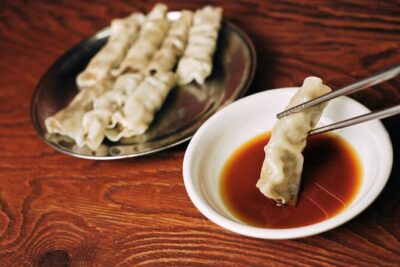
Traditional dishes form the center of the food program. Possible tastings include mandu, or Korean dumplings, noodle soup, and garlic chicken stew. Yago Mandoo is one suggested place for dumplings, but again, the route is personalized rather than fixed.
Mandu is a good choice for first-time visitors because it is familiar enough to approach easily, but still shows Korean seasoning and texture. Noodle soup offers a different lesson, with broth, noodles, and toppings changing the character of the meal. Garlic chicken stew gives you a chance to try something more substantial and strongly flavored.
The strongest part of this setup is the host’s role. You can tell the guide what you already eat, what you want to avoid, and what you hope to try. One successful route helped a guest seek out galbijjim and kalguksu in a traditional neighborhood away from the main tourist areas. That is exactly the kind of request worth making before the tour begins.
Food preferences should be clear at the start. The information provided does not list a formal allergy or dietary program, so you should discuss serious restrictions when arranging the experience. Do not rely on a last-minute explanation at a crowded food stall.
Ikseondong’s Hanok Cafés
Ikseondong brings a change of pace. This neighborhood is known for its hanok-style café street, where traditional Korean house forms meet small cafés and modern food spaces. The contrast gives your walk more variety than a simple chain of restaurants.
A café stop may also work well near the end of the tour. One guide finished with dessert and medicinal tea, creating a quieter finish after several savory tastings. Tea can be a useful moment to ask about Korean customs, family life, and everyday food habits rather than rushing from one plate to the next.
Ikseondong is an appealing stop, but it may not satisfy you if your main goal is heavy, traditional cooking. Café streets are as much about setting and atmosphere as food. Your host should be able to balance the route if you prefer meat, soups, dumplings, or market snacks over sweets and drinks.
Since the itinerary can change, ask how much time will be spent in Ikseondong if that area matters to you. The three-hour limit means every neighborhood visit reduces time available for another tasting.
More food tours:
- Seoul Street Food Market Tour
★ 5.0 · 1,226 reviews - Seoul: Night Market Food Tour with Local Guide
★ 4.9 · 943 reviews - Downtown Seoul Guided Food & Market Tour with 8+ Local Tastings
★ 5.0 · 580 reviews - Small-Group Night Food Tour in Seoul with Korean BBQ
★ 5.0 · 304 reviews
Gwangjang Market and Seoul’s Street Snacks
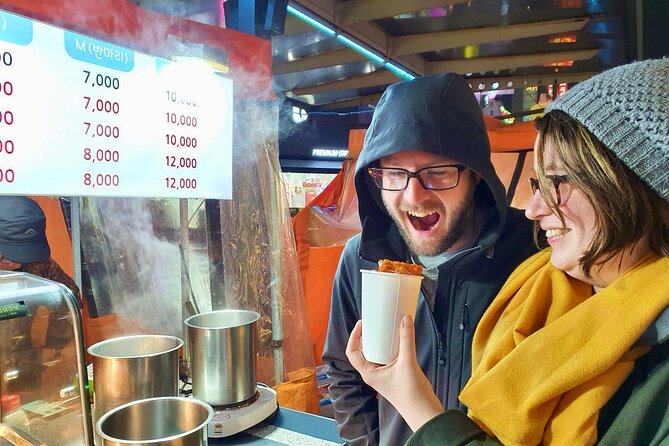
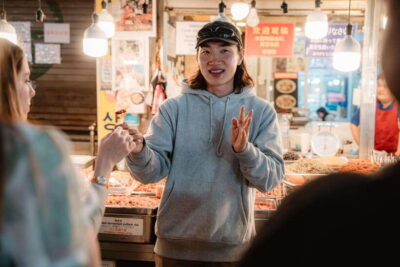
Gwangjang Market is the tour’s most direct look at street food culture. Your host may encourage you to pick up a rice cake or pancake as you walk. These small purchases show how Korean eating often works: quick, shared, social, and tied to a particular place.
A market is also where a guide earns the cost of admission, even though there is no separate attraction ticket. You can point to something unfamiliar, ask what it is, and decide with help instead of guessing. That matters if you want to try more unusual food but do not know where to begin.
Market visits can be hot, crowded, and noisy. One evening outing took place in extremely hot and sticky weather, yet the food and company still made the experience worthwhile. Seoul’s weather can affect a walking tour, so comfortable shoes and light clothing are sensible choices when conditions are warm.
The tour includes specified tastings and two soft drinks, but food and drinks beyond those inclusions are not covered. At a market, it is easy to see another snack and want it. Carry some extra Korean won or a payment method accepted by the vendor, and remember that additional purchases increase the final cost.
What the Private Format Really Gives You
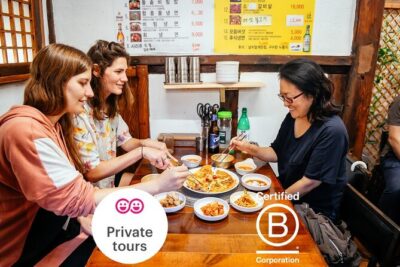
The private setup is the clearest advantage. Only your group joins, so the host can keep the pace suited to you. You can ask about ingredients, customs, neighborhoods, and restaurant etiquette without waiting for a dozen other people to finish taking photos.
It also gives you a better chance to try food outside your comfort zone. Andrew was praised for bringing Seoul to life with local background and historic context. Another guide, Ben, helped a guest find requested dishes in a traditional neighborhood away from tourist-heavy areas. Van was singled out for a pleasant evening of street vendors and Korean specialties.
Those examples point to a useful booking strategy: send requests before the day. If you want galbijjim, kalguksu, mandu, barbecue, medicinal tea, or a particular market, say so. The more specific you are, the more useful the personalized format becomes.
The private tour does not guarantee that the guide will be a food specialist or that every requested dish will be available. Its strength is local guidance and flexibility, not a fixed chef-led tasting menu.
Walking, Public Transport, and Taxis
The basic experience is a walking tour. That is a good fit if you want to see how food spots connect with Seoul’s neighborhoods, but three hours on foot may be tiring for some people. The host can suggest public transport or private taxi options when needed, but transportation costs are not included.
This is an important cost detail. The listed price covers the host, the private format, and the included tastings, not every ride between stops. If your route stretches across several districts, ask how much walking and transport will be involved before you begin.
The meeting point near Anguk puts you in an area suited to a food and culture walk. A central hotel meet-up may be available on request, but it is not presented as automatic for every location. Confirm this ahead of time rather than assuming the host will come to any Seoul hotel.
Is $221.45 Per Person Fair?
The price is high for a three-hour activity. You are paying for private attention, planning, local navigation, conversation, and six to eight tastings. For a couple or small group that wants an easy first evening in Seoul, those benefits may justify the cost.
The calculation becomes less favorable if you mainly want food quantity. The tour does not include extra meals, transportation, attraction tickets, or gratuities. A less expensive self-guided market visit could provide more food for less money, though it would not provide the same help with ordering and cultural explanation.
One three-star assessment made this exact point, comparing the experience with a longer private tour that included a dedicated car at a similar total price. That is a fair warning. Before booking, compare the cost with other private Seoul food walks, especially if you want a vehicle or more than three hours.
Group discounts may be available, which could improve the per-person value for a larger party. Since this is a private activity, the price structure is worth checking carefully for your group size rather than judging it only as a solo purchase.
Who Will Enjoy This Most?
I would recommend this tour to first-time Seoul visitors who want a gentle introduction to Korean food and do not want to plan every meal. It is also a strong fit for couples, families, and small groups with mixed confidence around unfamiliar dishes.
You will get the most from it if you enjoy conversation and are willing to try foods suggested by your host. The guides have been praised for being cheerful, attentive, and good at encouraging people to sample more unusual options.
This is less suitable for a strict food expert who wants a fixed list of famous restaurants. It may also disappoint anyone expecting a long, vehicle-based tour or a large dinner. Three hours passes quickly once you include walking, ordering, eating, and moving between neighborhoods.
For an evening tour, remember that Seoul can be hot and humid. For an afternoon tour, you may prefer a route with a café or tea stop. You can ask for the pace and food style that suit your group.
Booking Details That Matter
Confirmation is provided at booking. Most people can participate, and service animals are allowed. The activity is near public transportation, but the basic format remains a walking experience.
You can cancel for a full refund up to 24 hours before the local start time. Changes made within 24 hours are not accepted, and late cancellations are not refunded. That policy is reasonable, but it makes it important to check the weather, meeting point, and food requests early.
Gratuities are optional and not included. If your host, such as Andrew, Ben, or Van, provides the kind of personal help that makes Seoul easier to understand, you may wish to budget for a tip.
Should You Book Seoul Food Tours, Eat Like a Local?
Book it if you value personal guidance over maximum food quantity. The best reason to choose this experience is not simply the number of tastings. It is the chance to ask for foods you care about, explore local eateries, visit places such as Ikseondong and Gwangjang Market, and get help making sense of Korean dining customs.
Think twice if $221.45 feels steep for three hours, or if you want a car, a full meal, or a longer route. For first-time visitors, especially those arriving without a food plan, the private format can be a useful way to get oriented early in your stay. For repeat visitors and confident eaters, a self-guided market crawl may offer better value.
FAQ
How long does the Seoul food tour last?
The experience lasts approximately three hours.
Is this a private tour?
Yes. Only your group participates in the activity.
How many food tastings are included?
You receive six to eight tastings of Korean specialties per person.
Are drinks included?
Two soft drinks per person are included. Other food and drinks are not included.
Where does the tour start?
The listed meeting point is Starbucks at 5-1 Bukchon-ro in Jongno District, Seoul.
Where does the tour end?
The activity ends back at the meeting point.
Can the tour begin at my hotel?
A hotel meet-up is available on request for central locations.
Is transportation included?
The experience is primarily a walking tour. Your host can suggest public transport or private taxi options, but transportation costs are not included.
Can I request certain Korean dishes or neighborhoods?
Yes. The itinerary is private and personalized, so you can share your interests and food preferences. Possible stops include Ikseondong, Gwangjang Market, Yago Mandoo, and Korean barbecue locations, but the final route may differ.
Can I cancel for a refund?
You can cancel at least 24 hours before the local start time for a full refund. Cancellations or changes made less than 24 hours before the start time are not accepted for a refund.
More Food
- Seoul Night Palace & Market Food Tour with Vehicle
★ 5.0 · 275 reviews - Seoul Fun Food Tour: 12 different food tastings
★ 5.0 · 266 reviews - The Award-Winning PRIVATE Food Tour of Seoul: The 10 Tastings
★ 4.5 · 128 reviews - Afternoon E-bike tour and “Happy Hour” food and drinks
★ 5.0 · 46 reviews
Just added around Seoul
- Seoraksan National Park & Nami Island★ 4.5 · 3 reviews
- Strawberry Picking, Winter Sled with Eobi Ice Valley from Seoul★ 4.5 · 3 reviews
- Seoul Full Day small group Tour★ 5.0 · 3 reviews
- Majang Meat Market Experience: Private Tour with Han-woo Beef BBQ★ 5.0 · 3 reviews
- Seoul Korean BBQ Dinner Experience with Secret Food Tours★ 5.0 · 3 reviews
- Rice Wine Tasting with Sommelier – Finest Makgeolli (& Soju)★ 5.0 · 3 reviews
- Max Out Seoul: Must Visit City Highlights Panoramic Day Tour★ 5.0 · 3 reviews
- Seongsu-dong Walking Tour: K-Pop, Culture, Cheer, Friends & Relax★ 4.5 · 3 reviews
Food & Drink, compared.
Downtown Seoul Guided Food & Market Tour with 8+ Local Tastings
Read our review →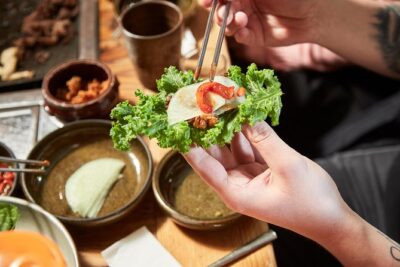
Small-Group Night Food Tour in Seoul with Korean BBQ
Read our review →
Seoul Night Palace & Market Food Tour with Vehicle
Read our review →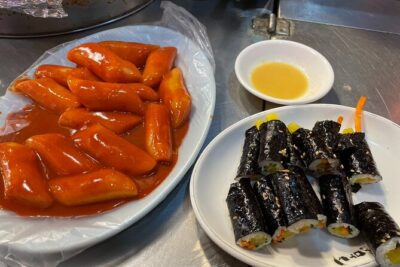
Seoul Fun Food Tour: 12 different food tastings
Read our review →
The Award-Winning PRIVATE Food Tour of Seoul: The 10 Tastings
Read our review →Browse the lists this tour appears in