
Reviewed · MARKETS
Downtown Seoul Guided Food & Market Tour with 8+ Local Tastings
Come hungry, leave better oriented. This three-hour Seoul food tour mixes market stalls, traditional dishes, palace districts, and a quiet teahouse finish, giving you a useful first look at Korean food culture without asking you to order a full meal at every stop. I especially like the small-group format and the way the guide explains why each dish matters, not just what it is. The end at an old-style teahouse near Anguk Station is another fine touch.
The main caution is price. At $98 per person, this is not a cheap way to grab lunch, and one stop can feel sweeter than some people expect. If you want barbecue, noodles, or a long list of banchan, this route may not cover enough ground for the cost.
In This Review
- Quick points to know
- Why this Seoul food tour works well on a first day
- Starting at Jong-ro and Seoul’s old market world
- The savory tasting lineup
- Sweets, drinks, and the tour’s one real weakness
- Gyeongbokgung, Bukchon, and the palace districts
- Finishing with tea in Insadong
- What $98 buys you
- Group size, walking, and practical details
- Who should book this food walk?
- Should you book the Downtown Seoul food tour?
- FAQ
- How long is the Seoul food and market tour?
- How much does the tour cost?
- Where does the tour start?
- Where does the tour end?
- How many people can join the tour?
- What food is included?
- Is lunch included?
- Is hotel pickup or drop-off included?
- Can the tour accommodate dietary restrictions?
Quick points to know
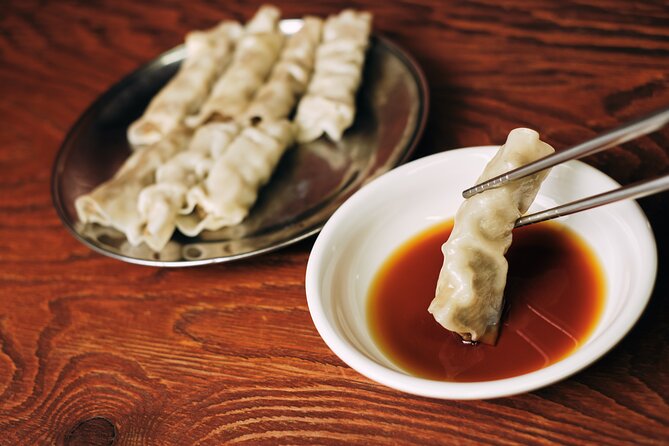
- Eight or more tastings: Expect mung bean pancake, mandu, tteokbokki, fish soup, kimbap, sweet bread, honey snacks, rice cake, tea, and a secret dish.
- A market-first introduction: The route begins at 214 Jong-ro, near central Seoul’s food and historic sights.
- Small groups matter: The tour is described for about 10 people, with a maximum of 12.
- History comes with lunch: Guides connect dishes and neighborhoods with Korean culture, palace history, and everyday eating habits.
- A calm finish: The tour ends in a traditional teahouse in Insadong, about 100 meters from Anguk Station.
- Best for first days: You get restaurant and market suggestions you can return to later during your Seoul stay.
Why this Seoul food tour works well on a first day
Seoul can be a hard city to read at first. Menus may have limited English, markets can feel noisy and crowded, and familiar dishes often appear in forms you did not expect. A guide gives you a safe way to try several foods in small portions, so you do not have to commit to a large serving of something unfamiliar.
I like the tour’s mix of places. It is not simply a walk through one market, and it is not only a restaurant meal. You move between market food, neighborhood stops, sweets, drinks, and a tea house. That gives you a broader sense of how food fits into Seoul life.
The guides also add useful context. Alex is praised for clear English, patience, and practical tips. Jae and JaeSun are noted for explaining dish names, preparation, and the link between food and Korean history. Youla is described as fun and well organized, while Ji Yoon went out of her way to help with a taxi and later offered dinner suggestions. Your guide will vary, but the strongest part of this tour is clearly the personal explanation along the route.
More Market Visits in Seoul
- Seoul Street Food Market Tour
★ 5.0 · 1,226 reviews - Local Home Korean Cooking Class & Market Adventure in Seoul
★ 5.0 · 1,024 reviews - Seoul: Night Market Food Tour with Local Guide
★ 4.9 · 943 reviews
Starting at Jong-ro and Seoul’s old market world
The meeting point is 214 Jong-ro in Jongno District. This places you in one of central Seoul’s most useful areas for combining food, palaces, traditional neighborhoods, and subway connections.
The food portion gets moving quickly. You may begin at a restaurant or market stop rather than spending a long time on introductions. That is welcome if you arrive hungry. One especially practical tip: do not eat a large breakfast, but also do not fill up at the first stop. The portions are designed to add up across the morning or afternoon.
The route includes a traditional market beside Namdaemun, the old Great South Gate. Namdaemun Market is Korea’s oldest and largest market, so it gives you a strong sense of Seoul’s working food culture. You are not only looking at pretty stalls. You are seeing a place where people shop, snack, and pick up ingredients for daily meals.
Markets can be overwhelming when you are alone. A guide can point you toward the right stall, explain how a food is eaten, and help you understand what is worth trying. This is particularly useful for dishes such as beef tartare or unfamiliar dumplings, which you might otherwise pass by.
The savory tasting lineup
The food list gives you a good range, though it does not cover every famous Korean meal. The mung bean pancake, called nokdujeon or bindaetteok depending on the preparation and region, is one of the most memorable stops. It is paired with sweet onions, and its crisp, hearty texture makes it a proper market snack rather than a dainty sample.
Mandu, Korean dumplings, are included in the planned menu. Some accounts of the food selection also describe two kinds of mandu. Since dishes can change, do not treat every item as guaranteed on every departure, but dumplings are part of the stated tasting plan.
Tteokbokki brings the heat. These chewy rice cakes in a spicy sauce are among Korea’s best-known street foods, and the portion is described as slightly spicy. That makes the tour approachable for people who enjoy flavor but are not ready for a chili challenge. If you are sensitive to spice, tell your guide early.
Another stop features minced fish fillets with a little fish soup. This is a useful introduction to the lighter, more savory side of Korean street food. You may also encounter fish cake in broth, a common market-style comfort food.
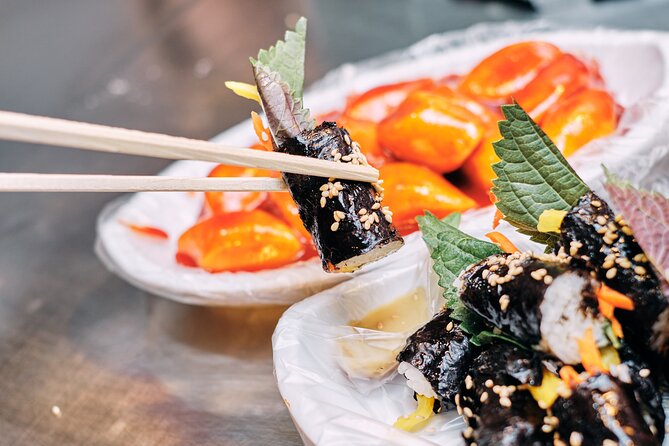
Fresh kimbap adds rice, seaweed, and fillings in a tidy roll. It is a good contrast to the richer pancake and spicy rice cakes. The kimbap is freshly prepared, which matters here because texture is a large part of its appeal.
Some food accounts also include beef tartare, fresh baby octopus, kimchi, fried chicken, and rice balls with a spicy sauce. These items show the possible breadth of the route, but the exact menu may shift with availability and the guide’s plan. The important point is that you should expect a mix of classic snacks, market specialties, and foods you may not have ordered independently.
Sweets, drinks, and the tour’s one real weakness
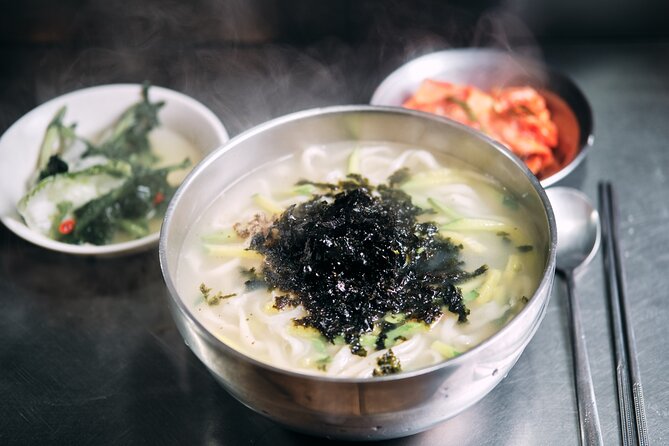
The sweet stops give the tour personality. You may try sweet and salty cream bread, a Korean honey snack, grilled rice cake, and a traditional tea. A bonus doughnut has also appeared at the market, while drinks can include fresh watermelon juice or a rice drink.
The sweet and salty cream bread has earned particular affection. It is the kind of simple bakery item that can become a trip memory, especially when eaten fresh. The grilled rice cake with tea provides a more traditional finish to the tasting sequence.
Still, I would set your expectations carefully. The stated menu includes plenty of sweets and bakery items, and one critical assessment found the balance too dessert-heavy. You may be disappointed if you are hoping for noodles, barbecue, fried chicken, or a wide display of pickled side dishes. This is a sampling tour, not a full survey of Korean cuisine.
The final secret dish is part of the appeal, but its contents are not specified. Treat it as a pleasant surprise rather than a reason to book on its own.
More market visits:
- Seoul: Korean Cooking Class at a Local Home and Market Tour
★ 5.0 · 348 reviews - Seoul Night Palace & Market Food Tour with Vehicle
★ 5.0 · 275 reviews - Cook 3 Authentic Korean Dishes with Local Market Tour
★ 5.0 · 231 reviews - Korean Palace and Market Tour in Seoul Including Insadong and Gyeongbokgung Palace
★ 4.0 · 174 reviews
Gyeongbokgung, Bukchon, and the palace districts
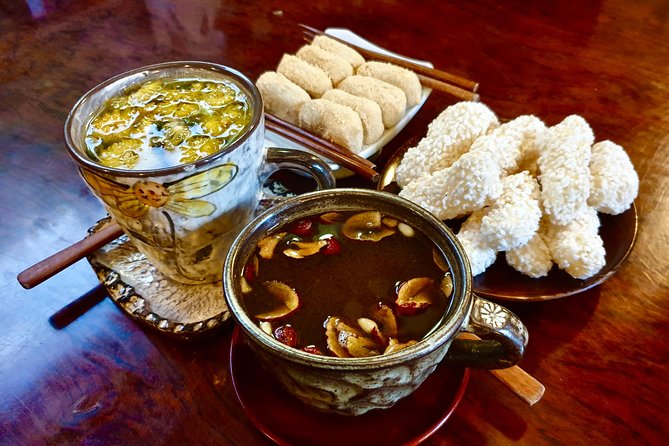
Food is only half of the route. The walk connects the meal with central Seoul’s historic districts, including Gyeongbokgung Palace and Bukchon Hanok Village.
Gyeongbokgung was the main royal palace of the Joseon dynasty and was built in 1395. Its presence helps explain why Jongno feels different from Seoul’s newer commercial districts. You are moving through the old royal center, where grand gates and palace walls sit close to ordinary shops and food stalls.
Gwanghwamun, the main gate of Gyeongbokgung, is also part of the sightseeing context. It is one of those places where a quick pause gives you a better sense of scale and history, even if the tour is not a dedicated palace admission visit.
Bukchon Hanok Village sits on a hill between Gyeongbokgung, Changdeok Palace, and Jongmyo Royal Shrine. Its traditional houses and sloping lanes make it one of Seoul’s most recognizable neighborhoods. The route may pass through or near this area, so expect walking and uneven streets rather than a flat, indoor food crawl.
Changdeok Palace is another of the Five Grand Palaces built by Joseon kings. The route’s palace references give you a helpful framework for the city. You are not just eating isolated snacks. You are eating in districts shaped by royal institutions, old markets, and long-running neighborhood life.
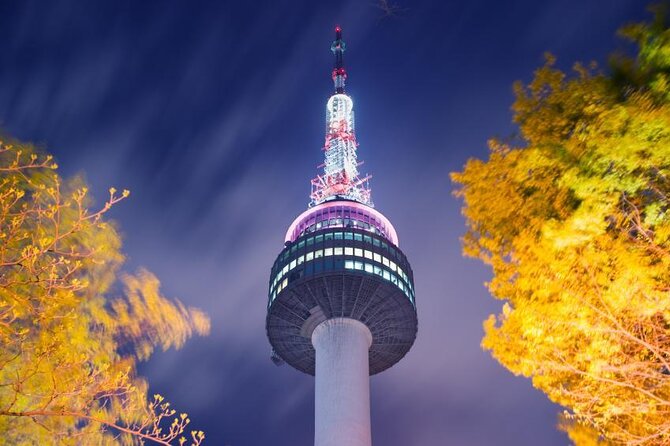
N Seoul Tower, also known as Namsan Tower or Seoul Tower, is included among the route’s listed sights. The information does not promise an observation-deck visit, so I would regard it as a city landmark you may see or discuss rather than a separate tower attraction. Do not book this tour expecting tower tickets.
Finishing with tea in Insadong
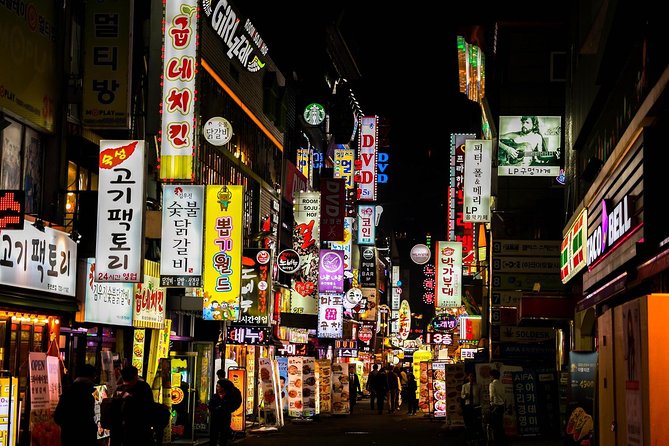
The final stop is a traditional teahouse in Insadong. This is a smart ending after several savory and sweet tastings. Instead of finishing beside a busy road or at the last market stall, you get a quieter place to sit, drink traditional tea, and let the meal settle.
The tour ends about 100 meters from Anguk Station on Seoul Subway Line 3, the orange line. That makes it easy to continue sightseeing in Insadong or return to your hotel. Insadong is also a useful area for browsing traditional crafts, tea shops, and small galleries, though those activities are not included in the tour.
I like this ending because it gives the route a clear rhythm: market food first, neighborhood walking in the middle, tea and conversation at the end. It also means you finish in a district where you can return later on your own.
What $98 buys you
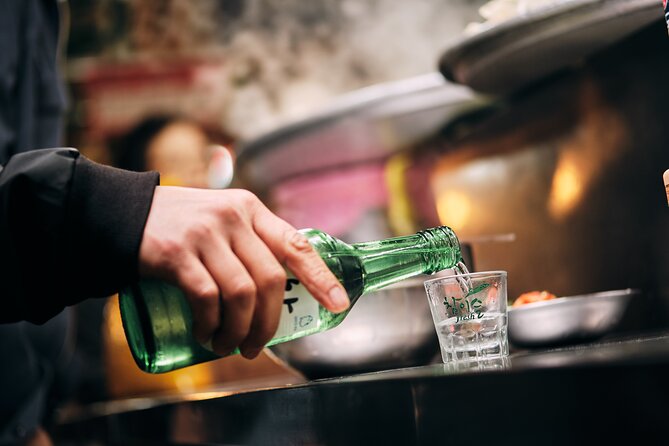
The $98 price is fair only if you value guidance, access, and small portions across many stops. You are paying for more than the food itself. The guide handles the route, explains dishes, helps you choose unfamiliar items, and gives suggestions for places to revisit.
Several people used the tour as a first-day orientation and later returned to recommended stalls or restaurants. That can improve the value. If your guide points you toward a market dish you love, the tour may shape the rest of your Seoul eating plans.
The cost feels less convincing if you measure it only by quantity. A cheaper market lunch can feed you well, and Seoul has plenty of food tours with different menus. One experienced food-tour customer found this experience two or three times more expensive than comparable tours and wanted more savory variety.
For me, the price makes the most sense for first-time visitors, cautious eaters, and people who want cultural explanation with their meal. It is harder to justify for repeat Seoul visitors who already know how to navigate markets or for serious food hunters seeking barbecue and noodles.
Group size, walking, and practical details
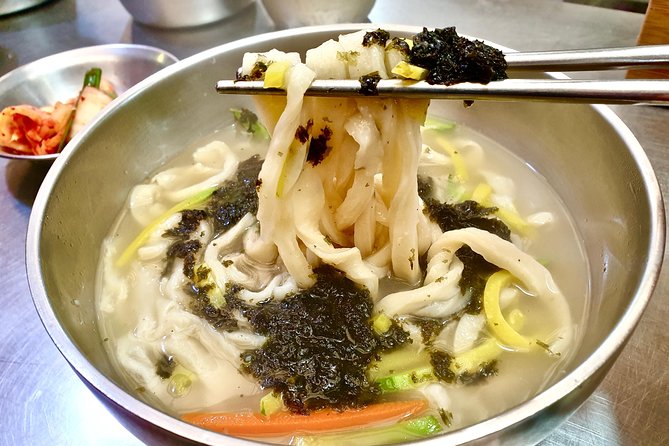
The tour is designed as a small group of about 10 people, with a maximum of 12. That is small enough for questions and quick movement between stops, though the experience will feel more personal if the group is on the smaller end.
You should wear comfortable walking shoes. The route links market lanes, historic districts, and traditional neighborhoods, so this is not a sit-down lunch with a short stroll. Most people can participate, and the meeting point is near public transportation.
Hotel pickup and drop-off are not included. Plan to reach 214 Jong-ro yourself and arrange your return from Insadong. The final location is conveniently near Anguk Station, which helps, but you still need to account for your own subway or taxi costs.
The tour offers a private option for you and your group. That may be worth considering if your party has strong dietary needs, a tight schedule, or children who need a slower pace. Contact the operator before booking if you have dietary restrictions. The route cannot accommodate every restriction because the food sequence is planned as a balanced tasting experience.
Pets are not allowed on the food tour. Confirmation is sent within 48 hours of booking, subject to availability. Free cancellation is available if you cancel at least 24 hours before the start time. Later cancellations and late changes are not accepted for a refund.
Who should book this food walk?
I would choose this tour for a first or second day in Seoul. It gives you food vocabulary, neighborhood bearings, and a list of places you may want to revisit. It also removes much of the stress from ordering at a market.
It suits curious eaters who want to try beef tartare, mung bean pancake, tteokbokki, fish cake, kimbap, dumplings, sweets, and tea in one outing. The small servings let you be adventurous without wasting a full meal.
It is less suitable if you want a focused barbecue tour, a seafood crawl, or a serious study of regional Korean cooking. It may also disappoint anyone who expects every listed dish at every departure, since food availability can affect the final selection.
Should you book the Downtown Seoul food tour?
Book it if you want a friendly, guided introduction to Seoul’s markets and traditional food, especially early in your stay. The strongest reasons are the small group, clear cultural explanations, broad tasting sequence, and excellent finish at the Insadong teahouse.
Skip it if $98 feels high for a three-hour meal or if your priority is maximum savory variety. For the right person, this is not simply lunch. It is a practical way to learn what to order for the rest of your time in Seoul.
FAQ
How long is the Seoul food and market tour?
The tour lasts approximately three hours.
How much does the tour cost?
The listed price is $98 per person.
Where does the tour start?
It starts at 214 Jong-ro in Jongno District, Seoul, South Korea.
Where does the tour end?
It ends at a traditional teahouse in Insadong, about 100 meters from Anguk Station on Subway Line 3.
How many people can join the tour?
The tour is described as a small group of about 10 people and has a maximum of 12 travelers.
What food is included?
The planned tastings include mung bean pancake with sweet onions, mandu, slightly spicy tteokbokki, minced fish fillets with fish soup, freshly prepared kimbap, sweet and salty cream bread, a Korean honey snack, grilled rice cake with traditional tea, and a secret dish.
Is lunch included?
Yes. Lunch is included as part of the food tastings.
Is hotel pickup or drop-off included?
No. You need to make your own way to the meeting point and arrange your own return after the tour.
Can the tour accommodate dietary restrictions?
Some dietary restrictions may be difficult to accommodate because the food sequence is carefully planned. Contact the operator before booking to ask about your specific needs.
More Food Tours
- Small-Group Night Food Tour in Seoul with Korean BBQ
★ 5.0 · 304 reviews - Seoul Fun Food Tour: 12 different food tastings
★ 5.0 · 266 reviews - Soju Tasting at Distillery – story of 3 pigs
★ 5.0 · 166 reviews - The Award-Winning PRIVATE Food Tour of Seoul: The 10 Tastings
★ 4.5 · 128 reviews
More Shopping Trips
- Private DMZ Tour (No Shopping): 3rd Tunnel & Suspension Bridge
★ 5.0 · 607 reviews - Seoul: Nighttime Tour of Palace, Market, Naksan Park & More
★ 4.9 · 143 reviews - Fortress Night Hike & Snack at a Local Market
★ 5.0 · 112 reviews - Korean Cooking Class with Grocery Shopping at Seoul Local Market
★ 5.0 · 107 reviews
Just added around Seoul
- Seoraksan National Park & Nami Island★ 4.5 · 3 reviews
- Strawberry Picking, Winter Sled with Eobi Ice Valley from Seoul★ 4.5 · 3 reviews
- Seoul Full Day small group Tour★ 5.0 · 3 reviews
- Seoul Korean BBQ Dinner Experience with Secret Food Tours★ 5.0 · 3 reviews
- Rice Wine Tasting with Sommelier – Finest Makgeolli (& Soju)★ 5.0 · 3 reviews
- Majang Meat Market Experience: Private Tour with Han-woo Beef BBQ★ 5.0 · 3 reviews
- Seongsu-dong Walking Tour: K-Pop, Culture, Cheer, Friends & Relax★ 4.5 · 3 reviews
- Seoul: Alpaca World and Nami Island (with Garden / Railbike)★ 5.0 · 3 reviews
Markets, compared.

Local Home Korean Cooking Class & Market Adventure in Seoul
Read our review →

Korean Cooking Class at a Local Home and Market Tour
Read our review →
Seoul Night Palace & Market Food Tour with Vehicle
Read our review →
Cook 3 Authentic Korean Dishes with Local Market Tour
Read our review →
Korean Palace and Market Tour in Seoul Including Insadong and Gyeongbokgung Palace
Read our review →
Nighttime Tour of Palace, Market, Naksan Park & More
Read our review →Browse the lists this tour appears in