
Reviewed · DMZ & BORDER TOURS
Thrilling Korean DMZ 3rd Tunnel Tour from Seoul + Red Bridge Rush
History feels close here. This full-day trip from Seoul takes you to the Third Tunnel, Dora Observatory, Imjingak Park, and the Bridge of Freedom, with a guide explaining the Korean divide along the way. I like the comfortable transport and the number of important sites packed into one day. The main caution is the pace: the tunnel is physically demanding, and the optional Red Bridge adds a steep uphill walk.
I also like the strong guiding, especially when you get someone such as Crystal, K, Kelly, Judy, Sunny, or Henry. Their explanations turn a distant political story into something human and understandable. At about $35 per person, the tour offers good value, but the large group size, possible shopping stop, and changing military schedule mean you should book it for access and context, not complete control over the day.
In This Review
- Key Points to Know Before You Book
- Why This DMZ Tour Is Worth Your Time
- Getting Out of Seoul and Into the Border Zone
- Imjingak Park: A Human Place to Begin
- The DMZ Access Process and What It Means
- The Paju Peace Gondola Over the Imjin River
- Walking Through the Third Tunnel
- Dora Observatory and the Distant North Korean View
- Tongilchon Village and the Shopping Question
- The Gamaksan Red Bridge: Worth the Rush?
- Guides Make or Break the Day
- Food, Timing, and What to Pack
- Who Should Book This DMZ Experience?
- Should You Book It?
- FAQ
- How long does the DMZ 3rd Tunnel tour last?
- What identification do I need?
- Is hotel pickup included?
- Is lunch included?
- Can I take photographs inside the Third Tunnel?
- Where does the tour end?
Key Points to Know Before You Book
- The Third Tunnel is a real workout: You walk down a roughly 20-degree slope, continue through a low tunnel, then return the same way.
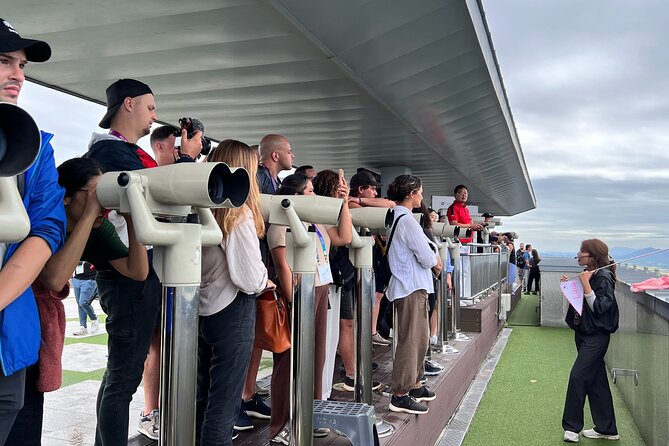
- Dora Observatory offers a distant view: Bring binoculars if you want a better chance of seeing North Korean territory.
- The Red Bridge is optional but strenuous: The 150-meter bridge requires a fast uphill walk and may feel rushed.
- Your passport is essential: A passport, military ID, or locally issued ARC card is required on the tour day.
- The schedule can change: Military restrictions, weather, or events inside the DMZ can alter the route.
- No proper lunch break is listed: Bring snacks, since stops may be short and the day moves quickly.
Why This DMZ Tour Is Worth Your Time
The Korean Demilitarized Zone is not a normal sightseeing area. It is a heavily controlled border region created after the 1953 armistice. The zone is about 4 kilometers wide and cuts across the Korean Peninsula, separating South Korea from North Korea.
You do not simply show up and wander around. Access depends on military clearance, group timing, and current conditions. That makes a guided excursion from Seoul the practical choice for most people. The bus handles the long transfer, the guide manages the entry process, and admission to the listed attractions is included.
The price is one of the strongest points. For roughly seven and a half hours, you receive transportation, an English or Chinese-speaking guide, and admission fees for the main stops. A private tour would cost much more, while trying to arrange this route independently would be difficult because of the controlled access.
The tradeoff is scale. The tour may include up to 150 people. A group this large can mean slower boarding, limited time at viewpoints, and a guide who is easier to hear near the front of the bus than at the back. One useful tip is to move close to the guide before explanations begin, particularly at outdoor sites.
More DMZ and border tours:
- Best DMZ Tour Korea from Seoul (Red Suspension Bridge Optional)
★ 5.0 · 41,422 reviews - DMZ Tour: 3rd Tunnel, Option(Suspension Bridge, Boat) from Seoul
★ 5.0 · 21,373 reviews - DMZ tour south Korea from Seoul (NK experience hall, defector)
★ 5.0 · 20,599 reviews
Getting Out of Seoul and Into the Border Zone
The tour connects with you at one of three central Seoul locations: Myeongdong Subway Station Exit 9, Seoul City Hall Subway Station Exit 6, or Hongdae Subway Station Exit 3. Downtown hotel pickup may also be available, but the exact pickup point and time depend on your location.
Pay close attention to the final instructions. One poor experience came from confusion over the bus color, meeting point, and passenger list. The practical lesson is simple: do not rely only on the first pickup description you receive. Check the latest message, arrive early, and keep your booking details ready.
The trip takes about seven and a half hours in total. The ride out of Seoul gives you a look at less urban parts of the country, and your guide begins explaining the conflict, the armistice, and the present border before you reach the controlled area.
The schedule can shift because of military decisions or events at the DMZ. Heavy snow has occasionally forced operators to replace the regular route with alternatives such as the gondola or Korean War Museum. That is frustrating, but it is part of visiting a live security zone rather than a standard historic site.
Imjingak Park: A Human Place to Begin
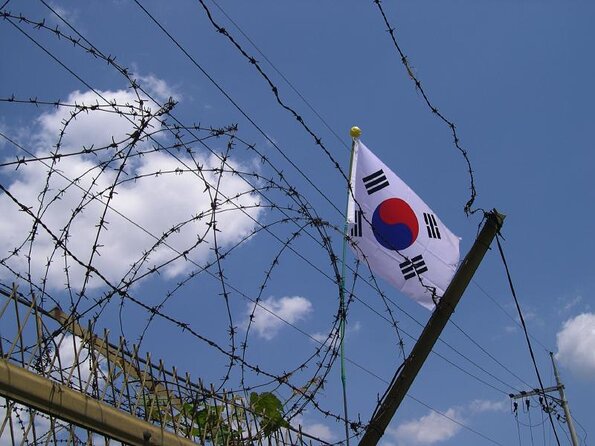
The first substantial stop is Imjingak Pyeonghwa-Nuri Park, also called Imjingak Resort in parts of the schedule. This area was created for people separated from family members in North Korea. It gives the tour an emotional starting point before you see the military side of the DMZ.
You may see the bullet-scarred Freedom Train, a reminder of the Korean War and the destruction that followed. The Bridge of Freedom is nearby. In 1953, 12,773 prisoners of war crossed the Imjin River toward South Korea on this route.
The bridge visit is brief, listed at around ten minutes, so listen closely before you walk out. It is not a long museum visit. Its value comes from the story attached to the crossing and the view toward the river.
Mangbaedan Memorial Altar adds another personal layer. Families with relatives in North Korea gather there, especially during lunar holidays, to honor people they may never see again. The Peace Bell, a 21-ton bronze bell made in 2002, carries the official hope of reunification.
You will also have a short stop for the guide to secure entry clearance and tickets through the Unification Bridge. This administrative pause may feel unexciting, but it shows how tightly access is managed.
The DMZ Access Process and What It Means
The DMZ portion is not simply a series of open attractions. Military permission controls the movement of the group. Your guide handles the clearance process, while you need to carry the correct identification.
Bring your passport. A military ID card or locally issued ARC card is also accepted. Without one of these documents, you may not be permitted to continue into the controlled section.
This is also why the timetable can feel strict. If the group is late, the next site may not wait. Keep your belongings together, return to the bus when instructed, and do not assume the guide can extend a stop because you are taking photos.
That structure can make the day feel rushed, but it is also the reason the tour can visit places that are not freely accessible from Seoul.
A few more trips of this kind worth comparing:
- Seoul: DMZ Tour with Optional Suspension Bridge
★ 4.8 · 5,277 reviews - Signature DMZ Tour: Exclusive Defector Talk & Suspension Bridge
★ 5.0 · 4,459 reviews - DMZ Past and Present: Korean Demilitarized Zone Tour from Seoul
★ 5.0 · 2,481 reviews - Ultimate Korea DMZ Tour from Seoul (Gondola & Suspension Bridge)
★ 5.0 · 2,396 reviews
The Paju Peace Gondola Over the Imjin River
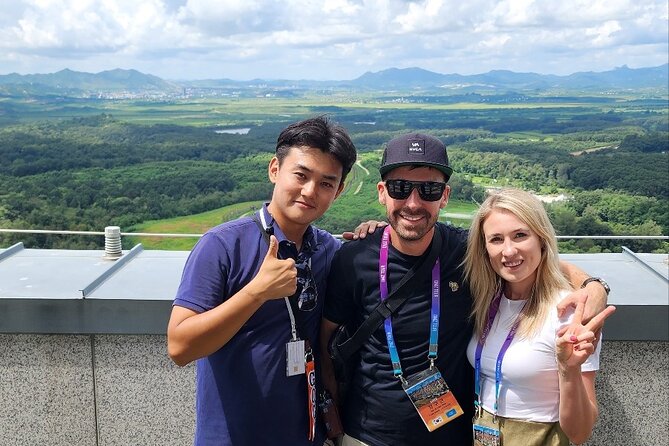
The Paju Imjingak Peace Gondola is listed as an optional one-hour stop. Opened in 2020, it crosses the Imjin River toward the Civilian Control Zone and gives you a high view of the border area.
This is a useful choice if you want a quieter visual experience after the somber memorials. From above, the river and restricted zone make the division easier to grasp as geography, not only as a political idea.
Do check how the gondola fits your day. Since it is optional and the schedule is subject to military conditions, the exact use of this stop may vary. If you are more interested in the Third Tunnel and Dora Observatory, you may prefer to save your energy for those sites.
Walking Through the Third Tunnel
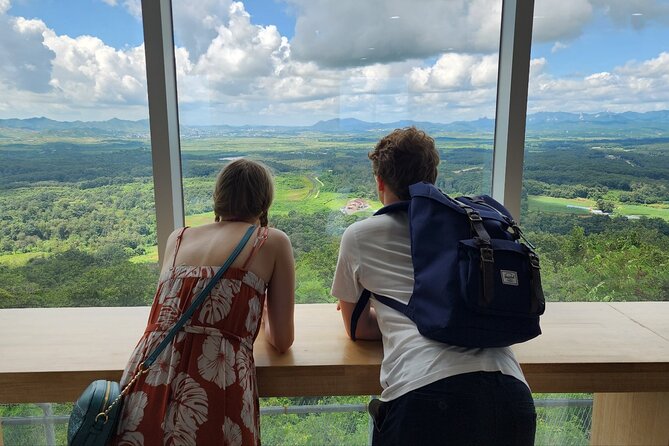
The Third Tunnel is the most physically demanding part of the tour. It was discovered in 1978 and is one of several tunnels attributed to North Korean plans to move forces south. The tunnel is about 1,635 meters long, although the public route is only part of that distance.
The walk begins with a steep descent, reported by one participant as roughly 250 meters down a slope of about 20 degrees. Inside, the ceiling is low, around 5 feet in places. You then walk through the tunnel and return by the same route, making the uphill climb the harder part for many people.
This is not a gentle stroll. I would not recommend it if you have difficulty with steep paths, low ceilings, or sustained walking. One 62-year-old participant managed it but described the route as very challenging. That is a useful warning, not an exaggeration.
Photography is not allowed inside the tunnel. You also do not reach the North Korean border itself. The attraction is the physical evidence of the military tension and the feeling of walking through a space built for a secret operation, not a dramatic underground photo opportunity.
Wear shoes with a firm grip. Take the descent at your own pace and keep water handy. If you are unsure about your fitness, ask the guide what alternatives are available before you commit to the walk.
Dora Observatory and the Distant North Korean View
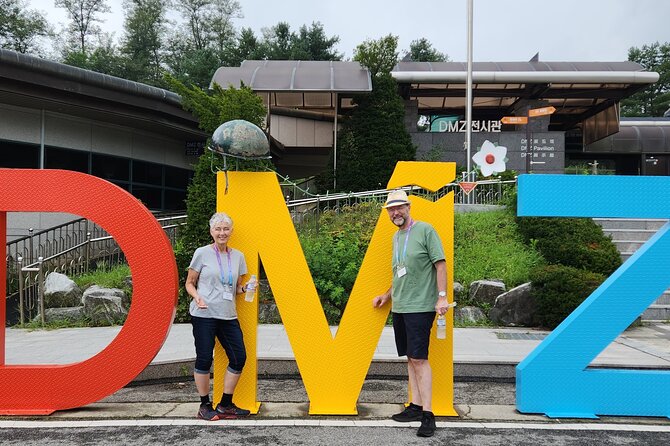
At Dora Observatory, you reach one of South Korea’s closest public viewpoints toward North Korea. The observatory was established in 1986 and rebuilt in 2018.
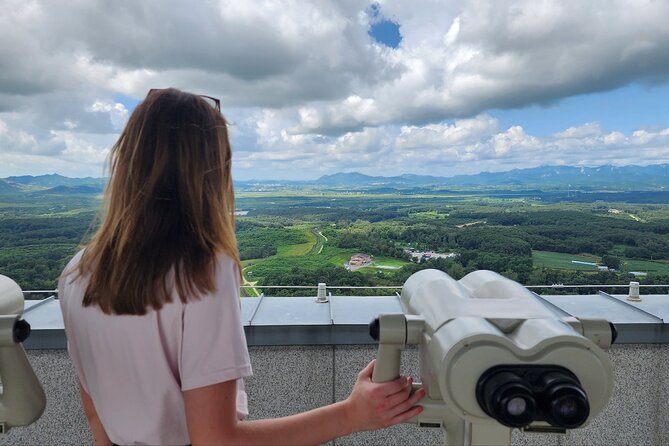
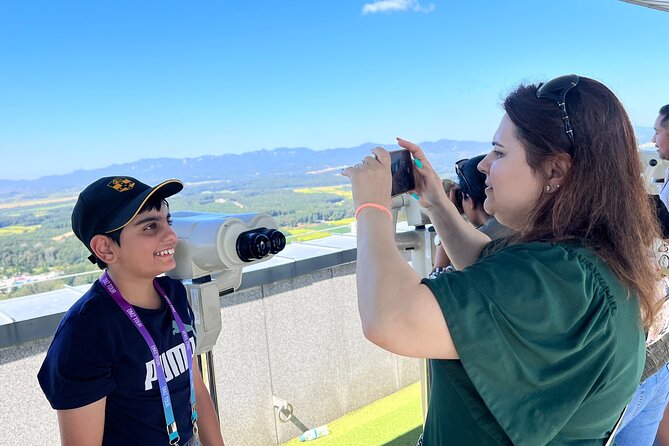
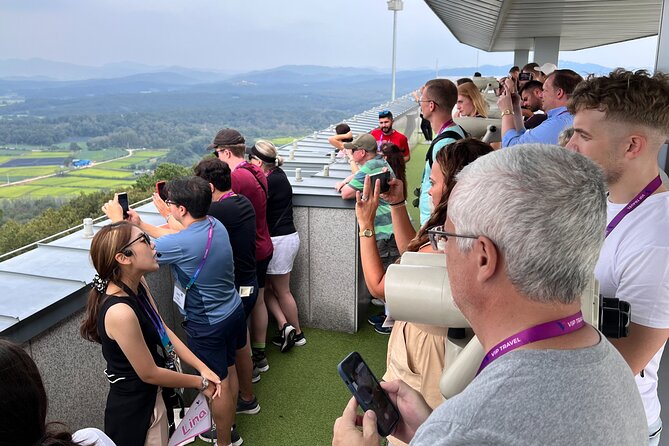
On a clear day, you can look across the border area toward North Korean territory. Do not expect a close-up view. The distance is significant, and haze or rain can reduce what you see. Binoculars are a smart addition if you have room to carry them.
The viewpoint is more meaningful when your guide explains what you are looking at. The value is not just the photograph. It is the sudden understanding that the border is a real place with roads, fields, military positions, and communities on both sides.
Weather matters a great deal here. Rain can make the view indistinct, but it does not erase the historical importance of the stop. A strong guide such as K, Judy, Gabby, or Lina can still make the observatory worthwhile by explaining the area and answering questions.
Tongilchon Village and the Shopping Question
Tongilchon Jangdankong Maeul is a village near the Civilian Control Line. The area is associated with Jangdan soybeans, a local agricultural product connected with the clean environment around the DMZ.
The stop is listed at about thirty minutes. It can offer a look at civilian life near a restricted military region, but you should know about a recurring point of confusion. Some people were told the excursion would involve no shopping, yet the group was taken to a store in the unification village.
If you dislike commercial stops, ask your guide at the start of the day whether the village visit includes time for purchases. The stop may be useful for local products, but it can also feel like a sales pitch when the schedule is already tight.
The Gamaksan Red Bridge: Worth the Rush?
The Gamaksan Suspension Bridge, also called the Gloucester Heroes Bridge or Red Bridge, is an optional stop lasting about an hour. It is 150 meters long and 1.5 meters wide, and it honors sacrifices made during the Korean War.
The bridge itself is photogenic and gives you a different setting from the memorials and military checkpoints. The problem is the approach. You may have to walk quickly up a steep hillside to reach it, then cross and return within a limited time.
This explains the mixed reaction to the stop. If you enjoy hills and want a more active ending, the Red Bridge can be a highlight. If you have limited mobility, poor fitness, or a fear of heights, it may be better to skip it or confirm the walking conditions before joining.
The word rush in the tour title is worth taking seriously. The bridge is not a relaxed garden stroll. Good shoes, water, and realistic expectations will help.
Guides Make or Break the Day
The strongest part of this experience is the guiding. The best guides add context during the long bus rides, explain the symbolism at Imjingak, keep the group on schedule, and speak clearly at each stop.
Several guides receive especially warm praise. Crystal is described as funny, patient, and full of useful information about the relationship between North and South Korea. K, also identified as Yu Ok Kyung in one account, is praised for making the day memorable even in wet weather.
Kelly is noted for explaining what to expect before each stop and keeping the group comfortable. Sunny, Lina, Judy, Henry, Ray, Nancy, Hana, Jenny, and Gabby are also described as friendly and effective. English ability can vary by guide, but one participant specifically appreciated Jenny’s slow, clear delivery.
A guide cannot control the weather or military access. The difference is how clearly the changes are explained. Stay near the guide at each stop, ask questions early, and listen for the return time.
Food, Timing, and What to Pack
Lunch is not included, and there is no guaranteed meal stop. Food may be available at some locations, but the timing can be fast. I would bring a small snack, water, and anything you need for the tunnel walk.
Pack:
- Passport or accepted identification
- Comfortable walking shoes
- Water and a snack
- Binoculars for Dora Observatory
- Rain protection or warm layers, depending on the forecast
- A phone charger, since the day can run close to the full seven and a half hours
The tour ends with drop-off at Hongdae, City Hall, or Myeongdong. There is no hotel drop-off included. Plan your evening from one of those central points rather than expecting to return to your accommodation door.
The group may be large, with a maximum of 150 people. That helps keep the price low, but it can reduce personal attention. If you want a quiet, flexible visit, a smaller private option may suit you better.
Who Should Book This DMZ Experience?
I would choose this tour if you have one full day in Seoul and want a practical introduction to the Korean division. It suits people who value explanation, historic sites, and access to places that are difficult to arrange independently.
Families with older children may enjoy it, though the Third Tunnel requires care. History fans will appreciate the combination of memorials, military access, and the distant view from Dora Observatory. The Red Bridge adds an active option for people who like a challenge.
I would think twice if you need a relaxed pace, guaranteed photography, or a fully predictable schedule. The tunnel has no photography, the observatory view depends on weather, the Red Bridge can be strenuous, and the military may change the route.
The free cancellation policy allows a full refund when you cancel at least 24 hours before the start time. Changes or cancellations inside that window are not accepted for a refund.
Should You Book It?
Book it if you want good-value access to the DMZ, a strong chance of hearing useful historical explanations, and a full day that covers the Third Tunnel, Dora Observatory, Imjingak, and related sites.
Skip it if you are not comfortable with steep walking or dislike large groups and possible commercial stops. Before booking, confirm your pickup details, carry your passport, bring snacks, and treat the Red Bridge as an optional physical challenge rather than a guaranteed leisurely attraction.
For most people, this is a worthwhile Seoul day trip. Its best moments come from the guide’s stories and the strange reality of standing near a border that remains active, guarded, and unresolved.
FAQ
How long does the DMZ 3rd Tunnel tour last?
The experience lasts approximately 7 hours and 30 minutes, including transportation from Seoul and visits to the listed sites.
What identification do I need?
You must bring your passport on the tour day. A military ID card or locally issued ARC card is also accepted.
Is hotel pickup included?
Pickup is available from hotels in the downtown area or from a main subway station, depending on location. The tour also provides meeting points at Myeongdong Subway Station Exit 9, Seoul City Hall Subway Station Exit 6, and Hongdae Subway Station Exit 3.
Is lunch included?
No. Lunch is not included. You should bring snacks because the schedule may not provide a long meal break.
Can I take photographs inside the Third Tunnel?
No. Photography is not permitted inside the Third Tunnel. The tunnel route is also physically strenuous, with a steep descent and return climb.
Where does the tour end?
Hotel drop-off is not included. You can leave the tour at Hongdae, Seoul City Hall, or Myeongdong in central Seoul.
Just added around Seoul
- Seoraksan National Park & Nami Island★ 4.5 · 3 reviews
- Strawberry Picking, Winter Sled with Eobi Ice Valley from Seoul★ 4.5 · 3 reviews
- Seoul Full Day small group Tour★ 5.0 · 3 reviews
- Seoul Korean BBQ Dinner Experience with Secret Food Tours★ 5.0 · 3 reviews
- Rice Wine Tasting with Sommelier – Finest Makgeolli (& Soju)★ 5.0 · 3 reviews
- Majang Meat Market Experience: Private Tour with Han-woo Beef BBQ★ 5.0 · 3 reviews
- Seoul: Alpaca World and Nami Island (with Garden / Railbike)★ 5.0 · 3 reviews
- Max Out Seoul: Must Visit City Highlights Panoramic Day Tour★ 5.0 · 3 reviews
DMZ & Border Tours, compared.

Best DMZ Tour Korea from Seoul (Red Suspension Bridge Optional)
Read our review →
DMZ Tour: 3rd Tunnel, Option(Suspension Bridge, Boat) from Seoul
Read our review →
DMZ tour south Korea from Seoul (NK experience hall, defector)
Read our review →
DMZ Insider Tour: 3rd Tunnel, NK Defector Meet & Red Bridge
Read our review →

Signature DMZ Tour: Exclusive Defector Talk & Suspension Bridge
Read our review →DMZ Past and Present: Korean Demilitarized Zone Tour from Seoul
Read our review →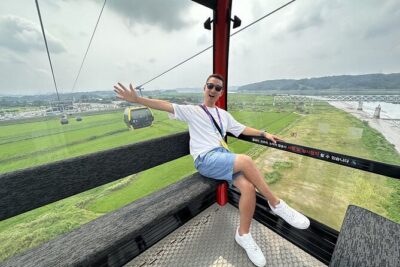
Ultimate Korea DMZ Tour from Seoul (Gondola & Suspension Bridge)
Read our review →Browse the lists this tour appears in