
Reviewed · DMZ & BORDER TOURS
Signature DMZ Tour: Exclusive Defector Talk & Suspension Bridge
History feels close here. This $27 Seoul day tour combines a personal talk with a North Korean defector and visits to the Third Tunnel and Dora Observatory, two experiences I especially like because they give the DMZ both a human voice and a physical sense of place. The main caution is that this is a tightly controlled military area, so schedules can shift, photo rules are strict, and the optional suspension bridge may not operate.
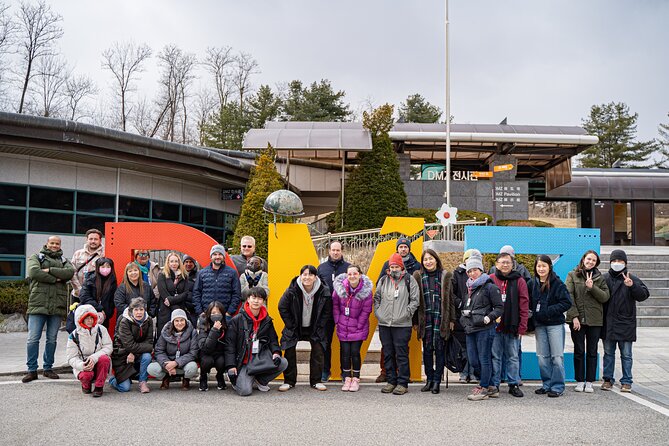
The day begins at 7:30 a.m. in central Seoul and usually lasts seven to nine hours. You ride in an air-conditioned vehicle, receive an English-speaking guide licensed for DMZ access, and return to the starting area. Guides such as Han Solo, Jackie, SP Hong, Molly, and JJ have been praised for making the history clear, lively, and easier to follow.
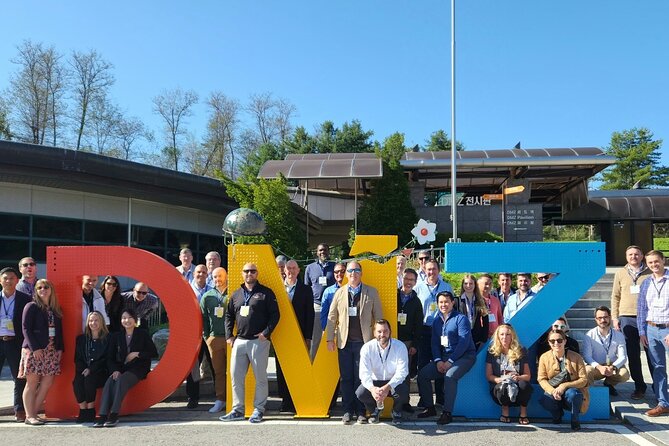
This is not a quiet countryside outing. It is a popular, organized visit to a restricted border zone, often with a large group. You may also encounter a shopping stop near the end, which some people find unnecessary. Still, for the price, the combination of transport, entrance fees, the defector interview, and major DMZ sights offers strong value if you want a first look at the Korean border.
In This Review
- Key points to know before booking
- Why the defector talk changes the day
- The early start and ride from Seoul
- Imjingak and the Freedom Bridge
- Entering the DMZ itself
- The Third Tunnel requires real effort
- Dora Observatory and the view toward North Korea
- The suspension bridge option and its limits
- Timing, shopping stops, and the less polished parts
- Is $27 a good value for a full DMZ day?
- Who should book this tour?
- Should you book the Signature DMZ Tour?
- FAQ
- Where does the tour begin?
- What time does the tour start?
- How long does the tour last?
- Does the tour return to Seoul?
- Is lunch included?
- Do I need my passport?
- Is the Third Tunnel difficult to walk through?
- Can I take photos inside the Third Tunnel?
- Can I take photos at Dora Observatory?
- What happens if the DMZ closes?
- Is the suspension bridge guaranteed to be open?
- Can children join the tour?
- What is the cancellation policy?
Key points to know before booking
- A North Korean defector adds a personal perspective: The interview and question period are the feature that most clearly separates this tour from a basic bus trip to the border.
- The Third Tunnel is physically demanding: The route is steep, narrow, and tiring on the return. Comfortable shoes are essential, and the monorail may not be operating.
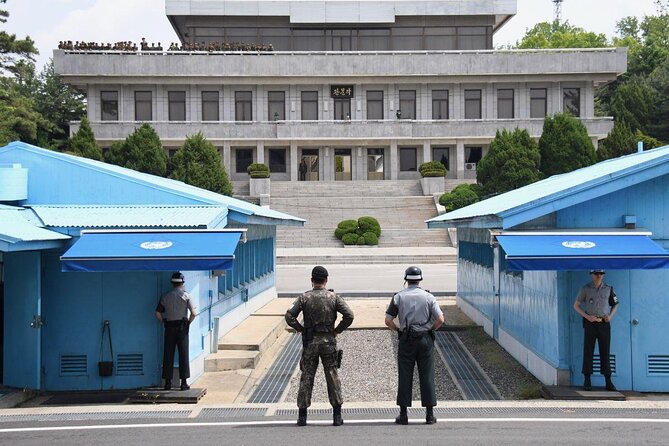
- Dora Observatory gives you a view toward North Korea: You can look toward Gaeseong City, the Gaeseong Industrial Complex, and the so-called Propaganda Village, but military rules limit photography.
- The DMZ can close without warning: Military training, official events, weather, or local orders can change the route or trigger a replacement itinerary.
- The Gamaksan Chulleong suspension bridge is optional: It requires a minimum number of participants and can close because of weather.
- Bring your original passport: A copy is not accepted at the checkpoint, and arriving late can mean missing the departure with no refund.
Why the defector talk changes the day
The DMZ can feel abstract when you first hear about it. Maps, fences, watchtowers, and military terms explain the border, but a personal account gives the subject a human scale.
During the journey, you have an interview and question period with a North Korean defector. Names can vary, but previous sessions have included Ms. Cho and Mrs. Lee. The format gives you a chance to hear about life in North Korea, the decision to leave, and the escape itself. The tone is serious, and you should treat the conversation with respect, but it is also direct and engaging.
I would give this part your full attention. It is easy to focus only on taking photos or getting off the bus, yet the defector conversation is the most distinctive element of the experience. Some people who have visited the DMZ from the North Korean side have also found the South Korean visit useful because it offers a different view of the same divided peninsula.
The guide’s role matters here. Han Solo has been praised for humor and clear explanations, while Jackie has earned the nickname The Story Teller for keeping a long day lively. SP Hong is another frequently praised guide, especially for explaining the Korean War and keeping a large group moving on time. Your guide will depend on the departure, but the tour’s strongest asset is its staff.
More DMZ and border tours:
- Best DMZ Tour Korea from Seoul (Red Suspension Bridge Optional)
★ 5.0 · 41,422 reviews - DMZ Tour: 3rd Tunnel, Option(Suspension Bridge, Boat) from Seoul
★ 5.0 · 21,373 reviews - DMZ tour south Korea from Seoul (NK experience hall, defector)
★ 5.0 · 20,599 reviews
The early start and ride from Seoul
You meet at 92 Sejong-daero in central Seoul at 7:30 a.m. The early departure is practical. The DMZ has restricted entry and limited daily access, so leaving early gives the group a better chance of following the planned route.
The ride to the border takes about an hour, depending on traffic. The vehicle is air-conditioned, but group size can be substantial. The tour allows up to 90 people, and some departures use a standard tourist bus with around 40 seats. That makes transport easy, but it also means you need to listen for instructions and keep track of time at every stop.
This is not a tour for sleeping through the ride. The guide explains the division of Korea, the Korean War, and the current political situation. The defector talk may also take place during the bus portion. If you want to ask questions, this is a good time to prepare them.
The schedule can run late if someone misses the meeting time or if traffic builds. The operator states that there are no changes or refunds for late arrivals, so do not treat 7:30 as a flexible suggestion.
Imjingak and the Freedom Bridge
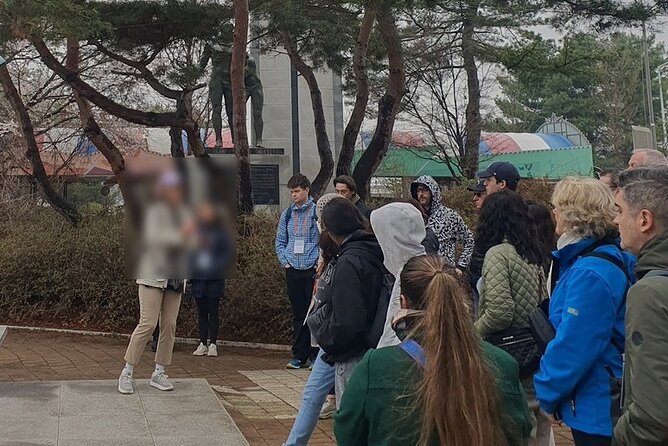
Imjingak Pyeonghwa-Nuri Park is the first major stop. The area mixes memorials, visitor facilities, and amusement-style attractions beside the border region. That combination can feel odd at first. Barbed wire and reminders of war sit close to rides and family attractions, creating a place that is part memorial, part public park, and part tourist gateway.
The most meaningful sight here is the Freedom Bridge. About 13,000 prisoners of war crossed it in 1953 after the Korean War, returning to freedom. The bridge has become a symbol of reunification and separation at the same time.
You have about an hour in the Imjingak area, though the exact time can change. Do not expect to explore every attraction. The schedule is built around the military-controlled stops, so the park serves mainly as an introduction to the conflict and a place to see several memorial features.
This is also where the tour may be reorganized if you selected the Gamaksan Chulleong Bridge option. Some departures have used separate vehicles and guides for the bridge portion. That arrangement can be confusing, especially if the second vehicle operates mainly in Korean. Confirm the language arrangements and the bridge plan before leaving Seoul.
Entering the DMZ itself
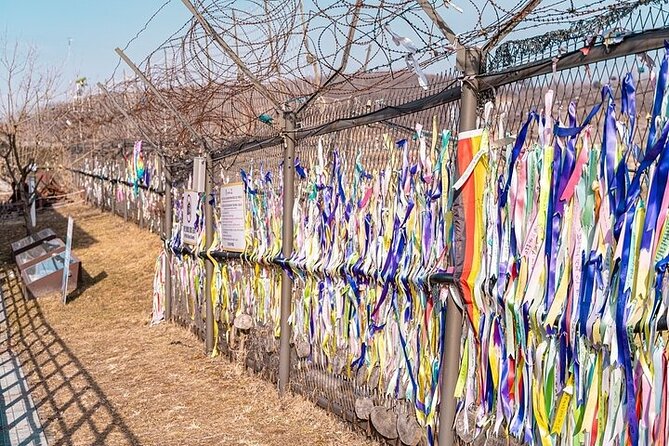
The DMZ is a military demarcation zone between North and South Korea. Military activity is restricted within the zone itself, but this does not make it an ordinary park. Checkpoints, access rules, sudden closures, and photography limits are part of the experience.
The tour includes entrance fees and a guide with a DMZ license. That matters because independent access is not simply a matter of taking a train north and walking around. You need the organized transport and the required permission for these sites.
Bring your current, original passport. The operator specifically says that copies are not accepted. This is one of the most important practical details in the entire trip. A passport problem can stop you at the checkpoint even if you have already paid.
You may not be allowed to photograph certain military areas, the Third Tunnel, or the view from the observatory deck. These rules can feel frustrating when North Korea is finally in sight, but they are not unique to this operator. The area remains under military control, and instructions can be enforced without much room for debate.
More suspension bridge and cable car trips:
- Seoul: DMZ Tour with Optional Suspension Bridge
★ 4.8 · 5,277 reviews - Ultimate Korea DMZ Tour from Seoul (Gondola & Suspension Bridge)
★ 5.0 · 2,396 reviews - DMZ; NK Defector, 3rd Tunnel, Suspension Bridge,Hotel pickup
★ 4.9 · 2,055 reviews - DMZ Tour from Seoul – Optional Suspension Bridge Experience
★ 5.0 · 1,918 reviews
The Third Tunnel requires real effort
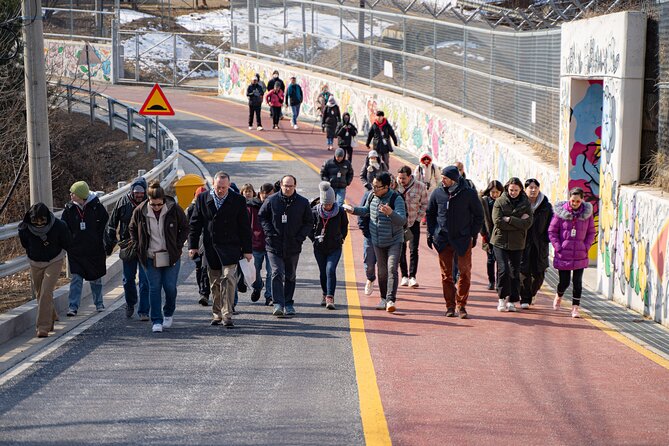
The Third Tunnel is the day’s most physical stop. North Korean forces dug the tunnel, which extends about 435 meters into South Korean territory. It was one of several infiltration tunnels discovered beneath the border, and the site is presented with a documentary and related displays.
The tunnel is narrow in places and has a steep route. The walk down is manageable for many people, but the return climb is the part that catches people off guard. The total walk may not sound dramatic, yet the incline makes it strenuous. One visitor described the final section as worth the effort even when the monorail was not working.
Wear comfortable shoes. Do not choose this tour if you have a heart condition or another serious medical issue that makes steep walking unsafe. The tunnel is not suitable for treating the day as a casual stroll.
There is no photography inside the tunnel. You will need to remember the experience rather than collect images. That is not a major loss here, since the tunnel’s impact comes from its confined shape, the military purpose behind it, and the knowledge that it was built beneath the border.
Dora Observatory and the view toward North Korea
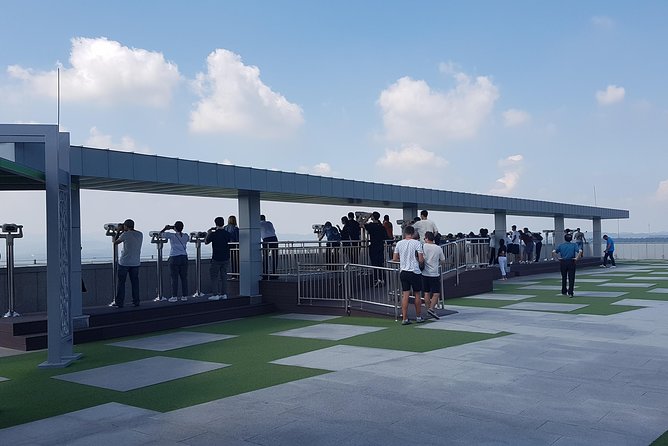
Dora Observatory is the moment many people have been waiting for. From the South Korean side, you look toward North Korea and may see Gaeseong City, the Gaeseong Industrial Complex, and the village commonly called Propaganda Village.
The view is more meaningful when you understand what you are looking at. This is not a city sightseeing platform with a busy skyline. Visibility can vary, and the distant view may feel quiet or indistinct. The value lies in standing at a controlled viewpoint and seeing the border as a real place rather than a line on a map.
Photography may be prohibited from the observation deck. You should follow the guide’s instructions instead of assuming that a quick phone picture is allowed. The lack of photographs is disappointing for some people, but it also reminds you that this is an active security zone, not simply a scenic overlook.
The observatory area may include a cafe or food counter. Lunch is not included, and food choices may be limited. A hot dog or sandwich may be available, but you should not expect a memorable meal. Bring money and keep your lunch break short, since groups sometimes have limited time before the next departure.
The suspension bridge option and its limits
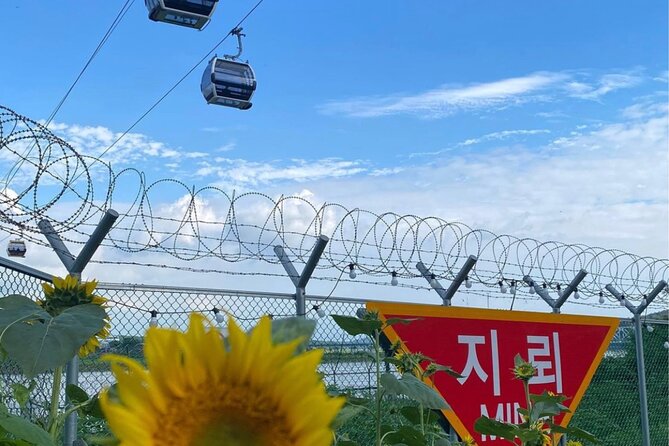
Gamaksan Chulleong Bridge is offered as an optional addition. At about 220 meters long, it crosses the Silmari Valley and provides a change of pace after the serious border sites. Instead of memorials and military history, you get an elevated walkway and views across the surrounding valley.
The bridge is not guaranteed to run. A minimum number of participants is required, and weather can close it. One departure reached the area only to find the bridge inaccessible because of conditions, resulting in a long detour without the promised walk.
You should select this option only if you can accept that risk. It is an appealing extra, but it is not the core reason to book the tour. If the bridge is the main attraction you want, check the operator’s conditions carefully and keep your expectations flexible.
There have also been reports of bridge-option passengers being moved to another bus and guide. That can create language and timing problems if the arrangements are not explained clearly. Ask at the meeting point which vehicle you are using, which guide will speak English, and where you will rejoin the main group.
Timing, shopping stops, and the less polished parts
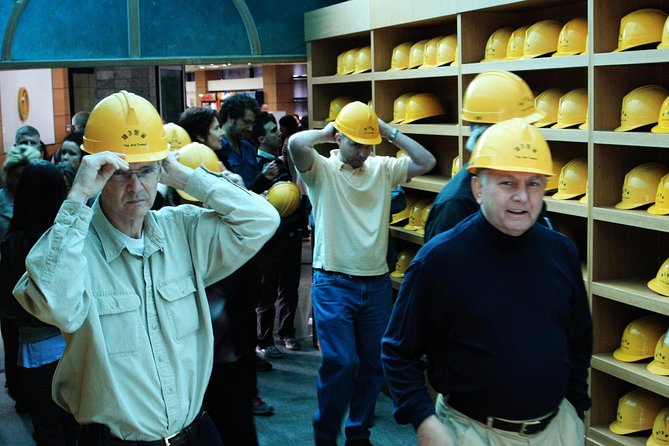
The basic route can finish around mid-afternoon, but the advertised duration is seven to nine hours. Traffic, military schedules, weather, late arrivals, and changing access rules all affect the day.
Some departures have included a jewelry, jade, or red ginseng shopping stop near the end. This stop is not part of the main historical appeal, and some people have found it uncomfortable or poorly explained. If you are told the bus is returning directly to Seoul, ask specifically about any final commercial stop.
The stop may be useful if you want local products, but it can also feel like a waste of limited time. I would not book this tour expecting every minute to focus on the DMZ. The main route is strong, but the final Seoul-area portion may be less appealing.
Another practical issue is pace. You need to return to the bus promptly. A few extra minutes browsing at one stop can reduce your time at the next one, especially when the group is operating under a military timetable.
Is $27 a good value for a full DMZ day?
At $27 per person, this is an inexpensive way to reach the DMZ from Seoul. The price includes the English guide, defector interview, vehicle, entrance fees, and taxes. You avoid arranging border transport on your own, and you receive explanations that help connect the sights.
The value is strongest if you want the Third Tunnel and Dora Observatory. Paying for a vehicle, guide, and access fees separately would be difficult, and the defector talk adds something a standard transfer cannot provide.
The low price also reflects a group experience rather than a private one. You may share the bus with many people, follow a fixed schedule, and have limited control over meal breaks or route changes. Lunch and personal spending are extra.
For a first visit, I think the price is fair. The tour gives you the major accessible sights and a personal account of life in North Korea without requiring you to solve the complicated border logistics yourself.
Who should book this tour?
I would recommend it to you if you want a practical introduction to the DMZ, enjoy guided history, and can manage a long day with a steep walk. It also suits people who value conversation and context more than free time at each stop.
The tour is a good fit for:
- First-time visitors to the DMZ
- People interested in modern Korean politics and the Korean War
- Visitors who want a North Korean defector’s personal perspective
- Anyone comfortable with a large group and fixed schedule
- People who can walk up the Third Tunnel without difficulty
I would choose another arrangement if you need a relaxed pace, guaranteed bridge access, private transport, or a food-focused day. You should also think twice if you dislike shopping stops or find strict military rules frustrating.
Free cancellation is available up to 24 hours before the start time. After that point, changes and refunds are not accepted. If the DMZ closes, the operator may substitute sites such as Tomorrow’s Whistle, Bunker Beat 131, Odusan Unification Tower, or the War Memorial of Korea, with no refund.
Should you book the Signature DMZ Tour?
Book it if the defector talk matters to you. That personal conversation, combined with strong guides such as Han Solo, Jackie, and SP Hong, gives the day more substance than a simple border photo stop.
Go in knowing that the DMZ controls the schedule, not the tour company. Bring your original passport, wear sturdy shoes, keep lunch simple, and treat the suspension bridge as a bonus rather than a promise. With those expectations, this is a memorable and reasonably priced way to understand one of the world’s most heavily guarded borders.
FAQ
Where does the tour begin?
The tour begins at 92 Sejong-daero in Jung District, Seoul.
What time does the tour start?
The scheduled start time is 7:30 a.m.
How long does the tour last?
The tour lasts approximately seven to nine hours, though traffic, weather, and military schedules can change the timing.
Does the tour return to Seoul?
Yes. The activity ends back at the meeting point in Seoul.
Is lunch included?
No. Lunch and personal expenses are not included in the price.
Do I need my passport?
Yes. You must bring your current, original passport. A copy is not accepted.
Is the Third Tunnel difficult to walk through?
The Third Tunnel includes a steep and physically demanding route, particularly on the way back up. Comfortable shoes are required.
Can I take photos inside the Third Tunnel?
No. Photography is not permitted inside the tunnel.
Can I take photos at Dora Observatory?
Photography restrictions apply at the observatory deck because it is in a military-controlled area. Follow the guide’s instructions on the day.
What happens if the DMZ closes?
The operator may replace the DMZ itinerary with sites such as Tomorrow’s Whistle, Bunker Beat 131, Odusan Unification Tower, or the War Memorial of Korea. No refund is provided for a sudden DMZ closure.
Is the suspension bridge guaranteed to be open?
No. The Gamaksan Chulleong Bridge option requires a minimum number of participants and may close because of weather or other conditions.
Can children join the tour?
Yes, but children must be accompanied by an adult.
What is the cancellation policy?
You can cancel at least 24 hours before the start time for a full refund. Cancellations or changes made less than 24 hours before departure are not accepted.
Just added around Seoul
- Seoraksan National Park & Nami Island★ 4.5 · 3 reviews
- Strawberry Picking, Winter Sled with Eobi Ice Valley from Seoul★ 4.5 · 3 reviews
- Seoul Full Day small group Tour★ 5.0 · 3 reviews
- Majang Meat Market Experience: Private Tour with Han-woo Beef BBQ★ 5.0 · 3 reviews
- Seoul Korean BBQ Dinner Experience with Secret Food Tours★ 5.0 · 3 reviews
- Rice Wine Tasting with Sommelier – Finest Makgeolli (& Soju)★ 5.0 · 3 reviews
- Max Out Seoul: Must Visit City Highlights Panoramic Day Tour★ 5.0 · 3 reviews
- Seongsu-dong Walking Tour: K-Pop, Culture, Cheer, Friends & Relax★ 4.5 · 3 reviews
DMZ & Border Tours, compared.

Best DMZ Tour Korea from Seoul (Red Suspension Bridge Optional)
Read our review →
DMZ Tour: 3rd Tunnel, Option(Suspension Bridge, Boat) from Seoul
Read our review →
DMZ tour south Korea from Seoul (NK experience hall, defector)
Read our review →
DMZ Insider Tour: 3rd Tunnel, NK Defector Meet & Red Bridge
Read our review →

Thrilling Korean DMZ 3rd Tunnel Tour from Seoul + Red Bridge Rush
Read our review →DMZ Past and Present: Korean Demilitarized Zone Tour from Seoul
Read our review →
Ultimate Korea DMZ Tour from Seoul (Gondola & Suspension Bridge)
Read our review →Browse the lists this tour appears in