
Reviewed · HANBOK & PALACE EXPERIENCES
Time Travel in Seoul: Gyeongbokgung Palace, Folk Museum & Bukchon
Seoul’s past fits neatly into three hours. This small-group outing links Gyeongbokgung Palace with the National Folk Museum and Bukchon Hanok Village, then adds a quiet hanok café with rooftop views. I like the small maximum of six people, and I like the way the route mixes famous sights with quieter corners that are hard to locate alone.
I also like that guide Mina brings more than standard history notes. Her excellent English, modern Korea tips, and willingness to adjust the tour earned especially warm praise. The main consideration is time: 50 minutes at the palace and 30 minutes at the museum give you an introduction, not a slow, detailed study of either place.
In This Review
- Key points at a glance
- Why this three-hour Seoul route works
- Meeting at Gyeongbokgung Station
- Gyeongbokgung Palace in a focused 50 minutes
- The National Folk Museum shifts the story to daily life
- Bukchon Hanok Village, beyond the main street
- The hanok café break gives the route a pleasant finish
- Mina’s guiding style and personal attention
- Who will get the most from this tour?
- Booking details that affect the decision
- Should you book the Gyeongbokgung, Folk Museum, and Bukchon tour?
- FAQ
- How long does the tour last?
- What is the maximum group size?
- Where does the tour begin?
- Where does the tour end?
- Is admission included?
- Can I cancel for a full refund?
Key points at a glance
- A maximum of six people: The small group gives you more room for questions and easier contact with Mina.
- Three distinct sides of Seoul: You move from royal ceremony to everyday traditions, then into a living neighborhood of traditional homes.
- A hanok café break is included: The final stop comes with a drink and a panoramic view over Bukchon’s rooftops.
- Mina is a major strength: She speaks excellent English, offers practical tips about present-day Korea, and can adjust the outing to suit the group.
- Easy Line 3 access: The tour begins at Gyeongbokgung Station and ends near Anguk Station, both on Seoul Subway Line 3.
- Useful booking flexibility: Mobile tickets, group discounts, confirmation at booking, and free cancellation up to 24 hours before the start make planning simple.
Why this three-hour Seoul route works
Many first visits to Seoul begin with the same question: how do I see the big sights without spending half the day moving between them? This tour gives you a compact answer. The three stops sit within Jongno, one of the city’s most useful areas for connecting royal Seoul, traditional life, and today’s café culture.
The order makes sense. You start at Gyeongbokgung, where the story is tied to the royal court. You then visit the National Folk Museum, which shifts attention from kings and ceremonies to household customs and ordinary life. Finally, Bukchon puts traditional architecture into a modern neighborhood where people still live.
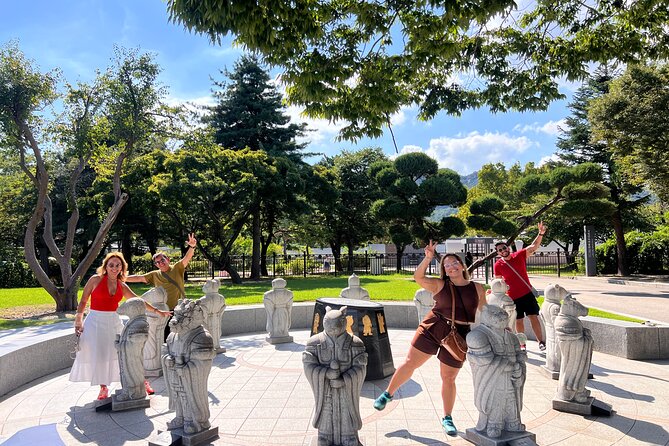
I think the small group is the strongest practical feature. With no more than six participants, you should be able to hear explanations without fighting a crowd. You can also ask about a detail that catches your interest, such as a palace feature, a Korean custom, or a café view. This matters more than it may sound. A large group often turns a historic site into a march behind a raised umbrella. Here, the format is more personal.
The tour costs $57.09 per person. That is not the cheapest way to walk through these areas, especially since admission to the folk museum and Bukchon is free. The value comes from the guide’s time, the palace admission, the small group, the route planning, and the café drink with its rooftop setting. If you want only a quick look at the buildings, you can spend less on your own. If you want context and a smoother introduction, the price is easier to justify.
More hanbok and palace experiences:
- Seoul: Gyeongbok Palace, Bukchon Village, and Gwangjang Tour
★ 4.9 · 2,321 reviews - Best Seoul City Tour (Gyeongbokgung Palace,Insadong,Namsan Tower)
★ 5.0 · 1,647 reviews - Small-Group Royal Palace and Seoul City Tour (hotel pick-up)
★ 5.0 · 1,474 reviews
Meeting at Gyeongbokgung Station
The starting point is Gyeongbokgung Station on Line 3, at Exit 4, listed at 88-8 Jeokseon-dong in Jongno District. The subway connection is a real help. You do not need to arrange a private transfer, and the tour begins in a central area with strong public transportation access.
Give yourself enough time to find the meeting point. The supplied details identify the station and exit, but not a specific shop, statue, or street-side landmark for the guide. A mobile ticket and booking confirmation should be easy to keep on your phone, but I would still arrive early rather than appear at the last minute in a busy station area.
The outing ends at 95-2 Jae-dong, near Anguk Station Exit 3. This is useful for the rest of your day. You are not returned to the starting point, so plan to continue from Anguk or arrange your next stop nearby. The end point also leaves you well placed for more of Jongno, though the tour itself does not include additional activities after the café.
Gyeongbokgung Palace in a focused 50 minutes
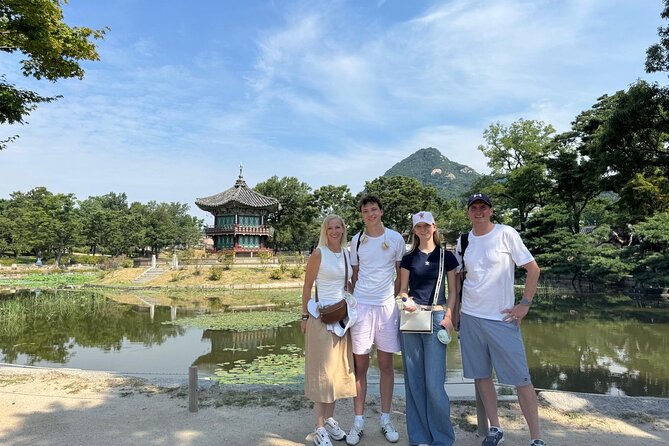
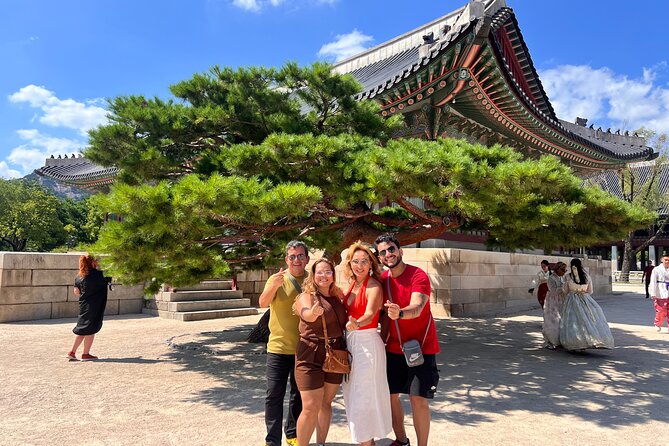
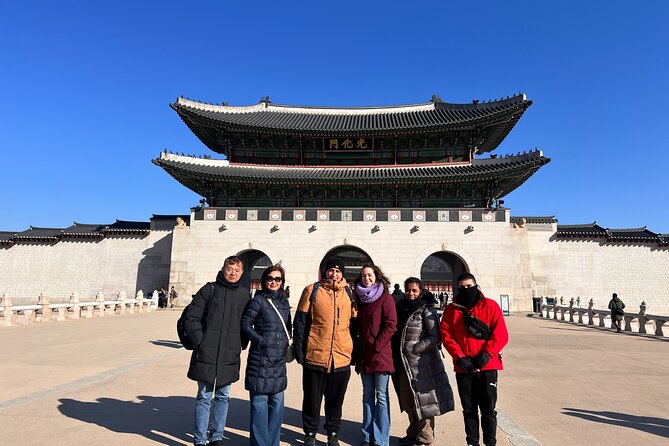
Gyeongbokgung is the grand opening act. The guide takes you through the main highlights during a 50-minute visit, with admission included. That time is enough to establish the palace’s scale and purpose, but it will feel brisk if you want to linger over every courtyard and architectural detail.
The palace is important not simply because it is photogenic. It gives you a visual starting point for understanding Korea’s royal past. The broad gates, formal spaces, and carefully arranged buildings help explain how ceremony and authority were expressed through architecture. A guide can connect those visible features to the larger story instead of leaving you with a collection of attractive pictures.
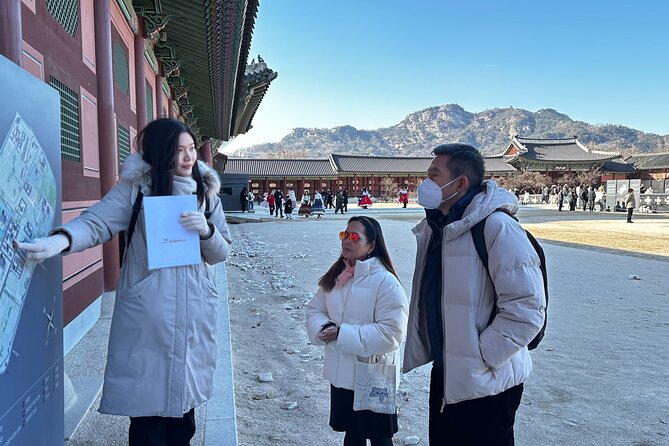
Mina’s approach appears especially useful here. Her explanations cover Korean history, but she also connects the past with modern life. That balance keeps the palace from becoming a string of dates and names. You get a sense of why the site matters now, not only what happened there long ago.
The short schedule has one clear tradeoff. You may not have much time for independent wandering or photography. If Gyeongbokgung is your main reason for visiting Seoul, you might prefer a longer palace visit on another day. For a first orientation, however, 50 minutes keeps the route moving and saves enough time for the museum and Bukchon.
Wear comfortable shoes. The tour covers several sites on foot, and the most useful part of a guided route is often the steady movement between places rather than standing in one spot for too long. The provided information does not specify seasonal conditions or exact walking distances, so I would dress for Seoul’s weather and leave room in your schedule for a relaxed pace.
The National Folk Museum shifts the story to daily life
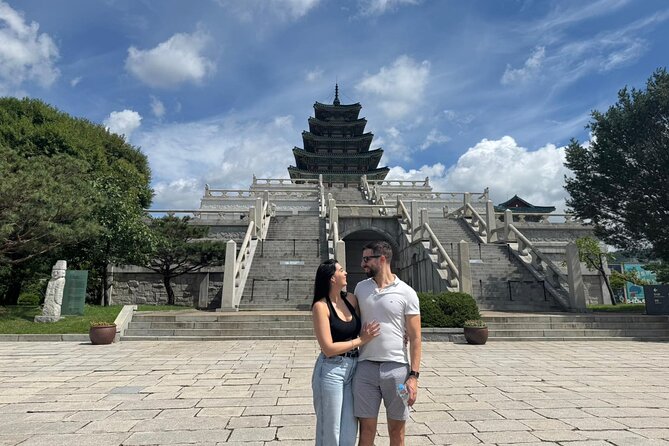
The next stop is the National Folk Museum of Korea, with about 30 minutes inside. Admission is free, and the museum changes the focus in a helpful way. Gyeongbokgung shows royal power. The Folk Museum asks how Korean people lived, worked, celebrated, and carried traditions forward.
That contrast gives the tour its shape. You are not seeing three versions of the same attraction. Instead, each stop answers a different question. The palace explains the court. The museum explains society and custom. Bukchon shows how traditional homes fit into present-day Seoul.
Thirty minutes is a short museum visit, so do not expect to inspect every display. The advantage is selectivity. With a guide, you can focus on the parts that best support the day’s story and avoid spending your limited time trying to work out what matters most. If you like museums enough to read every label, you may want to return independently.
The museum is also valuable for visitors who find palace history too distant. Everyday objects and traditions can make the country’s past easier to picture. The information provided does not list particular galleries or exhibits, so I would not book this expecting a specific artifact. Book it for the broader view of Korean life and the connection between older customs and modern Korea.
More hanok village visits:
- Seoul City Sightseeing Tour Including Gyeongbokgung Palace, N Seoul Tower, and Namsangol Hanok Village
★ 5.0 · 1,423 reviews - Seoul: Gyeongbok Palace, Bukchon Village, and Gwangjang Tour
★ 5.0 · 1,044 reviews - Seoul: Suwon Hwaseong Fortress & Korean Folk Village Tour
★ 4.7 · 214 reviews - Seoul: Gyeongbok Palace and Bukchon Hanok Walking Tour
★ 4.8 · 157 reviews
Bukchon Hanok Village, beyond the main street
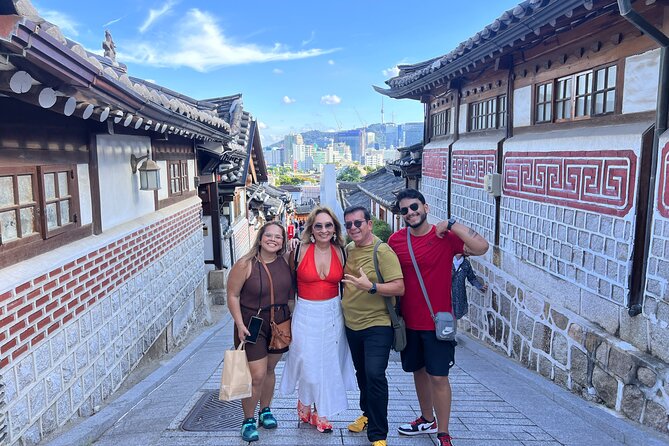
The longest part of the tour, 90 minutes, belongs to Bukchon Hanok Village. This is where the small-group format and Mina’s local knowledge matter most. The route includes quieter alleys, scenic viewpoints, and local details that you might miss if you simply followed the most obvious streets.
Bukchon is more than a photo stop. It is a residential area of traditional Korean homes, known as hanok, set among the city’s older streets. That creates a more complicated experience than a museum. You are looking at a living neighborhood, not a stage set designed only for sightseeing.
A guide can help you understand what you are seeing and steer you toward viewpoints without wasting time. Mina’s ability to offer practical advice about modern Korea adds value here. Her role is not limited to naming buildings. She can help you read the relationship between old-style homes, current city life, and the people who live in the area.
You should still behave like a considerate neighbor. Keep your voice down in residential lanes, follow any signs, and avoid treating doorways as photo props. The supplied tour information does not list specific neighborhood rules, so your best approach is simple courtesy.
The 90-minute timing is generous compared with the palace segment, but it includes both the village walk and the café break. If you want a long photography session, time may feel tight. If you want a guided introduction with a chance to pause, it is a sensible allocation.
The hanok café break gives the route a pleasant finish
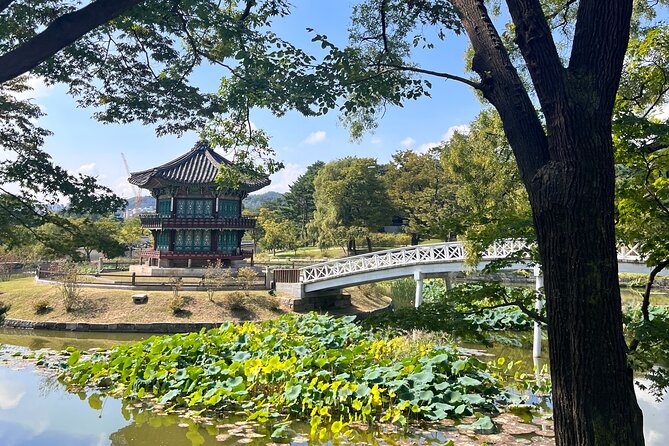
The included drink at a hanok café is one of the tour’s most appealing touches. After the palace and museum, you get a quieter pause in a traditional setting, with a panoramic view over Bukchon’s rooftops. This is not just a snack stop added to fill time. It gives you a chance to sit with the setting and take in how the old neighborhood looks from above.
The café also gives the tour a more human rhythm. Three hours of explanations and walking can become tiring, especially if you are still adjusting to Seoul. A seated break helps. It also makes the outing feel less like a checklist of attractions.
The exact drink selection is not specified, so do not book this expecting a particular tea or coffee. The important point is that a drink is included and the café has a rooftop view. If the view is your priority, remember that conditions can affect what you see, and the tour details do not promise a particular weather outcome.
I like this ending because it ties together the day’s themes. You have seen traditional architecture at the palace, learned about customs in the museum, walked through a neighborhood of hanok, and then viewed those rooftops from a relaxed café. It is a small detail, but it helps the experience feel like a complete route rather than three unrelated stops.
Mina’s guiding style and personal attention
The strongest praise centers on Mina. She is described as friendly, bright, helpful, and an excellent English speaker. Those qualities matter on a history tour because clear communication is more important than a pile of facts. You want to understand the point of a building or custom, not simply hear a list of names.
Her guidance also goes beyond formal history. She shares tips about modern Korea, which can make the day more useful for someone new to Seoul. That is a good match for this route, since the tour moves from a royal compound into a residential neighborhood where old traditions and present-day life meet.
The small group gives Mina room to customize the experience. The information describes the outing as fun and customizable, with extra and unexpected help along the way. One especially personal example is her taking extra time to help a participant reach a pharmacy after noticing an aching ankle. That suggests a guide who pays attention to the people in front of her, not just the clock.
Still, a small group does not guarantee a private tour. Six participants can have different walking speeds and interests. If you need a very slow pace, a particular historical focus, or extensive time for photos, tell Mina early in the outing. The format makes conversation possible, which is exactly why you should use it.
Who will get the most from this tour?
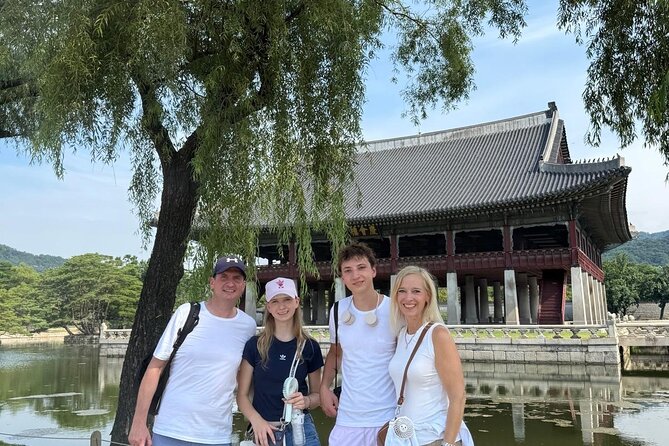
I would recommend this experience to a first-time Seoul visitor who wants a clear introduction to Jongno without spending a full day on one site. It works especially well if you like history but also want a look at daily traditions and current city life.
It suits solo visitors and couples who prefer a personal guide to a large bus group. Families may also appreciate the shorter palace and museum segments, followed by the café break. Most people can participate, and service animals are allowed, according to the supplied accessibility information.
You may want another option if your priority is an exhaustive palace visit, extensive museum time, or a private itinerary built entirely around your interests. The schedule is fixed around three stops, and the palace and museum portions are deliberately short.
The route also involves walking through Bukchon. The information says most people can participate, but it does not provide a detailed mobility assessment or list the exact route conditions. If you have specific access needs, contact the provider before booking rather than relying on the general participation note.
Booking details that affect the decision
The tour is usually booked about 24 days ahead, which is a useful planning clue. It is not a reason to panic, but it does suggest that arranging it well before your Seoul visit is sensible, particularly if you want a specific date.
You receive confirmation at booking and can use a mobile ticket. Group discounts may reduce the per-person cost for a larger party. The maximum group size is six, so the experience remains small even when more than one booking is combined.
Free cancellation is available if you cancel at least 24 hours before the local start time. Changes or cancellations made inside that 24-hour window are not accepted for a refund. That policy is fairly clear, but keep the cut-off in mind when planning around weather, jet lag, or a changing Seoul schedule.
Should you book the Gyeongbokgung, Folk Museum, and Bukchon tour?
Book it if you want a compact, personal introduction to Seoul’s old center, with a guide who can explain both history and present-day Korea. The combination of a six-person limit, Mina’s friendly English guidance, tucked-away Bukchon lanes, and an included rooftop café drink gives the $57.09 price real value.
Skip it if you prefer to set your own pace or want several hours inside Gyeongbokgung and the Folk Museum. Those sites receive focused visits, not exhaustive ones.
For most first-time visitors, I think the route earns its place early in a Seoul itinerary. It gives you context for the city, ends near Anguk Station, and leaves you with a better sense of how royal history, household traditions, and modern neighborhood life fit together.
FAQ
How long does the tour last?
The tour lasts approximately three hours.
What is the maximum group size?
The tour has a maximum of six participants.
Where does the tour begin?
It begins at Gyeongbokgung Station on Line 3, Exit 4, at 88-8 Jeokseon-dong in Jongno District, Seoul.
Where does the tour end?
It ends at 95-2 Jae-dong in Jongno District, near Anguk Station on Line 3, Exit 3.
Is admission included?
Admission to Gyeongbokgung Palace is included. Admission to the National Folk Museum and Bukchon Hanok Village is free.
Can I cancel for a full refund?
Yes. You can cancel for a full refund up to 24 hours before the experience begins. Cancellations or changes made less than 24 hours before the start time are not accepted for a refund.
More Museums
- Seoul: War Memorial of Korea Private Guided Museum Tour
★ 4.9 · 29 reviews - DMZ Tour + The War Memorial of Korea Museum
★ 5.0 · 28 reviews - Color Pool Museum
★ 4.0 · 22 reviews - SEOUL: Gugak – Korean Traditional Music Museum&Concert Tour
★ 4.7 · 17 reviews
Just added around Seoul
- Seoraksan National Park & Nami Island★ 4.5 · 3 reviews
- Strawberry Picking, Winter Sled with Eobi Ice Valley from Seoul★ 4.5 · 3 reviews
- Seoul Full Day small group Tour★ 5.0 · 3 reviews
- Rice Wine Tasting with Sommelier – Finest Makgeolli (& Soju)★ 5.0 · 3 reviews
- Majang Meat Market Experience: Private Tour with Han-woo Beef BBQ★ 5.0 · 3 reviews
- Seoul Korean BBQ Dinner Experience with Secret Food Tours★ 5.0 · 3 reviews
- Seoul: Alpaca World and Nami Island (with Garden / Railbike)★ 5.0 · 3 reviews
- Max Out Seoul: Must Visit City Highlights Panoramic Day Tour★ 5.0 · 3 reviews
Hanbok & Palace Experiences, compared.

Gyeongbok Palace, Bukchon Village, and Gwangjang Tour
Read our review →
Best Seoul City Tour (Gyeongbokgung Palace,Insadong,Namsan Tower)
Read our review →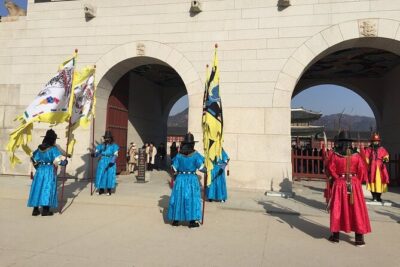
Small-Group Royal Palace and Seoul City Tour (hotel pick-up)
Read our review →
Seoul City Sightseeing Tour Including Gyeongbokgung Palace, N Seoul Tower, and Namsangol Hanok Village
Read our review →Gyeongbok Palace, Bukchon Village, and Gwangjang Tour
Read our review →
Seoul Highlights: Gyeongbok Palace, Insadong & N Seoul Tower
Read our review →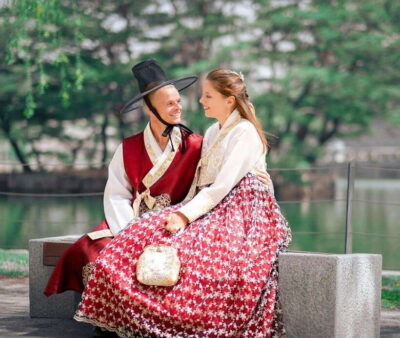
Seoul City Half Day Tour-Gyeongbok Palace Guard Changing Ceremony
Read our review →Browse the lists this tour appears in