
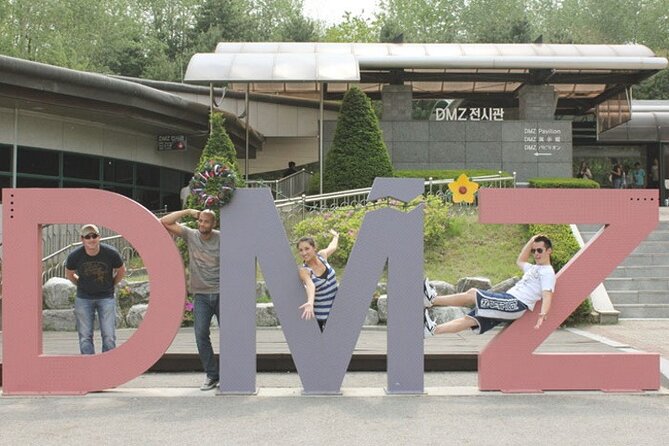
Reviewed · DMZ & BORDER TOURS
365-day DMZ Special Tour including Monday & Public Holiday
The DMZ is closer than it feels. This 9-hour trip from Seoul gives you a clear, guided look at the Korean War and today’s divided peninsula, with visits to Imjingak, the Freedom Bridge, the Third Tunnel, Dora Observatory, and other border sites. I especially like the strong historical context from guides such as Sookhee, Young, Roy, and Chloe, and the practical pickup from selected Seoul subway stations. The $59 price is also fair for a full day of transport, guiding, and several included attractions.
The main catch is that the itinerary changes sharply by day. Tuesday through Sunday includes the Third Tunnel and Dora Observatory, while Mondays and national holidays replace them with the DMZ Peace Gondola, memorial sites, and a suspension bridge. You also need a moderate level of fitness, and the schedule can change quickly because this is an active military zone.
In This Review
- Five things to know before you book
- Why this DMZ tour is worth your day
- Starting before Seoul wakes up
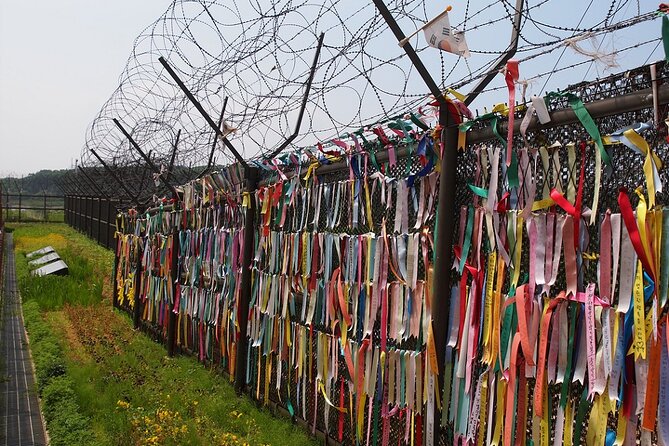
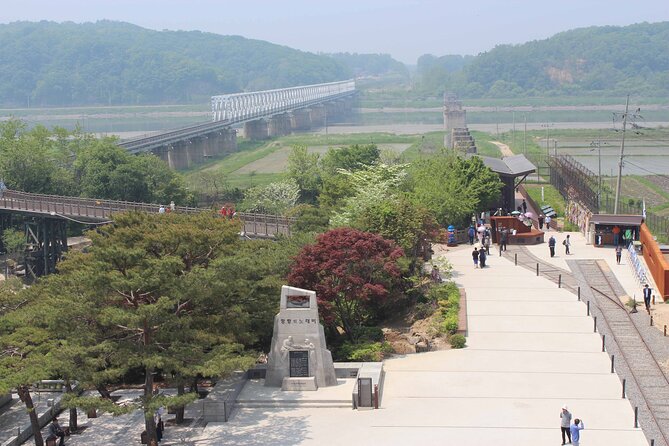
- Imjingak Park and the Freedom Bridge
- The North Korea Experience Hall
- Walking into the Third Infiltration Tunnel
- Dorasan Peace Park and the DMZ exhibition
- Dora Observatory and the view north
- Tongilchon Village and the Civilian Control Zone
- Why Monday is not a second-best option
- Gloster Hill and Heroes Suspension Bridge
- Guides, group size, and the pace
- Food, comfort, and what to bring
- Price, cancellations, and who gets the best value
- Should you book the 365-day DMZ Special Tour?
- FAQ
- How long does the DMZ tour last?
- Where does the tour start and finish?
- Is the Third Tunnel visited every day?
- What happens on Mondays and national holidays?
- Is lunch included?
- Is the tour physically demanding?
Five things to know before you book
- The Third Tunnel is available Tuesday through Sunday, but it involves a physically demanding walk.
- Monday and national holiday tours use a different route, with the DMZ Peace Gondola, Gloster Hill Memorial Park, and Heroes Suspension Bridge.
- Sookhee, Young, Roy, and Chloe are among the guides praised for clear explanations, humor, and careful timing.
- Dora Observatory offers a view toward North Korea, though weather can limit what you see.
- Lunch is not included, so bring food or plan around the limited stops where something may be available.
- The tour begins early and ends around 3:30 p.m., leaving time for Seoul afterward.
Why this DMZ tour is worth your day
The Korean Demilitarized Zone is only about an hour from Seoul by road, but reaching its scattered sites alone is difficult. Roads pass through controlled areas, opening times vary, and military rules can change without notice. This tour solves the transport problem while giving you a guide who explains what you are seeing instead of leaving you with a few monuments and a camera roll.
I like the balance between famous sights and less expected places. The Freedom Bridge and Third Tunnel help explain the Korean War in concrete terms. On the Monday route, Gloster Hill and the Heroes Suspension Bridge add a wider view of the war, including the role of British forces and the human cost of the fighting.
The day is not designed as a slow countryside outing. You move from site to site, often with only 20 to 30 minutes at each stop. That keeps the route moving, but it can feel rushed if you want long photo breaks or time to read every sign. One useful way to think about it is as a guided introduction to the DMZ, not a quiet day of independent exploration.
More DMZ and border tours:
- Best DMZ Tour Korea from Seoul (Red Suspension Bridge Optional)
★ 5.0 · 41,422 reviews - DMZ Tour: 3rd Tunnel, Option(Suspension Bridge, Boat) from Seoul
★ 5.0 · 21,373 reviews - DMZ tour south Korea from Seoul (NK experience hall, defector)
★ 5.0 · 20,599 reviews
Starting before Seoul wakes up
Pickup takes place at selected subway stations, with City Hall Station listed as the main start and end point. The exact pickup location and time depend on your selected option and the season. In the busier period from early March through late June and early September through early January, pickup windows begin around 6:00 a.m. In the lower season, they begin around 7:00 a.m.
You should arrive at least 10 minutes early. The vehicle leaves on time at each meeting point, and a late start can affect the whole group. The tour can carry up to 40 people, so punctuality matters even more when several pickup points are involved.
The early departure has a practical benefit. Traffic can be heavy on the roads out of Seoul, and the DMZ route is long enough without adding unnecessary delays. By returning around 3:30 p.m., you still have part of the afternoon for a palace, market, museum, or dinner in the city.
Pickup is not individual hotel service. You need to reach the assigned subway meeting point yourself, and the included transport returns you to the stated drop-off location. If City Hall Station is hard to access because of a major event or crowd, the tour may finish at Hongik Univ. Station in Hongdae instead.
Imjingak Park and the Freedom Bridge
Imjingak Pyeonghoa-Nuri Park is the emotional starting point for the border story. It was created as a place of comfort for people who fled North Korea during the Korean War, and its monuments focus on separation, memory, and the hope of reunification.
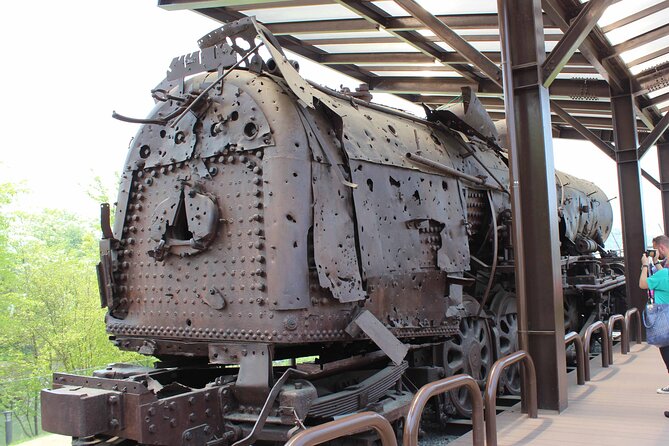
You can expect about an hour here. The Freedom Bridge is the key sight. It once carried people and military traffic across the Imjin River, and its name carries a heavy meaning for families separated by the border. The Soldiers’ Memorial and other memorial features add a military side to the visit, while the park itself gives you space to take in the setting.
This stop works best when you listen closely to the guide. On your own, it can be easy to see only a bridge and a collection of monuments. The explanations connect the site to refugees, prisoners of war, and the unresolved division of the peninsula.
The park is also one of the better places to prepare for the rest of the tour. The DMZ is not only a line on a map. It is a place where personal grief, military strategy, and modern politics meet.
The North Korea Experience Hall
The North Korea Experience Hall is a short stop of around 30 minutes on the regular route. It offers an educational presentation about life and society in North Korea, giving you background before the viewpoints and controlled-zone visits later in the day.
The value here is context rather than spectacle. You are not simply looking across a border and guessing what lies beyond it. The hall helps frame the difference between the two Korean states and gives your guide material to explain the conflict in plain terms.
Time is limited, so do not expect a full museum visit. Think of it as a compact introduction that supports the rest of the day. The exact presentation may vary with the tour schedule.
A few more trips of this kind worth comparing:
- Seoul: DMZ Tour with Optional Suspension Bridge
★ 4.8 · 5,277 reviews - Signature DMZ Tour: Exclusive Defector Talk & Suspension Bridge
★ 5.0 · 4,459 reviews - Thrilling Korean DMZ 3rd Tunnel Tour from Seoul + Red Bridge Rush
★ 5.0 · 3,097 reviews - DMZ Past and Present: Korean Demilitarized Zone Tour from Seoul
★ 5.0 · 2,481 reviews
Walking into the Third Infiltration Tunnel
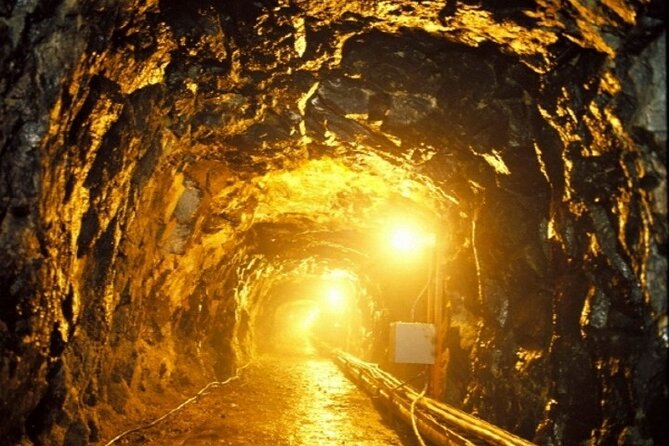
The Third Tunnel is one of the most memorable stops on the Tuesday through Sunday itinerary. South Korea discovered it in 1978, and it was built for a possible invasion from the North. It is about 52 kilometers from Seoul in a straight line and stretches 1,635 meters.
You walk into a military tunnel that was intended to move forces south. That physical setting makes the political story feel immediate. Instead of only hearing about threats and fortifications, you are moving through a place built for war.
This is also the point where fitness matters most. The visit includes a demanding walk, and the tour information specifically warns people with heart conditions, serious medical issues, or pregnancy against taking part. Wear practical shoes and be ready for an active visit. The tunnel is not a casual stroll.
The route inside can feel tight and tiring, especially when the group is moving at a set pace. I would not choose this tour if you need frequent rest stops or dislike confined spaces. For most reasonably fit participants, though, the tunnel is worth the effort because it gives the day a strong, physical focus.
Dorasan Peace Park and the DMZ exhibition
Dorasan Peace Park adds a quieter, more reflective stop. Its theater and exhibition hall include an approximately eight-minute film about the Korean conflict, presented from the South Korean perspective.
That viewpoint is worth keeping in mind. The tour explains the war through South Korea’s experience, and the film is part of that national framing. It does not try to turn a complicated conflict into a neutral museum lecture, so listen critically while still using the material to understand how the war is remembered in the South.
The stop lasts about 30 minutes, which is enough for the film and a quick look around. It is not a large museum visit, but it gives you a pause between the physical tunnel and the exposed border viewpoint.
Dora Observatory and the view north
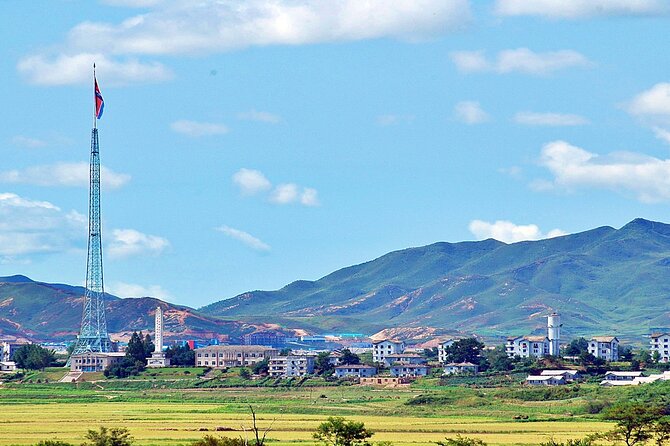
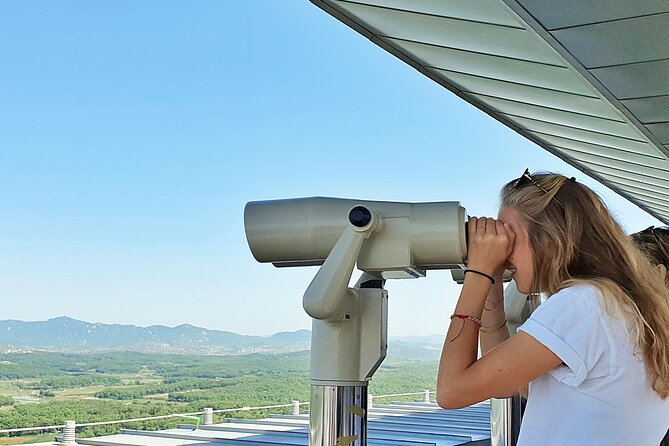
Dora Observatory sits on Dorasan Mountain and offers a chance to look across the border into North Korea. This is the point many people picture when they book a DMZ tour: a controlled viewpoint, distant hills, military installations, and a reminder that the border is still active.
The view depends heavily on weather. Fog, haze, rain, or snow can block the distant scenery. Even on a poor-weather day, the site can still work because visual displays and videos provide information when the horizon disappears.
Keep your expectations sensible. You are not guaranteed a sharp, close view of North Korean towns, and the military setting limits how freely you can wander. The significance comes from knowing what you are looking toward and why the area is controlled.
Tongilchon Village and the Civilian Control Zone
Tongilchon-gil leads to Tongilchon Village, a settlement inside the Civilian Control Zone on the western side of the DMZ. It is not shown on many ordinary maps, which gives the stop a sense of access to a part of Korea most independent visitors will never see.
The visit lasts about 20 minutes. The village is linked with Jangdan soybeans, an agricultural product associated with the area. This small detail matters because it shows that the zone is not only a military buffer. People also live and work within tightly controlled conditions.
Do not expect a long village walk or a broad shopping stop. The schedule is short, and the group must keep moving. Still, it adds a useful human scale after the memorials, tunnel, and observatory.
Why Monday is not a second-best option
The Third Tunnel, Dora Observatory, and Tongilchon Village are closed on Mondays and national holidays. Instead of treating Monday as a weaker version of the tour, the operator uses a different route with its own strengths.
The Monday itinerary includes Imjingak Peace Nuri Park, the DMZ Peace Gondola, Jangsan Natural Observatory or Odusan Unification Observatory, Gloster Hill Memorial Park, Heroes Suspension Bridge, and a return to City Hall Station. This route focuses more on memorials, scenery, and battle sites than on underground military structures.
The DMZ Peace Gondola crosses the Imjin River and is described as Korea’s first and only gondola system. The river itself carries the sadness of division but also the hope of reunification. This gives the Monday route a more scenic element, although it is still tied closely to the border story.
Jangsan Natural Observatory or Odusan Unification Observatory provides another viewpoint, depending on the day and operating conditions. As with Dora Observatory, weather will affect how much you can see. The value is in the setting and explanation, not a guaranteed clear look into North Korea.
Gloster Hill and Heroes Suspension Bridge
Gloster Hill Memorial Park honors the British Army’s Gloucester Regiment and the fighting at Seolmari during the Korean War. This is one of the most praised parts of the Monday route because it adds an international perspective to a conflict often introduced through Korean and American history.
The memorial is especially useful if you know little about Commonwealth involvement in the war. Your guide can connect the site to the wider battle and explain why this hillside matters.
Heroes Suspension Bridge brings another physical challenge. When it was built, it was Korea’s longest suspension bridge, and the location was also a fierce Korean War battlefield. The crossing combines a scenic walk with a direct connection to wartime events.
The bridge and the Third Tunnel are the most physically demanding parts of their respective routes. If you have a heart condition, another serious medical issue, or are pregnant, the operator does not recommend this activity. On bad-weather days, the bridge and Gloster Hill may close, with Odusan Unification Observatory or the War Memorial of Korea used instead.
Guides, group size, and the pace
The guide can make or break a historical day, and this tour has earned strong praise for its staff. Sookhee, also called Sooki or Veronica in some tour accounts, is described as warm, organized, attentive, and good at keeping the group on schedule. Young is praised for his historical knowledge, friendly manner, and humor. Roy is noted for making the material informative without turning the day into a lecture, while Chloe is remembered for her upbeat energy.
Those qualities matter because the route contains long drives, short stops, and difficult subject matter. A good guide helps you understand the difference between a memorial, a military site, and a viewpoint, while also making sure nobody gets lost in the crowds.
The group can reach 40 people. That is not a private tour, despite the wording about a group guide, so expect a shared coach and a fixed schedule. The trade-off is cost. At $59 per person, you get transport and an English-speaking guide at a price that is hard to match with private transport.
Food, comfort, and what to bring
Lunch and drinks are not included. Plan ahead, especially for the Monday itinerary, when food choices may be limited. One useful tip is to bring snacks or a packed lunch. A Dunkin’ Donuts stop may be available, but you should not count on a full meal break.
Wear comfortable walking shoes. The Third Tunnel route and Heroes Suspension Bridge can be tiring, and several stops involve standing outdoors. Bring water, snacks, and clothing suitable for changing weather.
A mobile ticket keeps the booking simple, but it does not remove the need to check your exact meeting point. Read the selected pickup information carefully and arrive early.
Price, cancellations, and who gets the best value
At $59, this is good value if you want a structured day outside Seoul. Transport to the border, an English-speaking guide, and access to multiple sites are included. You also avoid the hassle of arranging transport through a restricted military area.
The price is less attractive if your main goal is a long, unhurried view of North Korea. The stops are short, the group may be large, and the route can change. You are paying for access, interpretation, and logistics, not a private custom tour.
The experience requires at least five participants to operate. Military schedules, traffic, weather, safety inspections, and sudden security restrictions can all alter the plan. The tour does not operate on the first Monday of March, June, September, or December because of regular safety inspections.
You can cancel for a full refund up to 24 hours before the start time. If poor weather or low participation cancels the tour, you are offered another date or experience, or a full refund. A sudden DMZ closure can lead to a substitute site without a refund, so flexibility is part of the deal.
Should you book the 365-day DMZ Special Tour?
Book it if you want an efficient, guided introduction to the Korean border, especially if you do not have a car and want clear historical explanations. It suits adults and older children who can walk at a moderate pace and handle an early start.
Choose Tuesday through Sunday if the Third Tunnel, Dora Observatory, and Tongilchon Village are your priorities. Choose Monday or a national holiday if memorials, the gondola, battlefield sites, and the Heroes Suspension Bridge sound more appealing.
I would book this tour for its price, access, and guides, while accepting that the DMZ controls the schedule. Bring food, wear sturdy shoes, arrive early, and treat the day as a serious historical outing with scenic moments, not a guaranteed sightseeing checklist.
FAQ
How long does the DMZ tour last?
The experience lasts approximately 9 hours and generally ends around 3:30 p.m.
Where does the tour start and finish?
The listed start and end point is City Hall Station in Seoul. If access to City Hall Station is difficult because of a major event or traffic, the tour may finish at Hongik Univ. Station in Hongdae.
Is the Third Tunnel visited every day?
No. The Third Tunnel is visited Tuesday through Sunday. Monday and national holiday tours use an alternate route.
What happens on Mondays and national holidays?
The route includes Imjingak Peace Nuri Park, the DMZ Peace Gondola, Jangsan Natural Observatory or Odusan Unification Observatory, Gloster Hill Memorial Park, and Heroes Suspension Bridge.
Is lunch included?
No. Lunch, food, and drinks are not included. Bringing snacks or a packed lunch is a practical idea.
Is the tour physically demanding?
Yes. The Third Tunnel and Heroes Suspension Bridge require a moderate level of fitness. The operator does not recommend these activities for people with heart conditions, serious medical issues, or pregnancy.
Just added around Seoul
- Seoraksan National Park & Nami Island★ 4.5 · 3 reviews
- Strawberry Picking, Winter Sled with Eobi Ice Valley from Seoul★ 4.5 · 3 reviews
- Seoul Full Day small group Tour★ 5.0 · 3 reviews
- Majang Meat Market Experience: Private Tour with Han-woo Beef BBQ★ 5.0 · 3 reviews
- Seoul Korean BBQ Dinner Experience with Secret Food Tours★ 5.0 · 3 reviews
- Rice Wine Tasting with Sommelier – Finest Makgeolli (& Soju)★ 5.0 · 3 reviews
- Max Out Seoul: Must Visit City Highlights Panoramic Day Tour★ 5.0 · 3 reviews
- Seongsu-dong Walking Tour: K-Pop, Culture, Cheer, Friends & Relax★ 4.5 · 3 reviews
DMZ & Border Tours, compared.

Best DMZ Tour Korea from Seoul (Red Suspension Bridge Optional)
Read our review →
DMZ Tour: 3rd Tunnel, Option(Suspension Bridge, Boat) from Seoul
Read our review →
DMZ tour south Korea from Seoul (NK experience hall, defector)
Read our review →
DMZ Insider Tour: 3rd Tunnel, NK Defector Meet & Red Bridge
Read our review →

Signature DMZ Tour: Exclusive Defector Talk & Suspension Bridge
Read our review →
Thrilling Korean DMZ 3rd Tunnel Tour from Seoul + Red Bridge Rush
Read our review →DMZ Past and Present: Korean Demilitarized Zone Tour from Seoul
Read our review →Browse the lists this tour appears in