
Reviewed · BUSAN TOURS
5-Day Korea Golden route by K-shuttle Tour from Seoul Including Busan, Yeosu
Korea rewards those who leave Seoul. This five-day K-shuttle journey gives first-time visitors a broad look at South Korea, linking royal tombs, old villages, temples, seafood markets, mountain parks, and major cities without the work of arranging trains, buses, and hotels yourself. You travel from Seoul through Gongju, Jeonju, Suncheon, Yeosu, Busan, Gyeongju, Andong, Pyeongchang, and Seoraksan before returning to Seoul.
I especially like the wide historical sweep, from Baekje tombs and Joseon-era villages to the democracy memorial at Gwangju. I also like the practical all-in-one setup: four hotel nights, four breakfasts, road transport, and an English-speaking guide are included. The main caution is pace. You cover a great deal of ground in five days, and long stretches on the road can leave some stops feeling like a first look rather than a proper visit.
The guide can make a major difference. Justin Choi has earned especially strong praise for his energy, historical storytelling, humor, and help with food choices. Mina and Brandon have also been singled out for their care and cultural explanations. The actual guide assigned to your departure may vary, so treat those names as examples of the standard this tour can reach, not a guarantee.
In This Review
- What makes this route different
- Why this works for a first Korea trip
- Day one: Baekje tombs, a riverside fortress, and Jeonju
- Day two: democracy, gardens, and Admiral Yi
- Day three: Jinju, Busan seafood, and Haeundae
- Day four: Seokguram, Bulguksa, and Andong’s old village
- Day five: Olympic Pyeongchang and Seoraksan
- Hotels, buses, and the practical side
- What is not included in the $999 price
- The guide can make or break the experience
- Who should book this Korea tour?
- FAQ
- Where does the tour start and end?
- Is hotel pickup included in Seoul?
- How many nights of accommodation are included?
- Are meals included besides breakfast?
- What luggage can I bring?
- Are all entrance fees included?
- How much walking is involved?
- Can the tour be canceled if there are too few bookings?
What makes this route different
- Baekje history on day one: Visit the Songsan-ri Tombs, King Muryeong’s Tomb, and Gongsanseong Fortress in Gongju before reaching Jeonju.
- A real cross-country route: This is not a Seoul-centered tour. You see southwest and southeastern Korea, plus the east coast region and mountain country.
- Traditional Korea without complicated transfers: Jeonju Hanok Village and Andong Hahoe Folk Village give you two very different looks at old Korean homes and village life.
- UNESCO sites with a guide: Bulguksa Temple and Seokguram connect Gyeongju’s major religious monuments to the history around them.
- Hotels are mixed: Several stays have been praised, but the Commodore and some older properties have drawn complaints about cleanliness, air-conditioning, or upkeep.
- A packed five days: Expect an early 8am start, moderate walking, frequent road time, and optional costs for some major sights.
Why this works for a first Korea trip
At $999 per person, the tour is not a budget bus ride, but it can be fair value if you want a ready-made route. You get four nights of accommodation, four breakfasts, a guide, and transport across a large section of the country. Booking separate rooms, intercity transport, and taxis for sites outside city centers could become costly and time-consuming.
The tour also solves a real problem. Korea’s rail system is excellent, but many historic villages, mountain sites, and fortress areas are not right beside a station. With this trip, you do not need to decipher regional bus routes or negotiate every connection. Your guide can also explain customs, food, and the historical setting of each place.
The tradeoff is control. You do not choose how long to stay in Jeonju, Yeosu, or Seoraksan. Traffic and local conditions can change the schedule, and the vehicle may hold as many as 50 people. Some departures may be much smaller, but you should be comfortable with a coach-tour format.
A few more trips of this kind worth comparing:
- From Seoul: 5-Day Tour of Korea with UNESCO Sites
★ 4.8 · 22 reviews
Day one: Baekje tombs, a riverside fortress, and Jeonju
Meet at 8am in front of the Dongwha Duty Free Shop, beside exit 6 of Gwanghwamun subway station. Hotel pickup is not included, so plan your Seoul morning carefully. The tour returns to this same area at the end.
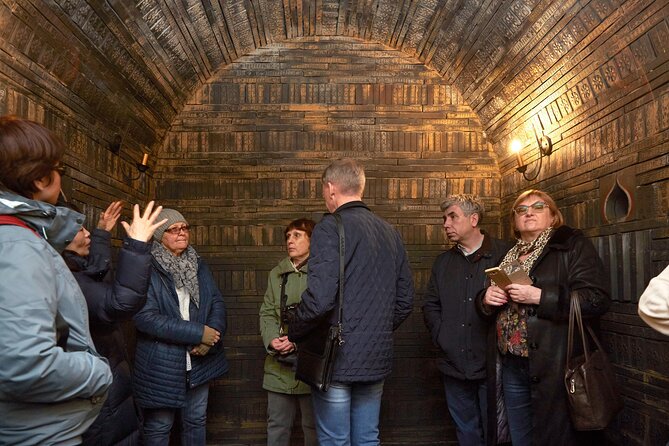
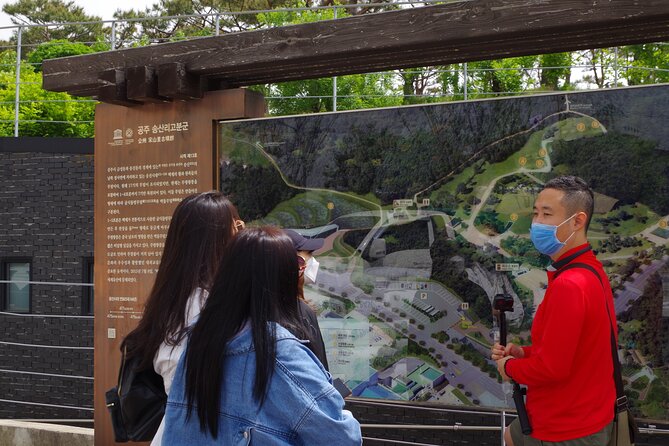
The first substantial stop is the Songsan-ri Tombs and the Royal Tomb of King Muryeong in Gongju. These burial sites connect you with the Baekje period, which lasted from 234 to 678. The tombs contain representative remains from that era, and King Muryeong ruled from 462 to 523. A guide adds value here because the site is easier to appreciate when you understand the Baekje kingdom’s place in early Korean history.
Next comes Gongsanseong Fortress, a mountain castle beside the Geumgang River. You have about an hour to follow the trail and take in the river views. The walking is manageable, but the path and slopes make good shoes worthwhile. This is a short visit, so you will see the setting and key features rather than explore every corner.
Jeonju Hanok Village gives the day a different mood. The old district is known for its traditional homes and distinctive roof edges that curve upward toward the sky. Two hours lets you walk through the lanes and see the preserved architectural style, though it is not enough time for a slow, unplanned afternoon.
Jeonju is one of the better places on the route for food, but lunch and dinner are your responsibility. Ask the guide for suggestions. Guides such as Justin have been praised for helping people choose local dishes, which is useful when you are eating independently in an unfamiliar city.
Day two: democracy, gardens, and Admiral Yi
The second day begins at the May 18th National Cemetery in Gwangju. This is not a light sightseeing stop. The cemetery honors people who died during the May 1980 struggle for democracy, and its setting in front of Mudeungsan Mountain adds a quiet sense of place. Allow time for the memorials and graves, and expect the guide to provide important modern context.
Suncheon Bay Garden follows with two hours among a large conservation area containing more than 505 tree species and 113 flower species. The garden offers a change from monuments and museums, with open paths and planted areas. Depending on the season, the appearance will vary considerably. Spring brings flowers, while autumn can bring strong color across the countryside.
The itinerary then moves toward Yeosu and the Statue of Admiral Yi Sun-sin. Yi Sun-sin is one of Korea’s most celebrated military figures, known for his role during the Japanese invasions of 1592 to 1598. The stop presents artifacts and reminders of his command. It is particularly useful if you enjoy learning how national history is remembered through public monuments.
This is another day when timing matters. Suncheon and Yeosu deserve more time than a tight schedule can provide, and dinner is not included. The route gives you a taste of both places, but you may wish to return to the southern coast on a future trip if seaside scenery and local food are priorities.
Day three: Jinju, Busan seafood, and Haeundae
Jinjuseong Fortress opens the third day. The site began as Geoyeolseong Fortress during the Three Kingdoms period and was later called Chokseokseong Fortress. Its strongest historical connection is to the Japanese invasion of 1592. With about an hour here, you can walk part of the grounds and follow the defensive story without spending the entire morning on one site.
Busan arrives next, and Jagalchi Market is one of the route’s most recognizable stops. Korea’s largest seafood market sells live and dried fish beside the waterfront road in Jung-gu. You have two hours, enough to see the market’s busy displays and get a feel for Busan’s working port culture. Food is not included, so this may be the best place to buy lunch if you want a seafood experience.
Haeundae Beach and Nurimaru APEC House provide a sharp contrast. Haeundae is Busan’s famous urban beach, while Nurimaru combines a conference venue with views of the shore and modern city surroundings. The two-hour visit gives you time for photos and a walk, though beach lovers may wish they had longer.
Busan is one of the cities where the tour format helps and frustrates at the same time. You get to see major sights without worrying about urban navigation, but you do not have an evening built in for exploring neighborhoods or sampling Busan nightlife. If Busan is your main reason for visiting Korea, add separate nights before or after this tour.
More Busan trips:
- Small Group 7D Korea package Tour with Seoul Gyeongju Busan Jeju
★ 4.5 · 13 reviews - 3-Days 2-Nights Gyeongju UNESCO Sites & Busan City [Private Tour from Seoul]
★ 4.5 · 11 reviews - 7 days Flexible Tour for Major Cities(Seoul,Busan,Gyeongju etc)
★ 5.0 · 5 reviews - Jinhae Cherry Blossom + Busan Sunrise from Seoul
★ 4.5 · 5 reviews
Day four: Seokguram, Bulguksa, and Andong’s old village
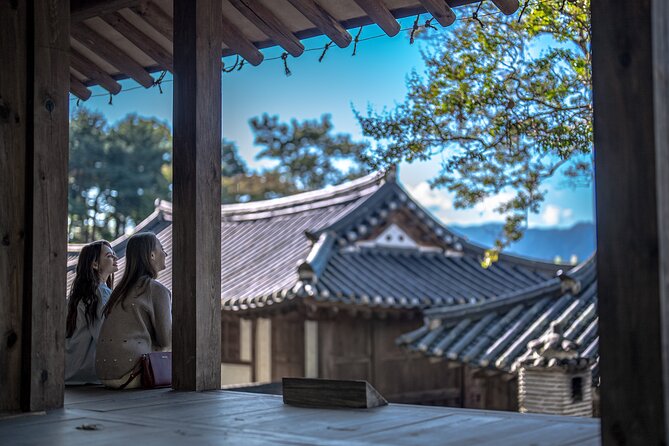
Day four focuses on the historic heart of Gyeongju. Seokguram is an artificial granite grotto built in connection with Bulguksa Temple and designated a UNESCO World Heritage site in 1995. The visit is scheduled for two hours, but entry to the grotto is an optional cost, so check the current fee before you go.
Bulguksa Temple receives about an hour. This is one of Korea’s defining religious and artistic sites, with celebrated stone pagodas and temple buildings. The visit is short for such an important place, but a good guide can make the stonework and religious symbolism easier to read. Wear shoes suited to walking and uneven surfaces.
The route then heads to Andong Hahoe Folk Village. The village sits beside the Nakdong River, with Buyongdae Cliff, sandy riverbanks, and old pine trees around it. Traditional homes and the village setting make this one of the most atmospheric stops on the trip. Two hours allows a useful walk, but not a leisurely exploration of every lane.
This day works especially well for anyone interested in Korean historical dramas. Several sites have the kind of architecture and setting familiar from period productions, and the guide can connect the physical places with the political and cultural story behind them.
Day five: Olympic Pyeongchang and Seoraksan
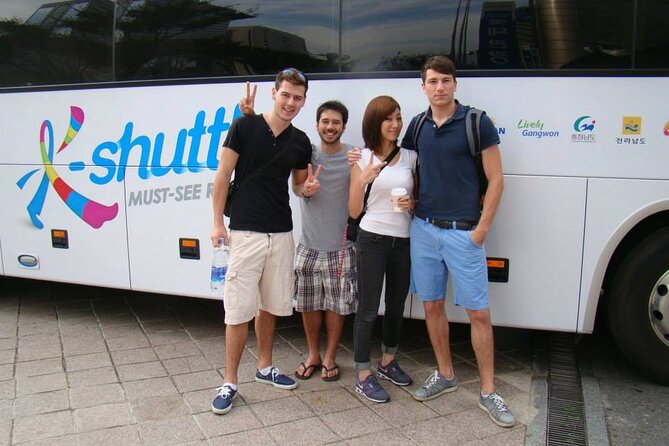
The final sightseeing day begins at the Alpensia Ski Jump Lounge, part of the venue used for the 2018 Winter Olympics. The itinerary describes a two-hour visit, but the monorail to the ski jump is optional. Confirm what your group’s schedule allows, since time at the venue has been reduced on some departures to a short photo stop.
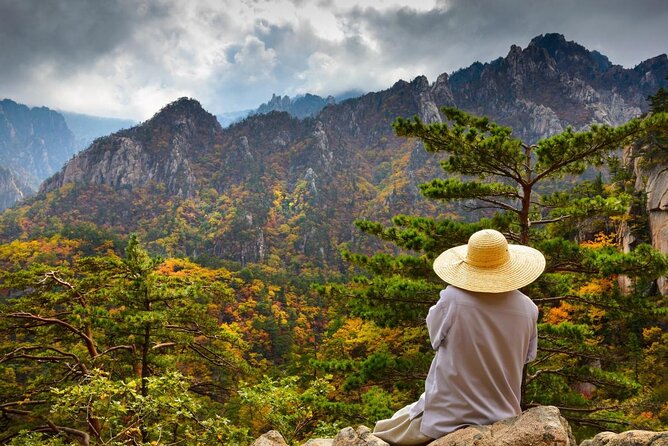
Seoraksan National Park is the day’s natural highlight. The plan includes the Sinheungsa area and Seorak Mountain, where steep peaks, mountain streams, and forest paths create a very different Korea from the cities and temples earlier in the week. The schedule gives you about two hours. That is enough for a basic visit, but not for serious hiking.
The cable car to Gwongeumseong Fortress and temple entry are optional expenses. If you want the cable car, ask the guide about timing and availability early in the day. Admission to Seoraksan is not included, so keep some money available for park-related costs.
The tour ends around 6pm back at Dongwha Duty Free Shop. Since the start and finish are at the same central Seoul meeting point, arrange your final hotel night and onward transport with that timing in mind.
Hotels, buses, and the practical side
Four nights of accommodation and breakfast are included, with single and double rooms available at checkout. A group with an odd number can request a pullout bed in a double room, or one person can pay for a single room instead.
Hotel quality is the least predictable part of the package. Some stays have been described as comfortable and clean, while others have been criticized as old, poorly maintained, or far from central dining. The Commodore Hotel has drawn especially sharp complaints about dirty carpets, stuffy rooms, and unreliable air-conditioning. The Ocean View Hotel has also had air-conditioning concerns, and the Wonju Interburgo breakfast has been described as limited on at least one departure.
That does not mean every departure will have the same properties or problems. Hotels can change, and the operator states that the itinerary and accommodation may change because of weather, traffic, or other local conditions. Still, I would book this tour for the route and convenience, not for guaranteed hotel polish.
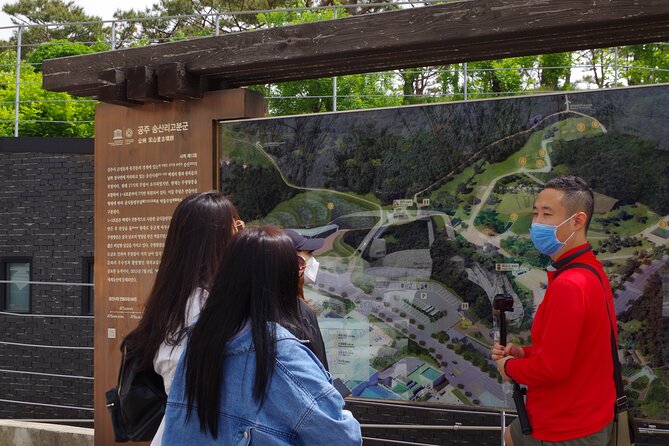
Transportation is another point to weigh. The vehicle size depends on group size, with a maximum of 50 people. Most departures have had clean buses, working air-conditioning, and water available, but one particularly negative experience involved a slow, uncomfortable bus and very long driving days. Bus Wi-Fi and an onboard toilet are not promised.
The luggage allowance is one carry-on bag measuring about 24 by 16 by 11 inches. Pack light. Four hotel changes and limited storage are easier when you are not hauling a large suitcase.
What is not included in the $999 price
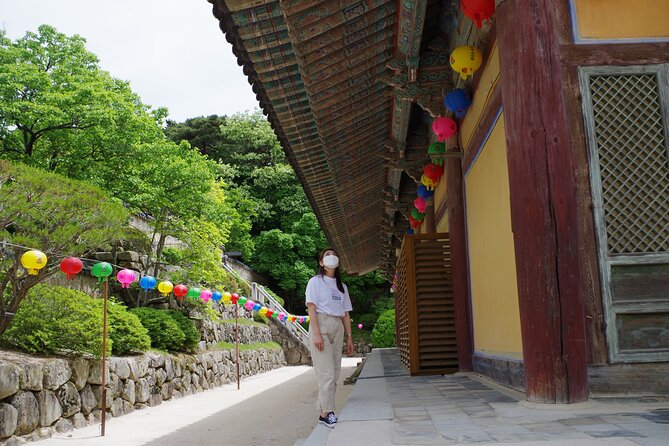
You pay separately for lunch, dinner, snacks, and drinks. This can be a plus if you want freedom, but you should budget for several meals in busy tourist areas. Ask your guide for practical local choices rather than assuming every stop will have an easy restaurant nearby.
Optional fees include the Seokguram Grotto, the monorail at the Pyeongchang ski jump, the Gwongeumseong Fortress cable car, temple entry, and a possible ferry surcharge at Goransa Temple. The exact use of some options depends on the day’s schedule, so bring a modest reserve for admissions.
Hotel pickup and drop-off in Seoul are not included. The meeting point is easy to locate near Gwanghwamun subway station, but you need to arrive on time for the 8am departure.
The guide can make or break the experience
The strongest part of this tour is often the guide. Justin Choi has been praised for explaining ancient and modern Korean history, keeping mixed-age groups together, offering food advice, and maintaining a good sense of humor. Mina has been described as patient and caring, while Brandon has been praised for personal attention, cultural insight, and small touches such as snacks.
A good guide matters here because the schedule moves quickly. You need clear instructions at markets, memorials, and bus stops. You also need someone who can explain why a tomb, temple, or fortress matters rather than simply point at it.
The experience is not perfect for every group. One departure had complaints about sarcasm from the guide, an unhelpful driver dynamic, passengers being left behind briefly at the Yeosu market, and major schedule cuts. Those reports are serious reminders to stay aware of meeting times and keep your guide’s contact details handy.
Who should book this Korea tour?
I would choose it if you have only five days, want to see beyond Seoul, and prefer a guided road trip to independent planning. It suits first-time visitors, history fans, people interested in Korean dramas, and anyone who wants a broad national overview before returning for a slower trip.
I would hesitate if you want long meals, late nights, serious hiking, or several full days in Busan and Gyeongju. The route is full, and some days involve many hours on the road. Families can manage the tour, and one departure handled a seven-month-old baby well, but the walking and schedule still require flexibility.
The tour earns its price through convenience and coverage. It does not promise luxury hotels or deep time in each destination. Think of it as a fast, guided introduction to Korea’s historic sites, regional food culture, cities, and mountains.
FAQ
Where does the tour start and end?
It starts at 8am at the parking area beside the Dongwha Duty Free Shop near exit 6 of Gwanghwamun subway station. It ends at the same location around 6pm on day five.
Is hotel pickup included in Seoul?
No. Hotel pickup and drop-off in Seoul are not included. You must make your own way to the Gwanghwamun meeting point.
How many nights of accommodation are included?
Four nights of accommodation are included, along with four breakfasts.
Are meals included besides breakfast?
No. Lunch, dinner, snacks, drinks, and other food are not included unless specifically stated.
What luggage can I bring?
The allowance is one carry-on bag measuring approximately 24 by 16 by 11 inches.
Are all entrance fees included?
No. Some optional fees are extra, including entry to Seokguram Grotto, the Pyeongchang ski jump monorail, the Gwongeumseong Fortress cable car, temple entry, and a possible Goransa Temple ferry surcharge.
How much walking is involved?
A moderate amount of walking is involved. Good walking shoes are recommended, especially for fortresses, temple grounds, villages, and Seoraksan National Park.
Can the tour be canceled if there are too few bookings?
Yes. One person can book, but at least two people are required for the tour to operate. If the minimum is not reached, an alternative or full refund will be offered.
Just added around Seoul
- Seoraksan National Park & Nami Island★ 4.5 · 3 reviews
- Strawberry Picking, Winter Sled with Eobi Ice Valley from Seoul★ 4.5 · 3 reviews
- Seoul Full Day small group Tour★ 5.0 · 3 reviews
- Majang Meat Market Experience: Private Tour with Han-woo Beef BBQ★ 5.0 · 3 reviews
- Seoul Korean BBQ Dinner Experience with Secret Food Tours★ 5.0 · 3 reviews
- Rice Wine Tasting with Sommelier – Finest Makgeolli (& Soju)★ 5.0 · 3 reviews
- Max Out Seoul: Must Visit City Highlights Panoramic Day Tour★ 5.0 · 3 reviews
- Seongsu-dong Walking Tour: K-Pop, Culture, Cheer, Friends & Relax★ 4.5 · 3 reviews
Busan Tours, compared.

Gyeongju Guided Day Trip to Three Kingdoms Capital
Read our review →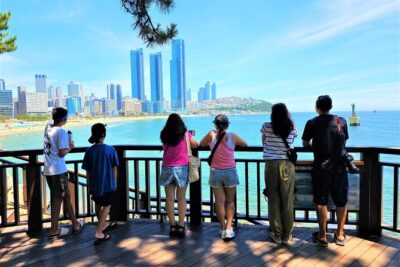

Gyeongju UNESCO World Heritage Guided Day Tour
Read our review →
Busan Private Tour with licensed tour guide + private vehicle
Read our review →Coastal Treasures Beach Train, Culture Village & More
Read our review →
Busan’s Cultural Wonders with Beach Train & Gamcheon Village etc
Read our review →
Gyeongju UNESCO World Heritage Guided Day Tour from Busan
Read our review →Private Busan Tour -Explore Cultural Landmarks with a Local Guide
Read our review →Browse the lists this tour appears in