
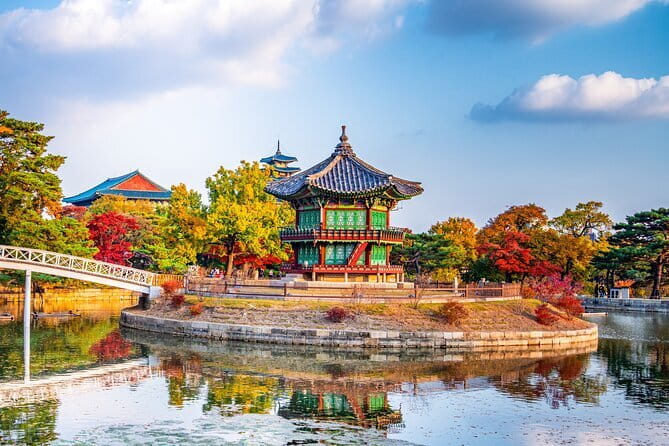
Reviewed · GYEONGJU HERITAGE TOURS
7 days Flexible Tour for Major Cities(Seoul,Busan,Gyeongju etc)
Korea rewards curious, comfortable explorers. This private seven-day tour links Seoul, Gyeongju, and Busan with major sights, local markets, royal palaces, war memorials, and coastal views, all in a private minivan with an English-speaking driving guide. I especially like the flexible schedule and the chance to travel from Seoul to Busan without retracing your route. I also like that airport transportation, fuel, tolls, parking, bottled water, and listed admissions are covered.
The main drawback is the pace. You cover a lot of ground, especially on the long trip toward Gyeongju, and several days include five or six stops. The $2,000 per-person price is also a serious commitment, and meals and hotels are extra. Still, for families or small groups that value personal service over public transportation, this can be a very practical way to see Korea.
In This Review
- Key points to know before booking
- Why the private format matters in Korea
- Day 1: Seoul palaces, old neighborhoods, and Korean wartime history
- Day 2: Seoul views, Gangnam, and the Han River after dark
- Day 3: The DMZ, the Third Tunnel, and modern Korean life
- Day 4: Suwon Fortress and a Korean folk village
- Day 5: The long road toward Gyeongju and Pohang’s Space Walk
- Day 6: Gyeongju’s royal tombs, bridges, and night views
- Day 7: Busan markets, seaside temples, and colorful hillsides
- What $2,000 per person really covers
- Practical details and the right type of visitor
- FAQ
- How long is the tour?
- Is this a private tour?
- What cities and regions does the tour visit?
- Is airport transportation included?
- Are hotels and meals included?
- Are entrance fees included?
- What fitness level is required?
- Should you book this Korea tour?
Key points to know before booking
- A private minivan covers three major cities: You travel with your own group rather than joining a large coach tour.
- The schedule can be changed: Days do not need to run consecutively, and extra touring days can be added.
- Airport transport is included: You can return to Seoul with the guide or finish in Busan.
- The tour mixes famous sights with local life: Expect palaces, temples, markets, museums, food streets, and working city districts.
- The DMZ day includes a public bus inside the zone: Your tour remains private except for that required transfer.
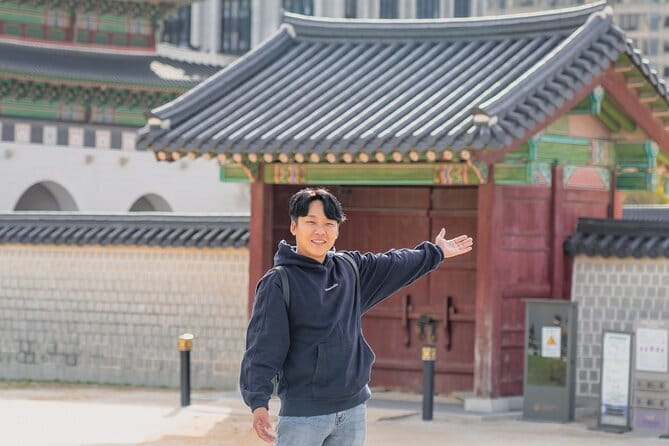
- Guides Hun and Sean receive especially warm praise: Their friendliness, flexibility, and care for older family members are a major part of the experience.
Why the private format matters in Korea

Korea is easy to visit in some ways and surprisingly tiring in others. Seoul’s subway is excellent, but the country’s major sights are spread over a wide area. Moving from central Seoul to the DMZ, Suwon, Gyeongju, and Busan takes planning, time, and patience.
This tour removes much of that work. You have an experienced English-speaking driving guide, one or two guides for the full trip, and a comfortable minivan. Fuel, tolls, parking, and bottled water are included, which helps prevent the small transport costs from piling up.
The private format is most useful for families, multigenerational groups, and people who prefer a slower explanation at important sites. You can ask for more time at a museum, skip a stop, take a day off, or add another tour. The provider also says the seven days do not need to be consecutive, which is helpful if you want rest days between long touring days.
The personal side matters too. Hun and Sean are praised for being cheerful, attentive, and easy to spend a full week with. One family felt that they treated their mother like their own. Another appreciated how Hun helped shape the trip around specific foods and places. That kind of care is difficult to measure, but it can make a long private tour feel relaxed rather than managed.
A few more trips of this kind worth comparing:
- Discover Round Korea in 7days: All-Inclusive Experience
★ 5.0 · 157 reviews - 7 Day Essential Korea Tour(Seoul, Nami, DMZ, Andong, Gyeongju, Busan_Meal Incl.)
★ 5.0 · 3 reviews
Day 1: Seoul palaces, old neighborhoods, and Korean wartime history
The first day gives you a strong introduction to Seoul by moving through several different sides of the city.
At Gyeongbokgung Palace, you spend about two hours with a guide among the main royal buildings of the Joseon Dynasty. The palace is large, so a guide helps you understand what you are seeing rather than simply wandering from one courtyard to the next. You can expect plenty of good photo spots, but the size of the complex also means a fair amount of walking.
Next comes Bukchon Hanok Village, a traditional residential district associated with the noble class. This stop adds something the palace cannot provide: a look at old Korean homes and neighborhood life. The narrow streets and traditional houses are appealing, but you should remember that Bukchon is still a residential area. Keep your voice down and respect private entrances.
Insadong offers a lighter hour of strolling after the first two historic stops. You can browse Korean pottery, artwork, antiques, and traditional goods, then pause in a Korean-style café for tea. Lunch is part of the day’s rhythm, but meals are not included in the tour price, so plan to pay separately.
The afternoon moves to the War Memorial of Korea, where you spend about two hours with military exhibits, weapons, tanks, and memorials connected to the Korean War. This is not a quick photo stop. It gives needed context to the division of the peninsula and the history behind the following day’s DMZ visit.
The day ends at Gwangjang Market, one of Seoul’s best places for a direct taste of everyday food culture. Your guide can explain the market’s background and introduce local specialties, including snacks. This is a good place to try unfamiliar dishes without turning the meal into a formal event.
The first day is full, but the order makes sense. You begin with royal Korea, move through traditional neighborhoods, then finish with war history and market food. Wear comfortable shoes and expect a long day on your feet.
Day 2: Seoul views, Gangnam, and the Han River after dark
Day two shifts from old Seoul to its modern side.
At N Seoul Tower, your guide takes you up the mountain for city views and photographs. The listed admission is included, but the cable car fare is not. That small extra cost is easy to overlook, so bring money for it. The stop lasts about two hours and works best when visibility is good.
Bongeunsa Temple provides a calm contrast to Gangnam’s office towers and shopping areas. You spend about an hour walking through the grounds while your guide explains the temple’s background, colorful lanterns, and lotus flowers. It is a useful reminder that modern Seoul still has quiet religious spaces at its center.
At Starfield Library, the mood changes again. More than 50,000 books fill the tall shelves, making this a popular photo stop. You can replace it with a traditional Korean village if you prefer older architecture and daily life to a modern indoor attraction. That replacement option is a good example of how the tour can fit different interests.
The Gangnam Style statue takes only about ten minutes. It is a novelty stop linked to the song that brought worldwide attention to Korea. I would not build a day around it, but it is an amusing, fast photo opportunity while you are in Gangnam.
The final stop is an E-Land Han River cruise, lasting about two hours. You can eat chicken or noodles before boarding, then see Seoul’s bridges and skyline from the water. The river is particularly attractive after dark, and this stop should appeal to anyone who enjoys city views or Korean drama locations.
Day two has less serious history than day one, but it covers Seoul’s modern identity well. The tower, temple, library, pop-culture statue, and river cruise form a varied day. The tradeoff is that some stops are brief, especially the Gangnam statue, and the cable car costs extra.
Day 3: The DMZ, the Third Tunnel, and modern Korean life
The DMZ day brings a heavier tone and requires a little more patience.
You begin at Imjingak Pyeonghoa-Nuri Park, where you see the Bridge of Freedom, an abandoned steam train, and other reminders of Korea’s division. This hour helps set the scene before entering the restricted area.
Private cars cannot drive inside the DMZ. You transfer to a public bus for part of the route, while the rest of your experience remains private with your guide. This is an important practical detail. If you expect door-to-door private transport throughout the DMZ, adjust your expectations before booking.
The Third Tunnel is a physical stop as well as a historical one. The tunnel reaches about 73 meters underground, and the round trip takes roughly 20 minutes. The tour description estimates that 30,000 soldiers per hour could have passed through it. You should have moderate physical fitness and be prepared for a confined walk.
At Dora Observatory, you look toward North Korea. The view is important, but the guide’s explanation gives the stop its weight. The day is not simply about seeing across a border. It is about understanding the different conditions on the two sides and how the Korean War continues to affect daily life.
The afternoon ends at the Museum of Modern History of Korea, where reconstructed scenes show how South Koreans lived from the 1950s onward. After the formal military focus of the DMZ, this museum brings the subject back to ordinary homes and changing city life.
I like the way this day connects places rather than treating them as isolated sights. The War Memorial on day one prepares you for the DMZ, and the modern history museum shows what happened after the fighting. The drawback is that the subject matter can feel emotionally heavy, and the tunnel is not suited to every visitor.
More Busan trips:
- 5-Day Korea Golden route by K-shuttle Tour from Seoul Including Busan, Yeosu
★ 4.5 · 37 reviews - Small Group 7D Korea package Tour with Seoul Gyeongju Busan Jeju
★ 4.5 · 13 reviews - 3-Days 2-Nights Gyeongju UNESCO Sites & Busan City [Private Tour from Seoul]
★ 4.5 · 11 reviews - Jinhae Cherry Blossom + Busan Sunrise from Seoul
★ 4.5 · 5 reviews
Day 4: Suwon Fortress and a Korean folk village
Day four centers on Suwon Hwaseong Fortress, though the stops are named by their individual gates and structures.
At Banghwasuryujeong Pavilion, also called Dongbukgakru, you hear about the 22nd Joseon king and the pavilion’s use as a place for gatherings. The stop lasts about 30 minutes and offers attractive views.
Janganmun Gate carries a more sorrowful story tied to that same king. You can also see bullet holes from the Korean War. This detail gives the fortress a connection to modern Korea, not only to the Joseon period.
At Yeonmudae, the former command center, you can try archery and see a strong view of the fortress. Changryongmun Gate follows, with another short stop focused on the fortress’s unusual and carefully planned design.
These four fortress stops last about 30 minutes each. That keeps the day moving, but it also means you will not spend hours walking the full walls. If you want a long fortress hike, tell the guide before the day begins so the flexible schedule can work in your favor.
The main attraction is the Korean Folk Village, where you spend about three hours. It is a large open-air site with traditional houses, farming displays, performances, and locations used in Korean historical dramas. The guide walks with you, which helps bring the buildings and customs to life.
This is another physically active day, though the guide can help with the pace. I like that it pairs military architecture with household life. You see how people defended cities, then how ordinary Koreans farmed, built homes, and carried on daily routines.
Day 5: The long road toward Gyeongju and Pohang’s Space Walk
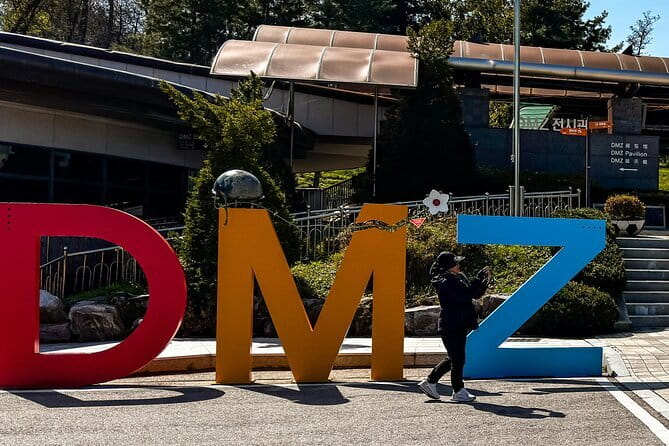
Day five is the tour’s major travel day. On the way to Gyeongju, you visit one or two attractions and stop for lunch in Pohang. The transfer takes about six hours, and that is the key fact to consider.
A private minivan makes this long journey easier than managing several trains, buses, and hotel transfers. You can also stop along the way, and the guide can adjust the day around your interests. Still, six hours on the road is a lot. I would treat this as a scenic transfer day rather than expect a full schedule of major sights.
The Space Walk in Pohang provides a useful break. You walk on the elevated structure with views around you, and your guide joins you. It is described as safe and fun, but anyone uneasy with heights should discuss the alternative or pace with the guide.
This day is valuable because it connects Seoul and Gyeongju without requiring you to organize a separate transfer. It is not the strongest day for sightseeing volume, but it prevents the trip from becoming a series of disconnected city stays.
Day 6: Gyeongju’s royal tombs, bridges, and night views
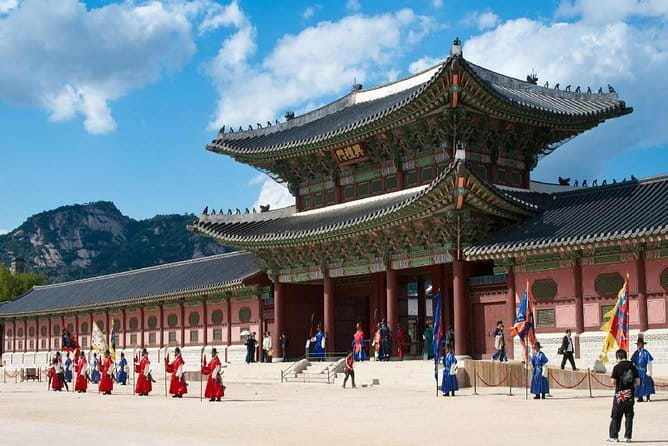
Gyeongju is the historical heart of the tour, and day six gives it the attention it deserves.
At the Daereungwon Tomb Complex, you see burial mounds dating mainly from the fourth to sixth centuries. One open tomb allows you to view valuable artifacts and understand how the tombs were built. This stop makes ancient history feel concrete rather than remote.
Hwanglidangil adds a modern food-and-shopping street to the day. You can try local specialties, including coin bread. It is a simple stop, but food breaks are useful after several formal historical sites.
The rebuilt Woljeonggyo Bridge is especially attractive at night. The original bridge dates to 760, but it was destroyed and later reconstructed from historical records and site research. The evening visit gives the tour a change of mood, with the illuminated structure reflected in the water.
Donggung Palace and Wolji Pond is another strong night stop. The palace complex was abandoned after a new dynasty took power and later reconstructed from historical records. Visiting after dark gives the pond and buildings a more atmospheric appearance than a midday visit.
At Cheomseongdae Observatory, you see an observatory built in 633. Constellations mattered greatly to ancient agricultural communities, and the structure is noted for surviving intact. The stop lasts only 30 minutes, but it fits neatly into the larger Gyeongju story.
The day finishes at the Gyeongju National Museum, which displays original treasures, including crowns and other artifacts. This is where the earlier tomb and palace visits gain more meaning. You see actual objects connected to the ancient kingdom rather than only rebuilt structures.
Day six is long and full, but the night visits are a smart choice. Gyeongju’s bridges and palace ponds are at their best after sunset. You should be ready for several stops and moderate walking.
Day 7: Busan markets, seaside temples, and colorful hillsides
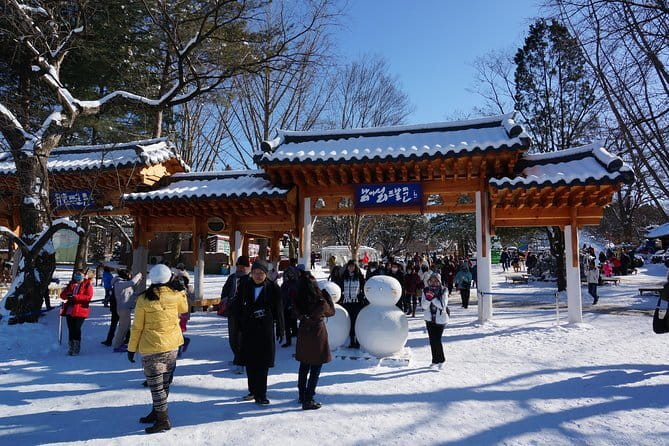
The final day takes you through several very different parts of Busan.
At Gukje Market, you explore one of the city’s major traditional markets. Its growth was tied to Busan’s wartime role and commercial importance. Expect inexpensive goods, traditional blankets, clothing, and local food. The market is a good place to buy practical souvenirs instead of polished airport merchandise.
The Songdo Cable Car crosses above the ocean and provides wide coastal views. The cable car admission is not included, so budget for that separately. If heights are a concern, the tour can switch to the Sky Capsule, described as lower and fitted with a transparent floor. That alternative may not suit every person with a fear of heights, but it gives the guide a way to adjust the experience.
Haedong Yonggungsa is a seaside Buddhist temple with strong ocean views from the grounds. It is relatively new compared with Korea’s oldest temples, but its setting makes it one of the most memorable stops on the trip.
At Busan Gamcheon Culture Village, your guide explains the area’s difficult past, including how refugees came to live there and built homes on the hillside. The bright colors draw the camera, but the human story is more important. Take time to look beyond the painted walls and understand why the neighborhood exists.
The last stop is Ahopsan Forest, a quiet bamboo forest where you can take a peaceful walk. Bamboo carries traditional associations with straightness and nobility, adding a small cultural detail to what might otherwise be simply a pleasant green space.
The final day works well as a Busan sampler. You get commerce, ocean views, religion, refugee history, and bamboo forest in one day. It is busy, but the private vehicle makes the sequence manageable.
What $2,000 per person really covers
At $2,000 per person, this is not a budget tour. The value depends heavily on your group size and how much you value convenience.
The price includes an experienced English-speaking driving guide, a private minivan, airport transport, fuel, tolls, parking, bottled water, and entrance tickets listed in the itinerary. It also allows itinerary changes and optional rest days. Those inclusions reduce the planning burden and make the price easier to understand.
Hotels and meals are not included. The N Seoul Tower cable car and Songdo Cable Car also require separate payment, even though other admissions are covered. Ask for a clear estimate of likely extra costs before confirming.
For a family or small group, the private transport and flexible service may offer good value compared with assembling separate private transfers and day tours. For a solo visitor or pair on a strict budget, public transportation and shorter local tours will likely cost less.
The tour is commonly reserved well ahead, with bookings averaging about 195 days in advance. That suggests you should not leave a preferred travel period until the last moment, especially if you need help arranging hotels.
Practical details and the right type of visitor
The standard start time is 10:00 a.m., and pickup is offered. The provider can help with hotel booking, but the hotel itself is your responsibility.
You need moderate physical fitness. The palace grounds, fortress areas, folk village, DMZ tunnel, temple paths, markets, and forest walk all involve some walking. The long driving days may be tiring even when the minivan is comfortable.
This tour suits you best if you want:
- One guide and vehicle for the full seven days
- A private experience for your own group
- Seoul, the DMZ, Gyeongju, and Busan in one trip
- Help with route planning and local food choices
- The option to rest, change stops, or add touring days
- Airport pickup and the choice to finish in Busan or return to Seoul
It may not suit you if you prefer independent public transportation, slow mornings, long stays in one neighborhood, or a low-cost trip. The schedule covers a great deal, and some stops are short by design.
You can cancel for a full refund at least six full days before the start time. Cancellation two to six full days ahead allows a 50 percent refund, while cancellation less than two full days ahead receives no refund. Changes follow the same timing rules.
FAQ
How long is the tour?
The tour lasts approximately seven days. The days do not need to be consecutive, and additional tour days can be added.
Is this a private tour?
Yes. Only your group participates, and the experience uses a private minivan. The DMZ requires a public bus inside the restricted area, but the tour remains private apart from that bus ride.
What cities and regions does the tour visit?
The route includes Seoul, the DMZ area, Suwon, Pohang, Gyeongju, and Busan. You can choose to return to Seoul or finish in Busan.
Is airport transportation included?
Yes. Airport transport is included, including the option of returning to Seoul with the guide or leaving from Busan.
Are hotels and meals included?
No. Hotels and meals are not included. The guide can assist with hotel bookings.
Are entrance fees included?
All entrance tickets listed in the itinerary are included. The N Seoul Tower cable car and Songdo Cable Car require separate payment.
What fitness level is required?
A moderate level of physical fitness is recommended. The tour includes walking at palaces, markets, temples, fortress sites, museums, the DMZ tunnel, and Ahopsan Forest.
Should you book this Korea tour?
I would book it if you want a single private plan for a wide-ranging Korea trip, especially with family or a small group. Hun and Sean’s warm, attentive approach is a major strength, and the flexibility can be worth a great deal when you are combining Seoul, Gyeongju, and Busan.
Before paying, confirm the hotel plan, meal expectations, cable car costs, and how the guide would adjust the longest days. If you are comfortable with the price and the busy schedule, this tour gives you an unusually broad look at Korea without forcing you to manage every transfer yourself.
More Gyeongju Trips
- Gyeongju UNESCO Sites Tour by KTX train; The Museum Without walls
★ 4.5 · 11 reviews - Busan: Gyeongju Guided Day Trip to Three Kingdoms Capital
★ 4.8 · 1,925 reviews - From Busan: Gyeongju UNESCO World Heritage Guided Day Tour
★ 4.8 · 1,250 reviews - Gyeongju UNESCO World Heritage Guided Day Tour from Busan
★ 5.0 · 660 reviews
Just added around Seoul
- Seoraksan National Park & Nami Island★ 4.5 · 3 reviews
- Strawberry Picking, Winter Sled with Eobi Ice Valley from Seoul★ 4.5 · 3 reviews
- Seoul Full Day small group Tour★ 5.0 · 3 reviews
- Majang Meat Market Experience: Private Tour with Han-woo Beef BBQ★ 5.0 · 3 reviews
- Seoul Korean BBQ Dinner Experience with Secret Food Tours★ 5.0 · 3 reviews
- Rice Wine Tasting with Sommelier – Finest Makgeolli (& Soju)★ 5.0 · 3 reviews
- Max Out Seoul: Must Visit City Highlights Panoramic Day Tour★ 5.0 · 3 reviews
- Seongsu-dong Walking Tour: K-Pop, Culture, Cheer, Friends & Relax★ 4.5 · 3 reviews
Gyeongju Heritage Tours, compared.

Gyeongju Guided Day Trip to Three Kingdoms Capital
Read our review →
Gyeongju UNESCO World Heritage Guided Day Tour
Read our review →
Gyeongju UNESCO World Heritage Guided Day Tour from Busan
Read our review →
Old Korea Thousand History Tour of Gyeongju from Busan
Read our review →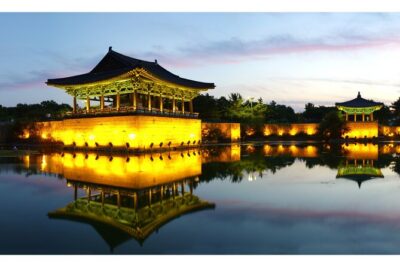
Gyeongju UNESCO sites Private tour with licensed tour guide
Read our review →
Private Gyeongju Tour – Explore Gyeongju UNESCO Sites
Read our review →
Gyeongju UNESCO Legacy Tour with National Museum
Read our review →
UNESCO Heritage Tour Including Bulguksa Temple
Read our review →Browse the lists this tour appears in