Reviewed · SEOUL TOURS
From Seoul: Korea Spring Cherry Blossom Day Tour
Spring in Korea rewards an early start. This long day tour links several seasonal sights with round-trip transport from Seoul, so I like that you can reach distant blossom spots without arranging trains, buses, and local taxis. I also like the mix of nature and culture: one day may bring plum flowers by the Seomjin River, cherry trees at a temple, and traditional homes in Jeonju.
The main stop depends on the option you book, so that is the key point to check before paying. The itinerary can run from about 750 minutes to 16 hours, and you should expect one to two hours of walking. At $66 per person, the value is good if you want broad coverage in one day, but the long road time may feel tiring.
In This Review
- Key Points Before You Book
- A Blossom Tour With More Than One Main Stop
- Gwangyang Maehwa Village and the First Signs of Spring
- Donghaksa Temple Framed by Cherry Trees
- Maisan Mountain and Its Twin Peaks
- Yeongrangho Lake and a Gentler Walk
- Jeonju Hanok Village Changes the Mood
- Seoraksan for Big Mountain Scenery
- Why the $66 Price Can Make Sense
- Transport, Guides, and the Shape of the Day
- How to Prepare for a Long Spring Day
- Who Will Enjoy This Tour Most
- Should You Book the Korea Spring Cherry Blossom Tour?
- FAQ
- How much does the Korea Spring Cherry Blossom Day Tour cost?
- How long does the tour last?
- Where does the tour go?
- Is transportation from Seoul included?
- Is a guide included?
- Are meals and drinks included?
- How much walking should I expect?
- Are entrance tickets included?
Key Points Before You Book
- Gwangyang Maehwa Village brings the earliest spring color: White plum flowers cover the village in a snow-like display beside the Seomjin River.
- Cherry blossoms come with different settings: You might see trees framing Donghaksa Temple, lining Yeongrangho Lake, or set against Maisan Mountain’s twin peaks.
- Jeonju adds culture and food: More than 800 traditional hanok houses create a very different experience from a flower park.
- The route changes by option: Check the exact destinations, meeting point, and starting time before booking.
- The day is long but organized: Transport, a driver-guide, and selected entrance tickets are included, while food and drinks are extra.
- Guide service receives strong praise: Andrew helped with food and activity suggestions in Jeonju, while Leo and another guide were singled out for friendly service.
A Blossom Tour With More Than One Main Stop
I see this as a seasonal sightseeing route rather than a single-destination excursion. Korea’s spring flowers do not all peak at the same moment, and this tour gives you several possible settings: riverside plum trees, mountain cherry blossoms, a temple, a lake, and a historic village.
That variety is useful if you have limited time in Korea. It also protects your day from feeling repetitive. After photographing flowers in a rural setting, you can change pace in Jeonju, where the focus shifts to old houses, snacks, traditional clothing, and local culture.
The catch is that you cannot assume every location listed will appear on your chosen departure. The main destinations vary by option. Read the selection carefully, since a route centered on Gwangyang and Jeonju is a different day from one featuring Yeongrangho, Seoraksan, or Maisan.
A few more trips of this kind worth comparing:
- Best DMZ Tour Korea from Seoul (Red Suspension Bridge Optional)
★ 5.0 · 41,422 reviews - DMZ Tour: 3rd Tunnel, Option(Suspension Bridge, Boat) from Seoul
★ 5.0 · 21,373 reviews - DMZ tour south Korea from Seoul (NK experience hall, defector)
★ 5.0 · 20,599 reviews
Gwangyang Maehwa Village and the First Signs of Spring
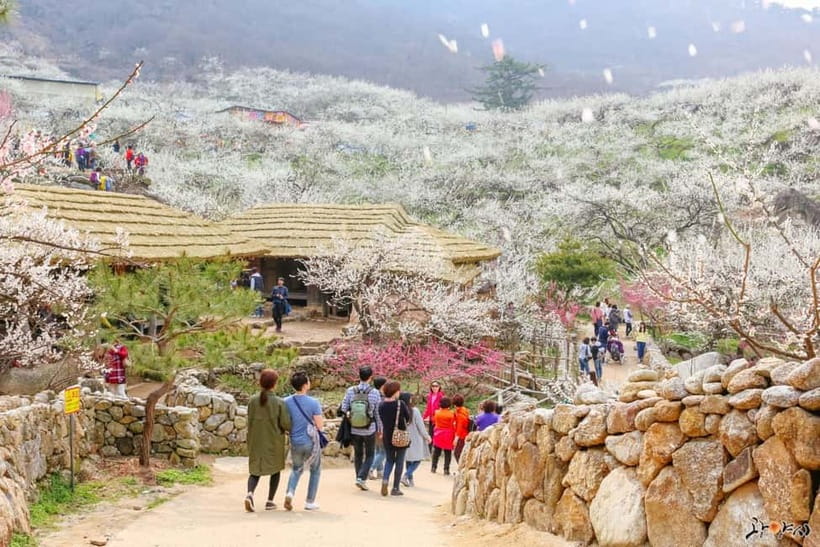
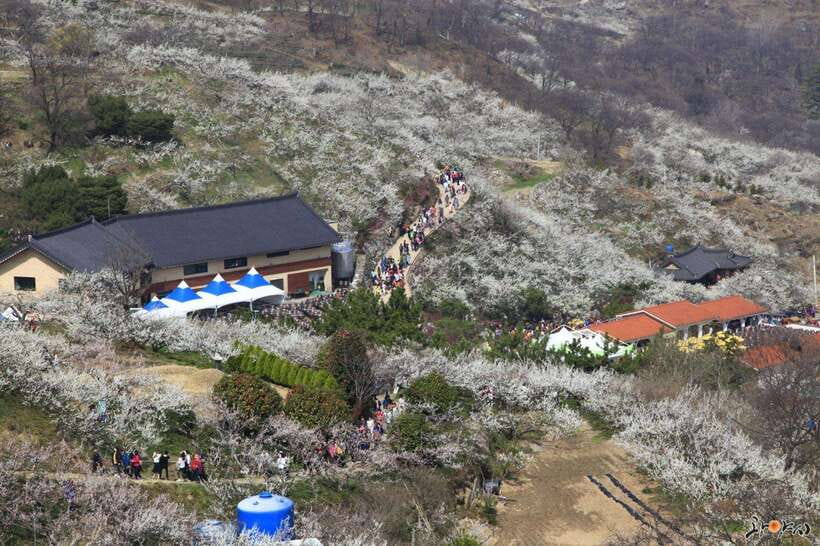
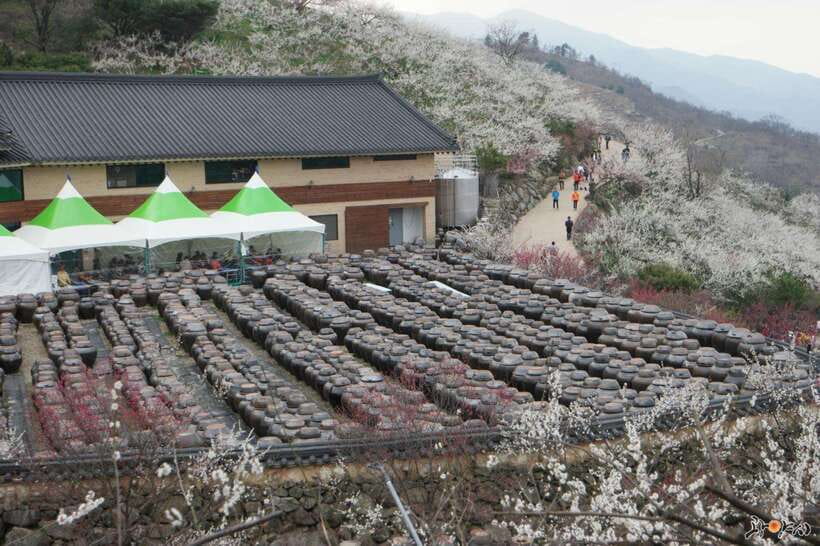
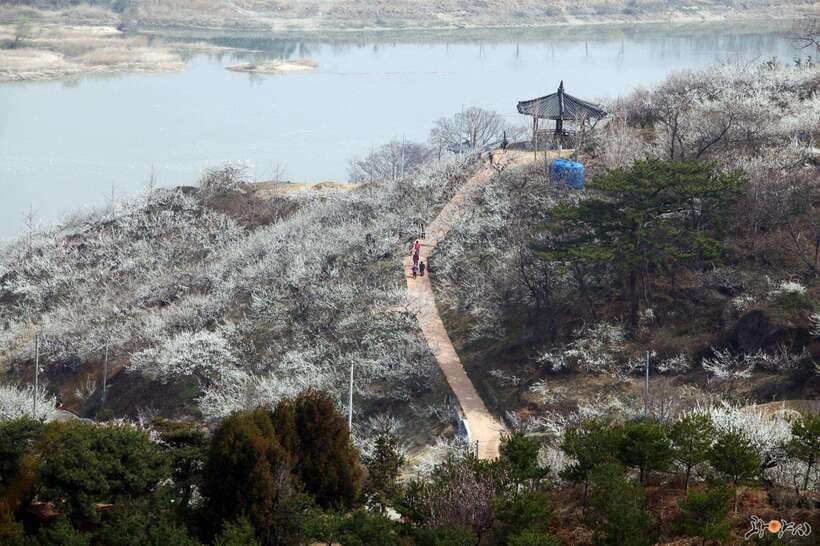
Gwangyang Maehwa Village is the most distinctive stop in the group because the flowers are plum blossoms rather than cherry blossoms. They bloom at the beginning of spring, when the village can look as if it has been dusted with white snow.
The setting beside the Seomjin River gives you more than a close-up flower view. You can look across the water, walk through the village, and frame the white blossoms with the river and surrounding hills. This is a quieter kind of spring scenery than a city avenue lined with cherry trees.
I would choose this option if you care about seeing an earlier stage of the season. Plum flowers are easy to overlook when everyone is talking about cherry blossoms, but they offer a different shape, color, and mood.
The drawback is timing. If you book after the early spring peak, the plum display may not be at its best. Since the route and exact date matter so much here, check the seasonal timing before you commit.
Donghaksa Temple Framed by Cherry Trees
Donghaksa Temple gives the flower viewing a cultural setting. Instead of simply walking under rows of trees, you can see cherry blossoms around an ancient temple, creating the sort of scene that makes a short stop feel memorable.
The appeal lies in the contrast between delicate spring flowers and the temple’s older architecture. This is also a good stop for photography because the blossoms provide a natural frame around the buildings.
You should expect walking rather than a drive-up photo stop. The tour information allows about one to two hours of walking overall, so comfortable shoes matter. I would not book this day expecting to spend every stop beside the vehicle.
The available details do not state how much time is assigned specifically to Donghaksa, so keep your plans flexible. The length of the whole day means the schedule has to balance several far-flung places.
Maisan Mountain and Its Twin Peaks
Maisan Mountain gives the cherry blossoms a strong backdrop. The mountain is known here for its unusual twin peaks, and the flowers add a soft spring foreground to that distinctive outline.
This stop should suit you if you prefer scenery with shape and scale. A row of blossoms can be lovely, but trees set against twin mountain peaks give your photographs a clearer sense of place.
The word mountain also means you should be ready for some walking. No fitness level or trail detail is provided, so I would avoid assuming this is a demanding hike or a flat path. The confirmed advice is simply to expect around one to two hours of walking during the tour.
Maisan also shows why the route can be rewarding for first-time visitors. You get a recognizable Korean natural setting without having to plan a separate regional trip from Seoul.
A completely different kind of day out in Seoul:
- Seoul: DMZ Tour with Optional Suspension Bridge
★ 4.8 · 5,277 reviews - Signature DMZ Tour: Exclusive Defector Talk & Suspension Bridge
★ 5.0 · 4,459 reviews - Thrilling Korean DMZ 3rd Tunnel Tour from Seoul + Red Bridge Rush
★ 5.0 · 3,097 reviews - DMZ Past and Present: Korean Demilitarized Zone Tour from Seoul
★ 5.0 · 2,481 reviews
Yeongrangho Lake and a Gentler Walk
Yeongrangho offers a different way to see the season. Cherry trees line the lake shores, making the water the central feature rather than a temple, village, or mountain.
I like this option for the pace it suggests. A lakeside stroll can feel more relaxed than moving through a crowded attraction, and the shoreline gives you changing views as you walk. The setting should also work well for photos that include reflections, trees, and open water, though the exact conditions will depend on the day.
Again, check your chosen option carefully. Yeongrangho is not automatically part of every departure. If a lakeside walk is the main reason you are booking, confirm that it is included before you leave Seoul.
Jeonju Hanok Village Changes the Mood
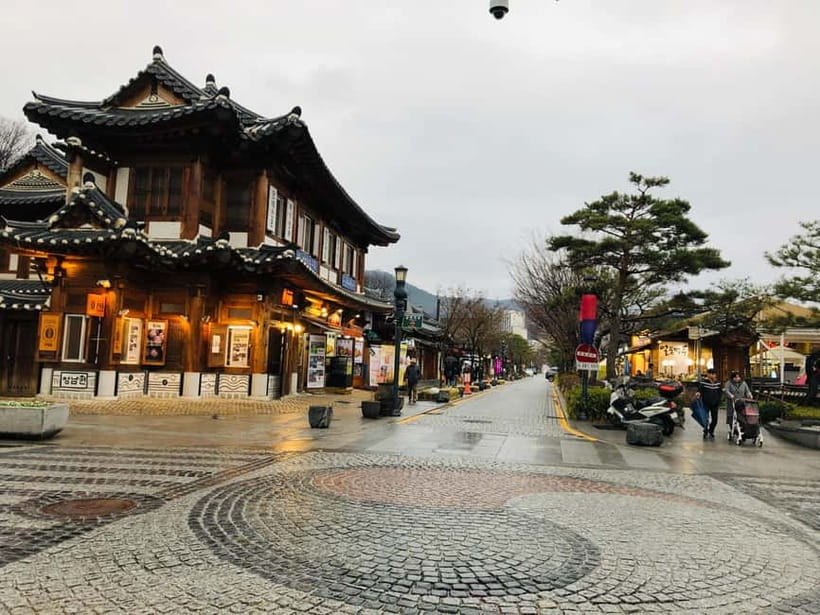
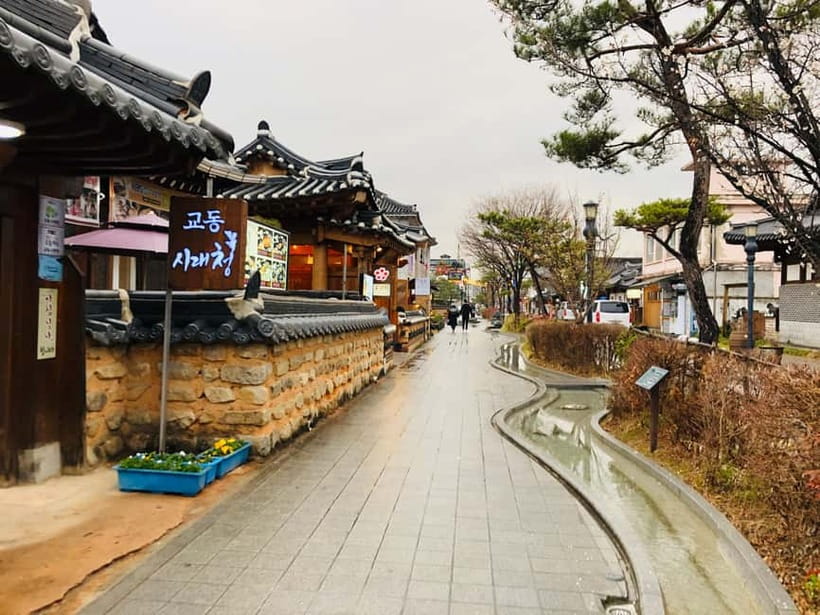
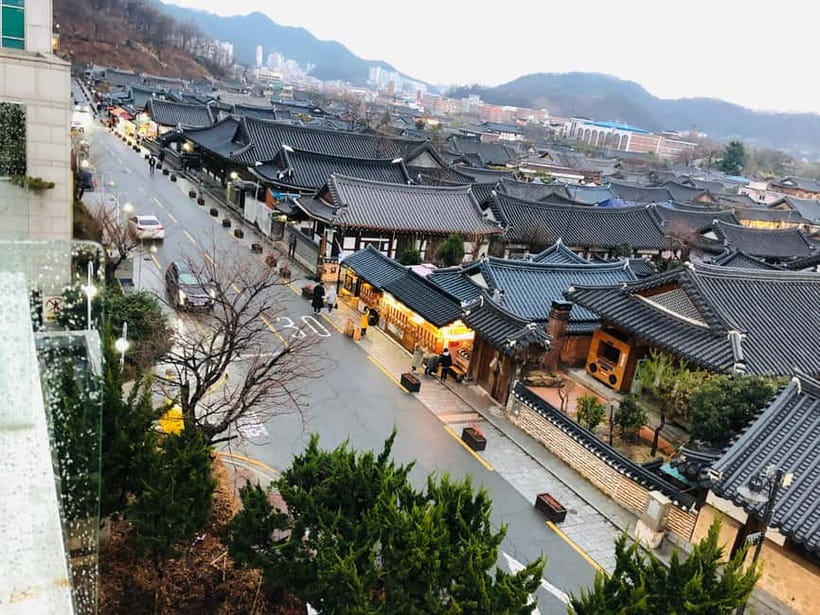
Jeonju Hanok Village is an important part of the experience because it gives the day a cultural center. The village contains more than 800 traditional Korean houses, called hanok, and its streets offer a very different view from a rural flower field.
You can walk among the traditional homes, try Korean snacks, and consider renting or wearing hanbok, Korean traditional clothing. The available information also points to a liquor museum and a traditional restaurant as possible ways to spend your free time there.
This stop is especially useful if the flowers are past their peak. One April visit found no cherry blossoms remaining, but the day still worked because Jeonju offered food, architecture, and time to explore. That is a practical strength of the route. You are not relying on flowers alone to carry the entire day.
Guide help can make Jeonju easier to enjoy. Andrew was praised for food recommendations, suggestions about what to do, and taking pictures. You still have free time, but a few well-chosen tips can save you from wandering without a plan.
Seoraksan for Big Mountain Scenery
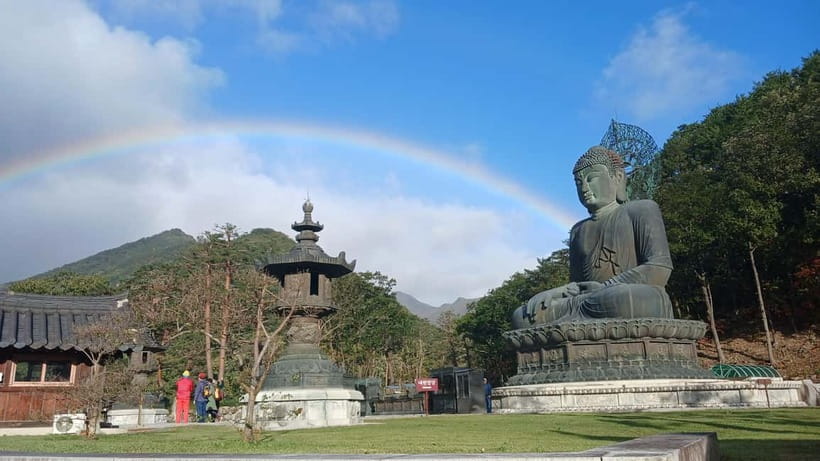
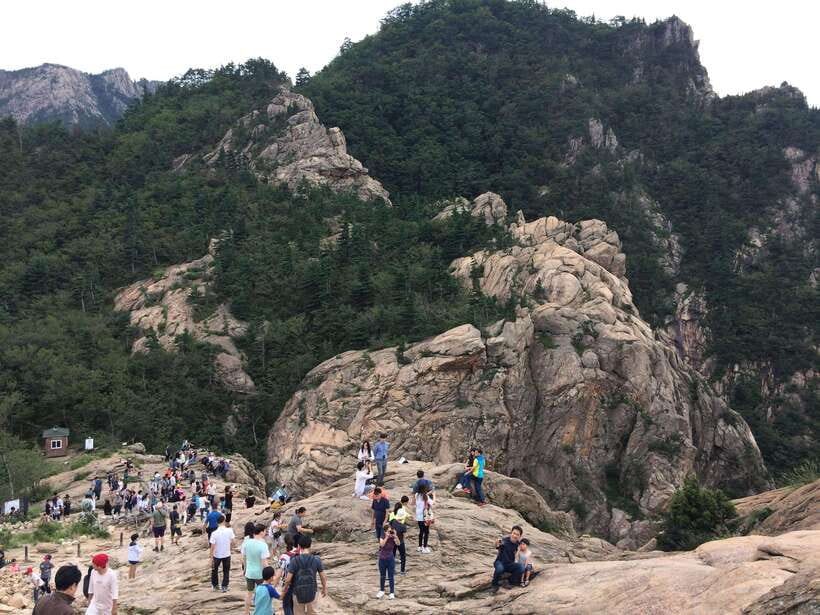
Some options include Seoraksan National Park, one of Korea’s best-known mountain areas. The focus is on striking scenery, walking trails for different fitness levels, and seasonal plant life.
Seoraksan changes the character of the tour again. It is less about a village street or a single blossom frame and more about open mountain views and time outdoors. If you want nature to be the main event, this option may appeal more than a route focused heavily on Jeonju.
The information does not specify which trails you will use, how long you will walk there, or whether cherry blossoms are the main feature at Seoraksan. I would therefore treat it as a mountain stop with spring scenery, not promise yourself a particular trail or flower display.
Because the tour may last up to 16 hours, a Seoraksan option could be a very full day. The benefit is efficient access from Seoul. The cost is less free time and more time on the road than you would have on a local Seoul outing.
Why the $66 Price Can Make Sense
At $66 per person, the tour offers solid value if your priority is seeing several distant places in one organized day. Round-trip transportation, a driver-guide, and entrance tickets for the Gwangyang and Jeonju route are included.
That matters because these destinations are spread across different parts of Korea. Building the same day independently would require transport planning, transfers, local directions, and careful timing. The tour places that burden with the operator.
Food and drinks are not included, so budget separately for meals and snacks. Jeonju is a good place to spend some of that money because the village is known here for traditional restaurants and Korean snacks.
The value is weaker if you dislike long drives or prefer to explore one place slowly. The duration ranges from 750 minutes to 16 hours, which is a serious commitment. I would see the price as payment for access and convenience, not for a leisurely pace.
Transport, Guides, and the Shape of the Day
The tour uses round-trip transport from Seoul, with the exact meeting point depending on the option. That makes the first practical task simple: confirm where your departure begins, then check the return details and starting time.
A driver-guide is included. The strongest praise centers on a friendly manner and useful help rather than a formal lecture. One guide was described as very friendly, while Leo was called a very good guide. Andrew’s help in Jeonju included food advice, activity suggestions, and photographs.
You should still keep expectations realistic. A driver-guide may help you make sense of each stop, but the information provided does not promise a specialist history talk, private guiding at every location, or a small group.
Free time is part of the appeal. One person particularly enjoyed the relaxed feel and the chance to explore independently. That works well in Jeonju, where you can choose between walking, food, a museum, traditional clothing, and photographs instead of following one fixed activity.
How to Prepare for a Long Spring Day
I would prepare for this as an outdoor day with changing conditions and plenty of walking. Wear shoes you can use comfortably for one to two hours at a time, especially if your chosen route includes a mountain or temple.
Bring a little extra room in your schedule and energy in your legs. A 16-hour day can begin early and finish late, even though the exact start depends on availability. The long duration is the tradeoff for visiting destinations far from Seoul.
Food is your responsibility, so carry water and plan to buy meals or snacks along the way. Jeonju provides a particularly appealing food stop, but you should not assume every option includes the same meal opportunities.
Most important, compare the route options twice. Gwangyang’s plum flowers are tied to early spring, while cherry blossom sites depend on the later bloom period. A date that works for Jeonju may not produce peak blossoms at every other stop.
Who Will Enjoy This Tour Most
I would recommend this experience to you if you have limited time in Korea and want more than a Seoul city tour. It suits people who enjoy scenic walks, seasonal photography, traditional architecture, and a day with several distinct stops.
It also works well for anyone who does not want to manage regional transport. The included ride and guide remove much of the planning work, while free time keeps the day from feeling completely controlled.
You may want a different plan if you need a slow, focused visit or dislike long travel days. A single destination would give you more time for meals, shopping, and unhurried exploration. This tour is about range and convenience.
The seasonal choice matters too. Pick Gwangyang if early spring plum flowers are your priority. Pick a cherry blossom route for temple, mountain, or lakeside views. Pick Jeonju if traditional homes, food, and culture matter most, especially later in the season when flowers may have faded.
Should You Book the Korea Spring Cherry Blossom Tour?
I would book it if you want a broad spring sampler and accept the long day. The combination of transport, guide service, rural scenery, flowers, and Jeonju for $66 is appealing, particularly for a first visit to Korea.
Before booking, confirm three things: the exact destinations in your selected option, the meeting point, and the expected start time. If your dates fall after the early plum season or late in the cherry blossom period, choose an option where Jeonju and cultural sightseeing still give the day real value.
The strongest reason to go is variety. The clearest reason to hesitate is the duration. If that tradeoff works for you, this is an efficient way to see much more of Korea than you could comfortably arrange from Seoul in one day.
FAQ
How much does the Korea Spring Cherry Blossom Day Tour cost?
The tour price is $66 per person.
How long does the tour last?
The duration varies by option, from about 750 minutes to 16 hours. Check availability for the starting time and the exact length of your selected departure.
Where does the tour go?
Possible destinations include Gwangyang Maehwa Village, Donghaksa Temple, Maisan Mountain, Yeongrangho, Jeonju Hanok Village, and Seoraksan National Park. The main destinations vary by option, so check the selected route before booking.
Is transportation from Seoul included?
Yes. Round-trip transportation from Seoul is included, although the meeting point may vary depending on the option you choose.
Is a guide included?
Yes. A driver-guide is included. Guide feedback highlights friendly service, including help with food suggestions, activities, and photographs in Jeonju.
Are meals and drinks included?
No. Food and drinks are not included in the tour price.
How much walking should I expect?
You should expect approximately one to two hours of walking during the experience.
Are entrance tickets included?
Entrance tickets for the Gwangyang and Jeonju route are included. Since the destinations vary by option, check the details of your selected departure to confirm what applies.
Just added around Seoul
- Seoraksan National Park & Nami Island★ 4.5 · 3 reviews
- Strawberry Picking, Winter Sled with Eobi Ice Valley from Seoul★ 4.5 · 3 reviews
- Seoul Full Day small group Tour★ 5.0 · 3 reviews
- Seoul Korean BBQ Dinner Experience with Secret Food Tours★ 5.0 · 3 reviews
- Rice Wine Tasting with Sommelier – Finest Makgeolli (& Soju)★ 5.0 · 3 reviews
- Majang Meat Market Experience: Private Tour with Han-woo Beef BBQ★ 5.0 · 3 reviews
- Seongsu-dong Walking Tour: K-Pop, Culture, Cheer, Friends & Relax★ 4.5 · 3 reviews
- Seoul: Alpaca World and Nami Island (with Garden / Railbike)★ 5.0 · 3 reviews
Seoul Tours, compared.

Best DMZ Tour Korea from Seoul (Red Suspension Bridge Optional)
Read our review →
DMZ Tour: 3rd Tunnel, Option(Suspension Bridge, Boat) from Seoul
Read our review →
DMZ tour south Korea from Seoul (NK experience hall, defector)
Read our review →

Signature DMZ Tour: Exclusive Defector Talk & Suspension Bridge
Read our review →
Thrilling Korean DMZ 3rd Tunnel Tour from Seoul + Red Bridge Rush
Read our review →DMZ Past and Present: Korean Demilitarized Zone Tour from Seoul
Read our review →