
Reviewed · HANOK VILLAGE & FOLK CULTURE
Private Jeonju Hanok Village – Culinary tour
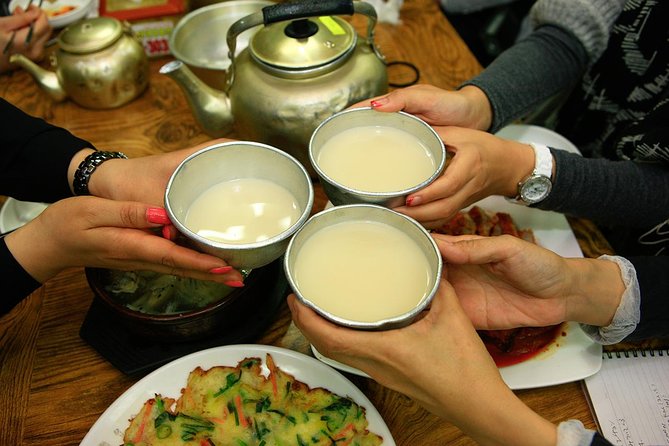
Jeonju rewards the hungry and curious. This private day trip from Seoul takes you to a part of South Korea many foreign visitors skip, with time for old homes, royal history, traditional markets, and a serious amount of Korean food. I especially like the private vehicle and hotel pickup, which remove much of the hassle from a long day away from Seoul, and the chance to eat local dishes such as bibimbap, bean sprout soup, rice wine, and hanjeongsik.
I also like the way the tour joins famous sights with ordinary local life. You see Gyeonggijeon Shrine and Jeondong Catholic Church, then walk through Nambu Market, where daily shopping and street food matter as much as sightseeing. The main drawback is the distance: the drive from Seoul can take about three hours each way, and heavy traffic can turn this into a very long day.
In This Review
- Key points to know before booking
- Why Jeonju makes a worthwhile day trip from Seoul
- Entering Jeonju Hanok Village
- Nambu Market and the everyday side of Jeonju
- Gyeonggijeon Shrine and Jeonju’s royal connections
- Jeondong Catholic Church in a short final stop
- The food: bibimbap, rice wine, and hanjeongsik
- What the $300 price really buys you
- The guide can make or break a long day
- Timing, comfort, and who should book
- Should you book the Jeonju private culinary tour?
- FAQ
- Where does the tour start?
- How long does the tour take?
- Is this a private tour?
- What is included in the price?
- Is lunch included?
- Is a vegetarian option available?
- Can I cancel for a full refund?
Key points to know before booking
- A private day away from Seoul: Your group travels alone with an English-speaking guide rather than joining a large coach tour.
- About three hours each way: The drive makes this an 8 to 10-hour outing, with traffic capable of stretching the day.
- Jeonju’s signature food is central: Bibimbap, bean sprout soup, rice wine, and a possible 15-course hanjeongsik meal give this tour its culinary appeal.
- Hanok Village offers more than pretty streets: Look closely at the raised roof edges and traditional ondol heating design.
- Lunch costs extra: Transportation, admission, guide service, and the vehicle are included, but lunch, snacks, rice wine, bibimbap, and hanjeongsik are not.
- Good for small private groups: Vegetarian food is available if you request it when booking, and group discounts are offered.
Why Jeonju makes a worthwhile day trip from Seoul
Seoul can fill several days with palaces, shopping streets, towers, and museums. Jeonju gives you a different view of Korea. The pace is slower, the focus is more local, and food is not an afterthought. Here, a market stop can be as important as a historic building.
The tour starts at 7:00 am, with pickup and drop-off at your hotel. That early start matters. Jeonju is far enough from Seoul that you need a full day to make the trip worthwhile. The private vehicle is one of the strongest features because you do not need to work out the intercity route, manage transfers, or find your way between several stops.
The road trip is not a minor detail. One experience took about three hours to reach Jeonju, and heavy traffic made the return journey tiring. Your guide may use the drive to explain the development of the Seoul area and Korean history, as Jiwon did on one reported outing, but you should still expect a lot of sitting.
I would book this tour for a day when you can handle a long road trip. It is less suited to anyone who wants a relaxed half-day excursion or dislikes spending several hours in a vehicle. For food lovers and first-time visitors with limited time in Korea, the private format makes the distance easier to accept.
More Private Tours in Seoul
- Private DMZ Tour (No Shopping): 3rd Tunnel & Suspension Bridge
★ 5.0 · 607 reviews - Seoul City Private Full-Day Tour Including Lunch
★ 5.0 · 469 reviews - Private DMZ the 3rd Tunnel Tour from Seoul (optional Red Bridge)
★ 5.0 · 429 reviews
Entering Jeonju Hanok Village
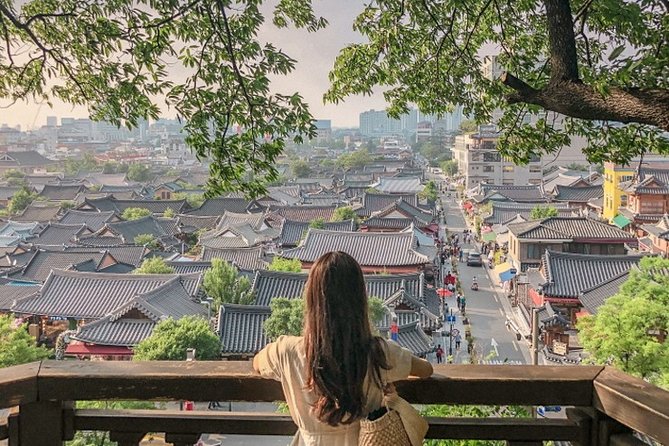
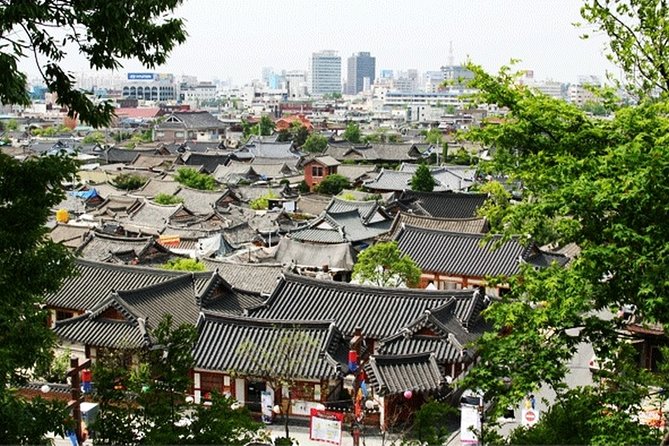
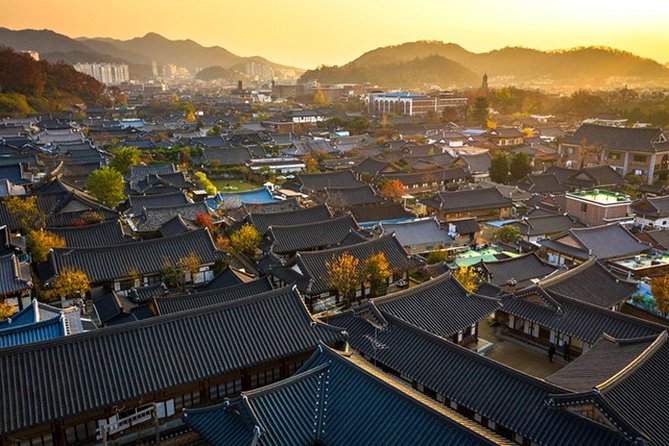
The first major stop is Jeonju Hanok Village, with about two hours set aside for exploring. A hanok is a traditional Korean house, and the village is known for its distinctive roof edges, which curve slightly upward toward the sky. That small detail gives the streets a graceful shape and helps the homes look different from ordinary modern buildings.
Look down as well as up. Traditional hanok homes use ondol, a Korean underfloor heating system. The floor itself becomes the warm part of the room, which helps explain why sitting on the floor remains such an important feature of Korean home life and dining.
Two hours is enough to get a feel for the area without turning the stop into a long architectural lecture. Your guide can help connect the buildings to Korean customs and everyday living. Since this is a private tour, you can ask questions as you go and spend more time on the details that interest you.
The village is also a useful introduction to the food theme. Jeonju is strongly associated with bibimbap, and the surrounding streets offer opportunities for snacks and local dishes. Keep room in your appetite. The best part of this day is not simply seeing where traditional houses once stood, but understanding how architecture, food, and daily habits fit together.
The limitation is that the village can feel like a quick visit when you consider the long journey from Seoul. If you want a slow photographic walk through every lane, two hours may pass quickly. Still, the private guide and the combination of food stops make the visit more useful than a brief photo stop.
Nambu Market and the everyday side of Jeonju
Nambu Market receives about an hour, followed by another 30-minute food-focused visit later in the day. The repeated market time is practical because it lets you see the market both as a place of daily trade and as a source of local dishes.
Nambu is a traditional market selling everyday goods, including food, furniture, and clothing. That mix matters. You are not walking through a display made only for sightseeing. You may find the atmosphere more revealing than a polished shopping center because the market shows what people buy, eat, and use.
The culinary focus becomes clearer here. Jeonju is especially known for bean sprout soup, and this is one of the dishes to look for during the market portion. Street snacks are also part of the day, although snacks are not included in the tour price. Bring some Korean won if you plan to buy food independently, since the tour covers the vehicle and entrance fees, not your extra eating.
The market can also be the place where your guide takes you to a local restaurant away from the main tourist path. One guide, Jones, was praised for choosing a restaurant that would have been difficult to find without local help. That is exactly the sort of benefit a private food tour should provide: not merely pointing out dishes, but helping you understand where and how to eat them.
Do not expect a fixed all-inclusive tasting menu from the $300 price. Lunch is separate, and the listed exclusions specifically include snacks, bibimbap, hanjeongsik, and the rice wine table. The advantage is choice. You can ask for the meal style that suits your group, but you also need to budget beyond the tour fee.
Gyeonggijeon Shrine and Jeonju’s royal connections
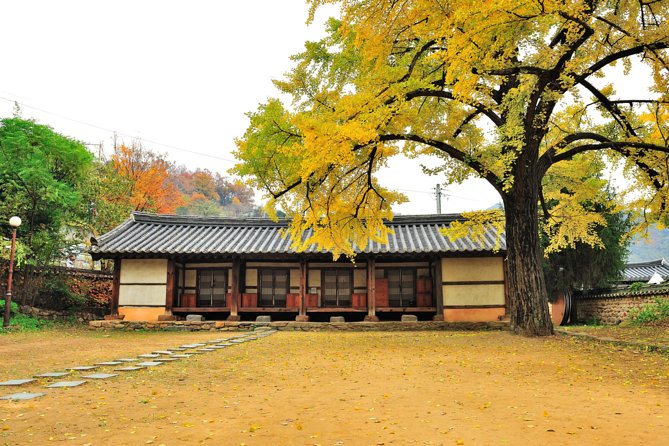
Gyeonggijeon Shrine gets about an hour and provides the day’s clearest look at royal history. The shrine includes exhibits and a museum connected with royal portraits and ancestor tablets from the Yi family, the rulers of the Joseon Dynasty.
This stop adds needed context to the food and architecture. Jeonju is not only a pleasant old town with good restaurants. The city is tied to the Joseon royal family, and Gyeonggijeon helps explain why the place carries such historical weight.
An hour is a sensible amount of time for the shrine. You can view the displays, ask your guide about the royal portraits, and get a clearer sense of the role of memorial sites in Korean culture. The admission fee is included, so you do not need to handle another ticket purchase during the day.
I would pay attention to the difference between looking at an old building and understanding its purpose. The shrine’s importance comes from remembrance, royal identity, and family tradition. Even if you are not a history specialist, this stop gives the Hanok Village a stronger setting.
The pace may feel brisk if you prefer museums and historical sites over food stops. The tour is designed as a broad introduction to Jeonju, not as an academic study of the Joseon Dynasty. Your private guide is the key to making the hour useful. Guides such as Andy and Jiwon were praised for explaining local details and looking after the group throughout the day.
More hanok village visits:
- Seoul: Gyeongbok Palace, Bukchon Village, and Gwangjang Tour
★ 4.9 · 2,321 reviews - Seoul City Sightseeing Tour Including Gyeongbokgung Palace, N Seoul Tower, and Namsangol Hanok Village
★ 5.0 · 1,423 reviews - Seoul: Gyeongbok Palace, Bukchon Village, and Gwangjang Tour
★ 5.0 · 1,044 reviews - Seoul: Suwon Hwaseong Fortress & Korean Folk Village Tour
★ 4.7 · 214 reviews
Jeondong Catholic Church in a short final stop
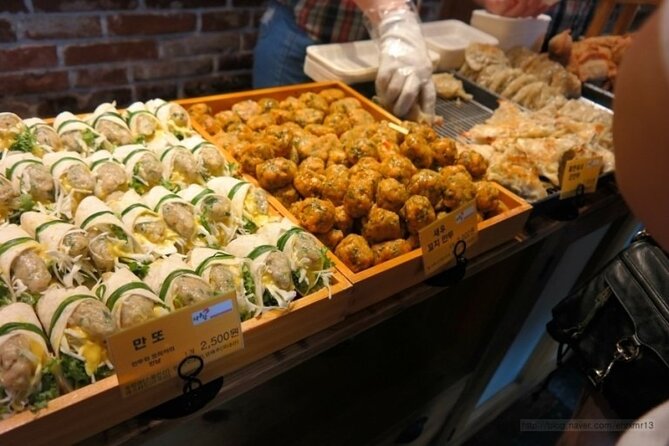
Jeondong Catholic Church receives only about 10 minutes, so keep your expectations modest. The stop is meant as a quick look at one of Korea’s traditional Catholic churches rather than a full church visit.
That short pause works because it adds another layer to Jeonju’s cultural story. In one day, you move from traditional homes and royal memorials to a Catholic landmark, then back to market food and local dining. The variety helps show that Korean culture is not one single thing.
Ten minutes is enough for a brief exterior view and a few photographs, but not enough for a detailed tour. If this church is a major personal interest, you may wish the schedule allowed more time. For most people, it works best as a compact stop between the larger village, market, and shrine visits.
The food: bibimbap, rice wine, and hanjeongsik
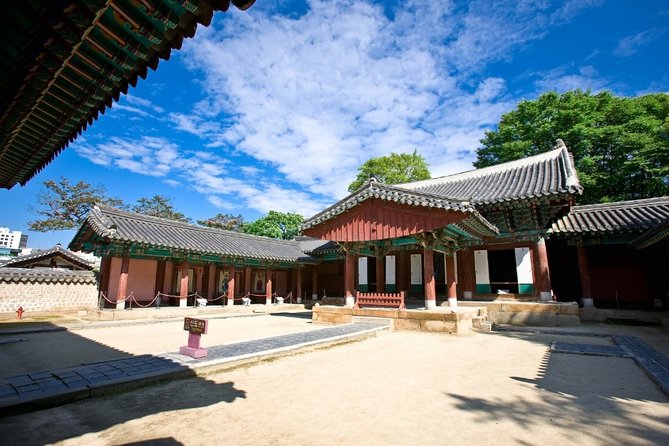
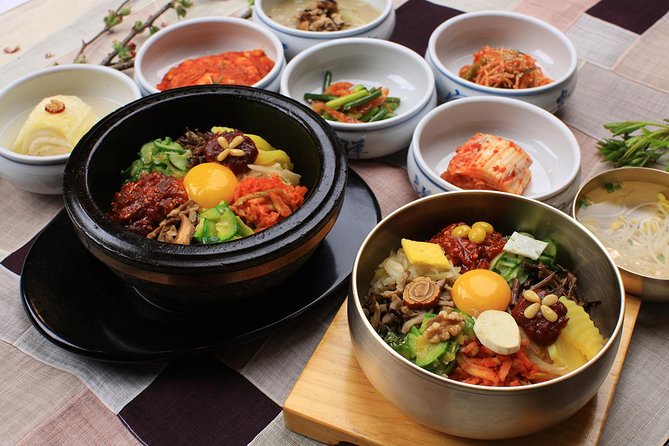
Food is the reason many people will choose this tour over a standard Jeonju sightseeing trip. Bibimbap is the headline dish, and Jeonju is especially associated with it. You may also encounter bean sprout soup, popular snacks, rice wine, and hanjeongsik, a Korean meal served with numerous small dishes.
The dining experience can be substantial. One reported day included a 15-course lunch with a rice wine table, followed by local bibimbap. That gives you an idea of how much food may appear, but it is not included in the base price. Confirm the planned meal and expected cost before setting out.
I like that the food is linked to places in the city rather than treated as a separate restaurant appointment. The market shows ingredients and daily eating habits. The restaurant meal gives you a chance to sit down and try dishes with guidance. Bibimbap then provides a familiar entry point for anyone new to Korean cuisine.
You should also tell the operator about vegetarian needs when booking. A vegetarian option is available, but the request must be made in advance. The same principle applies to your appetite and budget: if your group wants a large hanjeongsik meal and rice wine, plan for additional payment and enough time at the table.
The culinary side is not ideal for someone who wants every meal included in one transparent price. At $300 per person, the tour already sits at the premium end of day trips from Seoul, so the extra lunch cost affects the overall value. Still, the private guide, vehicle, and long-distance transport account for much of that price.
What the $300 price really buys you
The tour costs $300 per person. That is a serious sum, especially once you add lunch, drinks, and snacks. I would not choose it simply because it is the cheapest way to reach Jeonju. It is not.
The value comes from convenience and personal attention. You receive hotel pickup and drop-off, private transportation, an English-speaking guide, admission fees, and the vehicle cost. Your group does not share the activity with other parties, and group discounts may improve the price for larger private bookings.
A private vehicle also changes the feel of the day. Jeonju is far from Seoul, and coordinating public transport, local movement, and several sightseeing stops would take effort. If your group has only one free day and wants a guide to handle the route, $300 can be reasonable.
The value is weaker for solo visitors focused mainly on saving money. It is also harder to justify if you are content to visit one Seoul market and order bibimbap there. Jeonju earns the premium through the combination of distance, local context, traditional sights, and food guidance.
Ask yourself what you are paying for. You are not buying a short attraction visit. You are paying for a full private day, a long round trip, and help making sense of Jeonju. That is a good deal for a family or small group that values comfort. It is less compelling for a budget-minded backpacker.
The guide can make or break a long day
A private tour depends heavily on the guide. The names associated with past outings include Jiwon, Jones, and Andy, though guide assignment can vary. Jiwon used the drive to explain the development of the Seoul region, Jones chose an excellent local restaurant, and Andy was praised for local explanations and careful attention during a difficult traffic day.
Those details point to the real strength of the format. A good guide turns driving time into useful context, finds food your group might miss, and keeps the day moving without making it feel mechanical. That matters when the schedule includes several hours in the vehicle.
Because the tour is private, you can ask for clarification, discuss food preferences, and adjust the conversation to your interests. You should not assume that every guide will deliver exactly the same style, but the private setup gives you more room to shape the experience than a large group excursion.
Timing, comfort, and who should book
The official duration is about 8 to 10 hours, starting at 7:00 am. With a roughly three-hour drive each way, the schedule is demanding. Heavy traffic can make the return especially long, so do not plan an important evening reservation immediately after the tour.
Hotel pickup and drop-off are useful for this reason. You do not need to cross Seoul before sunrise or find a meeting point across town. The vehicle cost is included, and the private format means only your group participates.
I would recommend this trip to:
- Couples who want a private cultural and food day outside Seoul
- Families that value hotel pickup and a dedicated vehicle
- Food lovers interested in bibimbap, hanjeongsik, rice wine, and market dishes
- First-time visitors who want an English-speaking guide to explain local customs
- Small groups willing to pay more for comfort and a personal schedule
I would hesitate if you have limited stamina for long drives, need a low-cost day trip, or want a slow and detailed visit to each historic site. The church stop is brief, the shrine receives an hour, and the day’s broad range means no single attraction gets unlimited time.
Free cancellation is available if you cancel at least 24 hours before the start time. Confirmation is provided when booking, and you should include your country code with your phone number. The activity requires a minimum number of participants, so a cancellation by the operator can result in another date, another experience, or a full refund.
Should you book the Jeonju private culinary tour?
Book it if you want Jeonju as a complete day experience, not just a quick stop. The strongest reasons are the private transport, hotel service, food guidance, and access to a city that feels quite different from Seoul. The day also gives you several kinds of Korean culture in one sweep: hanok design, royal memorials, Catholic heritage, traditional markets, and regional cuisine.
Skip it if the $300 price feels tight after adding lunch, or if three hours in a vehicle each way sounds exhausting. Jeonju is rewarding, but the distance is real.
For a small group with one free day, a good appetite, and a taste for local history, I think this is a strong splurge. Tell the operator about vegetarian needs in advance, confirm the lunch plan, and keep your evening free. You will get the most from the tour by treating the drive as part of the day rather than an unfortunate delay.
FAQ
Where does the tour start?
The tour starts with hotel pickup at 7:00 am. Hotel drop-off is also included.
How long does the tour take?
The experience lasts approximately 8 to 10 hours. The drive from Seoul to Jeonju can take about three hours each way, depending on traffic.
Is this a private tour?
Yes. Only your group participates in the activity.
What is included in the price?
Private transportation, the vehicle cost, entrance fees, an English-speaking guide, hotel pickup, and hotel drop-off are included.
Is lunch included?
No. Lunch and snacks are not included. Bibimbap, hanjeongsik, and the rice wine table are also listed as additional costs.
Is a vegetarian option available?
Yes. A vegetarian option is available, but you must advise the operator when booking.
Can I cancel for a full refund?
Yes, if you cancel at least 24 hours before the experience start time. Cancellations or changes made less than 24 hours in advance are not accepted for a refund.
Just added around Seoul
- Seoraksan National Park & Nami Island★ 4.5 · 3 reviews
- Strawberry Picking, Winter Sled with Eobi Ice Valley from Seoul★ 4.5 · 3 reviews
- Seoul Full Day small group Tour★ 5.0 · 3 reviews
- Majang Meat Market Experience: Private Tour with Han-woo Beef BBQ★ 5.0 · 3 reviews
- Seoul Korean BBQ Dinner Experience with Secret Food Tours★ 5.0 · 3 reviews
- Rice Wine Tasting with Sommelier – Finest Makgeolli (& Soju)★ 5.0 · 3 reviews
- Max Out Seoul: Must Visit City Highlights Panoramic Day Tour★ 5.0 · 3 reviews
- Seongsu-dong Walking Tour: K-Pop, Culture, Cheer, Friends & Relax★ 4.5 · 3 reviews
Hanok Village & Folk Culture, compared.

Gyeongbok Palace, Bukchon Village, and Gwangjang Tour
Read our review →
Seoul City Sightseeing Tour Including Gyeongbokgung Palace, N Seoul Tower, and Namsangol Hanok Village
Read our review →Gyeongbok Palace, Bukchon Village, and Gwangjang Tour
Read our review →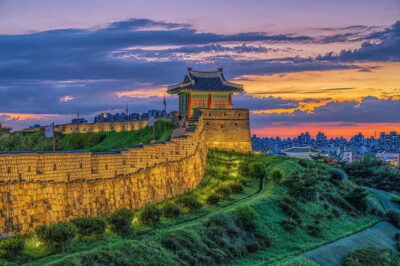
Suwon Hwaseong Fortress & Korean Folk Village Tour
Read our review →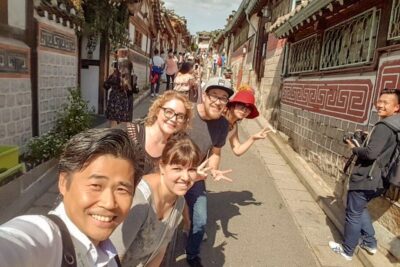
Gyeongbok Palace and Bukchon Hanok Walking Tour
Read our review →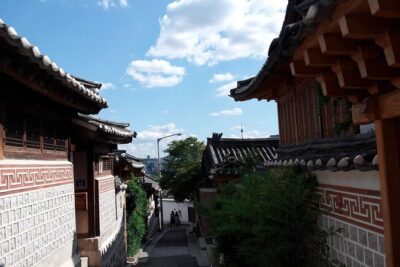
Best Walking Tour to Gyeongbok Palace Bukchon Hanok Village
Read our review →
Experience Korean Cooking in Modern Hanok Kitchen
Read our review →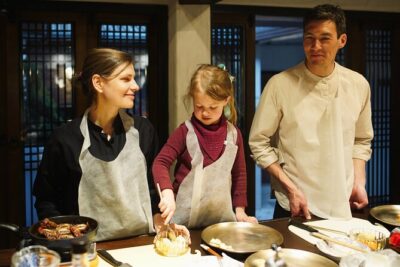
Royal Seoul Cooking Class in a 100-Year-Old Hanok
Read our review →Browse the lists this tour appears in