Reviewed · SEOUL TOURS
Seoul: Gangnam Tour on Youth and Society in South Korea
Gangnam has more to reveal than shopping. This 150-minute walking tour uses the polished streets of Seoul’s famous district to explain the pressures behind South Korea’s success, from plastic surgery and education to housing, dating, work, marriage, and mental health. I like the way the tour connects ordinary signs and storefronts to larger social questions, and I like that it ends with a balanced look at why people still choose to live in Korea despite those strains.
The price is $33 per person, which feels fair for a local historian, a long guided walk, and a thoughtful discussion rather than a quick photo stop. The main consideration is that this is not a light sightseeing stroll. The subjects include suicide, low birth rates, social pressure, and unhappiness, and the walk may feel long in hot or humid weather. Some reviews also describe the experience lasting close to three hours, so allow extra time.
In This Review
- Key points to know before you book
- Why Gangnam makes such a useful classroom
- Starting at Gangnam Station and reading the streets
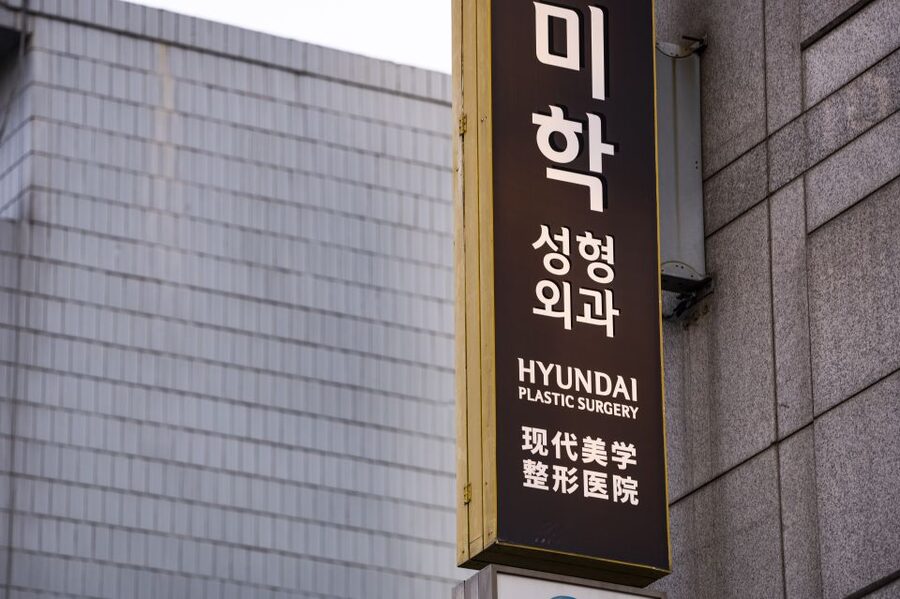
- Plastic surgery, beauty, and the pressure to look right
- Education and the race for a secure future
- Work, housing, dating, marriage, and birth rates
- The darker questions: unhappiness, suicide, and social expectations
- Reaching the Han River and taking time to think
- Guide quality and the value of a personal viewpoint
- Price, timing, and what to bring
- Who should book this Gangnam experience?
- Should you book it?
- FAQ
- Where does the Gangnam tour meet?
- How long does the experience last?
- What language is the tour conducted in?
- How much does the tour cost?
- Is transportation included?
- Is food included?
- What should I bring?
- Is the tour suitable for people with mobility impairments?
- Can I cancel or pay later?
Key points to know before you book
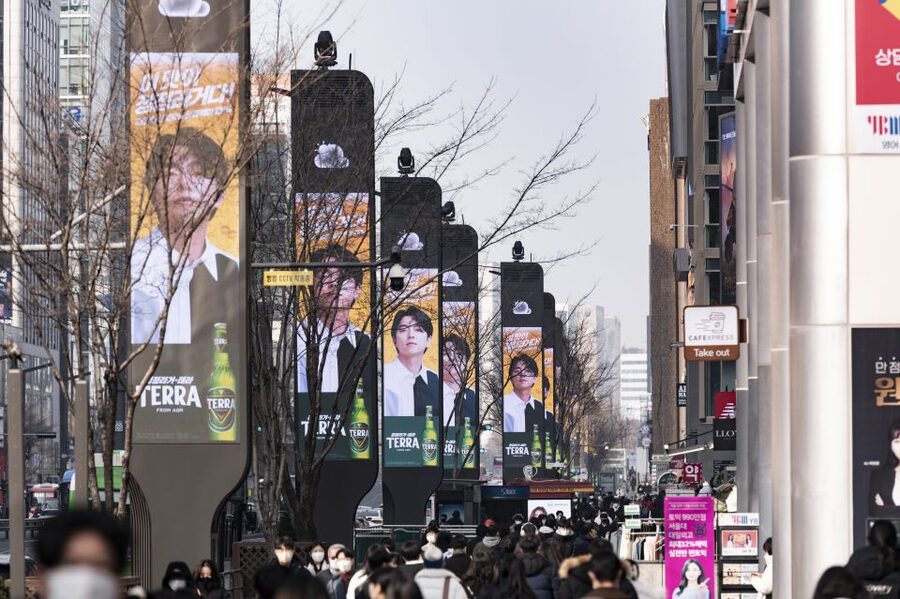
- Gangnam’s beauty clinics become social evidence: Advertisements for cosmetic procedures and skincare are treated as clues to Korean beauty standards, not just signs to ignore.
- The tour explains pressure through daily life: Education, jobs, housing, dating, marriage, and family expectations are tied together in a clear social picture.
- Jessica is especially praised for storytelling: Her background living abroad gives her an outsider and insider view, while June or Jun may lead other departures.
- The walk ends near the Han River: This gives the tour a change of pace after the dense streets and high-rise commercial area.
- It is easy physically but not ideal for everyone: Expect mostly flat ground, some subway steps, and a seated discussion of about 30 minutes. The activity is not recommended for people over 70 or people with mobility impairments.
- Bring cash and allow for transport costs: The listed transportation fee is 2,000 KRW, and an optional Korean food session costs extra.
Why Gangnam makes such a useful classroom

You meet at Gangnam Station Exit 11, at 820-10, Yeoksam-dong, Gangnam-gu. That puts you right in the middle of one of Seoul’s best-known districts, where towers, shops, offices, restaurants, luxury labels, and beauty businesses crowd together.
Gangnam is often sold as the glamorous face of modern South Korea. This tour asks you to look again. The luxury is real, but it is also part of a social system that rewards status, appearance, income, education, and professional success.
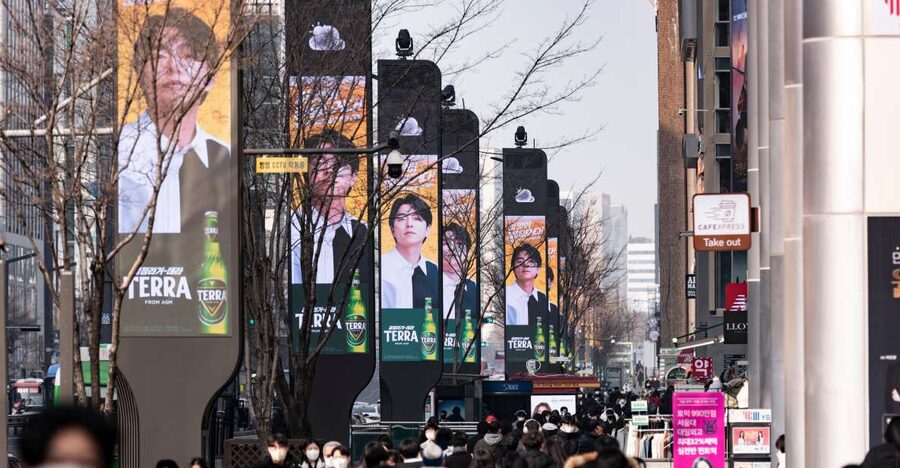
I like that the guide does not need a museum to make the point. The streets themselves provide the material. You see advertisements for beauty products, expensive brands, and plastic surgery clinics. You then hear how these signs connect with ideas about attractiveness, self-improvement, dating, employment, and fitting in.
That approach gives you something useful after the tour ends. You start noticing how public spaces communicate social rules. A clinic sign is not simply a clinic sign. A luxury shop is not only a place to buy something. A tutoring or education advertisement can point toward the pressure placed on children and parents.
A few more trips of this kind worth comparing:
- Best DMZ Tour Korea from Seoul (Red Suspension Bridge Optional)
★ 5.0 · 41,422 reviews - DMZ Tour: 3rd Tunnel, Option(Suspension Bridge, Boat) from Seoul
★ 5.0 · 21,373 reviews - DMZ tour south Korea from Seoul (NK experience hall, defector)
★ 5.0 · 20,599 reviews
Starting at Gangnam Station and reading the streets
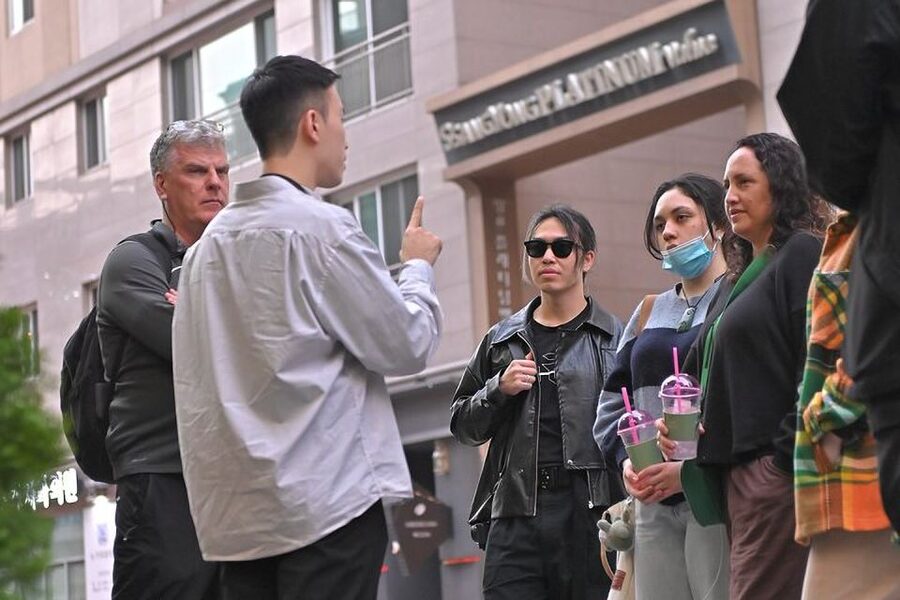
The first part takes place around Gangnam Station, where the city feels dense, commercial, and fast-moving. You follow your English-speaking guide through streets tucked between tall buildings, with plenty of visual material to support the talk.
This is a walking tour, but it is also part outdoor lecture and part conversation. Guides use personal stories, historical context, and current social issues to explain how South Korea changed so quickly and how older traditions still shape modern life.
The historical background matters. South Korea’s economic rise did not happen in isolation. The tour uses the country’s past to explain why education, family duty, hard work, and social position carry such weight today.
The subject is not presented as a simple story of success or failure. You get a look at both sides. Korea is wealthy, safe in many respects, technologically advanced, and internationally influential. At the same time, many people face powerful expectations about how to study, work, look, marry, and raise children.
That balance is one of the tour’s strengths. You are not left with the lazy idea that Korean society is only oppressive, nor with the glossy version presented in pop culture and advertising.
Plastic surgery, beauty, and the pressure to look right
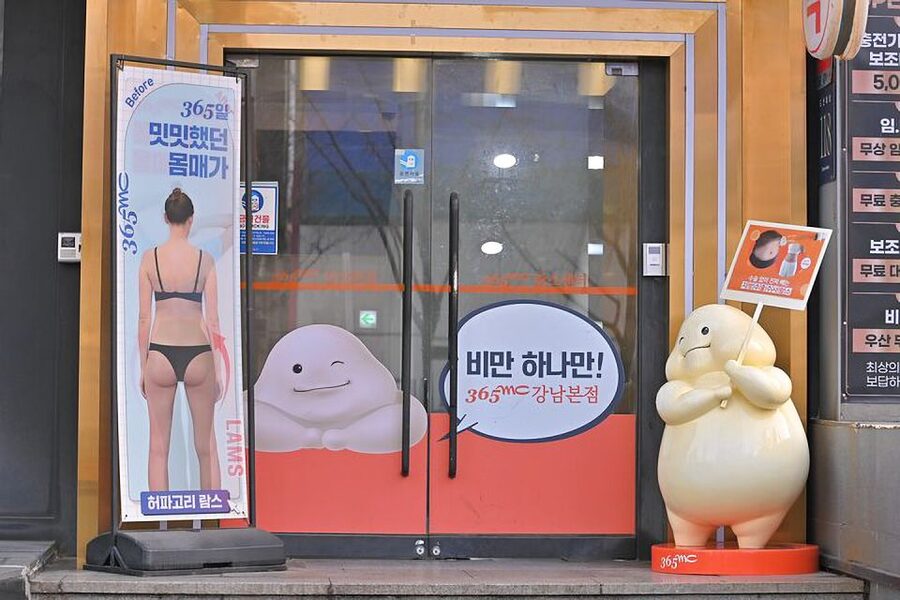
Gangnam is an apt place to discuss South Korea’s plastic surgery boom. Beauty clinics appear throughout the area, and their advertising makes appearance feel like a public concern rather than a private choice.
The guide explains how beauty standards can affect young people and adults alike. The subject reaches beyond surgery itself. It includes skincare, makeup, body image, photographs, employment, dating, and the wish to match a preferred idea of attractiveness.
This section can be eye-opening if your view of Korea comes mainly from K-pop, television dramas, or social media. Those images often show carefully controlled faces and bodies, but they do not explain the pressure that can sit behind them.
You also get room to think about cultural differences. Some expectations may feel familiar to you, while others may seem unusually direct or intense. The guide’s role is useful here because the discussion includes both social patterns and real-life examples, rather than treating every Korean person as if they think alike.
A drawback is that the topic can feel heavy or repetitive if you have little interest in social issues. You will not spend the walk trying products or visiting a clinic. The value is in understanding what the signs mean.
Education and the race for a secure future
Education is another major theme. The tour looks at why Korean parents and children can face such intense academic pressure, and how schooling links to jobs, status, family expectations, and future security.
The point is not simply that students study hard. You learn how the pressure can reach the whole family. Parents may worry about giving their children every possible advantage, while young people may feel that a single exam or school result can shape the rest of their lives.
This helps explain a part of Seoul that many visitors miss. The city’s impressive offices, universities, shops, and technology companies are connected to a long competition for limited opportunities. Economic progress brings real benefits, but it can also raise the standard everyone is expected to meet.
I especially like this part for families with teenagers. It gives you a way to discuss Korean youth without turning the subject into a stereotype. One young person’s experience is not the whole country, but the larger pattern helps you understand why school, career, and family conversations can carry so much emotional weight.
The tour also links education with other subjects. Academic success affects work prospects. Work affects income and housing. Housing affects marriage and family plans. The subjects are not separate boxes, and the guide shows how they fit together.
A completely different kind of day out in Seoul:
- Seoul: DMZ Tour with Optional Suspension Bridge
★ 4.8 · 5,277 reviews - Signature DMZ Tour: Exclusive Defector Talk & Suspension Bridge
★ 5.0 · 4,459 reviews - Thrilling Korean DMZ 3rd Tunnel Tour from Seoul + Red Bridge Rush
★ 5.0 · 3,097 reviews - DMZ Past and Present: Korean Demilitarized Zone Tour from Seoul
★ 5.0 · 2,481 reviews
Work, housing, dating, marriage, and birth rates
As the walk continues, the discussion moves into adult life. You hear about career pressure, the cost and difficulty of housing, dating customs, marriage expectations, and the reasons behind South Korea’s low birth rate.
This is where Gangnam’s wealth becomes especially revealing. The polished towers and high-end businesses show what success can look like, but they also raise a question: who can afford to take part?
Housing, work, and relationships are tied closely together. A person may want marriage or children but feel unable to manage the financial and professional demands. Others may resist traditional expectations altogether. The tour gives you context for why younger Koreans might delay or reject milestones that older generations once treated as normal.
The dating section can be particularly useful because it addresses social habits that are easy to misunderstand from the outside. The guide may discuss how friends help pair people off and how relationships can be shaped by appearance, income, career, and family opinion.
You should expect frank discussion rather than a romantic Seoul postcard. That is the point. If you want only palace architecture, street food, and pop-culture stops, choose another activity. If you want to understand the people living behind the city’s polished image, this section earns its place.
The darker questions: unhappiness, suicide, and social expectations
The tour asks why a wealthy country can still report high levels of unhappiness and high suicide rates. It also considers how pressure affects children, working adults, parents, and seniors.
These are serious subjects, and the guide’s tone matters. Jessica receives especially strong praise for combining humor with candid explanations, while June and Jun are also described as warm, clear, and engaging. The best moments seem to come when the guide makes a difficult issue understandable without making it into a spectacle.
You will likely hear about the conflict between traditional social rules and modern individual goals. South Korea has changed rapidly, but expectations tied to age, family, work, and status do not disappear overnight.
The result is a more complicated picture of Korean hell, a phrase sometimes used to describe the country’s competitive pressures. The tour does not stop at criticism. It also asks why people stay, return, build families, and find satisfaction in Korea. That closing balance is important. A society can create real hardship and still offer genuine reasons to live there.
Reaching the Han River and taking time to think
The route ends at the Han River, giving you a useful change from Gangnam’s commercial streets. The exact route can vary with the guide and conditions, but the stated endpoint lets the experience finish with open space and a different view of Seoul.
Some departures include about 30 minutes of sitting and conversation. This is welcome after the walk, especially because it gives you time to ask questions rather than simply move from one talking point to the next.
The end also works symbolically. You begin among advertisements, clinics, shops, and towers. You finish with room to consider what those things mean. The tour is less about collecting landmarks than changing how you read the city.
Guide quality and the value of a personal viewpoint
The most praised feature is the guiding. Jessica is repeatedly described as funny, candid, sharp, and easy to follow. Her experience living abroad gives her a useful two-sided view of Korean society, and several descriptions highlight her storytelling and ability to answer questions.
Other departures name June or Jun as the guide. The names appear in different forms, so check the assigned guide when booking rather than assuming you will meet Jessica. The comments about June and Jun also point to strong English, humor, patience, and clear explanations.
A portable microphone and wireless listening equipment have been used on some tours. That can matter in Gangnam, where traffic and city noise may compete with the guide’s voice.
The discussion is not a memorized speech alone. You can ask questions, and the guide may offer practical recommendations after the tour. One guide has even answered follow-up questions by WhatsApp, though you should not treat that as a guaranteed service for every departure.
Price, timing, and what to bring
At $33 per person, this is good value if you measure a tour by what you understand afterward. You are paying for a local historian, a 150-minute walk, interpretation of the city around you, and a chance to ask questions about subjects that are difficult to grasp from guidebooks alone.
The price is less attractive if you want a short sightseeing circuit or a tour packed with famous landmarks. There are no listed admissions, meals, or shopping benefits included. An optional Korean food session is separate.
The meeting point is convenient if you are using Seoul’s subway, but transportation costs are not included. Budget the listed 2,000 KRW fee and bring cash. In summer, the tour provides a portable handsfree fan. In winter, hot packs are supplied.
Wear comfortable shoes and bring water, especially in hot and humid weather. The walk is described as physically easy by some participants, with flat ground and a few subway steps, but the official suitability guidance excludes people with mobility impairments and those over 70. If you are close to those limits, ask before booking.
Free cancellation is available up to 24 hours before the start time, and you can reserve now and pay later. Starting times vary, so check the available departure when choosing your date.
Who should book this Gangnam experience?
I would choose this tour early in a Seoul visit if you want context for what you see afterward. It can change the way you understand advertisements, schools, office districts, beauty clinics, housing, and family life across the city.
It suits:
- First-time visitors who want more than famous sights
- People interested in modern Korean society and youth culture
- Parents and teenagers who want to compare education pressures
- Visitors curious about K-pop’s connection to beauty and image
- Anyone who enjoys history, current affairs, and open discussion
- Couples or friends who want a serious conversation during a city break
It is less suitable if you dislike difficult subjects, have limited walking stamina, or want a purely cheerful introduction to Seoul. The tour can be funny, but it is not a comedy outing. Its most useful moments come from looking honestly at uncomfortable issues.
Should you book it?
Yes, if you want to understand the forces behind Seoul’s polished surface. The guide’s storytelling, the strong use of Gangnam’s real streets, and the range of subjects make this far more useful than a standard neighborhood walk.
Book it near the start of your stay if possible. You will carry its ideas into later visits to shops, clinics, universities, offices, and residential areas. Just bring water, cash, comfortable shoes, and enough time for a serious 150-minute conversation, possibly longer.
FAQ
Where does the Gangnam tour meet?
Meet your guide at Gangnam Station Exit 11. The English address is 820-10, Yeoksam-dong, Gangnam-gu, Seoul. The Korean address is 강남역 11번 출구.
How long does the experience last?
The stated duration is 150 minutes. Some descriptions of the experience indicate that a departure may run close to three hours, so allow extra time.
What language is the tour conducted in?
The tour is conducted in English with a live English-speaking guide.
How much does the tour cost?
The listed price is $33 per person.
Is transportation included?
Transportation is not included. The listed transportation fee is 2,000 KRW.
Is food included?
Food is not included. An optional Korean food session is available at an additional cost.
What should I bring?
Bring cash. Water and comfortable shoes are also sensible, especially during hot or humid weather.
Is the tour suitable for people with mobility impairments?
The activity is not suitable for people with mobility impairments. It includes walking on mostly flat ground and some steps to get on and off the subway.
Can I cancel or pay later?
You can cancel up to 24 hours in advance for a full refund. The reserve-now, pay-later option lets you hold a place without paying immediately.
Just added around Seoul
- Seoraksan National Park & Nami Island★ 4.5 · 3 reviews
- Strawberry Picking, Winter Sled with Eobi Ice Valley from Seoul★ 4.5 · 3 reviews
- Seoul Full Day small group Tour★ 5.0 · 3 reviews
- Majang Meat Market Experience: Private Tour with Han-woo Beef BBQ★ 5.0 · 3 reviews
- Seoul Korean BBQ Dinner Experience with Secret Food Tours★ 5.0 · 3 reviews
- Rice Wine Tasting with Sommelier – Finest Makgeolli (& Soju)★ 5.0 · 3 reviews
- Max Out Seoul: Must Visit City Highlights Panoramic Day Tour★ 5.0 · 3 reviews
- Seongsu-dong Walking Tour: K-Pop, Culture, Cheer, Friends & Relax★ 4.5 · 3 reviews
Seoul Tours, compared.

Best DMZ Tour Korea from Seoul (Red Suspension Bridge Optional)
Read our review →
DMZ Tour: 3rd Tunnel, Option(Suspension Bridge, Boat) from Seoul
Read our review →
DMZ tour south Korea from Seoul (NK experience hall, defector)
Read our review →

Signature DMZ Tour: Exclusive Defector Talk & Suspension Bridge
Read our review →
Thrilling Korean DMZ 3rd Tunnel Tour from Seoul + Red Bridge Rush
Read our review →DMZ Past and Present: Korean Demilitarized Zone Tour from Seoul
Read our review →