
Reviewed · DMZ & BORDER TOURS
South Korea Demilitarized Zone, DMZ Tour from Seoul
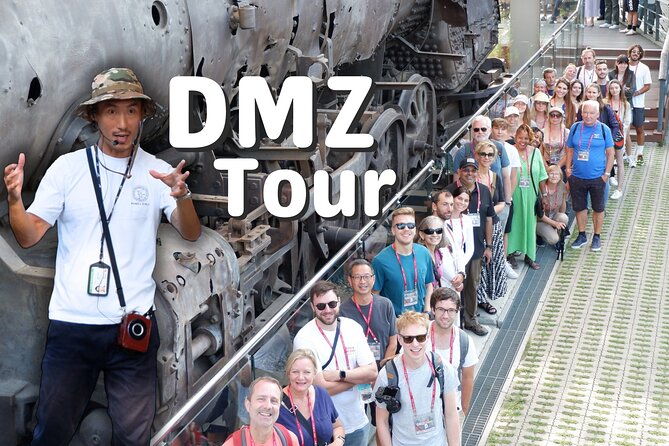
The Korean border is closer than you think. This early morning trip from Seoul takes you to Imjingak Park, the Third Tunnel, and Dora Observatory, adding clear historical context to places that can otherwise feel like a quick photo stop. The air-conditioned vehicle, guide, and entrance fees are included, which makes the $30 price unusually good value.
I especially like the early departure, since it helps you reach the military-controlled sites before the afternoon rush. I also like that there is no required shopping stop eating up your day. The main drawback is the strict schedule: military rules, weather, traffic, and government orders can change the route without notice.
The guides are a major part of the experience. Kenny, Winnie, Grace, Stella, Thomas Bae, and Sophie are praised for clear English, humor, historical detail, and keeping the group together. Still, you should arrive ready for an early start, a long day, and real physical effort in the tunnel.
In This Review
- Key points to know before booking
- Why a morning DMZ tour makes sense
- The ride north from Seoul
- Imjingak Park and Pyeonghoa-Nuri Park
- Military control and the DMZ exhibition hall
- Walking the Third Tunnel
- Dora Observatory and the view toward North Korea
- The guides make or break the day
- What the $30 price really buys you
- Who will enjoy this tour most
- Booking, cancellation, and practical details
- Should you book this Seoul DMZ tour?
- FAQ
- How long does the DMZ tour from Seoul last?
- What places are included on the tour?
- Is the Joint Security Area included?
- Do I need my passport?
- Is hotel pickup and drop-off included?
- Is lunch included?
- Can the itinerary change or be canceled?
Key points to know before booking
- The Third Tunnel requires effort: You walk downhill first, then climb back up. Taller people may need to crouch near the far end, and hard hats are provided.
- Dora Observatory offers a view into North Korea: You may see Gaeseong, Songaksan, the Kim Il-Sung statue, and Cooperation Farm, although photography rules can change.
- The tour begins early: Pickups or meeting arrangements commonly begin around 6:30 or 6:50 a.m., with the full outing lasting about seven and a half hours.
- Military access is never guaranteed: Bring your current passport, and understand that parts of the route may close without advance notice.
- The tour may include more than the basic stops: Depending on military access and the day’s plan, you might also visit a suspension bridge, a gondola, or a reunification village.
- The price covers the basics: Transportation, admission fees, an air-conditioned vehicle, and a professional guide are included, but lunch, insurance, and hotel pickup are not.
Why a morning DMZ tour makes sense
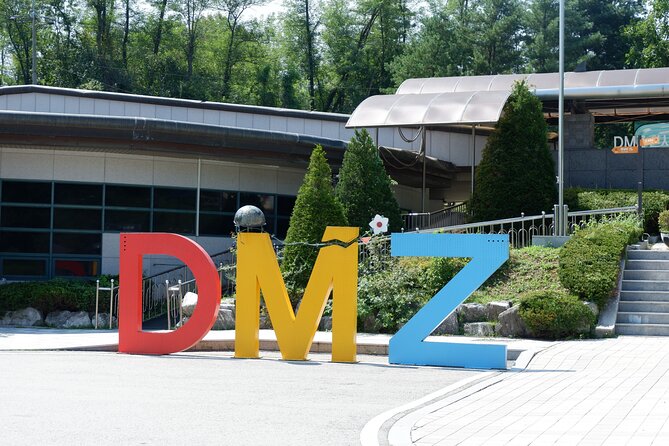
The DMZ is not a normal sightseeing district. It is a functioning military zone, and the rules are firm. Your passport may be checked by soldiers, access can be reduced, and the order of stops can change.
That makes a guided outing from Seoul much easier than trying to arrange the day yourself. The guide handles the transport, explains what you are seeing, and keeps an eye on timing. You also avoid the problem of arriving at a site only to discover that access has been limited.
The early start is not gentle. You may be meeting the vehicle while much of Seoul is still quiet. But it serves a purpose. The sites can become crowded later, and one guide specifically noted that the early departure helped keep the stops more manageable.
This is a long half-day or short full-day outing, depending on how you count it. The stated duration is about seven hours and thirty minutes. Several schedules described a roughly 6:30 a.m. to 3 p.m. day, so do not book a late morning activity immediately afterward.
More DMZ and border tours:
- Best DMZ Tour Korea from Seoul (Red Suspension Bridge Optional)
★ 5.0 · 41,422 reviews - DMZ Tour: 3rd Tunnel, Option(Suspension Bridge, Boat) from Seoul
★ 5.0 · 21,373 reviews - DMZ tour south Korea from Seoul (NK experience hall, defector)
★ 5.0 · 20,599 reviews
The ride north from Seoul
Your pickup is arranged at a designated meeting point selected during booking. Hotel pickup and drop-off are not included, so you need to plan your own way to that location before dawn.
The ride itself is useful preparation. Guides such as Kenny and Grace use the journey to explain the division of Korea, the Korean War, and the continuing political situation. That background matters because the DMZ sites are often spare and symbolic rather than visually spectacular.
You travel in an air-conditioned vehicle, with transportation and admission fees included. Group size can reach 500 people, although the actual vehicle and day-to-day arrangement may vary. A large operation can keep the price low, but it also means you need to listen carefully for meeting times and stay close to the guide.
Bring a small breakfast or snacks. Lunch is not included, although the stops may offer chances to buy refreshments. Comfortable walking shoes are important. Flip-flops, slippers, and high heels are poor choices for the tunnel and the uphill sections.
Imjingak Park and Pyeonghoa-Nuri Park
Imjingak Park sits about 7 kilometers from the Military Demarcation Line. It was built in 1972 around the hope that Korea might one day reunify, and it has become one of the main places in the Seoul area for learning about the Korean War and the division of the peninsula.
You have about an hour here, including admission. This is a good opening stop because it gives emotional and historical shape to the rest of the day. The area connects the border story with families separated by the division, the war’s destruction, and the long-running wish for reunification.
The park is also where the itinerary may include an optional gondola ride or a suspension bridge, depending on the schedule. Some versions of the outing include a stop connected with a reunification village as well. Treat these additions as possible extras rather than guaranteed features, since the military controls much of the day.
Do not rush this stop simply because the observatory sounds more dramatic. Imjingak helps you understand why the DMZ is not just a fortified boundary. It is also a place tied to memory, separation, and national identity.
Military control and the DMZ exhibition hall
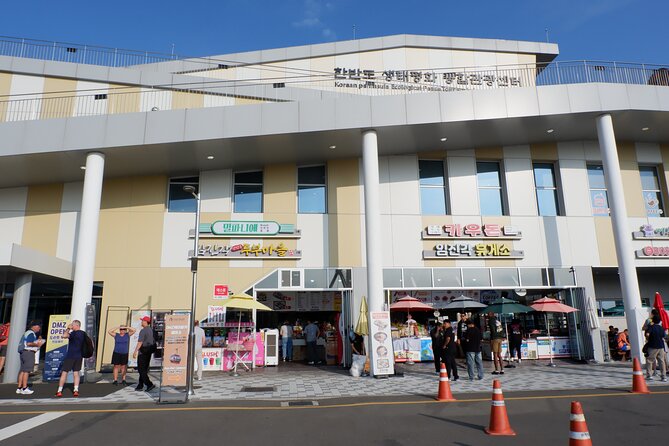
Before entering the controlled zone, you can expect a passport check by soldiers. Your current valid passport is required on the day of the tour. A photograph or expired document is not an acceptable substitute based on the stated requirements.
The DMZ section includes an exhibition hall with a short video and displays explaining the division of Korea and the painful history behind it. You have about 30 minutes here, so the presentation is brief rather than a museum-length visit.
That short format works best if you listen closely to the guide before and after the video. Guides often supply the wider context, turning a small display into a clearer explanation of how the border came to exist and why it remains under military control.
The important thing to understand is that the DMZ is not fully predictable. Training exercises, official visits, storms, heavy snow, dense fog, roadworks, strikes, and government orders can all affect the plan. Sometimes the number of people permitted to enter is reduced, especially around public holidays.
If access is restricted, the operator may replace some or all of the scheduled route. Possible alternatives include Imjingak Park, Art Space BEAT 131, Odusan Unification Observatory, the War Memorial of Korea, and dismissal near City Hall or Myeongdong. The operator says it will try to improve the situation, but it does not promise a refund for changes caused by military conditions.
A few more trips of this kind worth comparing:
- Seoul: DMZ Tour with Optional Suspension Bridge
★ 4.8 · 5,277 reviews - Signature DMZ Tour: Exclusive Defector Talk & Suspension Bridge
★ 5.0 · 4,459 reviews - Thrilling Korean DMZ 3rd Tunnel Tour from Seoul + Red Bridge Rush
★ 5.0 · 3,097 reviews - DMZ Past and Present: Korean Demilitarized Zone Tour from Seoul
★ 5.0 · 2,481 reviews
Walking the Third Tunnel
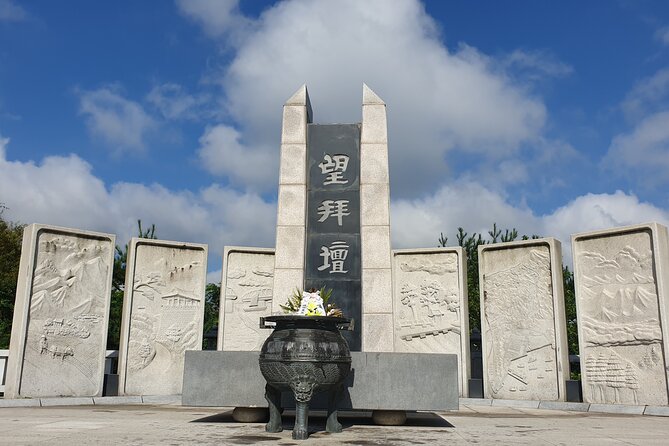
The Third Tunnel is the most physical part of the day. South Korea discovered it in 1978. It measures about 1,635 meters long, roughly 2 meters wide, and roughly 2 meters high, and it lies about 52 kilometers from Seoul.
The stated visit lasts about 40 minutes. The tunnel was built to allow military movement, and estimates suggest that around 30,000 soldiers could have passed through it in an hour. That fact gives the place its force. You are not simply looking at an old passage. You are walking through evidence of the tension beneath the border.
Expect a downhill walk at the start. The return is uphill and can feel strenuous, especially after several earlier stops. Near the end, taller people may need to crouch because the ceiling is low. Hard hats are provided for a reason.
This is not a good stop for anyone who needs an entirely flat, easy route. The tour requires a moderate level of physical fitness, and the practical advice is simple: wear proper walking shoes, move at your own pace, and do not save all your energy for the final climb.
The tunnel is also where the group schedule matters most. You need to return on time, so there is no leisurely wandering. Even so, the combination of the narrow passage, low ceiling, and military story makes this one of the day’s most memorable sections.
Dora Observatory and the view toward North Korea
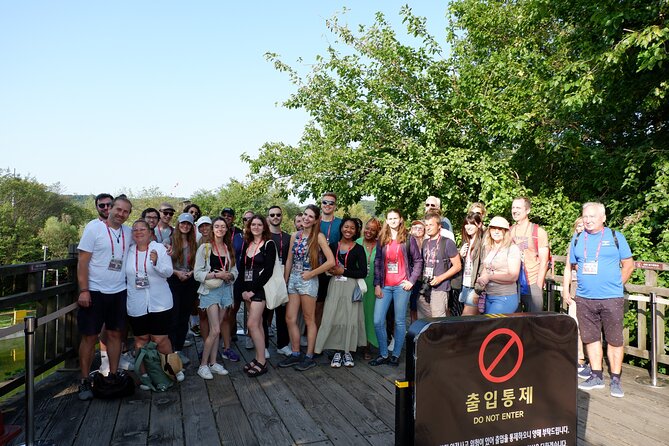
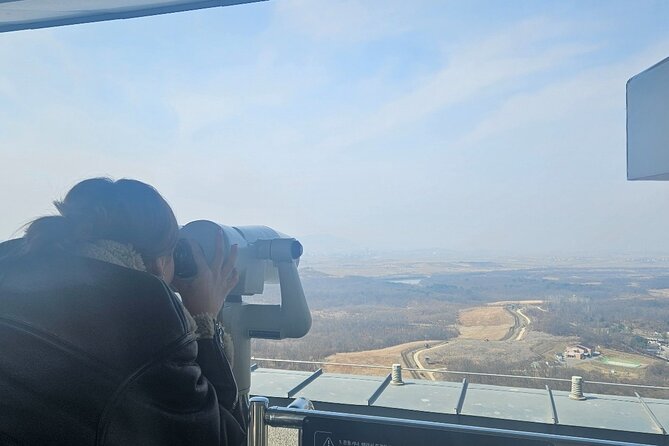
At Dora Observatory, you look toward North Korea across the restricted border area. From the viewing point, you may be able to see Gaeseong, Songaksan, the Kim Il-Sung statue, and Cooperation Farm, also called Geumamgol.
The visit lasts about 30 minutes. A steep uphill walk may be required to reach the observatory, so the physical demands continue after the tunnel.
Visibility is never guaranteed. Fog, weather, and changing military rules can limit what you see or what you are allowed to photograph. One tour schedule had restrictions on taking pictures of North Korea, even though the view itself was available. The guide helped by sharing previously taken images of the visible sites and by taking pictures of the group with personal phones and cameras.
That detail captures the right attitude for this stop. Come for the chance to look across one of the world’s most closely watched borders, but do not expect a perfect, unrestricted photo opportunity. The view can be distant, hazy, or partly limited by official rules.
The observatory is valuable because it makes the division concrete. You are not only hearing about two countries separated by ideology and war. You are looking toward the towns, fields, and hills on the other side.
The guides make or break the day
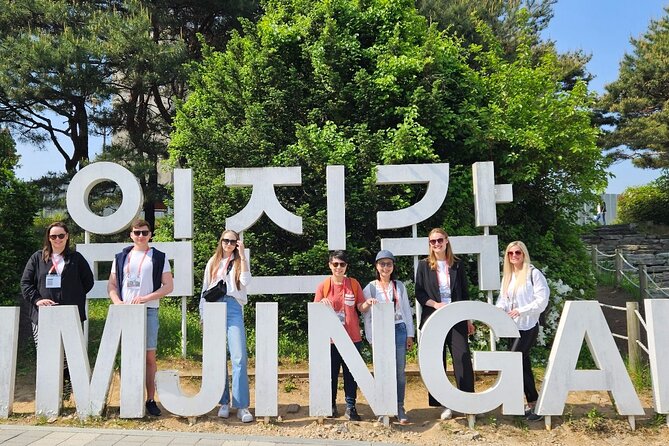
This tour relies heavily on the person speaking from the front of the vehicle. The most praised guides are Kenny, Winnie, Grace, Stella, Thomas Bae, and Sophie.
Kenny is described as funny, helpful, and relaxed while explaining the history of North and South Korea. Winnie is praised for organization, warmth, strong English, and making both an 8-year-old and a 70-year-old feel looked after. Grace is noted for energetic explanations and using videos or facts on the large screen in the vehicle.
Stella handled a day when access was reduced and provided alternative history and current information. Thomas Bae is praised for staying positive and explaining the war and present situation clearly. Sophie is described as interacting well with the group while keeping the day moving.
Guides can also help with small practical matters, such as confirming pickup details the day before, helping you find the right group, or taking photos. Those touches matter on an early, tightly scheduled outing.
The tone is generally lively, sometimes humorous, but the subject remains serious. Expect a day that balances jokes and conversation with stories about war, loss, separation, and an unresolved border.
What the $30 price really buys you
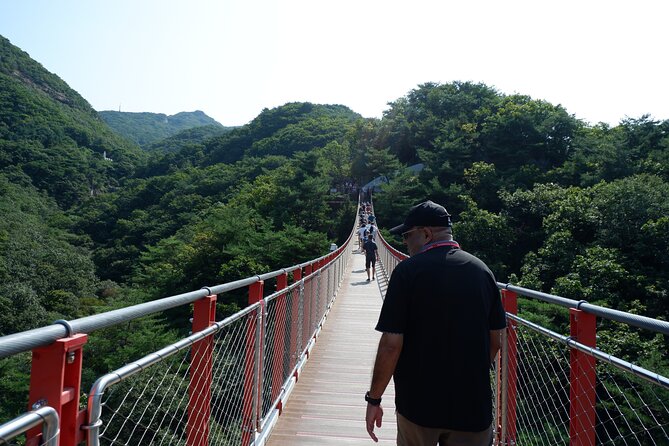
At $30 per person, this is an inexpensive way to reach a place that is difficult to visit independently. The price includes the vehicle, admission fees, transportation, and a professional guide. For a seven-and-a-half-hour outing, that is strong value.
You are not paying for luxury. You are paying for access, coordination, and explanation. The air-conditioned vehicle is welcome after the tunnel and uphill walks, while the guide helps you understand what would otherwise be a series of military checkpoints and viewing platforms.
Budget for the extras. Hotel pickup and drop-off are excluded, as are lunch, travel insurance, and a visit to the Joint Security Area, or JSA. The JSA is not part of this tour, so do not book it expecting the famous conference buildings or the full Panmunjom experience.
You may have opportunities to purchase drinks, snacks, or souvenirs at stops. One important point concerns North Korean-made goods. If you are from the United States, check current US rules before buying North Korean money, postage stamps, or other items. Import restrictions can apply.
Who will enjoy this tour most
I would choose this outing if you want a clear introduction to the DMZ without spending several days on border history. It suits first-time visitors to Seoul, people interested in modern Asian history, and anyone who wants a structured day rather than a complicated independent trip.
It also works well for mixed-age groups, provided everyone can manage the tunnel and hills. The guides have shown flexibility with a wide age range, but the physical requirements remain real.
You may prefer a different option if you want a slow museum day, a private guide, a guaranteed route, or a later start. The schedule is packed, the group may be large, and military access can change the plan after you have already set out.
Booking, cancellation, and practical details
Confirmation is provided when you book, and the tour uses a mobile ticket. You must select and reach the assigned meeting point, since hotel pickup is not included.
Free cancellation is available when you cancel at least 24 hours before the start time. Changes or cancellations made inside that 24-hour window are not accepted for a refund. If poor weather or an insufficient number of bookings cancels the experience, you can be offered another date or experience, or a full refund.
The tour can also be canceled or altered for military reasons without advance notice. This is the central condition of any DMZ visit, not a minor footnote. Bring your passport, wear sturdy shoes, carry water and snacks, and leave room in your Seoul schedule afterward.
Should you book this Seoul DMZ tour?
Yes, if you want the main DMZ sights at a low price and can accept an early start, group travel, and possible route changes. The Third Tunnel and Dora Observatory give you the strongest sense of place, while Imjingak Park and the guide’s explanations add the human and political context.
I would book it for a first visit, especially if Kenny, Winnie, Grace, Stella, Thomas Bae, or Sophie is listed as your guide. I would skip it only if walking uphill is difficult, if you need a guaranteed itinerary, or if the JSA is your main goal. For most people with one free morning and a serious interest in Korea’s divided present, this is a practical and worthwhile choice.
FAQ
How long does the DMZ tour from Seoul last?
The tour lasts approximately seven hours and thirty minutes. Some schedules run roughly from 6:30 or 6:50 a.m. until about 3 p.m.
What places are included on the tour?
The main itinerary includes Imjingak Park, the DMZ exhibition area, the Third Tunnel, and Dora Observatory. Dorasan Station is also listed among the tour highlights, while some schedules may include a suspension bridge, gondola, or reunification village.
Is the Joint Security Area included?
No. A visit to the Joint Security Area, or JSA, is not included in this tour.
Do I need my passport?
Yes. You must bring a current valid passport because soldiers may check it before you enter the controlled DMZ area.
Is hotel pickup and drop-off included?
No. Pickup is arranged at a designated meeting point selected during booking. You are responsible for reaching that location.
Is lunch included?
No. Lunch is not included. You may have opportunities to buy refreshments during the stops, and bringing your own snacks and drinks is recommended.
Can the itinerary change or be canceled?
Yes. Military training, government orders, weather, road conditions, traffic, strikes, and other unforeseen conditions can change or cancel the route. If cancellation results from poor weather or an insufficient minimum number of bookings, you may be offered another date or a full refund.
Just added around Seoul
- Seoraksan National Park & Nami Island★ 4.5 · 3 reviews
- Strawberry Picking, Winter Sled with Eobi Ice Valley from Seoul★ 4.5 · 3 reviews
- Seoul Full Day small group Tour★ 5.0 · 3 reviews
- Majang Meat Market Experience: Private Tour with Han-woo Beef BBQ★ 5.0 · 3 reviews
- Seoul Korean BBQ Dinner Experience with Secret Food Tours★ 5.0 · 3 reviews
- Rice Wine Tasting with Sommelier – Finest Makgeolli (& Soju)★ 5.0 · 3 reviews
- Seongsu-dong Walking Tour: K-Pop, Culture, Cheer, Friends & Relax★ 4.5 · 3 reviews
- Seoul: Alpaca World and Nami Island (with Garden / Railbike)★ 5.0 · 3 reviews
DMZ & Border Tours, compared.

Best DMZ Tour Korea from Seoul (Red Suspension Bridge Optional)
Read our review →
DMZ Tour: 3rd Tunnel, Option(Suspension Bridge, Boat) from Seoul
Read our review →
DMZ tour south Korea from Seoul (NK experience hall, defector)
Read our review →
DMZ Insider Tour: 3rd Tunnel, NK Defector Meet & Red Bridge
Read our review →

Signature DMZ Tour: Exclusive Defector Talk & Suspension Bridge
Read our review →
Thrilling Korean DMZ 3rd Tunnel Tour from Seoul + Red Bridge Rush
Read our review →DMZ Past and Present: Korean Demilitarized Zone Tour from Seoul
Read our review →Browse the lists this tour appears in