Reviewed · SEOUL TOURS
Spiritual Adventure : Into Inwangsan and Korean Shamanism
Sacred Seoul begins beyond the palace gates. This 2-hour-30-minute experience leads you up Inwangsan Mountain to shrines, legends, ritual sites, and a living Korean spiritual tradition that still has a place in city life. Guide Ethan gives the walk its human touch, explaining shamanic customs in plain language and making room for questions.
I like the meeting with a real shaman and the chance to receive a personal fortune reading, because these are cultural encounters rather than staged performances. I also like the mountain setting, where a steady uphill walk brings city views and a very different side of Seoul.
The main consideration is the physical effort. You need moderate fitness for the uphill route, and the shaman may not always be available, as illness or other circumstances can affect the meeting. Poor weather can also lead to a cancellation or a change of date.
In This Review
- Key points before you book
- Why Inwangsan gives this tour its character
- Meeting at Dongnimmun Station and starting the walk
- Walking through the stories of Korean shamanism
- Guksadang and Inwangsan’s sacred sites
- Meeting a shaman and considering a fortune reading
- Ritual objects, chants, candles, and offerings
- What the Seoul views add to the experience
- How much value do you get for $28.20?
- Who should book this Inwangsan experience?
- Practical details that affect your decision
- Should you book it?
- FAQ
- How long does the Inwangsan shamanism tour last?
- How much does the tour cost?
- Where does the tour begin?
- Where does the tour end?
- Is public transportation included?
- Is this a private tour?
- Can I receive a fortune reading?
- What fitness level is required?
Key points before you book
- Guksadang and sacred Inwangsan sites: Visit one of Seoul’s best-known places connected with Korean shamanism and hear why this mountain has spiritual importance.
- A real fortune-reading session: Ask about love, health, or career when the session is available, with the understanding that this is cultural insight, not a guaranteed prediction.
- Ethan’s story-led guiding: Ethan explains deities, talismans, offerings, chants, and ritual objects in a way that connects old beliefs with daily life today.
- A mountain walk with Seoul views: The route adds worthwhile exercise and gets you away from the city’s usual streets, though the uphill sections may feel demanding.
- Private format: Only your group participates, which gives you more freedom to ask questions and discuss personal reactions.
- Good value at $28.20: For a private cultural experience lasting about two and a half hours, the price is reasonable, especially if the spiritual side of Korea interests you more than another standard city tour.
Why Inwangsan gives this tour its character
Seoul has no shortage of palaces, markets, museums, and shopping districts. Inwangsan offers something less polished and more personal. The mountain is closely linked with legends, sacred places, and shamanic practice, yet it is still part of the capital rather than a remote cultural site.
That setting matters. You are not simply sitting in a classroom hearing definitions of Korean shamanism. You are walking toward places where rituals have meaning, seeing the relationship between the mountain and the city, and hearing how older customs continue alongside Confucianism, Buddhism, and modern Korean life.
The tour is especially useful if you want to understand why religion in Korea does not fit neatly into one category. A person may have Confucian family traditions, Buddhist influences, and an interest in shamanic fortune telling without seeing those ideas as contradictory. Ethan’s explanations help place these practices within everyday culture rather than presenting them as strange folklore.
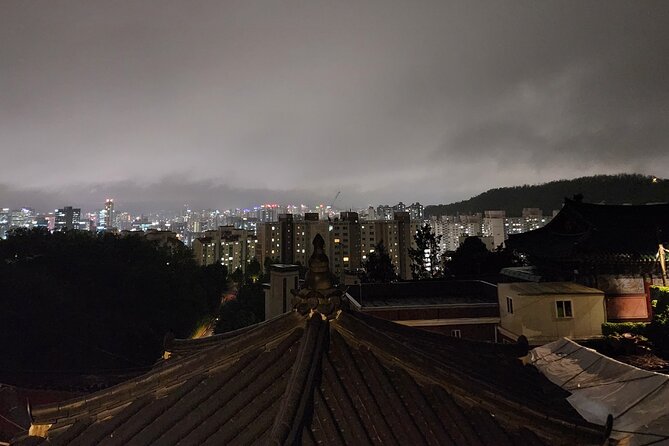
The walk also gives the experience a welcome change of pace. You leave the familiar urban sights behind and follow a route with a more reflective mood. One of the strongest pleasures is the view back toward Seoul, earned by walking uphill rather than reached by a viewing platform or bus.
A few more trips of this kind worth comparing:
- Best DMZ Tour Korea from Seoul (Red Suspension Bridge Optional)
★ 5.0 · 41,422 reviews - DMZ Tour: 3rd Tunnel, Option(Suspension Bridge, Boat) from Seoul
★ 5.0 · 21,373 reviews - DMZ tour south Korea from Seoul (NK experience hall, defector)
★ 5.0 · 20,599 reviews
Meeting at Dongnimmun Station and starting the walk
The meeting point is Dongnimmun Station Exit 3. You should arrive ready to walk, with comfortable shoes and enough water for the outing. Bottled water is not provided, and public transportation is not included, so you will need to arrange your own way to the station.
The tour lasts approximately 2 hours and 30 minutes. That is long enough to cover the cultural background, reach sacred locations, allow time for questions, and include the fortune-telling element without turning the experience into a full-day hike.
Because the activity is private, the pace can be more personal than on a large scheduled group outing. You can ask Ethan to clarify a ritual term, pause over a talisman, or raise a question about how shamanism fits into Korean life. The exact walking pace will still depend on your group, and the route requires moderate physical fitness.
An air-conditioned vehicle is listed as an optional feature. Since public transportation is not included, confirm the transport arrangement and any extra cost before booking if you prefer not to manage the subway connections yourself.
Walking through the stories of Korean shamanism
Early in the experience, Ethan introduces the roots and role of Korean shamanism. The useful part is not just learning the names of spirits or ritual objects. You also hear how these beliefs shaped customs, family concerns, decisions, and hopes for the future.
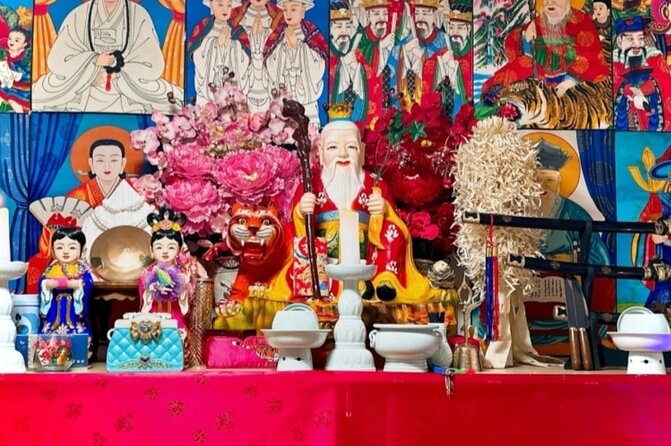
The explanation covers deities, talismans, candles, chants, and offerings. Each item becomes easier to understand when connected to its purpose. A talisman is not simply a decorative paper or souvenir. Within the tradition, it may relate to protection, health, luck, or a request for help.
This is where Ethan’s approach receives its greatest praise. He brings energy to a subject that can seem unfamiliar, and he answers questions without making you feel that one question is too basic. His style has been described as both fun and informative, a useful combination for a topic that can otherwise become heavy or academic.
You should expect interpretation rather than a theatrical presentation. The tour is designed to explain living beliefs, not to recreate a ceremony for entertainment. That distinction gives the experience more value, but it also means you should arrive with respect and an open mind.
Guksadang and Inwangsan’s sacred sites
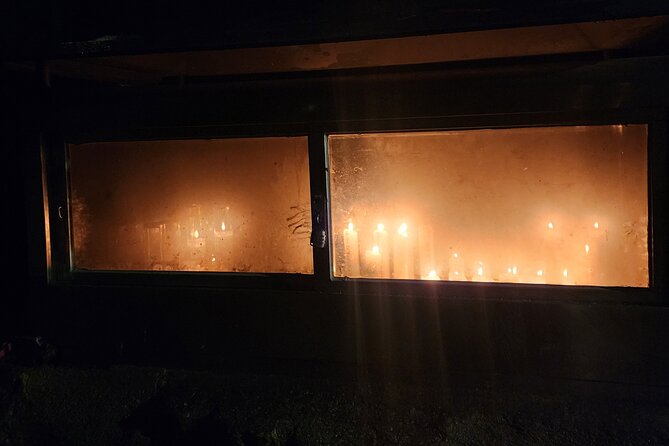
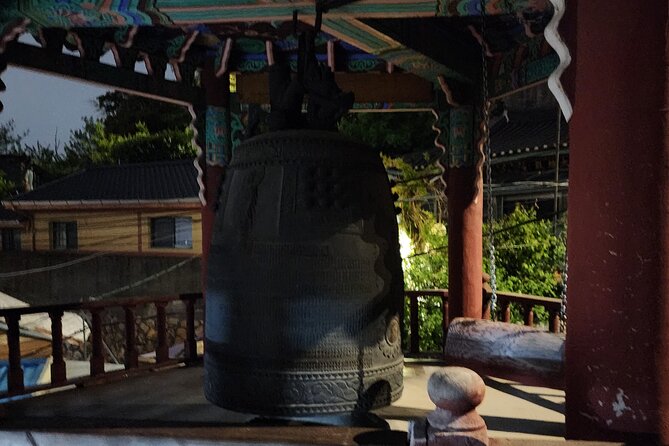
Guksadang is one of the important stops. It is associated with Korean shamanic practice and gives the tour a physical focus. Instead of discussing sacred places in the abstract, you see where these traditions are connected to the mountain.
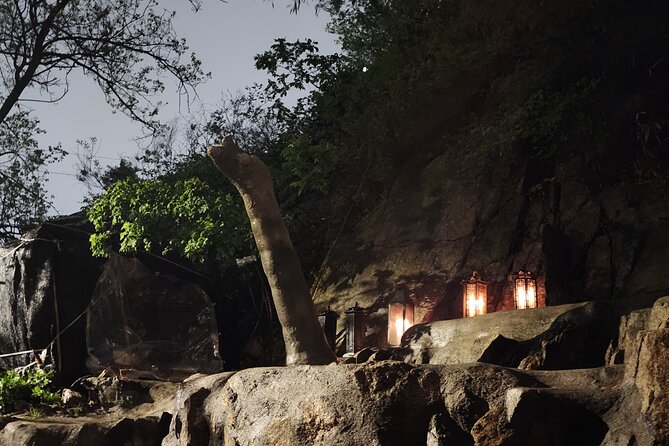
The route includes hidden or less familiar shrine areas and story-filled paths. Exact conditions can vary, but the central appeal is clear: you are moving through a place where legends, ritual, and the natural setting overlap. Ethan explains the meaning of the sites and the customs linked with them.
The climb is part of the experience, not an inconvenience added to it. Inwangsan supplies the quiet, altitude, and views that help the tour feel separate from an ordinary Seoul walk. At the same time, do not treat it as an effortless stroll. You need a moderate level of fitness, and the uphill sections may be tiring if you have spent the day sightseeing.
Wear practical footwear. The information provided does not promise a fully smooth or accessible route, so anyone with mobility concerns should ask the provider for current route details before booking. That is particularly important because the experience depends on walking up the mountain to reach the sacred sites.
A completely different kind of day out in Seoul:
- Seoul: DMZ Tour with Optional Suspension Bridge
★ 4.8 · 5,277 reviews - Signature DMZ Tour: Exclusive Defector Talk & Suspension Bridge
★ 5.0 · 4,459 reviews - Thrilling Korean DMZ 3rd Tunnel Tour from Seoul + Red Bridge Rush
★ 5.0 · 3,097 reviews - DMZ Past and Present: Korean Demilitarized Zone Tour from Seoul
★ 5.0 · 2,481 reviews
Meeting a shaman and considering a fortune reading
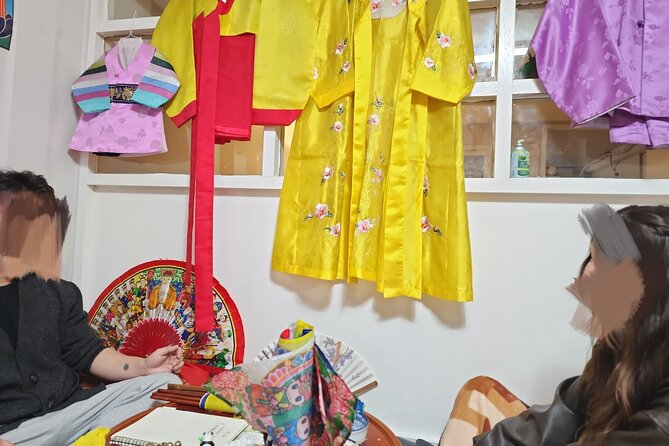
The chance to meet a Korean shaman is the tour’s most unusual feature. You may witness or take part in a real fortune-reading session and ask about subjects such as love, health, or career. This gives you a direct way to see how spiritual consultation can exist beside other traditions and modern city life.
Keep your expectations sensible. A fortune reading is best understood as a cultural encounter and a personal conversation, not as a promise about what will happen next. You can listen to the language, notice the setting, and think about why people seek this kind of guidance.
You may also be able to request or purchase a custom talisman. The supplied information does not state the price of a talisman, so ask before agreeing to anything. Treat this as an optional part of the experience, not a required purchase.
The shaman may not always be available. On one occasion, illness prevented the meeting, but Ethan continued with the cultural explanation and made the experience worthwhile. That is an important practical warning: the shamanic element is a major reason to book, but circumstances can change.
If you are uncomfortable asking personal questions, you can still gain plenty from watching and listening. If you do want a reading, decide in advance how much personal information you wish to share. The private format should make it easier to participate at your own comfort level.
Ritual objects, chants, candles, and offerings
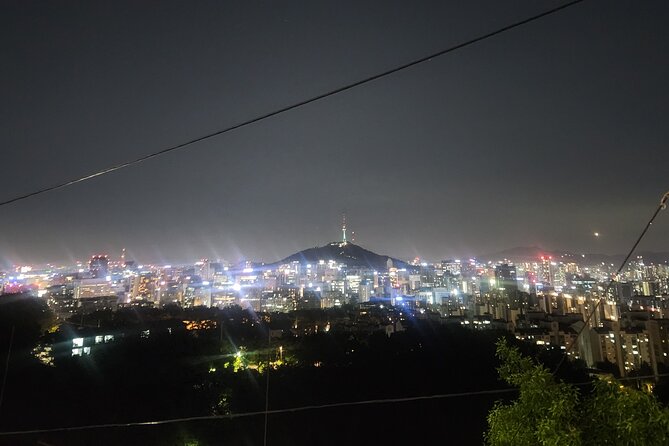
The tour may include authentic ceremonies involving candles, chants, and offerings. These details help you see that shamanism is not only a collection of legends. It has actions, objects, sounds, and rules that give the practice form.
Ethan explains what you are seeing so the ritual does not become a series of mysterious gestures. You learn why certain objects matter and how people use them within a spiritual request or ceremony. The Q&A period is useful here, since you can ask about anything that seemed unclear or surprising.
Respect is essential. This is not a photo prop or a performance arranged solely for visitors. Follow Ethan’s guidance about where to stand, when photography is appropriate, and how to behave near offerings or ritual spaces.
There is time for photos, but the experience works best when you do not spend the whole walk looking through your phone. The mountain views are worth recording, yet the most valuable details are often in Ethan’s explanations or in the atmosphere around the sacred sites.
What the Seoul views add to the experience
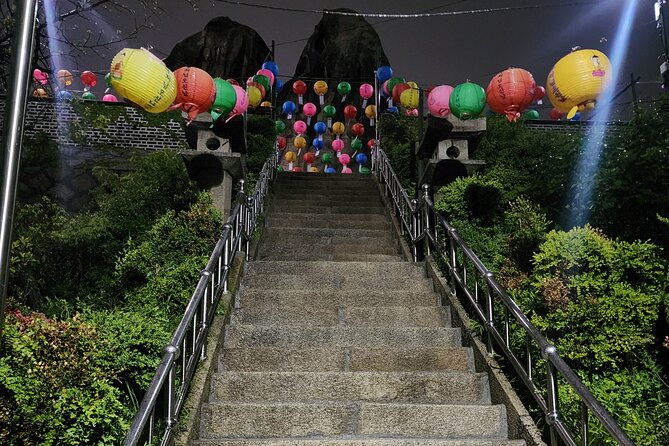
The view from Inwangsan gives the tour a second subject: the relationship between old spiritual places and the modern capital around them. You see Seoul not just as a collection of towers and roads, but as a city with mountains, shrines, legends, and long-standing customs folded into its daily life.
That contrast helps explain why this experience feels different from a conventional religious history tour. The city is nearby, but the mountain path creates enough distance for a quieter mood. If your Seoul schedule has been filled with busy shopping streets and major attractions, this walk offers a welcome reset.
The views also reward the physical effort. You do not simply receive a lecture about Inwangsan’s importance. You climb through the setting yourself, then look back at the city from the mountain. For many people, that combination of exercise, scenery, and cultural explanation will be the tour’s most satisfying feature.
How much value do you get for $28.20?
At $28.20 per person, the tour is fairly priced for an experience lasting about two and a half hours and offering a private format. The price becomes particularly attractive if you value access to a cultural interpreter, a mountain walk, and the possibility of meeting a shaman.
It is less useful if you want a guaranteed ceremony or a simple sightseeing route with no uphill effort. The shaman may be unavailable, and the optional vehicle arrangement may need clarification. Those limits do not make the tour poor value, but they should shape your expectations.
You are paying for interpretation and access to a subject that is difficult to understand through ordinary sightseeing. A palace ticket can show you architecture. This experience tries to explain a less visible part of Korean culture, with Ethan connecting ritual practice to modern life.
The strongest value comes from asking questions. If you simply follow the route and take photos, you will still see sacred places and city views. If you engage with the explanations, ask about talismans or deities, and reflect on the fortune reading, the experience gives you much more.
Who should book this Inwangsan experience?
I would recommend it to anyone with a serious interest in Korean folklore, religion, ancestral customs, or the way older beliefs continue in a modern society. It also suits repeat visitors who have already seen Seoul’s major palaces and want a less familiar subject.
It is a good choice for curious couples, friends, and families with older children who can manage the uphill walk and approach the rituals respectfully. The private format makes it easier to discuss sensitive or personal questions without speaking in front of a large crowd.
You may want to choose another activity if you dislike hills, want a fully predictable schedule, or are looking only for mainstream historical attractions. This is not a polished sightseeing circuit. Its appeal comes from the unusual topic, the mountain setting, and the chance that the experience feels personal and spontaneous.
The tour is also a good fit for people who enjoy thoughtful questions. How does shamanism coexist with Buddhism and Confucianism? Why do people request talismans? What role does fortune telling play in contemporary Korea? Ethan’s explanations give you a starting point for those questions.
Practical details that affect your decision
Your mobile ticket is confirmed at booking. The tour begins at Dongnimmun Station Exit 3 and ends at Muakjae Station, at 411 Moraenae-ro in Seodaemun-gu. Since the starting and ending points differ, plan your onward route before you set out.
Bring water, since it is not included. Public transportation is also not included, and the air-conditioned vehicle is optional, so check the transport details if you need a ride rather than a walking and subway-based outing.
The tour requires moderate physical fitness and depends on good weather. You can cancel up to 24 hours before the start time for a full refund. Cancellations or changes made within 24 hours are not refunded or accepted, and a weather cancellation offers either another date or a full refund.
Should you book it?
Book this experience if you want to understand a less visible side of Seoul and you are comfortable with a mountain walk, open-ended cultural discussion, and the possibility that the shaman may not be available. The price is sensible, Ethan is praised for his clear and engaging explanations, and the combination of Guksadang, ritual customs, fortune telling, and city views is unusual.
Skip it if you need easy walking, guaranteed access to every planned element, or a conventional sightseeing tour. For the right person, though, this is a memorable way to see that Seoul’s spiritual life has not been left behind in a museum.
FAQ
How long does the Inwangsan shamanism tour last?
The experience lasts approximately 2 hours and 30 minutes.
How much does the tour cost?
The listed price is $28.20 per person.
Where does the tour begin?
The meeting point is Dongnimmun Station Exit 3 in Seoul, South Korea.
Where does the tour end?
The tour ends at Muakjae Station, at 411 Moraenae-ro in Seodaemun-gu, Seoul.
Is public transportation included?
No. Public transportation is not included. An air-conditioned vehicle is listed as an optional feature.
Is this a private tour?
Yes. Only your group participates in the activity.
Can I receive a fortune reading?
The experience includes the opportunity to witness or take part in a real fortune-reading session. You can ask questions about love, health, or career, but the shaman may not always be available.
What fitness level is required?
You should have a moderate level of physical fitness because the experience includes walking uphill on Inwangsan Mountain.
Just added around Seoul
- Seoraksan National Park & Nami Island★ 4.5 · 3 reviews
- Strawberry Picking, Winter Sled with Eobi Ice Valley from Seoul★ 4.5 · 3 reviews
- Seoul Full Day small group Tour★ 5.0 · 3 reviews
- Seoul Korean BBQ Dinner Experience with Secret Food Tours★ 5.0 · 3 reviews
- Rice Wine Tasting with Sommelier – Finest Makgeolli (& Soju)★ 5.0 · 3 reviews
- Majang Meat Market Experience: Private Tour with Han-woo Beef BBQ★ 5.0 · 3 reviews
- Seongsu-dong Walking Tour: K-Pop, Culture, Cheer, Friends & Relax★ 4.5 · 3 reviews
- Seoul: Alpaca World and Nami Island (with Garden / Railbike)★ 5.0 · 3 reviews
Seoul Tours, compared.

Best DMZ Tour Korea from Seoul (Red Suspension Bridge Optional)
Read our review →
DMZ Tour: 3rd Tunnel, Option(Suspension Bridge, Boat) from Seoul
Read our review →
DMZ tour south Korea from Seoul (NK experience hall, defector)
Read our review →

Signature DMZ Tour: Exclusive Defector Talk & Suspension Bridge
Read our review →
Thrilling Korean DMZ 3rd Tunnel Tour from Seoul + Red Bridge Rush
Read our review →DMZ Past and Present: Korean Demilitarized Zone Tour from Seoul
Read our review →