
Reviewed · HISTORICAL TOURS
Discover Seoul: Local Life and History
Seoul rewards curious walkers. This 3.5-hour route links royal palaces, Confucian-era stories, and traditional neighborhoods with the city’s modern center. I like the clear progression from Seoul City Hall and Gwanghwamun Square to Gyeongbokgung, Insadong, and Bukchon Hanok Village. I also like the practical local advice, especially the guidance on tea houses, Korean food, bars, and craft shops.
The main consideration is pace. Six stops in three and a half hours leave limited time for lingering, shopping, or a full palace visit. The tour also depends on good weather, and the walking route includes Bukchon’s hill streets. Still, for first-time visitors or a short Seoul stay, it offers a useful introduction for $96.75 per person.
In This Review
- Key Points to Know Before You Book
- Why This Short Seoul Walking Tour Works
- Starting at Seoul City Hall
- Gwanghwamun Square and the Main Avenue
- Gyeongbokgung and the Changing of the Guard
- Insadong’s Tea Houses, Galleries, and Craft Shops
- Bukchon Hanok Village on the Final Hill
- The Guides and the Human Side of the Tour
- Timing, Weather, and What to Bring
- Who Will Get the Most From This Walk
- Should You Book Discover Seoul: Local Life and History?
- FAQ
- Where does the tour start?
- Where does the tour finish?
- How long does the experience last?
- What areas of Seoul does the tour visit?
- Is admission included?
- Is the changing of the guard included?
- How many people can join the tour?
- Is the tour offered every day?
- Can I cancel for a full refund?
Key Points to Know Before You Book
- Seoul City Hall begins the story: The tour starts with an easy orientation to Seoul’s civic center and past.
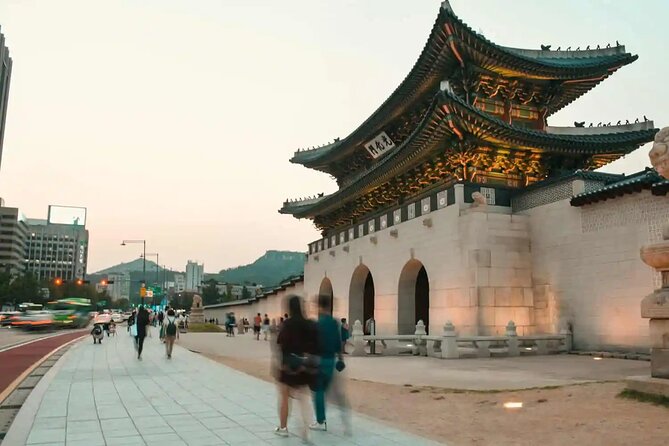
- Gwanghwamun connects politics and history: Statues of King Sejong and Admiral Yi Sun-sin give the city’s main avenue a human focus.
- Gyeongbokgung provides the royal centerpiece: You receive an introduction to Seoul’s leading palace and see the changing of the guard.
- Insadong adds everyday tradition: Tea houses, galleries, bars, craft shops, and hanok lanes bring the old quarter to life.
- Bukchon is the scenic finish: The tour ends among traditional Korean houses on a hill between the major palace sites.
- Guide quality matters here: Moises and Gemma are praised for clear English, history, culture, food suggestions, and warm personal attention.
Why This Short Seoul Walking Tour Works
Seoul can feel enormous at first. Its subway map is large, its districts have different personalities, and the city’s modern towers can make it hard to see how the older capital fits into the present one. This route solves part of that problem by keeping you in the Gwanghwamun and Jongno-gu areas.
You move through places tied to government, royalty, scholarship, religion, craft, and daily life. That range is the tour’s main strength. It does not treat Seoul as only a palace city or only a modern shopping capital. Instead, it shows how several eras sit close together.
The route is also useful early in a Seoul visit. You can pick up ideas for food and drinks, learn which historic areas you want to revisit, and get a basic sense of how the central districts connect. One guide, Moises, is especially praised for combining history with advice on authentic street food. Korean beer chicken is singled out as one suggestion, along with tea houses and other local stops.
At $96.75 per person, this is not a bargain-priced city walk. The value depends on your priorities. You are paying for a small-group format of no more than 20 people, a guide, a focused route, and help interpreting places that can otherwise look like a series of impressive gates and old buildings. If you prefer exploring independently with a guidebook, the price may feel high. If you want a human explanation and practical Seoul advice in one afternoon, it can make sense.
More Historical Tours in Seoul
- Seoul: Evening Dark History, Folklore & Ghost Story Walking Tour
★ 5.0 · 593 reviews - Hanbok Photoshoot and History Tour at Gyeongbokgung Palace
★ 5.0 · 276 reviews - From Seoul: Dae Jang Geum Park Historic K-Drama Set Tour
★ 4.9 · 143 reviews
Starting at Seoul City Hall
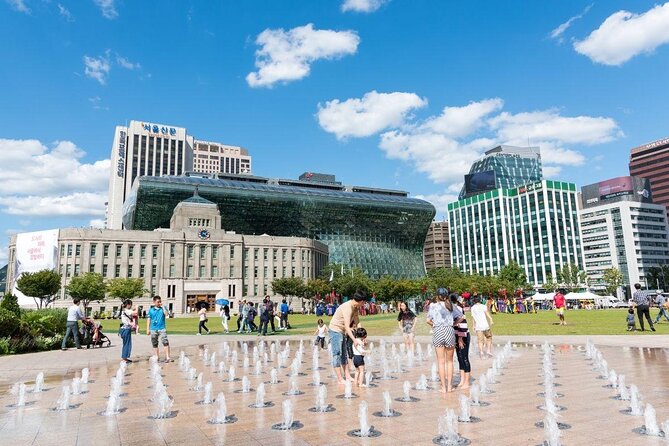
The meeting point is Seoul Plaza, at 110 Sejong-daero in Jung District. The tour begins at Seoul City Hall, where about 30 minutes are devoted to an introduction to Seoul’s history.
This is a sensible starting point. City Hall places you in the middle of present-day Seoul before the route turns toward royal and traditional districts. You begin with the city as a functioning capital, then move toward the institutions and neighborhoods that shaped Korea during the Joseon period.
Because this first stop is outdoors and admission is free, you do not need to budget for an entrance ticket here. The civic setting also makes a practical meeting point, with public transportation nearby.
The published operating schedule lists Monday through Friday, from 10 a.m. to 5 p.m., through December 7, 2026. A small but important note: one provider response refers to an 11 a.m. tour start, while the supplied schedule shows a 10 a.m. opening time. Confirm your exact start time before setting out, especially if you are fitting the walk around a flight or another reservation.
Gwanghwamun Square and the Main Avenue
From City Hall, the route continues to Gwanghwamun Square for roughly 35 minutes. This broad avenue is one of the most important public spaces in central Seoul, and the guide uses it to explain the city’s political and historical development.
The square works well as an outdoor classroom. You are not simply looking at an old building. You are standing on a major urban axis where civic life, national memory, and modern Seoul meet. The open space also gives you a break from the tighter lanes later in the tour.
A guide is helpful here because the meaning of the avenue is not always obvious from its design alone. Expect the explanation to focus on the area’s history and main attractions rather than on a long architectural lecture. That suits the tour’s short format.
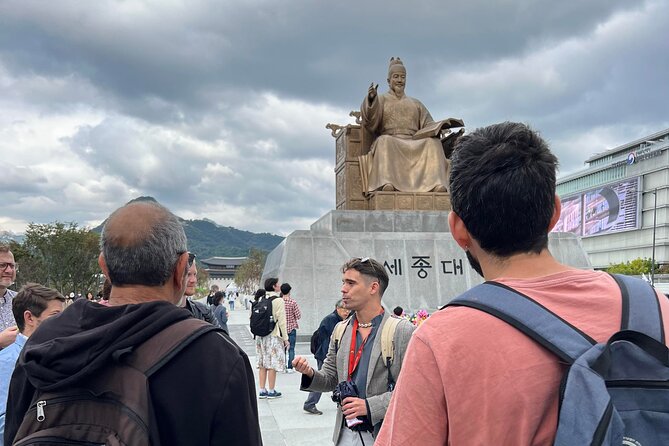
The next stop takes about 10 minutes and centers on the statues of King Sejong the Great and Admiral Yi Sun-sin, directly in front of Gwanghwamun Gate. King Sejong is associated with the Joseon dynasty and is widely linked with the development of Hangul, the Korean alphabet. Admiral Yi Sun-sin is remembered as a major naval commander.
Even with only 10 minutes, this pause adds useful human scale to the route. Instead of hearing only about palaces and dynasties, you meet two figures who remain central to Korea’s public memory. Their statues also help you understand why Gwanghwamun is more than a grand approach to a palace.
Gyeongbokgung and the Changing of the Guard
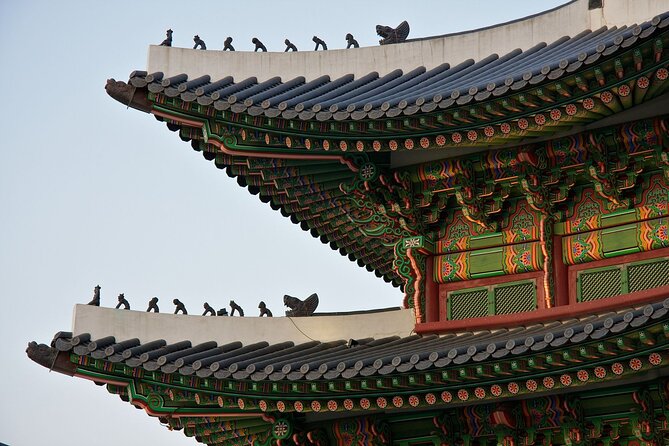
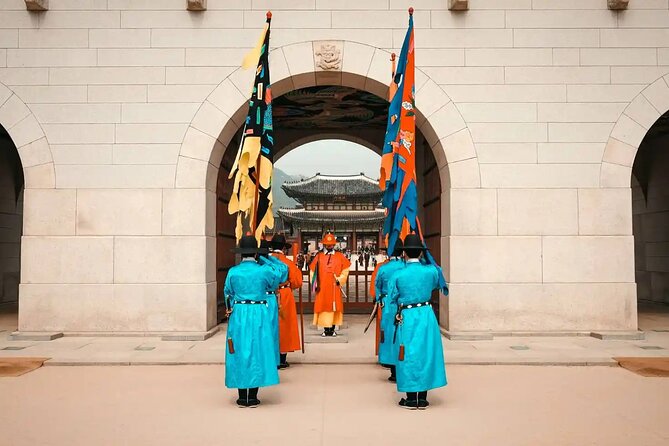
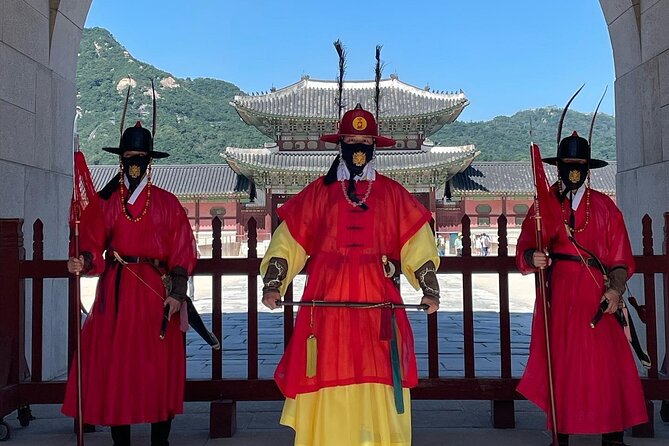
Gyeongbokgung Palace is the central attraction of the walk. The visit lasts about 30 minutes and includes an introduction to Seoul’s main royal palace, along with the changing of the guard.
This stop should be one of the strongest parts of the experience. Gyeongbokgung gives you the clearest sense of royal Seoul, with formal gates, courtyards, and ceremonial spaces. The guide’s role is to explain what you are seeing and place it within the Joseon period, rather than leaving you to guess why each gate or building matters.
The changing of the guard adds movement and color to what could otherwise be a quiet architectural visit. It is also a useful reason to check the exact tour timing. Ceremonial schedules can matter, and the information provided does not give a precise time for the guard change.
There is a limitation here: 30 minutes is an introduction, not a complete palace exploration. Gyeongbokgung is large, and you should not expect to see every important section. If the palace is your main reason for visiting Seoul, plan a separate visit with more time. If you want a first look combined with other central sights, this brief stop keeps the whole route manageable.
All listed stops show free admission, but the description does not explain whether that means the guide-led stops themselves require no extra ticket or whether some palace areas have separate arrangements. Check the final booking details if you want certainty about entrance costs.
More historical tours:
- Seoul: City Highlights and Historical Experience No Shopping
★ 5.0 · 74 reviews - Street photoshoot and Seoul Hidden gem History Walking Tour
★ 5.0 · 68 reviews - Korean History & Heritage Tour
★ 5.0 · 51 reviews - Namhansanseong UNESCO Historical Sites and Korean Folk Village-Private Tour
★ 5.0 · 29 reviews
Insadong’s Tea Houses, Galleries, and Craft Shops
After the palace, the route turns toward Insadong for about 30 minutes. This is where the walk shifts from grand national history to smaller-scale urban life.
Insadong is known here for traditional tea houses, galleries, bars, craft shops, and winding lanes lined with hanoks, or traditional Korean houses. That mix gives you a chance to see how older forms continue in a commercial neighborhood. You might find souvenirs and crafts, but the better reason to pay attention is the atmosphere of the lanes and the chance to understand Korean tea and design traditions.
The tea-house visit can be a highlight. Moises is praised for taking people to a tea house that became a particularly memorable part of the experience. The supplied details do not name the specific establishment, so do not book this expecting a guaranteed particular tea room. Still, the inclusion of a traditional tea stop adds something a palace-only tour cannot provide.
This is also the point where the food advice becomes useful. The guide can suggest places to eat and drink, including Korean beer chicken and street food. I would treat these recommendations as a bonus rather than a meal included in the tour. No food or drink is listed as included in the $96.75 price.
Thirty minutes is enough to introduce Insadong, but not enough for serious shopping or a relaxed café break. If you like browsing craft stores, keep your expectations in check. You may want to return later, when you can set your own pace.
Bukchon Hanok Village on the Final Hill
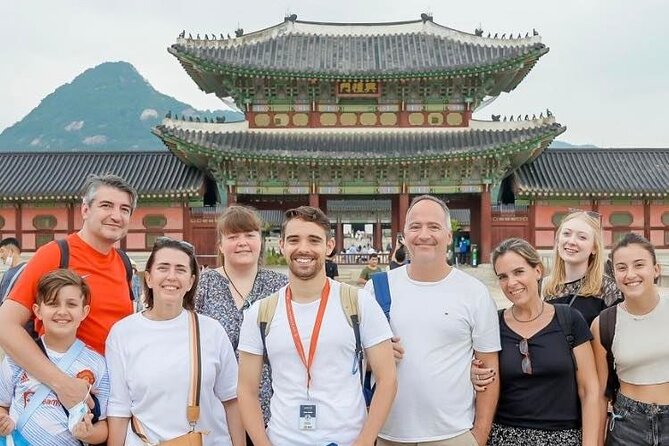
The tour finishes at Bukchon Hanok Village, with about 30 minutes in the neighborhood. Bukchon sits on a hill between Gyeongbokgung Palace and other historic royal sites, and it is known for traditional alleys and hanok houses preserved to show a 600-year-old village setting.
This is a fitting final stop because it feels more intimate than the palace grounds. The narrow lanes and traditional homes show how historic residential districts differ from ceremonial royal spaces. You also get a stronger sense of Seoul’s layered character, where old houses and current city life occupy the same central district.
The hill is important practical information. You should wear comfortable shoes and expect some uphill walking. The route is described as accessible to most people, but no claim is made that it is step-free or easy for every mobility level. If hills are difficult for you, ask the operator about the exact walking conditions before booking.
Bukchon is also a residential area. The tour’s short introduction can help you understand the setting, but you should be respectful around homes and keep noise low. The end point is listed as Cafe Onion Anguk, at 5 Gyedong-gil in Jongno District, although the description also says the tour finishes in Bukchon Hanok Village. Confirm where you will meet the guide and where the walk will end so you can plan your next subway ride or meal.
The Guides and the Human Side of the Tour
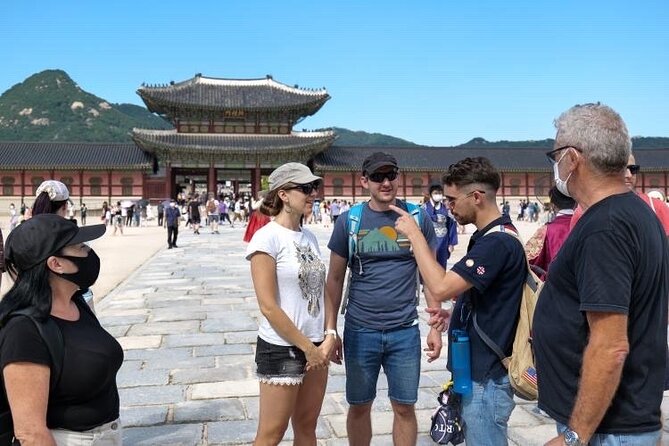
Guide quality is central to this experience. The strongest praise focuses on clear English, useful historical explanations, cultural context, and personal recommendations.
Moises is specifically praised for giving enough history to make the country and culture easier to understand without losing sight of the sights themselves. He is also singled out for authentic street-food suggestions and for making the tea-house stop memorable. Another account says he kept the visit interesting despite rain and offered practical ideas for the rest of a Seoul stay.
Gemma receives similar praise for bringing the history of the city and country to life while also explaining what to see. These comments suggest that the best version of the tour depends on a guide who can adjust to the group, explain clearly, and connect facts to places.
The provider lists a maximum group size of 20 people. That is not an intimate private walk, but it is still more manageable than a large coach group. Group size can affect how easily you hear the guide and how quickly the party moves through narrow lanes. If you want a completely personal schedule, this is not the right format. If you want company and a planned route, it offers a reasonable middle ground.
One poor experience in the supplied information appears to involve confusion over the company and start time. The provider states that the complaint was connected with another company and not this tour. The practical lesson is simple: keep the confirmation handy, verify the start time, and contact the correct operator if plans change.
Timing, Weather, and What to Bring
The tour lasts about three hours and 30 minutes. That makes it a good fit for a morning or afternoon plan, but the schedule is fairly full. You will spend most of the time moving between stops or listening to explanations, with only short windows for looking around on your own.
The experience requires good weather. If poor weather forces cancellation, you are offered another date or a full refund. Rain does not necessarily make the walk impossible, but wet streets and Bukchon’s hill can make it less comfortable. Check the forecast and bring suitable shoes and rain protection.
Mobile ticketing keeps the booking simple. Confirmation is received at booking, and service animals are allowed. The tour is near public transportation, which matters in Seoul because you can reach the central meeting point without arranging a private transfer.
Free cancellation is available up to 24 hours before the start time. Changes or cancellations within 24 hours are not accepted for a refund. The same 24-hour rule applies to the local cut-off time, so do not wait until the last morning if your plans are uncertain.
The experience is booked an average of 24 days ahead. That does not guarantee that every date sells out, but it is a useful sign that you should reserve ahead if your Seoul schedule is fixed.
Who Will Get the Most From This Walk
I would recommend this tour to a first-time Seoul visitor who wants context quickly. It is especially useful if you have only a few days, are arriving without much background on Korean history, or want a guide to point out food and tea options for later.
It also works well for people who like a balance of major sights and local streets. You see the main palace area, then shift to Insadong’s shops and tea houses before finishing in Bukchon. That variety keeps the walk from feeling like a succession of palace gates.
You may want something else if you prefer long museum visits, extensive palace access, private guiding, or a slow food tour. The price is harder to justify if you plan to spend only a few minutes at each stop and do not care about historical explanation. You should also reconsider if hills, changing weather, or a three-hour walking schedule would be uncomfortable.
Should You Book Discover Seoul: Local Life and History?
Book it if you want an efficient first look at central Seoul, with strong historical storytelling and practical local tips. The combination of Gwanghwamun, Gyeongbokgung, Insadong, and Bukchon gives you a useful outline of the city’s past and present.
At $96.75, it is a premium walking tour rather than a cheap orientation. I think the value is best for people who will use the advice afterward, return to favorite areas, and appreciate a guide such as Moises or Gemma who can explain both history and daily culture.
Skip it if you want deep exploration of Gyeongbokgung or plenty of free time for shopping. For everyone else, especially those starting a Seoul visit, this is a well-shaped introduction. Confirm the exact meeting time and end point, prepare for the Bukchon hill, and treat the food and tea suggestions as part of the tour’s real payoff.
FAQ
Where does the tour start?
The tour starts at Seoul Plaza, 110 Sejong-daero, Jung District, Seoul, South Korea.
Where does the tour finish?
The listed end point is Cafe Onion Anguk at 5 Gyedong-gil in Jongno District. The description also says the tour finishes at Bukchon Hanok Village, so confirm the precise drop-off point before the walk.
How long does the experience last?
The tour lasts approximately three hours and 30 minutes.
What areas of Seoul does the tour visit?
The route covers Seoul City Hall, Gwanghwamun Square, the statues of King Sejong and Admiral Yi Sun-sin, Gyeongbokgung Palace, Insadong, and Bukchon Hanok Village.
Is admission included?
Each listed stop shows free admission. The supplied details do not clarify whether any separate palace access or other entrance charge applies, so check the booking information if this matters to your budget.
Is the changing of the guard included?
The Gyeongbokgung portion includes an introduction to the palace and the changing of the guard.
How many people can join the tour?
The maximum group size is 20 people.
Is the tour offered every day?
The published hours list Monday through Friday, from 10 a.m. to 5 p.m., for the period shown through December 7, 2026. Confirm your exact date and start time because the provider information also refers to an 11 a.m. tour start.
Can I cancel for a full refund?
Yes. You can cancel up to 24 hours before the experience start time for a full refund. Cancellations or changes made less than 24 hours before the start are not accepted for a refund. If poor weather or an insufficient minimum number of participants cancels the tour, you are offered another date or a full refund.
Just added around Seoul
- Seoraksan National Park & Nami Island★ 4.5 · 3 reviews
- Strawberry Picking, Winter Sled with Eobi Ice Valley from Seoul★ 4.5 · 3 reviews
- Seoul Full Day small group Tour★ 5.0 · 3 reviews
- Majang Meat Market Experience: Private Tour with Han-woo Beef BBQ★ 5.0 · 3 reviews
- Seoul Korean BBQ Dinner Experience with Secret Food Tours★ 5.0 · 3 reviews
- Rice Wine Tasting with Sommelier – Finest Makgeolli (& Soju)★ 5.0 · 3 reviews
- Max Out Seoul: Must Visit City Highlights Panoramic Day Tour★ 5.0 · 3 reviews
- Seongsu-dong Walking Tour: K-Pop, Culture, Cheer, Friends & Relax★ 4.5 · 3 reviews
Historical Tours, compared.

Gyeongju UNESCO World Heritage Guided Day Tour
Read our review →
Gyeongju UNESCO World Heritage Guided Day Tour from Busan
Read our review →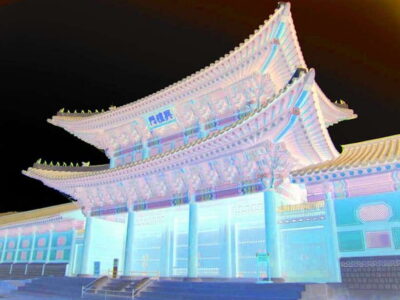
Evening Dark History, Folklore & Ghost Story Walking Tour
Read our review →
Old Korea Thousand History Tour of Gyeongju from Busan
Read our review →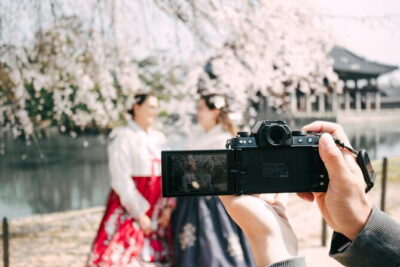
Hanbok Photoshoot and History Tour at Gyeongbokgung Palace
Read our review →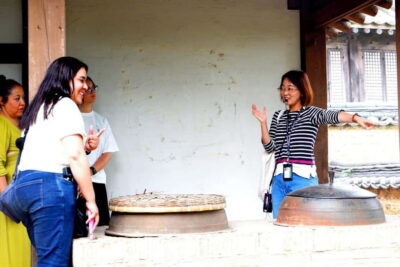

UNESCO Heritage Tour Including Bulguksa Temple
Read our review →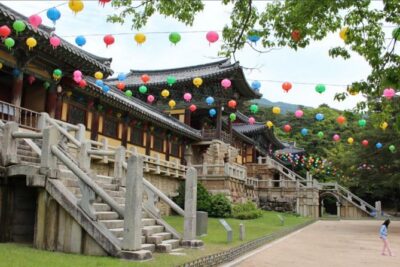
Gyeongju UNESCO World Heritage Sites and History Full-Day Tour with Lunch
Read our review →Browse the lists this tour appears in