
Reviewed · TEMPLE & BUDDHIST HERITAGE
Gyeongju: UNESCO Heritage Tour Including Bulguksa Temple
Ancient Korea comes alive in Gyeongju. This full-day tour links the city’s most important Silla-era sites, from royal burial mounds and an ancient observatory to Bulguksa Temple, Seokguram Grotto, and Wolji Pond. I like the door-to-door transport and the way a live English-speaking guide gives the ruins a human story instead of leaving you to read signs on your own. I also like that lunch, entrance fees, water, and a comfortable air-conditioned van are included.
The main drawback is the pace. Eight hours sounds generous, but Gyeongju’s sights are spread across the city and the Tohamsan mountain area. Traffic, holidays, or a late start can shorten time at the final stop. At $189 per person, this is a practical choice from Busan, but it can feel expensive if you are already staying in Gyeongju and could arrange basic sightseeing yourself.
In This Review
- Key points to know before booking
- Why Gyeongju works so well as a day trip
- Gyochon Village: a quiet first look at old Gyeongju
- Daereungwon Tombs: royal power beneath the grass
- Cheomseongdae: Silla science in a stone tower
- Bulguksa Temple: the day’s central monument
- Seokguram Grotto: a powerful mountain-side visit
- Lunch adds a welcome local pause
- Wolji Pond: finish with reflections and palace history
- Guides and transport shape the experience
- Is $189 a fair price?
- Who should book this Gyeongju tour?
- Final verdict: an efficient first day in Gyeongju
- FAQ
- How long does the Gyeongju UNESCO heritage tour last?
- Where can I be picked up?
- Where does the tour drop me off?
- Is Bulguksa Temple included?
- Is Seokguram Grotto included?
- Is lunch included in the price?
- What language does the guide speak?
- Is this a private tour or a group tour?
- Can I cancel for a full refund?
Key points to know before booking
- Bulguksa and Seokguram come together: You visit Korea’s best-known Buddhist heritage pair, with about one guided hour at each.
- The van saves a lot of time: Hotel pickup and drop-off are available anywhere in Busan or Gyeongju, which matters because the sights are widely scattered.
- Guides make the difference: Sue is praised for warmth, humor, and clear storytelling, while Steve and Jina have also received strong comments for adapting the day to traffic and crowds.
- Lunch is part of the appeal: A traditional meal is included, and bibimbap has been a particular hit with families and couples.
- The schedule is full: You see six major stops plus Gyochon Village, but this is a highlights tour, not a slow archaeological study.
- Holiday crowds can change the rhythm: Korean public holidays may bring heavy traffic and busy temple grounds, though a good guide can adjust the order or walking route.
Why Gyeongju works so well as a day trip
Gyeongju served as the capital of the Silla Dynasty for roughly a millennium. That long stretch of royal rule left the city with tombs, temples, palace remains, Buddhist sculpture, and scientific monuments scattered among ordinary streets and green open spaces.
The nickname museum without walls makes sense once you begin moving around. You are not spending the day inside one grand museum. Instead, you walk through old village lanes, pass rounded royal tombs, stand beside a stone observatory, climb toward a mountain grotto, and finish beside a palace pond.
That spread-out layout is exactly why this tour has value from Busan. Public transport can get you between individual places, but fitting all of them into one day requires planning and good timing. The private or small-group format also gives you a better chance to ask questions and adjust when crowds or traffic cause trouble.
The experience lasts eight hours. Pickup and drop-off can be arranged in Busan or Gyeongju, and the guide travels with you in an air-conditioned van. That is a major comfort in summer, when one guide even prepared iced water for the group, and in autumn holiday periods, when roads around Gyeongju can slow down.
More Historical Tours in Gyeongju
- From Busan: Gyeongju UNESCO World Heritage Guided Day Tour
★ 4.8 · 1,250 reviews - Gyeongju UNESCO World Heritage Guided Day Tour from Busan
★ 5.0 · 660 reviews - Old Korea Thousand History Tour of Gyeongju from Busan
★ 5.0 · 518 reviews
Gyochon Village: a quiet first look at old Gyeongju
Gyochon Traditional Village offers a gentler opening than a major temple or tomb complex. Its hanok houses, tiled roofs, and calm lanes give you a feel for historic Korean architecture and the social world of noble families.
The House of the Gyeongju Choi Clan is the main cultural stop here. It connects the village to the Choi family’s local heritage and craftsmanship. The visit is useful because it shows how history was lived at home, not only displayed in royal monuments.
When available, you may also try Gyeongju Gyodong Beopju, a traditional liquor associated with the area. This is a small detail, but it gives the stop a local flavor that a standard monument checklist can miss.
I would enjoy Gyochon most early in the day, when the village provides a calm contrast to the larger sites ahead. Do not expect a huge open-air attraction with hours of activities. It is a compact heritage area, best appreciated through its architecture, lanes, and the guide’s explanation of the families who lived there.
Daereungwon Tombs: royal power beneath the grass
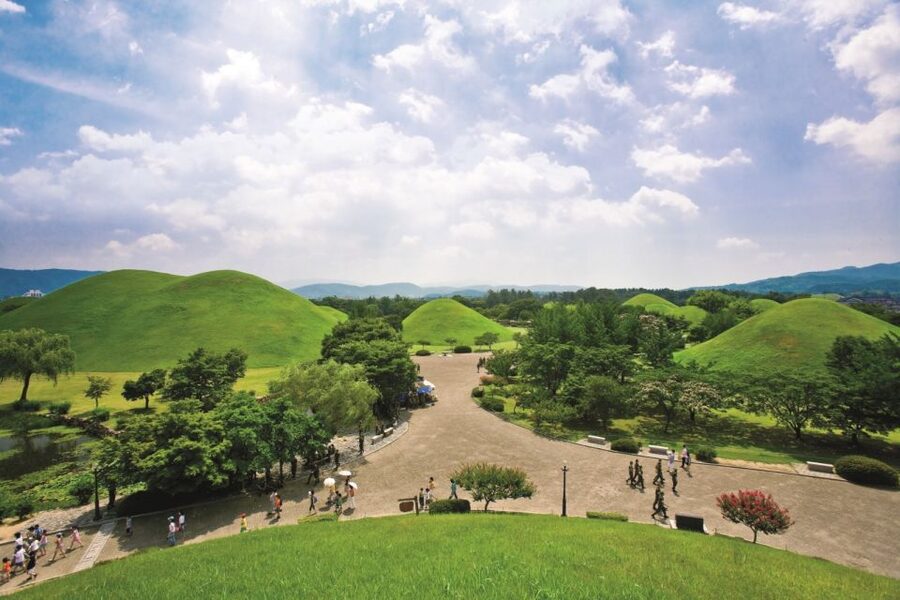
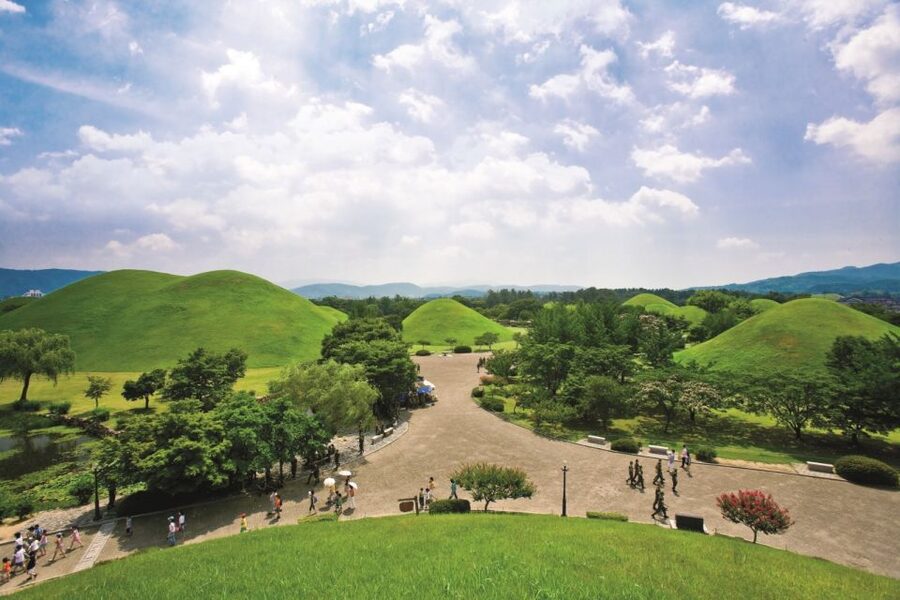
The Daereungwon Tomb Complex is one of Gyeongju’s most memorable places. Large grassy burial mounds rise across the grounds, each one marking the burial traditions of Silla kings and aristocrats.
The shapes are simple at first glance. That is part of their power. Instead of ornate stone mausoleums, the tombs appear as smooth green hills. Your guide can explain what these mounds contained and why their size and construction reflected rank.
Cheonmachong is especially important because an ancient horse painting was found inside. The name means Heavenly Horse Tomb, and the discovery helped reveal the skill and decorative taste of Silla artisans. Hwangnamdaechong, one of the largest tombs, gives you a sense of the wealth and authority held by the royal class.
This stop combines open air, walking, and history without requiring a strenuous climb. It is also a good place for photographs, though the real value comes from understanding that the rounded hills are burial monuments, not natural features.
Plan on about an hour here. If you want to study every sign or spend a long time inside the tomb display, you may wish for more time. On a one-day route, the guide-led visit keeps the story focused.
Cheomseongdae: Silla science in a stone tower
Cheomseongdae is one of Korea’s most recognizable historic structures. Built during the reign of Queen Seondeok, it is regarded as the oldest existing astronomical observatory in Asia.
The tower’s unusual shape and carefully placed stones show that Silla culture was not only about royal ceremony and Buddhist faith. Astronomy mattered for farming, calendars, court decisions, and understanding the heavens. A short, 30-minute visit is enough to see the structure and hear its basic story.
I like this stop because it broadens the day. After royal tombs, you get a reminder that the Silla court also supported scientific work. The site is relatively quick, so the guide’s explanation matters. Without context, you may simply see a small stone tower in a broad field.
The stop can feel brief if you are especially interested in ancient engineering. Still, its short duration helps preserve time for Bulguksa, Seokguram, and Wolji Pond.
More temple visits:
- From Daegu: Gyeongju UNESCO Tour 7 Highlights with Bulguksa
★ 4.6 · 5 reviews - Seoul: Mt Seorak + Naksansa Temple or Nami Island Group Tour
★ 4.7 · 422 reviews - Best Things to Do – Half Day Seoul Trip (Seoul Palace & Temple)
★ 5.0 · 190 reviews - Mount Seorak and Naksansa Temple One Day Tour from Seoul
★ 4.5 · 167 reviews
Bulguksa Temple: the day’s central monument
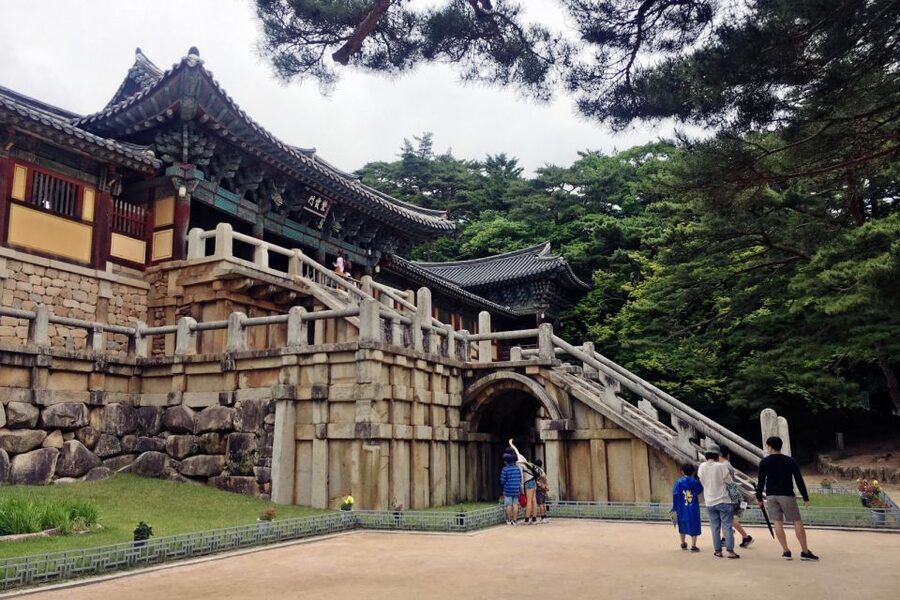
Bulguksa Temple is the heart of the tour for many people. Its UNESCO World Heritage status reflects both its architectural importance and its role in Korean Buddhist culture.
You can expect about an hour with the guide, moving through courtyards and across old stone bridges. The temple’s design brings together stairs, platforms, wooden halls, carved stonework, and quiet spaces that encourage you to slow down.
Look closely at the two famous pagodas. Dabotap has a more elaborate appearance, while Seokgatap is simpler and more restrained. Their contrast is one of the easiest ways to appreciate the care behind Bulguksa’s design.
The temple is beautiful, but it is also active and popular. You may share the courtyards with large numbers of people, particularly during Korean holidays. A guide who knows how to handle crowds can make the visit much easier, especially when explaining where to stand and what details deserve your attention.
An hour gives you a strong introduction, not a complete study. If you are a serious student of Buddhist art, you may want to return independently for a longer visit. For a first look at Gyeongju, the balance is sensible.
Seokguram Grotto: a powerful mountain-side visit
From Bulguksa, the route climbs toward Seokguram Grotto on Tohamsan Mountain. The setting changes quickly, and the mountain location adds to the sense that this was a carefully chosen spiritual site.
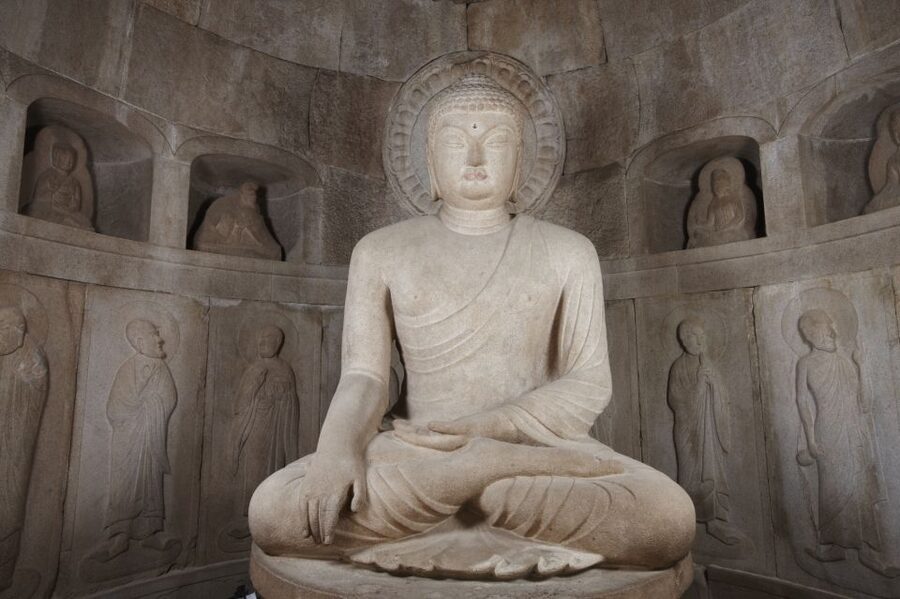
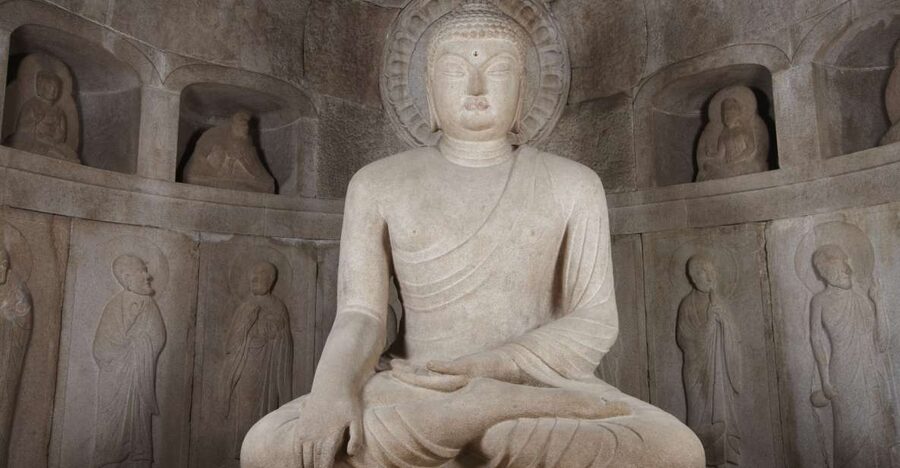
Inside the grotto is a granite Buddha surrounded by carved guardian figures. The statue is the focus, but the engineering matters too. The grotto was built to protect the sculpture while creating a sacred interior space, making it one of Korea’s most important Buddhist works.
The guided visit lasts about an hour. You should expect a more focused experience than at Bulguksa, with the Buddha and carved figures taking center stage. The visit can feel especially powerful if you take a moment to look beyond the basic facts and consider the labor involved in shaping and transporting granite at a time long before modern machinery.
The mountain stop also brings practical benefits. The van removes the need to arrange separate transport up Tohamsan, and the guide helps keep the group together. Local snacks sold by women outside the grotto have also been a fun part of the stop for some groups, though availability can vary.
This is another place where the schedule may feel tight. If Seokguram is your main reason for visiting Gyeongju, consider returning on another day rather than expecting one hour to answer every question.
Lunch adds a welcome local pause
Lunch is included, which makes the $189 price easier to assess. You are not paying only for transport between monuments. The package also covers the meal, entrance fees, a bottle of water, and the guide.
The food has been a real highlight, especially the bibimbap served in Gyeongju. One family was shown how to mix and eat it properly, turning lunch into a small cultural lesson rather than a rushed fuel stop.
Guides may join the meal, which can make the break more social and give you another chance to ask questions. That matters on a small-group tour, where the guide’s personality shapes much of the day.
The exact restaurant and menu are not specified, so I would not book this solely for a particular dish. Still, having lunch arranged removes another decision during a tightly planned day.
Wolji Pond: finish with reflections and palace history
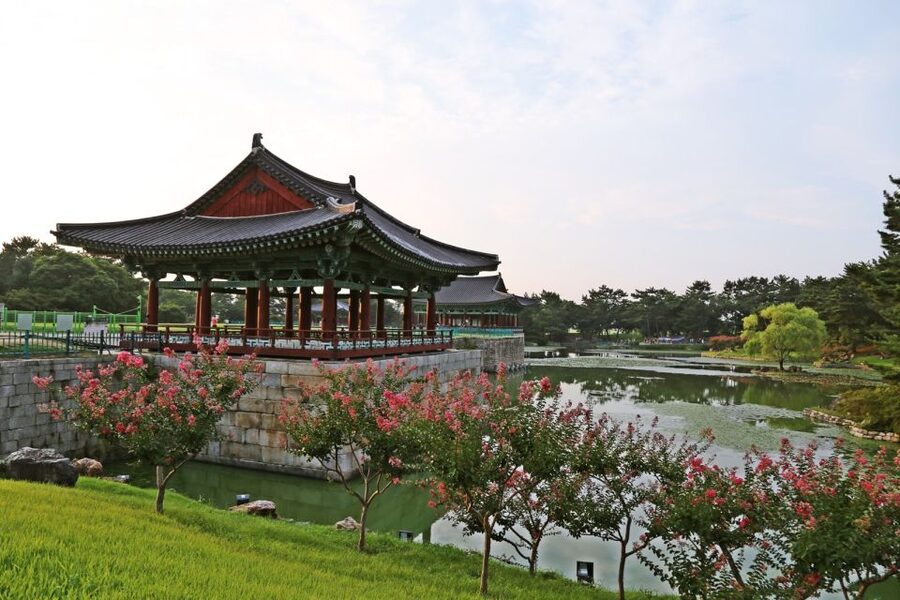
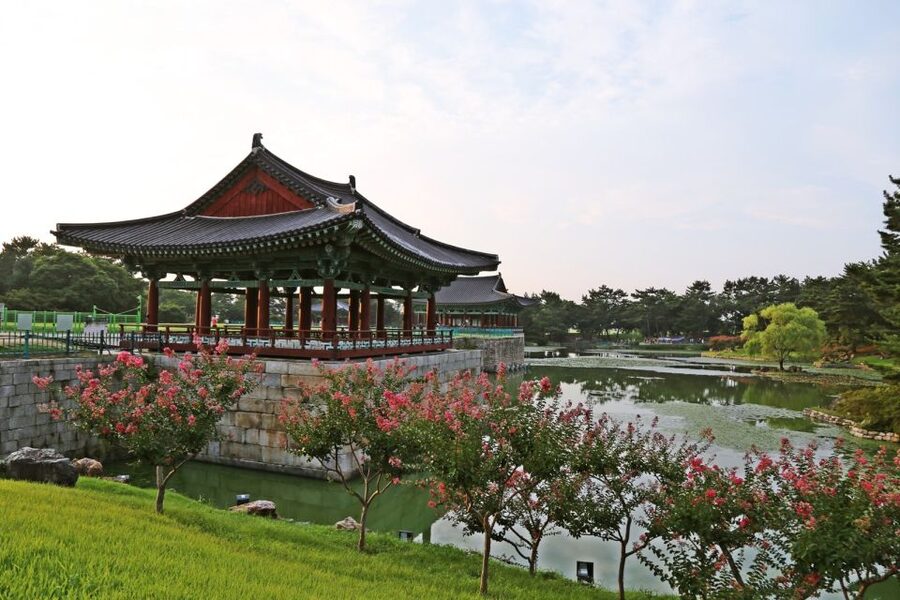
Donggung Palace and Wolji Pond is a graceful final sightseeing stop. The pond formed part of a palace garden built during the reign of King Munmu, and its pavilions, trees, and water create one of Gyeongju’s most attractive views.
The site is especially appealing later in the day, when the buildings and trees reflect in the pond. The mood is different from the solemn tombs and the religious focus of Bulguksa and Seokguram. Here, you get a sense of court life, ceremony, and leisure.
The visit is scheduled for about an hour. If the timing reaches dusk, the reflections can be the visual high point of the day. If traffic or a late start has reduced the schedule, this is one of the places that may receive less time, so ask your guide early about the order and timing.
The tour also includes Cheomseongdae and Gyochon Village, making the full route broad rather than repetitive. You see royal burial customs, science, domestic architecture, Buddhist art, and palace grounds in a single day.
Guides and transport shape the experience
The strongest part of this experience is not only the monuments. It is the way the guide connects them.
Sue receives repeated praise for her humor, care, and clear explanations. She has been described as attentive from pickup through drop-off, and she has kept groups engaged even in hot weather. Steve has also handled crowds and changing traffic well, while Jina has been praised for making the day smooth and explaining Korea’s different dynasties.
Those details matter because Gyeongju’s sites can otherwise feel disconnected. A tomb, temple, observatory, and palace pond are impressive, but the guide helps you understand how they fit into Silla society.
The driver is also important. Joe, sometimes remembered by a slightly different name, has helped with photographs, directions, and group comfort. That extra care can be especially useful for couples or families who want pictures together instead of taking turns behind the camera.
A private or small-group option is available. A small group generally gives you a more personal feel than a large coach tour, while a private booking may suit families or couples with specific interests. The exact group size is not fixed in the information provided, so confirm the option before booking.
Is $189 a fair price?
From Busan, I think the price can be reasonable if you value ease. The tour handles hotel pickup, intercity transport, local driving, guiding, lunch, water, and entrance fees. You also avoid spending your limited vacation time working out connections between widely separated sites.
The value is strongest for a first visit, a short stay, or anyone who does not want to drive in Korea. It is also useful for families, older visitors, and couples who prefer a full day with the practical details arranged.
The value is weaker if you are already based in Gyeongju, have plenty of time, or enjoy planning local buses and visiting sites independently. One price-conscious assessment found a Gyeongju departure much more expensive than a similar Busan tour, so compare the starting point and inclusions carefully.
A good guide can justify part of the cost, especially at Bulguksa, Seokguram, and the tombs. The tour is not the cheapest way to see Gyeongju, but it is one of the simplest ways to cover this much ground in one day.
Who should book this Gyeongju tour?
I would choose this experience if you are staying in Busan and want a serious introduction to Korea’s ancient capital without arranging several separate rides.
It suits:
- First-time visitors with only one day for Gyeongju
- Couples who want comfortable transport and help with photos
- Families who prefer a guide and included lunch
- History fans who want Silla culture explained in plain English
- Visitors who prefer major outdoor sites over long museum visits
I would hesitate if you dislike fixed schedules, want extensive time at each monument, or already know Gyeongju well. Hot summer weather and holiday crowds can also make the day feel demanding, even with air conditioning between stops.
Book with realistic expectations. You will see a great deal, but you will not master every temple carving or archaeological detail in eight hours.
Final verdict: an efficient first day in Gyeongju
I recommend this tour for most first-time visitors coming from Busan. Its best qualities are practical: hotel pickup, a comfortable van, an English-speaking guide, included admissions, and a full route that would be awkward to organize in one day.
The cultural range is just as strong. You move from aristocratic homes to royal tombs, ancient astronomy, Buddhist architecture, a granite Buddha, and a palace garden. That variety gives you a much clearer picture of Silla Korea than visiting Bulguksa alone.
The key question is pace. If you want a relaxed, detailed study of two or three sites, choose a shorter private plan. If you want to see the major pieces of Gyeongju in one well-organized day, the $189 cost buys convenience and a helpful human guide. Sue, Steve, Jina, and the attentive drivers have all helped make that format work well.
FAQ
How long does the Gyeongju UNESCO heritage tour last?
The tour lasts eight hours, including transport between the sites and hotel pickup and drop-off.
Where can I be picked up?
Pickup is available from a hotel or chosen location in Busan or Gyeongju.
Where does the tour drop me off?
Drop-off is available in Busan or Gyeongju.
Is Bulguksa Temple included?
Yes. The tour includes a guided visit of about one hour at Bulguksa Temple.
Is Seokguram Grotto included?
Yes. You spend about one guided hour at Seokguram Grotto on Tohamsan Mountain.
Is lunch included in the price?
Yes. Lunch is included, along with a bottle of water and all entrance fees.
What language does the guide speak?
The live tour guide speaks English.
Is this a private tour or a group tour?
Private and small-group options are available. Confirm the preferred format when booking.
Can I cancel for a full refund?
You can cancel up to 24 hours in advance for a full refund. Reserve-now, pay-later booking is also available.
More Gyeongju Trips
- Busan: Gyeongju Guided Day Trip to Three Kingdoms Capital
★ 4.8 · 1,925 reviews - Gyeongju UNESCO sites Private tour with licensed tour guide
★ 5.0 · 275 reviews - Private Gyeongju Tour – Explore Gyeongju UNESCO Sites
★ 5.0 · 272 reviews - Busan: Gyeongju UNESCO Legacy Tour with National Museum
★ 5.0 · 172 reviews
More Historical Tours
- Gyeongju UNESCO World Heritage Sites and History Full-Day Tour with Lunch
★ 5.0 · 104 reviews - Full day Private Gyeongju UNESCO Heritage Tour : a glimpse into Silla
★ 5.0 · 60 reviews - From Busan: Echoes of Silla Gyeongju Historical Day Tour
★ 4.8 · 55 reviews - Gyeongju Historic Areas Day Tour with Sky Capsule from Busan
★ 5.0 · 18 reviews
Just added around Gyeongju
- 7 Day Essential Korea Tour(Seoul, Nami, DMZ, Andong, Gyeongju, Busan_Meal Incl.)★ 5.0 · 3 reviews
- Korean UNESCO World Heritage Tour including Gyeongju, Andong and Daegu(2N3D)★ 5.0 · 3 reviews
- From Busan: Gyeongju Small Group Photo Tour & Hotel Pick-up★ 5.0 · 3 reviews
- Full Day Busan and Gyeongju Guided Tour★ 5.0 · 4 reviews
- Gyeongju private tour with an official tour guide (Unesco)★ 4.5 · 4 reviews
- UNESCO Listed Historic Sites in Gyeongju National Park★ 5.0 · 5 reviews
- Full Day Private car tour to UNESCO Gyeongju&Yangdong village★ 5.0 · 5 reviews
- From Daegu: Gyeongju UNESCO Tour 7 Highlights with Bulguksa★ 4.6 · 5 reviews
Temple & Buddhist Heritage, compared.
Mt Seorak + Naksansa Temple or Nami Island Group Tour
Read our review →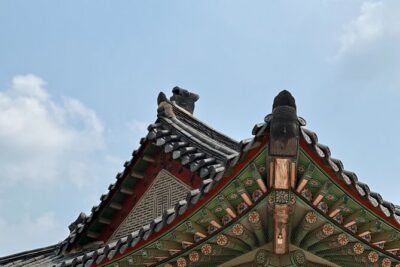
Best Things to Do – Half Day Seoul Trip (Seoul Palace & Temple)
Read our review →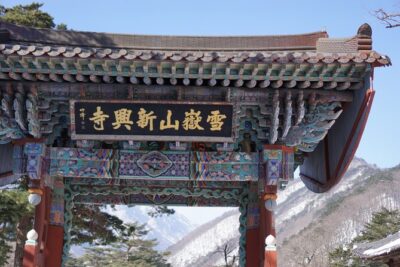
Mount Seorak and Naksansa Temple One Day Tour from Seoul
Read our review →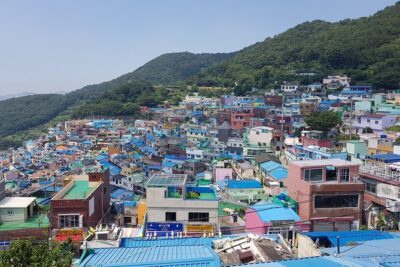
Busan Tour: Gamcheon Village & Haedong Yonggungsa Temple + Lunch
Read our review →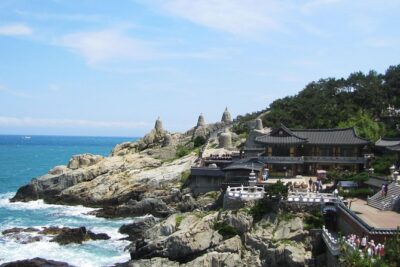
Full Day Busan Tour Including Haedong Yonggungsa Temple
Read our review →
Private Busan tour with gamcheon culture village and the temple (Customizable)
Read our review →
Day Tour of Suwon Hwaseong Fortress Starfield Waujeongsa Temple
Read our review →
Half day Morning Seoul City Tour(Temple & Gyeongbok Palace)
Read our review →Browse the lists this tour appears in