
Reviewed · DMZ & BORDER TOURS
DMZ Tour for Sokcho Cruise Travelers in South Korea
The border feels closer from Sokcho. This six-hour excursion gives you a practical way to visit the Goseong Unification Observatory while your cruise ship is in port, avoiding the long trip to the better-known Seoul route. I like the small-group feel, with a maximum of 30 people, and I like that guide Chan keeps in touch before arrival and works around cruise schedules.
The tour also adds real local color through a meal in Hyeonnae-myeon, an area that was once North Korean territory. The main drawback is that the experience depends on good weather and a minimum group size, and the observatory view can lose some of its impact in heavy rain or poor visibility.
In This Review
- Key points to know before booking
- Why Sokcho is a smart starting point for the DMZ
- Starting from the Sokcho cruise terminal
- Goseong Unification Observatory: the emotional center
- The DMZ Museum explains what the border protects
- Hyeonnae-myeon and a meal with historical meaning
- Chan’s guiding style and the level of care
- Is the $106.18 price good value?
- Weather, group size, and other practical points
- Who should book this Sokcho DMZ tour?
- Should you book it?
- FAQ
- How long does the Sokcho DMZ tour last?
- Where does the tour start?
- What sites are included?
- Is admission included?
- Is lunch included?
- How many people can join?
- Can I cancel for a full refund?
- What happens if bad weather cancels the tour?
Key points to know before booking
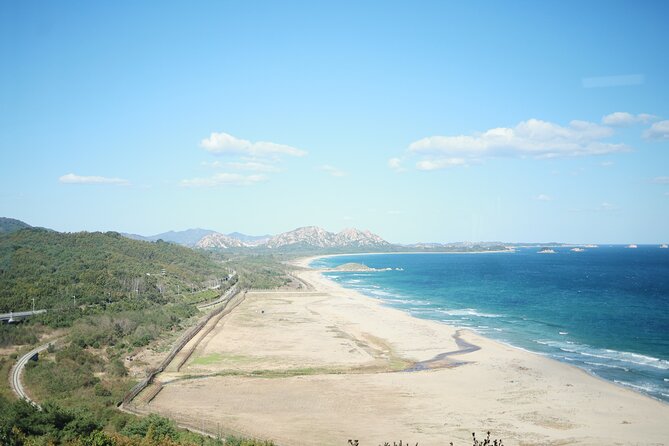
- Goseong offers a different DMZ experience: You visit the eastern edge of the Demilitarized Zone from Sokcho rather than joining the crowded Seoul-area route.
- Chan is the central strength: He provides pre-tour communication, thoughtful explanations, bottled water, photos, and help with practical details such as currency exchange.
- The tour is designed for cruise timing: Pickup is offered from the Sokcho area, and the schedule is built around getting you back to the ship.
- The history is presented through several angles: You see a Korean War exhibition, the actual border area, North Korean territory from the observatory, and the DMZ Museum.
- Lunch adds a local connection: Hyeonnae-myeon offers genuine North Korean cuisine in a former North Korean area, rather than a standard port meal.
- Weather matters: Fog, rain, or other poor conditions can affect the view and may lead to a date change or full refund.
Why Sokcho is a smart starting point for the DMZ

Most international visitors first hear about the DMZ in connection with Seoul. That route is well known, but it can also be crowded and complicated, especially when your time in South Korea is limited to a single cruise stop.
From Sokcho, you can reach the eastern DMZ area by road. The drive to the border zone is about 50 kilometers, giving you a look at more of Gangwon Province along the way. This is not simply a quick photo stop beside a famous sign. You spend time at an observatory, a museum, and a local dining area tied directly to the division of Korea.
I find that combination especially useful. The DMZ is not only a military boundary. It is also a place shaped by families separated by war, communities that changed hands, and a long-running hope for reunification. The eastern route gives you several ways to understand that story in one half-day.
The tour lasts about six hours. That is long enough for the main sights without taking over your entire port day. It is still important to keep an eye on the clock, since border visits, road conditions, and cruise departure times leave less room for delay than a normal city tour.
More DMZ and border tours:
- Private DMZ Tour from Sokcho near Seoraksan Mt.
★ 5.0 · 35 reviews - Missionary Memorial Hall and Goseong DMZ Observatory from sokcho
★ 5.0 · 8 reviews - Seoul: Seorak Mountain, East DMZ, and Sokcho Tour
★ 5.0 · 3 reviews
Starting from the Sokcho cruise terminal
Pickup is offered in the Sokcho area, with the stated start point in Cheongho-dong, Sokcho-si. For cruise passengers, the practical advantage is clear: you do not have to figure out a complicated independent route from the ship to the DMZ.
Chan’s communication is one of the strongest parts of the service. He contacts the group before arrival and explains where to meet. This matters in a port setting, where passengers may have limited phone service, changing disembarkation times, or several possible pickup areas.
The transportation has also received repeated praise. The vehicle used for the trip has been described as a clean, spacious luxury minibus with generous legroom. A professional driver handles the road while Chan focuses on guiding and answering questions.
That arrangement is more important than it may sound. The DMZ is not a walk-up attraction in central Sokcho. You need transport, timing, and someone who understands the route. A comfortable vehicle also makes the roughly 50-kilometer drive easier, especially if you have already spent time at sea or plan to continue sightseeing after the tour.
Chan has dealt calmly with changes, including a cruise ship arriving late because of high winds and a day of very heavy rain. He also keeps the group informed when news reports create concern about conditions near the border. Still, you should remember that no guide can control ship delays, road traffic, military access, or the weather.
Goseong Unification Observatory: the emotional center
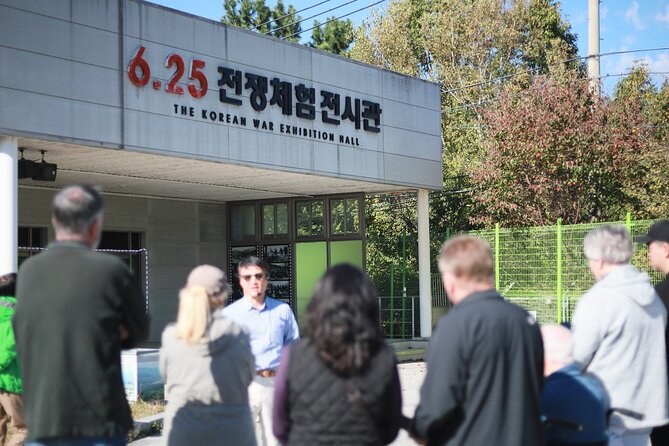
The first main stop is the Goseong Unification Observatory, where you spend about two hours. Admission is included.
The visit begins with a Korean War exhibition. This provides the needed background before you look toward the border. The war was not presented as an abstract event from a textbook. The exhibition helps show how frightening the conflict was and how its effects continued long after the fighting stopped.
Chan’s role is valuable here. He explains the war, the DMZ, and the people affected by the division in clear, personal terms. His guiding style is described as calm and thoughtful, with time for questions rather than a rushed list of dates.
After the exhibition, you move to the observatory. From here, you can view the DMZ and actual North Korean territory. That physical sightline is the moment many people come for, but it works best after the museum material has given it meaning.
Keep your expectations realistic. This is an observation point, not a place where you freely cross into a military zone or wander through rural North Korea. Visibility may be affected by rain or other bad weather. On a clear day, the view gives you a direct sense of how close the two Koreas are. On a wet or hazy day, the historical explanation becomes even more important.
The observatory is also a place for respectful attention. This is not a theme park border photo opportunity. The area represents an unresolved war and separated families. Chan’s explanations focus on that human cost, including the continuing sadness of families divided by the border.
The DMZ Museum explains what the border protects
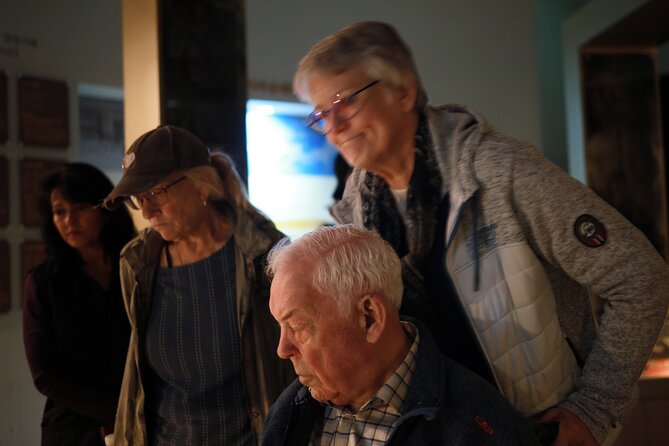
The second stop is the DMZ Museum, with about one hour inside and admission included.
The museum explains the DMZ itself and why it has become a symbol of the last divided nation in the world. It also addresses the unusual natural conditions created by decades of restricted human access. The absence of ordinary development has allowed an important ecosystem to grow in the zone.
That contrast gives the museum real interest. The DMZ is both a heavily guarded political boundary and an area where nature has had room to recover. You are looking at a place formed by conflict, but also at a place where life continued in unexpected ways.
One memorable museum image described by Chan involves wildflowers growing through a broken iron helmet. It is a small detail, but it captures the tone of the visit: the war left damage, yet human hope and natural life continue.
I would allow time to listen carefully here rather than treating the museum as a filler stop. The observatory shows you the border. The museum helps explain the forces behind it. Together, the two stops create a much fuller picture than either one could provide alone.
The one-hour visit is fairly short, so you may need to keep moving. If you prefer to read every display in detail, you might find the time limited. The benefit is that the schedule remains manageable for a cruise excursion.
More Seoraksan and Sokcho trips:
- Mt. Seorak+Nami Island+Garden of Morning Calm Day Trip from Seoul
★ 5.0 · 959 reviews - Seoul: Mt.Seorak, Nami Island & Korean Garden, No Shopping
★ 4.8 · 614 reviews - Seoul: Mt Seorak + Naksansa Temple or Nami Island Group Tour
★ 4.7 · 422 reviews - Full-Day Tour in Mt. Seorak & Nami (+Rail Bike Option)
★ 5.0 · 186 reviews
Hyeonnae-myeon and a meal with historical meaning
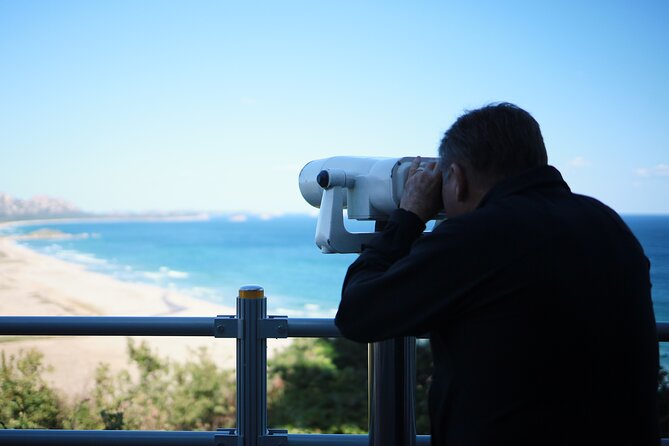
The final stop is Hyeonnae-myeon, where you spend about an hour. The area was part of North Korea before the Korean War, adding another layer to a day already shaped by the division of the peninsula.
Here you can enjoy genuine North Korean cuisine. The meal is a welcome change from the usual cruise-port routine and gives you a chance to experience food connected to the region rather than simply eating at a generic restaurant near the terminal.
The exact menu is not specified, so you should not book expecting a particular dish. What you can expect is a local meal that forms part of the tour experience. Several visitors especially appreciated that unexpected food stop, and Chan takes care to arrange it for the group.
I like this part of the itinerary because it connects history with ordinary life. A border story can become too abstract if it remains only inside museums. Sitting down for food in an area tied to the prewar division offers a small but meaningful reminder that these were once normal communities, not just lines on a map.
The meal is also practical. A six-hour excursion needs a food break, and lunch gives the group time to rest before returning to Sokcho. If you have dietary restrictions, the available information does not specify accommodations, so you should ask Chan before booking.
Chan’s guiding style and the level of care
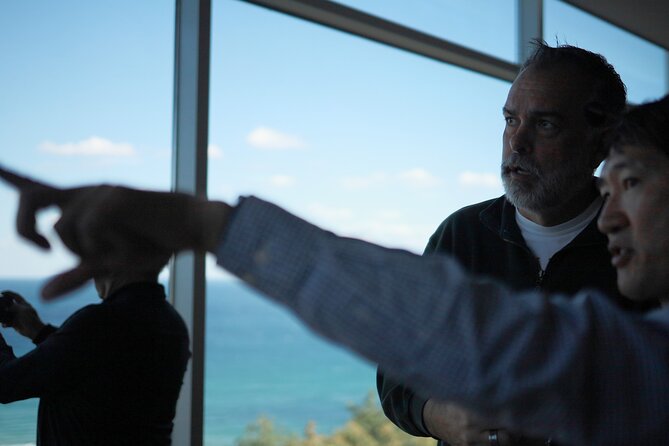
Chan is the main reason this tour feels personal rather than mechanical. He is praised for prompt WhatsApp communication, punctuality, calm problem-solving, and careful attention to the group.
He also handles useful small details. Bottled water is provided, photos may be taken and sent afterward, and he has helped passengers exchange money when they needed a few Korean won. These touches are especially helpful on a short cruise stop, when you may not have time to solve small problems yourself.
His explanations focus on Korean history, the war, the people affected by separation, and the hope for reunification. He answers questions thoughtfully and does not appear to rely only on a memorized script.
The driver is another important part of the experience. The driving has been described as safe and competent, and the minibus offers enough room to make the road journey comfortable. Since the tour includes a border area and a strict return to the ship, steady driving and good time management matter.
No guide can promise that every cruise-day complication will disappear. A late docking, heavy rain, or a sudden change in border conditions can still affect the outing. The useful point is that Chan has shown a willingness to adjust and communicate rather than leave passengers guessing.
Is the $106.18 price good value?
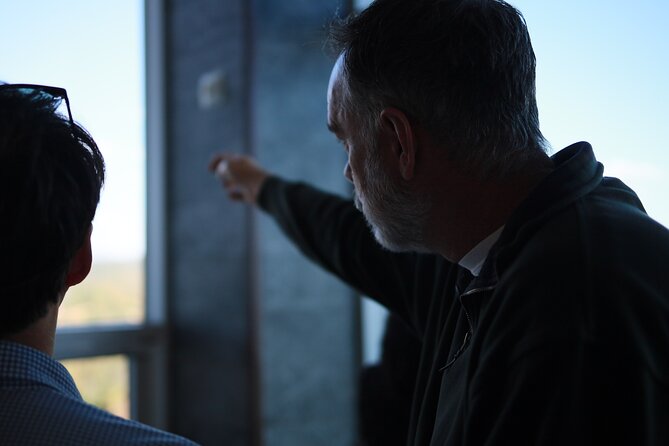
At $106.18 per person, this is not the cheapest way to spend a port day. It is also more than a simple transfer, and that is the right comparison to make.
Your price includes transportation from the Sokcho area, an English-speaking guide, admission to the Goseong Unification Observatory, admission to the DMZ Museum, and the organized visit to Hyeonnae-myeon. You are paying for a coordinated route that would be difficult to arrange independently during a single cruise stop.
The vehicle, driver, advance communication, and cruise-aware timing add further value. Chan may also provide bottled water, photos, and practical assistance such as currency exchange. The meal is described as part of the experience, but the supplied details do not clearly state whether lunch is included in the listed price, so confirm that before you pay.
The tour is often booked far ahead, with an average booking lead time of 186 days. That suggests cruise passengers tend to plan this outing well before sailing. If the DMZ is a priority, I would not leave it until the last minute, particularly if your ship has only one Sokcho call.
The best value comes if you care about context and convenience. If you only want a quick border photo, the price may feel high. If you want transport, historical explanation, a museum, an observatory, and local food in one organized half-day, the cost is easier to justify.
Weather, group size, and other practical points
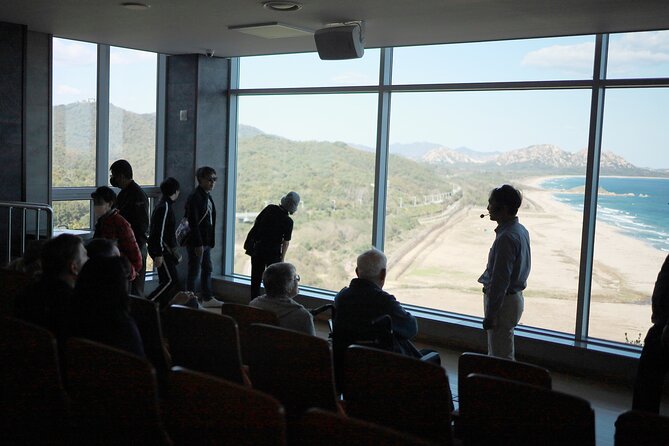
The tour accepts a maximum of 30 people. That is not an intimate private tour by definition, though the actual vehicle and group arrangement may feel smaller on some dates. If you want complete control over stops and timing, ask about the group setup before booking.
The activity requires good weather. If poor conditions cause cancellation, you are offered another date or a full refund. The same applies if the minimum number of participants is not reached.
Free cancellation is available up to 24 hours before the start time. Cancellation or changes inside that 24-hour window are not accepted for a refund. Cutoff times follow local South Korean time.
Confirmation is provided when you book. Service animals are allowed, and most people can participate. The available information does not provide detailed mobility guidance for the observatory, museum, vehicle, or border facilities, so contact the provider if you need specific assistance.
Because you are visiting a sensitive military area, follow the guide’s directions. Access and viewing conditions can be controlled locally. The tour description promises views of the DMZ and North Korean territory, not unrestricted photography or guaranteed visibility.
Who should book this Sokcho DMZ tour?
I would recommend it most strongly to cruise passengers who want to understand modern Korean history beyond the usual city highlights. It suits people who appreciate a guide’s explanation, a carefully managed schedule, and a direct link between historical sites and local life.
It is also a good choice if you have already seen Sokcho’s more familiar sights or if the DMZ is the main reason you want to use your port day well. Families and older visitors may appreciate the comfortable vehicle, clear communication, and assistance from Chan.
You may want to skip it if you dislike long road transfers, have no interest in war history, or need a flexible schedule with lots of independent wandering. Poor weather can also reduce the observatory experience, even though the museum and guide commentary still provide substance.
Should you book it?
Book this tour if the DMZ is high on your South Korea list and you are sailing from Sokcho. The eastern route offers a less complicated alternative to the Seoul approach, while Chan adds the personal care that cruise passengers need.
The strongest reasons to choose it are the observatory, the DMZ Museum, the former North Korean area of Hyeonnae-myeon, and the careful return-to-ship planning. Before booking, confirm your pickup point, lunch arrangements, and how the schedule fits your ship’s arrival and departure times.
This is a serious, thoughtful excursion rather than a quick border photo stop. For the right visitor, it can turn one short day in port into a meaningful look at Korea’s divided past and uncertain future.
FAQ
How long does the Sokcho DMZ tour last?
The tour lasts approximately six hours.
Where does the tour start?
The stated starting point is Cheongho-dong, Sokcho-si, Gangwon-do, South Korea. Pickup is offered for cruise passengers in the Sokcho area.
What sites are included?
The itinerary includes Goseong Unification Observatory, the DMZ Museum, and Hyeonnae-myeon.
Is admission included?
Admission to Goseong Unification Observatory and the DMZ Museum is included.
Is lunch included?
The tour includes time to enjoy genuine North Korean cuisine in Hyeonnae-myeon, but the available information does not clearly confirm whether the meal cost is included in the listed price. Confirm this with the provider.
How many people can join?
The tour has a maximum group size of 30 people.
Can I cancel for a full refund?
You can cancel at least 24 hours before the experience start time for a full refund. Cancellations or changes made less than 24 hours before the start time are not accepted for a refund.
What happens if bad weather cancels the tour?
If poor weather causes cancellation, you are offered a different date or a full refund. If the minimum number of participants is not met, you are also offered another date, a different experience, or a full refund.
More Boat Trips
- DMZ Tour: 3rd Tunnel, Option(Suspension Bridge, Boat) from Seoul
★ 5.0 · 21,373 reviews - Busan: Night Viewpoints with Evening Cruise w/ Fireworks
★ 4.6 · 183 reviews - Busan Cruise Port – Premium Small Group Tour (Max 6 Guests)
★ 5.0 · 173 reviews - Busan Night Tour with Cruise & Fireworks Show
★ 4.5 · 127 reviews
Just added around Seoraksan
- Seoraksan National Park & Nami Island★ 4.5 · 3 reviews
- Seoul: Seorak Mountain, East DMZ, and Sokcho Tour★ 5.0 · 3 reviews
- Seoul: Mt. Seorak & Nami Island & Eobi Ice Valley Day Tour★ 3.8 · 3 reviews
- Seoraksan and Cherry Blossom Lake 1 day trip from Seoul★ 5.0 · 4 reviews
- Seoul: Seorak Mountain+Nami Island+Eobi Ice Valley Tour★ 5.0 · 5 reviews
- Seoul: Sokcho beach, market, hot spring and Seorak Cable Car★ 4.8 · 5 reviews
- From Seoul: Seoraksan Mountain with Cable Car- Shuttle Bus★ 3.2 · 6 reviews
- Mt.Seorak & Naksan Temple Day Trip from Seoul★ 5.0 · 6 reviews
DMZ & Border Tours, compared.

Best DMZ Tour Korea from Seoul (Red Suspension Bridge Optional)
Read our review →
DMZ Tour: 3rd Tunnel, Option(Suspension Bridge, Boat) from Seoul
Read our review →
DMZ tour south Korea from Seoul (NK experience hall, defector)
Read our review →
DMZ Insider Tour: 3rd Tunnel, NK Defector Meet & Red Bridge
Read our review →

Signature DMZ Tour: Exclusive Defector Talk & Suspension Bridge
Read our review →
Thrilling Korean DMZ 3rd Tunnel Tour from Seoul + Red Bridge Rush
Read our review →DMZ Past and Present: Korean Demilitarized Zone Tour from Seoul
Read our review →Browse the lists this tour appears in