
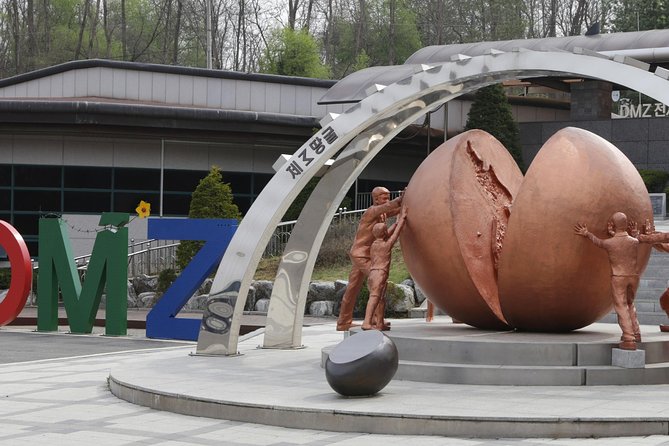
Reviewed · DMZ & BORDER TOURS
Private DMZ Tour From Seoul
The border tells Korea’s story plainly. This private DMZ trip combines door-to-door transport with a personal guide who can explain the Korean War, the divided peninsula, and the uneasy peace along the border. I especially like the chance to visit Freedom Bridge and the Third Tunnel, two places that give the day real historical weight. The main catch is that the tour is not fully private inside the DMZ, where you may join an official group bus.
You pay $220 per person for roughly six to seven hours, including admission fees, a guide, and round-trip transportation from Seoul. That is a serious price, but the private car, flexible conversation, and help with a busy DMZ entry system can make it good value, especially for families or small groups.
In This Review
- Key points to know before booking
- Why a private DMZ tour can be worth the price
- Imjingak Peace Park and the road to the border
- Dora Observatory and the view toward North Korea
- The Third Tunnel requires real effort
- Dorasan Station and Unification Village
- The guide is the heart of the experience
- Timing, waiting, and unexpected closures
- What to bring and how to prepare
- Who should book this private DMZ experience?
- Should you book it?
- FAQ
- How long does the private DMZ tour take?
- What is included in the price?
- Is lunch included?
- Do I need my passport?
- What personal information is needed for the reservation?
- Is the entire tour private?
- Is the Third Tunnel physically difficult?
- What happens if the DMZ is closed?
Key points to know before booking
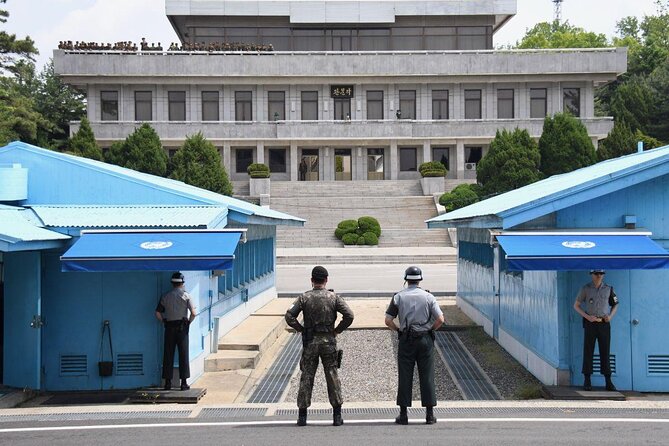
- Freedom Bridge and its bullet-marked locomotive offer a direct connection to the Korean War.
- Dora Observatory provides views toward North Korea, though fog or poor visibility can block the scene.
- The Third Tunnel requires a strenuous walk, especially on the way back uphill.
- Your guide can make or break the day, with guides such as Moonhak Song, JK, Mr. Kim, and Moon receiving especially warm praise for clear explanations and careful service.
- The private part mainly covers Seoul to Paju, since official buses may carry visitors inside the DMZ.
- A passport and personal reservation details are required, including nationality, gender, given name, surname, and date of birth.
Why a private DMZ tour can be worth the price
A visit to the Korean Demilitarized Zone is not an ordinary sightseeing trip. Access is controlled, schedules can shift, and the area carries serious political and human meaning. You are not simply looking at a line on a map. You are visiting a place shaped by war, separation, military caution, and decades of unresolved tension.
The private format helps before you even reach the border. A driver collects you at your hotel and returns you there after the visit, so you avoid working out the route to Paju on your own. That matters because the day already includes several transfers, security procedures, and timed stops.
I also like the one-on-one format for questions. Guides such as Moonhak Song and JK are praised for explaining both the Korean War and present-day relations between North and South Korea. Song is also noted for discussing Korean culture, geography, and social issues, not just reciting dates.
The word private needs a little explanation. Your vehicle and guide are private for the Seoul to Paju portion, but inside the DMZ you may be placed on a certified bus with other people. One booking group described this clearly: the personal car service is private, while entry into the restricted zone follows the official system.
At $220 per person, the value depends heavily on group size. For one or two people, it is expensive. For a family or small group, the cost buys convenience, direct transport, and a guide focused on your questions. Group discounts are offered, which may make the numbers easier for larger parties.
More Private Tours in Seoul
- Private DMZ Tour (No Shopping): 3rd Tunnel & Suspension Bridge
★ 5.0 · 607 reviews - Seoul City Private Full-Day Tour Including Lunch
★ 5.0 · 469 reviews - Private DMZ the 3rd Tunnel Tour from Seoul (optional Red Bridge)
★ 5.0 · 429 reviews
Imjingak Peace Park and the road to the border
The first major stop is Imjingak Pyeonghoa-Nuri Park, usually visited for about 90 minutes. This is the public gateway to the DMZ and a useful place to begin because it introduces the human cost of division before you reach the more controlled military zone.
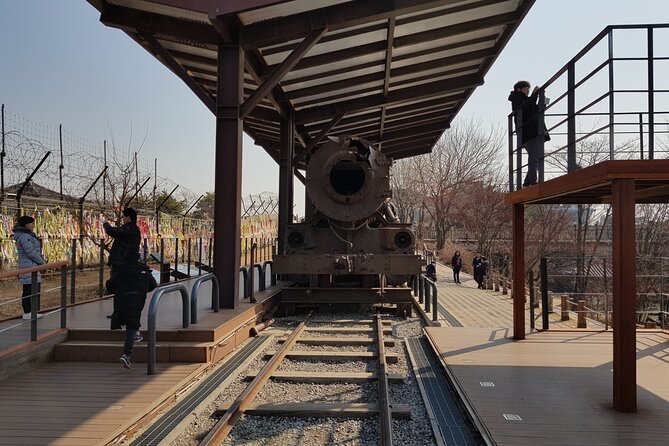
Freedom Bridge is the emotional center of this stop. Thousands of prisoners of war crossed here after the Korean War, returning from North Korea. Your guide can put the bridge into context, helping you see it as more than a photo stop.
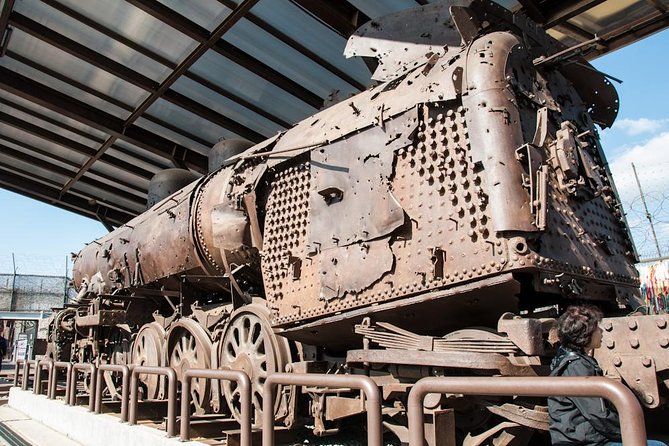
Nearby is a locomotive scarred by thousands of bullet holes. It is a stark object, and the damage makes the war feel physical. I find this kind of evidence more affecting than a long display of dates because you can see what the fighting did to an ordinary machine.
Imjingak also gives you time to settle into the day. You can ask your guide about the armistice, the division of Korea, and the practical difference between the public park and the controlled DMZ area. Strong guides use this first stop to prepare you for what comes next.
The park may also be where you eat later. Lunch is not included, and after returning from the DMZ you can either have lunch there or go directly back to your hotel. That choice is useful if you have a late afternoon plan, though the exact timing can change if the DMZ is busy.
Dora Observatory and the view toward North Korea
The tour then enters the DMZ section, which takes about three hours in total. One scheduled stop is Dora Observatory, where you have about 40 minutes to look toward North Korea.
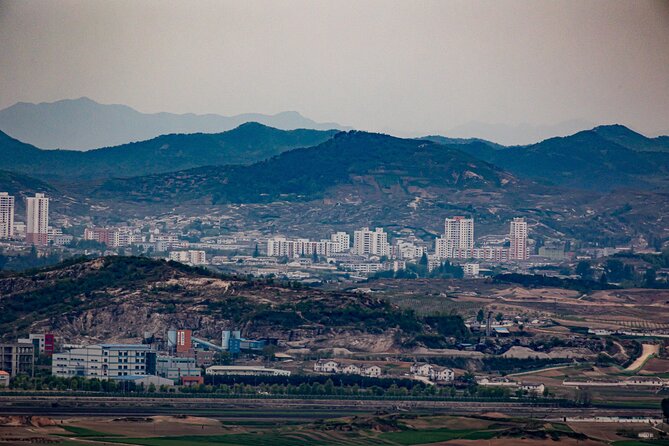
This is often the moment people anticipate most. From the viewing area, you may see North Korean territory, a city, guard posts, or people on the other side. The view is not guaranteed, however. Fog has prevented visitors from seeing North Korea even when the rest of the tour ran perfectly.
That uncertainty is part of the experience. You are visiting a border area, not a stage-managed attraction. Clear weather can give you a striking view, but haze or fog may leave you looking at a pale outline or nothing useful at all. I would treat the observatory as an important stop, not the only reason to book the tour.
Allow time for photographs, but listen closely to instructions. One visitor felt that the guide could have allowed more photo time, while other accounts praise guides for keeping the schedule moving without making the day feel rushed. The balance can be difficult because the tour follows access rules and a fixed timetable.
A good guide adds much more than a pointing finger. The best part is having someone explain what you are seeing, why certain areas are restricted, and how the border functions. On a clear day, that context turns a distant view into something easier to understand.
The Third Tunnel requires real effort
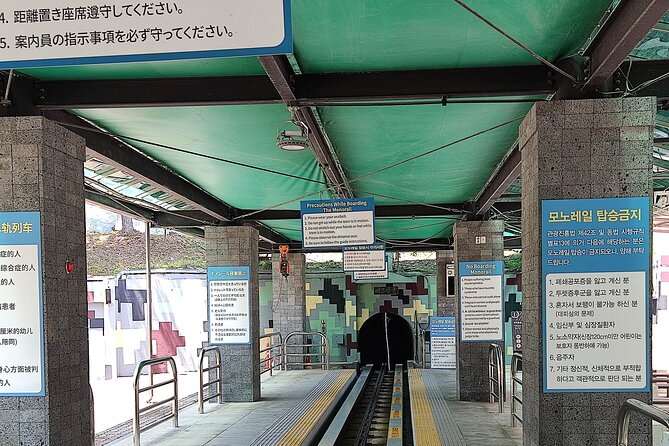
The Third Tunnel of Aggression is the most physically demanding part of the visit. North Korean forces dug the tunnel under the border during the Cold War, apparently as a route for infiltration. The tunnel is a rare chance to enter a structure directly linked to the military history of the peninsula.
You walk down into the tunnel and then back up again. That return climb can be strenuous, and a moderate level of physical fitness is required. The tunnel section lasts about 60 minutes, though the surrounding DMZ visit is longer.
The physical effort is not a minor footnote. The passage makes the situation feel real in a way that a museum panel cannot. One person described the walk as strenuous, but also said that the effort made the tunnel’s purpose more vivid.
Wear practical shoes and be honest about your stamina. The tour information does not promise an easy route, and the Third Tunnel is not the place to test brand-new footwear or a shaky knee. If someone in your group may struggle, ask the guide what alternatives are available before entering.
The tunnel can also be busy. One group faced a two-hour wait before entering the DMZ, and other parts of the schedule may shift when access is crowded. This is why I would not book the experience on a day when you have a tight, nonrefundable evening commitment.
More DMZ and border tours:
- Best DMZ Tour Korea from Seoul (Red Suspension Bridge Optional)
★ 5.0 · 41,422 reviews - DMZ Tour: 3rd Tunnel, Option(Suspension Bridge, Boat) from Seoul
★ 5.0 · 21,373 reviews - DMZ tour south Korea from Seoul (NK experience hall, defector)
★ 5.0 · 20,599 reviews - Seoul: DMZ Tour with Optional Suspension Bridge
★ 4.8 · 5,277 reviews
Dorasan Station and Unification Village
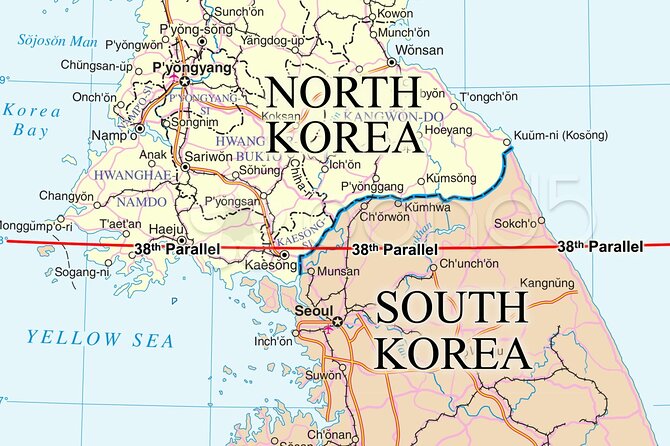
The itinerary also includes Dorasan Station and Unification Village. These stops add a wider view of the division, beyond military fences and observation points.
Dorasan Station is associated with hopes of future connection between North and South Korea. Its presence is powerful because a railway station suggests movement, trade, and ordinary contact, while the border nearby remains heavily controlled. Your guide’s explanation is especially useful here, since the meaning of the station is political as well as practical.
Unification Village offers another angle on life near the border. The visit helps show that the DMZ is not only a military strip viewed by visitors. Nearby communities live with the restrictions and unusual conditions created by the border.
The supplied schedule gives less exact time for these two stops than for Dora Observatory and the Third Tunnel. The amount of time you spend at each may depend on the day’s access arrangements. If you care about photography or want extra time at one location, mention that early to your guide.
Some guides also add a related site when the schedule permits. One group was taken to a museum about abducted people, an unexpected stop that provided useful context about the human issues surrounding North and South Korea. This should not be treated as guaranteed, but it shows the value of asking your guide what can fit into the day.
The guide is the heart of the experience
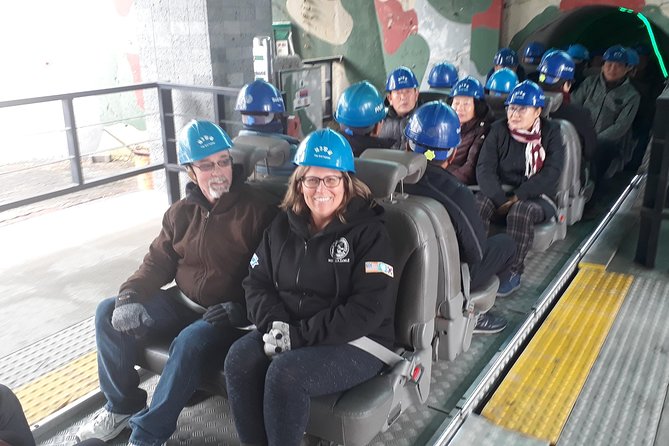
The vehicle gets you there, but the guide determines how much you take away. The strongest guide experiences involve clear English, careful driving, punctual pickup, and a willingness to answer questions rather than rush through a script.
Moonhak Song receives especially strong praise for his English, historical knowledge, friendly manner, and careful driving. Families appreciated his ability to keep children interested, and one group said he explained history, geography, and social life in a way that made the day enjoyable for everyone.
JK is also praised for working hard to secure DMZ tickets during a very busy period. Mr. Kim is described as kind, flexible, and quick to suggest alternatives when parts of the route were unavailable. Moon is praised for humor, timing, and a relaxed pace.
English ability can vary by guide. One disappointing experience involved pronunciation that was difficult to understand, which made the explanations less useful. This is not a reason to reject the tour, but it is a fair consideration when you are paying for personal interpretation. If a particular guide is available, requesting that person may be worthwhile, though assignment cannot be guaranteed from the information provided.
The private format lets you shape the conversation. You can focus on military history, modern politics, Korean family separation, the lives of people near the border, or basic geography. That flexibility is where the extra cost has the most value.
Timing, waiting, and unexpected closures
The advertised length is six to seven hours, but the day is not perfectly fixed. The scheduled stops add up to about five and a half hours, before allowing for driving, entry procedures, and possible waits.
DMZ access can be delayed by crowds or changed by circumstances beyond the operator’s control. One group waited two hours before entering, while another had its visit altered after a rare power outage at the Third Tunnel facility. In another case, the DMZ closed entirely on the planned date and the guide arranged an alternative tour.
This is important practical advice: keep your schedule flexible. The tour may run smoothly, but border access is more complicated than a normal city attraction. Guides have helped groups find alternatives, arrange airport transfers, and adjust plans, but no private operator can control every closure or security decision.
If you have a flight later that day, tell the operator in advance. One group received help arranging a taxi for a member who needed to go directly to the airport. That kind of assistance can be valuable, but you should not assume every tight connection will work.
What to bring and how to prepare
You must bring a current, valid passport on the day of the tour. Personal details are needed for the DMZ ticket reservation, including each person’s nationality, gender, given name, surname, and date of birth.
Wear comfortable clothing and shoes suitable for the Third Tunnel. A moderate level of fitness is expected, and the climb can be tiring. Bring patience as well, since the border schedule can change.
Lunch is not included. You may eat at Imjingak after returning from the DMZ or go straight back to your hotel. Ask your guide about timing if you need food at a particular hour.
The tour offers mobile tickets, hotel pickup, group discounts, and free round-trip transfer. Gratuity is not included, with the stated guidance allowing 0 to 10 percent. You can judge the amount based on the guide’s service and the level of assistance provided.
Who should book this private DMZ experience?
I would choose this tour if you want the DMZ explained in plain English rather than simply photographed. It suits families, couples, and small groups who value a private vehicle and the chance to ask many questions.
It is also a good fit for a short Seoul visit. The tour covers several major sites in one day without requiring you to arrange your own transport to the border. The private car makes hotel pickup and drop-off simple, and careful drivers have been appreciated by families with children.
I would think twice if you need a guaranteed view of North Korea, dislike waiting, or want every minute controlled. Fog can block Dora Observatory, the tunnel can be tiring, and the DMZ may close or alter its access rules.
The tour is also less private than the name may suggest once you enter the restricted zone. You should expect the official system to take over there, potentially including a shared bus.
Should you book it?
Book this private DMZ tour if you want convenience, personal explanations, and a serious look at the Korean border rather than a quick photo opportunity. The combination of Freedom Bridge, the bullet-marked locomotive, Dora Observatory, the Third Tunnel, Dorasan Station, and Unification Village gives the day a strong range of subjects.
The $220 price is easiest to justify for a group, a family, or anyone who values hotel pickup and a flexible guide. Before paying, confirm the pickup location, passport requirements, physical demands, and the fact that the DMZ portion may use a shared official bus.
If you can, request a guide such as Moonhak Song, JK, Mr. Kim, or Moon, based on availability. Go with an open schedule, bring your passport, and treat the North Korea view as a bonus rather than a promise. The real reward is understanding what the border means, and this tour gives you a good chance to do that.
FAQ
How long does the private DMZ tour take?
The experience lasts approximately six to seven hours. The listed stops take about five and a half hours in total, with additional time needed for transportation, entry procedures, and possible delays.
What is included in the price?
The price includes admission fees, a guide, and complimentary round-trip transportation from Seoul. Hotel pickup and drop-off are offered.
Is lunch included?
No. Lunch is not included. After returning to Imjingak Peace Park, you can eat there or return directly to your hotel.
Do I need my passport?
Yes. A current valid passport is required on the day of the tour.
What personal information is needed for the reservation?
The operator needs each person’s nationality, gender, given name, surname, and date of birth for the DMZ ticket reservation.
Is the entire tour private?
Your group has a private guide and private round-trip transport, but the DMZ portion may use official certified buses shared with other people.
Is the Third Tunnel physically difficult?
The tour requires a moderate level of physical fitness. You walk down into the Third Tunnel and back up, and the return climb can be strenuous.
What happens if the DMZ is closed?
The itinerary may be changed when the DMZ is closed or when a facility becomes unavailable. Guides have arranged alternative sightseeing plans in such situations, but the exact replacement depends on the circumstances.
Just added around Seoul
- Seoraksan National Park & Nami Island★ 4.5 · 3 reviews
- Strawberry Picking, Winter Sled with Eobi Ice Valley from Seoul★ 4.5 · 3 reviews
- Seoul Full Day small group Tour★ 5.0 · 3 reviews
- Majang Meat Market Experience: Private Tour with Han-woo Beef BBQ★ 5.0 · 3 reviews
- Seoul Korean BBQ Dinner Experience with Secret Food Tours★ 5.0 · 3 reviews
- Rice Wine Tasting with Sommelier – Finest Makgeolli (& Soju)★ 5.0 · 3 reviews
- Max Out Seoul: Must Visit City Highlights Panoramic Day Tour★ 5.0 · 3 reviews
- Seongsu-dong Walking Tour: K-Pop, Culture, Cheer, Friends & Relax★ 4.5 · 3 reviews
DMZ & Border Tours, compared.

Best DMZ Tour Korea from Seoul (Red Suspension Bridge Optional)
Read our review →
DMZ Tour: 3rd Tunnel, Option(Suspension Bridge, Boat) from Seoul
Read our review →
DMZ tour south Korea from Seoul (NK experience hall, defector)
Read our review →
DMZ Insider Tour: 3rd Tunnel, NK Defector Meet & Red Bridge
Read our review →

Signature DMZ Tour: Exclusive Defector Talk & Suspension Bridge
Read our review →
Thrilling Korean DMZ 3rd Tunnel Tour from Seoul + Red Bridge Rush
Read our review →DMZ Past and Present: Korean Demilitarized Zone Tour from Seoul
Read our review →Browse the lists this tour appears in