
Reviewed · DMZ & BORDER TOURS
Private DMZ tour(Tunnel / Observation) with hotel pick up
The border is closer than it looks. This seven to eight-hour Seoul outing combines hotel pickup with the Third Infiltration Tunnel and Dora Observatory, giving you a clear look at Korea’s continuing division. I especially like the small private group format and the chance to ask questions along the way. I also like that guides such as Juno Lee and Miae are praised for clear English, good humor, flexibility, and strong knowledge of Korean history.
The main consideration is that this is not a JSA tour, and you do not enter the DMZ itself. You visit the military zone outside it, and the tunnel requires a fair amount of walking in a confined space. Lunch is not included, and you must bring your passport.
In This Review
- Key points before you book
- What this Seoul DMZ tour really covers
- Leaving Seoul for Imjingak
- Imjingak and the meaning of the border
- Riding the military-zone bus
- Walking into the Third Infiltration Tunnel
- Looking toward North Korea from Dora Observatory
- The Unification Village supermarket stop
- Meeting a North Korean defector
- The guide can make or break the day
- Is $210 per person fair?
- Who should book this experience?
- Final verdict: a strong private choice for the right visitor
- FAQ
- Does this tour enter the DMZ?
- Does the tour visit the JSA?
- What time does the tour start?
- Do I need to bring my passport?
- Is lunch included?
- Is the tour suitable for people with limited mobility or claustrophobia?
Key points before you book
- The Third Infiltration Tunnel is the physical highlight: You walk into a tunnel North Korea dug beneath the border, with a steep route and enclosed sections.
- Dora Observatory gives you the broad view: You look toward the DMZ and North Korea from a designated observation point.
- Hotel pickup saves a morning of planning: The tour begins around 8:00 a.m. and includes transportation from Seoul.
- Your group stays together: This is a private activity, so you are not mixed with a large public bus crowd.
- Guides make a major difference: Juno Lee and Miae are praised for fluent English, patience, humor, and flexibility.
- Bring your passport and expect a military setting: Access rules apply, and the tour can change if military conditions require it.
What this Seoul DMZ tour really covers
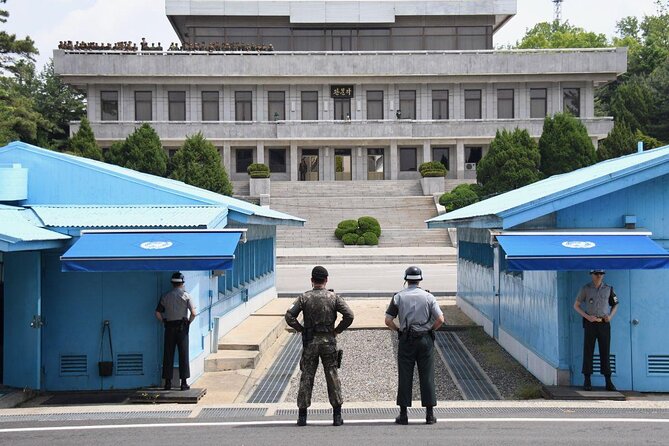
The first thing to understand is the terminology. The Demilitarized Zone is the buffer area created after the Korean Armistice Agreement of July 27, 1953. It is a heavily controlled and mined border area. This tour does not take you into the DMZ itself, and it does not visit the Joint Security Area, commonly called the JSA.
Instead, you enter a military zone outside the DMZ and visit places that help you understand the border from the South Korean side. The main stops are Imjingak, the Third Infiltration Tunnel, Dora Observatory, and a supermarket in the Unification Village. A final visit to a museum about North Korea, with an opportunity to meet and speak with a defector, is also part of the planned day.
That distinction matters. If your goal is to stand in the blue conference buildings where the armistice talks took place, this is the wrong tour. If you want to see a tunnel, view the border from a distance, and learn how division affects daily life and Korean history, this itinerary is a strong fit.
More Private Tours in Seoul
- Private DMZ Tour (No Shopping): 3rd Tunnel & Suspension Bridge
★ 5.0 · 607 reviews - Seoul City Private Full-Day Tour Including Lunch
★ 5.0 · 469 reviews - Private DMZ the 3rd Tunnel Tour from Seoul (optional Red Bridge)
★ 5.0 · 429 reviews
Leaving Seoul for Imjingak
Pickup begins around 8:00 a.m., with the exact pickup time sometimes arranged a little earlier. From central Seoul, the drive to Imjingak takes about an hour. Hotel pickup is one of the tour’s most useful features because it removes the need to work out an early public transportation connection before a long day outside the city.
The vehicle is air-conditioned, and bottled water is included. Since this is a private activity, you travel only with your own group. That can mean a family, a couple, or a small party of friends rather than a full coachload of people. Several guests specifically appreciated being collected at their accommodation and returned there afterward.
Your guide begins setting the historical frame during this first drive. That context is important because the border sites can otherwise feel like a string of military attractions. The armistice stopped active fighting, but it did not create a peace treaty. The division remains part of the political and personal life of the Korean Peninsula.
Imjingak and the meaning of the border
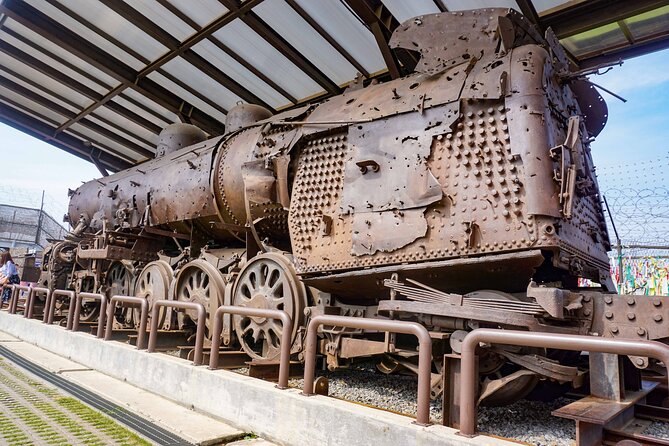
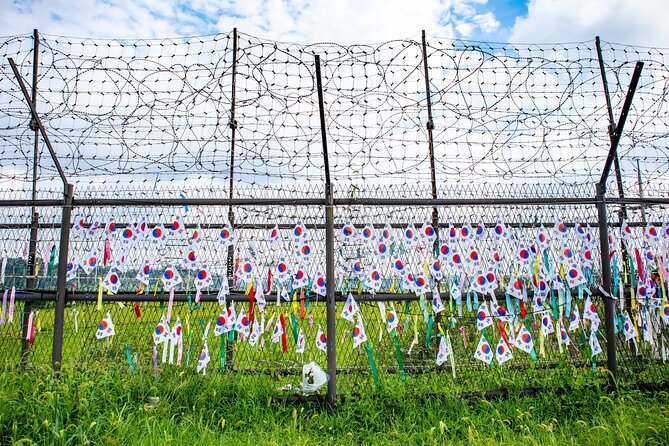
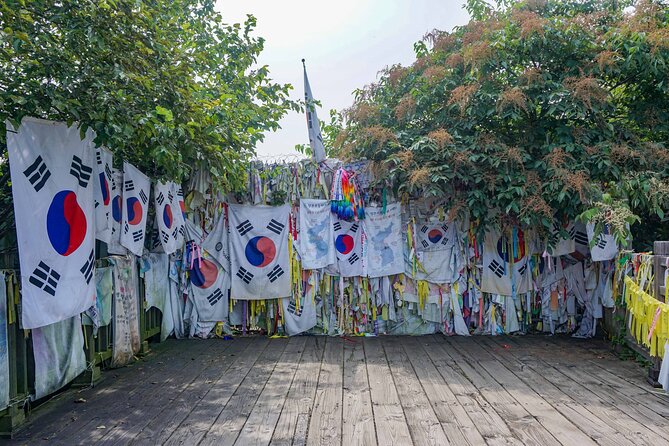
Imjingak Pyeonghoa-Nuri Park is your first major stop. Imjingak was built after the first talks between North and South Korea in 1972, and it has become a place connected with separated families, remembrance, and hopes for reunification.
This is a useful opening stop because it gives the day an emotional frame before you enter the military zone. You are not simply heading out to take a photograph of North Korea. You are seeing a place shaped by families who could not return home, by a war that ended with an armistice, and by a political divide that has lasted for decades.
The stop is listed as about an hour, though the exact time can be shaped by traffic and military access. You may have time to look around the park and gather your bearings before boarding the DMZ tour bus.
The name Pyeonghoa-Nuri refers to peace, and the park’s purpose is more reflective than thrilling. If you want nonstop action, this may feel slow. I think that pause is useful. It reminds you that the DMZ is not just a Cold War curiosity. It is tied to real people and unfinished family stories.
Riding the military-zone bus
After Imjingak, you board a designated tour bus for the military-zone portion of the day. The bus visits the Third Infiltration Tunnel, Dora Observatory, and a supermarket in the Unification Village.
This portion is controlled by military rules, so you should carry your passport. The operator specifically warns that the passport is required because you are entering a military zone. Access can be subject to local conditions, and the order or timing of stops may change.
Your guide is especially useful here. Juno Lee is praised for clear English, punctuality, and flexibility, and Miae is described as friendly, funny, helpful, and well informed. Those qualities matter on a border tour, where rules, history, and place names can become confusing. A good guide turns a security checkpoint or viewing area into part of the story instead of dead time.
The private format also lets you ask direct questions. Guests traveling with parents and children particularly valued guides who could explain the subject clearly and adjust to the group’s pace. A smaller group makes it easier to hear the commentary and stay connected with the guide.
More DMZ and border tours:
- Best DMZ Tour Korea from Seoul (Red Suspension Bridge Optional)
★ 5.0 · 41,422 reviews - DMZ Tour: 3rd Tunnel, Option(Suspension Bridge, Boat) from Seoul
★ 5.0 · 21,373 reviews - DMZ tour south Korea from Seoul (NK experience hall, defector)
★ 5.0 · 20,599 reviews - Seoul: DMZ Tour with Optional Suspension Bridge
★ 4.8 · 5,277 reviews
Walking into the Third Infiltration Tunnel
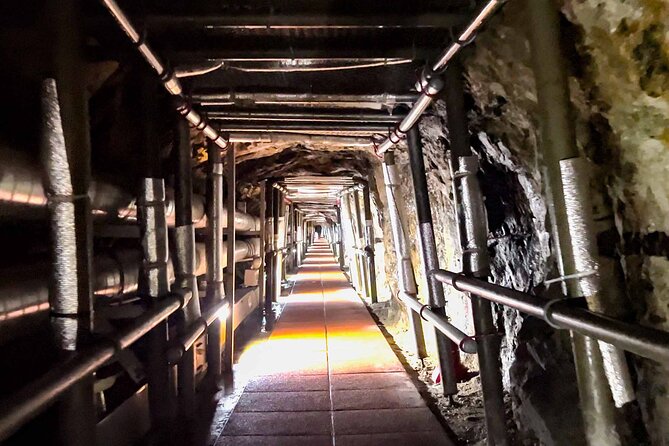
The Third Infiltration Tunnel is the day’s most physical and unusual stop. North Korea dug the tunnel beneath the border, and the stated estimate is that as many as 30,000 armed North Korean soldiers could have passed through it in one hour if it had been completed.
You walk into the tunnel rather than simply viewing it from a platform. The route takes about an hour, including the visit itself, and the enclosed setting is not suitable for everyone. The tour advises against booking if you are claustrophobic or have difficulty walking. It also recommends a moderate level of physical fitness.
That warning deserves attention. The tunnel is not a casual museum hallway. You should expect a walk through a confined underground space, and the route may feel tiring for anyone with mobility problems. Wear comfortable shoes and take the physical limits seriously. The data supplied for the tour does not specify the exact distance or slope, so I would not assume the walk will be easy.
The tunnel is powerful because it makes the division tangible. At the observatory, the border is far away. Here, the threat was cut into rock beneath it. The stop also helps explain why the DMZ remains so heavily guarded.
Photography rules and access conditions can apply in military areas. Follow the guide’s instructions rather than treating every part of the visit like an ordinary tourist site. The point is not just to collect a dramatic photograph. It is to understand the purpose of the tunnel and the security concerns surrounding it.
Looking toward North Korea from Dora Observatory
Dora Observatory provides the wide view. From here, you look toward the DMZ and the divided Korean Peninsula from the South Korean side. The visit lasts about 50 minutes, including time to reach the observation area and take in the view.
The word observatory can create the wrong expectation. You are not guaranteed a close or perfectly clear view of North Korea. Weather, distance, and visibility matter. Still, the stop gives you a sense of the geography that maps cannot provide. You can see the border as a real place rather than an abstract line in a history book.
The observatory also helps connect the military story with the possibility of cooperation. The tour points to progress in relations between North and South Korea, while also showing the unresolved division. That contrast is one of the most interesting parts of the day. The area can suggest both separation and the possibility of contact.
Your guide can help identify what you are seeing and explain the role of the observatory. Several people valued guides who pointed out details they would have missed alone. The English commentary is particularly helpful because the view itself may not explain much without context.
The Unification Village supermarket stop
The quick supermarket stop in the Unification Village is easy to overlook, but it adds a practical note to a day otherwise centered on war and borders. You have a chance to buy something small and see a bit of daily life near the military zone.
Do not treat this as a major shopping stop. It is brief, and it is included as part of the route rather than presented as a full attraction. Still, it can be useful for picking up a snack, especially since lunch is not included.
Plan for food accordingly. The tour supplies bottled water, but you should not assume a full meal will be provided. Ask your guide about the timing of the supermarket stop and bring money for lunch or snacks. The itinerary does not state what food options are available, so keep your expectations modest.
Meeting a North Korean defector
After the DMZ portion, the planned schedule includes a museum about North Korea, where you may meet a defector and ask questions. This can be one of the most personal parts of the day because it moves beyond military structures and viewing platforms.
A museum can explain facts and dates. A conversation with someone who left North Korea can show how political systems affect ordinary life. The chance to interview a defector gives you room to ask about personal experience and gain a human perspective on the division.
The available details do not specify the length of the meeting or guarantee the same speaker on every departure, so you should treat this as a scheduled opportunity rather than a promise of a long private conversation. Listen respectfully and avoid expecting a dramatic story on demand. The value is in hearing a first-person account within the wider history you have just seen.
The itinerary places this visit after the main border stops, though the exact order may vary. The return drive to Seoul takes about an hour. After a full day of security sites, walking, and discussion, that drive provides time to sort out what you have seen.
The guide can make or break the day
The strongest praise for this experience centers on the guides. Juno Lee is repeatedly singled out for excellent English, strong historical explanations, good timing, and a willingness to adjust the day. He is also described as friendly and entertaining, which helps during a long drive and a serious subject.
Miae receives similar praise for being delightful, helpful, funny, and clear. A guide who can answer questions from adults while keeping younger family members interested is a real asset here.
The private setup gives the guide more room to respond to you. If your group wants more history, you can ask. If children or older family members need a slower pace, you can discuss it. One important caution is that flexibility does not cancel the rules of a military zone. The guide can help you manage the day, but access and timing remain outside personal control.
Is $210 per person fair?
At $210 per person, this is not the cheapest way to visit the border. You are paying for hotel pickup, an air-conditioned vehicle, an English-speaking guide, admission to the Third Tunnel and Dora Observatory, bottled water, and a private experience.
The value improves if you are traveling with family or friends and want your own group rather than a large public tour. A private guide can answer questions in real time, explain the sites at your level, and help coordinate pickup and return. Group discounts may also be available, so larger parties should check the final price carefully.
The price is less attractive if you mainly want a quick photograph of North Korea or if you already have transportation arranged. The tour does not include lunch, and it does not include the JSA. You should compare it with your actual priorities, not with the broad label of DMZ tour.
For me, the best value is the combination of transport and interpretation. Getting to the border independently is possible in some form, but the military-zone rules and historical context make a guide useful. You are paying for a structured day, not just a seat in a vehicle.
Who should book this experience?
I would suggest this tour to first-time visitors to Seoul who want a serious look at the Korean conflict and current division. It suits families, small groups, and anyone who prefers direct access to an English-speaking guide.
It is also a good choice if hotel pickup matters. An early departure, a long drive, military-zone access, and several timed stops require planning. Having the vehicle collect you and return you to your hotel keeps the day simple.
You should think twice if you have strong claustrophobia, difficulty walking, or little interest in military history. The Third Tunnel is a core part of the experience, not an optional side note. You should also choose a JSA tour instead if standing at the armistice site is your main goal.
Final verdict: a strong private choice for the right visitor
I would book this tour if I wanted the Third Infiltration Tunnel, Dora Observatory, and a guide who could explain the wider story in clear English. The combination of hotel pickup, a private group, and guides such as Juno Lee or Miae gives it a personal feel that a large bus tour may not provide.
I would not book it expecting to enter the DMZ or visit the JSA. I would also prepare for a physical tunnel walk, carry my passport, arrange lunch money, and accept that military access can affect the schedule.
For families and small groups seeking a thoughtful border experience from Seoul, the $210 price can be justified. Cancel at least 24 hours before the start time if your plans change, since later cancellations are not eligible for a refund.
FAQ
Does this tour enter the DMZ?
No. The tour enters the military zone outside the DMZ and visits the Third Infiltration Tunnel and Dora Observatory.
Does the tour visit the JSA?
No. The JSA is not part of this experience. You need to look for a separate JSA tour if you want to visit the armistice site.
What time does the tour start?
The stated start time is 8:00 a.m. Pickup may be arranged slightly earlier depending on your location.
Do I need to bring my passport?
Yes. You should bring your passport because the tour enters a military zone.
Is lunch included?
No. Lunch is not included, although the route includes a quick stop at a supermarket in the Unification Village.
Is the tour suitable for people with limited mobility or claustrophobia?
It is not recommended for people who have difficulty walking or are claustrophobic. A moderate level of physical fitness is advised because you walk through the Third Infiltration Tunnel.
Just added around Seoul
- Seoraksan National Park & Nami Island★ 4.5 · 3 reviews
- Strawberry Picking, Winter Sled with Eobi Ice Valley from Seoul★ 4.5 · 3 reviews
- Seoul Full Day small group Tour★ 5.0 · 3 reviews
- Seoul Korean BBQ Dinner Experience with Secret Food Tours★ 5.0 · 3 reviews
- Rice Wine Tasting with Sommelier – Finest Makgeolli (& Soju)★ 5.0 · 3 reviews
- Majang Meat Market Experience: Private Tour with Han-woo Beef BBQ★ 5.0 · 3 reviews
- Seongsu-dong Walking Tour: K-Pop, Culture, Cheer, Friends & Relax★ 4.5 · 3 reviews
- Seoul: Alpaca World and Nami Island (with Garden / Railbike)★ 5.0 · 3 reviews
DMZ & Border Tours, compared.

Best DMZ Tour Korea from Seoul (Red Suspension Bridge Optional)
Read our review →
DMZ Tour: 3rd Tunnel, Option(Suspension Bridge, Boat) from Seoul
Read our review →
DMZ tour south Korea from Seoul (NK experience hall, defector)
Read our review →
DMZ Insider Tour: 3rd Tunnel, NK Defector Meet & Red Bridge
Read our review →

Signature DMZ Tour: Exclusive Defector Talk & Suspension Bridge
Read our review →
Thrilling Korean DMZ 3rd Tunnel Tour from Seoul + Red Bridge Rush
Read our review →DMZ Past and Present: Korean Demilitarized Zone Tour from Seoul
Read our review →Browse the lists this tour appears in