
Reviewed · DMZ & BORDER TOURS
Private DMZ(Demilitarized Zone) Tour with DMZ experts
The DMZ brings Korea’s past sharply into view. This private Seoul tour combines the Third Tunnel, Dora Observatory, the Bridge of Freedom, and a flexible day with an English-speaking guide. I like the private vehicle and hotel pickup, which remove much of the stress of reaching Paju, and I like the chance to shape the rest of the day around your interests.
The guides are the main strength. Junie, Sophia, Harry, Robert, Vincent, and others receive especially warm praise for clear explanations, kind service, good timing, and helpful local suggestions. The main caution is that DMZ entry is controlled by military rules, not by the tour company. On busy holidays, you may face long waits, changing access, or even a closed zone.
In This Review
- Key points to know before booking
- Why a private DMZ tour from Seoul makes sense
- Starting at Imjingak Pyeonghoa-Nuri Park
- The Bridge of Freedom and the meaning of Imjingak
- Entering the Third Tunnel
- Looking north from Dora Observatory
- Tongilchonan-gil for snacks and small purchases
- Korean BBQ, Army Stew, and the lunch question
- The flexible second half of the day
- The guides make or break the day
- What the $250 price really buys
- Who should book this DMZ experience?
- FAQ
- How long does the private DMZ tour last?
- Where does the tour begin?
- Is the tour private?
- What transportation is provided?
- Which DMZ sites are included?
- Can I see North Korea during the tour?
- Is lunch included?
- Is a vegetarian meal possible?
- Can the itinerary be changed?
- Should you book it?
Key points to know before booking
- The Third Tunnel is the physical centerpiece: You can walk down into a tunnel North Korea dug after the Korean War, then climb back up under your own power.
- Dora Observatory offers a view toward North Korea: On a clear day, you may see North Korean villages and the so-called propaganda village with the naked eye.
- A private guide adds real value: Guides such as Sophia, Harry, Kevin, Taylor, and Junie have been praised for history, organization, restaurant choices, and personal care.
- The schedule can change: The DMZ uses a first-come, first-served system, and only a limited number of people may enter each day.
- The day is more than a border visit: Depending on time and your interests, you may add a suspension bridge, food market, palace, war memorial, or another Seoul attraction.
- Check the lunch details: The tour description discusses Korean BBQ, but the formal inclusion list says meals are not included. Confirm what applies to your booking.
Why a private DMZ tour from Seoul makes sense

The Korean Demilitarized Zone is not a normal sightseeing district. It is a weapons-free buffer zone created on July 27, 1953, after the armistice that stopped open fighting in the Korean War. The border remains politically sensitive and militarily controlled.
That matters when you plan your day. A regular city tour can run like clockwork. A DMZ visit cannot always do that. Entry procedures, bus capacity, weather, national holidays, and military operations can affect the timetable. A private guide gives you someone to explain the changes and adjust the rest of your day.
At about $250 per person, this is not a bargain-priced outing. It becomes better value when you are traveling as a small private group and want hotel pickup, a vehicle, bottled water, admission, tolls, fuel, parking, and a guide rather than piecing the trip together yourself.
The private format also gives you control after the main DMZ visit. One family used the flexibility to help an 81-year-old father revisit places connected with his time in Korea. Another group added a food market, Korean BBQ, and a special dalgona stop inspired by Squid Game. The advertised duration is six to eight hours, but the actual day can stretch or contract according to access and traffic.
More Private Tours in Seoul
- Private DMZ Tour (No Shopping): 3rd Tunnel & Suspension Bridge
★ 5.0 · 607 reviews - Seoul City Private Full-Day Tour Including Lunch
★ 5.0 · 469 reviews - Private DMZ the 3rd Tunnel Tour from Seoul (optional Red Bridge)
★ 5.0 · 429 reviews
Starting at Imjingak Pyeonghoa-Nuri Park
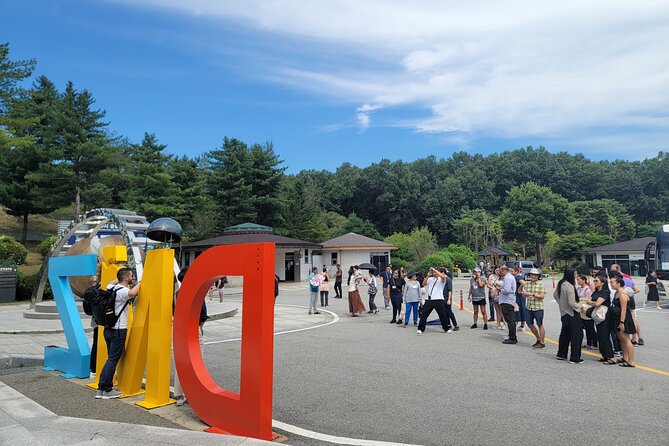
Your pickup is scheduled for 9:00 a.m. at your Seoul hotel, followed by the drive north toward Paju. The first major stop is Imjingak Pyeonghoa-Nuri Park, a peace-themed area and the usual gathering point for the controlled DMZ portion of the day.
This is where the practical side of the tour becomes clear. The DMZ portion uses its own entry process, and access is limited. The information provided for the tour says that only about three hours are allowed inside the Civilian Control Zone, while other timing details depend on the official bus and site schedule.
At Imjingak, you may need to wait before boarding the bus that takes you to the protected sites. A strong guide can use this time well by explaining the Korean War, the armistice, and the meaning of the border. Sophia was specifically praised for keeping her group occupied with background information while waiting.
The park itself includes memorial displays and reminders of families separated by the border. It is a useful place to begin because the DMZ can otherwise feel like a collection of checkpoints and viewpoints. Here, you start to see the human cost behind the fences and military signs.
The drawback is uncertainty. One booking encountered a four-hour wait during the Chuseok holiday, with information entered several times before boarding. The company explained that the DMZ follows a first-come, first-served system and limits daily entry to 3,000 people. That response does not erase the frustration, but it does underline an important point: even a private booking cannot guarantee instant admission.
The Bridge of Freedom and the meaning of Imjingak
The Bridge of Freedom is a short stop, listed at about five minutes, and admission is free. It is located within Imjingak Peace Park and is connected symbolically and physically with the route toward North Korea.
Do not expect a long walk or a quiet, solitary visit. This is a brief but meaningful pause, best understood with an explanation from your guide. The bridge is tied to the exchange and movement of prisoners and separated people after the Korean War.
I would treat this as a moment for photos and context rather than the main event. The value comes from knowing what the bridge represents. If you are traveling with older relatives or someone with a personal connection to Korea, tell your guide in advance. The private format may allow more time for this kind of stop if the official DMZ schedule permits.
Entering the Third Tunnel
The Third Tunnel is the most hands-on part of the tour. North Korea dug it after the Korean War, and South Korea discovered it as part of a series of infiltration tunnels intended to allow movement into the South.
You can walk down into the tunnel yourself. That physical effort changes the visit from a distant history lesson into something you feel in your legs and shoulders. The route is not described with exact measurements in the tour information, so you should not assume that the walk will suit every level of fitness.
A documentary about the Korean War and the DMZ is available before or around the visit. Your guide can fill in the gaps, especially since some information at the site is presented in Korean. One booking specifically noted that an English-speaking guide was important because much of the material would otherwise be easy to miss.
Expect a controlled site, not a free-form walk. You may be required to follow the official bus schedule and site rules. Guides may not accompany you through every part of the tunnel, though one private booking praised Kevin for helping his group manage the crowds and get around the busy areas.
Wear comfortable shoes and keep your expectations sensible. The tunnel is narrow in places, and the return walk is uphill. If you have limited mobility, ask the provider before booking rather than assuming the private vehicle changes the physical demands of the site.
More DMZ and border tours:
- Best DMZ Tour Korea from Seoul (Red Suspension Bridge Optional)
★ 5.0 · 41,422 reviews - DMZ Tour: 3rd Tunnel, Option(Suspension Bridge, Boat) from Seoul
★ 5.0 · 21,373 reviews - DMZ tour south Korea from Seoul (NK experience hall, defector)
★ 5.0 · 20,599 reviews - Seoul: DMZ Tour with Optional Suspension Bridge
★ 4.8 · 5,277 reviews
Looking north from Dora Observatory
Dora Observatory is the clearest visual encounter with North Korea on this route. From the viewing area, you may see across the border toward North Korean villages and the propaganda village.
The experience depends heavily on weather and visibility. On a clear day, the view can make the division feel startlingly close. On a hazy day, you may see much less than expected. Your guide’s explanation matters here because the distant buildings and fields can look ordinary without the political context.
The observatory also shows how close everyday life remains to a heavily guarded border. You are not simply looking at a scenic horizon. You are looking into a country that is physically near Seoul but politically distant.
Keep photography and movement within the posted rules. This is a military-controlled area, and the tour information makes clear that the DMZ has its own regulations. A private booking does not mean private access to every viewpoint.
Tongilchonan-gil for snacks and small purchases
Tongilchonan-gil is described as the last stop in the DMZ portion, with time for souvenirs and snacks. The visit is short, about 15 minutes, so this is not a full market tour.
It is useful for a quick purchase or a bathroom break, but do not plan your entire shopping list around it. If local food interests you, ask your guide how much time is available and what fits the schedule. Harry added a food market visit for one group, while another group enjoyed a Korean BBQ meal and a market food tour after the main DMZ stops.
These small additions show why the private structure can work well. The fixed military portion remains fixed, but the surrounding hours can feel more personal.
Korean BBQ, Army Stew, and the lunch question
Food is an important part of the advertised experience. The overview describes a Korean BBQ lunch, and several bookings praised the meal. One group enjoyed its first Korean BBQ, especially the pork, while another was taken by Kevin for Army Stew. A vegetarian option was also arranged for one group.
There is a practical inconsistency you should resolve before departure: the overview says lunch is included, but the formal list of inclusions says meals are not included. The safest approach is to ask exactly what your $250 covers, whether the meal is selected by the guide, and whether you pay at the restaurant.
That small bit of planning prevents an awkward moment at the table. It also lets you explain dietary needs early. A vegetarian option is available if requested at booking, but the tour does not provide a detailed menu.
Korean BBQ can be a fine counterpoint to the sober DMZ visit. After several hours of military history and memorial sites, sitting down for a shared meal gives the day a more ordinary Korean rhythm. Still, food should not be the reason you book this outing. The border sites are the heart of the experience.
The flexible second half of the day
The tour is sold as personalized, and this is where that promise matters most. The DMZ portion has rules, but the rest of the day can be adapted to your interests and available time.
Possible interests include Korean royal history at Gyeongbokgung Palace, the War Memorial of Korea, a suspension bridge, a food market, or other stops agreed with your guide. The tour information specifically presents the palace and war memorial as options, but the final plan depends on timing and your preferences.
This flexibility is particularly useful for families. A group with an older parent used the day to revisit places linked to his past in Korea. Vincent also helped a group arrange baseball tickets for that evening and checked that everything went smoothly. That kind of extra assistance is not a guaranteed feature, but it shows the benefit of having a guide who pays attention to your wider plans.
You should not expect every optional stop to fit. A long delay at the DMZ, heavy Seoul traffic, or a late lunch can reduce the time left for the afternoon. Set your priorities before pickup, and tell the guide which one or two additions matter most.
The guides make or break the day
The strongest part of this experience is the human service. Junie received praise for her warmth and explanations of Korean history. Taylor was described as personable and well informed. Christine, Jones, Jake, Sophia, Robert, Vincent, Kevin, and Harry were also singled out for clear explanations, good organization, punctuality, patience, and helpful restaurant choices.
Harry’s communication before pickup was especially useful. He advised an earlier departure so the group could reach the DMZ before the lines grew longer. That is the sort of small adjustment that can protect several hours of your day.
The feedback is not perfect. One serious complaint described a guide who gave little information, failed to accompany the guest properly, struggled to find a later stop, and drove unsafely. The operator disputed the booking and offered a refund if the date and guide details could be verified. Since this account conflicts sharply with the many positive guide reports, I would not ignore it, but I would also not treat it as the normal pattern.
You can reduce the chance of confusion by confirming the pickup time, guide name, phone number with country code, meal plan, and preferred afternoon stops before the tour. The provider says the activity uses licensed guides and private vehicles, but asking for the guide’s details in advance is still sensible.
What the $250 price really buys
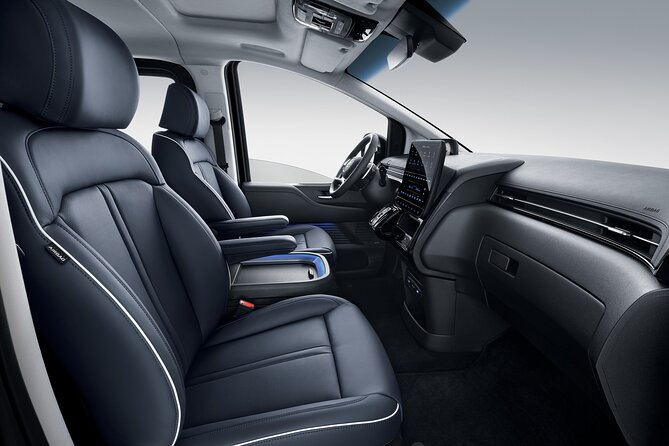
The $250 per-person price reflects a private day rather than a basic bus excursion. Included services are an air-conditioned vehicle, hotel pickup and drop-off, bottled water, DMZ admission, the guide, fuel, parking, and tolls.
That package can be worthwhile for a family or small group that values comfort and control. You avoid arranging separate transport to Paju, and you have an English-speaking guide to explain what you are seeing. Group discounts are available, though the exact reduction is not provided.
The price is harder to justify if you only want a quick border photo and do not care about the historical explanation. In that case, a standard group outing may cost less. Here, the value comes from the personal pacing, transport, history, and ability to add meaningful stops.
Remember that the six to eight-hour estimate is not a guarantee of equal time at each site. Military access and waiting can take over the day. That is a flaw in the setting, not something the operator can fully control, but you should factor it into your plans.
Who should book this DMZ experience?
I would choose this tour if you want a private day, hotel pickup, a guide who can explain Korean history in English, and the freedom to add places after the DMZ. It suits families, first-time visitors, history-minded people, and anyone with a personal connection to Korea.
It is also a good choice if you dislike navigating unfamiliar transport systems or want a comfortable vehicle between Paju and Seoul. The included water, tolls, parking, and fuel keep the day simple.
I would hesitate if you need a tightly timed itinerary, have an evening reservation that cannot move, or dislike walking through a tunnel. The DMZ can close or slow down, and the Third Tunnel requires physical effort. Anyone with mobility concerns should ask for a clear description before paying.
The tour has a 4.8 rating from 40 ratings, with 95 percent recommending it. That is a strong record, especially for an experience shaped by military rules and holiday crowds, but the mixed accounts show why clear communication matters.
FAQ
How long does the private DMZ tour last?
The experience lasts approximately six to eight hours.
Where does the tour begin?
Hotel pickup is offered in Seoul, with the listed pickup time at 9:00 a.m.
Is the tour private?
Yes. Only your group participates in the private activity.
What transportation is provided?
You ride in an air-conditioned private vehicle. Hotel pickup and drop-off, fuel, parking, tolls, and bottled water are included.
Which DMZ sites are included?
The planned stops include Imjingak Pyeonghoa-Nuri Park, the Bridge of Freedom, the Third Tunnel, Tongilchonan-gil, and Dora Observatory.
Can I see North Korea during the tour?
Dora Observatory is described as a place where you may see North Korea, including villages and the propaganda village, with the naked eye.
Is lunch included?
The overview describes Korean BBQ, but the formal inclusion details say meals are not included. Confirm the meal arrangement before the tour.
Is a vegetarian meal possible?
Yes. A vegetarian option is available if you request it at the time of booking.
Can the itinerary be changed?
Yes. The private itinerary is described as flexible, and additional or substitute stops may be arranged around your interests and the time available.
Should you book it?
Book this private DMZ tour if you want more than a quick border visit. The best parts are the personal guide service, hotel-to-hotel transport, clear historical context, and flexible afternoon options. Ask about lunch, confirm your guide and pickup details, and leave room for delays caused by military access.
If you can accept that uncertainty, this is a practical and thoughtful way to understand one of the world’s most heavily watched borders.
Just added around Seoul
- Seoraksan National Park & Nami Island★ 4.5 · 3 reviews
- Strawberry Picking, Winter Sled with Eobi Ice Valley from Seoul★ 4.5 · 3 reviews
- Seoul Full Day small group Tour★ 5.0 · 3 reviews
- Majang Meat Market Experience: Private Tour with Han-woo Beef BBQ★ 5.0 · 3 reviews
- Seoul Korean BBQ Dinner Experience with Secret Food Tours★ 5.0 · 3 reviews
- Rice Wine Tasting with Sommelier – Finest Makgeolli (& Soju)★ 5.0 · 3 reviews
- Seongsu-dong Walking Tour: K-Pop, Culture, Cheer, Friends & Relax★ 4.5 · 3 reviews
- Seoul: Alpaca World and Nami Island (with Garden / Railbike)★ 5.0 · 3 reviews
DMZ & Border Tours, compared.

Best DMZ Tour Korea from Seoul (Red Suspension Bridge Optional)
Read our review →
DMZ Tour: 3rd Tunnel, Option(Suspension Bridge, Boat) from Seoul
Read our review →
DMZ tour south Korea from Seoul (NK experience hall, defector)
Read our review →
DMZ Insider Tour: 3rd Tunnel, NK Defector Meet & Red Bridge
Read our review →

Signature DMZ Tour: Exclusive Defector Talk & Suspension Bridge
Read our review →
Thrilling Korean DMZ 3rd Tunnel Tour from Seoul + Red Bridge Rush
Read our review →DMZ Past and Present: Korean Demilitarized Zone Tour from Seoul
Read our review →Browse the lists this tour appears in