
Reviewed · DMZ & BORDER TOURS
Seoul: DMZ, Gyeongbokgung Palace & City Tour
The border tells Korea’s hardest story. This 10-hour outing pairs the DMZ with Gyeongbokgung Palace, giving you a useful look at Korea’s divided present and royal past in one long day. I like the efficient coach transport and the chance to visit the Third Tunnel, an observatory, Imjingak, and a war history exhibition without arranging several separate tickets. I also like that professional security guides explain the political background rather than treating the DMZ as a photo stop.
The main drawback is the schedule. Ten hours is a serious commitment, and the DMZ has strict rules, timed visits, and military restrictions. You must bring a valid passport, wear proper shoes, and follow the authorized bus and photography instructions. The palace visit may feel brief beside the border stops, especially on a busy day.
In This Review
- Key points to know before booking
- Why this one-day combination works
- Starting early from central Seoul
- Entering the DMZ with a military guide
- The Third Tunnel and the cost of proper shoes
- Looking north from the observatory
- Imjingak and the war history exhibition
- Gyeongbokgung Palace after the border
- What $110 includes, and what it does not
- When the military changes the plan
- Who will enjoy this 10-hour tour
- Practical tips for a smoother day
- FAQ
- How long does the tour last?
- Where is the meeting point?
- Is hotel pickup and drop-off included?
- Do I need to bring my passport?
- Is lunch included?
- What languages are available?
- Is the tour wheelchair accessible?
- What happens if the DMZ closes for military activity?
- Should you book this Seoul DMZ tour?
Key points to know before booking
- The Third Tunnel is the most physical stop: Wear sneakers, since sandals and slippers are not allowed.
- A valid passport is required: You cannot treat this like an ordinary city sightseeing trip.
- The itinerary covers two very different Koreas: The DMZ explains war and division, while Gyeongbokgung shows royal government and court life.
- Guide quality is a major part of the value: Guides including Molly, Ron Han, SP, and Han have been praised for clear explanations, photos, and warm service.
- The $110 price includes useful essentials: Transport, entry to the DMZ, a professional English guide, and hotel pickup and drop-off when selected.
- Military conditions can change the plan: An unannounced exercise or official event may replace the DMZ visit with another history-focused route.
Why this one-day combination works
Seoul can make Korea feel sleek, fast, and thoroughly modern. The DMZ interrupts that easy impression. It brings you to the unresolved line between North and South Korea, where the 1950 to 1953 Korean War still shapes daily politics and national identity.
Gyeongbokgung Palace then gives you a different frame. Here, the story reaches back to royal government, court routine, and the Joseon period. Putting the two sites together helps you connect Korea’s older political order with the division that followed in the twentieth century.
I find that pairing more useful than a DMZ trip alone. The palace is not just an attractive compound for photographs, and the DMZ is not just a place to peer north. Together, they give you Korea’s past, present, and uncertain future in one guided day.
The schedule is also practical for a first visit. You do not need to work out separate transport to the border area, locate a military-approved vehicle, or arrange the required entry. The coach carries you between the major sights, which matters because the DMZ is not a normal independent sightseeing zone.
More City Tours in Seoul
- Best Seoul City Tour (Gyeongbokgung Palace,Insadong,Namsan Tower)
★ 5.0 · 1,647 reviews - Small-Group Royal Palace and Seoul City Tour (hotel pick-up)
★ 5.0 · 1,474 reviews - Seoul City Sightseeing Tour Including Gyeongbokgung Palace, N Seoul Tower, and Namsangol Hanok Village
★ 5.0 · 1,423 reviews
Starting early from central Seoul
The stated meeting point is Exit 7 of City Hall Station at 7:30 a.m. Hotel pickup is also available, depending on the option you choose. Confirm your exact pickup details carefully, especially if you are staying outside central Seoul.
An early start is part of the bargain. The tour lasts about 10 hours, so the day can feel full even before you reach the palace. The benefit is that you have enough time for several DMZ locations, the exhibition stop, and Gyeongbokgung without trying to squeeze the border into a rushed half-day outing.
The coach is a real advantage here. You can rest between locations instead of managing connections and transfers. It also keeps the group within the official transport system required for the DMZ.
Do not leave your passport in the hotel. A current, valid passport is required on the day of travel. Children must be accompanied by an adult, and unaccompanied minors are not accepted.
Entering the DMZ with a military guide
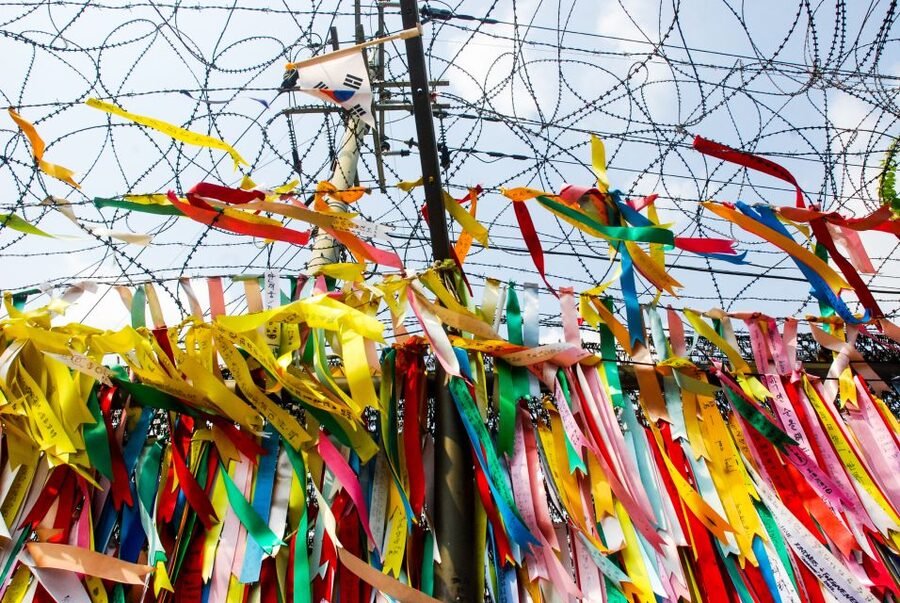
The DMZ is a controlled area, not a regular park. Your group travels on the authorized bus and follows instructions about where and when photographs are allowed. These limits may feel strict, but they are part of visiting a live security zone rather than a museum built to imitate one.
The guide’s job matters here. A professional security specialist can explain the relationship between North and South Korea, the war, and the reason the border remains so tightly managed. Strong guides also help you understand what you are seeing instead of leaving you with a few dramatic views and no context.
The experience has received especially high praise for guide service. Molly has been praised for explaining Korean dynasties, the war, and personal anecdotes, while also helping with photographs. Ron Han, known during one tour as Han Solo, has been described as kind and informative. SP has handled both the DMZ and a small palace group, answering broad questions about Korea and taking photos.
That kind of warmth can make a long day easier. The subject is serious, and the best guide keeps the tone respectful without turning every stop into a lecture.
The Third Tunnel and the cost of proper shoes
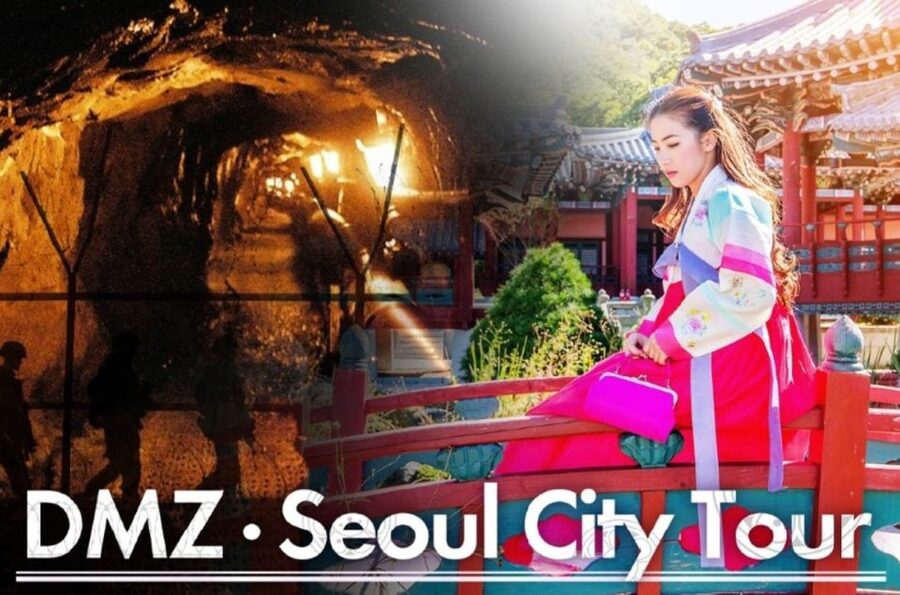
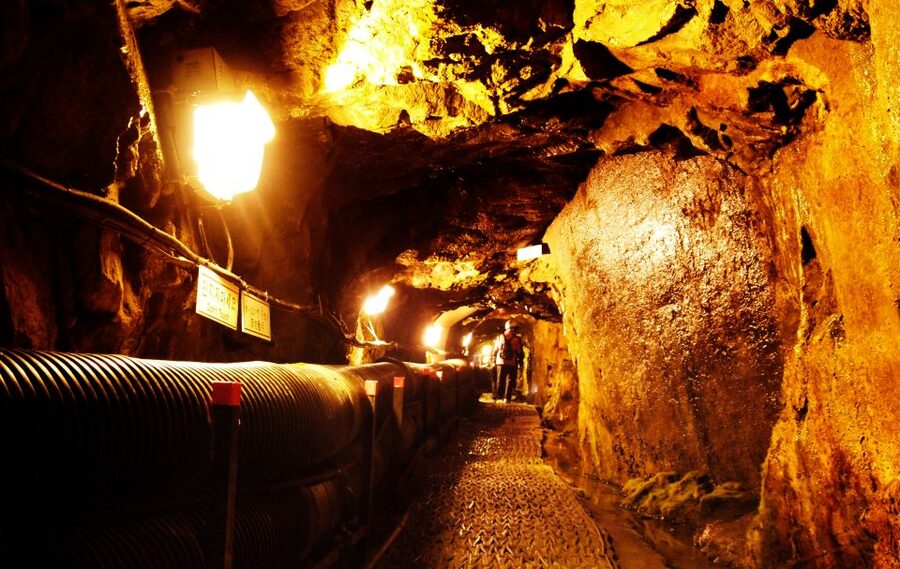
The Third Tunnel is one of the tour’s strongest stops. North Korea excavated it as a route for a possible invasion of South Korea, with enough scale to suggest the threat posed by military movement. The visit gives the divided peninsula a physical dimension that a classroom explanation cannot provide.
You should expect walking and uneven conditions here. The tour specifically requires sneakers and bans sandals and slippers. One practical review advised bringing good shoes for a lot of walking, and that is sensible advice for the entire day, not just the tunnel.
The tunnel may not suit anyone with mobility limits. The tour is not wheelchair accessible, and wheelchair users are specifically listed as unsuitable for the activity. If steep or confined walking is a concern, ask for exact current conditions before booking rather than assuming the coach makes the whole day easy.
The key value of this stop is scale. You are not simply told that invasion plans existed. You see a place built for that purpose, then hear how it fits into the wider story of the armistice and the border.
More DMZ and border tours:
- Best DMZ Tour Korea from Seoul (Red Suspension Bridge Optional)
★ 5.0 · 41,422 reviews - DMZ Tour: 3rd Tunnel, Option(Suspension Bridge, Boat) from Seoul
★ 5.0 · 21,373 reviews - DMZ tour south Korea from Seoul (NK experience hall, defector)
★ 5.0 · 20,599 reviews - Seoul: DMZ Tour with Optional Suspension Bridge
★ 4.8 · 5,277 reviews
Looking north from the observatory
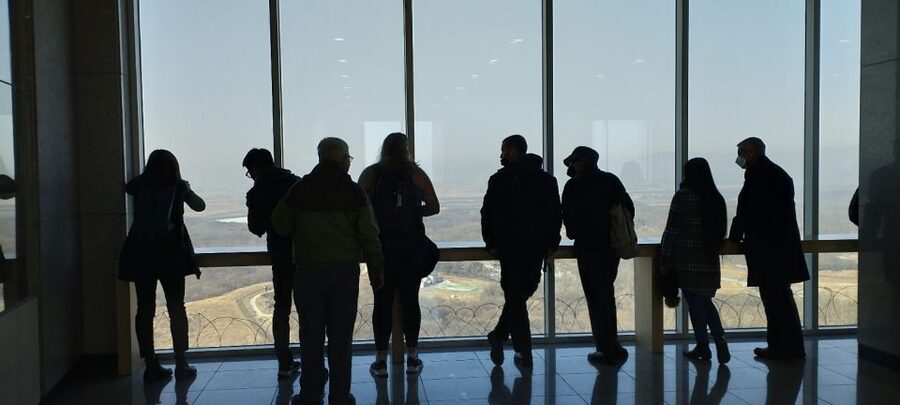
The observatory offers one of the tour’s most unusual moments: a chance to look toward North Korea and, when conditions allow, see the area where North Korean residents live. This is the point where the political story becomes visible across the divide.
Keep your expectations in check. The view depends on weather, distance, and official rules. The attraction is not guaranteed close-up viewing or a dramatic scene. It is the act of standing at a permitted viewpoint and looking across a border that remains politically charged.
Photography rules apply, and the authorized bus system controls movement through the area. Listen closely to your guide, since the permitted photo zones and timing can affect what you get from the stop.
I would treat the observatory as a place for reflection rather than a quick social media backdrop. The most valuable part is the contrast between the calm appearance of the countryside and the history attached to that line.
Imjingak and the war history exhibition
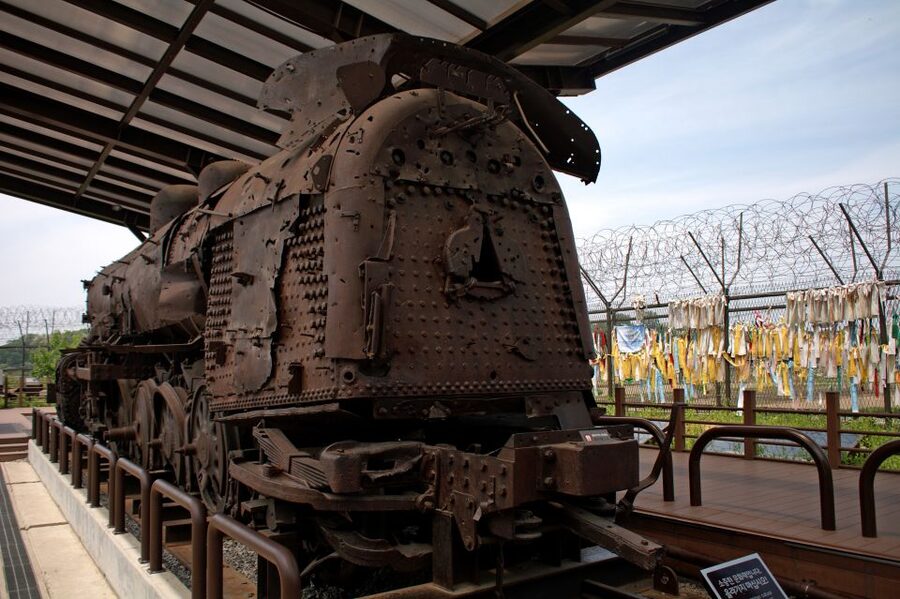
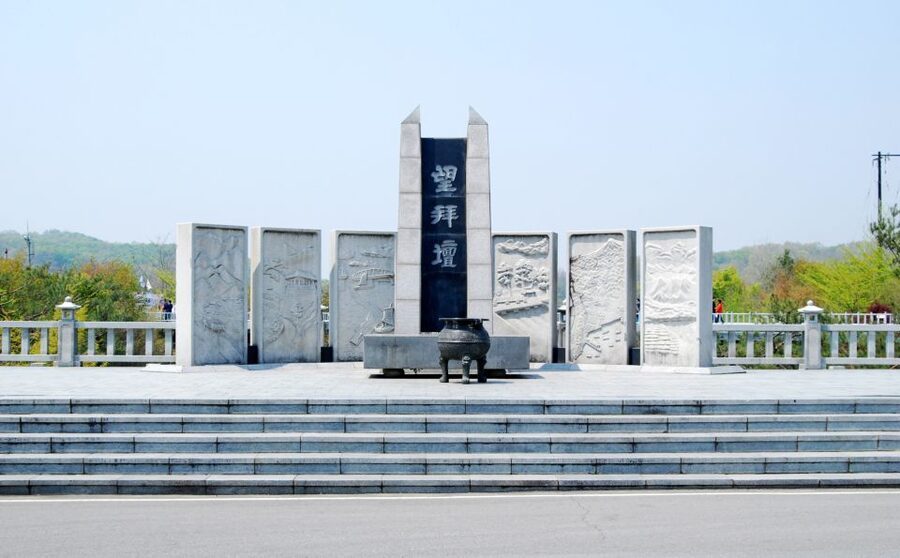
Imjingak adds another layer to the DMZ visit. It is tied to the human and historical cost of the division, making it a useful companion to the tunnel and observatory. Instead of seeing only military infrastructure, you get a place connected to memory, separation, and the long aftermath of war.
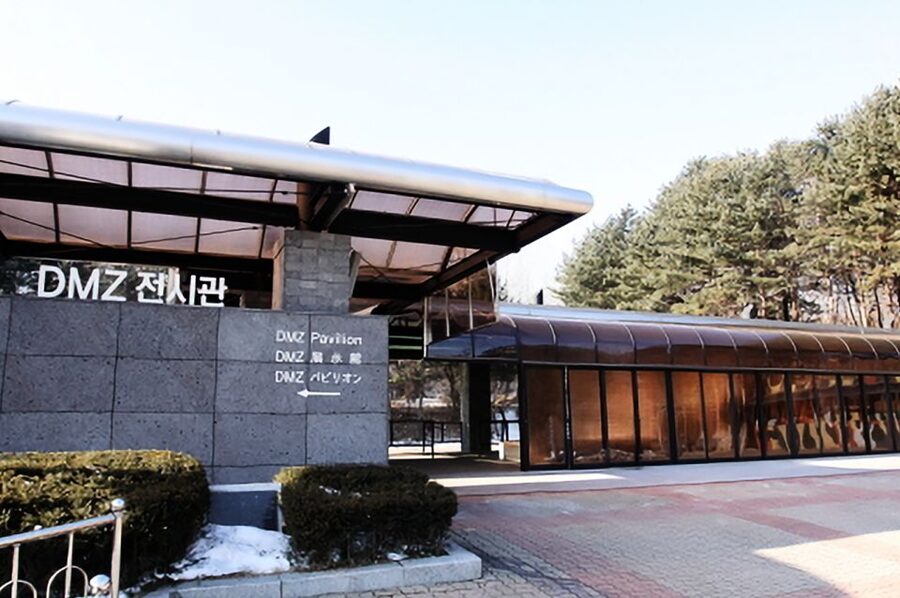
The War History Pavilion and related exhibition center help explain Korea’s past, present, and future. This is important because the DMZ can otherwise seem like a string of checkpoints and viewpoints. The exhibition gives you dates, causes, and political background to connect the stops.
The tour includes entry to the DMZ and a venue that explains the history of the war. Entry fees are included, which helps justify the price when you compare this with putting together separate transport and admissions.
The mood may be solemn. This is not a light sightseeing circuit, and the subject calls for attention. If you want a simple scenic outing, the DMZ may feel heavy. If you want to understand why Korea remains divided, this section gives the day its purpose.
Gyeongbokgung Palace after the border
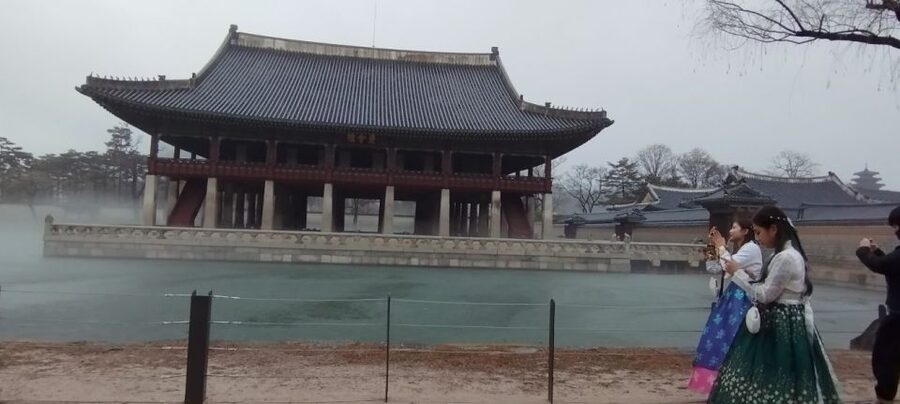
Gyeongbokgung Palace changes the pace completely. The compound was once home to the king, his family, and roughly 2,000 other people involved in running the royal government. That last point makes the site more interesting than a collection of grand gates and courtyards.
The palace operated with employees and advisers, more like a large administrative organization than a private royal residence. A good guide can show you how government functioned within the complex and explain the roles behind the architecture.
This is where the tour’s historical range pays off. At the DMZ, you are dealing with modern military division. At Gyeongbokgung, you are looking at an earlier system of kingship, court officials, and organized state power.
The palace visit may be the most appealing part for anyone who wants cultural context beyond the border. It also provides a visual change after the military sites. Still, the exact amount of time at the palace depends on the day’s schedule and conditions, so do not expect the same slow pace as a dedicated palace tour.
Gyeongbokgung is closed on Tuesdays. On those days, the itinerary substitutes Deoksu Palace. That is useful to know if the Joseon-era palace is a personal priority.
What $110 includes, and what it does not
At $110 per person, this is not a budget city bus tour. The price makes more sense when you count the logistics: a 10-hour program, transport from Seoul, professional English guidance, DMZ entry, and hotel drop-off service when included in your selected option.
The value is strongest if you want the border experience but do not want to organize the complicated parts yourself. The authorized bus requirement alone makes independent planning less straightforward than ordinary Seoul sightseeing.
Lunch is not included. Personal expenses are also your responsibility. One recent participant praised a traditional lunch provided during the day, but you should not assume that food is guaranteed because the official inclusions exclude lunch. Bring money and confirm the current meal arrangement before departure.
Private group options are available. They may suit families or small groups that want more control over questions and pacing, though the standard group is likely the better value for solo visitors and couples focused on keeping costs down.
The free cancellation window allows cancellation up to 24 hours before departure for a full refund, and reserve-now, pay-later booking is available. Those terms are helpful because DMZ access can be affected by official events.
When the military changes the plan
The DMZ is subject to military activity and official events. If an unannounced training exercise or government event closes the planned route, the tour changes to an alternative program involving Tomorrow’s Whistle, Bunker Beat 131, Odusan Unification Tower, and the War Memorial of Korea.
That replacement is not the same experience. You will not get the exact tunnel and border stops promised in the normal route. Still, it keeps the day focused on Korea’s division and war history rather than simply canceling the entire outing.
This possibility is important for your expectations. The tour operator cannot guarantee access to a controlled military zone in the same way it can guarantee a normal museum visit. If seeing the Third Tunnel or looking toward North Korea is your main reason for booking, accept that official restrictions can alter the day.
Who will enjoy this 10-hour tour
I would recommend this outing to first-time Seoul visitors who want a strong historical foundation. It suits people who prefer having transport, admissions, and interpretation handled together, especially when the DMZ is a major priority.
It is also a good fit for anyone who likes asking questions. The guide can connect the DMZ to royal history, current North and South Korean relations, and broader Korean culture. The praise for Molly, Ron Han, SP, and Han suggests that the human side of the guiding can be a real strength.
You should think twice if you dislike early starts, strict schedules, walking, or military regulations. The day is not wheelchair accessible, and comfortable shoes are essential. It is also not designed for unaccompanied minors.
For food-focused visitors, plan ahead. Lunch is not part of the stated price, and the tour schedule may not give you the same freedom to choose a restaurant that you would have on a relaxed Seoul day.
Practical tips for a smoother day
- Bring your current passport, not a photocopy.
- Wear sneakers with good support. Sandals and slippers are not allowed.
- Follow every instruction about photography and timing.
- Arrive at City Hall Station Exit 7 before the 7:30 a.m. meeting time if you are using the central meeting point.
- Confirm hotel pickup details if you selected that service.
- Keep lunch money available, since lunch is excluded.
- Check the day of the week if Gyeongbokgung is important to you. Tuesday visits use Deoksu Palace instead.
- Expect the itinerary to change if military training or an official event closes the DMZ.
FAQ
How long does the tour last?
The tour lasts 10 hours.
Where is the meeting point?
The meeting point is Exit 7 of City Hall Station at 7:30 a.m. Hotel pickup is available as an optional choice.
Is hotel pickup and drop-off included?
Hotel pickup and drop-off service is included when that option is selected. The central meeting point is City Hall Station Exit 7.
Do I need to bring my passport?
Yes. Every participant must bring a current, valid passport on the day of travel.
Is lunch included?
No. Lunch and personal expenses are not included in the stated tour inclusions.
What languages are available?
The tour offers live guides in English and Korean.
Is the tour wheelchair accessible?
No. The tour is not wheelchair accessible and is not suitable for wheelchair users.
What happens if the DMZ closes for military activity?
The tour is replaced with a route including Tomorrow’s Whistle, Bunker Beat 131, Odusan Unification Tower, and the War Memorial of Korea.
Should you book this Seoul DMZ tour?
Book it if you want the DMZ handled efficiently and you value clear historical explanation over independent wandering. The combination of the Third Tunnel, observatory, Imjingak, war exhibition, and Gyeongbokgung gives you a wider understanding of Korea than either a palace visit or border trip alone.
The strongest reason to choose it is the guide. Molly, Ron Han, SP, and Han have helped make the history approachable, answered wide-ranging questions, and assisted with photos. At $110, the tour earns its price through transport, official access, and a full day of interpretation.
Skip it if you need a relaxed schedule, accessible facilities, or guaranteed control over every stop. Bring your passport, wear serious walking shoes, prepare to buy your own lunch, and accept that military conditions may change the route. For most first-time visitors with a strong interest in modern Korean history, this is a worthwhile and unusually revealing day outside Seoul.
More Hanbok and Palace Experiences
- Seoul: Gyeongbok Palace, Bukchon Village, and Gwangjang Tour
★ 4.9 · 2,321 reviews - Seoul: Gyeongbok Palace, Bukchon Village, and Gwangjang Tour
★ 5.0 · 1,044 reviews - Seoul Highlights: Gyeongbok Palace, Insadong & N Seoul Tower
★ 4.7 · 726 reviews - Seoul: Hanbok Rental with Gyeongbokgung Palace Entry
★ 4.6 · 611 reviews
Just added around Seoul
- Seoraksan National Park & Nami Island★ 4.5 · 3 reviews
- Strawberry Picking, Winter Sled with Eobi Ice Valley from Seoul★ 4.5 · 3 reviews
- Seoul Full Day small group Tour★ 5.0 · 3 reviews
- Rice Wine Tasting with Sommelier – Finest Makgeolli (& Soju)★ 5.0 · 3 reviews
- Majang Meat Market Experience: Private Tour with Han-woo Beef BBQ★ 5.0 · 3 reviews
- Seoul Korean BBQ Dinner Experience with Secret Food Tours★ 5.0 · 3 reviews
- Max Out Seoul: Must Visit City Highlights Panoramic Day Tour★ 5.0 · 3 reviews
- Seongsu-dong Walking Tour: K-Pop, Culture, Cheer, Friends & Relax★ 4.5 · 3 reviews
DMZ & Border Tours, compared.

Best DMZ Tour Korea from Seoul (Red Suspension Bridge Optional)
Read our review →
DMZ Tour: 3rd Tunnel, Option(Suspension Bridge, Boat) from Seoul
Read our review →
DMZ tour south Korea from Seoul (NK experience hall, defector)
Read our review →
DMZ Insider Tour: 3rd Tunnel, NK Defector Meet & Red Bridge
Read our review →

Signature DMZ Tour: Exclusive Defector Talk & Suspension Bridge
Read our review →
Thrilling Korean DMZ 3rd Tunnel Tour from Seoul + Red Bridge Rush
Read our review →DMZ Past and Present: Korean Demilitarized Zone Tour from Seoul
Read our review →Browse the lists this tour appears in