
Reviewed · STREET FOOD & MARKET TOURS
Seoul: Gwangjang Market Netflix Food Tour
Seoul tells its story through snacks. This three-hour walk links Insa-dong’s art streets with the food stalls of Gwangjang Market, giving you a useful first look at Korean culture, history, and everyday eating. I like that the route is more than a food crawl, and I especially like that a guide explains what you are eating instead of leaving you to guess.
I also like the stop in Ikseon-dong, where narrow lanes and hanok houses create a sharp contrast with modern Seoul. The main drawback is simple: the tastings do not equal a full meal, and the larger portions come near the end, so you should eat something beforehand.
In This Review
- Key points about this Seoul food walk
- Why this route works so well in central Seoul
- Starting at Anguk Station and entering Insa-dong
- Ikseon-dong’s hanok lanes and modern cafes
- Gwangjang Market: where the food takes over
- What the guide adds to the food
- How much food do you really get?
- The $64 price and what it covers
- Timing, meeting point, and cancellation
- Who should book this experience?
- My verdict: a smart first taste of Seoul
- FAQ
- Where does the Seoul Netflix food tour start?
- Where does the tour finish?
- How long does the experience last?
- Which languages are available?
- How many foods are included?
- Does the tour include a full meal?
- Can I cancel the booking for a refund?
Key points about this Seoul food walk
- Starts at Anguk Station: Meet outside Exit 6 on Subway Line 3, then walk into Insa-dong.
- Three historic districts in one route: See Insa-dong, Ikseon-dong, and Gwangjang Market in roughly three hours.
- Three to five food tastings: The number depends on the option you book, with no extra charge for the included samples.
- Food comes with context: Your English or Korean guide explains Korean dishes, customs, and local history.
- Ends at Gwangjang Market: You finish where the main food experience takes place, useful if you want to continue eating or shopping.
- Small groups or private tours: The format suits families, couples, and visitors who prefer a more personal pace.
Why this route works so well in central Seoul
At $64 per person, this is not the cheapest way to buy street food in Seoul. You could spend less by wandering into Gwangjang Market alone. What you are paying for here is the guide, the food samples, the route between several historic areas, and help understanding Korean eating customs.
That extra explanation matters. Gwangjang Market can feel like a wall of signs, smells, and unfamiliar dishes when you first arrive. A good guide helps you know what to try, how to approach the stall, and why a dish matters.
The experience also gives you a better sense of Seoul than a market visit alone. Insa-dong introduces traditional arts and antiques. Ikseon-dong shows old hanok buildings adapted for modern use. Gwangjang Market brings the focus back to food and local commerce.
You should expect a walking tour rather than a seated culinary class. The route moves through streets and alleys, with food stops woven into the walk. Wear comfortable shoes and arrive 10 to 15 minutes early, since the group meets outside Anguk Station and the tour has a set schedule.
More Market Visits in Seoul
- Seoul Street Food Market Tour
★ 5.0 · 1,226 reviews - Local Home Korean Cooking Class & Market Adventure in Seoul
★ 5.0 · 1,024 reviews - Seoul: Night Market Food Tour with Local Guide
★ 4.9 · 943 reviews
Starting at Anguk Station and entering Insa-dong
The meeting point is in front of Exit 6 at Anguk Station on Subway Line 3. This is a practical starting point because Insa-dong is close by, and the neighborhood works as an easy introduction to Seoul’s traditional side.
Insa-dong Culture Avenue is lined with art galleries, antique shops, craft stores, and small boutiques. You might find the area polished and commercial in places, but it still gives you a clear sense of how Korean art and traditional goods are presented today.
Your guide explains how Insa-dong changed from a historic center for Korean art and antiques into a popular district where older customs sit beside modern cafes and shops. That background helps you read the streets instead of simply passing through them.
I particularly like this opening because it gives the food later in the tour some context. Korean cuisine is not separate from Korean culture. The same interest in craft, presentation, and tradition appears in the shops, buildings, and market stalls.
The walking pace should allow time for photographs and short explanations, but this is not primarily a shopping tour. If you want to browse every gallery or make serious purchases, you may need to return after the tour.
Ikseon-dong’s hanok lanes and modern cafes
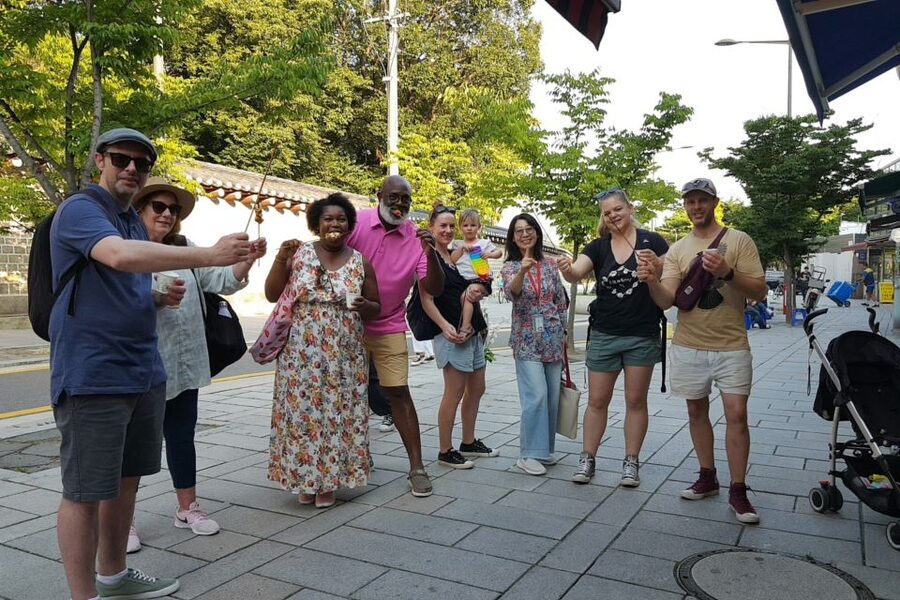
The route continues into Ikseon-dong, a district known for its narrow alleys and traditional hanok buildings. These homes preserve an older Seoul street pattern, while many now contain cafes, shops, and small businesses.
This part of the walk provides one of the clearest visual contrasts on the route. You can see traditional rooflines and older building forms, then turn a corner and find a modern cafe in the same setting.
Your guide points out the story behind some of the historic buildings and explains how the neighborhood combines old Seoul with current city life. That makes Ikseon-dong more meaningful than a quick photo stop.
The lanes can feel tight, and the area is better suited to walking slowly than moving in a large crowd. A private or small-group booking may be useful if you want more time to ask questions or take photographs.
There is no separate entrance fee listed for these neighborhoods. They form part of the guided walk, so the value comes from the route and interpretation rather than from a formal attraction ticket.
Gwangjang Market: where the food takes over
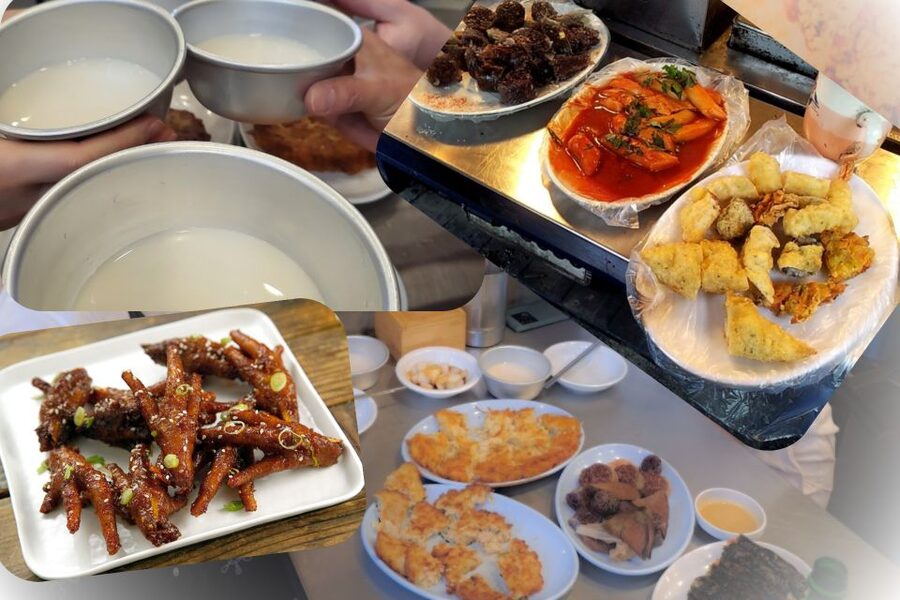
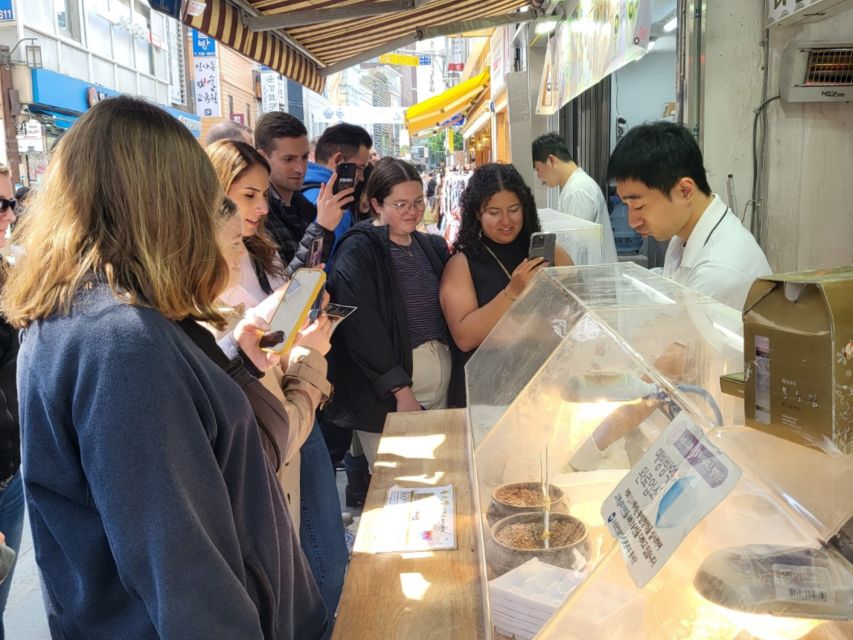
The food portion centers on Gwangjang Market, a long-established marketplace dating to the early 1900s. Here, food stalls sit alongside textiles, handmade goods, and other everyday merchandise.
This is the point where Seoul feels most immediate. You see food prepared in front of you, people moving between stalls, and a market that serves more than one purpose. It is a place to eat, shop, and observe ordinary commercial life.
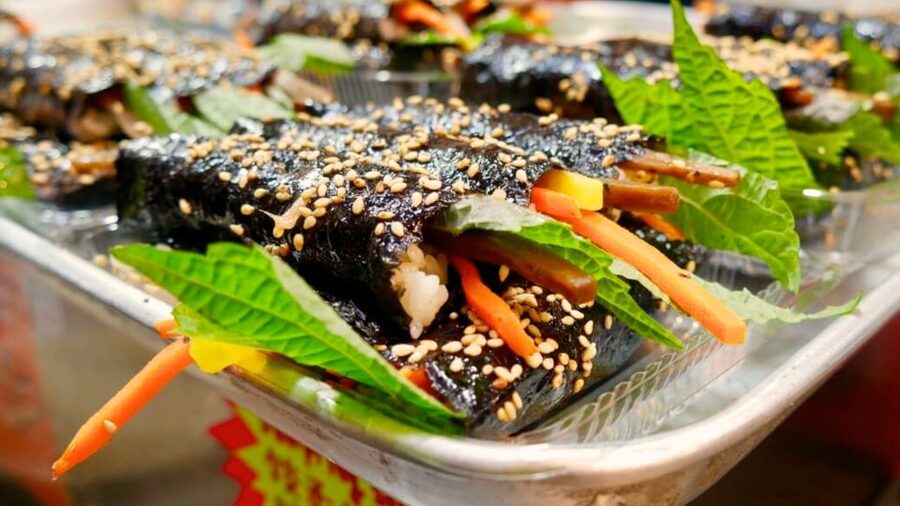
The tour includes three to five kinds of Korean street food, depending on the option you select. Those tastings are included in the price, so you do not need to keep reaching for your wallet every time the guide recommends a dish.
The exact food lineup is not fixed in the information provided. That is worth noting if you want one particular specialty. The guide chooses from available local foods, and the number of tastings varies by option.
Several guides receive especially warm praise for making this part work. Sam is noted for offering strong food advice, while Peter Park made the experience enjoyable even in very bad weather. One particularly memorable tasting was octopus near the end of the tour.
You should not expect a full restaurant meal. The portions are designed to let you sample several foods, and the largest servings come late in the route. Have breakfast or lunch first, especially if you tend to get hungry between meals.
That arrangement has both an advantage and a weakness. You can try several flavors without committing to one large dish, but you may feel ready for a proper meal before the final stop.
More street food tours:
- Seoul: Gyeongbok Palace, Bukchon Village, and Gwangjang Tour
★ 4.9 · 2,321 reviews - Seoul: Gyeongbok Palace, Bukchon Village, and Gwangjang Tour
★ 5.0 · 1,044 reviews - Small-Group Night Food Tour in Seoul with Korean BBQ
★ 5.0 · 304 reviews - Seoul Night Palace & Market Food Tour with Vehicle
★ 5.0 · 275 reviews
What the guide adds to the food
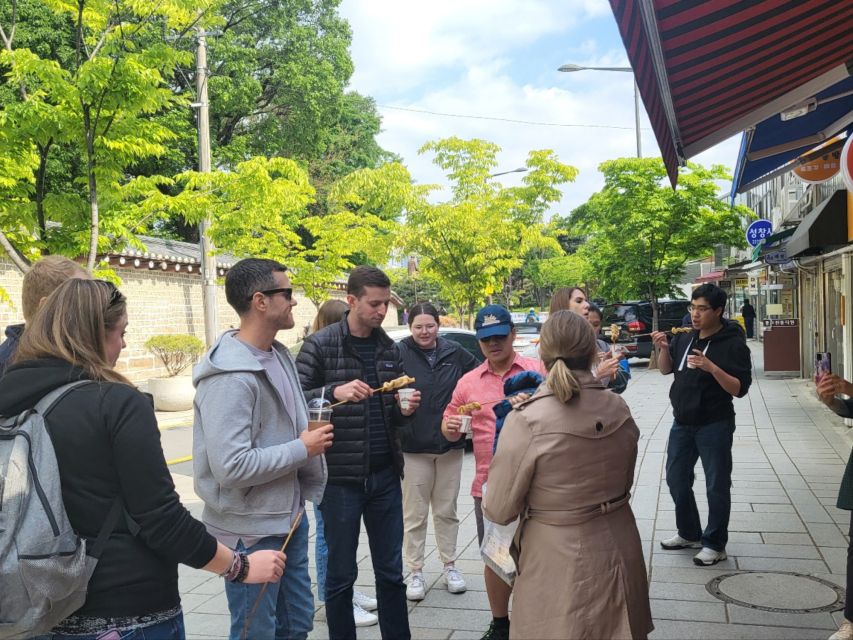
The guide is the main reason to choose this experience instead of simply visiting Gwangjang Market on your own. Food can be easy to misread when you do not know the ingredients, customs, or ordering habits.
The strongest guide feedback centers on clear explanations and a friendly manner. Charlie is praised for keeping the tour fun while explaining the subject well. Sally is described as warm, flexible, and good with families. Alan helped explain local dishes, customs, and restaurant behavior in a way that made the food easier to understand.
Peter is repeatedly singled out for his background in Korean history, culture, and cuisine. Patricia appreciated that he took time with his explanations, while another group found him helpful despite difficult weather.
The guides speak English or Korean. You should check the available language when booking, particularly if you are arranging a private tour and want the guide to match your preferred language.
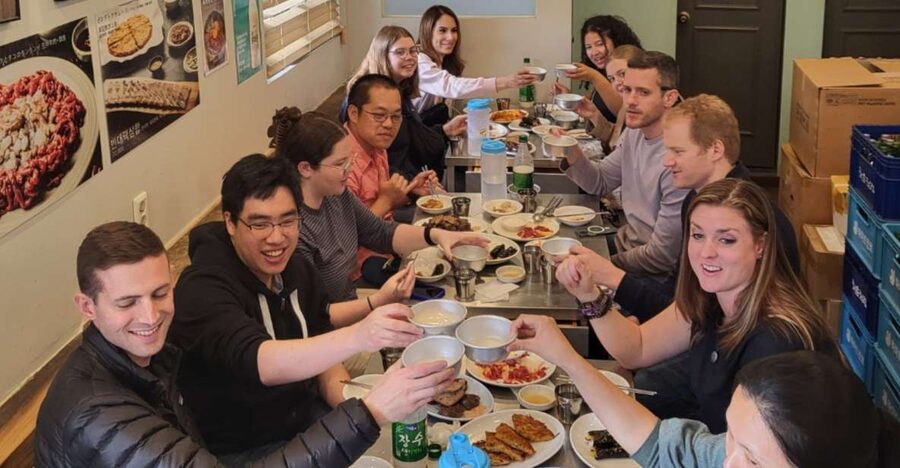
A good guide also helps with the social side of eating. Korean food markets may involve shared tables, quick service, unfamiliar utensils, and dishes that are not obvious from their appearance. The tour gives you a supported way to try foods you might otherwise skip.
How much food do you really get?
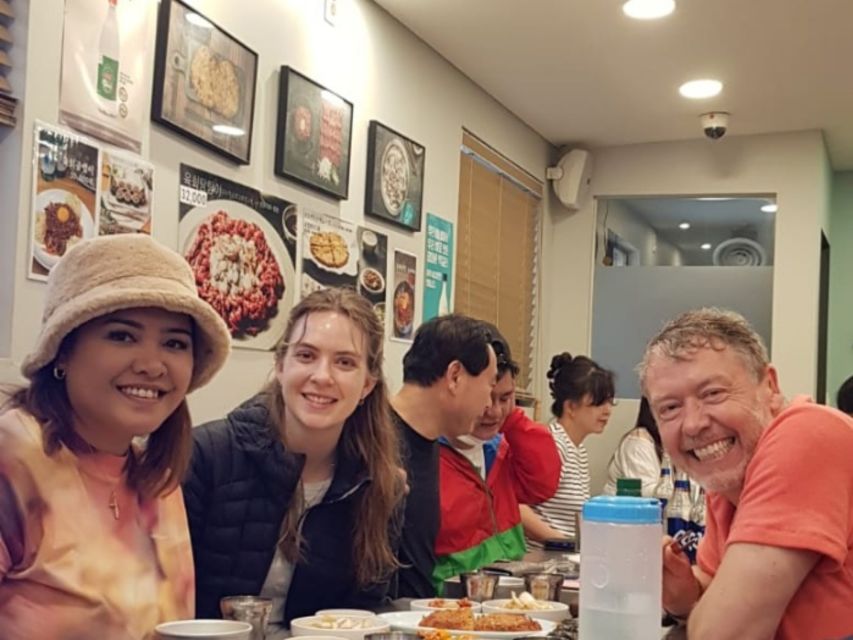
The phrase street-food tasting is important. You receive three to five kinds of food, but the experience does not provide a complete meal.
The largest portions arrive at the end, so I would not schedule this as your only food plan for the afternoon. Eat a normal meal earlier, but avoid arriving overly full if you want to sample everything.
The food is one of the most praised parts of the experience. The range of dishes gives you a broad introduction to Korean market eating, and the guide explains the origins of traditional foods along the way.
Still, you should keep your expectations realistic. If your main goal is to spend several hours trying many market dishes, this route may feel short. One rating specifically wished for more time to see the market and sample additional food.
That criticism is fair. The tour has to fit Insa-dong, Ikseon-dong, and Gwangjang Market into three hours. The benefit is variety. The tradeoff is that you will not explore every aisle or food stall in detail.
The $64 price and what it covers
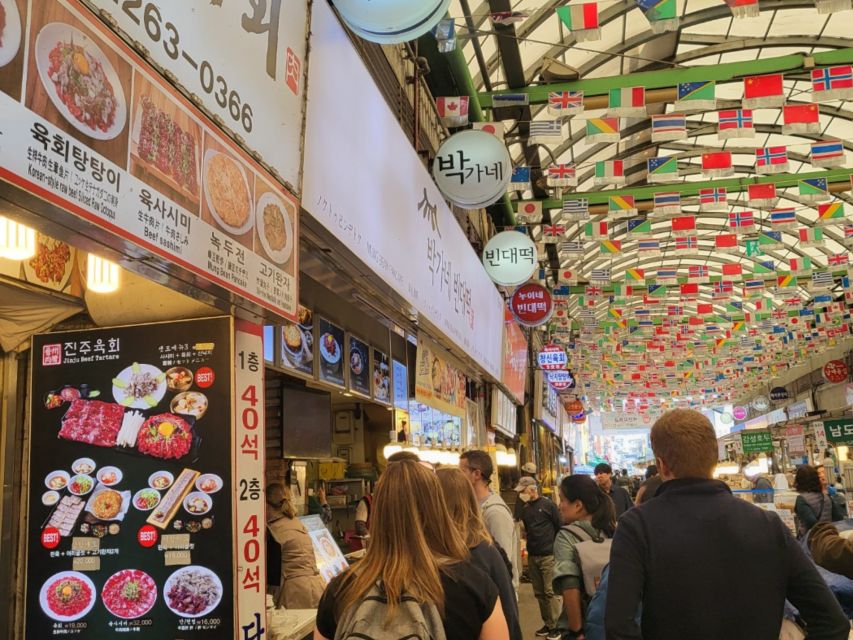
The $64 price makes the most sense if you value guidance and cultural explanation. It includes the guide, entrance fees, and three to five street-food tastings, with no extra charge for those included samples.
There is no mention of personal expenses being covered. Plan to pay separately if you want extra food, drinks, souvenirs, artwork, antiques, or textiles at the market and in Insa-dong.
For a private or small-group experience, $64 can be reasonable, especially for first-time visitors who want help navigating unfamiliar food. Families may also appreciate having a guide who can adjust the pace and explain the route without making the day feel like a formal lecture.
If you are confident ordering food on your own, the price may feel high. Gwangjang Market is open to independent exploration, and Seoul’s subway system makes the area easy to reach. The tour earns its cost through access to several neighborhoods in one outing and through the guide’s explanations.
The current rating is 4.7 from 31 ratings, with especially strong praise for guides, food choices, and cultural background. One lower rating points to limited market time, which is the main value question you should consider before booking.
Timing, meeting point, and cancellation
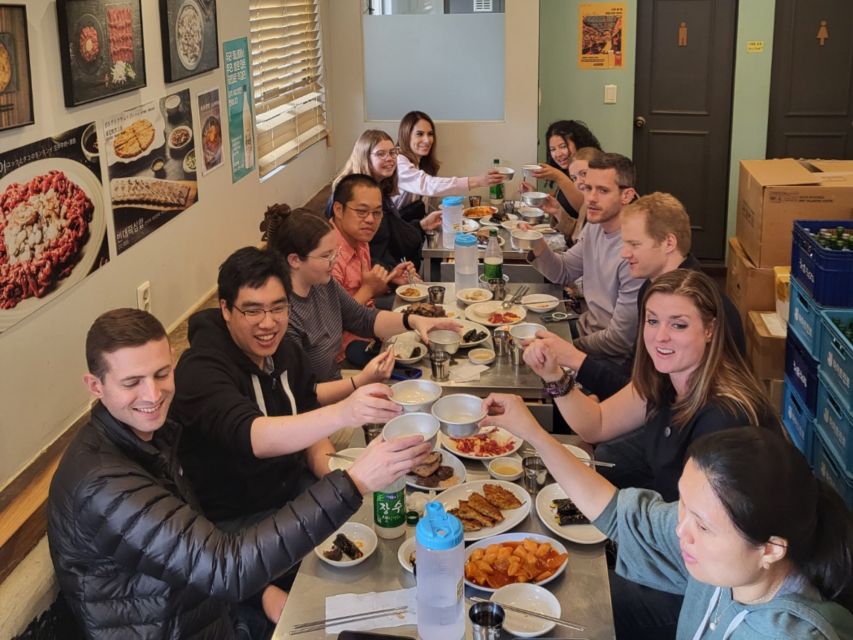
The tour lasts about three hours and starts at Anguk Station. You meet outside Exit 6 on Line 3 and finish at Gwangjang Market, so you do not return to the starting point.
That one-way design is useful. You can continue eating, shopping, or sightseeing at Gwangjang Market after the guide leaves. It also means you should plan your next stop from the market rather than assuming you will end back in Insa-dong.
Starting times depend on availability. Arrive at least 10 to 15 minutes early, since finding the correct station exit and meeting the guide can take longer than expected in a busy part of Seoul.
You can cancel up to 24 hours before the tour for a full refund. The booking also allows you to reserve now and pay later, which helps if your Seoul schedule is still changing.
The experience requires a minimum number of participants. If the operator cancels because that number is not reached, you are offered another date or experience, or a full refund.
Who should book this experience?
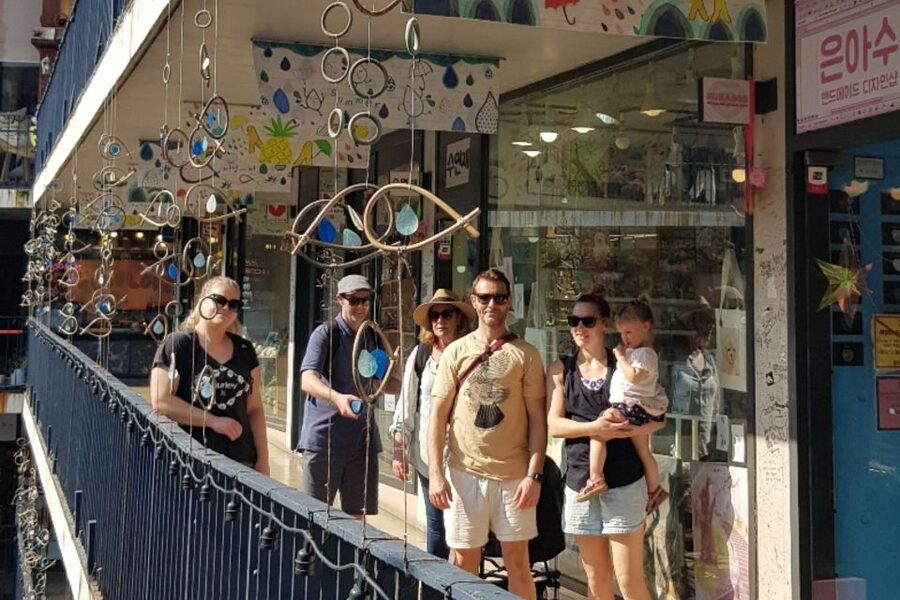
I would choose this tour for a first visit to Seoul, especially if you want an introduction to Korean food but do not yet know what to order. It is also a good fit if you enjoy walking through older neighborhoods and want history included with your meal.
Families may like the flexible style and short duration. The three-hour format gives you a focused outing without using an entire day, and a private or small-group option can make questions easier.
It suits people who want a cultural overview more than a market-only food hunt. You see art shops, antiques, hanok buildings, cafes, and market stalls in one route.
I would be more cautious if you are looking for a large meal or extensive food sampling. The portions are tastings, the best-sized servings arrive toward the end, and the market visit is limited by the three-hour schedule.
You should also think about the walking. The experience moves through streets and narrow alleys, so comfortable footwear matters. Weather can affect the experience, although Peter’s ability to keep one group happy in poor conditions suggests that a strong guide helps.
My verdict: a smart first taste of Seoul
I recommend this tour if you want food, history, and neighborhood atmosphere in one compact outing. The best part is the combination of places: Insa-dong gives you traditional arts, Ikseon-dong shows hanok Seoul in a modern setting, and Gwangjang Market brings the day to the plate.
The guide quality is a major strength. Sam, Charlie, Sally, Alan, and Peter Park are all associated with the qualities you want here: clear explanations, friendly conversation, useful food advice, and flexibility.
Book it if you want help understanding Korean dishes and customs, or if Gwangjang Market feels intimidating on your own. Skip it if you mainly want to eat a full meal or spend hours exploring every market stall. For most first-time visitors, $64 is fair for the guided route and included tastings, as long as you arrive having already eaten something.
FAQ
Where does the Seoul Netflix food tour start?
It starts in front of Exit 6 at Anguk Station on Subway Line 3.
Where does the tour finish?
The tour finishes at Gwangjang Market.
How long does the experience last?
The walking tour lasts three hours.
Which languages are available?
The live guide is available in English or Korean.
How many foods are included?
The tour includes three to five kinds of Korean street food, depending on the option selected.
Does the tour include a full meal?
No. The tastings do not make up a full meal, and the larger portions come at the end. You should eat beforehand rather than skip a meal.
Can I cancel the booking for a refund?
Yes. You can cancel up to 24 hours in advance for a full refund. You can also reserve now and pay later.
More Shopping Trips
- Private DMZ Tour (No Shopping): 3rd Tunnel & Suspension Bridge
★ 5.0 · 607 reviews - Seoul: Nighttime Tour of Palace, Market, Naksan Park & More
★ 4.9 · 143 reviews - Fortress Night Hike & Snack at a Local Market
★ 5.0 · 112 reviews - Korean Cooking Class with Grocery Shopping at Seoul Local Market
★ 5.0 · 107 reviews
More Market Visits
- Downtown Seoul Guided Food & Market Tour with 8+ Local Tastings
★ 5.0 · 580 reviews - Seoul: Korean Cooking Class at a Local Home and Market Tour
★ 5.0 · 348 reviews - Cook 3 Authentic Korean Dishes with Local Market Tour
★ 5.0 · 231 reviews - Korean Palace and Market Tour in Seoul Including Insadong and Gyeongbokgung Palace
★ 4.0 · 174 reviews
Just added around Seoul
- Seoraksan National Park & Nami Island★ 4.5 · 3 reviews
- Strawberry Picking, Winter Sled with Eobi Ice Valley from Seoul★ 4.5 · 3 reviews
- Seoul Full Day small group Tour★ 5.0 · 3 reviews
- Majang Meat Market Experience: Private Tour with Han-woo Beef BBQ★ 5.0 · 3 reviews
- Seoul Korean BBQ Dinner Experience with Secret Food Tours★ 5.0 · 3 reviews
- Rice Wine Tasting with Sommelier – Finest Makgeolli (& Soju)★ 5.0 · 3 reviews
- Max Out Seoul: Must Visit City Highlights Panoramic Day Tour★ 5.0 · 3 reviews
- Seongsu-dong Walking Tour: K-Pop, Culture, Cheer, Friends & Relax★ 4.5 · 3 reviews
Street Food & Market Tours, compared.

Gyeongbok Palace, Bukchon Village, and Gwangjang Tour
Read our review →
Gyeongbok Palace, Bukchon Village, and Gwangjang Tour
Read our review →
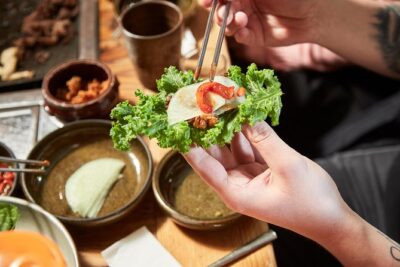
Small-Group Night Food Tour in Seoul with Korean BBQ
Read our review →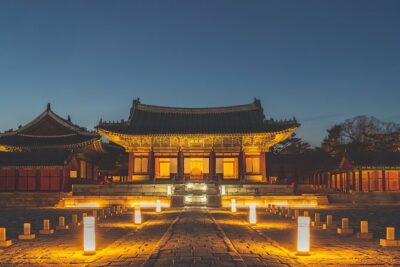
Seoul Night Palace & Market Food Tour with Vehicle
Read our review →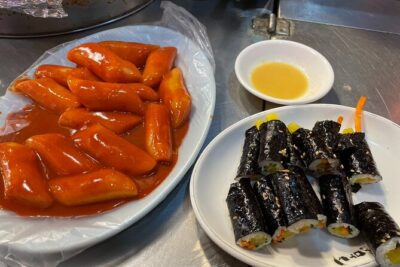
Seoul Fun Food Tour: 12 different food tastings
Read our review →
The Award-Winning PRIVATE Food Tour of Seoul: The 10 Tastings
Read our review →Browse the lists this tour appears in