Reviewed · SEOUL TOURS
Discover Round Korea in 7days: All-Inclusive Experience
Korea rewards the curious. This seven-day circuit links royal tombs, temples, markets, tea fields, coastal wetlands, mountain scenery, and traditional villages into one carefully packed trip around the country. You begin and end in Seoul, with six nights of hotels, meals, admission fees, transport, and an English-speaking guide included.
I especially like the no-shopping format, which keeps the focus on places and local culture rather than sales stops. I also like the food plan: seven lunches, six breakfasts, and six dinners give you a broad taste of Korean cooking without the daily work of finding restaurants. The main drawback is the pace. You cover a lot of ground in seven days, so this suits you best if you prefer a full schedule to slow mornings and long stays in one place.
In This Review
- Key points to know before booking
- What the $1,970 price really covers
- Day 1: Baekje history in Gongju
- Day 2: Hanok lanes, hanbok, and temple tea
- Day 3: Tea rows and coastal marshes
- Day 4: Busan war memory, seafood, and sea views
- Day 5: Busan’s coast and the royal world of Gyeongju
- Day 6: Make a traditional sweet, then visit Andong
- Day 7: Seoraksan and the final mountain walk
- Meals, hotels, and the daily rhythm
- Guide quality and group size
- Who will enjoy this seven-day circuit?
- Cancellation and practical booking details
- Should you book Round Korea in 7 Days?
- FAQ
- Where does the tour begin and end?
- How long is the experience?
- What meals are included?
- Are entrance fees included?
- How large can the group be?
- What happens if bad weather cancels the tour?
Key points to know before booking
- Seven days, six nights, and almost every major cost included: Hotels, meals, transport, guide service, and entrance fees are covered.
- A real circuit beyond Seoul: The route reaches Gongju, Jeonju, Boseong, Suncheon, Busan, Gyeongju, Andong, Pyeongchang, and Seoraksan.
- No shopping stops: Your time is aimed at temples, museums, villages, nature sites, markets, and food experiences.
- UNESCO sites anchor the route: Gongsanseong Fortress, Bulguksa Temple, Andong Hahoe Folk Village, and Seoraksan are among the major highlights.
- A group of up to 35 people: The vehicle changes with group size, so ask about the expected group before you book if personal space matters.
- Moderate fitness is needed: Expect walking through historic compounds, villages, markets, and a national park, along with full touring days.
What the $1,970 price really covers
At $1,970 per person, this is not a bargain-basement bus trip. It is a packaged, full-service route that removes many of the costs and decisions that can add up quickly in Korea.
Your price includes six nights in twin or double rooms, seven lunches, six breakfasts, six dinners, all listed admission fees, an air-conditioned vehicle, an English-speaking guide or driver-guide, and a welcome kit. You do not need to budget separately for the fortress, museums, temples, hanbok activity, cable car, or other paid stops in the schedule.
That makes the value easier to see. You are paying for a week of organized movement across much of South Korea, not just seven days of sightseeing in Seoul. The meals also matter. You may still want personal snacks and drinks, but the main eating plan is already handled.
The package is not literally every expense. Insurance, laundry, phone calls, pay TV, drinks, tips, and personal purchases are extra. Hotel pickup on the first day and drop-off on the final day are also excluded. The recommended base is Amid Hotel Seoul, at 38 Insadong 5-gil in Jongno District.
I would compare the price with the cost of booking several regional hotels, arranging intercity transport, paying for guided visits, and managing meals yourself. If you are comfortable planning Korea independently, you may prefer the freedom and possibly spend less. If you want one booking to handle a complicated route, the price is easier to justify.
A few more trips of this kind worth comparing:
Day 1: Baekje history in Gongju
The first day takes you to Gongju, an important center of the Baekje period. Gongsanseong Fortress gives you an immediate sense of Korea’s layered past. The hillside setting adds scenery to the history, and the one-hour visit should give you time to see the main grounds without turning the stop into a lecture marathon.
The fortress was designated a UNESCO World Heritage Site in 2015. That label matters less than the setting itself: walls, slopes, and views help you understand why this was a useful defensive site. Wear shoes that are comfortable on uneven ground and inclines.
At the Songsan-ri Tombs, you visit the Royal Tomb of King Muryeong. The brick-built burial method is a notable feature, and the artifacts connected with the tomb show the skill and status of the Baekje court.
The Gongju National Museum rounds out the day with about 10,000 cultural objects. The museum is especially useful after the fortress and tombs because it gives you objects to connect with the places you have just seen. Gilt-bronze ornaments and finds from King Muryeong’s tomb make the period more concrete.
Each stop receives about an hour. That is enough for a clear introduction, but not enough for a slow museum visit or long independent exploration. I would treat this as a strong opening chapter rather than a complete study of Gongju.
Day 2: Hanok lanes, hanbok, and temple tea

Jeonju Hanok Village changes the mood from royal archaeology to living traditional culture. More than 800 hanok houses fill the area, creating lanes with tiled roofs, timber details, and a slower visual rhythm than modern Korean cities.
The schedule includes time at Gyeonggijeon Shrine, a site built in 1410 that holds the portrait of King Tae-jo, founder of the Joseon Dynasty. The shrine gives historical weight to your walk through the village. It is not simply a photo stop among old houses.
The hanbok activity adds a playful element. At Hanboknam Jeonju Hanok Village, you can put on traditional Korean clothing and walk through the setting in costume. One hour is enough for the activity, though you should not expect a full-day fashion or photography session.
The afternoon visit to Baekyangsa Temple is more reflective. The temple is known for changing character with the seasons, and the included tea conversation with a Buddhist monk offers a quiet break from the busy touring pattern. This is one of the more personal activities on the route because it gives you time to listen rather than simply look.
Day 2 mixes several kinds of experience: architecture, royal history, dress, and Buddhist practice. It is also another full day, so the chance to slow down during the tea conversation is welcome.
Day 3: Tea rows and coastal marshes
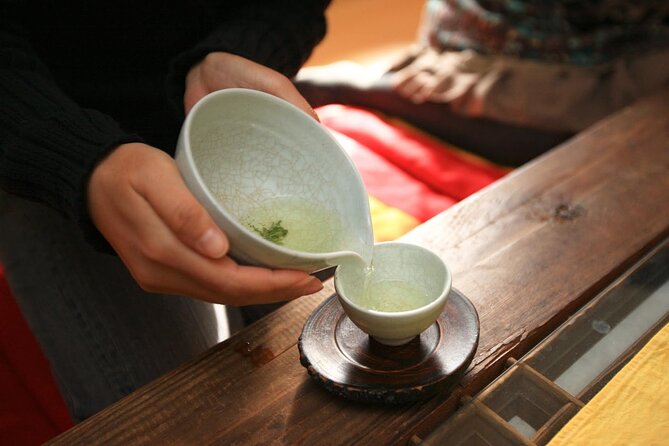
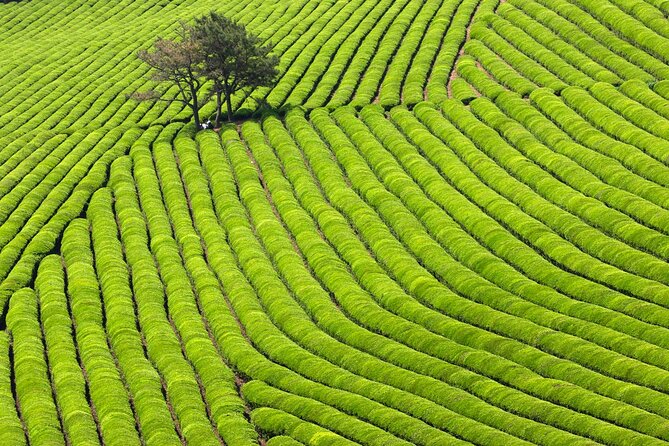
Boseong Green Tea Plantation, also called Daehan Dawon, is one of the most photogenic stops on the route. You spend about two hours walking among terraced rows of tea bushes, with views that change according to the season.
The visit is more than a quick roadside picture. Two hours lets you walk through the plantation and take in the setting at a reasonable pace. Still, the experience depends heavily on weather and season, so keep your expectations flexible if the day is wet, hazy, or especially hot.
After lunch, the tour heads to Suncheon Bay Wetland Reserve. This broad coastal marsh lies where river and sea meet and supports more than 250 species. It offers a clear change from the cultivated slopes of Boseong.
I like the contrast here. In the morning, you see land shaped for farming. In the afternoon, you see a wetland shaped by water and wildlife. Two hours at Suncheon Bay gives you time for scenery and walking, though the schedule will not allow a long nature study session.
This is one of the quieter days, with only two main stops. If you enjoy outdoor settings more than indoor museums, Day 3 may be one of your favorites.
A completely different kind of day out in Seoul:
- Best DMZ Tour Korea from Seoul (Red Suspension Bridge Optional)
★ 5.0 · 41,422 reviews - DMZ Tour: 3rd Tunnel, Option(Suspension Bridge, Boat) from Seoul
★ 5.0 · 21,373 reviews - DMZ tour south Korea from Seoul (NK experience hall, defector)
★ 5.0 · 20,599 reviews - Seoul: DMZ Tour with Optional Suspension Bridge
★ 4.8 · 5,277 reviews
Day 4: Busan war memory, seafood, and sea views
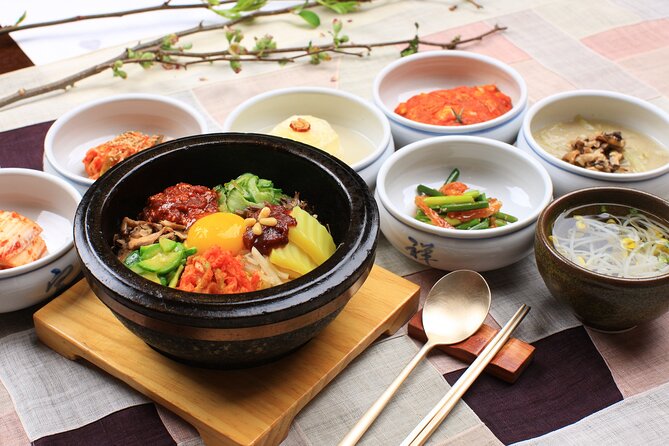
The Busan portion begins at the UN Memorial Cemetery, a solemn site dedicated to soldiers from the United Nations forces who died during the Korean War. About 2,300 graves are arranged by nation.
The one-hour visit deserves a respectful pace. This is not an entertainment stop, and the value comes from taking a moment to understand the human cost behind the country’s modern history.
Jagalchi Market then brings you into the daily life of Busan. The city’s famous fish market is lined with seafood stalls and local specialties. You have about an hour to look around, but the included meal plan means this is not necessarily a free-form food tour.
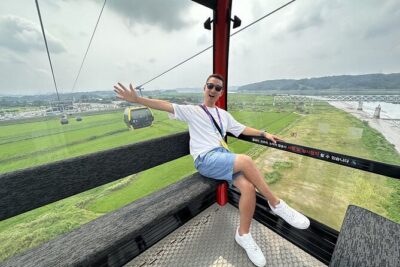
The final stop is the Songdo Sea Cable Car. The ride covers about 1.6 kilometers between Songdo Beach Station and Songdo Sky Park, with views across the coastline. Two hours allows time for the ride and the surrounding area, though lines and weather can affect how relaxed the visit feels.
Day 4 works because it has three distinct faces of Busan: remembrance, food culture, and coastal scenery. If you want several days in Busan itself, this schedule may feel short. If you want a broad national tour, it gives you a useful introduction.
Day 5: Busan’s coast and the royal world of Gyeongju
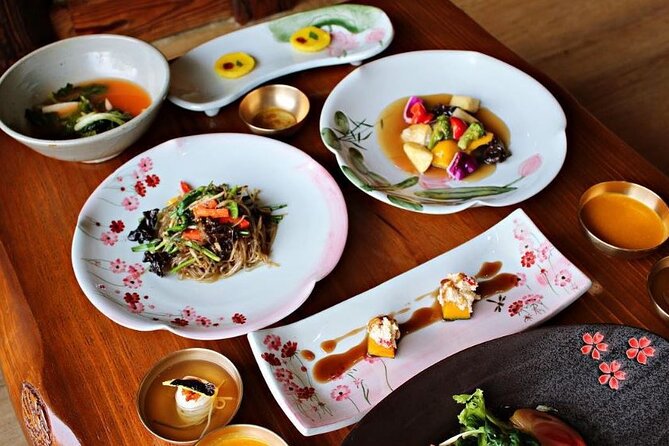
The morning visit to Dongbaekseom Island and Nurimaru APEC House shows a more modern side of Korea. The glass-walled building hosted the 2005 APEC Summit, and the one-hour stop provides a look at contemporary diplomacy and architecture.
From there, the route moves to Gyeongju, Korea’s ancient capital for roughly a thousand years. Bulguksa Temple is the major stop, with about 90 minutes to see its UNESCO-listed grounds and Buddhist architecture.
Gyeongju is often the historical high point of a Korea itinerary, and this day gives it serious attention. At the Daereungwon Tomb Complex, large burial mounds reveal the scale of the Silla royal court. The artifacts associated with these tombs include elaborate gold crowns, a memorable reminder of the kingdom’s wealth and craftsmanship.
The Gyeongju National Museum receives two hours, which is generous compared with several other museum visits on the trip. This is where the Silla story comes into sharper focus through golden crowns and other objects dating back about a millennium.
You finish at Cheomseongdae Observatory, an ancient astronomical structure and one of Gyeongju’s best-known symbols. The scheduled 20 minutes is brief, but it is enough to see the monument and hear why it matters.
The day covers modern international affairs, Buddhist architecture, royal tombs, museum collections, and early astronomy. It is packed, but the sequence makes sense and gives you several ways to understand Gyeongju.
Day 6: Make a traditional sweet, then visit Andong
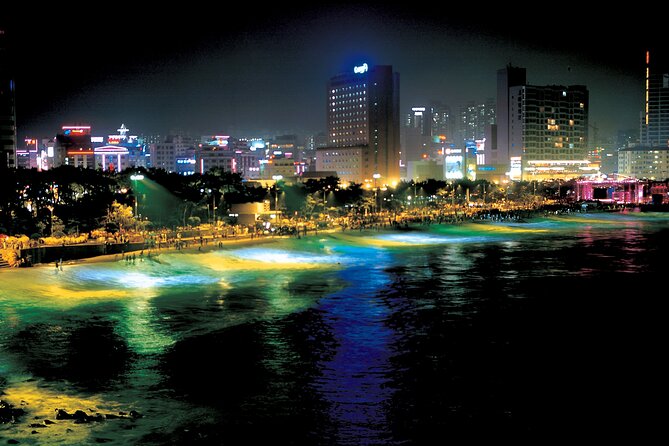
Day 6 begins with one of the most hands-on activities: making a Korean traditional dessert at Momyeongjae and the Korean Traditional Culture Center. Expert instructors lead the 90-minute session, so you are not merely watching a demonstration.
This is a useful change of pace after several days of monuments and museums. You get to handle the ingredients and leave with a more practical sense of Korean food culture. The exact dessert is not specified, so do not book this expecting a particular recipe.
The afternoon visit to Andong Hahoe Folk Village brings you into one of Korea’s best-preserved traditional villages. More than 600 years of history remain visible in its buildings and layout.
The village is a living cultural setting rather than a single monument. You receive two hours to walk around and take in the traditional homes and surroundings. That is enough for an introduction, though you may wish for more time if old villages are your main interest.
Day 6 is especially good for anyone who wants more than photo stops. The dessert lesson and Hahoe visit offer direct contact with traditions, while the rest of the tour often works through guided observation.
Day 7: Seoraksan and the final mountain walk
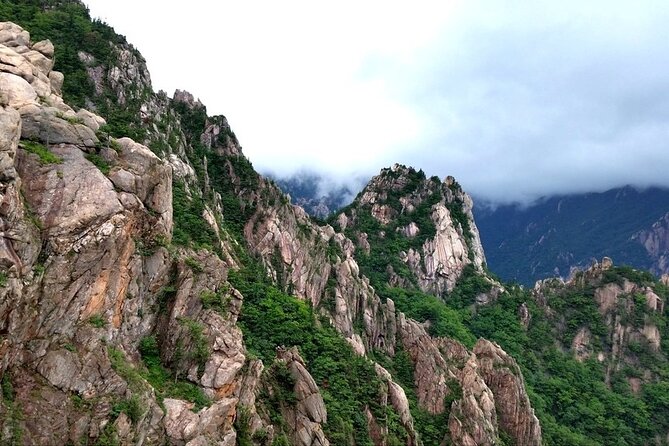
The final day starts in Pyeongchang and heads to Jujeongol Valley in Seoraksan National Park. The park is known for dramatic rock formations, high peaks, and clear streams.
You have about two hours at the park. That gives you a taste of the scenery and a worthwhile walk, but it is not a serious multi-day hiking experience. The tour requires moderate physical fitness, and you should be ready for walking on natural paths rather than only paved city sidewalks.
Ending with Seoraksan is a smart choice. After a week of royal sites, museums, markets, and villages, the mountain setting gives the trip room to breathe. Weather matters here, and the experience requires good weather, so the operator may offer another date or a full refund if conditions force cancellation.
Meals, hotels, and the daily rhythm
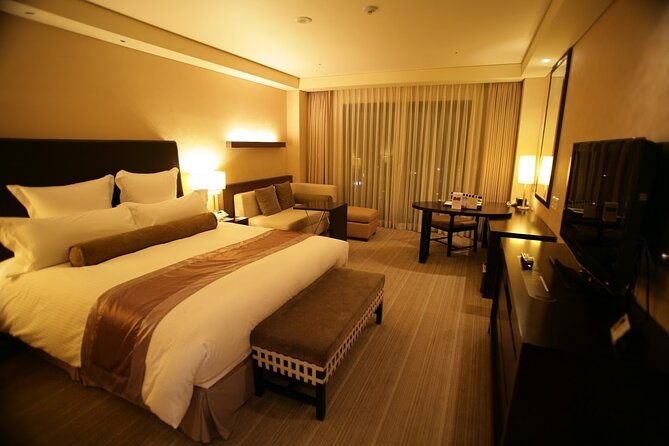
Six nights of accommodation in twin or double rooms are included, but the specific hotel names are not provided. If room type or hotel location matters to you, ask for those details before paying.
The meal plan is unusually useful for a route this busy. Seven lunches, six breakfasts, and six dinners mean you are not repeatedly searching for food after a full day on the road. The promise of different kinds of Korean traditional food is a major part of the appeal.
You should still expect some limits. An organized group meal cannot match the freedom of choosing a restaurant each night, and drinks and personal extras are not included. If you have dietary needs, ask the operator before departure rather than assuming the standard meals will fit.
The schedule begins at 8:00 a.m. from Amid Hotel Seoul. With up to 35 people, meeting on time matters. A smaller group may feel easier, while a full coach can mean slower loading, more waiting, and less flexibility at stops.
Guide quality and group size
The guide can be an English-speaking guide or a driver-guide. That distinction may affect how much commentary you receive while moving between stops, so it is worth confirming the arrangement.
One guide named in the feedback is Jay, who was praised for being friendly, kind, fun, and attentive to a group of 16. That smaller group size likely helped the personal feel. You should not assume every departure will have the same guide or the same group size, but the example gives you a useful picture of the service standard to hope for.
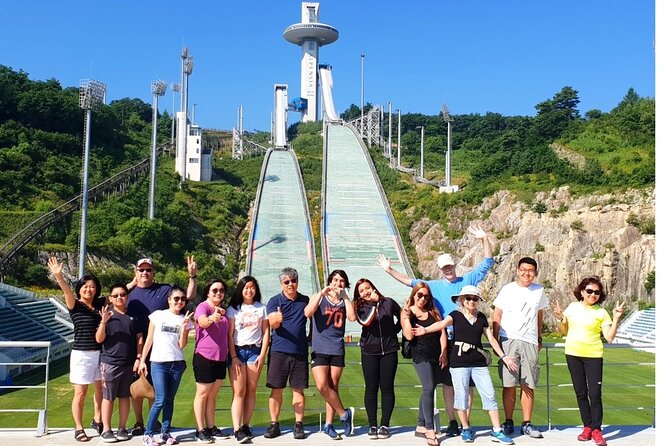
The maximum group size is 35. If you enjoy meeting people and want the simplest possible way to cross Korea, that size is workable. If you dislike group timing, crowded vehicles, or fixed meal schedules, you may prefer a private guide or a self-planned route.
Who will enjoy this seven-day circuit?
I would recommend it to you if you want to see many sides of South Korea without handling multiple hotel bookings, regional transfers, admission tickets, and meals. It is particularly well suited to first-time visitors, history fans, food-minded travelers, and anyone who wants an English-speaking guide.
You should also be comfortable with early starts and regular movement. This is not a stay-put holiday. You will change locations, walk through historic sites, spend time outdoors, and follow a fixed timetable.
The trip is less suitable if you want several unplanned evenings, extended time in Seoul, or long hikes in Seoraksan. It also may not suit you if you need guaranteed solo rooms, since the included accommodation is based on twin or double rooms.
The 99 percent recommendation rate and five-star rating from 157 ratings point to strong overall satisfaction, especially with the service and the broad range of places included. The most useful praise is practical: one participant who normally organized independent trips was glad to join because the route reached special places they would not have found alone. That is the central strength here.
Cancellation and practical booking details
You can receive a full refund if you cancel at least six full days before the 8:00 a.m. start time. Cancelling two to six full days ahead allows a 50 percent refund, while cancellations less than two full days before departure are not refunded.
Confirmation is normally issued at booking, unless you book within one day of departure. In that case, confirmation depends on availability.
The tour begins at Amid Hotel Seoul and ends back at the meeting point. Since first-day pickup and final drop-off are not included, plan your Seoul hotel and luggage arrangements around that fixed point.
Should you book Round Korea in 7 Days?
Book this tour if you want maximum coverage with minimum planning. The route gives you Baekje and Silla history, Joseon-era culture, Buddhist temples, Korean food, coastal scenery, wetlands, a working market, a traditional village, and a national park in one week.
Skip it if you want to travel slowly or choose every meal and hotel yourself. At $1,970, the value rests on convenience, included meals and admissions, and access to far-flung places that are harder to combine independently.
For most first-time visitors with only one week, I would consider it a strong choice. Go in ready for full days, shared timing, and plenty of road travel, and you will get a broad, well-balanced introduction to Korea without shopping detours.
FAQ
Where does the tour begin and end?
The tour starts at Amid Hotel Seoul, 38 Insadong 5-gil in Jongno District, at 8:00 a.m. It ends back at the same meeting point.
How long is the experience?
The experience lasts approximately seven days and includes six nights of accommodation.
What meals are included?
The price includes seven lunches, six breakfasts, and six dinners.
Are entrance fees included?
Yes. Entrance fees for all listed sites during the tour are included.
How large can the group be?
The maximum group size is 35 people. The vehicle changes according to the size of the group.
What happens if bad weather cancels the tour?
The experience requires good weather. If poor weather causes cancellation, you will be offered another date or a full refund.
Just added around Seoul
- Seoraksan National Park & Nami Island★ 4.5 · 3 reviews
- Strawberry Picking, Winter Sled with Eobi Ice Valley from Seoul★ 4.5 · 3 reviews
- Seoul Full Day small group Tour★ 5.0 · 3 reviews
- Majang Meat Market Experience: Private Tour with Han-woo Beef BBQ★ 5.0 · 3 reviews
- Seoul Korean BBQ Dinner Experience with Secret Food Tours★ 5.0 · 3 reviews
- Rice Wine Tasting with Sommelier – Finest Makgeolli (& Soju)★ 5.0 · 3 reviews
- Max Out Seoul: Must Visit City Highlights Panoramic Day Tour★ 5.0 · 3 reviews
- Seongsu-dong Walking Tour: K-Pop, Culture, Cheer, Friends & Relax★ 4.5 · 3 reviews
Seoul Tours, compared.

Best DMZ Tour Korea from Seoul (Red Suspension Bridge Optional)
Read our review →
DMZ Tour: 3rd Tunnel, Option(Suspension Bridge, Boat) from Seoul
Read our review →
DMZ tour south Korea from Seoul (NK experience hall, defector)
Read our review →

Signature DMZ Tour: Exclusive Defector Talk & Suspension Bridge
Read our review →
Thrilling Korean DMZ 3rd Tunnel Tour from Seoul + Red Bridge Rush
Read our review →DMZ Past and Present: Korean Demilitarized Zone Tour from Seoul
Read our review →