
Reviewed · DMZ & BORDER TOURS
7 Day Essential Korea Tour(Seoul, Nami, DMZ, Andong, Gyeongju, Busan_Meal Incl.)
Korea in one fast-moving week. This private tour links Seoul’s palaces and markets with Nami Island, the DMZ, Andong, Gyeongju, and Busan, making it a strong choice if you want to cover the country’s major sights without arranging each train, hotel, meal, and ticket yourself. I especially like the private air-conditioned transport and the unusually generous meal plan: three breakfasts, seven lunches, and six dinners are included.
I also like the balance between guided sightseeing and free time in each city. You get a licensed English-speaking guide, but you are not kept in a tour group every minute. The main drawback is the pace. Seven days is short for this route, and several days contain four or five major stops. At $3,399 per person, the tour offers convenience and depth, but you need to enjoy full days on the road to feel good about the price.
In This Review
- Key points at a glance
- Why this private Korea itinerary works
- Day 1: Seoul palaces, hanok lanes, tea, and street food
- Day 2: Nami Island, Petite France, and the Garden of Morning Calm
- Day 3: The DMZ and Seoul from Namsan
- Day 4: Buseoksa, Andong, and Korea’s Confucian tradition
- Day 5: Gyeongju, capital of the Silla Kingdom
- Day 6: Busan’s coast, markets, and war memorial
- Day 7: Gamcheon Culture Village
- Meals, hotels, and what the $3,399 price buys
- Who should book this tour?
- FAQ
- Where does the tour start?
- Is hotel pickup included?
- Is this a private tour?
- How long does the tour last?
- How many meals are included?
- Is transportation included?
- Are admission fees included?
- Who leads the tour?
- Where are the included hotels?
- How early is the tour usually booked?
- My booking recommendation
Key points at a glance
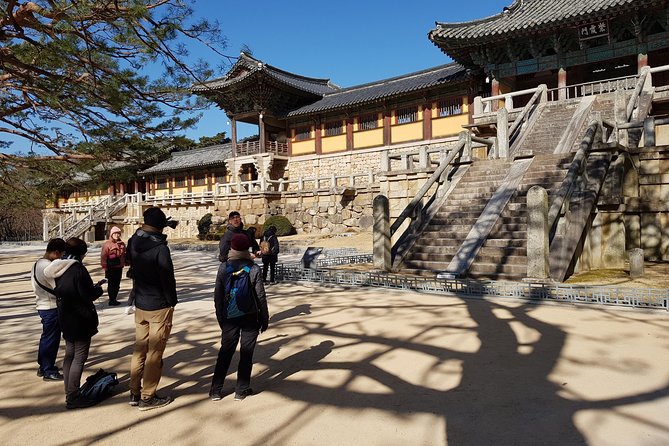
- A private route from Seoul to Busan: Your own group travels by air-conditioned vehicle rather than joining a large coach.
- Sixteen meals included: The plan covers 3 breakfasts, 7 lunches, and 6 dinners, with the guide helping introduce different Korean dishes.
- Korea’s big historic sites: Gyeongbokgung, Bulguksa, Seokguram, Hahoe Folk Village, and several UNESCO World Heritage Sites are included.
- The DMZ is built into the schedule: You visit key areas connected with the Korean War, including the Freedom Bridge and the Third Infiltration Tunnel.
- Three overnight stops outside Seoul: Accommodation is arranged in Andong, Gyeongju, and Busan at 3 or 4-star hotels, generally two people per room.
- A very full itinerary: This is designed for first-time visitors who want a broad survey, not for people seeking a slow, stay-put holiday.
Why this private Korea itinerary works
The best thing about this experience is how much planning disappears. You do not need to work out the most sensible order for Seoul, Andong, Gyeongju, and Busan, or figure out how to connect rural temples and villages by public transport. Your guide handles the driving, admissions, hotels, and scheduled meals.
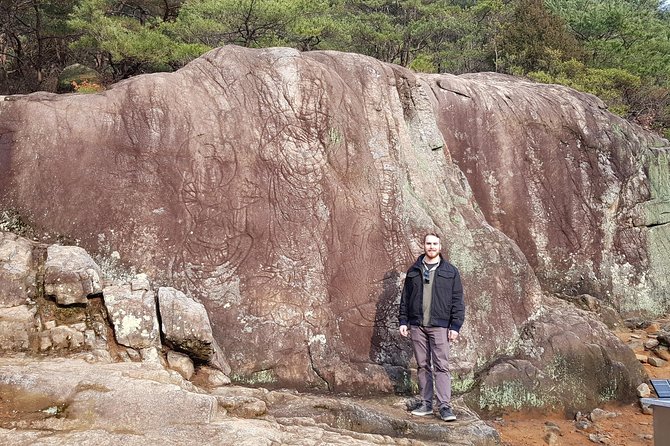
That matters in Korea because the most memorable places are not all in major city centers. Buseoksa Temple, Hahoe Folk Village, Byeongsan Seowon, and the DMZ require more thought than simply taking a subway across Seoul. A private vehicle also lets your group move on its own schedule within the tour plan.
Bergen Park is the named guide associated with the experience. His role goes beyond explaining monuments. He has been praised for introducing local food, arranging comfortable transport, and looking after the practical details. One especially appealing feature is the promise of different Korean meals across the seven days. You are not simply eating at the same tourist restaurant each evening.
The tradeoff is time. Seoul alone receives a long first day, then you quickly move north, east, and south. You will see a great deal, but this is not the right choice if you want long café mornings, extended museum visits, or several unplanned afternoons.
More DMZ and border tours:
- Best DMZ Tour Korea from Seoul (Red Suspension Bridge Optional)
★ 5.0 · 41,422 reviews - DMZ Tour: 3rd Tunnel, Option(Suspension Bridge, Boat) from Seoul
★ 5.0 · 21,373 reviews - DMZ tour south Korea from Seoul (NK experience hall, defector)
★ 5.0 · 20,599 reviews
Day 1: Seoul palaces, hanok lanes, tea, and street food
The first day begins at 9:00 a.m. with Gyeongbokgung Palace, the largest and first royal palace built during the Joseon Dynasty. Allowing 90 minutes here gives you time to appreciate the palace courtyards and the setting at the heart of Seoul rather than making a quick photo stop.
The National Folk Museum of Korea follows for 30 minutes. It presents Korean culture from prehistoric times through the end of the Joseon period. The visit is short, so think of it as a useful introduction rather than a complete museum experience.
Next comes Bukchon Hanok Village, a traditional neighborhood of tiled-roof homes and narrow lanes built on a hillside. One hour is enough to see the character of the area, though the slope and uneven streets may make this stop more tiring than its short duration suggests. Baek In-je’s House, also in Bukchon, adds a closer look at a preserved traditional home and gives the neighborhood more context.
Jogyesa Temple offers a change of mood. Located in central Seoul, it serves as a major center of Korean Buddhism. The planned 30 minutes works well for a quiet look at the temple grounds, though anyone wanting a longer religious or architectural visit may wish for more time.
Insadong then brings you to galleries, handicraft shops, antique stores, restaurants, and traditional tea houses. The itinerary includes the Kyung-In Museum of Fine Art, where you can enjoy tea in a hanok-style garden. This is one of the gentler moments of the day, a useful pause after several historic sites.
A short visit to Cheonggyecheon Stream shows modern Seoul’s public side. The 11-kilometer waterway was rebuilt through a major downtown renewal project and is now used by local residents and visitors. The final major stop is Kwangjang Market, where 90 minutes gives you time to sample Korean street food and see one of the country’s oldest traditional markets.
This first day covers a lot, but it has a sensible rhythm: palace, museum, old neighborhood, temple, tea, modern city, and market food. Wear comfortable shoes and expect a long day on your feet.
Day 2: Nami Island, Petite France, and the Garden of Morning Calm
Day two leaves Seoul for three popular attractions north of the capital. Nami Island receives three hours, the longest stop of the day. Its tree-lined paths, wooded areas, and riverside walks make it a scenic break from the city.
Nami Island is known for seasonal beauty, so the feel of this day can change with the time of year. The tour gives you enough time for a proper walk instead of only a quick viewpoint. Still, it is a popular attraction, and the appeal is mainly visual and recreational rather than a major historic site.
Petite France takes one hour. This small French-themed cultural village offers European-inspired displays, cultural programs, and performances. It is a playful contrast to the palace and temple visits, though some people may find the theme less essential than Korea’s traditional sites.
The last stop is the Garden of Morning Calm, an 82-acre garden at the foot of Chungnyeongsan Mountain. Its more than 20 themed areas include a bonsai garden, herb garden, and Chinese garden. Two hours gives you time to stroll at a reasonable pace.
This is the tour’s most scenic day, but it is also one of the more attraction-focused days. If you prefer old neighborhoods and archaeological sites, Nami Island and the garden may feel less substantial. If you like walking, photography, and carefully arranged gardens, the day should be a welcome change.
Day 3: The DMZ and Seoul from Namsan
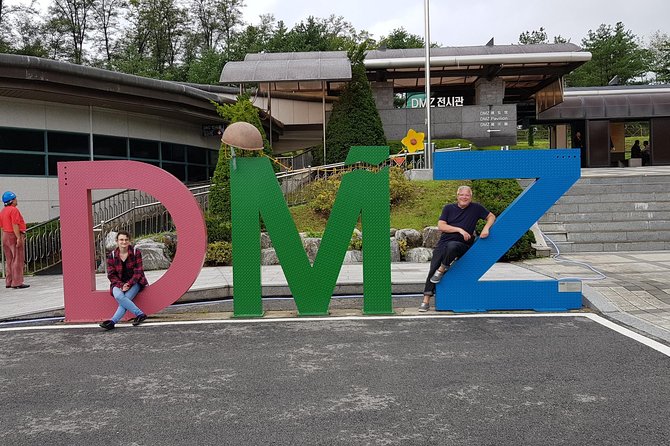
The DMZ visit is one of the most distinctive parts of the route. The three-hour stop includes key places connected with the divided peninsula, such as Freedom Bridge, Imjingak Park, the Third Infiltration Tunnel, and Dora Observatory.
This is not a casual sightseeing stop. The DMZ carries the weight of the Korean War and the continuing division between North and South Korea. Your licensed guide can help connect the physical sites with the modern history behind them. The experience is also subject to the practical limits of a sensitive border area, so the exact order or access at individual points may depend on conditions.
Later, you visit N Seoul Tower for two hours. From Namsan, the tower offers broad views across Seoul. After a serious morning at the DMZ, this gives you a lighter end to the day and a chance to understand the size of the capital from above.
The two major stops complement one another well. One explains Korea’s political reality, while the other shows the immense modern city that developed south of the border. This is another full day, but the schedule is less crowded than day one.
More Andong and Hahoe trips:
- Andong Hahoe Village [UNESCO site] Premium Private Tour from Seoul
★ 5.0 · 24 reviews - Andong Hahoe Folk Village [UNESCO World Heritage] Private Tour from Seoul
★ 4.0 · 7 reviews - Andong: UNESCO Sites, Mask Dance, and Secret Garden & Bridge
★ 5.0 · 5 reviews - Andong Hahoe Folk Village Day Tour From Busan
★ 5.0 · 4 reviews
Day 4: Buseoksa, Andong, and Korea’s Confucian tradition
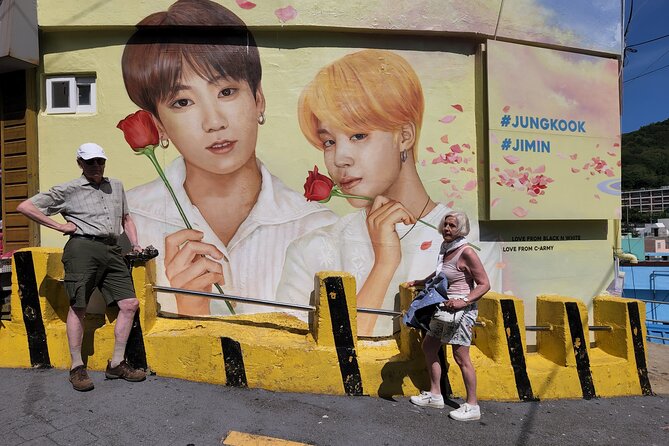
Day four moves into Korea’s central historic regions. Buseoksa Temple, founded in 676, is known for its mountain setting and for having Korea’s longest wooden building. Two hours lets you look beyond the main hall and appreciate the temple’s national treasures and older buildings.
Andong Hahoe Folk Village receives three hours. This traditional community was established around 600 years ago during the early Joseon period and has retained its original village form and housing traditions. It is one of the strongest stops for understanding how Korean homes and communities were arranged before modern development.
Buyongdae, a cliff about 64 meters high across the river from Hahoe Village, offers a panoramic view of the settlement. The scheduled 30 minutes is brief, and the climb or approach may make the stop feel more active than the timing suggests. The payoff is the view back over the village.
The day ends with Byeongsan Seowon, a private Confucian academy and shrine. Seowon were places for teaching Confucian thought and honoring respected scholars. This stop helps explain the intellectual and social traditions that shaped Joseon Korea.
Day four is especially valuable if you want more than royal palaces and urban highlights. It also marks the point where the private vehicle becomes very useful. These places are spread out, and arranging them independently would take more time and care.
Day 5: Gyeongju, capital of the Silla Kingdom
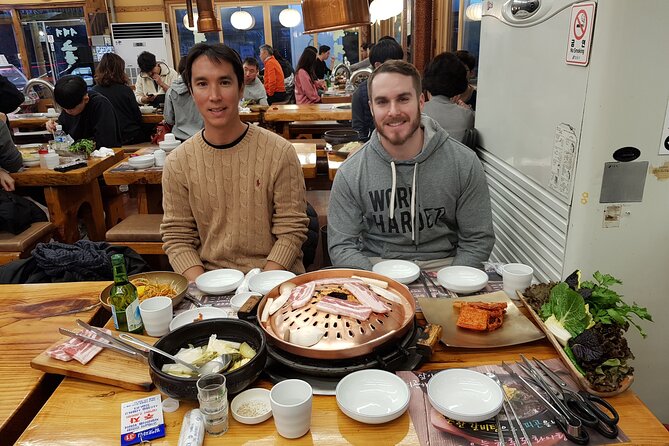
Gyeongju is the historical centerpiece of the tour. Bulguksa Temple, built in 751 during the Silla period, is one of Korea’s best-known Buddhist sites. The hour allocated here allows you to see the principal features, though a traveler who loves temple architecture may want to linger.
Seokguram, also built in 751 on the slope of Mount Tohamsan, contains a large granite Buddha in a round stone sanctuary. The visit lasts one hour. Together, Bulguksa and Seokguram form a major cultural pairing and are among the tour’s UNESCO-related highlights.
The afternoon shifts to royal and scientific remains. Donggung Palace and Wolji Pond was a secondary palace and a setting for banquets and important visitors. Cheomseongdae Observatory, built during the Silla Kingdom, is a small but important monument associated with early astronomy.
Daereungwon Tomb Complex completes the day. The area contains 26 large tombs of Silla kings and nobles, including Cheonmachong and Hwangnamdaechong. One hour provides a useful introduction to the burial grounds and the power of the Silla royal court.
Gyeongju rewards a guide who can connect separate ruins into one story. Without that context, you may see a temple, pond, observatory, and grass-covered tombs as unrelated stops. With guidance, the day shows how religion, royal life, science, and burial customs fitted together.
Day 6: Busan’s coast, markets, and war memorial
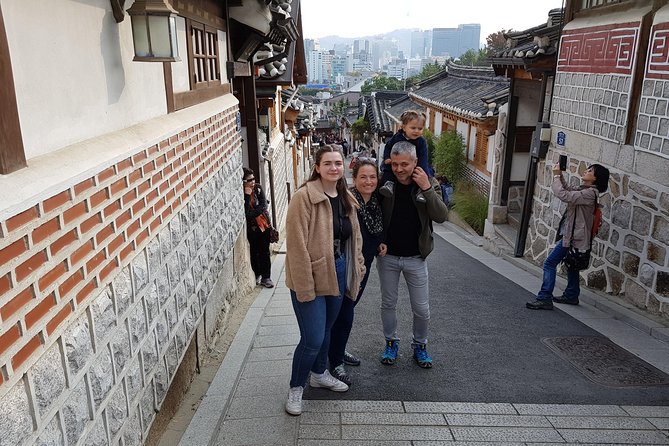
Busan brings a sharp change in scenery. Haedong Yonggungsa is a rare coastal temple, built beside the sea rather than in a mountain valley. The one-hour visit gives you time to take in the approach and shoreline setting.
Nurimaru APEC House was used for the 13th APEC summit in November 2005. Its name refers to a world summit, and the building gives the day a modern diplomatic angle. Nearby Dongbaekseom, named for its camellia trees, offers a short walk on what was once an island at the western end of Haeundae Beach.
Jagalchi Market provides Busan’s strongest food and working-city experience. It is the country’s largest fish market, with seafood shops on the first floor and restaurants where purchases can be prepared. The one-hour stop is enough for an introduction, but your included meal arrangements may determine how much opportunity you have to choose and eat independently.
The UN Memorial Cemetery in Korea is a quieter and more reflective stop. It honors UN soldiers from 16 countries and UN aid workers from five countries who died during the Korean War. Give this visit the attention it deserves. It is not simply another photo stop.
The day combines sea views, modern architecture, seafood, and wartime memory. That range is one reason Busan works well as the final city.
Day 7: Gamcheon Culture Village
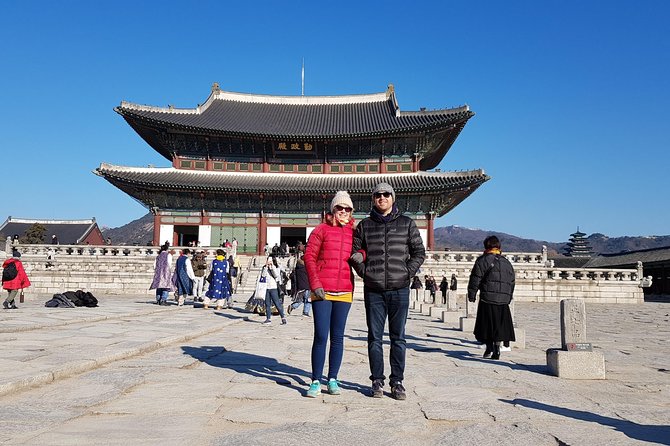
The last scheduled attraction is Gamcheon Culture Village. Homes rise in stair-step rows along the foothills of a coastal mountain, and the area is known for its painted lanes and maze of alleys.
The supplied schedule does not state the length of this visit or the final drop-off arrangements. Ask for those details before booking if your departure from Busan or Seoul depends on a strict timetable. The stop itself is a fitting final look at Busan, especially after the formal buildings, beaches, market, and memorial seen the previous day.
Meals, hotels, and what the $3,399 price buys
The price is $3,399 per person. That is a serious sum, but it includes private transportation, admission fees, a licensed English-speaking guide, three breakfasts, seven lunches, six dinners, and three nights of accommodation outside Seoul.
The hotels in Andong, Gyeongju, and Busan are listed as 3 or 4-star properties. Rooms are generally arranged for two people. If your party has an odd number, the arrangement may be two people in one room and one person in another.
The meal plan is a major part of the value. Sixteen included meals reduce the daily decisions that can wear you down on a tightly scheduled trip. More importantly, the guide Bergen Park is praised for serving different Korean foods throughout the week rather than repeating the same standard menu.
The package does not cover food and drink outside the stated meals or services beyond the itinerary. I would budget extra for snacks, optional purchases, and any independent time in the cities. The value is strongest for a first visit, a private group, or anyone who places a high price on comfort and time saved.
Confirmation is provided within 48 hours, subject to availability. You can cancel for a full refund up to three full days before the start time. After that point, the payment is not refunded, and late changes are not accepted.
Who should book this tour?
Book it if you want to see Korea’s major regions in one organized sweep. It suits couples, families, and small private groups who prefer a dedicated guide and vehicle to public transport, especially when rural temples and historic villages are on the wish list.
It is also a good match if food is central to your trip. The included meals and guide-led dining are among the strongest features, and the schedule gives you access to Korean dishes in Seoul, Andong, Gyeongju, and Busan.
Think twice if you want a slow holiday. The route contains long sightseeing days, frequent hotel changes, and little room to replace scheduled stops with your own discoveries. You should also ask about the exact day seven timing and hotel names before paying, since those details are not supplied.
FAQ
Where does the tour start?
The tour starts in Seoul at 9:00 a.m.
Is hotel pickup included?
Yes. Pickup and drop-off at your Seoul hotel are included.
Is this a private tour?
Yes. Only your group participates.
How long does the tour last?
The tour lasts approximately seven days.
How many meals are included?
Sixteen meals are included: 3 breakfasts, 7 lunches, and 6 dinners.
Is transportation included?
Yes. Private transportation in an air-conditioned vehicle is included.
Are admission fees included?
Yes. Admission fees for the scheduled attractions are included.
Who leads the tour?
A professional English-speaking guide with an official tour guide license leads the tour. Bergen Park is the named guide associated with the experience.
Where are the included hotels?
Three nights of accommodation are arranged in Andong, Gyeongju, and Busan at 3 or 4-star hotels.
How early is the tour usually booked?
It is booked an average of 120 days in advance, so arranging it well ahead of your visit is sensible.
My booking recommendation
I would book this tour for a first visit when you want Korea’s headline sights plus Andong and Gyeongju without managing a complicated route yourself. The private vehicle, licensed guide, varied meals, and historic sites give the $3,399 price a reasonable basis.
I would skip it if your ideal Korea trip means staying several nights in one city and setting your own pace. For everyone else, this is a demanding but well-rounded seven-day introduction, with the greatest value coming from the private logistics and the chance to travel beyond Seoul and Busan.
More Gyeongju Trips
- Small Group 7D Korea package Tour with Seoul Gyeongju Busan Jeju
★ 4.5 · 13 reviews - 3-Days 2-Nights Gyeongju UNESCO Sites & Busan City [Private Tour from Seoul]
★ 4.5 · 11 reviews - Gyeongju UNESCO Sites Tour by KTX train; The Museum Without walls
★ 4.5 · 11 reviews - Busan: Gyeongju Guided Day Trip to Three Kingdoms Capital
★ 4.8 · 1,925 reviews
More 7-Day Experiences
- Discover Round Korea in 7days: All-Inclusive Experience
★ 5.0 · 157 reviews - 7 days Flexible Tour for Major Cities(Seoul,Busan,Gyeongju etc)
★ 5.0 · 5 reviews
Just added around Seoul
- Seoraksan National Park & Nami Island★ 4.5 · 3 reviews
- Strawberry Picking, Winter Sled with Eobi Ice Valley from Seoul★ 4.5 · 3 reviews
- Seoul Full Day small group Tour★ 5.0 · 3 reviews
- Majang Meat Market Experience: Private Tour with Han-woo Beef BBQ★ 5.0 · 3 reviews
- Seoul Korean BBQ Dinner Experience with Secret Food Tours★ 5.0 · 3 reviews
- Rice Wine Tasting with Sommelier – Finest Makgeolli (& Soju)★ 5.0 · 3 reviews
- Seongsu-dong Walking Tour: K-Pop, Culture, Cheer, Friends & Relax★ 4.5 · 3 reviews
- Seoul: Alpaca World and Nami Island (with Garden / Railbike)★ 5.0 · 3 reviews
DMZ & Border Tours, compared.

Best DMZ Tour Korea from Seoul (Red Suspension Bridge Optional)
Read our review →
DMZ Tour: 3rd Tunnel, Option(Suspension Bridge, Boat) from Seoul
Read our review →
DMZ tour south Korea from Seoul (NK experience hall, defector)
Read our review →
DMZ Insider Tour: 3rd Tunnel, NK Defector Meet & Red Bridge
Read our review →

Signature DMZ Tour: Exclusive Defector Talk & Suspension Bridge
Read our review →
Thrilling Korean DMZ 3rd Tunnel Tour from Seoul + Red Bridge Rush
Read our review →DMZ Past and Present: Korean Demilitarized Zone Tour from Seoul
Read our review →Browse the lists this tour appears in