Reviewed · SEOUL TOURS
Discover Western Korea in 4days: All-Inclusive Experience
Korea rewards the curious. This four-day route links Gongju’s Baekje treasures with Jeonju’s old houses, Boseong’s tea fields, Suncheon’s wetlands, and Busan’s Korean War memorial. I like the thoughtful food program, with four lunches, three dinners, and three breakfasts included, and I like the no-shopping, no-extra-options format. You can focus on Korea instead of bargaining, browsing stores, or reaching for your wallet every few hours.
The main catch is the pace. You cover a lot of western Korea in four days, and the final day includes only one listed visit before a train back to Seoul. The $1,200 price is serious, though it includes hotels, transport, admission fees, guide service, taxes, and most meals. Also confirm the first-day meeting and pickup details before booking, since the supplied information names both AMID Hotel and Center Mark Hotel in Insadong.
In This Review
- Key points at a glance
- Why this western Korea route works
- Day 1: Gongju’s fortress, royal tomb, and museum
- Day 2: Jeonju’s hanok lanes and royal Joseon culture
- Day 3: Boseong tea rows and Suncheon wetlands
- Day 4: A quiet memorial in Busan, then the KTX north
- What the $1,200 price really covers
- Food, hotels, and guide service
- Who should book this experience
- Should you book the four-day route?
- FAQ
- How long is the experience?
- Where does the experience begin?
- Where does the experience end?
- Is hotel pickup included on the first day?
- Are entrance fees included?
- Are meals included?
- Is accommodation included?
- Is transportation included?
- What is the estimated return train schedule?
- How many people can join the tour?
- What level of fitness is required?
- What happens if bad weather cancels the tour?
Key points at a glance
- Baekje history begins at Gongsanseong Fortress: Walk a hillside fortress in Gongju, then connect it with King Muryeong’s tomb and museum.
- Jeonju gives you Korea’s most traditional setting: More than 800 hanok houses create a strong backdrop for a hanbok experience and a visit to Gyeonggijeon Shrine.
- The food plan is unusually useful: Four lunches, three dinners, and three breakfasts are included, with traditional Korean dishes built into the route.
- A monk-led tea conversation slows the trip down: Baekyangsa Temple adds a quiet cultural moment between the city and countryside stops.
- Nature arrives in two different forms: Boseong offers cultivated tea terraces, while Suncheon presents a broad coastal wetland with more than 250 species.
- The route ends with a reflective Busan stop: The UN Memorial Cemetery gives the final day a serious, respectful tone before the return train to Seoul.
Why this western Korea route works
Many Korea itineraries stay close to Seoul, Busan, or Jeju. This one takes you through the southwest and west, where royal tombs, old homes, temples, farms, wetlands, and war memorials share the same four-day frame.
I like that the route is not built around famous shopping districts. The promise of no shopping matters. It keeps the schedule centered on places and experiences rather than sales stops, and it makes the all-inclusive price easier to understand.
You also get several kinds of Korea in quick succession. Gongju focuses on the Baekje kingdom. Jeonju brings traditional architecture and Joseon-era culture. Boseong is tied to tea production, Suncheon to coastal ecology, and Busan to modern Korean history.
That variety is the tour’s greatest strength. It is also the reason you should expect full days and regular movement. This is not a stay-put retreat, even though the program includes a wellness facility designated by the Korea Tourism Organization and a tea conversation with a Buddhist monk.
The group can reach up to 35 people, though the vehicle changes with group size. A smaller group of nine or fewer receives KTX tickets for the return journey. That detail matters because a small group may feel easier during museum visits and transfers, while a full group may require more patience at meeting points.
A few more trips of this kind worth comparing:
- Discover Eastern Korea in 4days: All-Inclusive Experience
★ 4.5 · 16 reviews - Jeonju & Yeosu: 4-Day Foodie & Artist Journey
★ 5.0 · 3 reviews
Day 1: Gongju’s fortress, royal tomb, and museum
The first day takes you to Gongju, an important center of the Baekje kingdom. Your opening stop is Gongsanseong Fortress, a UNESCO World Heritage Site designated in 2015.
Allow about 90 minutes here. The fortress sits on a hillside, so you should expect walking on an uneven, sloping site rather than a flat museum visit. The reward is a physical sense of how the defensive walls used the terrain. You are not only looking at an old structure behind glass. You are walking through the setting that made the stronghold useful.
Gongsanseong is a good first stop because it gives context for the rest of Gongju. The day is not a random collection of monuments. The fortress introduces the kingdom, and the next two stops show how royal power and craftsmanship were expressed.
The Songsan-ri Tombs and the Royal Tomb of King Muryeong follow, with another 90 minutes scheduled. King Muryeong’s tomb is known for its brick-built burial style, which makes it different from the stone and earth forms you may associate with royal graves elsewhere in Korea.
The site also connects architecture with archaeology. Artifacts from the tomb show the quality of royal decoration and burial practice, while the surrounding tomb complex places one ruler within a wider royal setting. This stop will suit you if you enjoy seeing how a small number of objects can explain a whole period.
The final Gongju stop is the Gongju National Museum, scheduled for one hour. The museum holds around 10,000 cultural artifacts, including royal relics, gilt-bronze ornaments, and objects found in King Muryeong’s tomb.
That museum visit is especially useful after the tomb. Instead of seeing artifacts without context, you have just visited the place where many of them were found. One hour is enough for a focused visit, but not enough to study every collection in detail. If museums are your main interest, you may wish the stop were longer. If you prefer variety, the shorter visit keeps the day moving.
The first night is part of the included three-night hotel stay. Hotel names are not supplied, so confirm the exact properties if room location, amenities, or hotel category matters to you.
Day 2: Jeonju’s hanok lanes and royal Joseon culture
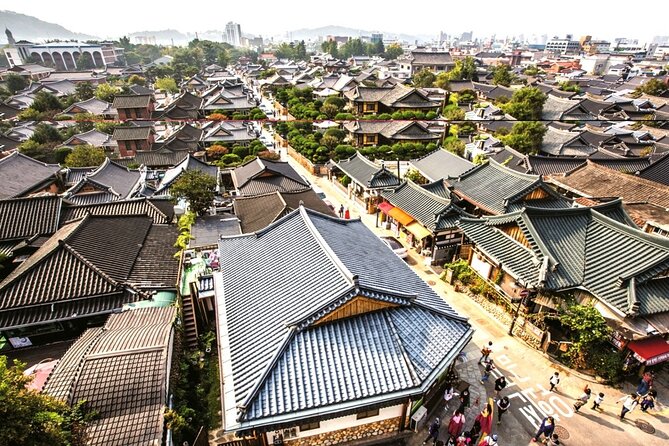
Day two begins in Jeonju Hanok Village, after a night in the village area. More than 800 traditional hanok houses make this one of the most visually distinctive parts of the route.
The term hanok refers to traditional Korean homes, and the appeal here is not just one preserved building. You get lanes, rooflines, courtyards, and a whole neighborhood shaped by traditional design. The setting works well for a relaxed walk, though a popular village can feel less quiet than its old architecture suggests.
The schedule gives two hours for the village and includes Gyeonggijeon Shrine as part of the morning. This is enough time to appreciate the area without turning the visit into a long architectural survey.
You then have a one-hour hanbok experience at Hanboknam Jeonju Hanok Village. Wearing hanbok gives the old streets a stronger sense of occasion, and it is one of the most memorable ways to connect with the setting. It also creates a practical photo opportunity without requiring you to arrange costume rental separately.
The experience is not simply a costume stop. Hanbok is tied to Korea’s traditional identity, and the old village gives you a natural setting for it. You should allow a little flexibility around changing and walking in the clothing, especially if you have mobility concerns or prefer a quicker pace.
Gyeonggijeon Shrine receives another hour. Built in 1410, the shrine holds the portrait of King Tae-jo, founder of the Joseon Dynasty. Its importance comes from the link between a royal portrait, a state tradition, and the long Joseon period that shaped much of Korea’s cultural identity.
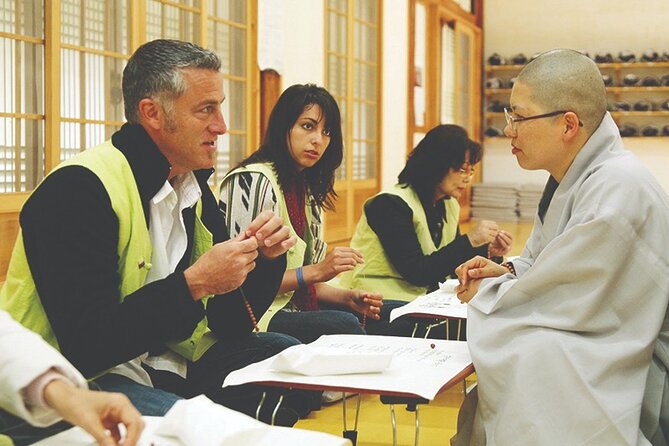
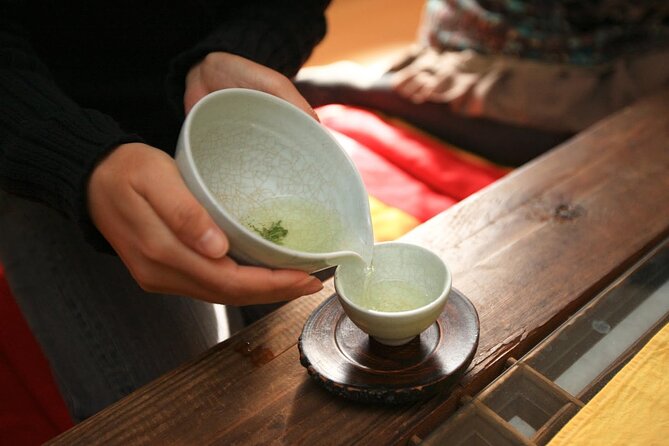
The day then shifts from urban heritage to Baekyangsa Temple. Two hours are planned here, including a tea conversation with a Buddhist monk.
This is one of the tour’s most distinctive experiences. A temple visit can easily become a quick stop for photographs, but a tea conversation adds time for listening and reflection. The setting also changes the rhythm of the route after Jeonju’s walking streets and scheduled cultural visits.
Baekyangsa is known for changing character with the seasons. The supplied details do not specify the exact wellness facility or the timing of the tea session, so ask for the day’s arrangement if that experience is important to you. It is also worth noting that the program requires moderate physical fitness, even though it is described as suitable for ages one through 80 and older.
Day 3: Boseong tea rows and Suncheon wetlands
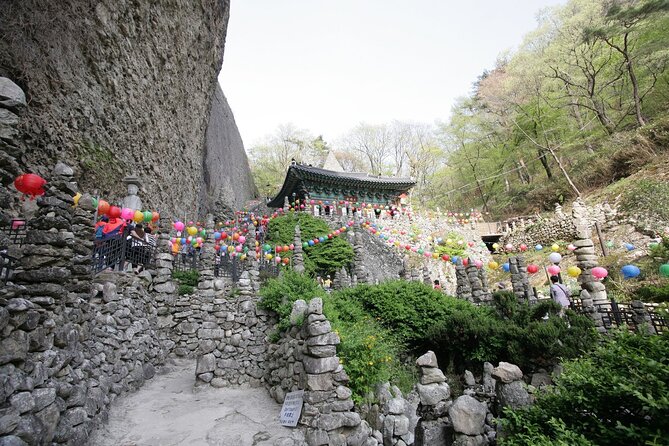
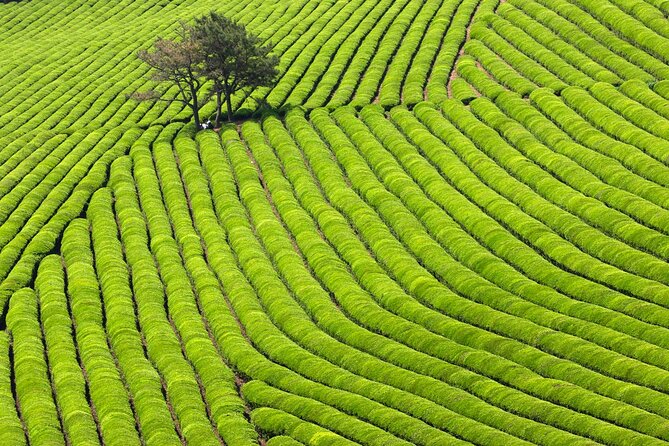
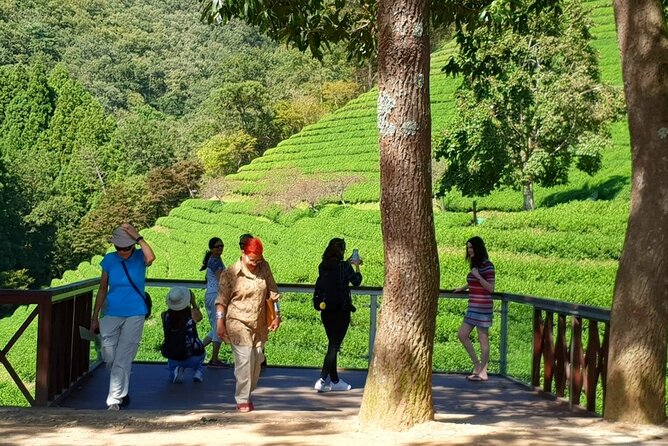
Day three brings two of the route’s strongest outdoor stops. First comes Daehan Dawon in Boseong, described as Korea’s largest green tea field.
You have two hours to walk among terraced rows of tea bushes. This is an agricultural setting, not a formal garden, and that is part of its appeal. The orderly rows show how tea is grown while the hills provide broad views across the plantation.
The scenery changes with the season, so the visual character of the visit will depend on your dates. The tour description does not promise a tea-making class or tasting, so do not book expecting those specific activities. The value here is the walk, the views, and a close look at one of Korea’s best-known tea-growing areas.
After lunch, you continue to Suncheon Bay Wetland Reserve for two hours. The wetland lies where river water meets the sea and supports more than 250 species. It is one of the world’s top five wetlands, according to the supplied tour information.
Suncheon gives you a different outdoor experience from Boseong. Boseong is shaped by farming and human design. Suncheon is defined by tidal water, marshland, and bird habitat. That contrast makes the day feel more varied than two scenic stops of the same type.
Two hours should allow a useful walk and time to take in the wetland, but the reserve is broad. You will not see every corner in that time. Wear practical shoes and be ready for open conditions, since the tour asks for moderate physical fitness and the experience requires good weather.
These two stops also show why the route is more than a standard city tour. You get direct contact with the working countryside and coastal ecology of western Korea, not just palace gates and central shopping streets.
A completely different kind of day out in Seoul:
- Best DMZ Tour Korea from Seoul (Red Suspension Bridge Optional)
★ 5.0 · 41,422 reviews - DMZ Tour: 3rd Tunnel, Option(Suspension Bridge, Boat) from Seoul
★ 5.0 · 21,373 reviews - DMZ tour south Korea from Seoul (NK experience hall, defector)
★ 5.0 · 20,599 reviews - Seoul: DMZ Tour with Optional Suspension Bridge
★ 4.8 · 5,277 reviews
Day 4: A quiet memorial in Busan, then the KTX north
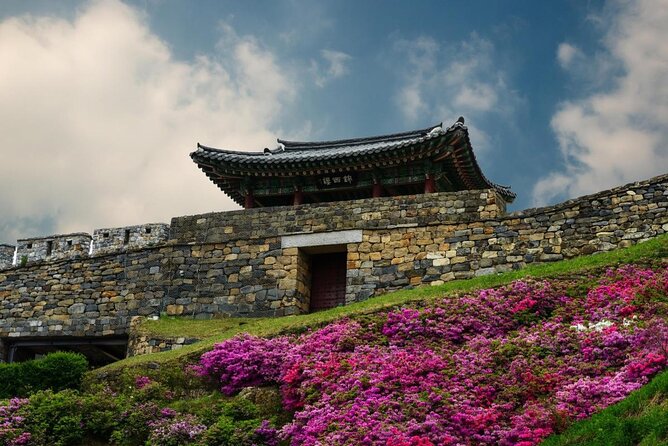
The final listed visit is the UN Memorial Cemetery in Busan, with 90 minutes scheduled. This is a solemn site dedicated to UN soldiers who died in the Korean War, with around 2,300 graves arranged by nation.
The cemetery changes the emotional tone of the trip. After royal history, traditional homes, temple tea, tea farms, and wetlands, you finish by considering the modern conflict that shaped South Korea. The national arrangement of the graves gives the memorial a clear structure and makes the international role in the war visible.
You should treat this as a place for respectful attention rather than a quick photo stop. The visit is free, but its value is not measured by admission cost. It gives the route a serious final chapter.
After the Busan portion, the guide drops you at Busan Station. The estimated train runs from Busan at 2:31 p.m. to Seoul Station at 5:14 p.m. If your group has nine or fewer people, KTX tickets are provided. You arrange your own transport from Seoul Station after arrival.
This final transfer is important when planning onward travel. The tour ends at Seoul Station, not at your hotel, and the supplied meeting information says the first-day pickup is not included. The listed pickup point is Center Mark Hotel in Insadong, while the meeting point is AMID Hotel Seoul in Insadong 5-gil. Since both names appear in the supplied details, confirm the exact first-day meeting instruction before departure.
What the $1,200 price really covers
At $1,200 per person, this is not a bargain-priced sightseeing bus. It is an organized, multi-day regional trip with accommodation, meals, transport, guide service, admission fees, taxes, and a fixed program.
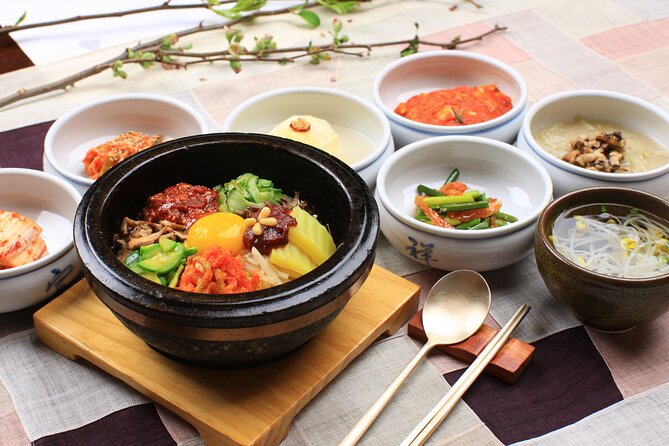
The included meals make a real difference. You receive four lunches, three dinners, and three breakfasts. The food is described as a mix of traditional Korean dishes, typical regional food, and carefully selected restaurant options. One published experience specifically praised the food, clean and pleasant hotels, and the thought put into restaurant choices. That is useful reassurance because meals can shape a multi-day tour as much as monuments do.
You also avoid several common add-on costs. Entrance fees are included at the paid sites, and you do not need to budget separately for the fortress, tomb area, museum, hanbok activity, temple program, tea fields, or other listed admissions.
The price is easier to justify if you value convenience and structure. You do not have to arrange intercity transport, find restaurants each day, reserve separate hotel nights, or build a route between Gongju, Jeonju, Boseong, Suncheon, and Busan.
The value is weaker if you prefer to choose your own hotels, linger in museums, or change plans as you go. The schedule is fixed, the accommodation is selected for you, and the route covers a lot of ground in a short time.
Group discounts are available, though the amount is not stated. Ask for the discount terms before booking rather than assuming a particular saving.
Food, hotels, and guide service
This experience is designed as an all-inclusive program, but it is not completely expense-free. Laundry, haircuts, telephone or fax use, pay television, drinks, tips, insurance, and other personal costs are excluded.
The meal count is strong for a four-day tour. You should receive breakfast on three mornings, lunch on all four days, and dinner on the first three nights. The information does not specify vegetarian, allergy, or religious meal arrangements, so raise those needs before confirmation.
The hotel details are limited to three nights of included accommodation. The strongest available practical note is that the hotels are clean and pleasant. That is encouraging, but you should still ask for the names or categories if a particular standard is important to you.
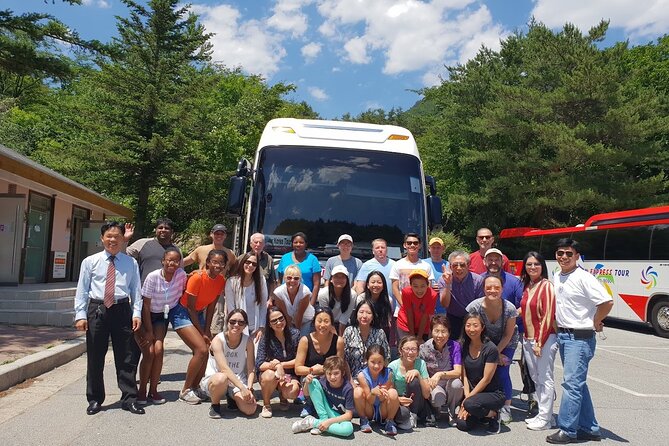
A professional English-speaking guide or driver-guide is included. Jay is specifically praised for being caring, which points to the kind of service that matters on a route with multiple transfers and cultural sites. Guide quality is especially important here because the value comes from connecting a fortress, a tomb, a royal portrait, a temple, and a war cemetery into one understandable story.
Who should book this experience
I would recommend this tour to you if you want western Korea without managing the transport yourself. It suits first-time visitors who have already seen Seoul or who want a broader view of the country beyond major city centers.
It also fits you if food, cultural context, and scenery matter equally. The schedule includes royal sites, traditional buildings, a hanbok activity, a monk conversation, tea-growing country, wetlands, and a memorial. That is a lot of range for four days.
Families and mixed-age groups may appreciate the broad age suitability, from one year through 80 and older. Still, the moderate fitness requirement is worth taking seriously. Hillside walking, village streets, temple grounds, and outdoor wetland visits can add up.
You may want a different format if you need long, unstructured afternoons or if you dislike group travel. A maximum of 35 people is not tiny, and a full vehicle can make departures and meals less flexible.
Book early if your dates are firm. The experience is booked on average 35 days ahead, and confirmation arrives within 48 hours, subject to availability.
The cancellation terms are strict near departure. Cancel at least six full days before the start for a full refund. Cancellation two to six full days ahead brings a 50 percent refund, while cancellation less than two full days ahead brings no refund. Changes follow the same cutoff rules, and poor weather may lead to a new date or a full refund.
Should you book the four-day route?
Book it if you want an efficient, food-focused introduction to western Korea and you value having hotels, meals, admissions, and transport arranged in one price. The best parts are the combination of Gongju’s Baekje sites, Jeonju’s hanbok setting, the quiet temple tea conversation, and the contrast between Boseong and Suncheon.
Think twice if you want to travel slowly. The route is full, the final day is transfer-heavy, and the hotel and pickup details need confirmation. For the right kind of visitor, though, $1,200 buys more than sightseeing. It buys a clear route through a part of Korea that is easy to miss when you stay only in Seoul and Busan.
FAQ
How long is the experience?
The experience lasts approximately four days.
Where does the experience begin?
The supplied meeting information gives AMID Hotel Seoul at 38 Insadong 5-gil, Jongno District, Seoul, as the start point. It also names Center Mark Hotel in Insadong as the pickup point, so confirm the exact instruction before departure.
Where does the experience end?
The experience ends at Seoul Station, at 43-203 Dongja-dong in Yongsan District, Seoul.
Is hotel pickup included on the first day?
No. First-day hotel pickup is not included. The supplied information gives a pickup point in Insadong, which you should confirm before the tour.
Are entrance fees included?
Yes. All entrance fees during the tour are included.
Are meals included?
Yes. The package includes four lunches, three dinners, and three breakfasts.
Is accommodation included?
Yes. Three nights of accommodation are included.
Is transportation included?
An air-conditioned vehicle is included, with the vehicle type varying according to group size. For groups of nine or fewer, KTX tickets are provided for the return journey.
What is the estimated return train schedule?
The estimated train leaves Busan Station at 2:31 p.m. and arrives at Seoul Station at 5:14 p.m. You arrange your own transportation after reaching Seoul Station.
How many people can join the tour?
The maximum group size is 35 people.
What level of fitness is required?
A moderate level of physical fitness is required. The experience is described as suitable for people from one year old through 80 and older.
What happens if bad weather cancels the tour?
If poor weather causes cancellation, you are offered a different date or a full refund.
Just added around Seoul
- Seoraksan National Park & Nami Island★ 4.5 · 3 reviews
- Strawberry Picking, Winter Sled with Eobi Ice Valley from Seoul★ 4.5 · 3 reviews
- Seoul Full Day small group Tour★ 5.0 · 3 reviews
- Seoul Korean BBQ Dinner Experience with Secret Food Tours★ 5.0 · 3 reviews
- Rice Wine Tasting with Sommelier – Finest Makgeolli (& Soju)★ 5.0 · 3 reviews
- Majang Meat Market Experience: Private Tour with Han-woo Beef BBQ★ 5.0 · 3 reviews
- Seoul: Alpaca World and Nami Island (with Garden / Railbike)★ 5.0 · 3 reviews
- Max Out Seoul: Must Visit City Highlights Panoramic Day Tour★ 5.0 · 3 reviews
Seoul Tours, compared.

Best DMZ Tour Korea from Seoul (Red Suspension Bridge Optional)
Read our review →
DMZ Tour: 3rd Tunnel, Option(Suspension Bridge, Boat) from Seoul
Read our review →
DMZ tour south Korea from Seoul (NK experience hall, defector)
Read our review →

Signature DMZ Tour: Exclusive Defector Talk & Suspension Bridge
Read our review →
Thrilling Korean DMZ 3rd Tunnel Tour from Seoul + Red Bridge Rush
Read our review →DMZ Past and Present: Korean Demilitarized Zone Tour from Seoul
Read our review →