
Reviewed · HANOK VILLAGE & FOLK CULTURE
Jeonju & Yeosu: 4-Day Foodie & Artist Journey
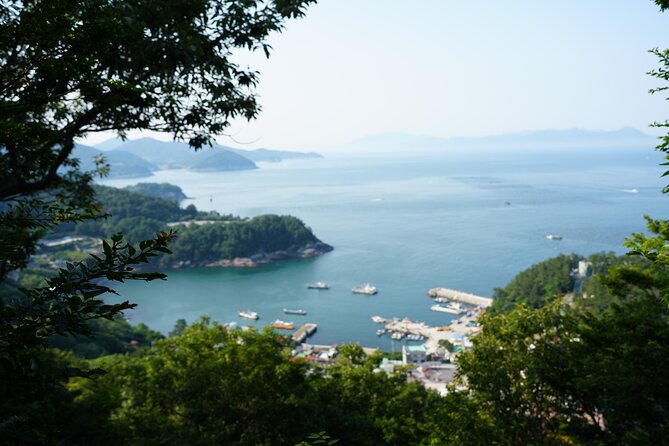
Two Korean cities, one very full table. This four-day trip pairs Yeosu’s seafood and sea views with Jeonju’s hanok lanes, crafts, and famous local dishes. I like the mix of hands-on activities, from gat kimchi and hanji paper to Korean painting, and I like the access to local food that is difficult to arrange on your own. The small maximum of nine people should also make the cooking sessions, market visits, and shared meals feel more personal.
The main drawback is the pace. You cover Yeosu and Jeonju in four days, with several meals and stops packed into each day. If you prefer long museum visits, unplanned café time, or a slow morning, this schedule may feel crowded. The $1,689 price is also a serious commitment, though it includes most meals, KTX tickets, private minivan transport, activities, and a yacht outing.
In This Review
- Key points at a glance
- Why this trip works for food-focused visitors
- Day one: Yeosu markets, seafood, and a seaside picnic
- Day two: Dolsando, gat kimchi, and a yacht at sunset
- Day three: From Yeosu’s breakfast table to Jeonju’s hanok lanes
- Day four: Soup, painting, and a final Jeolla feast
- What the $1,689 price really covers
- Who should book this four-day journey?
- Final recommendation
- FAQ
- Where does the tour start?
- Where does the tour end?
- How many people can join the tour?
- Are KTX train tickets included?
- What meals are included?
- Is the yacht tour included?
- Can I cancel for a full refund?
Key points at a glance
- Yeosu seafood from market to table: Choose clams, shrimp, and other seafood at Yeosu Fish Market, then have it steamed upstairs.
- Hands-on Korean traditions: Make gat kimchi, craft hanji paper, and try traditional Korean oriental painting with an artisan.
- A sunset on the South coast: The included yacht trip gives you an easy, scenic evening without arranging a boat yourself.
- Jeonju’s food parade: Expect kongnamul gukbap, charcoal-grilled pork wraps, gamak snacks, and a large Jeolla-style feast.
- A maximum of nine people: The group size suits travelers who want conversation and direct help without a large coach.
- A packed four-day plan: You get a lot, but the schedule leaves limited room for independent wandering.
Why this trip works for food-focused visitors
The best idea here is the way food is tied to place. Yeosu is not treated simply as a seaside photo stop. You visit its old market, choose seafood at the fish market, make the region’s mustard leaf kimchi, eat marinated crab, and finish one evening with pajeon, makgeolli, and seafood kalguksu.
Jeonju brings a different food culture. Its soybean sprout soup rice is a morning staple, its charcoal pork wraps make a satisfying evening meal, and its final Jeolla-style table is designed to show the generosity of the southwest. I like that the meals are not all formal restaurant visits. Some are picnic-style, market-based, or served in casual local settings.
The food schedule is also a warning. Breakfast, lunch, dinner, snacks, coffee, patbingsu, fried chicken, dried pollack, and drinks all appear across the four days. You will need a healthy appetite. The good news is that the program includes four lunches, three dinners, and four breakfasts, so the price is easier to judge than it would be if you paid separately for every meal.
More hanok village visits:
- Seoul: Gyeongbok Palace, Bukchon Village, and Gwangjang Tour
★ 4.9 · 2,321 reviews - Seoul City Sightseeing Tour Including Gyeongbokgung Palace, N Seoul Tower, and Namsangol Hanok Village
★ 5.0 · 1,423 reviews - Seoul: Gyeongbok Palace, Bukchon Village, and Gwangjang Tour
★ 5.0 · 1,044 reviews
Day one: Yeosu markets, seafood, and a seaside picnic
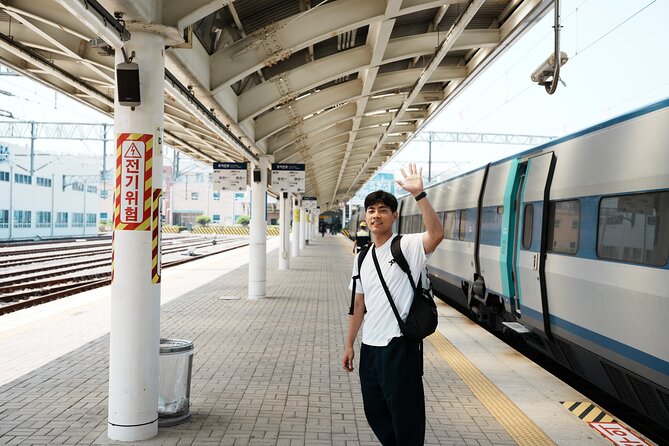
The trip begins at Yongsan Station in Seoul at 8:00 a.m. KTX tickets are included, and private minivan transportation is provided during the land portions. One practical point deserves attention: the published timing for the first KTX segment says 10 minutes, which does not match the scale of a Seoul to Yeosu journey. Confirm the precise train schedule and meeting instructions before departure, and allow plenty of time at Yongsan Station.
Once in Yeosu, lunch at Cargo Restaurant sets the tone. The meal features spicy sashimi, grilled meats, and bold local flavors. This is a good opening because Yeosu’s food identity arrives immediately, rather than after a long orientation talk. If seafood is a major reason you are visiting Korea, you will be happy to start here.
Next comes a relaxed orientation at Namsan Park. Coffee, ocean views, and light conversation give the group a chance to settle in. This is less about checking off a monument and more about getting comfortable with the guide and the other eight or fewer people.
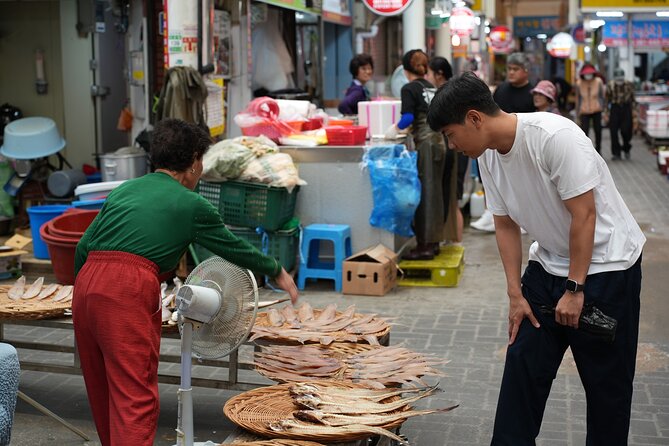
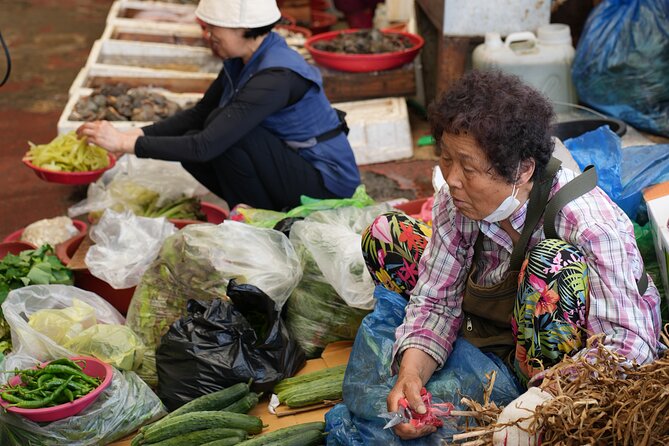
The old Yeosu Seomarket brings you closer to everyday commerce. You meet sesame oil makers, browse kimchi stalls, sample local snacks, and see the practical, colorful style associated with Korean ajummas. I would pay attention to the sesame oil and kimchi vendors rather than rushing through for photographs. These small food businesses explain more about local cooking than a polished souvenir shop can.
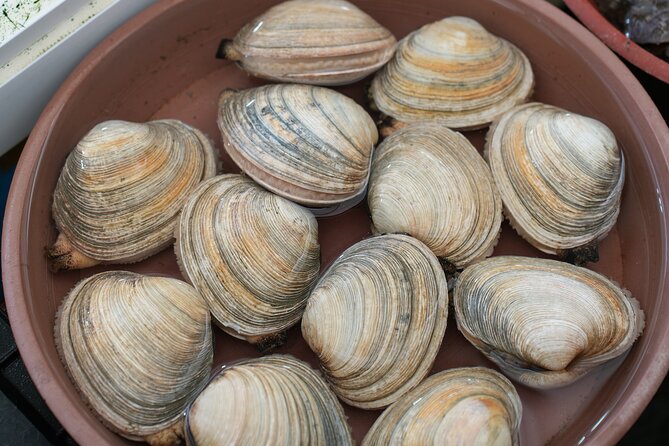
Yeosu Fish Market is the day’s strongest food stop. You choose seafood such as clams and shrimp, then take it upstairs to be steamed and served. That market-to-meal process is useful for anyone who wants to understand how Korean seafood dining works. It is also one of the places where dietary preferences matter most, so tell the guide early if you cannot eat shellfish or have another restriction. The supplied details do not promise substitutions.
After checking into Shilla Stay Yeosu, you get a short rest before the evening. That pause matters because the first day already includes a train transfer, several food stops, and a market visit.
The evening picnic takes place at Yeosu Marine Park. You sit on mats by the water with fried chicken, cold drinks, and the sea breeze. It is an uncomplicated Korean pleasure, and probably one of the most relaxed moments in the program. The setting also keeps dinner from feeling like another restaurant appointment.
Day two: Dolsando, gat kimchi, and a yacht at sunset
Day two starts on Dolsando with gimbap and coffee at Palgakjeong Pavilion. The morning includes a light hike, followed by Hyangiram Hermitage, a seaside temple on the cliffs. The temple stop combines quiet time with broad coastal views, but you should be prepared for some walking and uneven ground. The schedule calls it a light hike, not a long trek, yet comfortable shoes are still the sensible choice.
The day’s hands-on highlight is gat kimchi making in a countryside village. Yeosu is known for its mustard leaf kimchi, and you mix it yourself before walking through nearby fields. This is the kind of activity that gives a dish a sense of place. You are not merely eating kimchi at a restaurant. You are handling one of the local ingredients and seeing where the rural setting fits into the food tradition.
Lunch is a Dolsan marinated crab set meal. Gejang is a strong-flavored dish, and the meal may be a better fit for adventurous eaters than for cautious ones. If crab is a favorite, this could be one of your top stops. If you are unsure about raw or marinated seafood, ask what will be served before sitting down.
Dumun Village provides a short change of pace. The stop lasts only about 30 minutes and focuses on a fishing village atmosphere and coastal photographs. Do not expect a long village walk. Think of it as a brief scenic pause between meals and evening activities.
Later, you eat pajeon with makgeolli, followed by seafood kalguksu. The combination gives you two very different textures: crisp savory pancake and comforting knife-cut noodles. The makgeolli portion is not listed as an included admission item, so keep personal spending money available. The same goes for the evening soju at the red-tent pojangmacha on Yeosu Romantic Carriage Street.
The sunset yacht tour is included and lasts about an hour. This is a smart use of the coast because you can simply step aboard instead of arranging a separate boat excursion. Sunset timing depends on the date and weather, so the experience is naturally less predictable than a museum visit. Still, the sea views and evening light provide a welcome pause in a food-heavy day.
The red-tent pojangmacha closes the night with soju in a setting strongly associated with Korean popular culture. It is a fun social finish, but drinks are not included. You can enjoy the atmosphere without drinking heavily, and you should remember that day three begins with breakfast and a move to Jeonju.
Day three: From Yeosu’s breakfast table to Jeonju’s hanok lanes
The final Yeosu morning begins at Rotary Restaurant with a hearty local breakfast. This is followed by the KTX ride to Jeonju. The scheduled Jeonju arrival portion is listed at about two hours, making this a useful travel window to rest after the late evening.
Lunch at Daebojang introduces Korean-style Chinese food. This is a familiar comfort-food stop rather than a major cultural activity, and that is fine. A multi-day food tour needs a few sturdy, straightforward meals between more unusual experiences.
Jeonju begins with homemade patbingsu at Grandma’s Best, followed by the first look at Hanok Village. Patbingsu is shaved ice with toppings, and the stop gives you a sweet, easy introduction to the city before the more structured activities begin.
At the Jeonju Hanji Center, you meet a master artisan and make your own hanji. Jeonju is one of Korea’s best-known centers for traditional handmade paper, and this workshop gives you something more lasting than a photograph. The activity should appeal to anyone who likes crafts, careful handwork, and cultural traditions explained through practice.
You then put on hanbok and visit Gyeonggijeon Shrine. Dressing in traditional clothing changes the way you move through Hanok Village. It can also make the visit feel more playful, especially for anyone interested in Korean television and period dramas. The shrine connects the costume experience to Jeonju’s royal and historical setting, including the portrait of King Taejo.
The afternoon continues on bicycles beside Jeonjucheon River and through Hanbyeok Tunnel. The route combines greenery, a former tunnel, and a filming location associated with Korean dramas. Cycling adds variety after several seated meals and walking stops, but it also means you should be comfortable riding for the scheduled two hours. The details do not indicate the bike type or whether an alternative is available, so ask in advance if cycling is a concern.
Dinner at Taepyeong Jinmijip features charcoal-grilled pork wrapped in fresh greens. The restaurant has four decades of pojangmacha tradition, giving the meal a casual street-food character. This is the sort of dinner I would look forward to after cycling: smoky meat, crisp leaves, and a social setting.
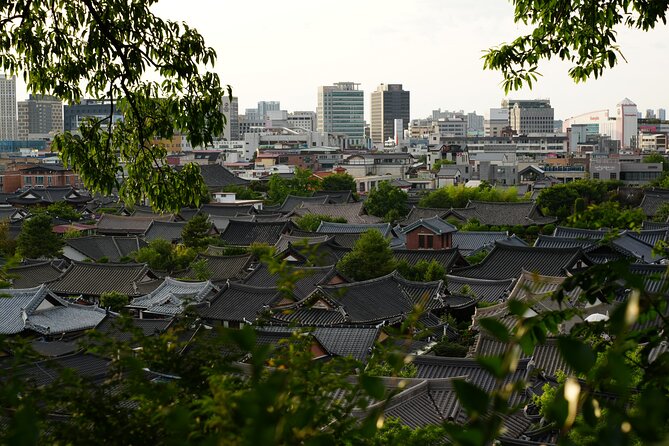
The night continues at Deokjin Park, where illuminated hanok architecture reflects near a pond filled with lotus flowers. It is a calmer visual finish than the afternoon’s food stops. After returning to the Royal Room of King, you have some free time before the final meal of the night, a Jeonju gamak experience at Chowon.
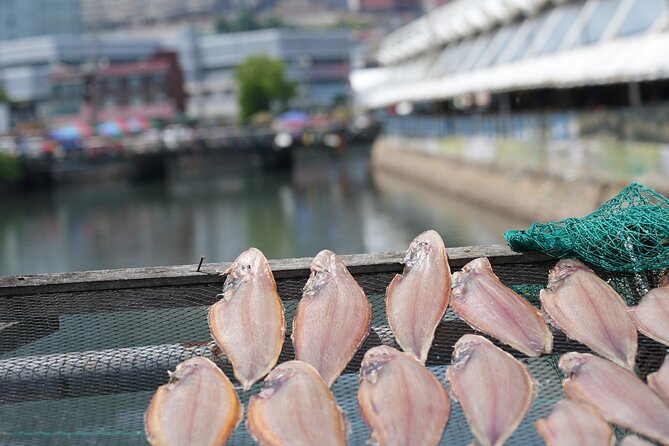
Gamak pairs beer with charcoal-grilled dried pollack. It is a distinctly Jeonju way to spend an evening, informal and snack-centered rather than built around a large plated dinner. The schedule is ambitious, but you can treat this as a tasting stop instead of trying to eat a full meal at every venue.
A few more trips of this kind worth comparing:
- Seoul Street Food Market Tour
★ 5.0 · 1,226 reviews - Seoul: Night Market Food Tour with Local Guide
★ 4.9 · 943 reviews - Downtown Seoul Guided Food & Market Tour with 8+ Local Tastings
★ 5.0 · 580 reviews - Small-Group Night Food Tour in Seoul with Korean BBQ
★ 5.0 · 304 reviews
Day four: Soup, painting, and a final Jeolla feast
Breakfast is Jeonju’s famous kongnamul gukbap, soybean sprout soup with rice and a poached egg. It is simple, warming, and a sensible choice after the previous night. This dish is closely tied to Jeonju’s food identity, so it earns its place as the final morning meal.
The longest activity of the day is a three-hour traditional Korean painting class at Samwonhwabang. You work with a certified restoration master artisan and explore Korean oriental painting techniques. This is more than a quick craft demonstration. Set aside patience and concentration, because three hours gives the class enough time to feel like a real workshop.
Lunch is the grand Jeolla-style finale at Jeonju Bapsang Dajapsuso. The table is described as a large, full-course spread, reflecting the generous presentation associated with Jeolla food. It is an appropriate ending to a trip built around regional eating, though anyone who dislikes abundant shared dishes may find the meal overwhelming.
The final stop is Omokdae, a viewpoint above Hanok Village. It offers a chance to pause before returning to Seoul. The KTX ride ends at Yongsan Station, the same general starting point, and the listed return time is about three hours.
What the $1,689 price really covers
At $1,689 per person, this is not a budget rail trip. Its value comes from bundling the expensive and complicated parts: KTX tickets, private minivan transport, a yacht tour, accommodation-related arrangements, four breakfasts, four lunches, three dinners, and the listed activities.
You are also paying for coordination. Market seafood, village cooking, temple visits, costume rental, cycling, workshops, and multiple regional meals would take considerable planning to arrange independently. A group capped at nine can also make the logistics less tiring than joining a full-size coach.
Still, not every expense is included. International flights, insurance, personal purchases, and some drinks are excluded. The soju stop at the pojangmacha is specifically not included, and the pajeon and makgeolli stop is marked as free rather than included. Bring a payment card or Korean won for extras.
The price makes the most sense for a first visit to Korea, especially if you want food and local activities more than famous landmarks. It makes less sense if you already know Yeosu and Jeonju well, prefer independent restaurant choices, or can arrange KTX travel and accommodation yourself at a much lower cost.
Who should book this four-day journey?
I would recommend it to an adventurous eater who enjoys trying seafood, fermented foods, marinated crab, makgeolli, soju, and regional specialties. It also suits you if you prefer making something with your hands rather than only looking at historic sites.
The program should work well for couples, friends, and solo visitors who like a small social group. One published five-star response describes a friend trip and praises Yeosu for seafood, while another highlights the combination of food, hands-on culture, and Jeonju’s traditional houses. Those strengths are built directly into the schedule.
I would hesitate to recommend it to someone who needs a slow pace, has strict dietary limits, dislikes seafood, or wants substantial free time. The itinerary moves from breakfast to sightseeing to lunch to a workshop or scenic stop, then often into another meal. Most people can participate, but the cycling, light hike, cliffside temple setting, and long days deserve consideration.
Cancellation terms are strict close to departure. A full refund requires cancellation at least six full days before the start time. Cancellations two to six days ahead receive 50 percent, and cancellations less than two days ahead are nonrefundable. The minimum group requirement also means the date could change if too few people book.
Final recommendation
Book this tour if you want Korea through food, craft, and conversation rather than a checklist of major sights. The strongest parts are the Yeosu fish market, gat kimchi workshop, sunset yacht, hanji session, and Jeonju painting class. Together, they give the trip a clear sense of place.
Skip it if you want to set your own restaurant budget or explore both cities at a leisurely pace. At this price, the tour only earns its keep if you value the included transport, meals, workshops, and careful scheduling. For the right kind of visitor, that is exactly the point: four busy days, plenty of regional food, and a much closer look at southern Korea.
FAQ
Where does the tour start?
The tour starts at Hangang-daero 23-gil near Yongsan District in Seoul. The stated start time is 8:00 a.m.
Where does the tour end?
The experience ends back at the meeting point after returning to Seoul via Yongsan Station.
How many people can join the tour?
The maximum group size is nine travelers.
Are KTX train tickets included?
Yes. Public transportation costs for the KTX train journeys are included.
What meals are included?
The tour includes four breakfasts, four lunches, and three dinners. Personal expenses and some drinks are not included.
Is the yacht tour included?
Yes. The sunset yacht tour on Yeosu’s coast is included and lasts about one hour.
Can I cancel for a full refund?
Yes, if you cancel at least six full days before the experience start time. Cancellations two to six full days ahead receive a 50 percent refund, while cancellations less than two full days ahead are not refunded.
More 4-Day Experiences
- Discover Eastern Korea in 4days: All-Inclusive Experience
★ 4.5 · 16 reviews - Discover Western Korea in 4days: All-Inclusive Experience
★ 5.0 · 6 reviews
Just added around Seoul
- Seoraksan National Park & Nami Island★ 4.5 · 3 reviews
- Strawberry Picking, Winter Sled with Eobi Ice Valley from Seoul★ 4.5 · 3 reviews
- Seoul Full Day small group Tour★ 5.0 · 3 reviews
- Seoul Korean BBQ Dinner Experience with Secret Food Tours★ 5.0 · 3 reviews
- Rice Wine Tasting with Sommelier – Finest Makgeolli (& Soju)★ 5.0 · 3 reviews
- Majang Meat Market Experience: Private Tour with Han-woo Beef BBQ★ 5.0 · 3 reviews
- Seoul: Alpaca World and Nami Island (with Garden / Railbike)★ 5.0 · 3 reviews
- Max Out Seoul: Must Visit City Highlights Panoramic Day Tour★ 5.0 · 3 reviews
Hanok Village & Folk Culture, compared.

Gyeongbok Palace, Bukchon Village, and Gwangjang Tour
Read our review →
Seoul City Sightseeing Tour Including Gyeongbokgung Palace, N Seoul Tower, and Namsangol Hanok Village
Read our review →Gyeongbok Palace, Bukchon Village, and Gwangjang Tour
Read our review →
Suwon Hwaseong Fortress & Korean Folk Village Tour
Read our review →
Gyeongbok Palace and Bukchon Hanok Walking Tour
Read our review →
Best Walking Tour to Gyeongbok Palace Bukchon Hanok Village
Read our review →
Experience Korean Cooking in Modern Hanok Kitchen
Read our review →
Royal Seoul Cooking Class in a 100-Year-Old Hanok
Read our review →Browse the lists this tour appears in