
Reviewed · COOKING CLASSES
Korean Cooking at Seoul Cooking Club
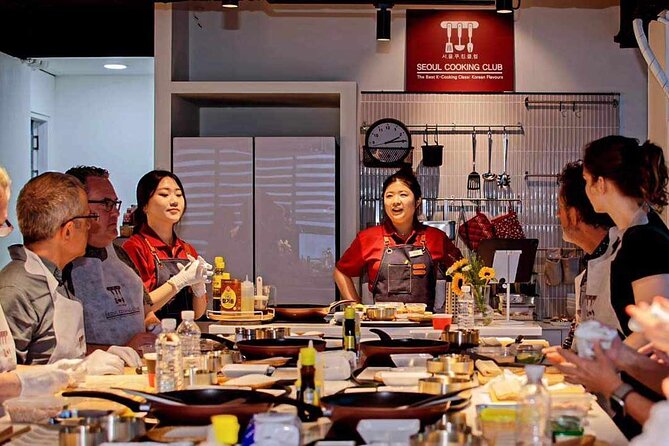
Come hungry, leave with recipes. Seoul Cooking Club offers a friendly, hands-on introduction to Korean food, with enough tasting to turn a two-and-a-half-hour class into a full meal. You learn practical techniques while preparing dishes such as bulgogi, bibimbap, japchae, gimbap, Korean pancakes, and dessert. I especially like the small group of no more than 12 people and the clear, encouraging teaching from instructors such as Olivia, Sally, Elly, Grace, and Ally. The class can also adjust for vegan, vegetarian, pescatarian, gluten-free, halal, and other dietary needs.
The two things I like most are the range of food and the useful takeaway gifts, including a cookbook and, in some sessions, a tote bag. You are not stuck making one dish and watching everyone else eat. You help prepare a broad Korean spread, then sit down to taste it. The main consideration is that this is designed for beginners. Much of the chopping, measuring, and cooking may already be done, so experienced cooks could find parts of the session closer to assembling than full kitchen training.
In This Review
- Key Points Before You Book
- What the Seoul Cooking Club Class Is Really Like
- The Menu: A Korean Meal With Serious Variety
- Bulgogi
- Bibimbap
- Japchae
- Gimbap
- Jeon, or Korean Pancakes
- Dessert and Drinks
- How the 2.5-Hour Schedule Works
- The Teaching Style: Friendly, Clear, and Culture-Focused
- Dietary Needs and Allergies
- Is $109 a Good Value?
- Location, Timing, and Practical Details
- Who Will Enjoy This Class Most?
- Should You Book Seoul Cooking Club?
- FAQ
- How long does the Seoul Cooking Club experience last?
- Where does the class meet?
- Where does the experience end?
- How many people can join the class?
- What dishes might be prepared?
- Can the class accommodate dietary requirements?
- Is food included in the class?
- What is the cancellation policy?
Key Points Before You Book
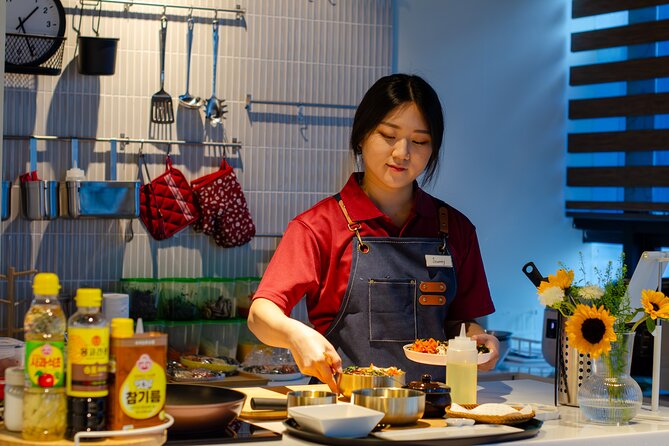
- Seven or more Korean dishes in one sitting: Menus have included bulgogi, bibimbap, japchae, gimbap, three types of jeon, and dessert.
- Ten Korean flavors to taste: The meal includes a mix of savory and sweet items, along with drinks such as tea and sujeonggwa.
- Dietary requests are welcome: Vegan, vegetarian, pescatarian, gluten-free, halal, and selected allergy-related adjustments are offered.
- Teachers make the class approachable: Olivia, Sally, Elly, Grace, and Ally are praised for patient demonstrations and simple instructions.
- Expect plenty of food: Several people have had enough to pack leftovers for another meal.
- The class ends where it starts: Meet at 71-6 Jongno 2(i)-ga in Jongno District, Seoul, and return there after eating.
What the Seoul Cooking Club Class Is Really Like
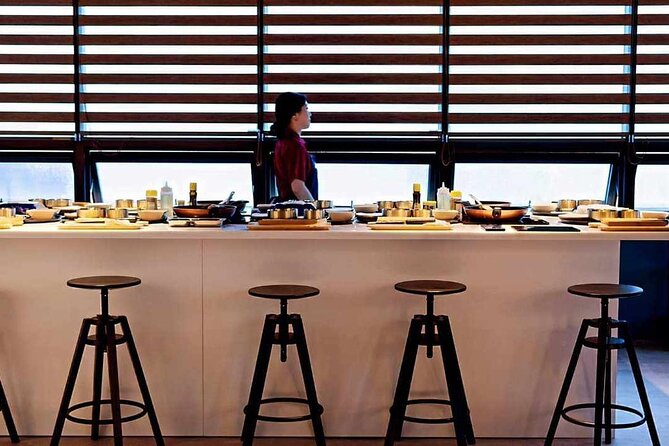
This is not a formal restaurant meal with a cooking demonstration on the side. You take part in preparing the food, taste ingredients and seasonings, and learn how Korean dishes are built. The format is social, practical, and friendly to people who do not spend much time in the kitchen.
The class lasts about 2 hours and 30 minutes and is offered for brunch, lunch, or dinner. That timing matters. You can use it as a first-day activity to get comfortable with Korean food, or as an evening plan when you want more than another restaurant meal.
The class is capped at 12 people, which is a sensible limit for a kitchen session. A larger group could make it hard to see a demonstration or get help with rolling gimbap and shaping pancakes. With 12 or fewer, you should have a better chance to follow the instructions and ask questions.
The mood seems to be one of the strongest parts. The instructors are repeatedly described as warm, patient, and easy to follow. Elly is praised for her clear demonstrations, Sally for her energy and friendly manner, and Grace for explaining the role of ingredients in Korean cooking. Olivia is noted for helping participants succeed while also answering questions about Korean culture.
More Cooking Classes in Seoul
- Local Home Korean Cooking Class & Market Adventure in Seoul
★ 5.0 · 1,024 reviews - Master Korean traditional cooking with a Kimchi chef
★ 5.0 · 385 reviews - Seoul: Korean Cooking Class at a Local Home and Market Tour
★ 5.0 · 348 reviews
The Menu: A Korean Meal With Serious Variety
The exact dishes can vary, but the class promises a broad tasting rather than one narrow recipe lesson. The dishes described include familiar Korean favorites and a few items that help you understand the wider food culture.
Bulgogi
Bulgogi gives you a useful introduction to Korean seasoning. The dish is known for its savory, sweet profile, and the class uses it to show how Korean flavors are balanced rather than simply made hot.
This is a good choice for first-time Korean cooks because bulgogi is familiar from restaurant menus, yet the recipe can be made at home once you understand the basic sauce and preparation. It also helps you recognize the difference between a dish prepared with care and a generic sweet meat dish.
Bibimbap
Bibimbap is one of Korea’s most recognizable meals, combining rice, vegetables, toppings, and sauce. Preparing it gives you a practical lesson in arranging different textures and flavors in one bowl.
I like bibimbap in a class menu because it helps you read Korean menus later. Once you know the name and structure, a restaurant order feels less mysterious. The class also lets you adjust the balance of ingredients to suit your own taste.
More cooking classes:
- Seoul: Korean Cooking at Seoul Cooking Club!
★ 5.0 · 311 reviews - Experience Korean Cooking in Modern Hanok Kitchen
★ 5.0 · 118 reviews - Korean Cooking Class with Grocery Shopping at Seoul Local Market
★ 5.0 · 107 reviews - Korean Kimchi Making Day Experience with a Local Market Tour
★ 5.0 · 99 reviews
Japchae
Japchae brings soft glass noodles, vegetables, and seasoning into the meal. It adds a different texture from bibimbap and bulgogi, so the menu does not become a parade of similar dishes.
It is also the sort of recipe you can recreate for a dinner at home. The class focuses on the foundations of Korean flavor, and japchae gives you another example of how vegetables, noodles, and sauce work together.
Gimbap
Gimbap requires a little care, especially when rolling and slicing it. Elly receives special praise for explaining the process clearly, including tips that help beginners feel capable rather than clumsy.
This is one of the most useful dishes to learn because it is easy to recognize around Seoul. Once you understand how it is assembled, you can better appreciate the work behind the neat rolls sold in shops and markets.
Jeon, or Korean Pancakes
The class has included three types of jeon. These savory pancakes provide variety and show how Korean cooking can turn simple ingredients into a shared dish.
Making several versions also gives the class a sense of abundance. You are not just preparing one sample plate. You are helping create a spread with different shapes, textures, and flavors.
Dessert and Drinks
The meal includes a sweet finish, and the session may also include Korean beverages such as water, tea, and sujeonggwa. Sujeonggwa is a spiced, refreshing traditional drink that gives you a taste beyond the main dishes.
The inclusion of dessert and drinks is important when judging the price. This is not a short lesson followed by a small tasting. It is structured as a three-course meal with many components.
How the 2.5-Hour Schedule Works
The session begins with instruction and preparation, then moves through a series of dishes. Ingredients are supplied and much of the advance work is handled by the staff, allowing the group to complete several recipes within the time available.
That setup keeps the class moving. You are less likely to spend half the lesson peeling vegetables or waiting for rice to cook. It also makes the experience manageable for beginners, families, and people who want a cultural activity without a demanding kitchen workout.
Still, the preparation system has a tradeoff. One participant found the class too basic and felt it involved more assembling than cooking. If you are an experienced cook hoping to practice every stage from raw ingredients to final plating, you may want to ask how much hands-on work is planned for your session.
For most people, the shortcuts are useful. You get to focus on Korean ingredients, techniques, and flavor combinations instead of losing time to routine prep. The instructors remain available to guide you, correct mistakes, and explain why each ingredient is used.
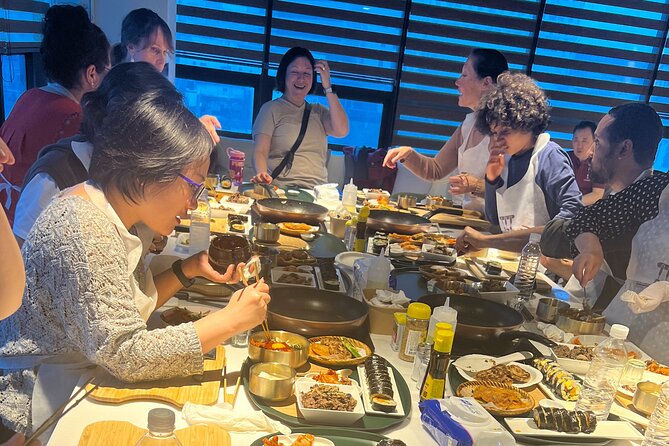
Once the dishes are ready, everyone sits down to eat. Portions are generous. You should not plan a large meal immediately before the class, and you may have enough food to take away for later. Several sessions have included leftovers, which adds practical value to the experience.
The Teaching Style: Friendly, Clear, and Culture-Focused
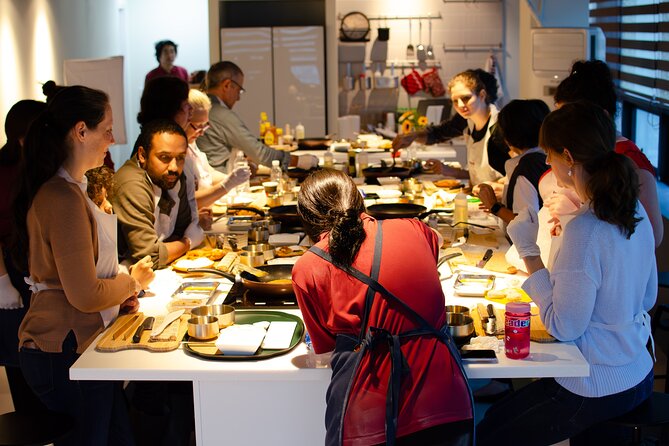
A cooking class rises or falls on its teacher. Here, the teaching style is consistently described as welcoming and easy to understand. That matters in a class with international participants, different kitchen backgrounds, and perhaps several dietary needs at the same table.
Olivia is praised for clear guidance and a personable manner. Sally is singled out for making the class fun while explaining the recipes. Elly is noted for patience, helpful cultural answers, and strong gimbap instruction. Grace is praised for explaining Korean cooking foundations and the reason certain ingredients are used.
The best part is that the lessons are not limited to measurements. You also learn how Korean food fits into everyday eating, restaurant menus, and street food culture. That extra context makes the class more useful after you leave. You can recognize dishes more easily and feel less dependent on guesswork when ordering.
The instructors also appear comfortable with mixed ability levels. Beginners receive step-by-step help, while confident home cooks can pick up small techniques and flavor ideas. The class is not aimed at professional training, but it can still offer useful inspiration for anyone who enjoys cooking.
Dietary Needs and Allergies
The class is designed to cater to a wide range of diets. Vegan, vegetarian, pescatarian, gluten-free, and halal options are available, and dietary preferences can be discussed in advance.
A peanut allergy and restrictions on beef and pork were accommodated successfully in one session. That is encouraging, but you should still provide your requirements when booking and confirm them before the class. Korean dishes often use sauces, stocks, marinades, or prepared ingredients, so precise communication matters.
The broad menu is helpful for special diets because there are many components to work with. You are not limited to one central dish. Still, the class does not promise that every dish suits every diet, so ask about substitutions if you have a serious allergy or strict religious requirement.
Is $109 a Good Value?
At $109 per person, Seoul Cooking Club is not a budget meal. You could eat Korean food for much less in Seoul. The value comes from the combination of instruction, ingredients, cultural explanation, social time, and a large meal.
You are effectively receiving a cooking lesson and a multi-dish tasting in one booking. The menu can include seven dishes plus dessert, while the experience advertises ten Korean flavors across appetizers, main courses, and sweets. Drinks may also be included, and some sessions provide a cookbook and tote bag.
The cookbook is more than a cute souvenir. It gives you a chance to repeat the dishes at home, which makes the class more useful than a meal you simply remember through photographs. If you cook even a few recipes later, the cost feels easier to justify.
For a solo visitor, the class also solves a practical problem: it gives you a structured way to meet people without committing to a full-day group tour. For a family, the generous portions and shared activity can make the price work better than buying several separate attractions.
I would consider it good value for people who want food, instruction, and culture together. I would hesitate if your priority is advanced culinary training or the lowest possible cost.
Location, Timing, and Practical Details
The meeting point is 71-6 Jongno 2(i)-ga in Seoul’s Jongno District. The area is near public transportation, so you do not need a private vehicle. The activity ends back at the same meeting point.
A mobile ticket is provided, and confirmation arrives at booking. Service animals are allowed. The group limit is 12 people, and the class can be booked for brunch, lunch, or dinner.
Build in enough time to find the address. Cooking classes are less forgiving of late arrivals than ordinary sightseeing stops because the group may already be measuring ingredients or beginning the first demonstration.
Cancellation is flexible up to 24 hours before the start time, with a full refund. Cancellations or changes made inside that 24-hour window are not accepted for a refund. The cut-off follows local Seoul time, so keep that in mind if you are booking from another time zone.
Who Will Enjoy This Class Most?
I would recommend it most strongly to:
- First-time visitors who want a quick introduction to Korean food
- Beginner cooks who appreciate patient, step-by-step instruction
- Solo visitors looking for a social activity
- Couples and families who want to eat what they prepare
- People with vegan, vegetarian, pescatarian, gluten-free, halal, or selected allergy needs
- Home cooks who want Korean recipes to recreate later
It also works well near the start of a Seoul visit. Learning the names and basic ingredients of familiar dishes can make the rest of your meals more enjoyable. You may find yourself ordering with greater confidence after one afternoon in the kitchen.
Experienced cooks should set realistic expectations. The class is practical and entertaining, but it is not a professional workshop. Prep work is handled in advance, and the focus is on making many dishes successfully within a short session.
Should You Book Seoul Cooking Club?
Book it if you want a friendly, food-filled introduction to Korean cuisine and like the idea of eating a full spread at the end. The strong points are clear: a small group, approachable teachers, dietary flexibility, a generous menu, and recipes you can take home.
Skip it if you want advanced knife skills, intensive work with raw ingredients, or a low-cost way to eat Korean food. For everyone else, $109 buys more than dinner. It buys a guided introduction to the flavors, names, and food customs that will shape the rest of your time in Seoul.
FAQ
How long does the Seoul Cooking Club experience last?
The cooking class lasts approximately 2 hours and 30 minutes.
Where does the class meet?
The meeting point is 71-6 Jongno 2(i)-ga, Jongno District, Seoul, South Korea.
Where does the experience end?
The activity ends back at the meeting point.
How many people can join the class?
The maximum group size is 12 people.
What dishes might be prepared?
Menus have included bulgogi, bibimbap, japchae, gimbap, three types of jeon, appetizers, main courses, and dessert. The exact selection may vary.
Can the class accommodate dietary requirements?
Yes. Options are available for vegan, vegetarian, pescatarian, gluten-free, and halal diets. Dietary preferences and allergies should be provided when booking.
Is food included in the class?
Yes. You taste the food prepared during the session, including a mixture of savory and sweet dishes. Drinks such as water, tea, and sujeonggwa may also be provided.
What is the cancellation policy?
You can cancel at least 24 hours before the start time for a full refund. Cancellations or changes made less than 24 hours before the start time are not accepted for a refund.
Just added around Seoul
- Seoraksan National Park & Nami Island★ 4.5 · 3 reviews
- Strawberry Picking, Winter Sled with Eobi Ice Valley from Seoul★ 4.5 · 3 reviews
- Seoul Full Day small group Tour★ 5.0 · 3 reviews
- Seoul Korean BBQ Dinner Experience with Secret Food Tours★ 5.0 · 3 reviews
- Rice Wine Tasting with Sommelier – Finest Makgeolli (& Soju)★ 5.0 · 3 reviews
- Majang Meat Market Experience: Private Tour with Han-woo Beef BBQ★ 5.0 · 3 reviews
- Seongsu-dong Walking Tour: K-Pop, Culture, Cheer, Friends & Relax★ 4.5 · 3 reviews
- Seoul: Alpaca World and Nami Island (with Garden / Railbike)★ 5.0 · 3 reviews
Cooking Classes, compared.

Local Home Korean Cooking Class & Market Adventure in Seoul
Read our review →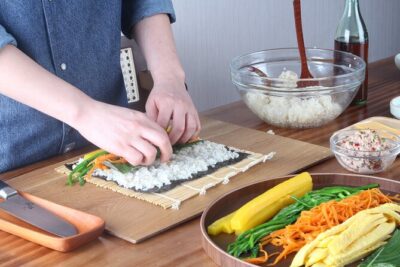
Master Korean traditional cooking with a Kimchi chef
Read our review →
Korean Cooking Class at a Local Home and Market Tour
Read our review →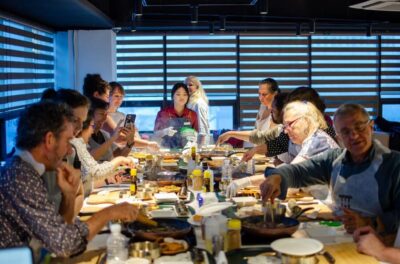

Experience Korean Cooking in Modern Hanok Kitchen
Read our review →
Korean Cooking Class with Grocery Shopping at Seoul Local Market
Read our review →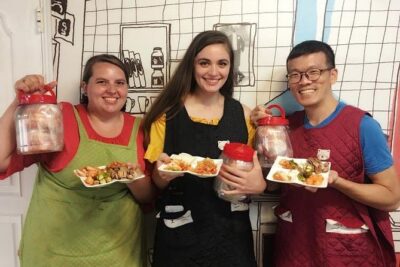
Korean Kimchi Making Day Experience with a Local Market Tour
Read our review →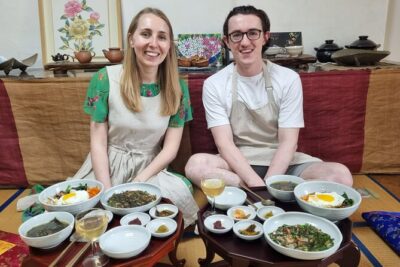
Browse the lists this tour appears in