
Reviewed · COOKING CLASSES
Master Korean traditional cooking with a Kimchi chef
Markets make the best classrooms. This Seoul cooking experience combines a walk through Gyeongdong Market with hands-on instruction in a Korean-style home, so you learn both what goes into Korean food and how to prepare it. I especially like the small group of up to seven and the chance to cook a complete meal rather than watch a demonstration. The market visit also gives the class a local feel that a stand-alone cooking studio cannot match.
The $85 price is fair for a three-and-a-half-hour activity that includes the market walk, a local guide, cooking instruction, and lunch, dinner, or dessert depending on the day. I also like the patient teaching style associated with Chef Minseon and the other instructors. The main consideration is that the menu changes by date, so you should check the schedule before booking if you have your heart set on kimchi, bibimbap, or samgyetang.
In This Review
- Key points to know before you book
- Starting at Jegidong Station at 10 a.m.
- Gyeongdong Market: ingredients before instruction
- A Korean-style home or organized cooking studio
- The menu changes with your booking date
- Eating the meal you prepared
- Why the market and class work well together
- Price, timing, and practical value
- Who will enjoy this Seoul cooking class?
- Should you book it?
- FAQ
- Where does the cooking class meet?
- What time does the experience start?
- How long does the cooking class and market visit last?
- What dishes will I cook?
- Is food included?
- Can vegan or halal participants join?
Key points to know before you book
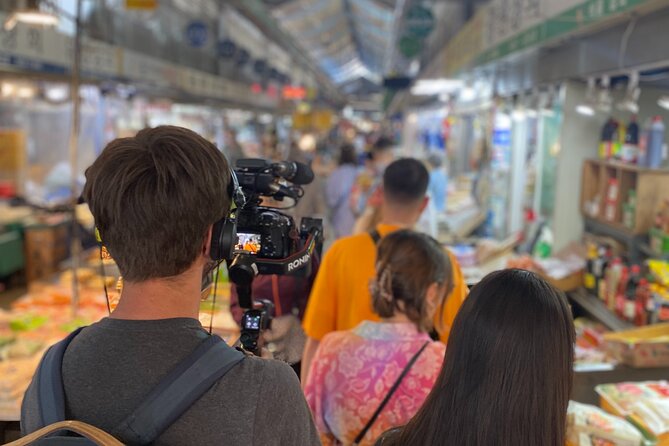
- Gyeongdong Market comes first: You shop for ingredients in one of Seoul’s largest food and traditional medicine markets before cooking.
- The class is genuinely hands-on: You prepare portions of the full menu, rather than simply watching a chef work.
- Your date determines the dishes: Thursday focuses on kimchi, Monday on samgyetang, Friday on bibimbap, and other days feature different Korean favorites.
- The group stays small: The experience is designed for an intimate class, with the stated group size limited to seven people.
- You eat what you make: The cooking ends with a shared Korean meal, dessert, or dinner, plus morning tea.
- Dietary needs can be discussed: Vegan and halal options are available, and past classes have accommodated dietary restrictions.
Starting at Jegidong Station at 10 a.m.
You meet shortly before 10 a.m. at Jegidong Station Exit 2 on Seoul’s Line 1. This is not a hotel pickup experience, so you need to make your own way to the station. The activity finishes back at the same meeting point, which makes the return simple once the class is over.
Give yourself extra time to find the correct exit. One person who became lost received help from Chef Minseon in finding the meeting place, but it is better not to depend on a last-minute rescue. A mobile ticket is provided, and the meeting point is near public transportation.
The experience lasts about three hours and 30 minutes. That is long enough for the market visit, food preparation, and a proper meal, but it still fits neatly into a morning and early afternoon in Seoul. You will want comfortable shoes because the market walk and the route to the cooking space are on foot.
More Cooking Classes in Seoul
- Local Home Korean Cooking Class & Market Adventure in Seoul
★ 5.0 · 1,024 reviews - Seoul: Korean Cooking Class at a Local Home and Market Tour
★ 5.0 · 348 reviews - Seoul: Korean Cooking at Seoul Cooking Club!
★ 5.0 · 311 reviews
Gyeongdong Market: ingredients before instruction
The first stop is Gyeongdong Market, also known as Seoul’s Oriental Medicine Market. It is a useful place to begin because Korean cooking depends heavily on ingredients that can look unfamiliar if you only encounter them on a restaurant menu.
Your chef leads the group through the market and helps select the ingredients needed for that day’s recipes. This turns shopping into part of the lesson. You learn what the ingredients look like, how they are used, and how Korean food gets its balance of savory, spicy, sweet, and fermented flavors.
The market is also a change of pace from Seoul’s better-known sightseeing districts. The route takes you through a working neighborhood and a food and medicine market where few international visitors pass through. That is one of the experience’s strongest points. You are not simply being shown a polished tourist attraction. You are seeing a practical part of city life while buying food for your own lunch.
The market is large, and the walking tour can feel like a full experience in itself. Some classes have included two local markets, depending on the route and guide. You might also sample a traditional Korean doughnut along the way. These small additions help make the morning feel less like a cooking lesson with a short shopping errand attached.
You should also expect the market to be visually and culturally busy. It sells food, vegetables, herbs, spices, and traditional medicine. If you prefer a quiet, tightly timed tour, this portion may feel less controlled than the cooking class. For most people, though, the open-air shopping and ingredient explanations are worth the extra time.
A Korean-style home or organized cooking studio
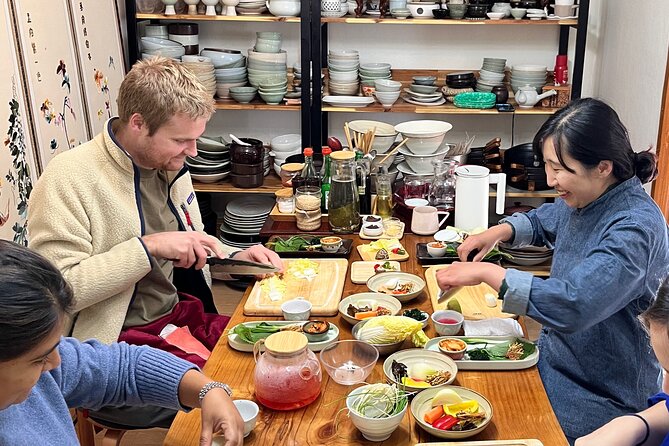
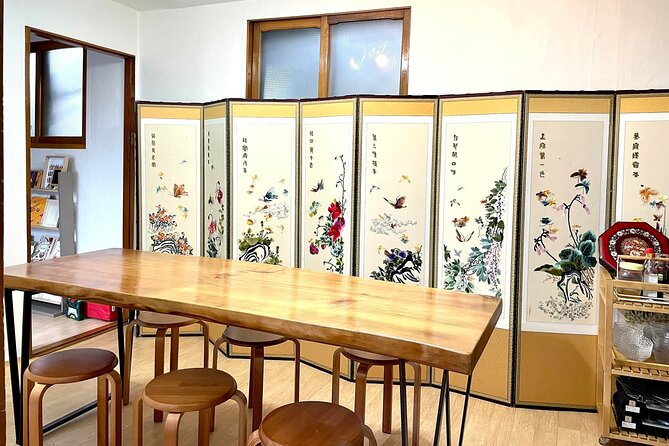
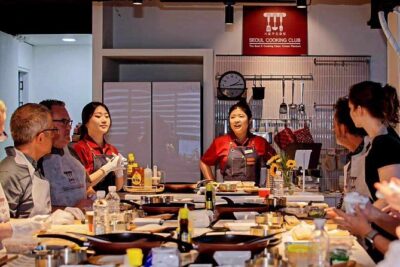
After shopping, the guide leads you to a nearby Korean-style house in a local neighborhood. The class takes place in a well-equipped cooking space, described in some accounts as a bright, modern studio arranged for group instruction.
That combination is appealing. You get the atmosphere of a Korean home rather than a large commercial cooking school, but you still have an organized kitchen with prepared equipment and ingredients. The setting gives the class a more personal feel, while the practical setup keeps the recipes moving.
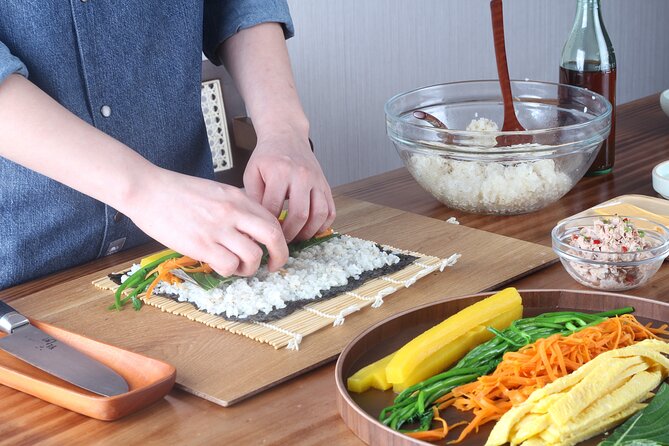
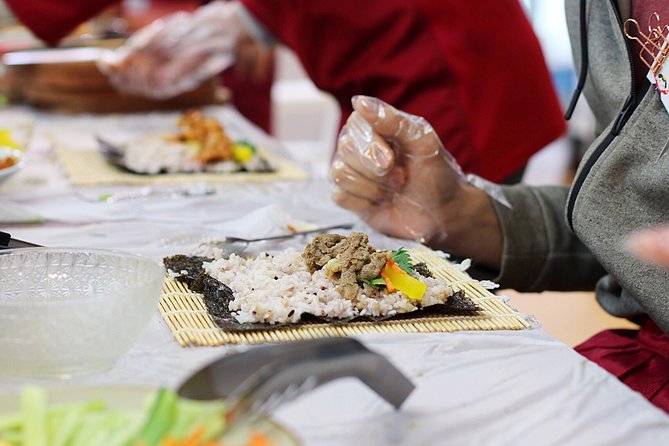
This is a hands-on class. You do not merely stand around while the chef prepares everything. The format has each participant working on small portions of the menu before sitting down to eat the finished dishes together. That matters if your goal is to recreate Korean food at home.
The instructors explain the ingredients, demonstrate techniques, and help as you work. The teaching is designed for beginners, and you do not need to be an experienced cook. Chef Minseon has received especially warm praise for clear explanations, patience, and friendly support, including with people who had little confidence in the kitchen.
English-language instruction is available, and one class was described as easy to follow with an instructor who spoke very good English. Since the specific chef can vary, clear communication about dietary needs and cooking questions at the start is still a good idea.
The menu changes with your booking date
The menu is not fixed. This is one of the most important details to understand before paying. Your selected day determines what you cook, and the class includes three different menu items.
Here is the current weekly pattern:
- Monday: Samgyetang, a traditional chicken and ginseng soup.
- Tuesday and Saturday: Bulgogi, japchae, and doenjang jjigae.
- Thursday: Kimchi.
- Friday: Bibimbap.
- Sunday: A variety of Korean desserts.
The Tuesday and Saturday menu offers the broadest meal, with grilled or marinated beef, glass noodles, and soybean paste stew. It gives you several different cooking methods and a good introduction to the structure of a Korean table.
Thursday is the clearest choice if your main interest is kimchi. The experience is titled around a kimchi chef, but kimchi is not the menu every day. Check the date carefully rather than assuming every session centers on fermentation.
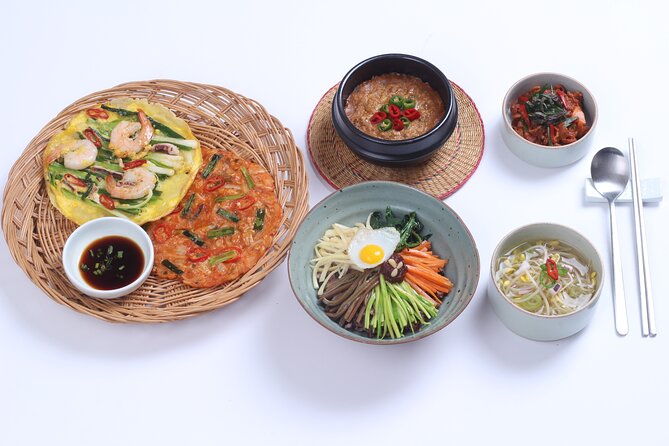
Friday’s bibimbap class is a good fit if you want a familiar Korean dish prepared with more traditional ingredients. You learn how the separate components come together in one bowl, and the market walk helps explain where those ingredients begin.
Monday’s samgyetang class focuses on a single well-known dish, while Sunday offers desserts. A dessert day may suit you if you want something lighter or less savory, but it will not provide the same type of meal as the weekday cooking sessions.
The schedule makes it possible to match the class to your food interests. It also means the experience is less flexible for someone visiting Seoul on only one free morning.
More cooking classes:
- Korean Cooking at Seoul Cooking Club
★ 5.0 · 220 reviews - Experience Korean Cooking in Modern Hanok Kitchen
★ 5.0 · 118 reviews - Korean Cooking Class with Grocery Shopping at Seoul Local Market
★ 5.0 · 107 reviews - Korean Kimchi Making Day Experience with a Local Market Tour
★ 5.0 · 99 reviews
Eating the meal you prepared
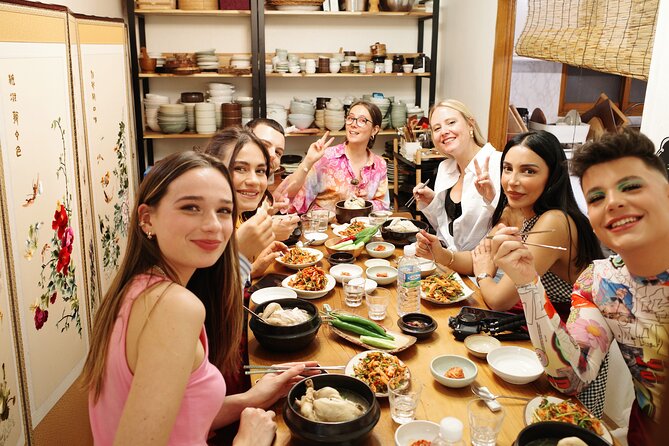
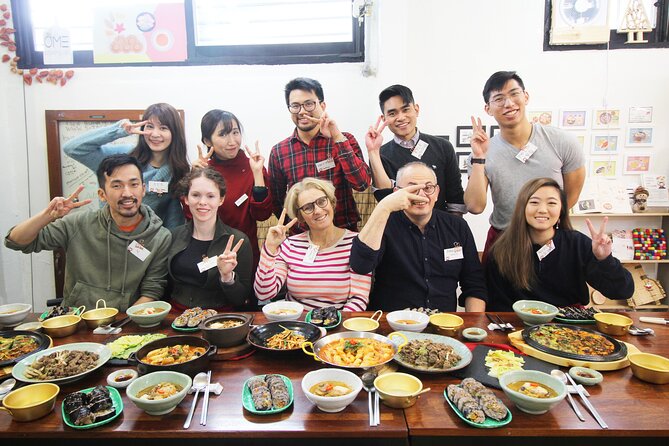
Once the cooking is finished, you sit down with the group and eat the results. The meal, dinner, or dessert is included, along with morning tea. This shared table is an important part of the experience because Korean cooking makes more sense when you taste several dishes together rather than judging one recipe in isolation.
Portions have been described as generous enough that some people needed to take food away. The class can also include four dishes in some sessions, despite the general description of three menu items, so the amount of food may vary by date.
I like that the meal is the payoff for the work. You have handled the ingredients, followed the recipes, and can ask questions while eating. The informal conversation with the instructor and other participants adds a social element without turning the activity into a formal lecture.
Some participants also receive a cookbook or recipe booklet to use at home. This is a particularly useful extra because the recipes are meant to be simple enough to repeat. You should confirm whether printed recipes are provided on your specific date, since that detail may vary.
Why the market and class work well together
Many cooking classes begin with ingredients already laid out on a counter. That is convenient, but it skips the part where you learn how a cook actually shops. Here, you see the market first, then use what you bought. The two halves support each other.
The market helps you recognize Korean produce, seasonings, herbs, and pantry items. The kitchen then shows you how those items behave in a recipe. Even if you forget a technique later, you are more likely to remember the ingredients because you saw them in their everyday setting.
The activity also offers a useful introduction to Korean food culture without requiring a long lecture. You learn through movement, shopping, chopping, mixing, tasting, and eating. That practical approach is a good match for people who want culture in a usable form.
The small class size strengthens the teaching. With only a handful of people, the chef can watch your technique and answer questions. The stated limit is seven, although the booking information also gives a maximum of 10 people per booking. If group size is a deciding factor, confirm the size of your particular session when you book.
The experience is described as private, meaning only your own booking group participates, while other details describe a small-group class. The safest expectation is an intimate format rather than a large tour. The exact arrangement may depend on how your reservation is made.
Price, timing, and practical value
At $85 per person, this is not the cheapest way to eat Korean food in Seoul. You can have a very inexpensive restaurant meal, and a market visit alone costs nothing beyond your purchases. The price here pays for instruction, ingredient shopping, prepared food, the meal, a local guide, and several hours of personal attention.
For someone who already plans to take a cooking class, the value is strong. You receive a market tour and a cultural introduction along with the lesson, rather than paying separately for those activities. You also leave with recipes you can use again, and perhaps a cookbook or recipe booklet.
The value is less clear if you are mainly looking for a quick lunch or a sightseeing walk. Three hours and 30 minutes is a substantial block of your Seoul schedule. You should book it because you want to cook, not simply because you want to sample food.
The class begins at 10 a.m. and returns to the starting station. Lunch is included on the relevant daytime selections, while dinner or dessert applies according to the chosen option and time. Morning tea is included on all tours.
Free cancellation is available if you cancel at least 24 hours before the start time. Changes or cancellations inside that window are not refunded, and the experience can be rescheduled or refunded if the minimum number of participants is not reached.
Who will enjoy this Seoul cooking class?
I would recommend it most strongly to first-time visitors who want a direct introduction to Korean food. It is also a good choice for solo visitors, couples, families with older children, and people who routinely take cooking classes while abroad.
You do not need cooking experience. The chef-led format is patient and supportive, and the recipes are considered manageable to repeat at home. Food enthusiasts will appreciate the market explanations, while beginners can focus on learning a few dependable dishes.
Children over six may participate, but only one child under 14 is allowed per class. Anyone over 14 pays the adult price. Children under six are not accepted for safety reasons.
The class can accommodate vegan and halal requests, and dietary restrictions have been handled in previous sessions. Still, tell the provider about your needs before the day of the activity. The menu is planned in advance, and substitutions may require preparation.
This is less suited to someone with very limited time, someone who dislikes group activities, or anyone expecting a formal restaurant-level culinary course. It is an approachable cultural class, not professional chef training.
Should you book it?
Book this experience if you want to understand Korean food by seeing the ingredients, preparing the dishes, and eating the finished meal. The strongest reasons are the local market, the small teaching group, the authentic recipes, and the chance to cook rather than watch.
Choose your date with care. Thursday is the pick for kimchi, Friday for bibimbap, Monday for samgyetang, Tuesday or Saturday for a three-dish savory meal, and Sunday for desserts. If the menu matches your interests, $85 is a reasonable price for a half-day activity that combines food, culture, and practical instruction.
Skip it if you only want a fast market stop or a cheap meal. For everyone else, this is one of the more useful ways to spend a Seoul morning, especially if you want to bring a little Korean cooking home with you.
FAQ
Where does the cooking class meet?
You meet at Jegidong Station Exit 2 on Line 1 in Seoul, near the Seoul Oriental Medicine Market and Dongdaemun area.
What time does the experience start?
The experience starts at 10 a.m. You should arrive a little before the start time.
How long does the cooking class and market visit last?
The full experience lasts approximately three hours and 30 minutes.
What dishes will I cook?
The menu depends on the day. Monday features samgyetang, Thursday features kimchi, Tuesday and Saturday include bulgogi, japchae, and doenjang jjigae, Friday features bibimbap, and Sunday focuses on Korean desserts.
Is food included?
Yes. Lunch, dinner, or dessert is included depending on the selected option and time. Morning tea is included on all tours.
Can vegan or halal participants join?
Yes. Vegan and halal options are available, and dietary restrictions can be accommodated. Mention your requirements before the class.
Just added around Seoul
- Seoraksan National Park & Nami Island★ 4.5 · 3 reviews
- Strawberry Picking, Winter Sled with Eobi Ice Valley from Seoul★ 4.5 · 3 reviews
- Seoul Full Day small group Tour★ 5.0 · 3 reviews
- Majang Meat Market Experience: Private Tour with Han-woo Beef BBQ★ 5.0 · 3 reviews
- Seoul Korean BBQ Dinner Experience with Secret Food Tours★ 5.0 · 3 reviews
- Rice Wine Tasting with Sommelier – Finest Makgeolli (& Soju)★ 5.0 · 3 reviews
- Max Out Seoul: Must Visit City Highlights Panoramic Day Tour★ 5.0 · 3 reviews
- Seongsu-dong Walking Tour: K-Pop, Culture, Cheer, Friends & Relax★ 4.5 · 3 reviews
Cooking Classes, compared.

Local Home Korean Cooking Class & Market Adventure in Seoul
Read our review →
Korean Cooking Class at a Local Home and Market Tour
Read our review →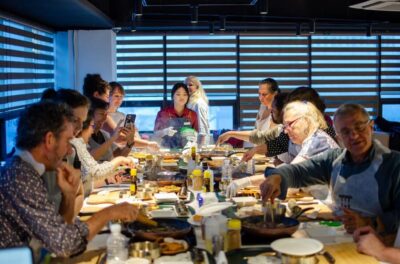

Experience Korean Cooking in Modern Hanok Kitchen
Read our review →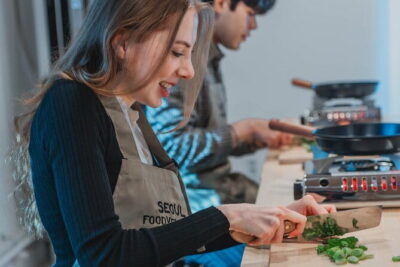
Korean Cooking Class with Grocery Shopping at Seoul Local Market
Read our review →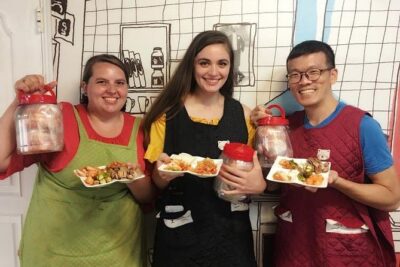
Korean Kimchi Making Day Experience with a Local Market Tour
Read our review →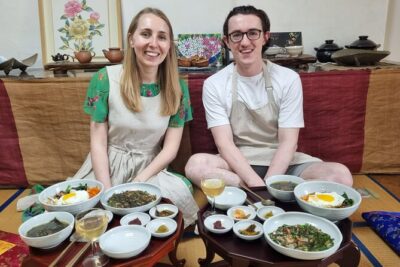
Browse the lists this tour appears in