
Reviewed · COOKING CLASSES
Seoul: Korean Cooking at Seoul Cooking Club!
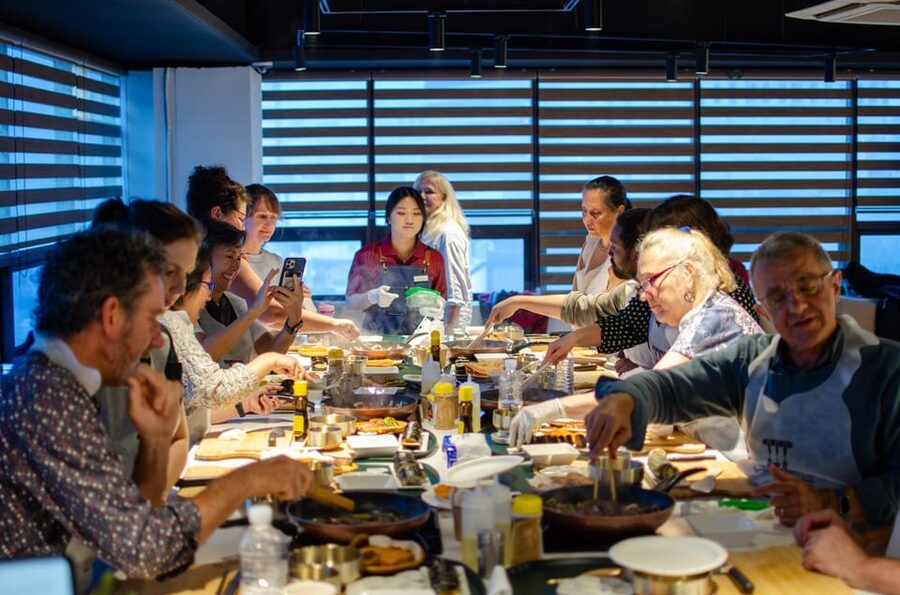
Come hungry, leave with Korean cooking skills. Seoul Cooking Club offers a generous 150-minute class in central Jongno, where you prepare a wide spread of Korean food, eat what you make, and learn the stories behind the dishes from an English-speaking chef. The format is friendly and practical rather than formal, making it a good fit if you want more than another restaurant meal.
I especially like the range of dishes, from jeon and japchae to bulgogi, bibimbap, and banchan. I also like the useful extras: recipe booklets, tote bags, and takeaway containers are often provided, so the class can continue in your own kitchen. The main drawback is the $109 price, which is high for a meal, though the amount of food and the instruction make it more reasonable than the price first suggests.
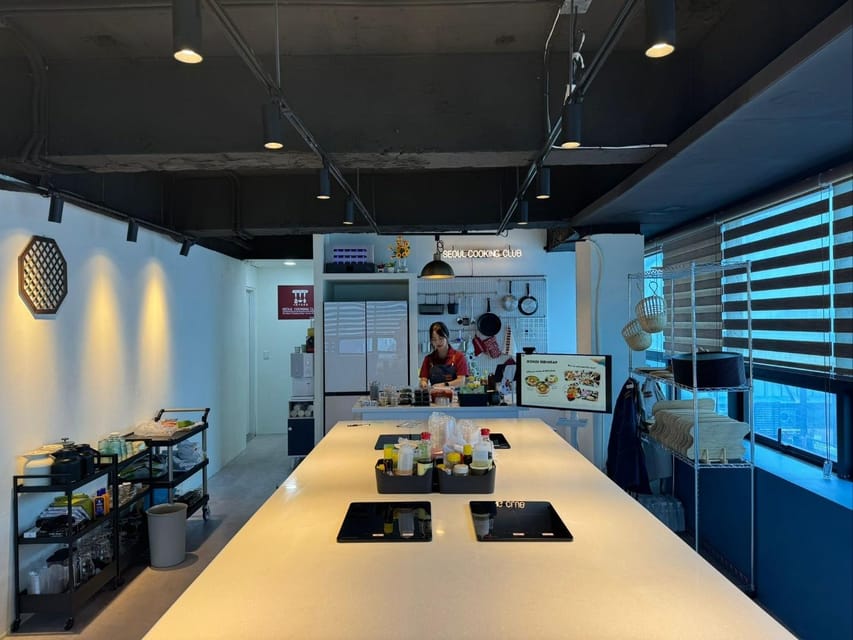
The class takes place in a clean, modern cooking space just 15 metres from Jonggak Station. You can choose a brunch, lunch, or early dinner session, and the English instruction is clear enough for beginners. It is not designed for children under 16, and you should wear closed-toe shoes.
In This Review
- What makes this Korean cooking class worth your time
- Arriving at Jonggak Station and finding the kitchen
- The opening course: Korean jeon with several fillings
- Japchae, bulgogi, and bibimbap make up the main meal
- Banchan turns the meal into a Korean table
- Korean drinks and dessert round out the experience
- The chefs make the class easy for beginners
- What you take home besides a full stomach
- Is $109 a fair price in Seoul?
- Timing, access, and the best day plan
- Who should book Seoul Cooking Club?
- Should you book it?
- FAQ
- Where is Seoul Cooking Club located?
- How long does the cooking class last?
- Is the class taught in English?
- What food will I prepare?
- What side dishes and drinks are included?
- Is dessert included?
- Can I take leftovers or recipes home?
- Is the class suitable for children or wheelchair users?
What makes this Korean cooking class worth your time
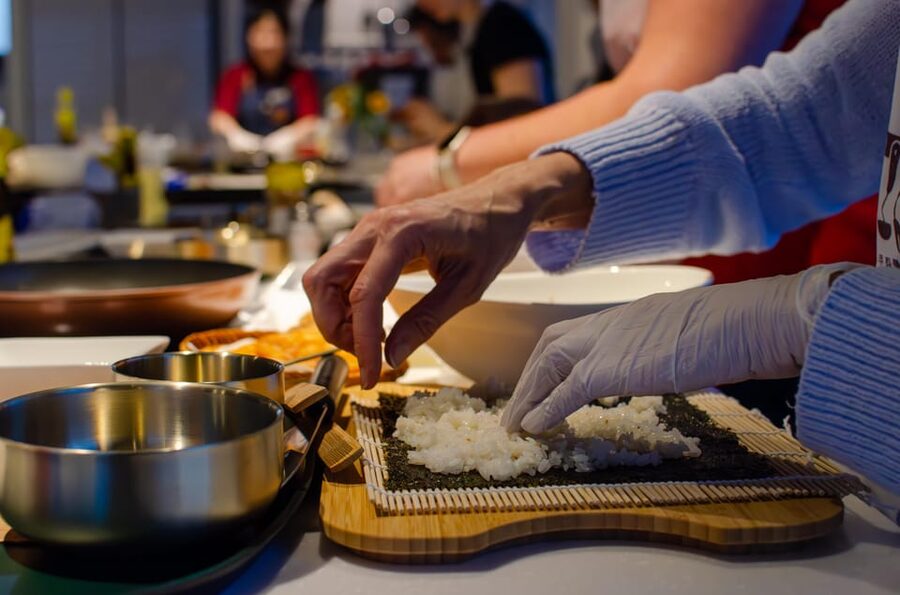
- Seven or more Korean dishes in one sitting: You may prepare jeon, japchae, bulgogi, bibimbap, gimbap, and several side dishes, depending on the session.
- Ten tastings beyond the main dishes: Kimchi, radish kimchi, seasoned spinach, soybean sprouts, spicy cucumber, Korean egg-roll, and stir-fried anchovy give you a broad taste of everyday Korean food.
- English-speaking chefs with warm teaching styles: Chefs including Sally, Olivia, Elly, and Grace are praised for patient explanations and easy-to-follow steps.
- A full meal, not just a demonstration: You cook together, taste as you go, then sit down to eat the finished spread.
- Useful take-home gifts: Recipe booklets, bags, and takeaway containers may help you recreate the meal after returning home.
- Excellent central location: Jonggak Station is outside the door, with Insadong, Ikseondong, Gwangjang Market, Myeongdong, and Gyeongbokgung Palace nearby.
Arriving at Jonggak Station and finding the kitchen
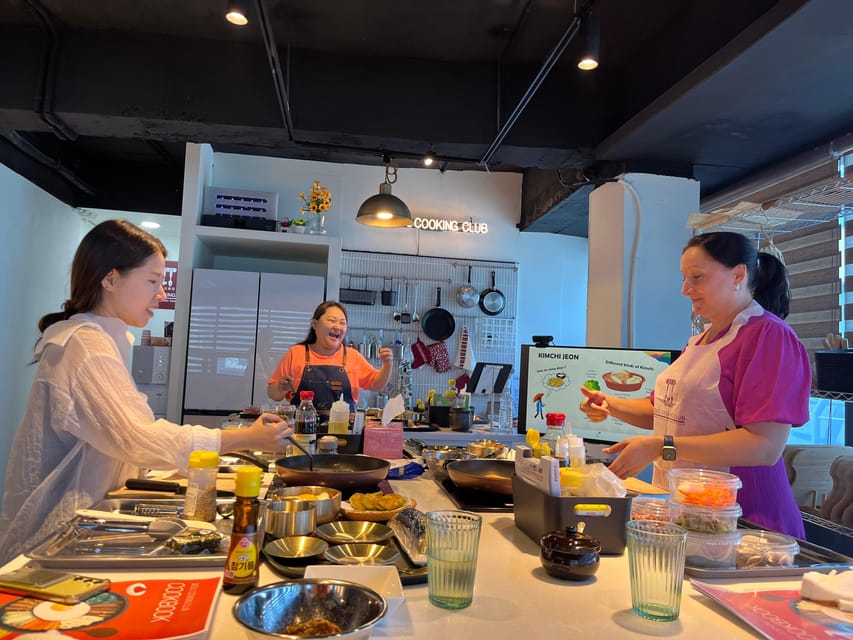
The location is one of this class’s strongest practical features. Take Seoul Subway Line 1 to Jonggak Station and use Exit 12. The cooking club is only about 15 metres from the exit, so you do not need to build in a long walk or hunt through an unfamiliar neighborhood.
After leaving the station, walk straight and take the immediate first right around the corner of Pascucci. Look for the orange facade beside the Good Game Zone. The entrance is in the same building, on the seventh floor.
That clear route matters in Seoul, where a cooking class hidden down a side street can cost you precious time. Here, you can pair the class with sightseeing in Jongno without spending half your morning getting there. Insadong and Ikseondong are about a minute away, while Gwangjang Market, Myeongdong, and Gyeongbokgung Palace are within roughly a ten-minute walk.
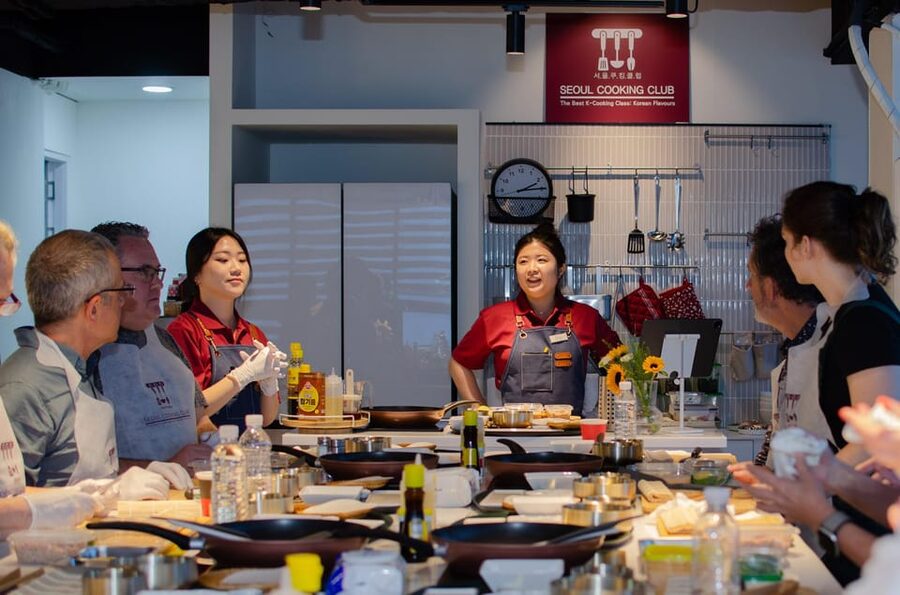
The venue is described as modern, spotless, and well prepared. Each participant has a personal workstation, with ingredients and utensils arranged before the class begins. One particularly useful touch is the support during cleanup. An assistant may collect finished tools as you work, keeping the stations orderly without pulling you away from the cooking.
More Cooking Classes in Seoul
- Local Home Korean Cooking Class & Market Adventure in Seoul
★ 5.0 · 1,024 reviews - Master Korean traditional cooking with a Kimchi chef
★ 5.0 · 385 reviews - Seoul: Korean Cooking Class at a Local Home and Market Tour
★ 5.0 · 348 reviews
The opening course: Korean jeon with several fillings
The class begins with jeon, small Korean pancakes that can be made with meat, seafood, tofu, vegetables, or herbs. You usually prepare three or four varieties from a rotating selection:
- Donggrangttaeng, pan-fried battered meatballs
- Pollack pancake
- Pajeon, a seafood and scallion pancake
- Beef pancake
- Tofu pancake
- Sesame leaf pancake
This is a smart opening course because jeon shows how Korean cooking can turn simple ingredients into food with many textures. You learn how the batter, filling, and pan heat work together. The variety also gives you a chance to compare different flavors instead of treating Korean cuisine as one single style.
The exact choices can change, so do not book with one particular pancake in mind. If you have a strong preference or a dietary concern, raise it with the chef at the beginning. The class has accommodated gluten-free requests, including a participant with coeliac disease, but you should still explain your needs clearly before cooking starts.
The food preparation is organized to keep the pace comfortable. Some chopping and prep work is done in advance, which means you are not stuck slicing vegetables for the full session. That does reduce the from-scratch feeling a little, but it lets you learn several dishes in 150 minutes without turning the class into a kitchen marathon.
Japchae, bulgogi, and bibimbap make up the main meal
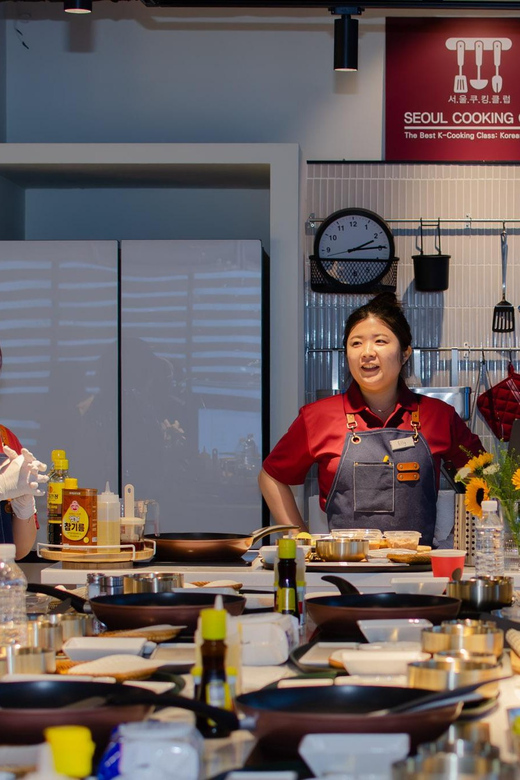
The main part of the class brings together three familiar Korean dishes. Japchae uses stir-fried vegetables and glass noodles. Its appeal is partly in the texture: soft, springy noodles meet crisp or tender vegetables, with seasoning tying everything together.
Bulgogi uses sliced beef seasoned with soy sauce before being cooked. This is the dish many first-time Korean food visitors already know, but preparing it yourself gives you a better sense of the balance between savory seasoning and sweetness. The chef also explains the food’s background and place in Korean dining, rather than simply handing you a recipe.
Jeonju bibimbap is the centerpiece of the meal. You combine rice with vegetables and other toppings, then bring it together with seasoning. It is a useful dish to learn at home because it is flexible, colorful, and a good way to use small amounts of leftover vegetables.
Some sessions also include gimbap. The exact menu can vary, but the class consistently aims to give you a broad selection rather than one narrow recipe. The result is closer to a Korean table meal than a single cooking lesson.
The dishes are collaborative, so you may not prepare every item entirely on your own. That is worth knowing if you want a private chef-style lesson. The upside is that you get to see more recipes, work at a relaxed pace, and share the tasks with the group.
Banchan turns the meal into a Korean table
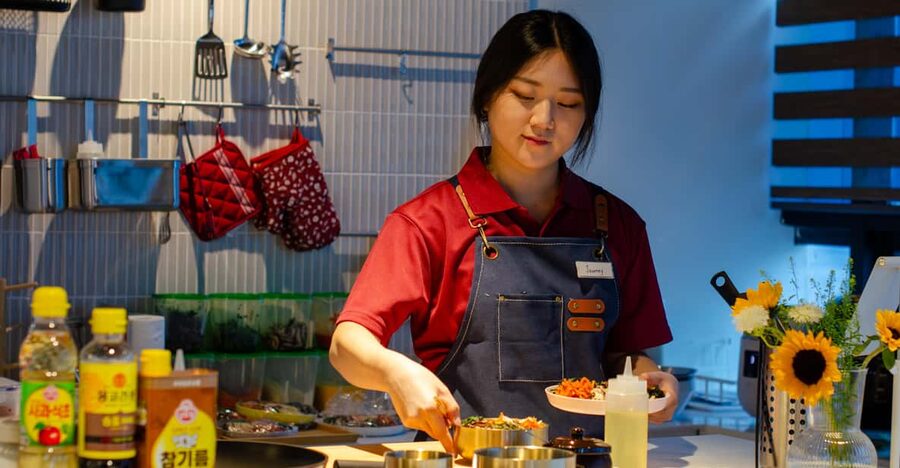
The side dishes are not filler. They explain how a Korean meal gets its variety from several small plates served together. You may taste around ten items, including kimchi, radish kimchi, seasoned soybean sprouts, seasoned spinach, spicy cucumber, stir-fried anchovy, and Korean egg-roll.
This part of the class is especially useful if you eat Korean food often but have never learned what sits behind the familiar side dishes. You begin to notice the differences between fermented, pickled, seasoned, spicy, sweet, and savory flavors.
It also makes the meal feel generous. You are not waiting 150 minutes for one final plate of food. You taste along the way, then sit down at the end with a full spread. Several participants needed takeaway boxes because the portions were substantial, so do not plan a large restaurant meal immediately afterward.
A practical tip: bring an appetite and avoid scheduling something that requires you to leave the moment the class ends. You may finish with enough food for another meal, and some sessions provide containers and a bag so you can carry leftovers safely.
More cooking classes:
- Korean Cooking at Seoul Cooking Club
★ 5.0 · 220 reviews - Experience Korean Cooking in Modern Hanok Kitchen
★ 5.0 · 118 reviews - Korean Cooking Class with Grocery Shopping at Seoul Local Market
★ 5.0 · 107 reviews - Korean Kimchi Making Day Experience with a Local Market Tour
★ 5.0 · 99 reviews
Korean drinks and dessert round out the experience
The class includes water, Korean tea, and sikhye, a sweet rice drink. Sikhye is a pleasant introduction to a traditional Korean beverage, especially if you have mostly encountered Korean food through barbecue, fried chicken, or noodles.
Dessert changes daily. Bing-su, a popular Korean shaved-ice dessert, may appear. Since the dessert is not fixed, think of it as a seasonal or rotating finish rather than a guaranteed specific dish.
The changing dessert keeps the class from feeling too mechanical, but it also means you should not book solely for bing-su. The real value is the cooking and the broad meal. Dessert is a welcome extra.
The chefs make the class easy for beginners
English instruction is central to the experience. The chefs explain each step, answer questions, and share stories about the origins of the food and Korean customs connected with eating. Sally, Olivia, Elly, and Grace are all praised for being patient, warm, and clear.
That matters if you have little kitchen experience. The class is structured so that beginners can follow along, and the recipes are made approachable rather than presented as a test. One participant who arrived late was still helped through a missed dish after the main session, which gives you a sense of the flexible tone.
You should not expect a silent, highly technical culinary school. This is a social class, and part of the appeal is meeting other people over shared work. Solo visitors can fit in easily, while couples and families with older teenagers can enjoy the group setting. Children under 16 are not permitted, so younger families need to choose another activity.
The instructors also appear willing to discuss dietary needs. Gluten-free adjustments have been handled successfully, but Korean cooking often uses soy sauce, fermented pastes, wheat-based ingredients, and shared preparation areas. Tell the staff before you start, and do not assume a dish is suitable without checking.
What you take home besides a full stomach
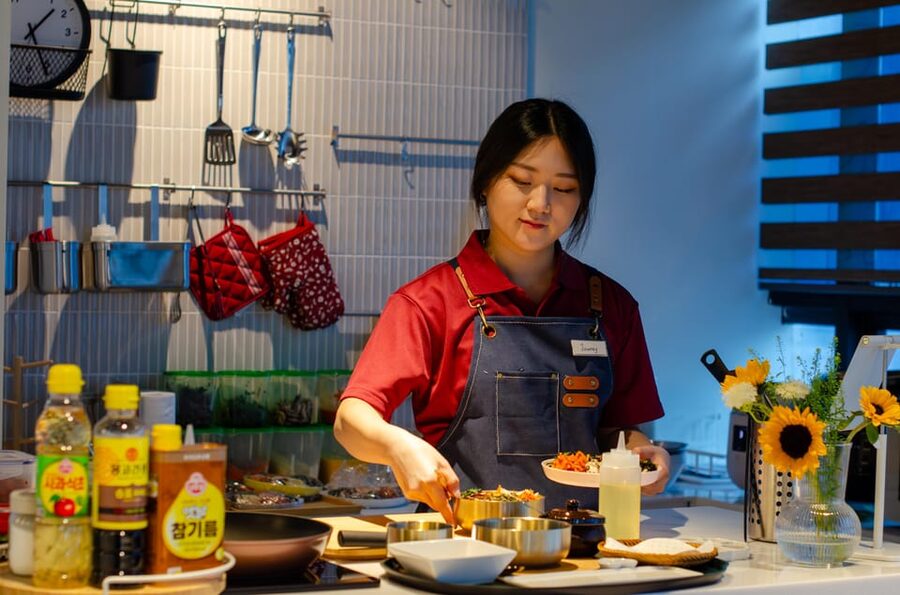
A recipe booklet is one of the best features of the class. It turns the experience from a pleasant afternoon into something you can use later. The dishes are selected with home cooking in mind, and several participants left feeling ready to prepare japchae, bibimbap, gimbap, or other recipes for family and friends.
The takeaway container is equally practical. Since the class produces a lot of food, you may not finish everything at the table. A tote bag or small carry bag is often included too.
Do not treat these items as guaranteed luxury gifts. The core inclusions are the welcome drink, three to four starters, three main dishes, bibimbap, side dishes, dessert, and traditional drinks. The recipe book, bag, and containers have been provided in many sessions, but the exact extras may depend on the day.
Is $109 a fair price in Seoul?
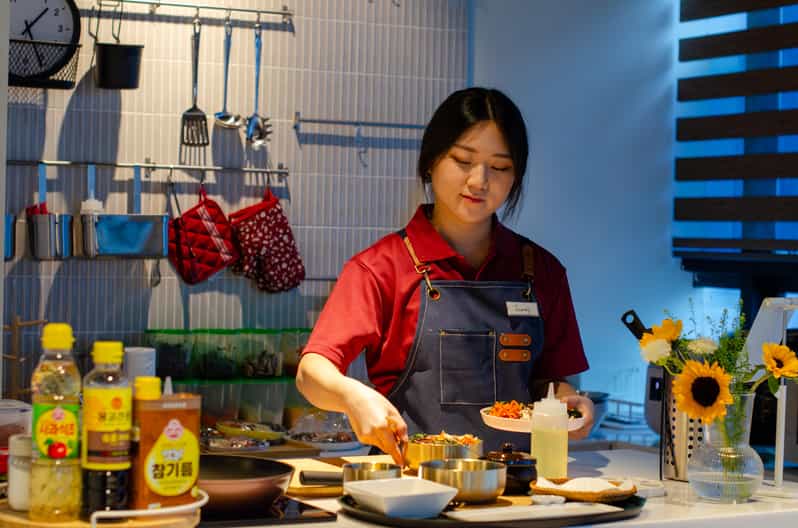
At $109 per person, this is not a budget meal. You can eat cheaply in Seoul, and even a very good restaurant dinner may cost less than the class. If you only want to sample Korean food, spend the money at Gwangjang Market or a neighborhood restaurant instead.
The value changes if you want instruction, cultural context, and a meal in one package. You receive 150 minutes of guided cooking, several dishes, many side-dish tastings, drinks, dessert, and recipes to use later. The class can also replace a separate lunch or early dinner.
I would call it fair value for a visitor who genuinely wants to learn. It is less convincing for someone who dislikes cooking or expects a restaurant-style service. You do the work, even though the work is made easy and the cleanup is handled around you.
The class also has an excellent 5.0 rating from 311 reviews, with repeated praise for the food, organization, clean setting, and English instruction. The strongest pattern is not one particular dish. It is the combination of a large menu and friendly teaching.
Timing, access, and the best day plan
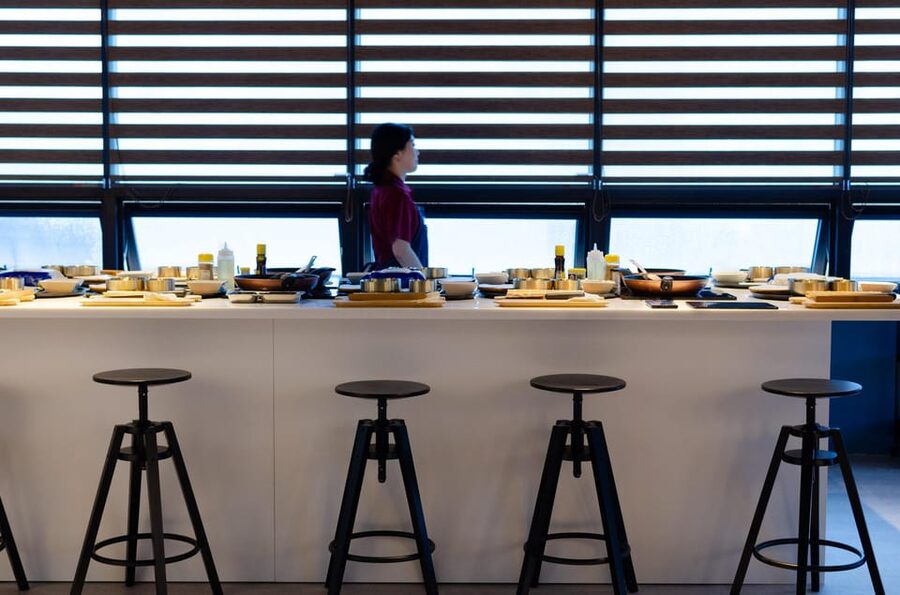
The class runs three sessions from Monday through Sunday, covering brunch, lunch, and early dinner times. Check the available start time when booking, then match it with nearby plans.
For a morning session, you can spend the afternoon around Insadong, Ikseondong, or Gyeongbokgung Palace. A lunch session works well between sightseeing stops. An early dinner leaves you close to Jongno nightlife, live music, shopping, and nearby markets.
The station-level location also helps if the weather turns bad. You will still need to walk to the building entrance, but the route is short. Wear closed-toe shoes, as required, and choose clothes you can move around in comfortably.
The venue is wheelchair accessible. Hotel pickup and drop-off are not included, but the central subway location makes them unnecessary for most people staying in Seoul.
Who should book Seoul Cooking Club?
Book this class if you love Korean food and want to understand how several dishes fit together. It is particularly good for solo visitors, couples, older teenagers, families with adult children, and anyone who wants a social activity with a satisfying meal at the end.
It is also a strong choice if you are nervous about cooking. The recipes are explained step by step, ingredients are prepared in advance, and the chefs help when you need it. You can learn without worrying that one mistake will ruin the whole meal.
Think twice if you want a small private lesson, a home-hosted setting, or a fixed menu with guaranteed dishes. The group format and rotating choices make the class accessible and varied, but less intimate and less predictable.
Should you book it?
I would book Seoul Cooking Club if Korean food is one of the reasons you came to Seoul. The class gives you plenty to eat, several recipes to take home, a convenient Jongno location, and patient English instruction from chefs such as Sally, Olivia, Elly, and Grace.
The price is the main question. At $109, this is an experience purchase, not a cheap lunch. But if you value practical skills, cultural stories, and a meal that can stretch into leftovers, the cost is easier to justify. Come hungry, wear closed-toe shoes, mention dietary needs early, and leave room in your schedule for a full stomach and a walk through Jongno afterward.
FAQ
Where is Seoul Cooking Club located?
It is in central Seoul near Jonggak Station. Take Line 1 to Jonggak Station and leave through Exit 12. Walk straight, take the first right around Pascucci, and enter the building beside the orange Good Game Zone facade. The class is on the seventh floor.
How long does the cooking class last?
The class lasts 150 minutes, or two and a half hours.
Is the class taught in English?
Yes. The instructor teaches in English, explains the cooking steps, answers questions, and shares stories about the origins of the food.
What food will I prepare?
The class includes three to four types of jeon, japchae, bulgogi, and Jeonju bibimbap. Some sessions may also include gimbap. The exact jeon selection and dessert can change.
What side dishes and drinks are included?
You may taste about ten side dishes, including kimchi, radish kimchi, seasoned soybean sprouts, seasoned spinach, spicy cucumber, stir-fried anchovy, and Korean egg-roll. Drinks include water, sikhye, and Korean tea.
Is dessert included?
Yes. A Korean dessert is included, with options changing daily. Bing-su may be served.
Can I take leftovers or recipes home?
Takeaway containers and a bag are often provided for leftovers, and participants commonly receive a recipe booklet. The listed inclusions specifically cover the food, drinks, and dessert, so extra gifts may vary by session.
Is the class suitable for children or wheelchair users?
The class is wheelchair accessible, but children under 16 are not permitted. Participants should bring closed-toe shoes.
Just added around Seoul
- Seoraksan National Park & Nami Island★ 4.5 · 3 reviews
- Strawberry Picking, Winter Sled with Eobi Ice Valley from Seoul★ 4.5 · 3 reviews
- Seoul Full Day small group Tour★ 5.0 · 3 reviews
- Majang Meat Market Experience: Private Tour with Han-woo Beef BBQ★ 5.0 · 3 reviews
- Seoul Korean BBQ Dinner Experience with Secret Food Tours★ 5.0 · 3 reviews
- Rice Wine Tasting with Sommelier – Finest Makgeolli (& Soju)★ 5.0 · 3 reviews
- Max Out Seoul: Must Visit City Highlights Panoramic Day Tour★ 5.0 · 3 reviews
- Seongsu-dong Walking Tour: K-Pop, Culture, Cheer, Friends & Relax★ 4.5 · 3 reviews
Cooking Classes, compared.

Local Home Korean Cooking Class & Market Adventure in Seoul
Read our review →
Master Korean traditional cooking with a Kimchi chef
Read our review →
Korean Cooking Class at a Local Home and Market Tour
Read our review →

Experience Korean Cooking in Modern Hanok Kitchen
Read our review →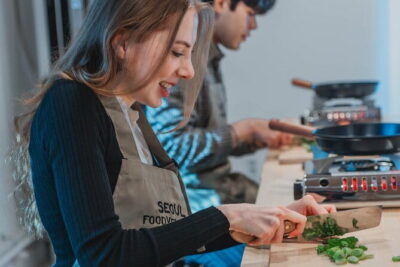
Korean Cooking Class with Grocery Shopping at Seoul Local Market
Read our review →
Korean Kimchi Making Day Experience with a Local Market Tour
Read our review →
Browse the lists this tour appears in