
Reviewed · WORKSHOPS
Make your K-scent perfume: Modern oneday class in Seoul
Scent can carry a trip home. This two-hour class at Casamu in Apgujeong lets you build a personal perfume from Korean-inspired accords and natural raw materials, then take home a 50ml custom bottle. I like the opening tea and snack session, which gives the class a warm cultural touch, and I like that you actually measure and blend your own formula instead of simply choosing a scent for someone else to finish. The main consideration is the price: at $96 per person, this is a premium activity, especially if you are traveling with a family.
The small group size helps make that cost feel more reasonable. With a maximum of four people, you get direct help while testing scents, and the instructor can spend time helping you when your nose, and your decision-making, begin to tire. The class is near public transportation in Seoul’s Apgujeong area, but you should allow extra time to find Casamu at 32 Eonju-ro 164-gil, second floor, and remember the 30-minute no-show rule.
In This Review
- Key points at a glance
- A modern perfume class in Apgujeong
- Tea, snacks, and the first scent memories
- Learning the olfactory pyramid
- Forty accords and a Korean scent menu
- Three trial perfumes before the final blend
- Finishing your 50ml Seoul souvenir
- What makes the $96 price worthwhile
- Who will enjoy Casamu most
- Getting there and planning the appointment
- Final verdict: should you book it?
- FAQ
- Where does the perfume class take place?
- How long does the activity last?
- How much does the experience cost?
- How many people can join the class?
- Does the class include Korean tea and snacks?
- How many perfume trials will I make?
- What size is the finished perfume?
- Is a travel-sized bottle included?
- Are the fragrance materials certified?
- What is the cancellation policy?
Key points at a glance
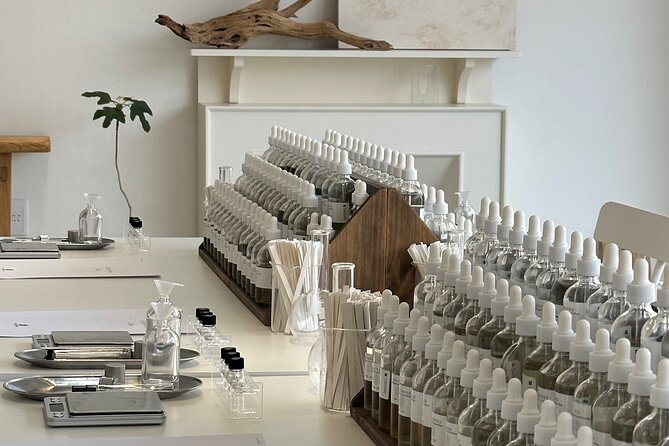
- Korean scent with a personal twist: Choose from 40 selected accords and raw materials, including scents connected to Korea.
- A hands-on formula: You make three 5ml trial perfumes before settling on your final blend.
- Tea starts the class: Seasonal Korean tea and snacks help spark memories and scent ideas.
- Small, personal setting: The class accepts no more than four people, and solo sessions may still go ahead.
- A useful Seoul souvenir: You finish with a personalized 50ml perfume, a Korean blessing pouch, and a small gift.
- Safe materials: Casamu uses IFRA-certified fragrance materials for its perfume-making classes.
A modern perfume class in Apgujeong
Casamu sits in Apgujeong, a Seoul district associated with fashion, beauty, and current style. That setting fits the class well. You are not making a souvenir that feels mass-produced. You are creating a small personal product in one of the city’s most beauty-focused neighborhoods.
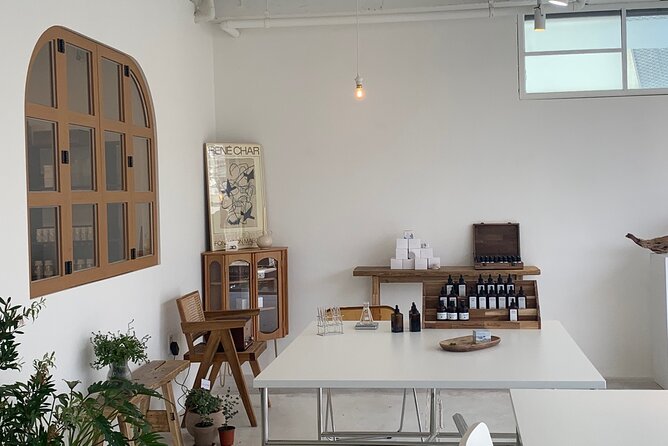
The studio is described as bright and beautiful, with a modern feel and Korean touches. The atmosphere matters here. Perfume work is quiet and focused, so a clean, pleasant room helps you pay attention to scents that might otherwise blur together.
The class lasts about two hours. That is long enough to learn the basics and make several attempts without taking half a day from your Seoul schedule. I would place it between sightseeing stops, or use it as a slower activity on a day when you want a break from palaces, shopping, and crowded streets.
Casamu accepts a maximum of four people. This is one of the strongest practical features. A large group would make perfume blending frustrating because everyone needs time to smell, compare, measure, and ask questions. Here, the instructor can respond to your preferences and help you adjust a blend rather than rushing you through a fixed recipe.
The class is also suitable for solo bookings. One person has been able to take the workshop alone, which can be a pleasant option if you want a calm, private-feeling creative activity.
More Workshops in Seoul
- Local Home Korean Cooking Class & Market Adventure in Seoul
★ 5.0 · 1,024 reviews - Seoul: Korean Cooking Class at a Local Home and Market Tour
★ 5.0 · 348 reviews - Yongpyong Ski Resort from Seoul with Optional Lesson and Packages
★ 5.0 · 217 reviews
Tea, snacks, and the first scent memories
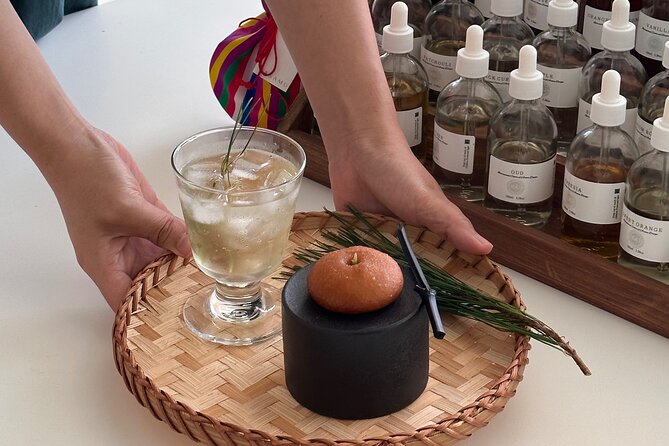
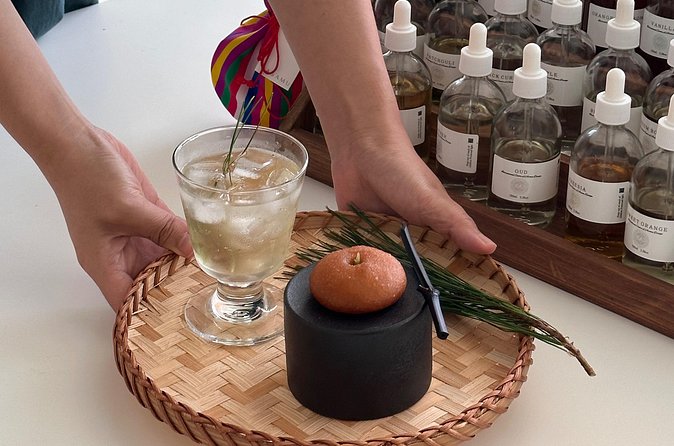
The session opens with da-gwa time, featuring seasonal Korean tea and snacks. This is more than a polite welcome. The idea is to awaken your senses and help you think about memories, foods, places, and feelings you might want to express in a bottle.
You may taste and smell Korean tea while enjoying traditional sweets. Several people have singled out this opening as one of the best parts of the experience. It gives the class a distinctly Korean character without turning it into a formal cultural lecture.
This first stage also helps with a problem many beginners face: choosing a direction. If you arrive thinking only that you want something nice, you may have trouble deciding among dozens of bottles. Tea, snacks, and conversation give you a starting point.
You might think about a favorite Korean drink, a garden after rain, clean wood, a soft floral scent, or something warm and sweet. You do not need to arrive with a perfect idea. The instructor helps turn a vague memory into scent choices.
The cultural element is subtle and useful. You are not simply mixing generic rose, citrus, and vanilla. You can include Korean-associated accords in a fragrance that also suits your everyday taste.
Learning the olfactory pyramid
Before blending, the instructor explains basic perfume structure, including top, heart, and base notes. This short lesson is important because it explains why a perfume changes after you first spray it.
Top notes are the first impressions. They tend to appear quickly and give the perfume its opening character. Heart notes form the central body of the scent, while base notes provide depth and help the fragrance last. The class gives you a working understanding of this pyramid before you begin making choices.
You do not need previous perfume experience. The process is designed for beginners, and the instructor explains the materials in a practical way. The goal is not to turn you into a professional perfumer in two hours. It is to help you understand why certain scents work together and why a blend may need adjustment.
This also makes the class appealing to teenagers and family groups. Teenagers can make creative choices, while adults can focus on a signature scent, a memory, or a special occasion. One family used the activity as a mother-daughter outing, and another group included two teenagers. The format gives each person enough control to create something different.
The instructor’s patience is especially valuable at this stage. Choosing a final scent can be harder than expected. You may like several individual accords but find that they compete when combined. Good guidance keeps the process fun instead of turning it into a nose-wearying guessing game.
Forty accords and a Korean scent menu
Casamu has access to about 250 fragrances, but this class uses a selected set of 40 accords and natural raw materials. That is a sensible number for a two-hour session. Two hundred and fifty choices would sound exciting, but it could leave you sniffing bottles long after your enthusiasm disappeared.
The selected materials include Korean scents. Green tea is one example that has made a strong impression, and the class also offers other Korean-inspired options alongside familiar perfume materials. This lets you combine something connected to Seoul with scents that match your usual preferences.
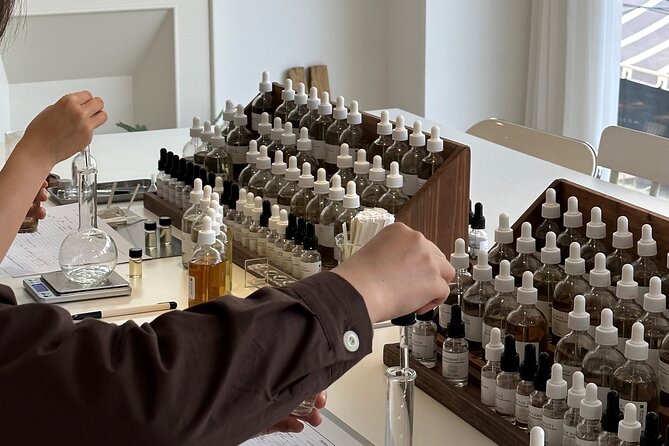
You work at an individual perfume organ, the arrangement of scent materials used for testing and blending. You smell the accords, identify what attracts you, and decide which notes belong in your formula. The instructor can help you compare options and notice relationships you may miss on your own.
I like the freedom of this setup. You are not handed a menu of finished perfumes and asked to pick one. You get to test, reject, adjust, and make your own decisions.
At the same time, perfume fatigue is real. After smelling many materials, your nose can stop distinguishing small differences. A useful approach is to make broad choices first, then narrow them down. Do not try to remember every bottle. Focus on the scents that create a clear response, and let the instructor help organize them by role.
More workshops:
- Korean Cooking Class with Grocery Shopping at Seoul Local Market
★ 5.0 · 107 reviews - Royal Seoul Cooking Class in a 100-Year-Old Hanok
★ 5.0 · 81 reviews - Seoul : Taste of Korea, Authentic Home-Style Cooking Class
★ 5.0 · 64 reviews - K-pop Dance Class in Seoul (Incl. video shooting & editing)
★ 5.0 · 52 reviews
Three trial perfumes before the final blend
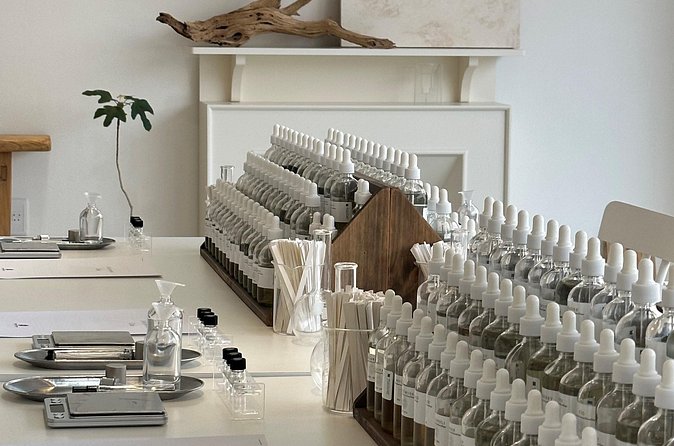
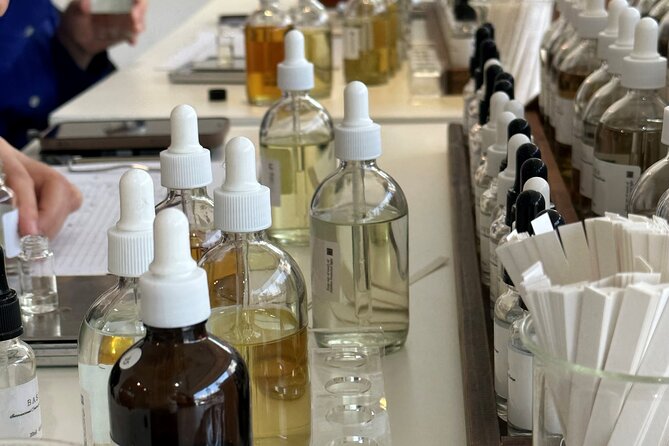
The making process includes three trial perfumes of 5ml each. This is where the class becomes properly hands-on. You can test different combinations rather than committing immediately to one formula.
Those trials are a major part of the value. If you selected notes once and handed them over to a staff member, the final perfume would feel less personal. Here, you can add each essence, observe the result, and make changes based on your own nose.
You may find that your first idea is not your best one. A sweet scent may become too heavy. A fresh green note may need a warmer base. A floral accord may work better in a smaller amount. The trial bottles give you room to experiment without wasting the final product.
The instructor helps with measuring and blending. One especially useful feature is that you can take part in the actual formula rather than watching someone else finish it. That makes the final bottle feel like your creation, not just a customized label.
The class information also says a 10ml travel-sized bottle is provided, along with the finished 50ml personalized perfume. Because the supplied details describe both, confirm the exact bottle arrangement at booking if the travel size is important to you. The 50ml final bottle is the main finished product described for the class.
Finishing your 50ml Seoul souvenir
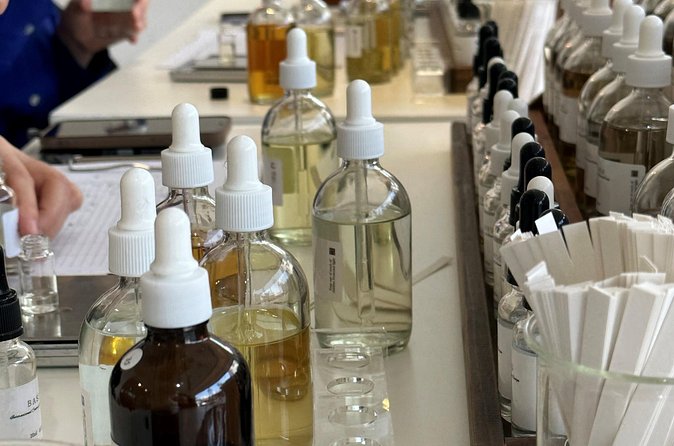
Once you are happy with the direction, you finalize the personalized perfume. Your finished scent is placed in a 50ml bottle and packed in a Korean blessing pouch. A small gift is included at the end to help you experience the perfume more fully.
The packaging gives the souvenir a stronger sense of place. A standard bottle from a department store would not carry the same memory of sitting in a Seoul studio, tasting Korean tea, and working through scent choices. This is an item you can use rather than simply display.
Naming your perfume is another appealing part of the creative process, especially for families or couples. You can connect it to a place, a birthday, a shared joke, or a particular day in Seoul. The result becomes more than a fragrance. It becomes a personal reminder of the trip.
The final product may also suit a life event. The class can work for someone creating a signature scent, marking a birthday, or making a special perfume connected to a wedding or other occasion. You should not expect a full professional fragrance consultation, but you do get genuine participation in the creation.
What makes the $96 price worthwhile
At $96 per person, this is not a bargain activity. You are paying more than you would for a simple souvenir, and the class may feel expensive if you only want a small bottle of perfume.
The value comes from the full experience. Your fee includes roughly two hours of instruction, tea and Korean snacks, access to selected fragrance materials, three trial blends, the final personalized perfume, packaging, and a small gift. You also get an activity that is difficult to duplicate at home without buying equipment and raw materials.
The maximum group size of four improves the value. A larger workshop might offer a lower price but less personal help. Here, the instructor can discuss your preferences, explain the perfume structure, and support the blending process as you work.
The materials are IFRA certified, which is another practical point in the class’s favor. IFRA standards relate to fragrance material safety and use. This does not mean the perfume will suit every skin type, so you should mention any scent sensitivities before beginning, but it does show care in the choice of class materials.
I would consider the price fair for someone who values a personal souvenir and a small-group creative activity. I would skip it if you are trying to keep your Seoul schedule focused on major sights or if you prefer buying a ready-made fragrance quickly.
Who will enjoy Casamu most
This class works especially well for:
- Couples who want a shared activity and two different final perfumes
- Parents and teenagers looking for something creative
- Solo visitors who enjoy calm, hands-on classes
- Perfume lovers curious about Korean-inspired scents
- Anyone marking a birthday or special occasion
- Visitors who want a useful souvenir rather than another decorative item
It is not only a women’s activity. The range of materials allows you to build a lighter, woodier, greener, sweeter, or more traditionally floral scent depending on your taste. People who normally avoid perfume may still enjoy the process because the focus is on learning and experimentation.
I would be less enthusiastic about it for very young children. The provided information does not give a minimum age, and the class involves careful smelling, measuring, and blending. Ask Casamu about age suitability before booking for small children.
English-speaking participants appear well supported. Henny is named as one instructor, and the teaching has been described as clear, friendly, and patient. Still, instructor availability can vary, so you should not assume a particular teacher unless Casamu confirms it.
Getting there and planning the appointment
The meeting point is Casamu, at 32 Eonju-ro 164-gil, second floor, in Seoul’s Gangnam District. The activity ends at the same place. It is near public transportation, but the address includes a second-floor studio, so arrive with enough time to find the entrance.
The class has a 30-minute no-show policy. Arriving late can cut into your blending time, even if the instructor is flexible in some cases. I would aim to reach the Apgujeong area early rather than treating this like a quick drop-in appointment.
The experience is often booked about 33 days ahead. That advance timing suggests you should reserve before your Seoul trip if your schedule is tight, especially if you need a particular day or want to attend with three other people.
You receive confirmation at booking, and the ticket is mobile. Keep it available on your phone. Free cancellation is offered up to 24 hours before the local start time. Cancellations or changes made inside that window are not refunded or accepted.
Final verdict: should you book it?
I recommend the Casamu perfume class if you want a personal Seoul memory, enjoy making things, or need an activity that works beyond the usual sightseeing list. The Korean tea, selected Korean accords, small group, and hands-on blending give it more character than a standard fragrance workshop.
The strongest reason to book is ownership. You do not simply choose a bottle from a shelf. You test several ideas, add the materials yourself, and leave with a scent that reflects your taste.
Skip it if $96 feels too high for a two-hour activity, or if you would rather spend your time at Seoul’s major cultural sights. For everyone else, especially couples, families with teenagers, and perfume fans, Casamu offers a thoughtful souvenir and a pleasant way to slow down in Apgujeong.
FAQ
Where does the perfume class take place?
The class takes place at Casamu, 32 Eonju-ro 164-gil, second floor, Seoul, in Gangnam District.
How long does the activity last?
The perfume-making class lasts approximately two hours.
How much does the experience cost?
The listed price is $96 per person.
How many people can join the class?
The activity has a maximum of four participants.
Does the class include Korean tea and snacks?
Yes. The class begins with seasonal Korean tea and snacks during a short da-gwa session.
How many perfume trials will I make?
You will make three trial perfumes in 5ml sizes before finalizing your scent.
What size is the finished perfume?
The finished personalized perfume is described as a 50ml bottle.
Is a travel-sized bottle included?
The class information says that a 10ml travel-sized bottle is provided, in addition to the finished 50ml perfume. Confirm the exact arrangement with Casamu if this matters to you.
Are the fragrance materials certified?
Yes. Casamu states that it uses IFRA-certified fragrance materials for the perfume-making class.
What is the cancellation policy?
You can cancel for a full refund up to 24 hours before the experience start time. Cancellations or changes made less than 24 hours before the start are not accepted for a refund.
Just added around Seoul
- Seoraksan National Park & Nami Island★ 4.5 · 3 reviews
- Strawberry Picking, Winter Sled with Eobi Ice Valley from Seoul★ 4.5 · 3 reviews
- Seoul Full Day small group Tour★ 5.0 · 3 reviews
- Majang Meat Market Experience: Private Tour with Han-woo Beef BBQ★ 5.0 · 3 reviews
- Seoul Korean BBQ Dinner Experience with Secret Food Tours★ 5.0 · 3 reviews
- Rice Wine Tasting with Sommelier – Finest Makgeolli (& Soju)★ 5.0 · 3 reviews
- Max Out Seoul: Must Visit City Highlights Panoramic Day Tour★ 5.0 · 3 reviews
- Seongsu-dong Walking Tour: K-Pop, Culture, Cheer, Friends & Relax★ 4.5 · 3 reviews
Workshops, compared.

Local Home Korean Cooking Class & Market Adventure in Seoul
Read our review →
Korean Cooking Class at a Local Home and Market Tour
Read our review →
Yongpyong Ski Resort from Seoul with Optional Lesson and Packages
Read our review →
Korean Cooking Class with Grocery Shopping at Seoul Local Market
Read our review →
Royal Seoul Cooking Class in a 100-Year-Old Hanok
Read our review →
Busan Tailored Korean cooking class (Vegan OK)with market tour
Read our review →
Taste of Korea, Authentic Home-Style Cooking Class
Read our review →Browse the lists this tour appears in