
Reviewed · COOKING CLASSES
Busan Tailored Korean cooking class (Vegan OK)with market tour
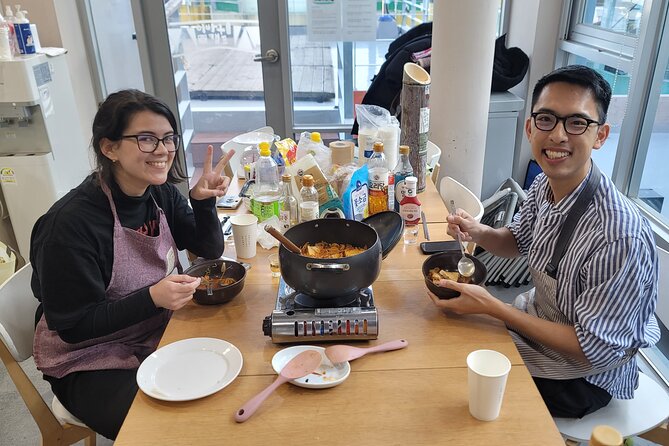
Come hungry, leave with recipes. This five-hour Busan experience pairs a guided visit to Bujeon Market with a hands-on Korean cooking class, giving you more than a plate of familiar bibimbap or barbecue. I like the chance to choose two side dishes and one soup or stew, and I like that vegan and vegetarian menus can be arranged. The host, Suyang Chang, also earns high marks for explaining Korean food, language, and daily life in a relaxed way.
The main consideration is the fixed cancellation policy: once booked, the experience cannot be refunded or changed. You should also confirm your menu early, especially if several groups are joining, since the first reservation has priority when selecting dishes. At $95 per person, this is not a budget meal, but the five-hour format, market visit, cooking instruction, food, recipes, and personal guidance give it solid value for food-focused visitors.
In This Review
- Key Things to Know Before You Book
- Why This Busan Cooking Class Is Worth Your Time
- Starting at Bujeon Market in Seomyeon
- Choosing Your Three Korean Dishes
- Cooking From Scratch, Not Just Watching
- Eating the Meal You Made
- Vegan and Vegetarian Guests Should Feel Comfortable
- The Value of $95 and Five Hours
- Timing, Meeting Point, and Cruise Planning
- Who Will Enjoy This Experience Most
- Should You Book the Bujeon Market Cooking Class?
- FAQ
- Where does the cooking class meet?
- How long does the experience last?
- What happens during the tour?
- How many dishes can I choose?
- Are vegan or vegetarian menus available?
- Is lunch included?
- Are alcoholic drinks included?
- What happens if I need to cancel?
Key Things to Know Before You Book
- Bujeon Market comes first: You shop for cooking ingredients with a local host in one of Busan’s major food markets.
- You choose three dishes: The standard format includes two banchan, or side dishes, plus one stew or soup.
- Vegan cooking is possible: Vegetarian menus are available, and past classes have included vegan and gluten-free requests.
- The recipes go beyond the usual Korean favorites: Options can include braised tofu, seasoned dried pollack, black beans, japchae, abalone, and less familiar namul dishes.
- Lunch is what you make: Food prepared during the class is included, along with bottled water and barley tea, corn tea, or instant coffee.
- Plan for a real time commitment: The activity lasts about five hours and begins and ends near KB Kookmin Bank Seomyeon Joongang2 on Saessak-ro.
Why This Busan Cooking Class Is Worth Your Time
Busan is easy to enjoy through its seafood, markets, and casual restaurants. Still, eating Korean food only tells you part of the story. This class shows you how several dishes are built, how Korean side dishes fit together, and how everyday ingredients become a full meal.
I especially like the focus on dishes you may not find on every tourist menu. You might prepare seasoned dried pollack, braised black beans, seasoned spinach, tofu with spicy sauce, or a traditional soup. Some choices are familiar, such as kimchi stew or seafood pancake, but the menu gives you room to move beyond the standard Korean-food checklist.
The class is also practical. Recipes are provided afterward, and the cooking is designed so you can repeat it at home. That matters more than a souvenir that sits in a drawer. The host has made a point of using recipes that home cooks outside Korea can manage, with ingredients and steps explained in a straightforward way.
The experience receives a 4.9 rating from 66 ratings, with 100 percent recommendation shown in the supplied tour information. That matches the strongest pattern in the feedback: people value the market visit, Suyang’s friendly teaching style, and the chance to cook from scratch rather than simply assemble pre-prepared ingredients.
More Market Visits in Busan
- Busan Seafood Tour : Jagalchi market Seafood Tour & Dinner
★ 5.0 · 74 reviews - Gamcheon Culture Village, Jagalchi fish market story telling Tour
★ 4.5 · 63 reviews - Busan history and market food tour with local chef
★ 5.0 · 58 reviews
Starting at Bujeon Market in Seomyeon
The meeting point is at KB Kookmin Bank Seomyeon Joongang2 on Saessak-ro in Busanjin District. The area is near public transportation, which makes the starting point useful if you are already staying around Seomyeon.
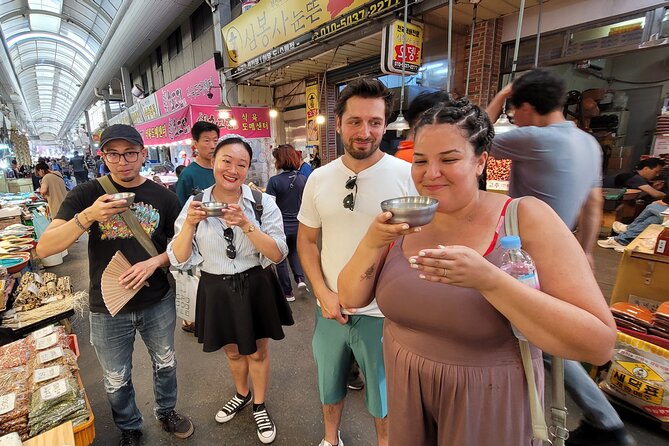
The first stop is Bujeon Market. Here, you walk with your host while buying the ingredients needed for the class. The important difference is that you are not simply passing through market aisles on a sightseeing walk. The shopping has a purpose. You see the food, discuss what you need, and then use those ingredients later in the kitchen.
This can be one of the best parts of the experience for anyone who finds Korean markets difficult to read at first. Fish, vegetables, dried products, sauces, and side-dish ingredients can be hard to identify when labels are unfamiliar. A local host can give the food a name, explain how it is used, and show you what goes into the meal you will prepare.
The market is also a useful place to see the everyday side of Busan. You may find ingredients that are less familiar than kimchi or grilled meat, including dried pollack, bracken, black beans, perilla leaves, and different kinds of seafood. Suyang has also taken people to local market stalls for snacks such as tteokbokki and fried fish cakes, though you should treat that as something that may happen rather than a guaranteed inclusion.
The market visit does have one practical drawback. Five hours sounds generous, but market shopping and cooking can take the full block of time. If your Busan schedule is tight, this is not a quick activity to fit between two short sightseeing stops.
Choosing Your Three Korean Dishes
The standard class lets you choose two banchan and one stew or soup. This structure works well because it introduces the Korean habit of serving several small side dishes with a central meal. You are not learning one isolated recipe. You are building a table.
The banchan list is wide. Possible choices include:
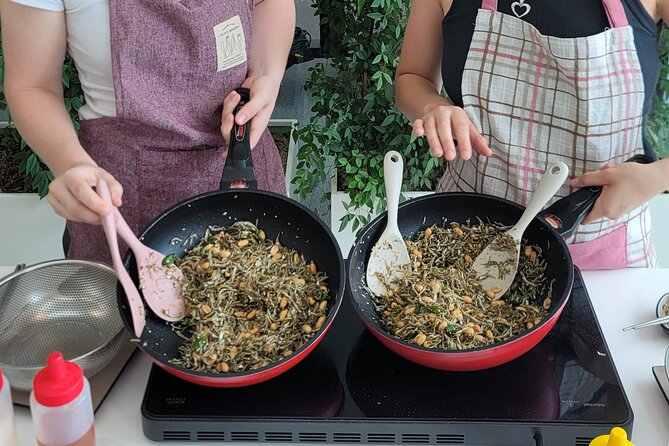
- Stir-fried anchovies
- Seasoned dried pollack with spicy sauce
- Black beans with soy sauce
- Egg with soy sauce
- Kimchi pancake or seafood pancake
- Beef pancake
- Bracken salad
- Bean sprout soup or salad
- Braised radish
- Braised tofu with spicy sauce
- Steamed tofu and egg
- Pickled radish and perilla leaves
- Cucumber kimchi
- Seasoned eggplant
- Pan-fried shrimp and seaweed
For the soup or stew, options include kimchi stew with pork, soybean paste stew, seaweed soup with clam or dried pollack, pollack soup, spicy or soy-sauce chicken, braised pollack, and braised flat fish.
This is where you should be clear about your preferences. If you want vegetarian dishes, say so before the class. The host has prepared vegan classes featuring items such as spinach soybean paste soup, braised black beans, and tofu with spicy sauce. A gluten-free soybean paste was also provided for one participant on request.
The menu can also be shaped around your interests. You might choose simpler side dishes if your main goal is to recreate Korean food at home. If you want a special meal, options such as marinated abalone or braised beef short rib have been offered. Keep in mind that a special main-course choice may change the usual three-dish format. One participant who selected braised beef short ribs did not receive the standard side dishes, so ask exactly what your chosen option includes.
If more than one group attends, the first reservation gets the right to choose the menu. That is a small but important detail. Book early if you have strong dietary needs or a particular dish in mind.
Cooking From Scratch, Not Just Watching
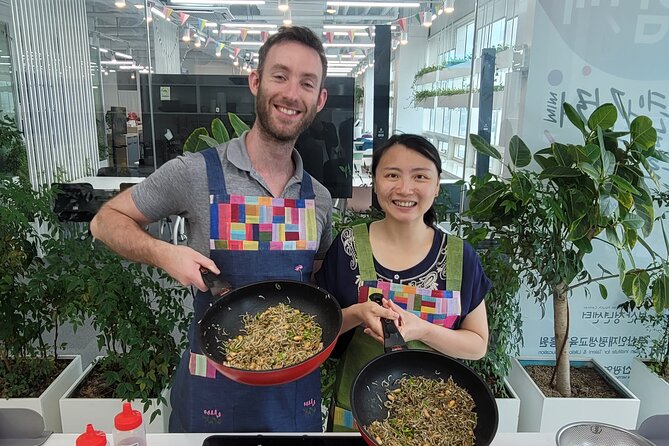
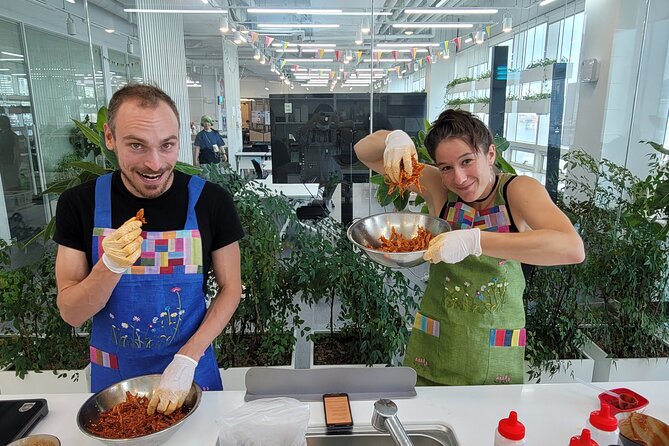
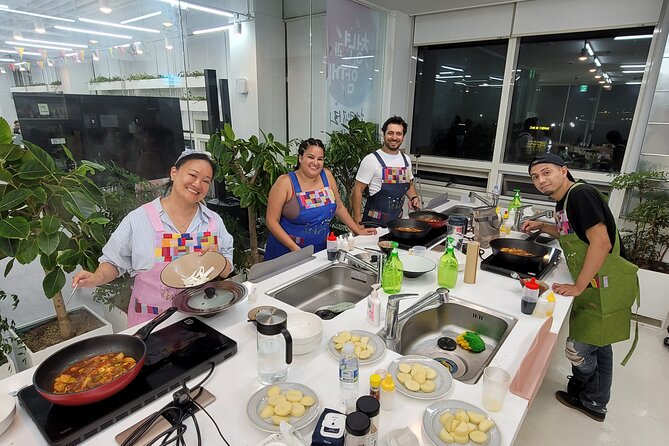
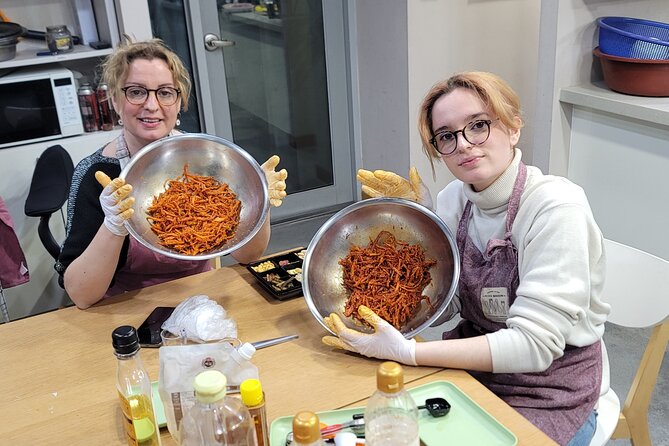
Once the ingredients are purchased, you move to the host’s kitchen and cook together. The best feature here is participation. You are expected to handle the preparation and cooking, not just watch a demonstration and place a garnish on top.
That hands-on format helps you understand the small decisions behind Korean food. You see how sauces are mixed, how ingredients are seasoned, and how several dishes can be prepared as part of one meal. The host focuses on the main steps and connects techniques between recipes, which is useful when you are trying to remember the process later.
Past menus have included japchae, mini kimbap, seafood pancake, fried seaweed and shrimp, pollack soup, and soy-sauce chicken. The range means the class can feel different depending on what you select. A pair might concentrate on tofu and vegetable dishes, while a larger family group might choose a broader meal that suits different ages and tastes.
The teaching style appears to be one of the strongest reasons to book. Suyang is described as patient, warm, and generous with portions. He also spends time discussing Korean culture and language, rather than treating the kitchen like a silent workshop. If you enjoy conversation as much as cooking, that personal contact adds real value.
The class can be especially good for families. A group of eight used the time to cook together and create a shared meal, and the host worked to keep the activity enjoyable for different ages. A group of that size may feel different from a private class for two, but the stated maximum is 15 people, so you should ask about the group size for your date if personal attention is important to you.
More Shopping Trips in Busan
- Busan Local Food Cooking Class with Market Tour
★ 5.0 · 53 reviews - Busan Night Food Market with Night View points
★ 5.0 · 12 reviews - Busan Food Market Tour Seafoods and Street Foods
★ 5.0 · 8 reviews - Busan: Food Crawl with Fish Market, Soju Tents & Local Snacks
★ 5.0 · 8 reviews
Eating the Meal You Made
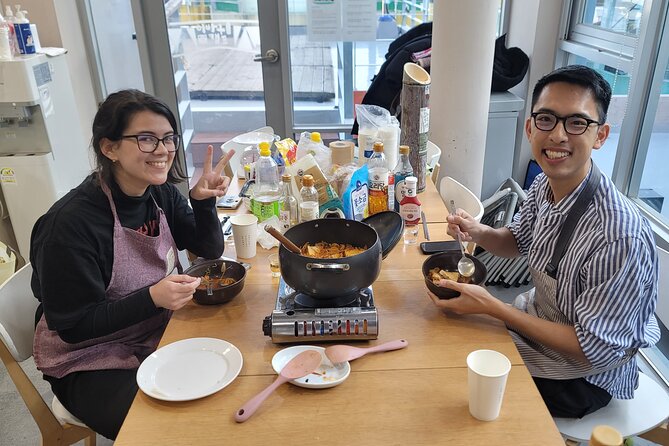
Lunch is included, and it consists of the food prepared during the class. This is both the reward and part of the lesson. You get to taste the results while the cooking steps are still fresh in your mind.
The portions can be generous. One pair had enough food to serve six people, even though only two attended the class. That means you may not leave hungry, but it also makes the experience less about a small tasting menu and more about sitting down to a full Korean meal.
Barley tea or corn tea, instant coffee, and bottled water are included. Alcohol is not included, so do not count on drinks with the meal. You also pay separately for personal expenses and travel insurance.
The meal has a social side, too. The host has arranged market meals or snacks for some groups, including bibimbap and dumplings, but those are not listed as standard inclusions. Think of any extra market food as a possible addition, not part of the guaranteed package.
Vegan and Vegetarian Guests Should Feel Comfortable
The vegan option is more than removing meat from a standard menu. The host offers vegetarian recipes and has adapted dishes to meet specific requests. This is valuable in Korea, where meat, seafood, fish sauce, and fermented seafood can appear in dishes that look vegetarian at first glance.
You should explain your diet clearly when booking. Ask about ingredients in kimchi, soybean paste, broths, pancakes, and sauces. The information confirms that vegetarian and vegan menus can be provided, but it does not give a complete list of substitutions for every dish.
For plant-based diners, the class may be one of the better ways to understand Korean food. You can learn how vegetables, tofu, beans, mushrooms, pickles, and seasonings create a satisfying table without relying on meat. Just confirm the details in advance rather than assuming every item on the long menu can be made vegan.
The Value of $95 and Five Hours
At $95 per person, the price is higher than a casual meal in Busan. You are paying for more than ingredients, though. The fee covers roughly five hours, the market visit, instruction, lunch, bottled water, tea or coffee, menu customization, and recipes to use later.
The market guidance is a major part of the value. You could walk through Bujeon Market alone, but you would miss some of the context that turns unfamiliar ingredients into useful knowledge. The cooking portion then gives you a reason to pay attention to what you saw.
I would call the price fair for food lovers, home cooks, and anyone who wants personal contact with a Busan local. It is less compelling if you simply want a cheap lunch or a short cooking demonstration. The value improves for couples, families, and small groups who will actually use the recipes after returning home.
Group discounts are available, though the supplied information does not state the discount amount. The maximum group size is 15 people. Since the activity is sold as tailored and personal, confirm whether your date is private or shared if that affects your decision.
Timing, Meeting Point, and Cruise Planning
The activity starts and ends at the listed Seomyeon meeting point. It is near public transportation, and the mobile ticket makes it easy to carry your booking details on your phone.
The duration is about five hours. Allow the entire half-day, since the schedule includes market shopping, transport to the kitchen, food preparation, and the meal. The exact start time is not supplied, so check your confirmation carefully.
The host has accommodated cruise passengers in the past, including arrangements to meet at the cruise terminal and move to the market. That shows some flexibility, but it does not guarantee that every booking includes terminal pickup. If you are visiting Busan from a ship, contact the provider before booking and confirm the meeting point, return timing, and transport plan.
Confirmation is sent within 48 hours, subject to availability. Since the experience is non-refundable and cannot be changed after booking, wait until your schedule is firm before paying.
Who Will Enjoy This Experience Most
I would choose this class if you:
- Want to learn dishes beyond barbecue, kimchi stew, and bibimbap
- Enjoy markets and local food shopping
- Prefer cooking from scratch to watching a demonstration
- Need a vegetarian, vegan, or specially adapted menu
- Want recipes you can make again at home
- Are visiting Busan with family or a small group
- Like cultural conversation along with practical instruction
It may not suit you if you dislike seafood, have severe dietary restrictions that require exact ingredient control, or want a short activity. The menu includes many fish, shellfish, meat, and fermented ingredients, though vegetarian options are available with advance planning.
Should You Book the Bujeon Market Cooking Class?
Book it if Korean food is part of the reason you came to Busan. The combination of Bujeon Market, ingredient shopping, patient instruction, a flexible menu, and a full meal gives you a useful look at food as it is prepared at home, not just served in restaurants.
Before paying, send your dietary requirements and preferred dishes. Ask what is included if you choose a premium item such as abalone or beef short rib, and confirm whether other groups will attend. If you accept those details and can spare five hours, this is a strong choice for an authentic, hands-on food experience with Suyang Chang.
FAQ
Where does the cooking class meet?
The meeting point is KB Kookmin Bank Seomyeon Joongang2 on Saessak-ro, in Busanjin District, Busan. The activity ends back at the meeting point.
How long does the experience last?
The experience lasts approximately five hours.
What happens during the tour?
You visit Bujeon Market with your host, buy cooking ingredients, move to the kitchen, prepare Korean dishes together, and eat the food you made for lunch.
How many dishes can I choose?
The standard format allows you to choose two banchan, or side dishes, and one stew or soup.
Are vegan or vegetarian menus available?
Yes. Vegetarian menus are available, and the host can tailor the cooking class for vegan participants.
Is lunch included?
Yes. Lunch consists of the food prepared during the class. Bottled water, barley tea or corn tea, and instant coffee are also included.
Are alcoholic drinks included?
No. Alcoholic beverages are not included.
What happens if I need to cancel?
The experience is non-refundable and cannot be changed for any reason. Confirmation is sent within 48 hours of booking, subject to availability.
More Cooking Classes
- Busan Kkakdugi(Korean radish Kimchi) class with various options
★ 5.0 · 6 reviews - Local Home Korean Cooking Class & Market Adventure in Seoul
★ 5.0 · 1,024 reviews - Master Korean traditional cooking with a Kimchi chef
★ 5.0 · 385 reviews - Seoul: Korean Cooking Class at a Local Home and Market Tour
★ 5.0 · 348 reviews
More Workshops in Busan
- Korean cooking class in Haeundae, Busan
★ 5.0 · 92 reviews - Busan: Small-Group Traditional Korean Food Cooking Class
★ 4.9 · 58 reviews - [BUSAN,GamcheonVillage] Private Korean Art Painting Class
★ 5.0 · 20 reviews - Korean Pottery Town Tour with the pottery class from Busan
★ 5.0 · 7 reviews
Just added around Busan
- Korean UNESCO World Heritage Tour including Gyeongju, Andong and Daegu(2N3D)★ 5.0 · 3 reviews
- Busan Bliss: Panoramic Yacht & Urban Exploration with Sky Capsule★ 5.0 · 3 reviews
- Busan day trip including Gamcheon culture village from Seoul by KTX train★ 5.0 · 3 reviews
- Busan Seafood Tour : Oyster village Tour with Oyster cuisines★ 5.0 · 3 reviews
- 1 Day Private Busan Guided Tour★ 4.5 · 3 reviews
- 2-DAYS Busan Customized and Included Night tour★ 5.0 · 3 reviews
- Full-Day Jinhae Cherry Blossom festival Private tour★ 5.0 · 3 reviews
- Busan Dialect Class with local snack★ 5.0 · 3 reviews
Cooking Classes, compared.

Local Home Korean Cooking Class & Market Adventure in Seoul
Read our review →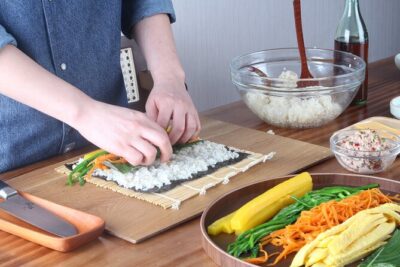
Master Korean traditional cooking with a Kimchi chef
Read our review →
Korean Cooking Class at a Local Home and Market Tour
Read our review →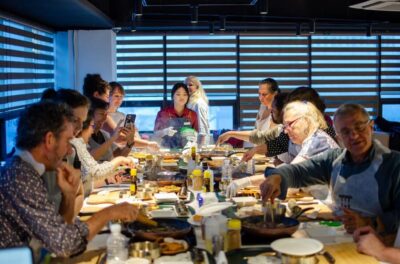
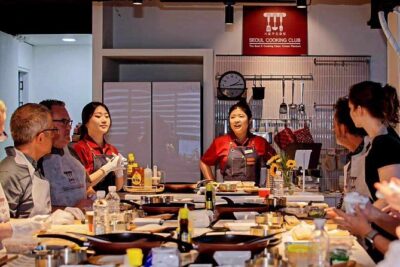

Experience Korean Cooking in Modern Hanok Kitchen
Read our review →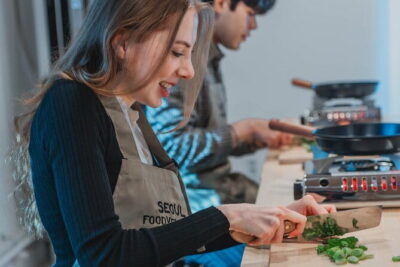
Korean Cooking Class with Grocery Shopping at Seoul Local Market
Read our review →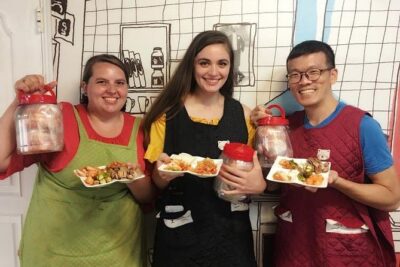
Korean Kimchi Making Day Experience with a Local Market Tour
Read our review →Browse the lists this tour appears in