
Reviewed · COOKING CLASSES
Seoul : Taste of Korea, Authentic Home-Style Cooking Class
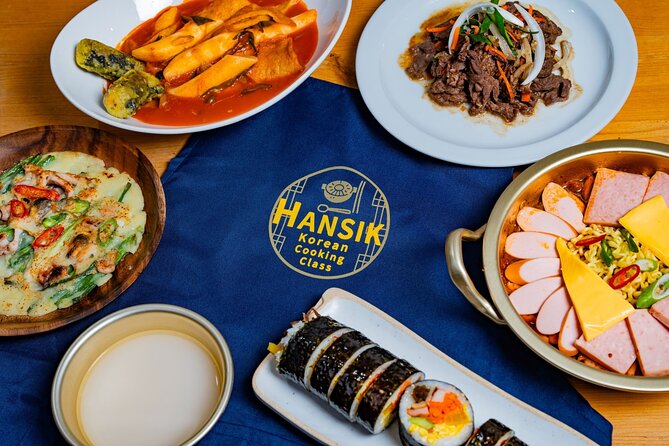
Come hungry, leave with Korean recipes. This three-hour class in central Seoul gives you a practical way to understand Hansik, or Korean food, by preparing it yourself. I especially like the hands-on format, where you make four dishes from scratch, and the generous meal that includes snacks, drinks, side dishes, and often leftovers. The small maximum of 10 people should also give you useful attention from Jennifer and her team.
The main consideration is the price: $89 per person is not a bargain meal, even though the food and instruction make it reasonable value for a substantial cooking experience. You should also book ahead, since this class is commonly reserved about 34 days before the date.
In This Review
- What makes this Seoul cooking class worth your time
- Cooking Korean food instead of just eating it
- Gimbap, tteokbokki, haemulpajeon, and budae jjigae
- Gimbap, the Korean rice roll
- Tteokbokki, chewy rice cakes with chili sauce
- Haemulpajeon, the seafood and scallion pancake
- Budae jjigae, Korean army stew
- Jennifer’s teaching style makes the difference
- A full meal, not a token tasting
- Dietary preferences and family suitability
- Location, timing, and group size
- What the three hours feel like
- The main drawbacks to consider
- Who should book this Korean cooking class?
- Should you book it?
- FAQ
- Where does the Korean cooking class meet?
- How long does the class last?
- Which Korean dishes will I cook?
- Are food and drinks included?
- Can children join the class?
- Can I cancel for a full refund?
What makes this Seoul cooking class worth your time
- Four classic dishes in one class: Prepare gimbap, tteokbokki, haemulpajeon, and budae jjigae.
- Jennifer’s friendly teaching: She guides each step, helps with technique, and adds notes about Korean food, history, and language.
- A full Korean meal included: Snacks, Korean tea, side dishes, Sikhye, makgeolli for those aged 21 and above, and dessert are part of the experience.
- Generous portions: You may leave full enough to skip your next meal, with leftovers available in some cases.
- Suitable for families: Children aged 10 and 12 have taken part successfully, with adjustments for their skill levels.
- Small group setting: The class accepts a maximum of 10 people and offers morning or evening sessions.
Cooking Korean food instead of just eating it
Seoul is an easy city in which to eat well. You can order sizzling barbecue, steaming soup, fried chicken, noodles, and rice rolls with little effort. But restaurant meals only show you the finished product. This class lets you see how several familiar dishes come together, from preparation through cooking and serving.
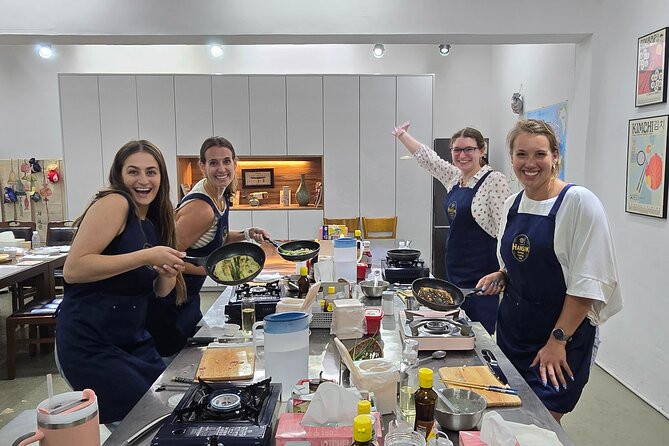
The setting is a dedicated teaching kitchen at 31-5 Jahamun-ro in Jongno District. The space is described as clean, professional, and equipped with individual cooking stations. That matters because you are not simply watching Jennifer cook at the front while everyone else waits for samples. You take part in the work.
The class lasts about three hours, which gives enough time to move through four recipes without making the session feel like a rushed demonstration. Morning and evening times are available, so you can fit the class around sightseeing. An evening booking can work especially well after a day around Jongno, while a morning class leaves the rest of the day open.
The group limit of 10 is another practical strength. Cooking classes can become frustrating when one instructor has to serve a large room. Here, Jennifer and Ms Lee can offer help as you chop, mix, roll, and cook.
More Cooking Classes in Seoul
- Local Home Korean Cooking Class & Market Adventure in Seoul
★ 5.0 · 1,024 reviews - Master Korean traditional cooking with a Kimchi chef
★ 5.0 · 385 reviews - Seoul: Korean Cooking Class at a Local Home and Market Tour
★ 5.0 · 348 reviews
Gimbap, tteokbokki, haemulpajeon, and budae jjigae
The menu gives you a broad introduction to everyday Korean cooking rather than focusing on one elaborate dish. Each recipe also teaches a different skill.
Gimbap, the Korean rice roll
Gimbap is a useful place to begin because it shows how rice, fillings, seasoning, and seaweed work together. You prepare the ingredients and learn how to roll everything neatly, a task that looks simple until the filling starts trying to escape.
The finished rolls are familiar to anyone who has visited Korean convenience stores or street-food stalls, but making them yourself gives the dish more meaning. You can also take the technique home. The class provides digital recipes afterward, so you do not have to rely on memory once your trip is over.
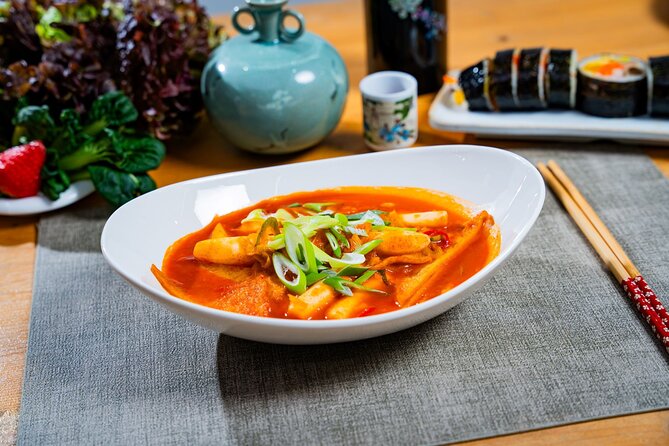
Tteokbokki, chewy rice cakes with chili sauce
Tteokbokki brings the boldest flavor to the menu. The dish uses Korean rice cakes with gochujang, the red chili paste that gives the sauce its color, heat, and savory depth.
This is a good chance to learn how Korean seasoning works. You can adjust dishes to personal preference, and several people have found the class willing to accommodate different tastes. Still, you should expect Korean food rather than a toned-down international version. If you enjoy spice, this will likely be a highlight. If you do not, tell the instructor early.
More Workshops in Seoul
- Yongpyong Ski Resort from Seoul with Optional Lesson and Packages
★ 5.0 · 217 reviews - Korean Cooking Class with Grocery Shopping at Seoul Local Market
★ 5.0 · 107 reviews - Royal Seoul Cooking Class in a 100-Year-Old Hanok
★ 5.0 · 81 reviews - K-pop Dance Class in Seoul (Incl. video shooting & editing)
★ 5.0 · 52 reviews
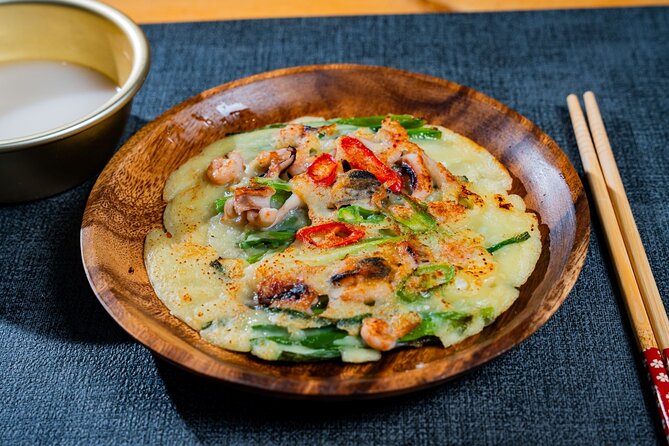
Haemulpajeon, the seafood and scallion pancake
Haemulpajeon is a savory pancake filled with seafood and green onion. It teaches a different kind of cooking skill: managing batter, heat, and texture so the outside cooks properly while the inside remains tender.
The dish is especially useful for home cooks because the method can be adapted with ingredients available outside Korea. The class is not just about producing a plate for lunch. It gives you recipes and techniques you can try again.
Budae jjigae, Korean army stew
Budae jjigae is a hearty stew with a distinctive modern Korean story. Its name is commonly translated as army stew, and it is now a familiar comfort food served in homes and restaurants.
In this class, the stew helps turn the meal into something substantial. It is also a reminder that Korean cooking includes practical, filling dishes alongside famous barbecue and fermented foods. You will not leave with four tiny tasting portions. The serving size is one of the most praised features of the class, and leftovers may be available to take with you.
Jennifer’s teaching style makes the difference
A cooking class lives or dies by its instructor. Jennifer is repeatedly described as warm, patient, funny, and attentive. Those qualities matter more than polished kitchen equipment. You want someone who can explain a step clearly, notice when you are struggling, and let you do enough of the work to feel that you actually learned it.
Jennifer’s approach appears to balance instruction with independence. She demonstrates the process, then gives you room to cook. If you make a small mistake, the aim is not to take over immediately. That is useful because you learn what the recipe requires rather than simply copying a perfect performance.
She also adds background about the dishes, Korean history, and even language. These short cultural notes help place the food in daily life. You learn not only what to do with rice cakes or scallions, but also why these dishes matter in Korea.
Ms Lee also helps host the class. The additional support is useful in a small kitchen, particularly when several dishes are underway at once. The atmosphere is described as friendly and relaxed, which should help solo participants, couples, and families feel comfortable.
A full meal, not a token tasting
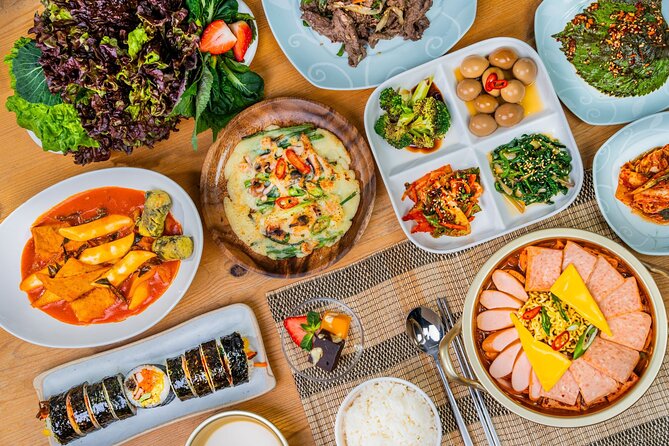
Come hungry. The class serves the dishes you prepare along with Korean tea, snacks, side dishes, Sikhye, makgeolli, and dessert.
Sikhye is a sweet Korean rice punch often served chilled. Makgeolli is a traditional Korean rice wine. Alcohol is served only to people aged 21 and above, while younger participants receive non-alcoholic drinks.
The amount of food is a serious part of the value. Several participants have found the portions unusually large for a cooking class, with enough left over for another meal. That makes the $89 price easier to justify, especially when you consider the three hours of instruction, the ingredients, the full meal, and the recipes sent digitally afterward.
Still, you should judge the price against your own interests. If you mainly want a cheap lunch, a local restaurant will cost less. If you want a cultural activity, a meal, and cooking skills you can use at home, the price becomes more competitive.
Dietary preferences and family suitability
The class has shown flexibility with dietary restrictions and preferences. Alternative recipes can be offered, and dishes can be adjusted to suit individual tastes. You should share your needs when booking or before cooking begins, since not every substitution is guaranteed by the information provided.
Families can also consider this class. Children aged 10 and 12 have taken part and enjoyed preparing their favorite Korean dishes. Jennifer is described as patient with younger cooks and willing to adjust the level of help.
The class is interactive, so children should be ready to participate rather than sit quietly for three hours. It is best for families who want to cook together and do not mind some mess, repetition, and waiting while dishes finish.
Location, timing, and group size
The meeting point is 31-5 Jahamun-ro in Seoul’s Jongno District, and the class ends at the same location. It is near public transportation, which makes the activity reasonably easy to add to a day in central Seoul.
You receive confirmation when booking, and the ticket is mobile, so you can keep the reservation on your phone. I would still check the address and allow time to find the kitchen, especially if you are coming from another part of the city.
The class offers morning and evening sessions. Pick the morning if you want a large meal before sightseeing or prefer to keep your evening free. Pick the evening if you want a relaxed activity after visiting Jongno and would enjoy sitting down to a home-style dinner afterward.
The maximum group size is 10. That is small enough to support personal help without making the class feel private or overly formal. The exact group on your date may be smaller.
What the three hours feel like
The session begins with an introduction to Korean food and the dishes you will prepare. Jennifer then guides you through the recipes, explaining ingredients and techniques as you work.
You move between preparation and cooking rather than watching one long demonstration. Expect to chop, mix, shape, roll, and cook. The recipes are presented in a clear, step-by-step manner, and the pace is described as manageable.
As the dishes come together, Jennifer can help with technique and answer questions. This is where the small group matters. You have a better chance of getting help with rolling gimbap, handling batter for haemulpajeon, or balancing the seasoning in tteokbokki.
The final stage is the meal. You sit down to eat the dishes with drinks, snacks, side dishes, and dessert. Since the portions are generous, this is not a quick taste before everyone leaves. Plan for the meal itself to take time.
Digital recipes are provided afterward. That is an important extra because cooking classes often depend on memory once you return home. Here, you have a practical reminder of what you made and a chance to repeat the dishes for friends or family.
The main drawbacks to consider
The price is the clearest issue. At $89, this is a premium activity compared with eating Korean food in Seoul. You are paying for instruction, ingredients, a meal, cultural context, and a small group, not just food. That is worthwhile if you enjoy cooking, but less so if your schedule is tight or you would rather spend the time visiting another sight.
The menu also includes several dishes in one session. That is generous, but it means you may not study any single recipe at great length. If you want a specialist class focused only on kimchi, barbecue, or fermentation, this is not that type of workshop.
The experience requires good weather according to the booking conditions. The class itself is indoors, but poor weather may lead to a different date or a full refund. Also note the strict cancellation rule: cancel at least 24 hours before the start time for a full refund. Later cancellations and changes are not accepted for a refund.
The alcohol rule is simple but worth knowing. Only participants aged 21 and above receive alcoholic drinks. Younger participants receive non-alcoholic alternatives.
Who should book this Korean cooking class?
I would recommend it to first-time visitors who want more than restaurant meals, home cooks looking for recipes to repeat, and families seeking a shared activity in Seoul. It also suits people who enjoy learning through doing rather than watching.
It is a particularly good choice if you like generous portions and want to bring Korean cooking ideas home. The digital recipes, adaptable dishes, and friendly instruction add lasting value.
I would hesitate if you dislike spicy food, have very strict dietary requirements that need exact confirmation, or are looking only for the cheapest possible meal. You should also avoid booking it immediately after a large lunch. The food is substantial.
With a 4.9 rating from 64 ratings and a 97 percent recommendation rate, the class has a strong record. I would treat those numbers as encouraging rather than decisive, since your enjoyment will depend on your interest in cooking and comfort with Korean flavors.
Should you book it?
Book this class if you want a warm, practical introduction to Hansik and like the idea of eating what you prepare. Jennifer’s patient teaching, the small group, four substantial dishes, and take-home recipes make it more useful than a simple food tasting.
At $89, it is best viewed as a cooking lesson plus a full Korean meal. Reserve well ahead, arrive hungry, and tell the host about dietary needs or flavor preferences in advance. For a family, couple, or solo food lover with three hours to spare in Seoul, this is a strong choice.
FAQ
Where does the Korean cooking class meet?
The class meets at 31-5 Jahamun-ro in Jongno District, Seoul. It ends back at the same meeting point.
How long does the class last?
The experience lasts approximately three hours.
Which Korean dishes will I cook?
You will prepare gimbap, tteokbokki, haemulpajeon, and budae jjigae.
Are food and drinks included?
Yes. The experience includes the dishes you prepare, a full-course home meal, Korean tea, snacks, side dishes, Sikhye, makgeolli for participants aged 21 and above, and desserts.
Can children join the class?
Children have taken part successfully, including children aged 10 and 12. Participants below age 21 receive non-alcoholic drinks.
Can I cancel for a full refund?
Yes. You must cancel at least 24 hours before the experience start time for a full refund. Cancellations or changes made less than 24 hours before the start time are not refunded.
More Workshops
- Traditional Korean 6-Dish Cooking Class + Hidden Alley Tour Seoul
★ 5.0 · 42 reviews - Make your K-scent perfume: Modern oneday class in Seoul
★ 5.0 · 40 reviews - Korean Home Style Cooking Class in Gangnam Seoul
★ 5.0 · 40 reviews - Traditional Soju Class and Makgeolli Tasting in Seoul
★ 5.0 · 35 reviews
More Cooking Classes
- Seoul: Korean Cooking at Seoul Cooking Club!
★ 5.0 · 311 reviews - Korean Cooking at Seoul Cooking Club
★ 5.0 · 220 reviews - Experience Korean Cooking in Modern Hanok Kitchen
★ 5.0 · 118 reviews - Korean Kimchi Making Day Experience with a Local Market Tour
★ 5.0 · 99 reviews
Just added around Seoul
- Seoraksan National Park & Nami Island★ 4.5 · 3 reviews
- Strawberry Picking, Winter Sled with Eobi Ice Valley from Seoul★ 4.5 · 3 reviews
- Seoul Full Day small group Tour★ 5.0 · 3 reviews
- Rice Wine Tasting with Sommelier – Finest Makgeolli (& Soju)★ 5.0 · 3 reviews
- Majang Meat Market Experience: Private Tour with Han-woo Beef BBQ★ 5.0 · 3 reviews
- Seoul Korean BBQ Dinner Experience with Secret Food Tours★ 5.0 · 3 reviews
- Seoul: Alpaca World and Nami Island (with Garden / Railbike)★ 5.0 · 3 reviews
- Max Out Seoul: Must Visit City Highlights Panoramic Day Tour★ 5.0 · 3 reviews
Cooking Classes, compared.

Local Home Korean Cooking Class & Market Adventure in Seoul
Read our review →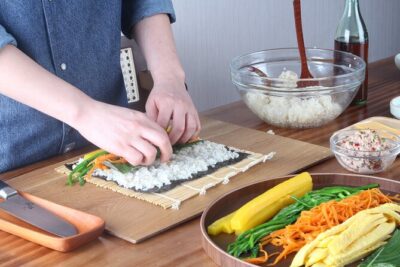
Master Korean traditional cooking with a Kimchi chef
Read our review →
Korean Cooking Class at a Local Home and Market Tour
Read our review →

Experience Korean Cooking in Modern Hanok Kitchen
Read our review →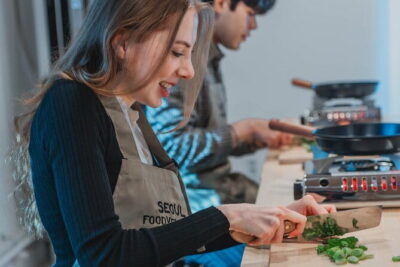
Korean Cooking Class with Grocery Shopping at Seoul Local Market
Read our review →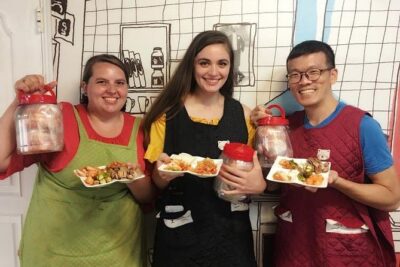
Korean Kimchi Making Day Experience with a Local Market Tour
Read our review →Browse the lists this tour appears in