
Reviewed · WORKSHOPS
Makgeolli Brewing Class
Makgeolli starts with rice, water, and patience. This Seoul class turns that simple recipe into a hands-on lesson in Korean food and drink, with tasting, cultural background, and practical brewing steps at a working brewery in Hyehwa. I especially like the chance to make makgeolli from the beginning and the choice between taking home an ingredient kit or a finished bottle. The main point to consider is the fixed 1 p.m. start, which may not fit every Seoul sightseeing plan.
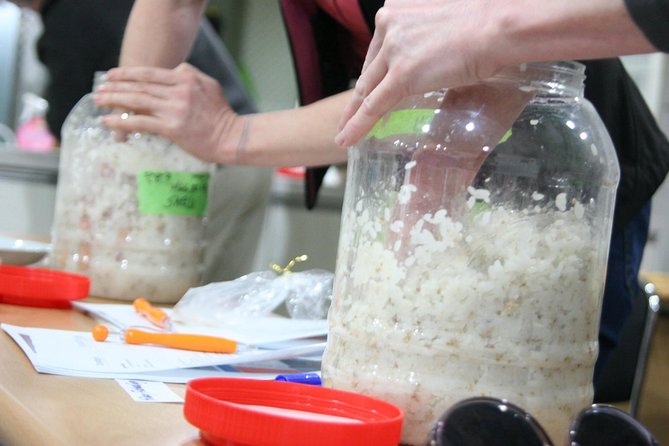
I also like that the class is not just a demonstration. You wash rice, learn about fermentation, and work through the filtering process yourself. Guides such as Omar and Inji have been praised for taking time with questions and giving generous tastings, but the class can include up to 20 people, so the amount of individual attention may vary.
In This Review
- Key points to know before booking
- Why makgeolli makes a good Seoul food experience
- Arriving at the Hyehwa brewery at 1 p.m.
- The first lesson: Korean alcohol and fermentation
- Tasting home-brewed makgeolli before making your own
- Washing rice and learning the brewing method
- Filtering the rice wine and understanding the finish
- Choosing the ingredient kit or a bottle to take home
- Visiting the shop after the lesson
- Is $75 a fair price for two and a half hours?
- Who will enjoy this class most?
- Practical tips for making the most of the afternoon
- Should you book the Makgeolli Brewing Class?
- FAQ
- Where does the Makgeolli Brewing Class meet?
- What time does the class start?
- How long does the experience last?
- Where does the class end?
- What will I learn during the workshop?
- Is alcohol tasting included?
- Can I take something home after the class?
- How many people can join the class?
- Can I cancel for a full refund?
Key points to know before booking
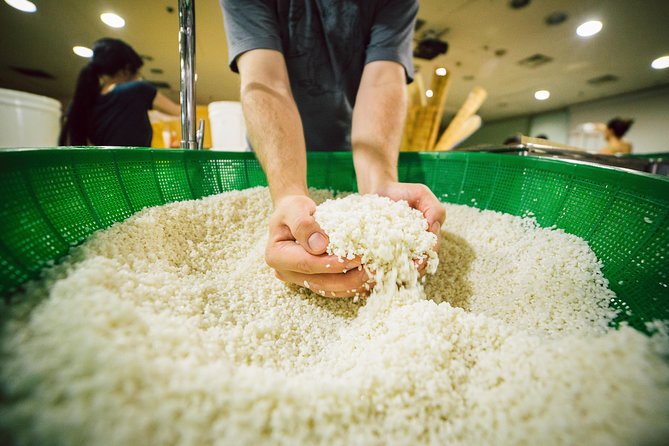
- You begin with rice and finish at the filter: The class explains the full basic process instead of focusing only on tasting.
- The experience lasts about two and a half hours: Plan on starting at 1 p.m. and finishing back at the brewery.
- You taste home-brewed makgeolli: Sampling helps you understand the drink before you try making it yourself.
- You can take home a kit or a bottle: Choose the basic ingredients for another brew, or take away ready-made makgeolli.
- The class takes place in Hyehwa: The meeting point is on the second floor at 229 Changgyeonggung-ro in Jongno District.
- The group can reach 20 people: It is small enough to feel like a class, though not necessarily a private workshop.
Why makgeolli makes a good Seoul food experience
Seoul has no shortage of cooking classes and tasting stops. Makgeolli brewing gives you something different: a look at how a traditional Korean drink is made, not simply a chance to order one in a restaurant.
Makgeolli is a milky Korean rice wine made through fermentation. Its cloudy appearance and gentle sweetness make it easy to approach, but the brewing process gives you plenty to think about. Rice must be prepared properly, fermentation must be understood, and the finished liquid must be filtered.
That makes this class useful for two kinds of visitors. If you already enjoy Korean food and drink, you get a closer look at one of the country’s best-known traditional beverages. If you are new to makgeolli, the tasting gives you a friendly introduction before you decide what you actually like.
I also appreciate the cultural angle. The class includes the history and importance of Korean alcohol, so you are not only following instructions. You learn why fermentation matters and how Korean drinking traditions connect to the drink in your glass.
This is a practical experience, not a formal lecture. The emphasis is on doing the work, asking questions, and understanding enough to continue at home.
More Workshops in Seoul
- Local Home Korean Cooking Class & Market Adventure in Seoul
★ 5.0 · 1,024 reviews - Seoul: Korean Cooking Class at a Local Home and Market Tour
★ 5.0 · 348 reviews - Yongpyong Ski Resort from Seoul with Optional Lesson and Packages
★ 5.0 · 217 reviews
Arriving at the Hyehwa brewery at 1 p.m.
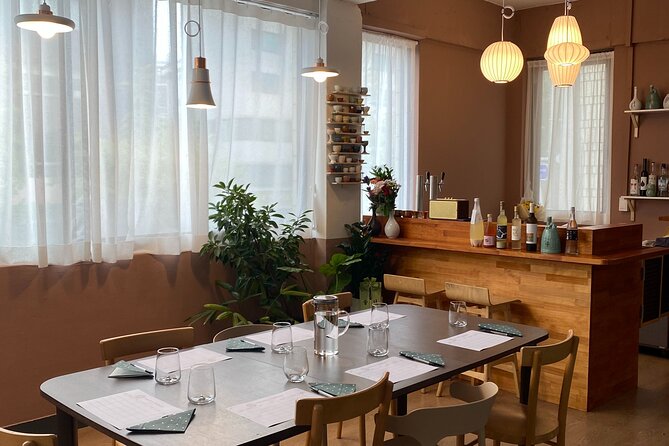
The class begins on the second floor of 229 Changgyeonggung-ro, in Seoul’s Jongno District. The meeting point is near public transportation, which matters in Seoul, where an address can look close on a map but still take time to reach through busy streets and large stations.
I would allow extra time to find the correct building and floor. The supplied details identify the second-floor meeting point clearly, but they do not provide a station exit, so checking your route before leaving is sensible. A mobile ticket is provided, making it easy to keep your booking available on your phone.
The start time is 1 p.m. That is convenient if you prefer a slower morning, but it also means the class occupies much of the afternoon. You will want to plan nearby sightseeing around it rather than trying to squeeze in a distant palace, museum, or market beforehand.
The activity ends back at the same meeting point. That simple arrangement removes one common tour problem: having to find your way to a second location at the end of the afternoon.
The maximum group size is 20 people. That is not a tiny private lesson, but it is still a manageable class size for a guided workshop. Your experience may depend on how many people attend and how much time you need with the instructor.
The first lesson: Korean alcohol and fermentation
The class begins with an introduction to different kinds of sool, the Korean term for alcoholic drinks. This opening gives you a useful frame for the tasting and brewing work that follows.
The value here is context. Without it, makgeolli can seem like a cloudy rice drink with an unusual texture. With an explanation of fermentation and Korean alcohol traditions, the drink becomes easier to understand. You can pay attention to flavor, texture, and production instead of simply deciding if you like it.
The class is led by local specialists with experience in the Korean alcohol industry. Their role is not just to hand you a recipe. They explain the techniques that make Korean alcohol distinctive and connect those methods to the drink you will taste.
The details supplied about the instructors are especially encouraging. Omar has been praised for answering questions carefully and explaining makgeolli’s place in Korean culture. Inji has also been praised for detailed explanations and plenty of tastings. Those comments suggest that asking questions is part of the experience, not an interruption.
Still, keep your expectations realistic. A two-and-a-half-hour class cannot cover every regional style or every technical issue involved in home fermentation. What you receive is a solid introduction to the basic method and the ideas you need to continue learning.
Tasting home-brewed makgeolli before making your own
The tasting comes before the practical brewing work. This is good teaching. You first get a sense of the finished product, then learn how the ingredients and steps lead to that result.
The opportunity to sample home-brewed makgeolli also adds variety to the class. You are not working with an abstract recipe. You can taste what a finished brew may be like and listen to the instructor explain what you are experiencing.
The available information does not specify the number of samples or the exact styles served. It does make clear that tasting is a significant part of the session, and the class includes multiple opportunities to try Korean alcohol. If you are interested in comparing drinks, this part may be one of the best values in the afternoon.
Alcohol is included, so this is not simply a cooking activity with a token sip. You should plan your afternoon accordingly. The class focuses on Korean alcohol, and the tasting is woven into the instruction.
For anyone who does not drink, the experience may be less appealing. The description does not explain whether nonalcoholic alternatives are available, so you should contact the provider before booking if that matters to you.
More workshops:
- Korean Cooking Class with Grocery Shopping at Seoul Local Market
★ 5.0 · 107 reviews - Royal Seoul Cooking Class in a 100-Year-Old Hanok
★ 5.0 · 81 reviews - Seoul : Taste of Korea, Authentic Home-Style Cooking Class
★ 5.0 · 64 reviews - K-pop Dance Class in Seoul (Incl. video shooting & editing)
★ 5.0 · 52 reviews
Washing rice and learning the brewing method
The hands-on work begins with the fundamentals, including washing rice. That may sound basic, but it is important to see how the process starts. The class takes you through the early preparation instead of presenting the brew as a finished mystery.
You then learn about fermentation techniques. This is the heart of makgeolli making. Fermentation is what changes the prepared rice mixture into alcohol, and the instructor explains the steps involved in a way designed for home brewing.
I like the structure because it gives you a clear chain of events. You begin with the raw ingredient, learn what happens during fermentation, and then move toward the finished drink. Each part helps explain the next.
The information available does not list exact fermentation times, temperatures, or equipment. That means you should not book this expecting a full technical manual for every possible batch. You will leave with the basic understanding and ingredients needed to keep practicing, but some details may require further research.
This is also where the size of the class could matter. In a group of up to 20, you will likely follow the same process as everyone else, but you may not receive a long private consultation about your own brewing plans. The positive side is that the class has enough structure to keep the workshop moving.
Filtering the rice wine and understanding the finish
The class continues to the final filtering process. This is a useful part of the lesson because it shows how the fermented mixture becomes the milky drink associated with makgeolli.
Filtering also helps you understand why homemade makgeolli can differ in texture and appearance. The finished drink is not simply poured from a bottle after fermentation. It requires another step, and the instructor demonstrates how that step fits into the overall method.
The workshop is described as practical from washing rice through filtering. That full sequence is a strong reason to choose it over a short tasting session. You get a beginning, middle, and end, with enough activity to make the recipe feel achievable at home.
The class does not promise that you will leave with a professionally bottled product made entirely during the session. Instead, it teaches you how to prepare makgeolli and then offers a take-home choice. That distinction matters. You are paying for instruction, tasting, and a starter option, not simply for a bottle of alcohol.
Choosing the ingredient kit or a bottle to take home
At the end, you can choose between an ingredient kit for making your own brew or a bottle of makgeolli. This is one of the most useful features of the experience.
The ingredient kit suits you if you want the class to continue after you leave Seoul. It gives you the basic ingredients needed to try the process again, which turns the workshop into more than a one-afternoon activity. You can revisit the steps and see how your own batch develops.
The bottle is the easier choice. It lets you take home a finished drink without committing to another brewing project. If your luggage, schedule, or interest level makes home fermentation impractical, the bottle offers a simple souvenir.
The information provided does not state whether the kit or bottle requires an additional payment, how large the kit is, or whether there are transport restrictions. Ask about those details if you are flying soon or need to keep your luggage light.
I would choose the kit if you enjoy hands-on food projects and have a practical way to continue brewing. I would choose the bottle if you mainly want a taste of the drink and a reminder of the class.
Visiting the shop after the lesson
The experience ends back at the meeting point, and you can visit the shop afterward for alcoholic drinks from different parts of South Korea. This adds a useful second chapter to the class.
During the workshop, you learn the basic method for one drink. At the shop, you can explore how Korean alcohol varies by place and producer. The supplied information does not identify the exact drinks available, so you should treat this as an optional chance to browse and taste rather than a promised flight with a fixed menu.
The shop visit is valuable because it lets you keep asking questions after the formal lesson ends. You may find a drink that suits your taste better than the makgeolli sampled during class, or you may want to compare different styles while the brewing process is still fresh in your mind.
Do not assume the shop visit is included in the $75 price. The details say you can visit for alcoholic drinks, but they do not state that additional drinks are covered. Bring a little flexibility into your budget if you plan to continue tasting.
Is $75 a fair price for two and a half hours?
At $75 per person, this is not the cheapest way to sample makgeolli in Seoul. You could spend far less on a bottle at a restaurant or shop. The value comes from the instruction, hands-on work, tasting, and take-home option.
I think the price makes the most sense if you value learning how something is made. You are not just paying for alcohol. You are paying for access to a functioning brewery, guidance from people with industry experience, and a process that begins with rice and ends with filtering.
The ingredient kit can also improve the value, especially if it is included in the price. The supplied details do not confirm whether the kit and bottle are alternative inclusions or whether one requires an extra fee, so verify that before booking.
For a couple or small group interested in Korean food culture, $75 can be a reasonable afternoon expense. For someone who only wants to taste makgeolli, it is probably more than necessary.
The strong rating and full recommendation rate support the idea that the class delivers what it promises. The positive comments focus on detailed instruction, hands-on practice, cultural explanation, and generous tasting. Those are the points I would use to judge the price, not the drink alone.
Who will enjoy this class most?
This class is a good fit for you if you enjoy:
- Korean food, drink, and traditional production methods
- Hands-on workshops rather than short demonstrations
- Learning a recipe or process you can continue at home
- Tasting alcohol while receiving cultural background
- A structured afternoon activity in the Jongno area
- Small-group experiences with time for questions
It may be less suitable if you dislike alcohol, want a private lesson, or need a flexible start time. The 1 p.m. beginning is fixed, and the group can include up to 20 people.
Families should also check the age requirements before booking, since the supplied information does not state them. The same applies to anyone with dietary, alcohol-related, or transport concerns. The provider is the Sool Company, so direct questions about the kit, bottle, and tasting arrangements should go to them.
Practical tips for making the most of the afternoon
Arrive with enough time to locate the second-floor meeting point at 229 Changgyeonggung-ro. Since no station exit is provided, check the route before leaving and keep the mobile ticket ready.
Pay attention during the early explanation of fermentation. The rice washing and filtering are easy to remember because they are physical tasks, but the fermentation guidance is what helps you continue at home.
Ask questions while Omar, Inji, or another instructor is working with the group. The strongest praise for this class centers on careful answers and detailed explanations, so take advantage of that teaching style.
Think about your take-home choice before the last part of the class. The kit is best for someone who wants another brewing project. The bottle is better for a simple souvenir or an immediate taste.
Finally, leave room in your schedule for the shop. Any extra drinks may cost more, but the selection can help you connect the class lesson with the wider world of Korean alcohol.
Should you book the Makgeolli Brewing Class?
I would book this class if you want an authentic food-and-drink activity with real participation. The full process, from washing rice to filtering, gives the afternoon a clear purpose, while the tastings and cultural background keep it from feeling like a dry technical lesson.
The best reasons to go are the hands-on method, the chance to ask detailed questions, and the option to continue at home with an ingredient kit. Omar and Inji have been singled out for patient, detailed instruction, which is exactly what you want in a brewing class.
Skip it if you only want a quick drink, cannot attend at 1 p.m., or prefer a private experience. At $75, the class earns its price through instruction and activity, not through the value of the alcohol alone. For curious food-minded visitors, it is a useful way to spend an afternoon in Seoul and leave with more than a souvenir bottle.
FAQ
Where does the Makgeolli Brewing Class meet?
The class meets on the second floor of 229 Changgyeonggung-ro, Jongno District, Seoul, South Korea.
What time does the class start?
The class starts at 1 p.m.
How long does the experience last?
The activity lasts approximately 2 hours and 30 minutes.
Where does the class end?
The activity ends back at the meeting point.
What will I learn during the workshop?
You will learn the basics of making makgeolli, including washing rice, fermentation techniques, and the final filtering process.
Is alcohol tasting included?
Yes. The class includes tastings of home-brewed makgeolli and instruction about Korean alcohol.
Can I take something home after the class?
Yes. You can choose to take home an ingredient kit for making your own brew or a bottle of makgeolli.
How many people can join the class?
The activity has a maximum of 20 participants.
Can I cancel for a full refund?
Yes. You can cancel at least 24 hours before the experience starts for a full refund. Changes or cancellations made less than 24 hours before the start time are not accepted for a refund.
Just added around Seoul
- Seoraksan National Park & Nami Island★ 4.5 · 3 reviews
- Strawberry Picking, Winter Sled with Eobi Ice Valley from Seoul★ 4.5 · 3 reviews
- Seoul Full Day small group Tour★ 5.0 · 3 reviews
- Majang Meat Market Experience: Private Tour with Han-woo Beef BBQ★ 5.0 · 3 reviews
- Seoul Korean BBQ Dinner Experience with Secret Food Tours★ 5.0 · 3 reviews
- Rice Wine Tasting with Sommelier – Finest Makgeolli (& Soju)★ 5.0 · 3 reviews
- Max Out Seoul: Must Visit City Highlights Panoramic Day Tour★ 5.0 · 3 reviews
- Seongsu-dong Walking Tour: K-Pop, Culture, Cheer, Friends & Relax★ 4.5 · 3 reviews
Workshops, compared.

Local Home Korean Cooking Class & Market Adventure in Seoul
Read our review →
Korean Cooking Class at a Local Home and Market Tour
Read our review →
Yongpyong Ski Resort from Seoul with Optional Lesson and Packages
Read our review →
Korean Cooking Class with Grocery Shopping at Seoul Local Market
Read our review →
Royal Seoul Cooking Class in a 100-Year-Old Hanok
Read our review →
Busan Tailored Korean cooking class (Vegan OK)with market tour
Read our review →
Taste of Korea, Authentic Home-Style Cooking Class
Read our review →Browse the lists this tour appears in