
Reviewed · HISTORICAL TOURS
Seoul’s Hidden Dark History Guided Tour of Seodaemun Prison
Dark history deserves careful attention. Seoul’s Seodaemun Prison tour offers a serious look at Korea’s struggle for independence, taking you from Dongnimmun Gate into original cells, interrogation rooms, and execution grounds. I like the small maximum group of 10, which should make a detailed history walk easier to follow. I also like that the tour includes a professional guide with more than 10 years of experience in Korean history.
The main consideration is emotional weight. This is not a light sightseeing stop, and some of the prison spaces and stories may be difficult to process. The two-hour afternoon schedule is practical, but anyone wanting a broad introduction to Seoul may prefer a palace, market, or food tour first.
In This Review
- Key points to know before booking
- Why Seodaemun Prison belongs on a serious Seoul itinerary
- Meeting Dongnimmun Gate at 2 p.m.
- Entering Seodaemun Prison History Hall
- Yu Gwan-sun and the March 1st Movement
- What the guide adds to the prison visit
- Is $31.54 a fair price?
- Physical demands and practical timing
- Who will appreciate this experience most?
- Cancellation and booking flexibility
- Should you book the Seodaemun Prison tour?
- FAQ
- Where does the tour begin?
- Where does the tour end?
- What time does the tour start?
- How long does the experience last?
- How much does the tour cost?
- Is admission to Seodaemun Prison History Hall included?
- How large is the tour group?
- What places are visited?
- What is covered at Seodaemun Prison History Hall?
- Can I cancel for a full refund?
Key points to know before booking
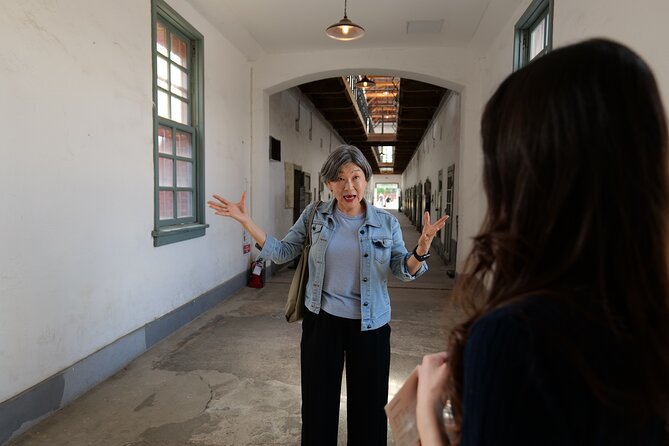
- The tour begins at Dongnimmun Gate: You spend about 20 minutes learning about the independence monument built by Korea in 1890.
- The main visit lasts 1 hour and 40 minutes: Seodaemun Prison History Hall includes solitary cells, interrogation rooms, and the execution yard.
- Yu Gwan-sun’s story receives special attention: The 17-year-old student became a national symbol after her role in the March 1st Movement.
- The group is limited to 10 people: This is a useful size for a history-focused walk where questions and clear explanations matter.
- The price is $31.54 per person: Admission to Seodaemun Prison History Hall is included.
- Cancellation is flexible until 24 hours before departure: A full refund is available if you cancel at least one day in advance.
Why Seodaemun Prison belongs on a serious Seoul itinerary
Seoul is easy to experience through palaces, shopping streets, cafés, and polished modern neighborhoods. Those places matter, but they do not explain the political struggle that helped shape modern South Korea. Seodaemun Prison offers a much harder lesson.
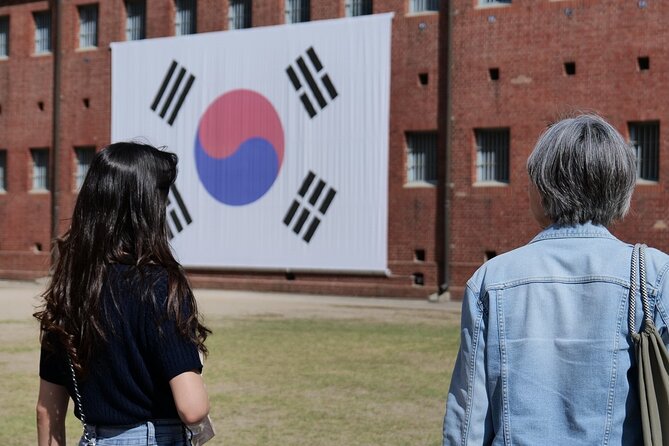
The prison was built in 1908 during Japanese colonial rule. It was used to detain and execute people involved in the Korean independence movement. Today, it is a memorial site, but the setting has not been softened into a simple museum display. You move through cells, interrogation rooms, and the execution area while hearing about the people who passed through them.
That physical setting is the reason a guided visit can be more useful than a quick solo walk. A label may tell you what a room was used for. A guide can connect that room to the wider independence movement and explain why it matters to Korean history.
I would choose this tour if you want context, not just photographs. It is especially useful early in a Seoul visit, since the stories can give more meaning to monuments, museums, and national symbols you encounter elsewhere.
The experience also helps you understand the human cost of independence. The focus is not only on dates and political events. It is on imprisonment, sacrifice, courage, and the difficult choices made by ordinary people and young activists.
More Historical Tours in Seoul
- Seoul: Evening Dark History, Folklore & Ghost Story Walking Tour
★ 5.0 · 593 reviews - Hanbok Photoshoot and History Tour at Gyeongbokgung Palace
★ 5.0 · 276 reviews - From Seoul: Dae Jang Geum Park Historic K-Drama Set Tour
★ 4.9 · 143 reviews
Meeting Dongnimmun Gate at 2 p.m.
The tour begins at 2:00 p.m. at 102-6 Hyeonjeo-dong in Seodaemun-gu. The first stop is Dongnimmun Gate, where the guide spends about 20 minutes explaining the monument and its place in Korean history.
Dongnimmun is connected to Korea’s independence story and was built in 1890. Beginning here gives you a useful point of reference before entering the prison complex. The guide can frame the visit around ideas of national independence, foreign control, and the effort to create a modern Korean identity.
This opening stop is short, which I consider a good choice. You get enough context to understand the symbols without using up the best part of the visit before reaching the prison. The admission ticket for this stop is free.
Pay attention during this introduction if you are not familiar with Korea’s modern history. The prison visit becomes easier to follow once you understand that the tour is about more than one building. It is about a national independence movement and the people punished for taking part in it.
The meeting information lists a starting point in Hyeonjeo-dong and an end point at Seodaemun Prison History Hall, 251 Tongil-ro. Since the two locations are listed separately, check the exact meeting instructions when you book and allow enough time to reach the starting address.
Entering Seodaemun Prison History Hall
The main portion of the experience takes about 1 hour and 40 minutes. Admission to Seodaemun Prison History Hall is included in the $31.54 price, so you are paying for both entry and a guided explanation of the site.
The prison was constructed in 1908 during Japanese colonial rule. Its use as a place to detain and execute independence activists gives every room a heavy purpose. You are not simply viewing old architecture. You are walking through spaces designed for confinement, questioning, and punishment.
The tour includes original prison cells. These are likely to be the most immediate part of the visit because they show the cramped setting in which detainees were held. The guide’s role is important here. Without explanation, a cell can look like a plain historical room. With context, it becomes part of a larger account of colonial rule and resistance.
You also enter underground interrogation rooms. This is one of the most difficult parts of the tour, since the setting points directly to the methods used to question and pressure detainees. The experience is not presented as entertainment, and you should approach it with patience and respect.
The itinerary also includes the execution grounds. This section gives the visit much of its emotional force. You hear about the sacrifices of independence activists while standing in a place connected to their deaths. That combination of story and setting can stay with you longer than a standard museum display.
The description emphasizes painful memories and the weight of history beneath your feet. That language is accurate to the kind of visit this is. You should expect a sober, reflective experience rather than a fast-moving attraction.
Yu Gwan-sun and the March 1st Movement
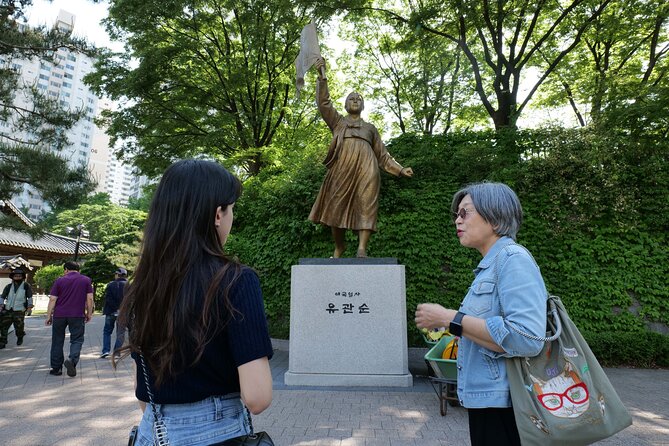
One of the central stories is that of Yu Gwan-sun, a 17-year-old student whose courage during the March 1st Movement made her a national symbol.
Her age is a detail worth pausing over. A teenager becoming one of the best-known figures connected with Korean independence makes the story accessible, especially for younger visitors. It also keeps the history from becoming too abstract. You are reminded that the independence movement involved students and young people, not only famous political leaders.
The tour uses Yu Gwan-sun’s story to show how personal courage can become part of a national memory. Her experience is not treated as a detached biography. It is tied to the prison, the movement, and the sacrifices made by those who resisted colonial rule.
I like this focus because it gives the tour a clear human center. You may remember a date or political term, but you are more likely to remember a young student confronting a difficult period in her country’s history.
If you are visiting with children or teenagers, use your judgment. The subject matter is serious, and the prison setting may be upsetting. Still, older children and students studying Korean history may find the connection between Yu Gwan-sun’s age and her role especially meaningful.
More historical tours:
- Seoul: City Highlights and Historical Experience No Shopping
★ 5.0 · 74 reviews - Street photoshoot and Seoul Hidden gem History Walking Tour
★ 5.0 · 68 reviews - Discover Seoul: Local Life and History
★ 4.5 · 53 reviews - Korean History & Heritage Tour
★ 5.0 · 51 reviews
What the guide adds to the prison visit
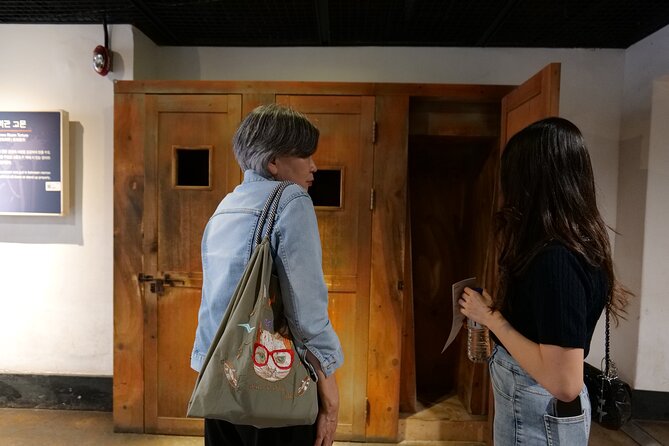
A professional guide with more than 10 years of experience in Korean history leads the tour. No individual guide’s name is provided, so you should not expect to book a particular person. The important point is the level of historical focus promised by the experience.
The strongest praise associated with this tour is for its detailed explanation of both the independence movement and the prison’s use. That balance matters. Some tours focus heavily on national history and barely explain the building. Others list rooms without showing how they fit into Korea’s wider struggle. This format aims to do both.
A guide can also help you notice connections between the different spaces. The cells show confinement. The interrogation rooms show the pressure placed on detainees. The execution grounds bring the cost of resistance into view. The stories tie those locations together.
The maximum group size is 10 people. That is small enough to keep the guide’s explanation personal and make it easier to ask questions. A group this size is also more suitable for narrow historical spaces than a large bus group.
You should still keep your expectations realistic. The information provided does not promise a private tour, special access, or a particular language beyond the tour’s listed details. What you are paying for is a small-group guided visit with historical interpretation.
Is $31.54 a fair price?
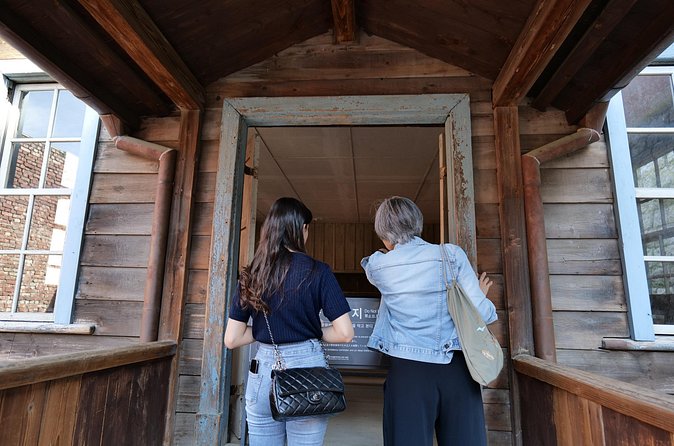
At $31.54 per person, this is not the cheapest way to spend two hours in Seoul. It is also not an unreasonable price for a guided visit that includes admission to Seodaemun Prison History Hall and a specialist explanation.
The value depends on how you like to travel. If you are comfortable reading museum panels and building the story yourself, you may prefer to visit independently. If you want the political background explained as you move from the gate to the prison rooms, the guide makes the fee easier to justify.
I see the admission inclusion as a practical benefit. You do not have to separate the cost of entry from the cost of the tour when comparing options. The group limit also adds value, since a history talk can lose much of its effect when you are standing at the back of a large crowd.
The experience is booked, on average, 31 days ahead. That does not guarantee that every date sells out, but it is a useful signal. If this visit is important to your Seoul plans, reserve before arriving rather than leaving it to the last day.
The two-hour length also fits well into a city itinerary. You can devote an afternoon to the prison without giving up a full day. Keep in mind that the subject is demanding, so you may prefer not to place another emotionally serious museum immediately afterward.
Physical demands and practical timing
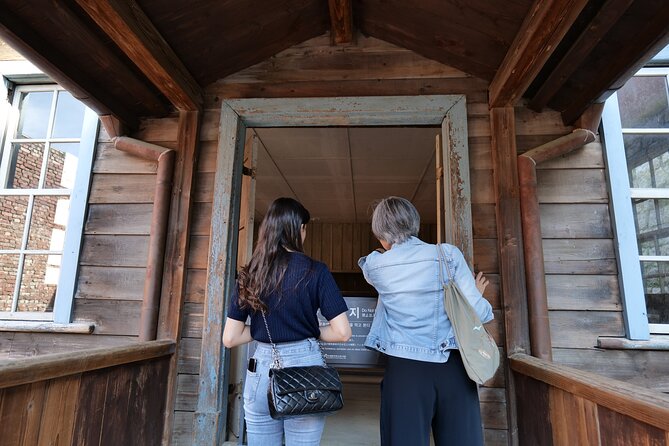
The tour requires a moderate level of physical fitness. The information does not specify the exact amount of walking, stairs, or standing, so you should plan for a walking visit through a historic site rather than a seated presentation.
Wear comfortable shoes and allow yourself enough time to reach the meeting point. The experience begins at 2:00 p.m., then moves from Dongnimmun Gate to Seodaemun Prison History Hall. The tour ends at the prison, not at the starting address.
The site is near public transportation, which makes it practical to fit into a Seoul day without relying on a private car. Since the precise meeting directions can matter in a busy city, confirm the address before setting out.
The tour lasts approximately two hours. The first stop takes around 20 minutes, while the prison visit takes about 1 hour and 40 minutes. That breakdown gives you a clear idea of where the emphasis lies: Dongnimmun provides context, and Seodaemun provides the main experience.
The prison can be emotionally tiring even if the walking is manageable. I would avoid rushing directly from a major shopping district into the tour. Give yourself a quiet few minutes before the meeting time so you can enter the site with the right frame of mind.
Who will appreciate this experience most?
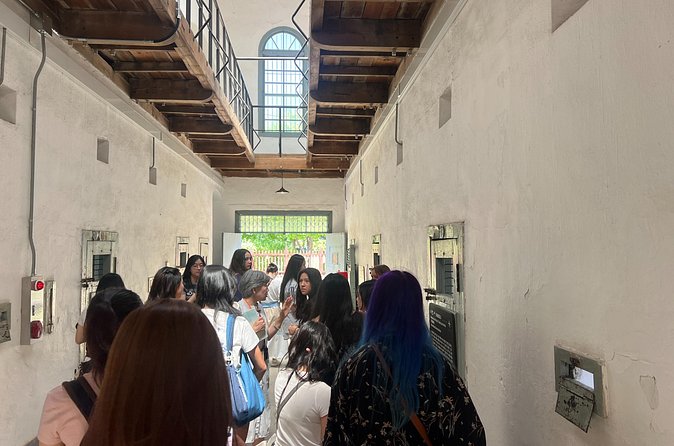
I would recommend the tour to you if you enjoy modern history, memorial sites, and guided interpretation. It is a strong choice for anyone who wants to understand Korea beyond royal palaces and contemporary city life.
Students and adults with an interest in the March 1st Movement should find the visit particularly useful. Yu Gwan-sun’s story gives the tour a clear personal focus, while the cells and interrogation rooms provide a physical setting for the broader historical account.
The tour may also suit first-time visitors who want to place Seoul’s present-day democracy and national identity in context. The experience does not attempt to cover every part of Korean history, but it addresses a critical period through one concentrated site.
I would hesitate to recommend it to someone looking for cheerful sightseeing or a relaxed afternoon. The execution grounds and interrogation rooms are serious places, and the stories concern imprisonment, suffering, and death. That does not make the visit unsuitable, but it does make your mood and interests important.
Families should think about the ages and sensitivities of their children. The tour could support a meaningful history lesson for older children, but the material may be too heavy for younger ones. The provided information does not set an age minimum, so you will need to make that call yourself.
Cancellation and booking flexibility
Free cancellation is available if you cancel at least 24 hours before the experience begins. That gives you some room to adjust your plans, especially during a longer Seoul stay.
Cancellations made less than 24 hours before the 2:00 p.m. start time are not refunded, and changes made within that period are not accepted. The cut-off follows Seoul local time, so keep that in mind if you are booking from another country.
Confirmation is provided when you book. The group maximum is 10 people, and the tour is offered near public transportation. Those details make it fairly simple to fit into a planned afternoon, provided you arrive at the correct starting point.
Should you book the Seodaemun Prison tour?
Book it if you want a focused, guided look at Korea’s independence movement and prefer learning through real places rather than summaries alone. The combination of Dongnimmun Gate, original prison cells, underground interrogation rooms, execution grounds, and Yu Gwan-sun’s story gives the two-hour visit a clear purpose.
The strongest reason to choose it is the detailed explanation of both the movement and the prison itself. The small group of up to 10 people and included admission add practical value to the $31.54 cost.
Skip it if you want a light or purely scenic activity, or if prison memorials are not a good fit for you. For the right audience, though, this is one of the more meaningful ways to understand the forces that helped shape modern Seoul.
FAQ
Where does the tour begin?
The tour begins at 102-6 Hyeonjeo-dong, Seodaemun-gu, Seoul, South Korea.
Where does the tour end?
The tour ends at Seodaemun Prison History Hall, 251 Tongil-ro, Seodaemun-gu, Seoul, South Korea.
What time does the tour start?
The tour starts at 2:00 p.m.
How long does the experience last?
The experience lasts approximately two hours.
How much does the tour cost?
The listed price is $31.54 per person.
Is admission to Seodaemun Prison History Hall included?
Yes. Admission to Seodaemun Prison History Hall is included.
How large is the tour group?
The tour has a maximum of 10 people.
What places are visited?
The tour visits Dongnimmun Gate and Seodaemun Prison History Hall.
What is covered at Seodaemun Prison History Hall?
The visit covers the prison’s history, original prison cells, underground interrogation rooms, the execution grounds, and stories about Korean independence activists.
Can I cancel for a full refund?
Yes. You can receive a full refund if you cancel at least 24 hours before the experience start time.
Just added around Seoul
- Seoraksan National Park & Nami Island★ 4.5 · 3 reviews
- Strawberry Picking, Winter Sled with Eobi Ice Valley from Seoul★ 4.5 · 3 reviews
- Seoul Full Day small group Tour★ 5.0 · 3 reviews
- Majang Meat Market Experience: Private Tour with Han-woo Beef BBQ★ 5.0 · 3 reviews
- Seoul Korean BBQ Dinner Experience with Secret Food Tours★ 5.0 · 3 reviews
- Rice Wine Tasting with Sommelier – Finest Makgeolli (& Soju)★ 5.0 · 3 reviews
- Max Out Seoul: Must Visit City Highlights Panoramic Day Tour★ 5.0 · 3 reviews
- Seongsu-dong Walking Tour: K-Pop, Culture, Cheer, Friends & Relax★ 4.5 · 3 reviews
Historical Tours, compared.

Gyeongju UNESCO World Heritage Guided Day Tour
Read our review →
Gyeongju UNESCO World Heritage Guided Day Tour from Busan
Read our review →
Evening Dark History, Folklore & Ghost Story Walking Tour
Read our review →
Old Korea Thousand History Tour of Gyeongju from Busan
Read our review →
Hanbok Photoshoot and History Tour at Gyeongbokgung Palace
Read our review →

UNESCO Heritage Tour Including Bulguksa Temple
Read our review →
Gyeongju UNESCO World Heritage Sites and History Full-Day Tour with Lunch
Read our review →Browse the lists this tour appears in