
Reviewed · HISTORICAL TOURS
Seoul: Ganghwa Island UNESCO World Heritage Private Tour
History meets sea air here. This 10-hour private trip from Seoul brings together UNESCO-listed dolmens, old palaces, fortresses, temples, and beaches in one well-packed day. I like the freedom to shape the route around your interests, and I like having a private car and guide for an island that is awkward to cover by public transport. The main drawback is time: with so many possible stops, some visits may feel brief, and lunch costs extra.
The tour also gives Ganghwa Island a useful human story, not just a list of monuments. At the Peace Observatory, you can learn about families separated from ancestors in the North. At the fortresses, you see why this island mattered as a defensive outpost. Guides such as Peter and Charlie have received especially warm praise for their preparation, flexibility, and help with photo stops. The price is $180 per person, so the value improves when shared by a small private group.
In This Review
- What makes this Ganghwa day trip worth considering
- Why Ganghwa Island makes a good escape from Seoul
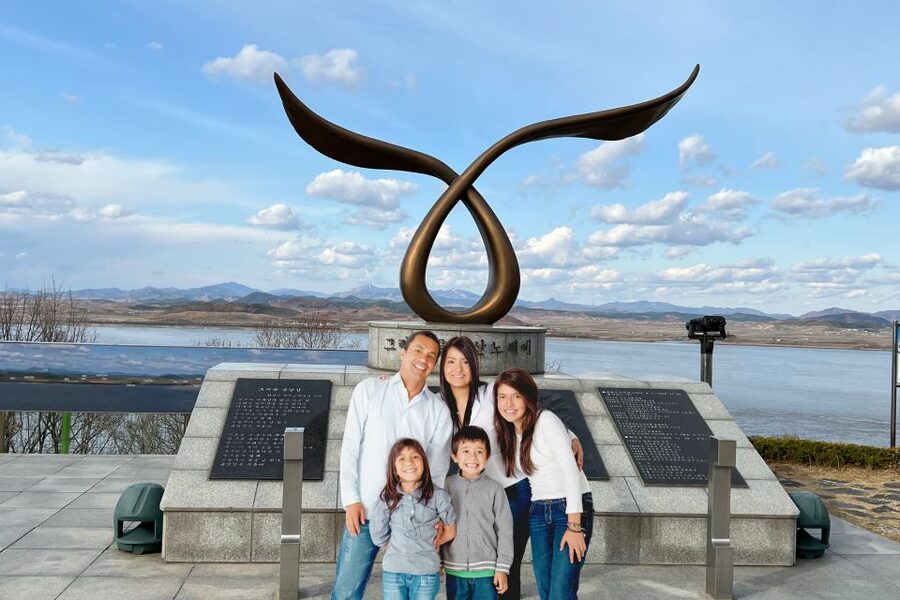
- The Peace Observatory and Korea’s divided border story
- Ganghwa Dolmen, a UNESCO site from Korea’s distant past
- Palaces, churches, and the memory of old Ganghwa
- Gwangseongbo Fortress and the island’s defensive role
- Jeondeung-sa Temple in a forested setting
- Joyang Bangjik, where textile history gets a cafe setting
- Hwamunseok and the island’s local craft tradition
- Dongmak Beach and the final change of scenery
- Lunch costs extra, and planning matters
- Is $180 per person good value?
- Timing, group size, and practical comfort
- Who should book this private island tour?
- FAQ
- How long is the Ganghwa Island tour?
- Is transportation included?
- Is lunch included in the price?
- Is the tour private?
- Is the tour wheelchair accessible?
- What happens if bad weather cancels the tour?
- Should you book it?
What makes this Ganghwa day trip worth considering
- A rare mix of sites: Pair a UNESCO dolmen with a fortress, palace remains, an Anglican church, a textile cafe, and a temple.
- A private route from Seoul: Your driver and guide can adjust the day to your interests instead of following a fixed large-group schedule.
- A serious historical setting: The Peace Observatory explains the island’s connection to the divided Korean Peninsula.
- A strong cultural finish: Joyang Bangjik and the Hwamunseok Culture Center add local craft and industrial history to the ancient sites.
- Room for nature: Dongmak Beach and the water views from Gwangseongbo Fort break up the long run of historical stops.
- Useful guide support: Peter has been praised for history, restaurant advice, photo spots, and careful timing, while Charlie has earned praise for enthusiasm and preparation.
Why Ganghwa Island makes a good escape from Seoul
Ganghwa Island is close enough for a day trip, yet it gives you a clear change of pace from the capital. The drive takes about an hour in normal conditions, though weekend traffic can stretch the schedule. You are picked up and returned to the same location within Seoul, with hotel pickup included.
The island’s appeal comes from its layers. You can begin with prehistoric stonework, move through Goryeo-era sites, examine fortifications from later Korean history, and finish with a beach or temple. Few day trips from Seoul offer that range without changing vehicles or joining a large group.
I would not choose this outing simply to sit back and count scenic stops. It works best if you enjoy asking questions and moving between different kinds of places. The day is active, with walking at several sites, but the air-conditioned vehicle gives you a useful break between them.
More Historical Tours in Seoul
- Seoul: Evening Dark History, Folklore & Ghost Story Walking Tour
★ 5.0 · 593 reviews - Hanbok Photoshoot and History Tour at Gyeongbokgung Palace
★ 5.0 · 276 reviews - From Seoul: Dae Jang Geum Park Historic K-Drama Set Tour
★ 4.9 · 143 reviews
The Peace Observatory and Korea’s divided border story
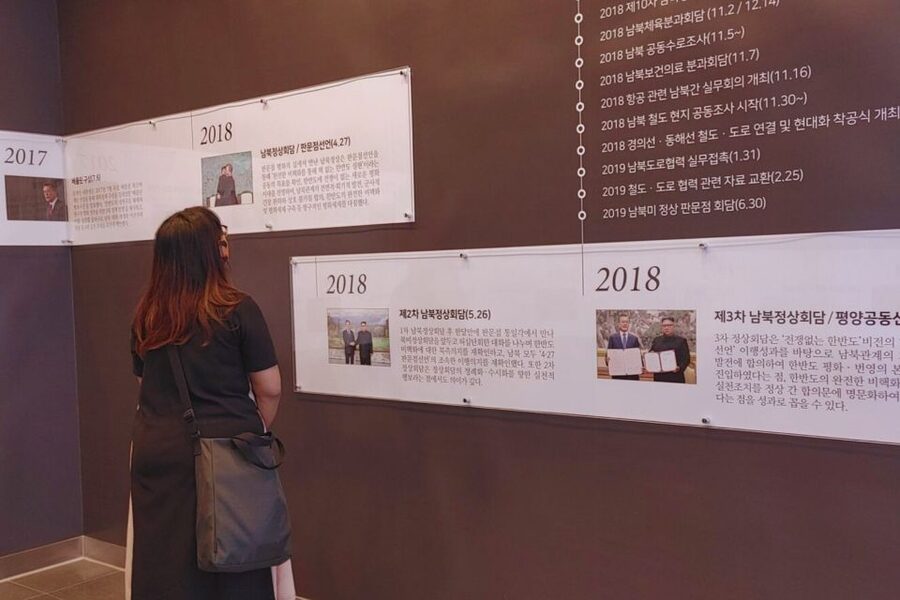
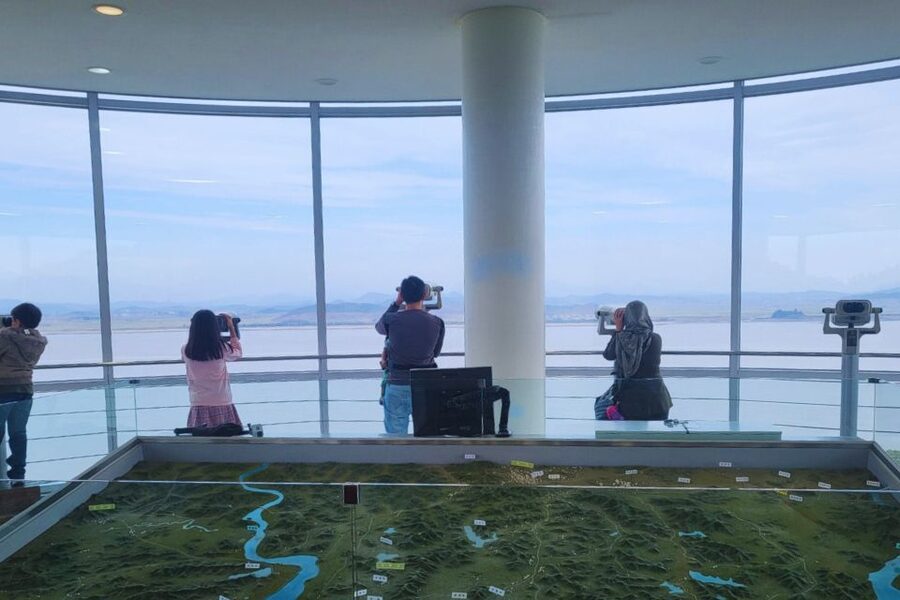
The first major stop is Ganghwa Peace Observatory, with about 45 minutes for a guided visit and sightseeing. This is one of the most meaningful parts of the day because it places Ganghwa near the wider story of the Korean border and divided families.
A particularly moving subject is how South Koreans honor ancestors whose graves are in the North and cannot be visited. That detail gives the observatory more weight than a simple viewpoint. You are not only looking toward another part of Korea. You are learning how division affects family memory and ritual.
Your English-speaking guide can help connect the site to the rest of the island. If this subject interests you, tell the guide early in the day. A private format gives you a better chance to spend your time on the parts that matter most to you.
Ganghwa Dolmen, a UNESCO site from Korea’s distant past
The Ganghwa dolmen site is scheduled for about 30 minutes. These massive stone burial monuments are part of the UNESCO World Heritage designation shared by Korean dolmen sites. Their simple form makes them easy to underestimate, but their age and construction raise the obvious question: how did ancient communities move and place such heavy stones?
This is a short stop, so do not expect a long museum visit or an extended archaeological program. You will get the most from it if your guide explains what the dolmens meant and how they fit into Korea’s early history.
For many people, this is the clearest reason to choose the tour over a standard coastal outing. You are seeing a protected site with global importance, but without giving up the island’s later history and natural scenery.
Palaces, churches, and the memory of old Ganghwa
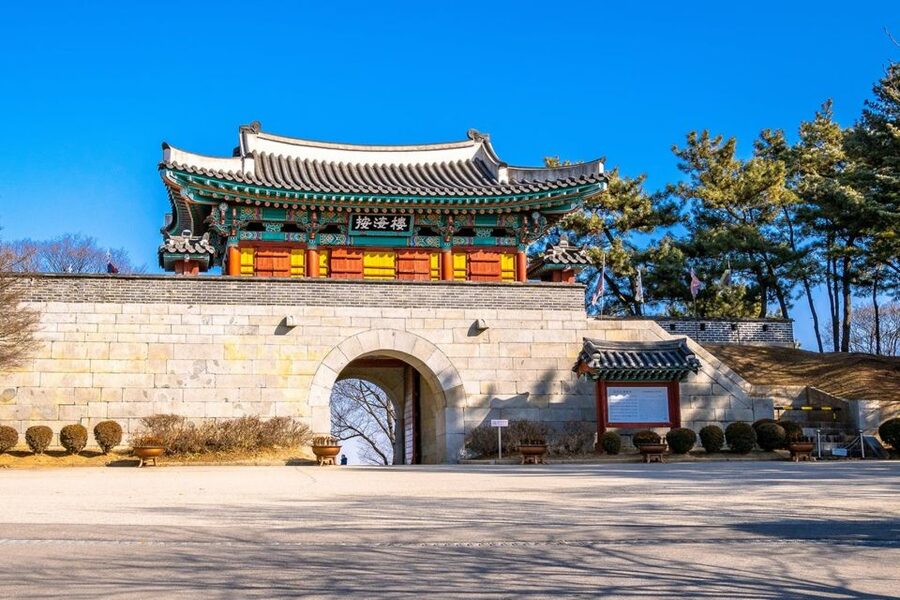
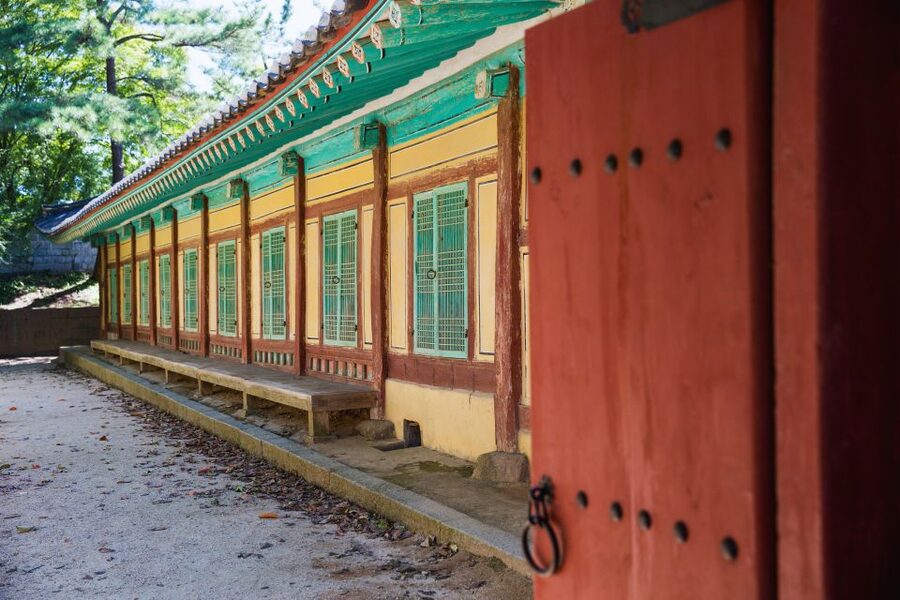
The recommended route includes Goryeo-gung Palace Site, Yongheung-gung Palace, and Ganghwa Anglican Church. The palace sites help explain Ganghwa’s role during periods when the island served as a place of refuge and government activity. One stop has also been described as the former home in exile of a future king, a detail that adds a personal angle to the political story.
Ganghwa Anglican Church brings a different visual and cultural note. Its inclusion keeps the day from becoming a parade of military ruins and royal sites. You get a glimpse of how Korean religious architecture developed through contact with outside traditions.
The exact balance among these stops can depend on your interests and the day’s traffic. Ask your guide how much walking is involved at each location. If you want detailed explanations at every palace and church, you may need to accept less time at the beach or cafe.
More Private Tours in Seoul
- Private DMZ Tour (No Shopping): 3rd Tunnel & Suspension Bridge
★ 5.0 · 607 reviews - Seoul City Private Full-Day Tour Including Lunch
★ 5.0 · 469 reviews - Private DMZ the 3rd Tunnel Tour from Seoul (optional Red Bridge)
★ 5.0 · 429 reviews - Seoul Highlights & Hidden Gems Tours by Locals: Private + Custom
★ 5.0 · 359 reviews
Gwangseongbo Fortress and the island’s defensive role
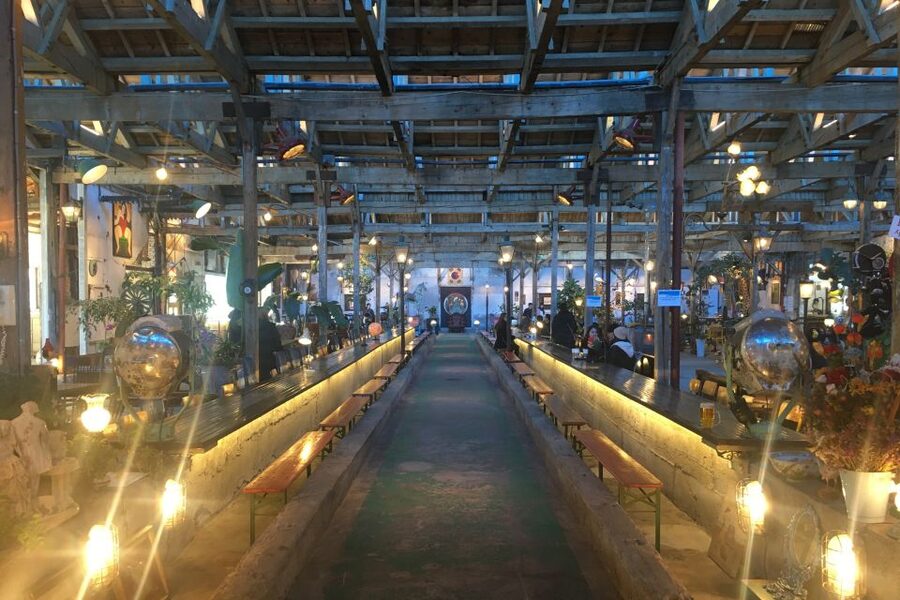
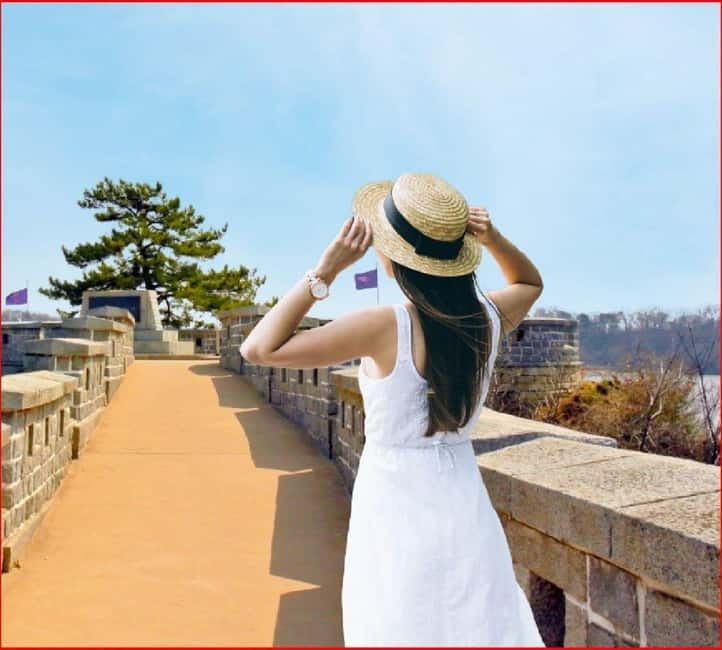
Gwangseongbo Fortress is one of the tour’s strongest stops for understanding why Ganghwa mattered. Its walls and position near the water show the island as a defensive base rather than merely a rural retreat. The setting also gives you some of the day’s best open views, according to the experience description and past feedback.
Plan on walking here. The fort site is more enjoyable when you have time to look beyond the masonry and consider the island’s strategic position. Your guide can explain how the fortifications fit into Ganghwa’s wider military story.
This stop also shows the value of having a private vehicle. Ganghwa’s attractions are spread out, and moving from a fort to a cafe or beach is much easier when someone else handles the roads and tolls. On weekends, traffic and high passenger numbers can work against the schedule, so weekday booking is the safer choice if you want a calmer pace.
Jeondeung-sa Temple in a forested setting
Jeondeung-sa Temple offers a welcome change after the fort and palace stops. The temple is set in a wooded area, and one past itinerary reached it near sunset. That timing can make the visit feel especially atmospheric, though the exact light and arrival time will depend on the day.
A temple visit gives you a chance to slow down. Instead of focusing only on battles, rulers, and borders, you can pay attention to Korea’s religious traditions and the quiet setting around the buildings. A ceremony has also been seen during the visit, but ceremonies are not guaranteed, so treat that as a fortunate possibility rather than a promised feature.
If Jeondeung-sa is important to you, mention it when planning the route. The tour is flexible, but flexibility works best when you state your priorities before the day fills up.
Joyang Bangjik, where textile history gets a cafe setting
Joyang Bangjik, often presented as a textile or textile-themed cafe, is one of the more unusual stops. It connects Ganghwa’s industrial past with a relaxed place to pause. The experience description also refers to it as a fashion cafe, so you may find this stop more appealing if you enjoy design, old factories, or local character alongside formal monuments.
It is a useful change of rhythm. After looking at stones, fortifications, and historic buildings, you can take in a more modern social space. The exact food and cafe experience are not specified, so I would think of Joyang Bangjik mainly as a cultural stop rather than booking the tour for a full cafe meal.
The same goes for Korean seaweed snacks sampled during the trip. They may be offered for purchase at the end, but buying them is optional. Keep some spending money if you want souvenirs, but there is no pressure to buy.
Hwamunseok and the island’s local craft tradition

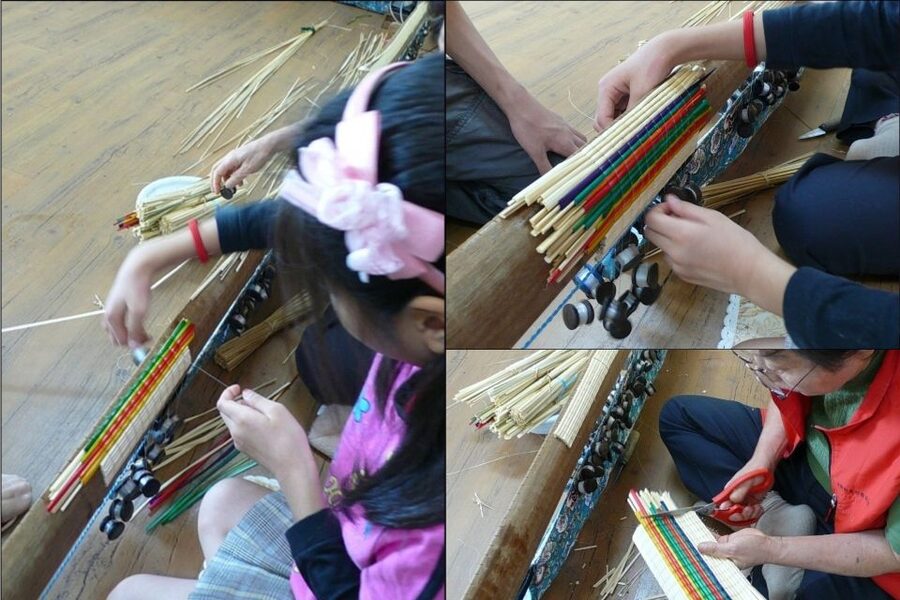
The Ganghwa Hwamunseok Culture Center adds a hands-on local craft angle to the day. Hwamunseok refers to Ganghwa’s traditional mat-making culture, and the center helps show how local materials and skilled work became part of the island’s identity.
This stop matters because it gives you something beyond royal and military history. A place can be understood through its working traditions as well as its monuments. If you want to bring home a craft item, ask your guide about purchase options, but do not assume shopping is required or included.
The supplied schedule also lists 강화도령화문석, another Hwamunseok-related visit. Since the exact distinction between the two entries is not explained, ask the operator or guide how they plan to handle them on your date. This is a small point, but it can prevent confusion if you are expecting two fully separate attractions.
Dongmak Beach and the final change of scenery
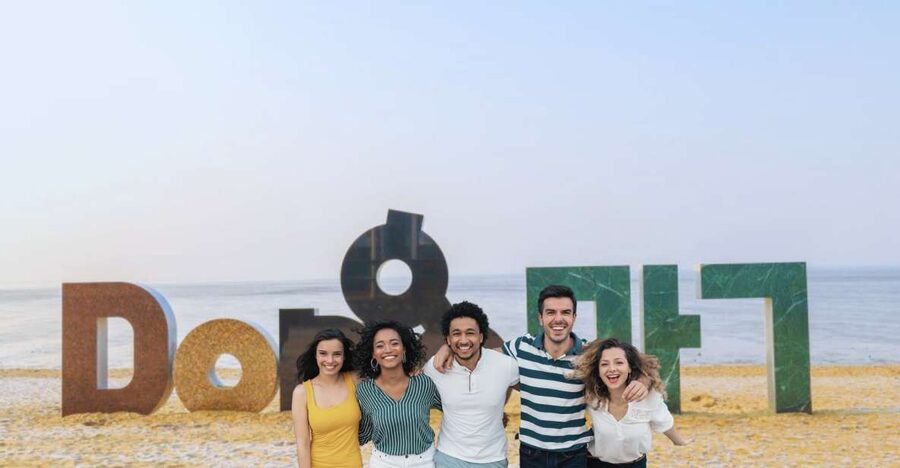
Dongmak Beach gives the long day a natural ending. You can walk along the shore, take photos, and let your attention move away from dates and dynasties. It is not presented as a swimming-focused beach day, so pack your expectations around a coastal stop rather than a resort outing.
The beach is most valuable as a contrast. Ganghwa becomes easier to understand when you see both its defensive shoreline and its quieter coastal side. If you are tired after a full day, your guide may help you decide how long to stay, but the schedule can be affected by traffic and earlier visits.
A sunset arrival at Jeondeung-sa or a late stop at Dongmak Beach could make the final hours particularly pleasant. Neither timing is guaranteed, so I would not book this tour solely for sunset photographs.
Lunch costs extra, and planning matters
Lunch is not included in the $180 price. The guide will recommend a local restaurant, but choices may be limited, and the meal is paid separately. If you have dietary restrictions, bringing your own lunch is sensible because the tour specifically warns that suitable options may not always be available.
This is one place where a private tour helps, but it does not solve every problem. You can explain your needs directly to the guide and ask for advice, yet the island route may not offer the same range of food as central Seoul.
Allow for drinks and personal expenses too. Seaweed snacks may be sampled and offered for purchase later, but buying them is optional. The vehicle, driver-guide, tolls, and hotel transfers are included, which keeps the main cost clear.
Is $180 per person good value?
At $180 per person, this is not a cheap day trip. The price makes more sense if you are traveling with family or friends and want a private vehicle, a flexible route, hotel pickup, and an English-speaking guide. A solo visitor pays more for privacy, but also gets a level of control that a fixed group bus cannot offer.
You are paying for more than admission-style sightseeing. The driver-guide handles a full day of transport from Seoul, including tolls, while helping connect prehistoric, royal, military, religious, craft, and coastal sites. That range would be difficult to organize efficiently on your own in one day.
The value drops if you dislike busy schedules or plan to visit only one or two sites. In that case, a shorter and cheaper outing may suit you better. The value rises if your goal is to see the island’s main stories in one organized day without dealing with unfamiliar roads.
Timing, group size, and practical comfort
The tour lasts 10 hours and operates as a private group with English-language guiding. You should wait in your hotel lobby 10 minutes before pickup. Pickup and drop-off are limited to the same location within Seoul, so check that your hotel fits those terms before booking.
The tour is listed as wheelchair accessible, but several stops include walking, and the detailed route can vary. If you use a wheelchair or have limited mobility, tell the operator when booking and ask how each site will be handled.
Children under 2 years old, meaning under 24 months, are free if they do not occupy a seat. Give the exact number of participants when booking, since the vehicle must match your party size.
Weather can change the plan. In serious conditions such as blizzards, the final decision is made on the day, and a weather-related cancellation receives a full refund. For normal travel planning, canceling at least 24 hours ahead allows a full refund, and reserve-now-pay-later booking keeps your plans flexible.
Who should book this private island tour?
I would recommend it most strongly if you want history with variety. You get the UNESCO dolmen, border history, royal sites, military architecture, a temple, local craft, a textile cafe, and the coast without having to build the route yourself.
It also suits families and small groups who value a private car. The guide can adjust explanations and the pace, and names such as Peter and Charlie have been associated with warm, careful guiding. Still, the schedule is full, so very young children may find the long day tiring.
This is less suitable if you want a slow beach day, a food tour, or a single focused subject. It is also less attractive on a busy weekend, when traffic and crowd levels may reduce time at individual stops.
FAQ
How long is the Ganghwa Island tour?
The tour lasts 10 hours, including pickup from Seoul and return to Seoul.
Is transportation included?
Yes. Round-trip air-conditioned transportation, toll fees, and hotel pickup and drop-off are included.
Is lunch included in the price?
No. Lunch and drinks are extra. The guide recommends a local restaurant, but choices may be limited, so bring your own lunch if you have dietary restrictions.
Is the tour private?
Yes. It is offered as a private group tour with an English-speaking live guide.
Is the tour wheelchair accessible?
The activity is listed as wheelchair accessible. Because several stops involve walking, tell the operator about your needs when booking.
What happens if bad weather cancels the tour?
If the trip is canceled because of weather, a full refund is provided. The final decision is made on the same day in serious conditions such as blizzards.
Should you book it?
Book this tour if you want to see far more than one Ganghwa monument and prefer a private guide to a rigid group schedule. The strongest reasons are the mix of UNESCO archaeology, border history, fortifications, temple culture, local craft, and coastline, plus the practical ease of hotel pickup from Seoul.
I would book on a weekday, state your top three priorities in advance, and plan for lunch costs. If you want an easy way to understand why Ganghwa Island matters, while still leaving room for a beach and cafe stop, the $180 price can be fair value. If you prefer slow travel or do not enjoy a full day of moving between sites, choose a shorter outing instead.
More Historical Tours
- Seoul: City Highlights and Historical Experience No Shopping
★ 5.0 · 74 reviews - Street photoshoot and Seoul Hidden gem History Walking Tour
★ 5.0 · 68 reviews - Discover Seoul: Local Life and History
★ 4.5 · 53 reviews - Korean History & Heritage Tour
★ 5.0 · 51 reviews
Just added around Seoul
- Seoraksan National Park & Nami Island★ 4.5 · 3 reviews
- Strawberry Picking, Winter Sled with Eobi Ice Valley from Seoul★ 4.5 · 3 reviews
- Seoul Full Day small group Tour★ 5.0 · 3 reviews
- Majang Meat Market Experience: Private Tour with Han-woo Beef BBQ★ 5.0 · 3 reviews
- Seoul Korean BBQ Dinner Experience with Secret Food Tours★ 5.0 · 3 reviews
- Rice Wine Tasting with Sommelier – Finest Makgeolli (& Soju)★ 5.0 · 3 reviews
- Max Out Seoul: Must Visit City Highlights Panoramic Day Tour★ 5.0 · 3 reviews
- Seongsu-dong Walking Tour: K-Pop, Culture, Cheer, Friends & Relax★ 4.5 · 3 reviews
Historical Tours, compared.

Gyeongju UNESCO World Heritage Guided Day Tour
Read our review →
Gyeongju UNESCO World Heritage Guided Day Tour from Busan
Read our review →
Evening Dark History, Folklore & Ghost Story Walking Tour
Read our review →
Old Korea Thousand History Tour of Gyeongju from Busan
Read our review →
Hanbok Photoshoot and History Tour at Gyeongbokgung Palace
Read our review →

UNESCO Heritage Tour Including Bulguksa Temple
Read our review →
Gyeongju UNESCO World Heritage Sites and History Full-Day Tour with Lunch
Read our review →Browse the lists this tour appears in