
Reviewed · GYEONGJU HERITAGE TOURS
Gyeongju UNESCO Sites Tour by KTX train; The Museum Without walls
Ancient Korea is closer than it looks. This full-day private trip makes Gyeongju reachable from Seoul without asking you to plan trains, taxis, entrance fees, and six historic stops on your own. I especially like the round-trip KTX tickets and private transfers, plus the chance to see Silla tombs, a Buddhist temple, a royal pond, and a first-rate museum in one long day.
I also like the personal feel. Your English-speaking guide meets you in Gyeongju and shapes the day around your private group. The catch is the distance: you leave around 7:00 am, spend roughly two hours each way on the train, and return after a full schedule. Bad weather can also take the shine off several outdoor sites.
In This Review
- Key points to know before booking
- Why Gyeongju deserves a day away from Seoul
- The 7:00 am start and KTX journey
- Cheonmachong Tomb and the royal burial grounds
- Gyeongju National Museum puts the city together
- Cheomseongdae, the oldest surviving observatory in the Far East
- Donggung Palace and Wolji Pond after dark history
- Bulguksa Temple and the great Silla stonework
- Seokguram Grotto on the mountain
- What the $470 price includes, and what it does not
- Guide quality and the private-group advantage
- Who should book this Gyeongju day trip?
- Should you book it?
- FAQ
- How long does the Gyeongju UNESCO Sites Tour take?
- Does the tour include KTX train tickets?
- Is hotel pickup included?
- Is hotel drop-off included in Seoul?
- Are entrance fees included?
- Are meals included?
- Is this a private tour?
Key points to know before booking
- KTX turns a distant day trip into a practical one: The high-speed train keeps the Seoul to Gyeongju journey comfortable and avoids the stress of arranging long-distance transport.
- Six major Silla sites fit into one private day: You visit Cheonmachong Tomb, Gyeongju National Museum, Cheomseongdae Observatory, Donggung Palace and Wolji Pond, Bulguksa Temple, and Seokguram Grotto.
- The tour covers different sides of Gyeongju: You see royal burial mounds, scientific remains, palace grounds, Buddhist art, and a museum collection.
- The private format is useful for a packed itinerary: Only your group participates, and hotel pickup in Seoul, local transfers, train fare, and admission fees are included.
- The schedule is demanding: Each main stop is planned for about an hour, with travel between sites and no meals included.
- Guide quality matters: Guides such as Jay, Andrew, John, and Dylan have been praised for organization, stories, and care, though one guest found an accent difficult to follow.
Why Gyeongju deserves a day away from Seoul
Seoul gives you royal palaces, markets, towers, and modern city life. Gyeongju offers something different: a city where Silla-era remains are spread through parks, hills, museum halls, and temple grounds. That is why the title museum without walls fits. The history is not kept in one building.
Gyeongju was the center of the Silla kingdom, which ruled much of the Korean Peninsula after unification. The places on this tour help you see how that kingdom worked. Tombs show royal power and burial customs. Cheomseongdae points to scientific ambition. Donggung Palace and Wolji Pond reveal court life. Bulguksa and Seokguram show the importance of Buddhism.
I like this range. You are not simply moving from one similar temple to another. The day gives you several pieces of a very old city, then lets your guide connect them.
The tour is private, which changes the pace in useful ways. You can ask questions without worrying about a large group, and your guide can explain details that are easy to miss. It also reduces the usual fear of missing the train or getting lost between sites.
A few more trips of this kind worth comparing:
- Seoul: War Memorial of Korea Private Guided Museum Tour
★ 4.9 · 29 reviews - DMZ Tour + The War Memorial of Korea Museum
★ 5.0 · 28 reviews - Color Pool Museum
★ 4.0 · 22 reviews
The 7:00 am start and KTX journey
Your day begins with hotel pickup in a private vehicle in Seoul areas. The exact transfer arrangement can vary, but the service includes a private car to help you reach the station. One especially practical detail is that the local representative may escort you to the subway or train area and help you find your seats.
That assistance matters if you are unfamiliar with Korean stations. Andrew, one of the guides praised for the trip, reportedly picked up his group from an Airbnb, drove them to the station, waited with them, and walked them onto the train. This is the kind of small service that makes an early start less fraught.
The KTX journey takes about two hours according to the tour experience described. You travel in economic class, with the round-trip fare included. The train is the main reason this works as a day trip rather than an exhausting road journey.
Still, be honest with yourself about the clock. A 7:00 am start and a late return make this a long day. You will spend a meaningful part of it in transit, even though the train is far more efficient than many alternatives. I would choose this format if you have limited time in Korea and want Gyeongju without changing hotels.
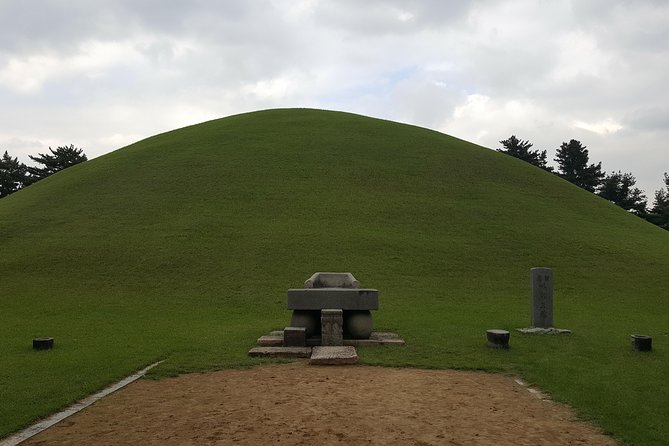
Cheonmachong Tomb and the royal burial grounds
The first major stop is Cheonmachong Tomb, a Silla burial mound in an area containing more than 20 large and small tombs. The mounds are earthen and rounded, with some shaped like a double gourd. They are linked to kings and court officials, giving the site a direct connection to the kingdom’s ruling class.
The special feature here is that you can enter an excavated tomb. That helps you understand that these green-covered hills are not natural bumps in the ground. They were built as burial places and later opened for archaeological study.
I would give your guide your full attention here. Without context, the mounds can look simple. With an explanation of who was buried there and why, the site becomes much more striking. Your guide can also place the tombs within the wider Silla story before you see the museum objects later in the day.
The one-hour stop is a good introduction, but it may feel brief if you want to linger over every mound. The site is also largely outdoors, so rain can affect the experience. Wear shoes suitable for walking and bring protection from the weather.
Gyeongju National Museum puts the city together
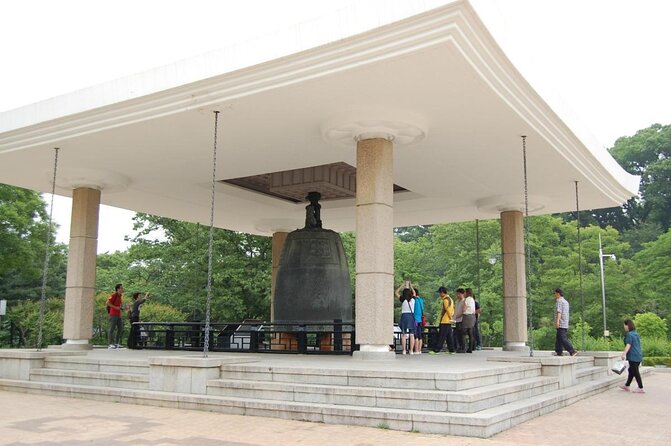
Gyeongju National Museum is arguably the most important stop for understanding the day. It gathers Silla objects in one place, including ornate ceremonial items and archaeological finds. After seeing the tombs, you can now consider what those burial grounds contained and what they tell us about status, belief, and craftsmanship.
I like the museum’s place in the schedule. It is not just a backup for bad weather. It gives you a pause from outdoor walking and adds meaning to the other sites. The main archaeological hall is particularly useful because it presents the ancient city through objects rather than ruins alone.
You get about an hour here, and admission is included. That is enough for a focused visit, especially with a guide pointing out the major pieces. It is not enough for a slow museum day, so anyone with a serious interest in Korean archaeology may wish for more time.
The museum also helps balance the tour. Gyeongju is famous for photogenic ruins, but objects in glass cases can tell you more about daily life, ritual, technology, and artistic skill. I would not skip this stop just because the outdoor sites seem more exciting.
A completely different kind of day out in Seoul:
- Best DMZ Tour Korea from Seoul (Red Suspension Bridge Optional)
★ 5.0 · 41,422 reviews - DMZ Tour: 3rd Tunnel, Option(Suspension Bridge, Boat) from Seoul
★ 5.0 · 21,373 reviews - DMZ tour south Korea from Seoul (NK experience hall, defector)
★ 5.0 · 20,599 reviews - Seoul: DMZ Tour with Optional Suspension Bridge
★ 4.8 · 5,277 reviews
Cheomseongdae, the oldest surviving observatory in the Far East
Cheomseongdae means Star Gazing Tower. Built during the reign of Queen Seondeok in 634, it is described as the oldest existing observatory in the Far East. The stone tower has 27 levels, and its shape is easy to appreciate from the surrounding grounds.
This is a compact stop, but it carries a big idea. Silla was not only a kingdom of tombs and temples. Its rulers also supported observation of the heavens and the measurement of time. Your guide can help explain how this modest stone structure fits into the wider culture of the period.
The stop lasts about an hour, though the tower itself does not require that much time to see. Much of the value comes from the setting and explanation. You may find the surrounding area more enjoyable than the monument alone, especially if you want photographs.
As with the tombs, weather matters. There is little shelter in the open grounds, and rain can make this part less pleasant. The tour moves quickly, so take your photos early and save time for the guide’s explanation.
Donggung Palace and Wolji Pond after dark history
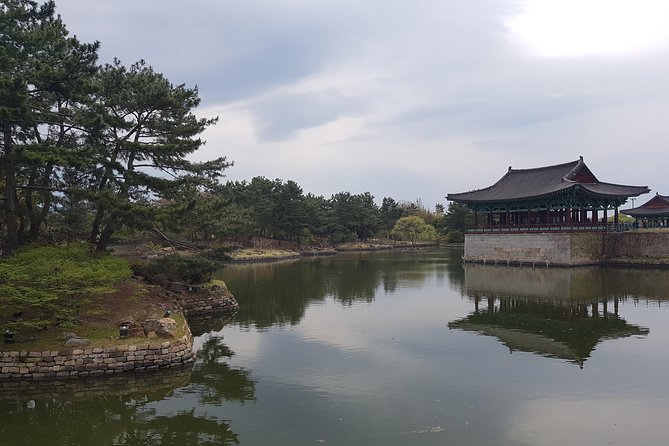
Donggung Palace and Wolji Pond, once called Anapji Pond, gives you a look at royal leisure and ceremony. The pond was built in 674 after the unification of the Korean Peninsula. Artificial hills, trees, flowers, birds, and animals were brought inside the palace grounds.
You do not need a grand palace complex to sense the purpose of this place. The pond was designed as a royal retreat and ceremonial setting, not simply as a practical water feature. It shows how the Silla court shaped its surroundings for beauty, status, and formal gatherings.
The one-hour visit works well because the site is spacious and easy to experience at a walking pace. It also gives the day a change of mood after the museum and observatory. I find that this is the kind of place where your guide’s stories matter more than a list of dates.
The tour includes admission. The grounds are outdoors, so comfortable shoes and weather-ready clothing remain useful. If the day is rainy, reflections and garden views may be less appealing, which is one reason the tour is best on a dry day.
Bulguksa Temple and the great Silla stonework
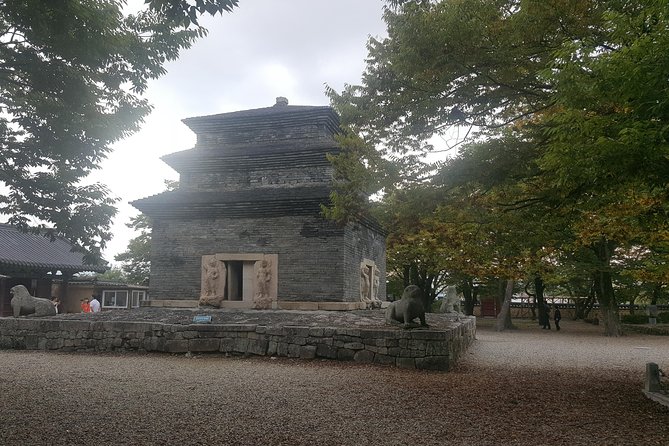
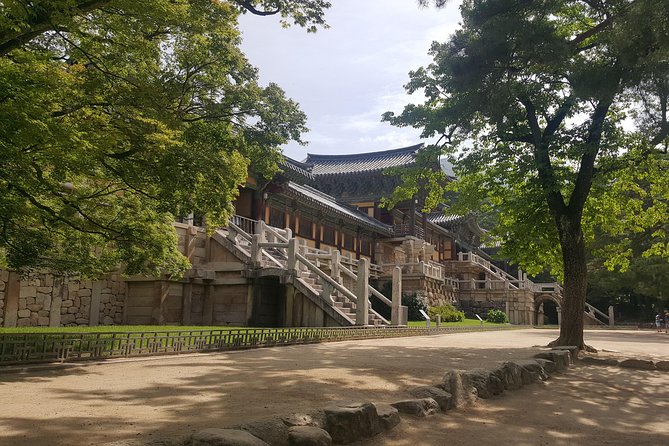
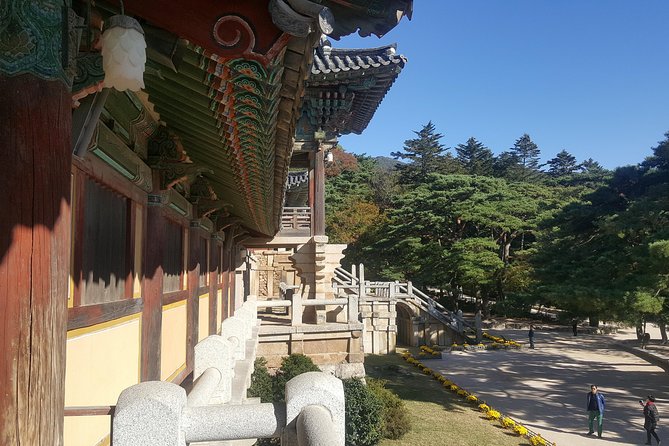
Bulguksa is Korea’s best-known Buddhist temple and one of the day’s major highlights. It is connected with important Silla relics, including the Dabotap and Seokgatap stone pagodas. The temple brings together religious meaning, stone construction, ornament, and mountain surroundings.
I would plan to slow down here. A hurried temple visit can become a checklist of gates and roofs. Look at the stonework, the pagodas, and the way the buildings are arranged. Your guide can explain what you are seeing and why Bulguksa matters within Korean Buddhism.
The temple is included in the admission package, and you spend about an hour on site. That is enough for the main areas, though people who enjoy architecture may wish the schedule allowed more time. Since the tour continues to Seokguram, you should also expect some movement rather than a long, quiet temple visit.
Bulguksa is one of the places where the private format helps. You can ask your guide about the pagodas, Buddhist symbols, and Silla craftsmanship without waiting for a large group to regroup. Guides such as John have been praised for adding stories about the city and its past, which can make the stonework easier to read.
Seokguram Grotto on the mountain
Seokguram Grotto is a hermitage linked to the Bulguksa complex. It sits about 750 meters above sea level and overlooks the East Sea. Inside are Buddhist sculptures considered among the finest in the world.
The setting is part of the appeal. You leave the city’s open archaeological grounds and travel upward to a mountain site with a wider view. The grotto itself is the focus, but the route and outlook give the final stop a different feel from the palace and tombs.
You have about an hour here. That allows time for the visit, the view, and your guide’s explanation, but it is not a leisurely mountain outing. I would pay close attention to the time because Seokguram is the last listed site before the return journey.
This stop is also especially dependent on weather. One guest found heavy rain ruined much of the day because so much of the tour takes place outside. I would check the forecast and pack accordingly. Rain does not make the history disappear, but it can reduce the views and make temple grounds less comfortable.
What the $470 price includes, and what it does not
At $470 per person, this is not a budget excursion. The value comes from the amount of coordination packed into the price: Seoul hotel pickup, a private vehicle, round-trip KTX economic-class fare, an English-speaking local guide, and admission fees at the paid sites.
You are paying for convenience as much as transport. Organizing six stops across Gyeongju while also handling Seoul station and return trains would take time and careful planning. The private format is especially useful for families, couples, or small groups who want their own guide rather than a large coach.
Group discounts may improve the per-person value, depending on the size of your party. I would compare the price with the cost of arranging train tickets, local transport, admissions, and a guide separately. The tour is easiest to justify if you value a smooth day and have no interest in solving the logistics yourself.
Meals are not included. A guide may recommend a local restaurant, and one group enjoyed a casual place with generous portions, but you should budget separately for lunch. Hotel drop-off in Seoul is also not included, so you need to plan your return from the drop-off point or station.
Guide quality and the private-group advantage
The guide can make or break a history-heavy day. The strongest praise goes to the organization and personal care before and after the KTX ride. Jay, Andrew, John, and Dylan are all named positively in the available feedback, with Dylan described as personable and able to explain Silla history in an interesting way.
One important caution is communication. A guest gave the tour four stars because the guide knew Korean history and culture but was difficult to understand because of an accent. That does not mean every guide will present the same issue, but it is fair to recognize that English clarity can vary.
The private group helps in other ways. You can ask for a repeat explanation, pause briefly at a site, or tell the guide what interests you most. It is still a fixed day with a fixed route, so do not expect unlimited flexibility, but it should feel more personal than a standard group outing.
Who should book this Gyeongju day trip?
I would recommend it most to first-time visitors staying in Seoul who want a strong introduction to ancient Korea. It suits you especially well if you enjoy history, archaeology, Buddhist art, royal sites, and guided sightseeing.
Families and older visitors may appreciate the private vehicle and station assistance. The train is comfortable, and the guide handles much of the complicated movement between Gyeongju’s separate sites. Most people can participate, and the tour is offered as a private activity for your own group.
I would hesitate if you dislike early starts, long days, or outdoor sightseeing in uncertain weather. I would also think twice if you want a slow museum visit or extended time at Bulguksa. This tour favors range over depth. You see a lot, but you do not linger everywhere.
Free cancellation is available if you cancel at least 24 hours before the start time. Changes made inside that window are not accepted, and the tour can be altered or refunded if its minimum number of participants is not reached.
Should you book it?
Book this tour if you want to see Gyeongju in one carefully managed day and would rather spend your time looking at Silla remains than arranging transport. The KTX connection, private car, admissions, and guide support make the high price easier to understand.
Skip it if the two-hour train ride each way feels too costly in time, or if you prefer to explore at a slower pace. For the right visitor, though, this is a useful first look at Gyeongju: tombs, science, royal gardens, Buddhist monuments, and museum treasures, all linked by an English-speaking guide.
FAQ
How long does the Gyeongju UNESCO Sites Tour take?
The tour lasts approximately 8 to 9 hours, with a scheduled start time of 7:00 am.
Does the tour include KTX train tickets?
Yes. Round-trip KTX economic-class fare is included in the tour price.
Is hotel pickup included?
Yes. Hotel pickup is offered in Seoul areas, with transfer service provided by private vehicle.
Is hotel drop-off included in Seoul?
No. Hotel drop-off service in Seoul is not included.
Are entrance fees included?
Yes. Admission fees for the tourist sites included in the tour are covered.
Are meals included?
No. Meals are not included, so you should budget separately for food during the day.
Is this a private tour?
Yes. Only your group participates in the activity, and an English-speaking local guide leads the sightseeing.
More Gyeongju Trips
- Small Group 7D Korea package Tour with Seoul Gyeongju Busan Jeju
★ 4.5 · 13 reviews - 3-Days 2-Nights Gyeongju UNESCO Sites & Busan City [Private Tour from Seoul]
★ 4.5 · 11 reviews - 7 days Flexible Tour for Major Cities(Seoul,Busan,Gyeongju etc)
★ 5.0 · 5 reviews - 7 Day Essential Korea Tour(Seoul, Nami, DMZ, Andong, Gyeongju, Busan_Meal Incl.)
★ 5.0 · 3 reviews
Just added around Seoul
- Seoraksan National Park & Nami Island★ 4.5 · 3 reviews
- Strawberry Picking, Winter Sled with Eobi Ice Valley from Seoul★ 4.5 · 3 reviews
- Seoul Full Day small group Tour★ 5.0 · 3 reviews
- Majang Meat Market Experience: Private Tour with Han-woo Beef BBQ★ 5.0 · 3 reviews
- Seoul Korean BBQ Dinner Experience with Secret Food Tours★ 5.0 · 3 reviews
- Rice Wine Tasting with Sommelier – Finest Makgeolli (& Soju)★ 5.0 · 3 reviews
- Max Out Seoul: Must Visit City Highlights Panoramic Day Tour★ 5.0 · 3 reviews
- Seongsu-dong Walking Tour: K-Pop, Culture, Cheer, Friends & Relax★ 4.5 · 3 reviews
Gyeongju Heritage Tours, compared.

Gyeongju Guided Day Trip to Three Kingdoms Capital
Read our review →
Gyeongju UNESCO World Heritage Guided Day Tour
Read our review →
Gyeongju UNESCO World Heritage Guided Day Tour from Busan
Read our review →
Old Korea Thousand History Tour of Gyeongju from Busan
Read our review →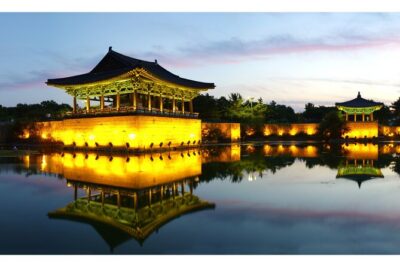
Gyeongju UNESCO sites Private tour with licensed tour guide
Read our review →
Private Gyeongju Tour – Explore Gyeongju UNESCO Sites
Read our review →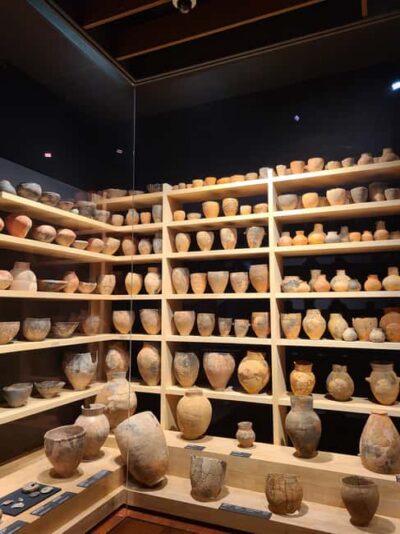
Gyeongju UNESCO Legacy Tour with National Museum
Read our review →
UNESCO Heritage Tour Including Bulguksa Temple
Read our review →Browse the lists this tour appears in