
Reviewed · MARKETS
Busan Seafood Tour : Jagalchi market Seafood Tour & Dinner
The sea comes to dinner in Busan. This four-and-a-half-hour experience pairs a walk through Jagalchi Market with a seafood meal prepared after you help choose the ingredients. I like the direct contact with local food, including sea cucumber, sea squirt, small octopus, scallops, and Korean sashimi. I also like the chance to ask questions while your host cooks, rather than simply sitting down at a restaurant.
The main caution is that the $15 price covers the tour, cooking space, bottled water, and several snacks, but you pay separately for the seafood used for dinner. That keeps the meal flexible, but your final cost depends on what you choose. Group size is described as a maximum of 10 in the main details, though the additional information allows up to 15, so confirm the expected size before booking.
In This Review
- Key points to know before you book
- Why this Busan seafood tour is different
- Starting at Nampo-dong’s dried fish market
- Entering Jagalchi Market and choosing dinner
- From raw ingredients to a home-style meal
- Learning Korean clam soup at the table
- Sashimi beyond salmon and tuna
- What the host adds to the evening
- Timing, group size, and the pace of dinner
- Is $15 good value?
- Who should book this experience?
- Should you book the Jagalchi seafood dinner?
- FAQ
- How long does the Busan seafood tour last?
- Where does the tour start and finish?
- Which markets are included?
- Is dinner included in the $15 price?
- What seafood might be available?
- How many people can join?
- Is the tour refundable if I cancel?
Key points to know before you book
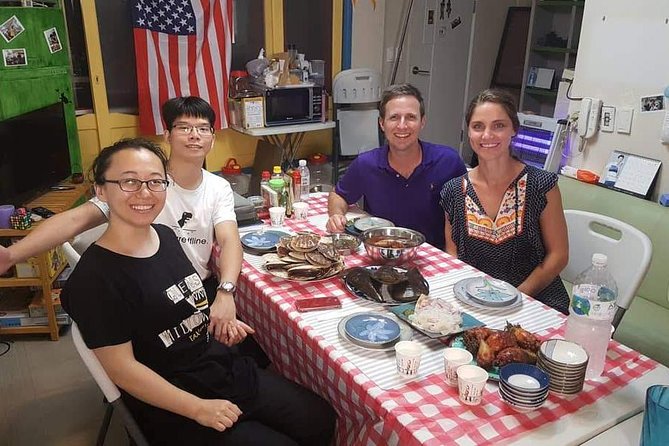
- You choose the seafood: Visit Busan’s markets and help select what will be cooked.
- Jagalchi is the main event: The route includes the Dried Fish Wholesale Market and Jagalchi Market.
- The meal is hands-on: You can see, touch, and handle unfamiliar seafood before eating it.
- Clam soup is part of the lesson: Your host explains how to make the Korean-style broth with Asian sauce.
- The dinner can stretch out: One account describes eating from about 5 p.m. for three hours, so arrive hungry.
- The host adds local context: Suyang Chang is praised for explaining seafood, market customs, Busan, and places to eat.
Why this Busan seafood tour is different
Many food tours take you to a finished plate. This one starts before the cooking begins, when the seafood is still displayed at the market. You are not only tasting Korean food. You are learning how local seafood is selected, handled, prepared, and shared.
That matters in Busan, a port city where the sea is part of daily life. Jagalchi Market is not a polished food hall designed only for sightseeing. It is a working market, with seafood presented for purchase and preparation. The experience gives you a guide beside you when the displays become unfamiliar.
The format is especially useful if you are curious about Korean seafood but unsure how to order it on your own. You might encounter long-legged small octopus, sea squirt, sea cucumber, rockfish, flounder, yellowtail, scallops, shrimp, shellfish, and other local catches. Your host helps turn that unfamiliar display into a meal.
The strongest part is the link between market and table. You see the ingredient, learn something about it, and then taste it soon afterward. That simple sequence makes the meal easier to understand than a plate arriving with no explanation.
More Market Visits in Busan
- Busan Tailored Korean cooking class (Vegan OK)with market tour
★ 5.0 · 66 reviews - Gamcheon Culture Village, Jagalchi fish market story telling Tour
★ 4.5 · 63 reviews - Busan history and market food tour with local chef
★ 5.0 · 58 reviews
Starting at Nampo-dong’s dried fish market
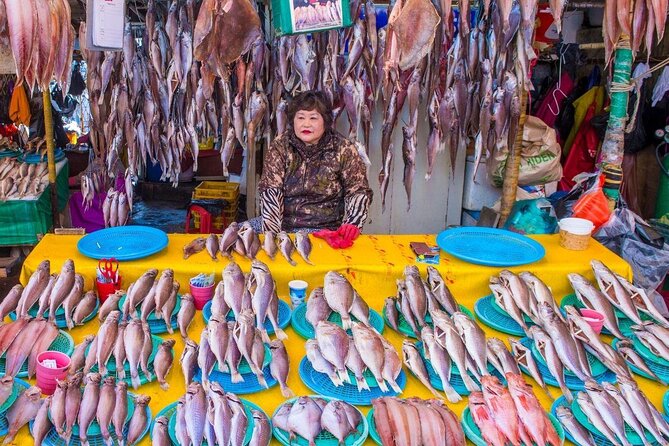
The meeting point is at 113-6 Nampo-dong 6-ga, in Jung-gu, Busan. The first listed stop is the Nampo-dong Dried Fish Wholesale Market, a useful introduction to the commercial side of Busan’s seafood trade.
Dried seafood shows you that Korean fish culture is not limited to raw sashimi or grilled fish. Drying is a practical way to preserve the catch and build flavor. The market also helps set the tone for the tour, moving you away from a standard restaurant experience and into the places where seafood is bought and sold.
You should expect to walk and pay attention. This is not a quick photo stop. The guide may explain how the market works and how to identify or select seafood, although the exact route can vary. Past outings have included several parts of the Jagalchi area, including dawn, outdoor, and indoor market sections.
The market setting can be warm, crowded, wet, or strongly scented. That is part of the point, but it is worth knowing before you arrive. If you want an air-conditioned food tasting with no contact with raw ingredients, this is not the right choice.
Entering Jagalchi Market and choosing dinner
Jagalchi Market is the heart of the experience. Here, you have the chance to look closely at seafood, ask questions, and help decide what goes into the evening meal.
This is where the tour becomes personal. The menu is not fixed because people have different tastes and comfort levels. You might request steamed scallops, stir-fried comb pen shell, raw small octopus, clam soup, grilled fish, or raw fish sashimi. The supplied details also mention shrimp, oysters, abalone, sea cucumber, sea squirt, and yellowtail.
The seafood selection affects the final price. Dinner seafood is not included, so ask about the cost before making a purchase. The tour is inexpensive at $15 per person, but that figure should be viewed as the guiding and cooking portion, not the full cost of the evening.
A useful approach is to tell your host what you normally eat and what you want to try. If you are uncertain, you can ask for a recommendation. One enthusiastic account advises following the host’s suggestions, but you should still speak up about raw seafood, shellfish, allergies, or anything you simply do not want to eat.
The market is also a good place for photographs. You can capture the seafood displays, the working market, and the harbor-side setting. Be polite when photographing people and vendors, and keep in mind that this is a place of business, not only a sightseeing backdrop.
From raw ingredients to a home-style meal
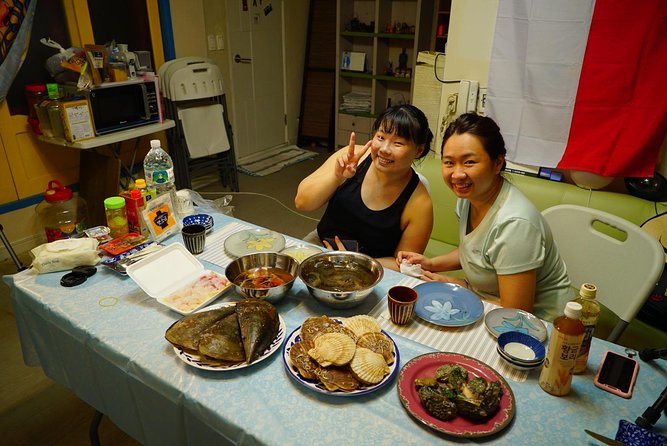
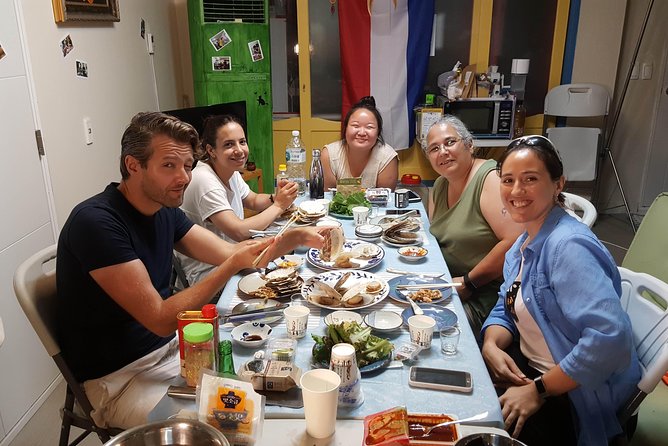
After the market visit, the seafood is taken to the host’s home or dining space for preparation. The experience description refers to cooking service and space rental, while individual accounts describe a home setting, a dining area, and, in one case, a terrace with views.
That change of setting is important. The market can feel busy and public. Sitting at a table while your host prepares the seafood gives the evening a more relaxed pace. You can watch the cooking, ask questions, and eat in stages instead of receiving everything at once.
The host’s cooking style is not limited to one strict Korean menu. Suyang Chang has described using Korean recipes alongside sauces from other countries. Past meals have included steamed scallops, high-heat shrimp with sauce, grilled fish with butter, abalone with mushrooms, seasoned oysters, vegetables, Korean snacks, and stir-fried pork noodles for children.
The food is based on freshness, so the exact menu changes. That is a strength, not a flaw, if you enjoy surprise. It also means you should not book expecting one guaranteed list of dishes beyond the included snacks and basic items described in the experience details.
Included food is listed as stir-fried shrimp, clam soup, and grilled fish, along with snacks and bottled water. The seafood bought for the main dinner is separate. Depending on your choices and group size, you may receive a broader spread of shellfish, sashimi, grilled fish, or cooked dishes.
More Shopping Trips in Busan
- Busan Local Food Cooking Class with Market Tour
★ 5.0 · 53 reviews - Busan Night Food Market with Night View points
★ 5.0 · 12 reviews - Busan Food Market Tour Seafoods and Street Foods
★ 5.0 · 8 reviews - Busan: Food Crawl with Fish Market, Soju Tents & Local Snacks
★ 5.0 · 8 reviews
Learning Korean clam soup at the table
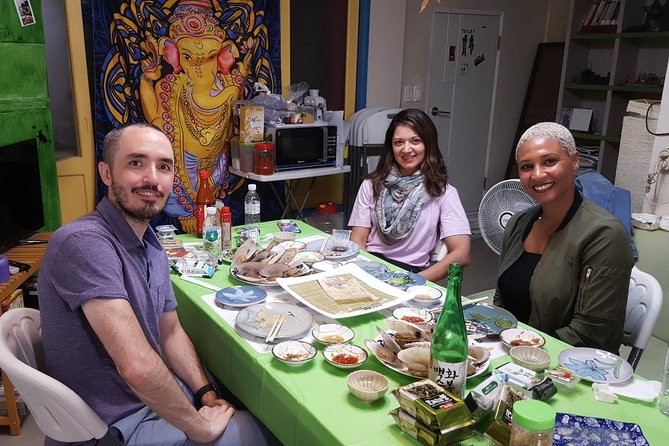
The clam soup lesson gives the experience a useful cooking element. Your host explains how to prepare the broth and how to use an Asian sauce to build flavor.
This is a small lesson rather than a full cooking class. You should not expect to spend the evening preparing every dish from start to finish. The appeal is watching a local-style meal come together and learning one practical recipe you could try later.
Clam soup also offers a gentler entry point if raw seafood makes you nervous. You can enjoy a hot, cooked dish alongside raw fish or unusual shellfish. That mix helps the meal work for people with different levels of seafood experience.
The cooking is also a chance to ask about Korean eating and drinking customs. Several accounts describe Korean snacks, appetizers, drinks, and soju being served during the meal. Alcoholic beverages are not included, so any drinks beyond what the host provides should be treated as an additional expense.
Sashimi beyond salmon and tuna
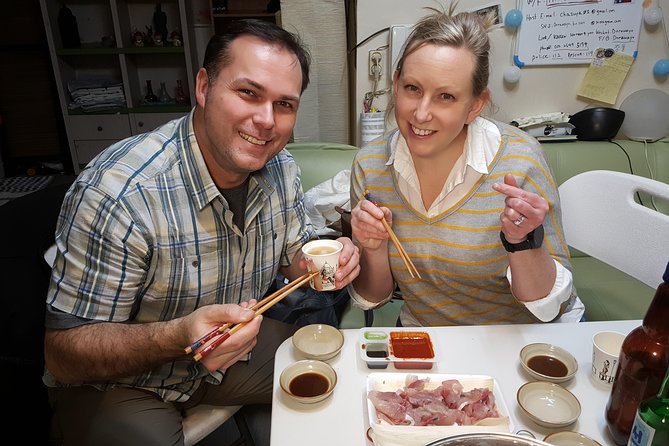
The experience makes a helpful point about Korean sashimi. Salmon and tuna may be familiar choices in Western restaurants, but rockfish and flounder are more common local options in Korea. Yellowtail is especially associated with winter in the supplied information.
That distinction gives you a better sense of local seafood habits. You are not simply ordering the most familiar fish in a Korean setting. You are being introduced to species that are important in Korea but may be less common on menus elsewhere.
Raw small octopus can be another memorable part of the meal. It is also one of the items that may require the most openness. You have the chance to see and handle seafood before it is prepared, which can make the experience fascinating for adventurous eaters and uncomfortable for cautious ones.
If you prefer cooked food, say so clearly. The menu can be adjusted to your requests, and the experience includes cooked choices such as steamed scallops, stir-fried shellfish, grilled fish, shrimp, and clam soup.
What the host adds to the evening
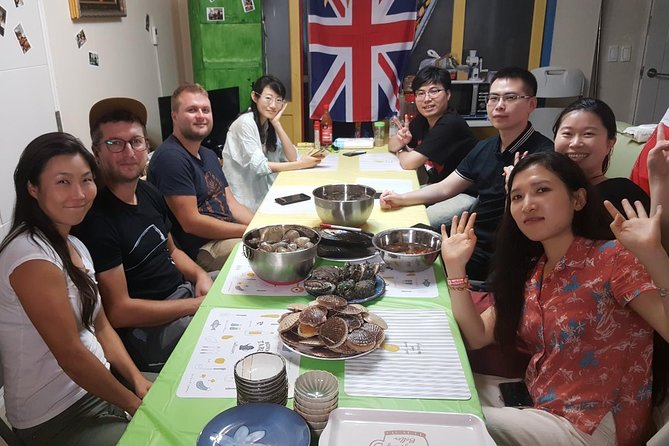
The guide is central to the value of this experience. Suyang Chang is repeatedly identified as the host, guide, and cook, and the descriptions of his work emphasize clear English, market knowledge, food explanations, and practical Busan advice.
You can expect more than a walk with names of fish. The host may explain the fishing community, the different market areas, how to buy seafood, and what to look for when selecting it. He also gives advice about restaurants and places to eat around Busan.
Some details about the host names are inconsistent. A few accounts refer to Paul or Peter, while Suyang Chang is the named host in the main material. This may reflect different hosts, nicknames, or older versions of the activity. If having a particular guide matters to you, confirm that before paying.
The guide’s cooking style also appears flexible. He has prepared dishes with Korean seasoning and international sauces, added butter to grilled fish, and adjusted the meal for families with children. That adaptability is useful in a mixed group, though it means the dinner is not a formal, fixed-menu Korean cooking course.
Timing, group size, and the pace of dinner
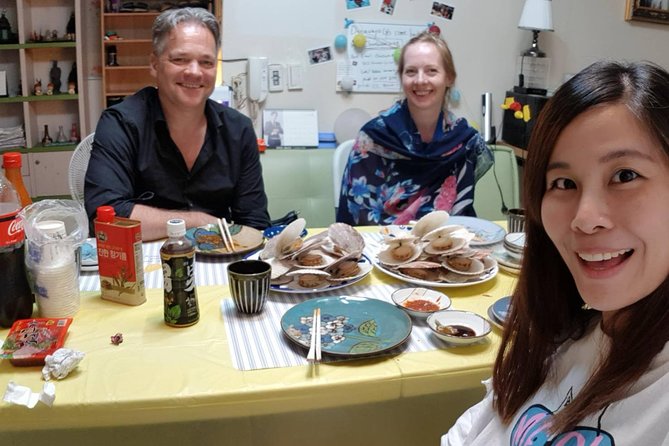
The full activity lasts about four hours and 30 minutes. That includes the market visits, seafood selection, transfer to the cooking and dining space, preparation, and meal.
Plan on a slow evening rather than a quick tasting. One description says the eating began around 5 p.m. and continued for three hours. Your own timing may differ, but the message is clear: do not schedule a tightly timed show, train connection, or late-night reservation immediately afterward.
The experience is promoted as a small-group activity. The main description says a maximum of 10 people, while the additional details state a maximum of 15. A group of 10 can still feel personal, especially with one guide, but 15 would make the market walk and cooking conversation less intimate.
The activity starts and ends at the same meeting point. It is near public transportation, which makes it practical for an evening in central Busan. You should still allow time to find the exact address, since the starting point is given as a street address rather than a major landmark.
Is $15 good value?
At $15 per person, the tour price is low for four-and-a-half hours of guiding, market orientation, cooking service, space, bottled water, and included food. The value is strongest if you want help navigating Jagalchi and would otherwise feel unsure about buying seafood.
The low price needs one important footnote: you buy the dinner seafood separately. A group that chooses only a modest amount of shellfish will spend less than a group ordering several kinds of sashimi, premium fish, or specialty items. Ask for prices as you go, especially if the host is selecting several dishes.
The meal itself can become generous. Past menus included several seafood courses, vegetables, snacks, sauces, drinks, and dishes adjusted for children. If you share the purchased seafood as a group, the cost may feel reasonable, but the final bill cannot be judged from the $15 tour fee alone.
For a first visit to Jagalchi, I think the guide service is the real bargain. You are paying for confidence, translation, local context, and the chance to turn market ingredients into a meal. If you already know how to shop at Jagalchi and prefer to negotiate and eat independently, the tour offers less added value.
Who should book this experience?
I would recommend it most strongly to seafood lovers, curious eaters, and first-time visitors who want help with Busan’s fish markets. It also suits solo visitors and couples who would enjoy sitting with a small group and sharing a long meal.
Families can work well, especially because the host has adjusted dishes for children in the past. Still, parents should explain any food limits before the seafood purchase. The tour includes raw and unfamiliar items, so it is not ideal for a group where everyone wants a predictable menu.
You should also consider your comfort with market conditions. You may touch live or raw seafood, see sea creatures up close, and handle ingredients before cooking. That hands-on part is one of the tour’s best features, but it is not for anyone who dislikes fish markets.
The activity requires good weather. If conditions force a cancellation, you are offered another date or a full refund. The experience also requires a minimum number of participants, and a cancellation for that reason brings the same choice of another date or a refund.
For normal cancellations, the terms are strict. The experience is non-refundable and cannot be changed for any reason, so book only when your schedule is firm.
Should you book the Jagalchi seafood dinner?
Book it if you want Busan seafood explained by a local guide, not simply served to you. The market walk, personal ingredient selection, clam soup lesson, and long shared meal create an evening with plenty of character.
Skip it if you need a fixed menu, dislike raw seafood, or want the advertised price to cover dinner itself. Also confirm the group size, the host, and your likely seafood budget before booking.
For most adventurous eaters, this is a strong-value way to approach Jagalchi Market. Come hungry, keep your schedule open, and treat the $15 as the price of the guided experience, not the complete dinner bill.
FAQ
How long does the Busan seafood tour last?
The experience lasts approximately four hours and 30 minutes.
Where does the tour start and finish?
It starts at 113-6 Nampo-dong 6-ga, Jung-gu, Busan, South Korea, and ends back at the same meeting point.
Which markets are included?
The route includes the Nampo-dong Dried Fish Wholesale Market and Jagalchi Market.
Is dinner included in the $15 price?
The tour includes bottled water, cooking service and space rental, snacks, stir-fried shrimp, clam soup, and grilled fish. Seafood for the main dinner must be purchased separately by the customers.
What seafood might be available?
Depending on your preferences and the market selection, you might have scallops, shrimp, comb pen shell, small octopus, sea squirt, sea cucumber, shellfish, rockfish, flounder, yellowtail, abalone, oysters, or other local seafood.
How many people can join?
The main description states a maximum of 10 people, while the additional information allows up to 15. Confirm the expected group size when booking.
Is the tour refundable if I cancel?
No. The experience is non-refundable and cannot be changed for personal cancellation. If the operator cancels because of poor weather or an insufficient number of participants, you are offered another date or a full refund.
More Shopping Trips
- Local Home Korean Cooking Class & Market Adventure in Seoul
★ 5.0 · 1,024 reviews - Seoul: Night Market Food Tour with Local Guide
★ 4.9 · 943 reviews - Seoul: Mt.Seorak, Nami Island & Korean Garden, No Shopping
★ 4.8 · 614 reviews - Private DMZ Tour (No Shopping): 3rd Tunnel & Suspension Bridge
★ 5.0 · 607 reviews
More Market Visits
- Busan: Jagalchi Market & Gamcheon village Walking Tour
★ 5.0 · 7 reviews - Visit Busan night market and enjoy the night view of Busan harbor
★ 5.0 · 6 reviews - Colors of Busan: Sky Capsule, Jagalchi Market & Night Views
★ 4.5 · 6 reviews - Seoul Street Food Market Tour
★ 5.0 · 1,226 reviews
Just added around Busan
- Korean UNESCO World Heritage Tour including Gyeongju, Andong and Daegu(2N3D)★ 5.0 · 3 reviews
- Busan Bliss: Panoramic Yacht & Urban Exploration with Sky Capsule★ 5.0 · 3 reviews
- Busan day trip including Gamcheon culture village from Seoul by KTX train★ 5.0 · 3 reviews
- Busan Seafood Tour : Oyster village Tour with Oyster cuisines★ 5.0 · 3 reviews
- 1 Day Private Busan Guided Tour★ 4.5 · 3 reviews
- 2-DAYS Busan Customized and Included Night tour★ 5.0 · 3 reviews
- Full-Day Jinhae Cherry Blossom festival Private tour★ 5.0 · 3 reviews
- Busan Dialect Class with local snack★ 5.0 · 3 reviews
Markets, compared.

Local Home Korean Cooking Class & Market Adventure in Seoul
Read our review →
Downtown Seoul Guided Food & Market Tour with 8+ Local Tastings
Read our review →
Korean Cooking Class at a Local Home and Market Tour
Read our review →
Seoul Night Palace & Market Food Tour with Vehicle
Read our review →
Cook 3 Authentic Korean Dishes with Local Market Tour
Read our review →
Korean Palace and Market Tour in Seoul Including Insadong and Gyeongbokgung Palace
Read our review →Browse the lists this tour appears in