Reviewed · COOKING CLASSES
Busan Local Food Cooking Class with Market Tour
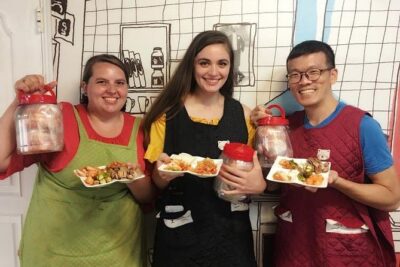
Food tells Busan’s story best. This four-hour experience pairs hands-on Korean cooking with a guided visit to Bupyeong Kkangtong Market, giving you more than a meal and a few snapshots. I especially like the English instruction from chef Heeyoung and the chance to cook with local seafood, then sit down to eat what you made. The Korean tea ceremony is another thoughtful touch, adding a calm cultural finish.
The main consideration is the price: $109.58 per person is not a cheap cooking class. Still, the fee covers ingredients, equipment, instruction, food, rice wine, recipes, a food-culture lesson, and the market walk. With a maximum of 10 people, you are paying for a small, personal class rather than a crowded demonstration. The four-hour schedule also requires a solid half-day, so it may not suit a rushed Busan itinerary.
In This Review
- Key points at a glance
- Why this class is more than a recipe lesson
- Starting at 10:00 a.m. in the Busan cooking studio
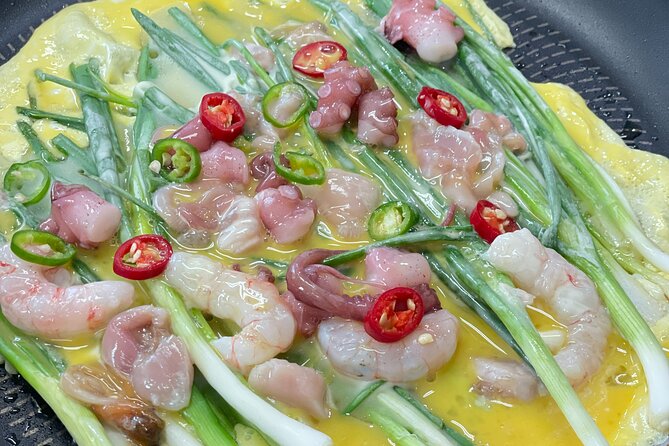
- Cooking Busan dishes with fresh seafood
- Eating your own meal with local rice wine
- A quiet Korean tea ceremony after lunch
- Walking through Bupyeong Kkangtong Market
- What the $109.58 price covers
- Who will enjoy this Busan food experience?
- Should you book the Busan cooking class?
- FAQ
- Where does the Busan cooking class begin?
- What time does the activity start?
- How long does the experience last?
- Where does the activity end?
- What is included in the price?
- Is the cooking class taught in English?
- What market will I visit?
- Can I cancel for a full refund?
Key points at a glance
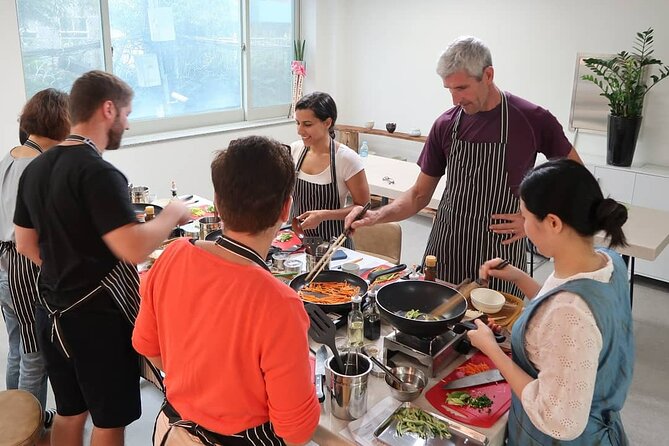
- Cook with Busan seafood: Prepare several Korean dishes using fresh seafood under the guidance of a professional local chef.
- Chef Heeyoung leads in fluent English: Her teaching style is patient, friendly, and clear, with time for questions and help at each stage.
- Bupyeong Kkangtong Market comes after lunch: Walk through a traditional market more than 100 years old, with help understanding ingredients and local customs.
- The meal is part of the lesson: You eat the food you prepare and enjoy it with local rice wine.
- A Korean tea ceremony closes the class: The final ritual gives the experience a cultural rhythm beyond cooking.
- Recipes go home with you: You receive recipes and Busan food recommendations for use after the class.
Why this class is more than a recipe lesson
Many cooking classes are useful but narrow. You learn how to chop, stir, and plate one dish, then leave. This Busan class takes a wider view of food by combining cooking, customs, market shopping, and conversation about Korean food culture.
I like that the experience begins in the kitchen rather than at a restaurant table. You get to handle ingredients, follow Korean techniques, and understand how separate elements come together in a meal. Since the dishes use fresh local seafood, the class also connects your food to Busan’s coastal setting without turning the lesson into a history lecture.
Chef Heeyoung is central to the experience. The information provided describes her as a professional Korean food chef who graduated from Korea’s most prestigious Korean cuisine culinary school, and she speaks fluent English. Her teaching style is repeatedly described as clear, welcoming, and unrushed. That matters in a cooking class, where poor translation can turn a simple sauce or technique into a guessing game.
You should also expect a social experience. The group can include up to 10 people, small enough for direct help but large enough to meet others. If your class has only a few people, the atmosphere may feel especially personal. One couple described their private session as unusually personal and hands-on, though private participation is not guaranteed.
More Food Tours in Busan
- 4-Hours Hiking and Tasting Rice Wine in the Mountain of Busan
★ 5.0 · 79 reviews - Busan: Hiking and Tasting Rice Wine in the Hidden Village
★ 4.9 · 74 reviews - Busan history and market food tour with local chef
★ 5.0 · 58 reviews
Starting at 10:00 a.m. in the Busan cooking studio
The class begins at 10:00 a.m. at Busan Cooking Class, 2f, 15 Gudeok-ro 186beon-gil, Seo-gu, Busan. The meeting point is near public transportation, which makes the start fairly practical, but you should still allow time to find the building and reach the second floor.
The morning timing works well for two reasons. First, it leaves the afternoon open for more sightseeing. Second, you are likely to be ready for a substantial meal after working with food for several hours. The activity ends back at the meeting point, so you do not need to arrange a separate return transfer.
Bring an appetite, but do not expect a quick demonstration followed by a tasting. The class is designed around participation. You will be given an apron, tableware, ingredients, and English instruction. The pace appears intentionally relaxed, which is helpful if you are not used to Korean cooking methods or if your kitchen skills are modest.
A possible drawback is that the exact dishes are not listed in the available details. You know you will make several typical Korean dishes and Busan local food with seafood, but you should not book this expecting a specific named recipe unless the provider confirms it before your visit.
Cooking Busan dishes with fresh seafood
The kitchen portion is the heart of the experience. Under Heeyoung’s direction, you learn Korean cooking techniques while preparing several dishes. The class also includes a Korean food-culture lecture, so the focus is not just on following instructions. You get context for the ingredients and the customs behind the meal.
I like the practical format. You are not simply watching a chef work at a distance. You handle the ingredients, take part in the preparation, and then eat the result. That makes it easier to remember the method when you return home, especially because recipes are provided at the end.
The seafood focus is fitting for Busan. The city is closely tied to the coast and its markets, and using fresh seafood helps distinguish this class from a generic Korean food workshop. Still, the information does not specify which seafood appears on the day of your class. Menus can change, so anyone with allergies or strong food restrictions should ask before booking.
The chef’s teaching style is one of the strongest reasons to choose this experience. Heeyoung is praised for explaining each step clearly, checking that everyone understands, and avoiding a rushed pace. She also makes an effort to include the whole group. That combination is useful for beginners, couples, families with older children, and solo visitors who want a friendly setting rather than a formal culinary school atmosphere.
The class also offers a chance to ask about Korean food beyond the recipes. You can use the lecture and kitchen time to understand local ingredients, cooking habits, and the role food plays in daily life. Several people wished they had scheduled the class earlier in their Busan stay, since the information would have helped them understand restaurant meals and food markets afterward.
That is a smart planning tip. If you have room in your schedule, book this near the beginning of your Busan visit. You will still enjoy it at the end, but taking it early gives you a better eye for ingredients and dishes during the rest of your trip.
Eating your own meal with local rice wine
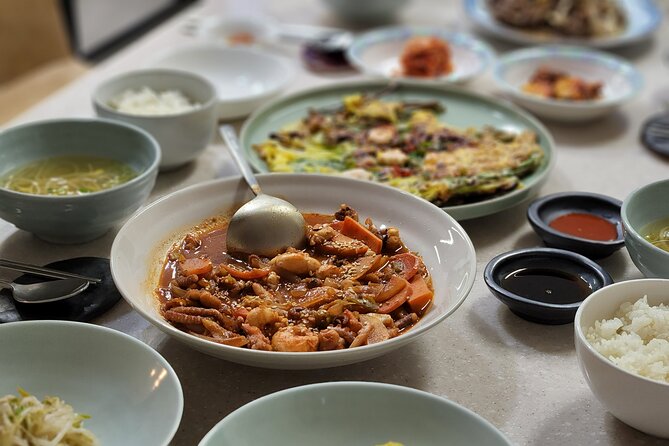
Once the cooking is finished, you sit down and eat what you prepared. This is a small but important part of the experience. The meal gives you a chance to taste the results while the process is still fresh in your mind, and it turns the class into a shared lunch rather than a string of disconnected tasks.
Local rice wine accompanies the meal. The details do not say how much is served, so you should treat it as part of the tasting rather than assume an unlimited drink service. If you do not drink alcohol, ask the provider about alternatives before the class.
Eating together also gives Heeyoung time to continue talking about Korean food and customs. The class is praised for feeling professional without becoming stiff. That balance is useful if you want real instruction but also enjoy conversation and a bit of humor.
The meal may be less appealing to people who prefer to choose from a restaurant menu. You have limited control over the dishes, and the point is to learn and share rather than order exactly what you want. For most food-focused visitors, though, the chance to eat your own cooking is part of the value.
More Market Visits in Busan
- Busan Seafood Tour : Jagalchi market Seafood Tour & Dinner
★ 5.0 · 74 reviews - Busan Tailored Korean cooking class (Vegan OK)with market tour
★ 5.0 · 66 reviews - Gamcheon Culture Village, Jagalchi fish market story telling Tour
★ 4.5 · 63 reviews - Busan Night Food Market with Night View points
★ 5.0 · 12 reviews
A quiet Korean tea ceremony after lunch
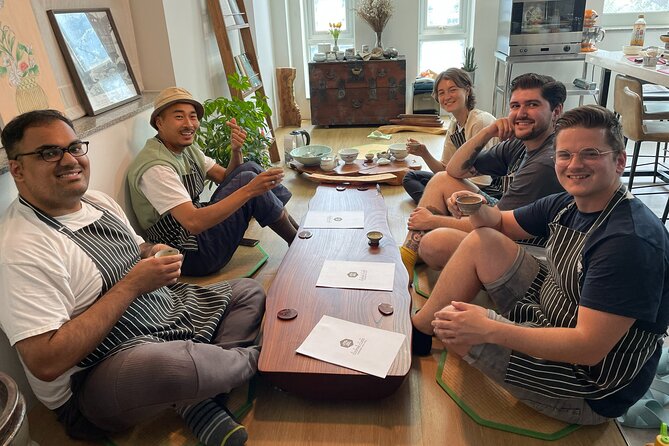
The tea ceremony follows the meal. This changes the pace from kitchen activity to a more reflective look at Korean custom. It is a welcome contrast, especially after several hours of preparation, conversation, and eating.
The ceremony is not presented as a separate performance. It is included as part of the class, which lets you see how food and drink connect to manners, hospitality, and daily culture. You should not expect an elaborate show, but you can expect an introduction to Korean tea customs guided by the chef.
I appreciate this addition because it keeps the experience from being only about recipes. You leave with an understanding of several parts of Korean food culture: buying ingredients, preparing food, sharing a meal, drinking rice wine, and serving tea.
Walking through Bupyeong Kkangtong Market
After the meal and tea, you visit Bupyeong Kkangtong Market with the chef. The market is more than 100 years old and is known for local food and traditional shopping. Here, Heeyoung can point out ingredients, explain local food customs, and help translate when needed.
This part is especially useful if you are curious but hesitant in Korean markets. Signs, unfamiliar cuts, and quick exchanges can make shopping difficult. Having an English-speaking chef beside you helps turn the market from a confusing walk into a lesson.
The market tour is also a chance to connect the cooking class to everyday Busan. In the studio, ingredients are measured and prepared in a calm setting. At Bupyeong Kkangtong Market, you see the products and food culture in a more direct local setting. You may find ingredients you recognize from the class, along with food recommendations for the rest of your stay.
The itinerary lists Bupyeong Kkangtong Market as the stop, but it does not promise tastings or purchases. Personal spending is not included, so bring money if you want to buy something, but do not assume market snacks or shopping are part of the tour price.
The market visit comes after the cooking session, which is logical but worth noting. You may be full by then, and the class has already used much of your energy. If browsing food stalls is your main goal, the market deserves its own return visit. If your goal is context and translation, the guided stop is a useful introduction.
What the $109.58 price covers
At $109.58 per person, this is a premium-priced activity. The value depends on how much you want from the day. You are not paying only for a meal or a market stroll. The price includes the cooking class, all ingredients, apron, tableware, food-culture lecture, tea ceremony, rice wine with the meal, recipes, and Busan food recommendations.
The small maximum of 10 people improves the value. A large group could make hands-on instruction frustrating, especially for beginners. Here, the chef has a better chance of checking your progress and answering questions. The personal attention is one of the main reasons this costs more than a casual food tour.
You also save yourself the work of finding ingredients, translating market terms, and choosing a recipe suited to a group. That does not make the price a bargain for every budget, but it makes it reasonable for people who want instruction and cultural explanation in one half-day.
The activity is often booked about 52 days in advance. That suggests you should not leave it until the last minute, especially if your dates in Busan are fixed. Confirmation arrives within 48 hours of booking, subject to availability, so plan with a little flexibility until your place is confirmed.
Free cancellation is available up to 24 hours before the start time for a full refund. Changes or cancellations inside that period are not accepted for a refund. The class may also be canceled if the minimum number is not reached or if poor weather affects the activity. In those cases, you are offered another date or experience, or a full refund.
Who will enjoy this Busan food experience?
I would recommend this class most strongly to:
- First-time visitors to Busan who want food context before exploring restaurants and markets.
- Home cooks who want recipes and Korean techniques they can use later.
- Food-focused couples and small groups looking for a shared activity with a meal included.
- Solo visitors who prefer a guided social experience over eating alone.
- Visitors who need English instruction and want clear explanations throughout the class.
- People interested in customs as well as cooking, thanks to the lecture and tea ceremony.
It may be less suitable if you want a fast market tour, a named menu, or a restaurant-style food crawl. It also may not fit a very tight schedule because the class takes about four hours and starts at 10:00 a.m.
The maximum group size is 10, but the exact size of your session can vary. If personal attention matters most to you, ask about the expected group size when booking. The private-class experience described by one participant is possible only if the booking conditions result in a private group, not something the standard price guarantees.
Should you book the Busan cooking class?
Book it if you want to understand Korean food by making it, eating it, and seeing where ingredients are sold. The combination of Heeyoung’s fluent English, patient teaching, fresh seafood, market translation, recipes, and tea ceremony gives the four hours a clear purpose.
At $109.58, it is best viewed as a full cultural activity rather than a cheap lunch. I would place it early in a Busan itinerary so the market advice and food lessons can shape the rest of your meals. If your budget allows and you enjoy hands-on classes, this is a strong choice. If you only want to sample food with no cooking, choose a simpler market or tasting tour instead.
FAQ
Where does the Busan cooking class begin?
It begins at Busan Cooking Class2f, 15 Gudeok-ro 186beon-gil, Seo-gu, Busan, South Korea.
What time does the activity start?
The cooking class starts at 10:00 a.m.
How long does the experience last?
The experience lasts approximately four hours.
Where does the activity end?
It ends back at the meeting point.
What is included in the price?
The price includes an apron, tableware, all ingredients, English cooking instruction, a Korean food-culture lecture, a Korean traditional tea ceremony, Busan food recommendations, and recipes.
Is the cooking class taught in English?
Yes. The class includes English instruction, and the chef speaks fluent English.
What market will I visit?
You will visit Bupyeong Kkangtong Market, a traditional market described as more than 100 years old.
Can I cancel for a full refund?
Yes. You can cancel at least 24 hours before the start time for a full refund. Cancellations or changes made less than 24 hours before the start time are not accepted for a refund.
More Workshops in Busan
- Korean cooking class in Haeundae, Busan
★ 5.0 · 92 reviews - Busan: Small-Group Traditional Korean Food Cooking Class
★ 4.9 · 58 reviews - [BUSAN,GamcheonVillage] Private Korean Art Painting Class
★ 5.0 · 20 reviews - Korean Pottery Town Tour with the pottery class from Busan
★ 5.0 · 7 reviews
More Shopping Trips in Busan
- Busan Food Market Tour Seafoods and Street Foods
★ 5.0 · 8 reviews - Busan: Food Crawl with Fish Market, Soju Tents & Local Snacks
★ 5.0 · 8 reviews - Busan: Jagalchi Market & Gamcheon village Walking Tour
★ 5.0 · 7 reviews - Visit Busan night market and enjoy the night view of Busan harbor
★ 5.0 · 6 reviews
Just added around Busan
- Korean UNESCO World Heritage Tour including Gyeongju, Andong and Daegu(2N3D)★ 5.0 · 3 reviews
- Busan Bliss: Panoramic Yacht & Urban Exploration with Sky Capsule★ 5.0 · 3 reviews
- Busan day trip including Gamcheon culture village from Seoul by KTX train★ 5.0 · 3 reviews
- Busan Seafood Tour : Oyster village Tour with Oyster cuisines★ 5.0 · 3 reviews
- 1 Day Private Busan Guided Tour★ 4.5 · 3 reviews
- 2-DAYS Busan Customized and Included Night tour★ 5.0 · 3 reviews
- Full-Day Jinhae Cherry Blossom festival Private tour★ 5.0 · 3 reviews
- Busan Dialect Class with local snack★ 5.0 · 3 reviews
Cooking Classes, compared.

Local Home Korean Cooking Class & Market Adventure in Seoul
Read our review →
Master Korean traditional cooking with a Kimchi chef
Read our review →
Korean Cooking Class at a Local Home and Market Tour
Read our review →

Experience Korean Cooking in Modern Hanok Kitchen
Read our review →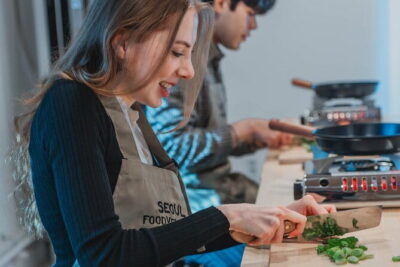
Korean Cooking Class with Grocery Shopping at Seoul Local Market
Read our review →